Oct 20, 2023
No Change in Iran’s Position Concerning the Financial Action Task Force
The October 20 edition of the Iran Media Review highlights reactions to rumors that Iran is considering joining the Financial Action Task Force.

For a few days, thanks to reformist newspaper Etemad, it appeared the Cabinet of Iranian President Ebrahim Raisi could change its position and join the Financial Action Task Force, a global money laundering and terrorist financing watchdog, which could potentially ease Iran’s reintegration into global financial networks if sanctions against Iran are lifted. Those hopes may have been dashed when Kayhan newspaper slammed the idea and Nour News, the mouthpiece of the Supreme National Security Council, republished Kayhan’s editorial.
- October 12: Etemad Daily published an interview with Mohammad Sadr, a member of the Expediency Council, who discussed rumors about the Raisi Cabinet studying a plan for Iran to join the FATF, something Raisi was against when he was in the opposition:
- “Apparently, certain viewpoints were expressed concerning renewed investigation in the Expediency Council into joining the FATF, but I personally have no knowledge of the subject being under formal investigation at the moment … My personal viewpoint concerning the FATF is crystal clear, as I have explained many times before. To repeat it, just like reviving the” Joint Comprehensive Plan of Action nuclear deal, “joining the FATF is an undeniable necessity. Should Iran not diplomatically pursue the revival of the JCPOA in order to end the sanctions regime and return to the arena of international trade and economics, and should Iran not join the FATF, pass the Palermo Convention … and the like, Iran cannot solve its economic problems. Even if negotiations succeed and the JCPOA is officially revived but the FATF is not yet enforced, Iran cannot benefit from the restoration of the JCPOA and the end of the sanctions regime. This is because any financial and banking transaction is prohibited to Iran for the time being, and the key to unlocking the lock is joining the FATF.”
- Turning to political obstacles to joining the FATF, he said: “Under the previous president, Hassan Rouhani, many individuals and groups opposed both the JCPOA and the FATF and created obstacles in the path of reviving the JCPOA and joining the FATF. A considerable part of their opposition was motivated by factional political interests. Under the Rouhani presidency, these groups ignored national interests, but they have now reached the conclusion that their previous positions were wrong. I hope these individuals and groups have learned from their past mistakes and, instead of pursuing their factional political interests, take national interests into consideration.”
- October 12: In a separate article, Etemad interviewed Heshmat-Allah Falahat Pishe, a former parliamentarian, who recalled his encounters with Raisi before he was elected president: “Back then, I participated in Expediency Council meetings in my capacity as a member of the Parliamentary National Security Committee … A certain group dealt very harshly with the FATF at the time … and in the end, Iran did not manage to join it… One of the harshest opponents of the FATF was Mr. Raisi, who at the time participated in the meetings in his capacity as chief justice … I too have heard that the JCPOA and FATF opponents of yesterday have become proponents of these things now, which I suspect is due to the fact that they must now answer to the people … Trade among middlemen has replaced transparent banking transactions … These people claim to be guardians of the values of the country, but, in reality, they are profiteering from the sanctions regime … President Raisi, too, has finally reached the same conclusion, wants to change the state of affairs, and is now interested in joining the FATF.”
- October 17: Dismissing such speculation, hard-line Kayhan newspaper’s editorial slammed any attempt by proponents of international cooperation against money laundering to “beautify the FATF,” claiming Raisi’s diplomacy is not based on “begging” but brings “power and honor through successes, such as increasing oil and non-oil exports, joining international groups and organizations, such as BRICS and the Shanghai Cooperation Organization, freeing frozen Iranian assets, and the like.”
- October 17: Nour News, the official mouthpiece of the Supreme National Security Council, republished Kayhan’s editorial, which may be an indication of the government’s latest position concerning the FATF.
The views represented herein are the author's or speaker's own and do not necessarily reflect the views of AGSI, its staff, or its board of directors.
Related
Iran Media Review
Oct 17, 2023
Iran Uses Threats of Intervention to Complicate Israeli Calculations
The October 17 edition of the Iran Media Review examines Iran’s posture vis-a-vis the Israel-Hamas conflict.
Iran Media Review
Oct 13, 2023
Quds Force Chief Oversees War Game in Syria
The October 13 edition of the Iran Media Review highlights Quds Force chief Brigadier General Ismail Qaani’s recent visit to Syria.
Oct 17, 2023
Iran Uses Threats of Intervention to Complicate Israeli Calculations
The October 17 edition of the Iran Media Review examines Iran’s posture vis-a-vis the Israel-Hamas conflict.
Oct 13, 2023
Quds Force Chief Oversees War Game in Syria
The October 13 edition of the Iran Media Review highlights Quds Force chief Brigadier General Ismail Qaani’s recent visit to Syria.
Analysis
The Islamic Republic Returns to Offense
After U.S.-Israeli strikes killed Supreme Leader Ayatollah Ali Khamenei on February 28, Iran’s collective leadership has concluded that the best defense is a good offense.
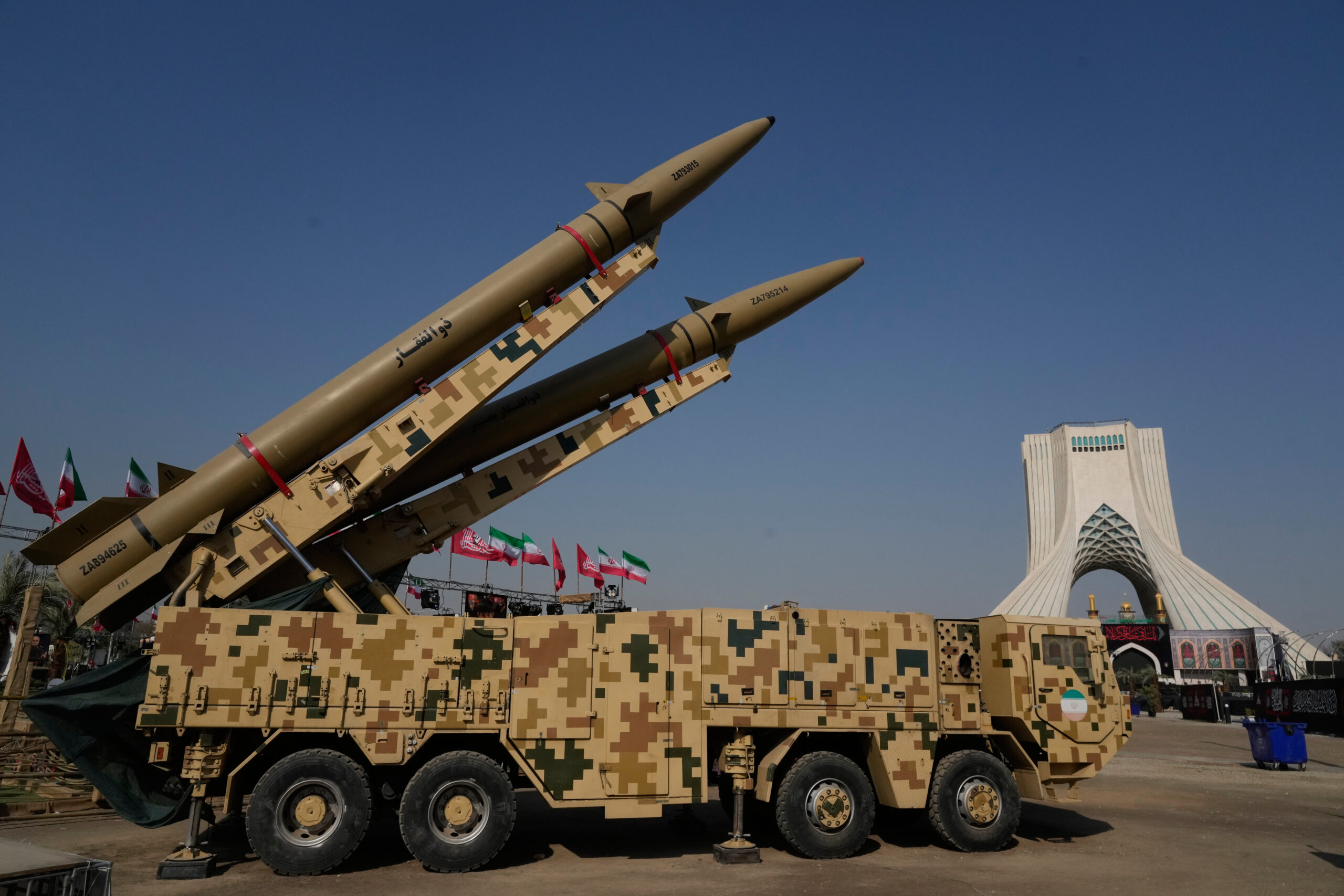
Iran’s Collective Strategic Decision Making
Wartime pressure has temporarily aligned the leadership’s overriding interest in regime survival, even as its members continue to differ over the costs, methods, and ultimate objectives of the war.
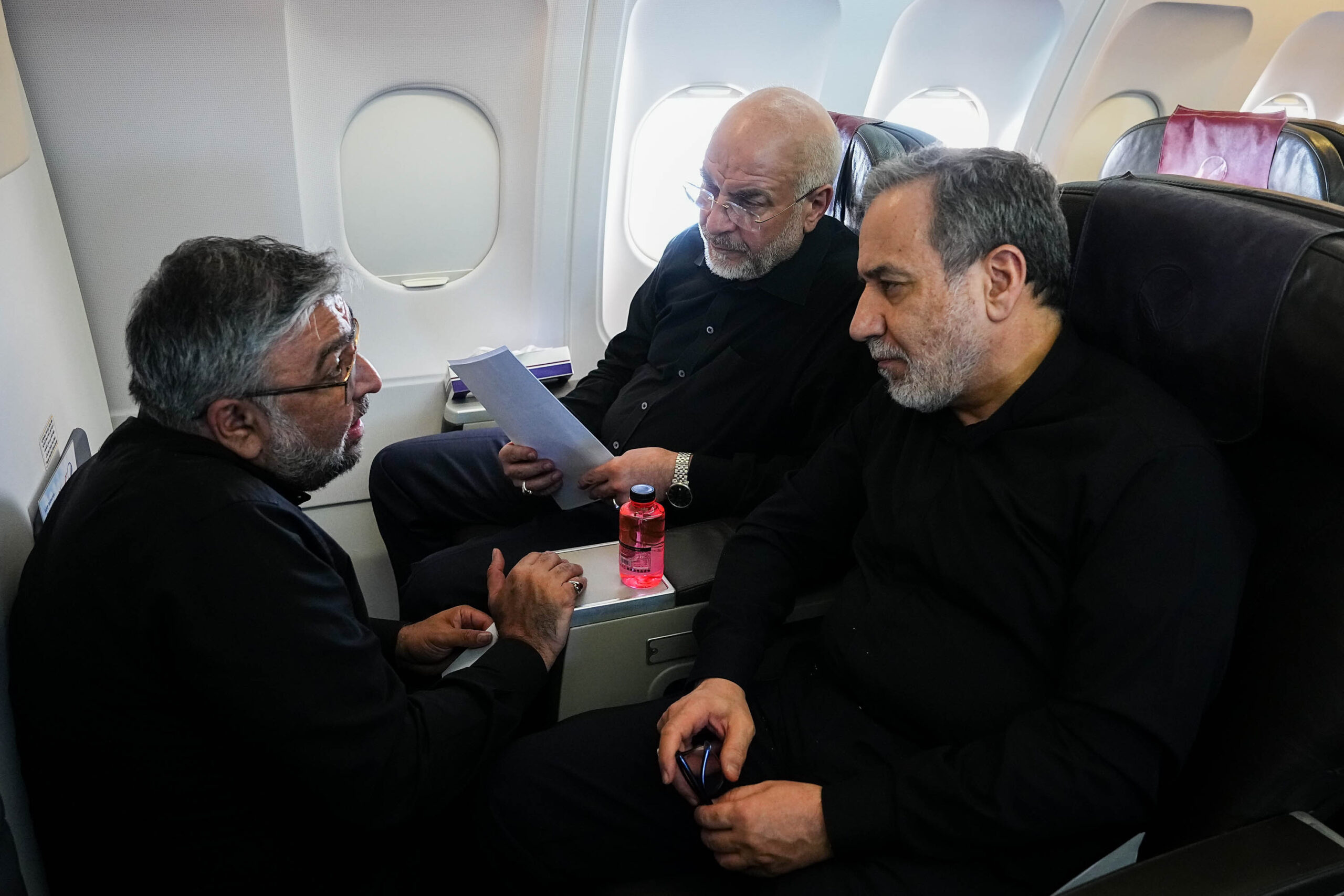
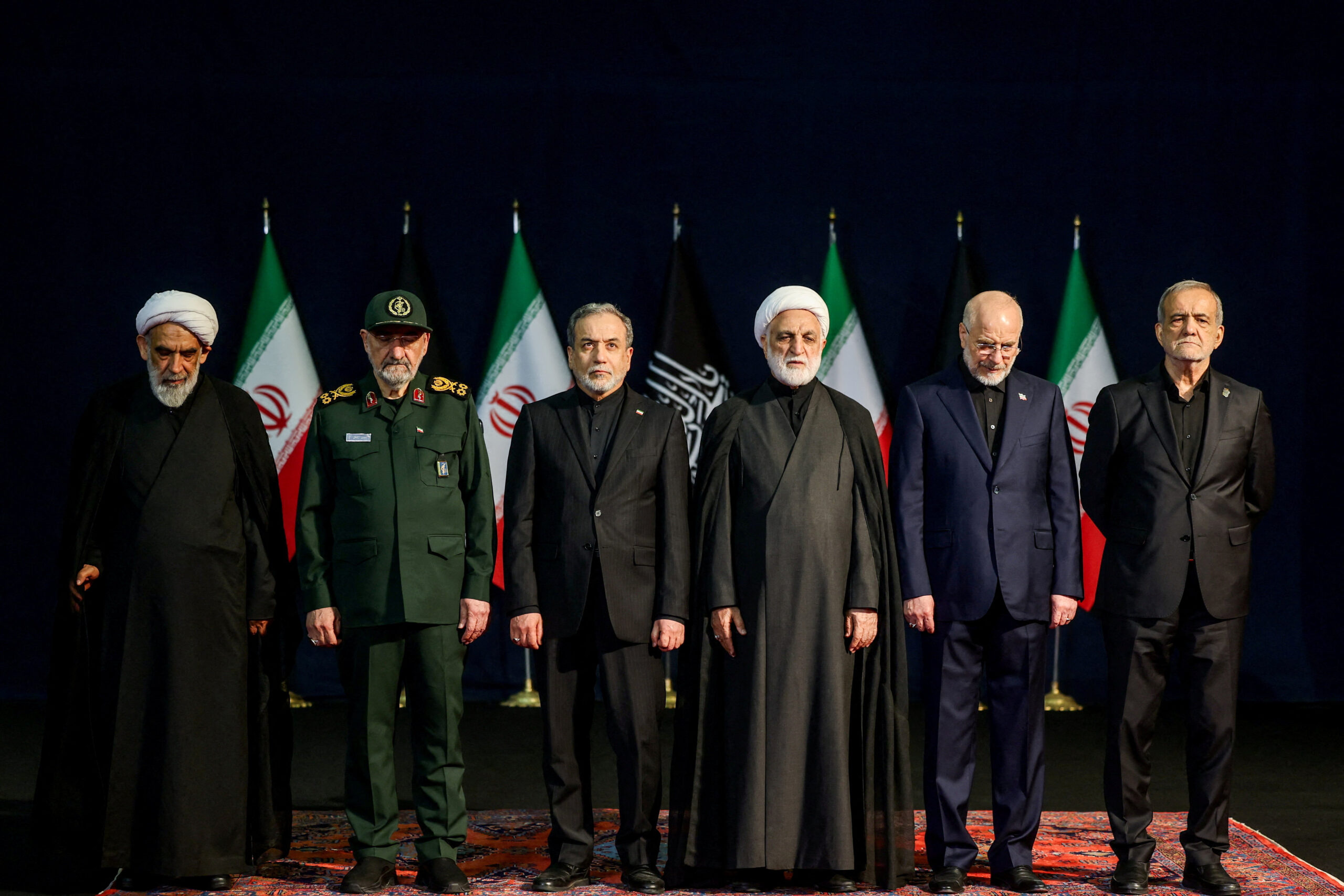
The Islamic Republic’s Collective Leadership
While there is historical precedent for collective leadership in Iran, today’s leadership includes representatives of the IRGC and regular military – a reflection of the IRGC’s expanding role and the necessities of governing under wartime conditions.
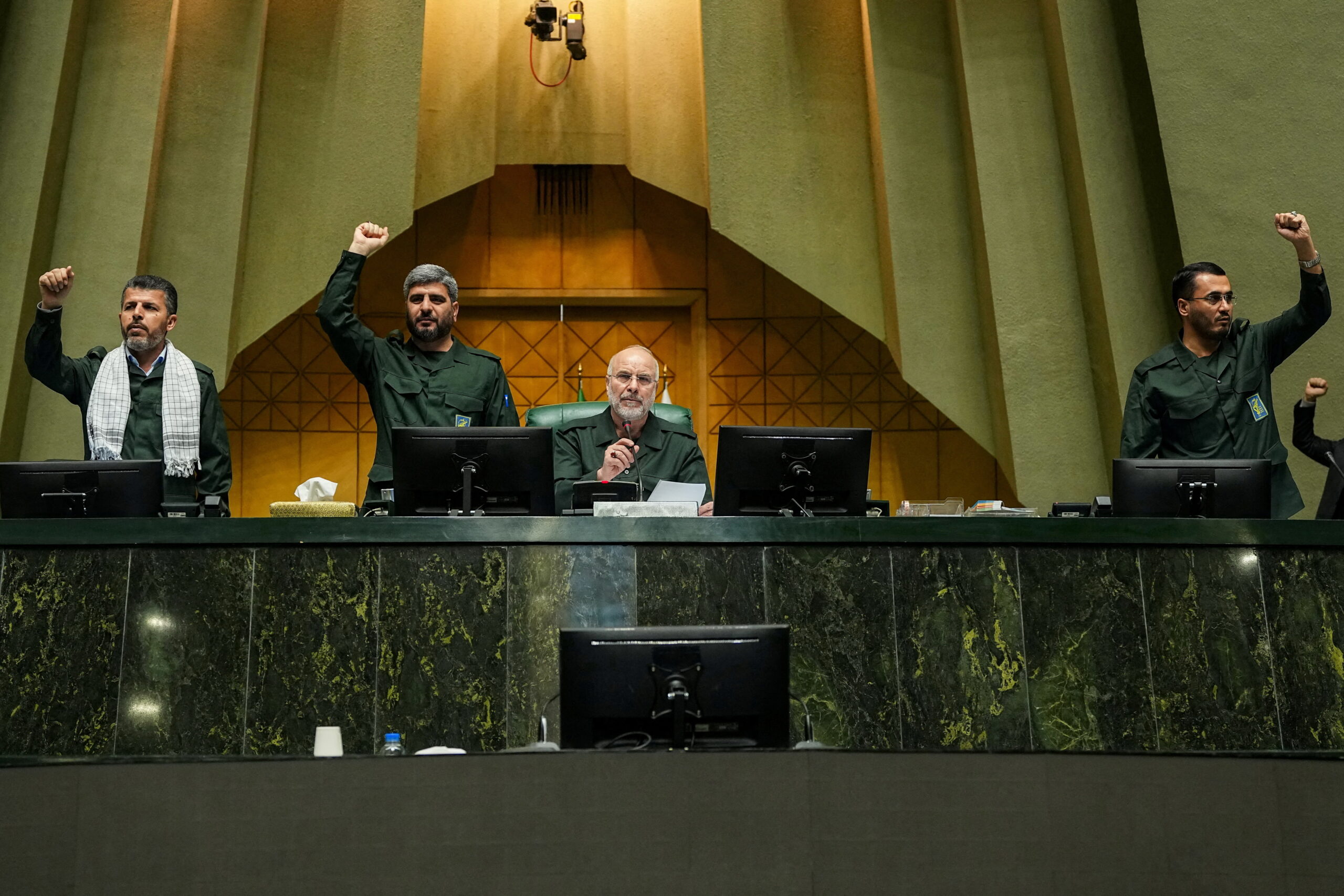
How Did the IRGC Seize Power in Iran?
The IRGC did not seize power in a single stroke. It accumulated it – patiently, methodically – until no counterweight remained.
Events
Book Talk: Iran and the Bomb: The United States, Iran and the Nuclear Question
On June 16, AGSI hosted a discussion on the evolution of Iran's nuclear program.

Speakers


Apr 21, 2026
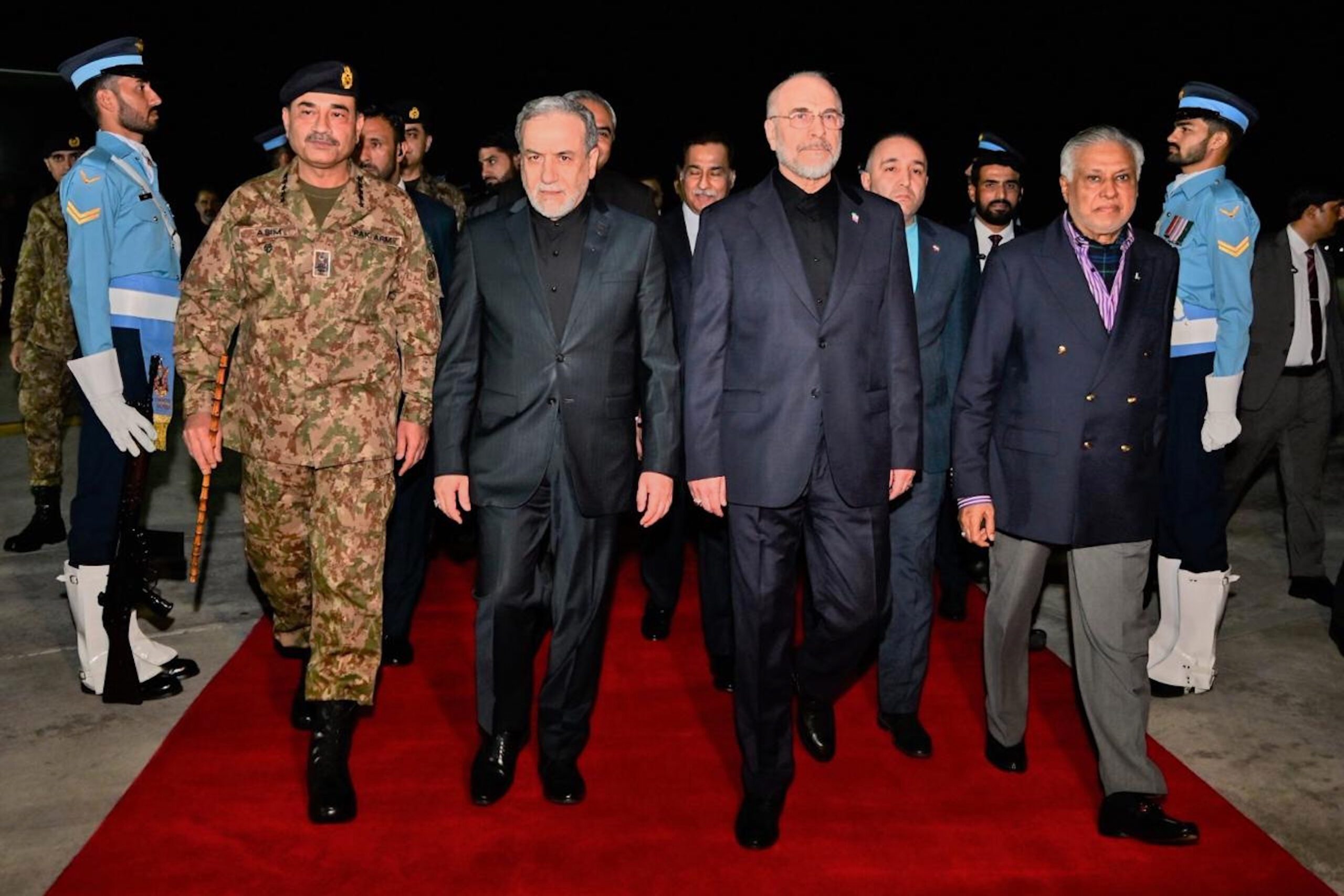
Inside Iran’s Wartime Leadership: Power, Succession, and Regime Stability
On April 21, AGSI hosted a discussion on the evolution of Iran's leadership during the war.
Speakers

Mar 18, 2026
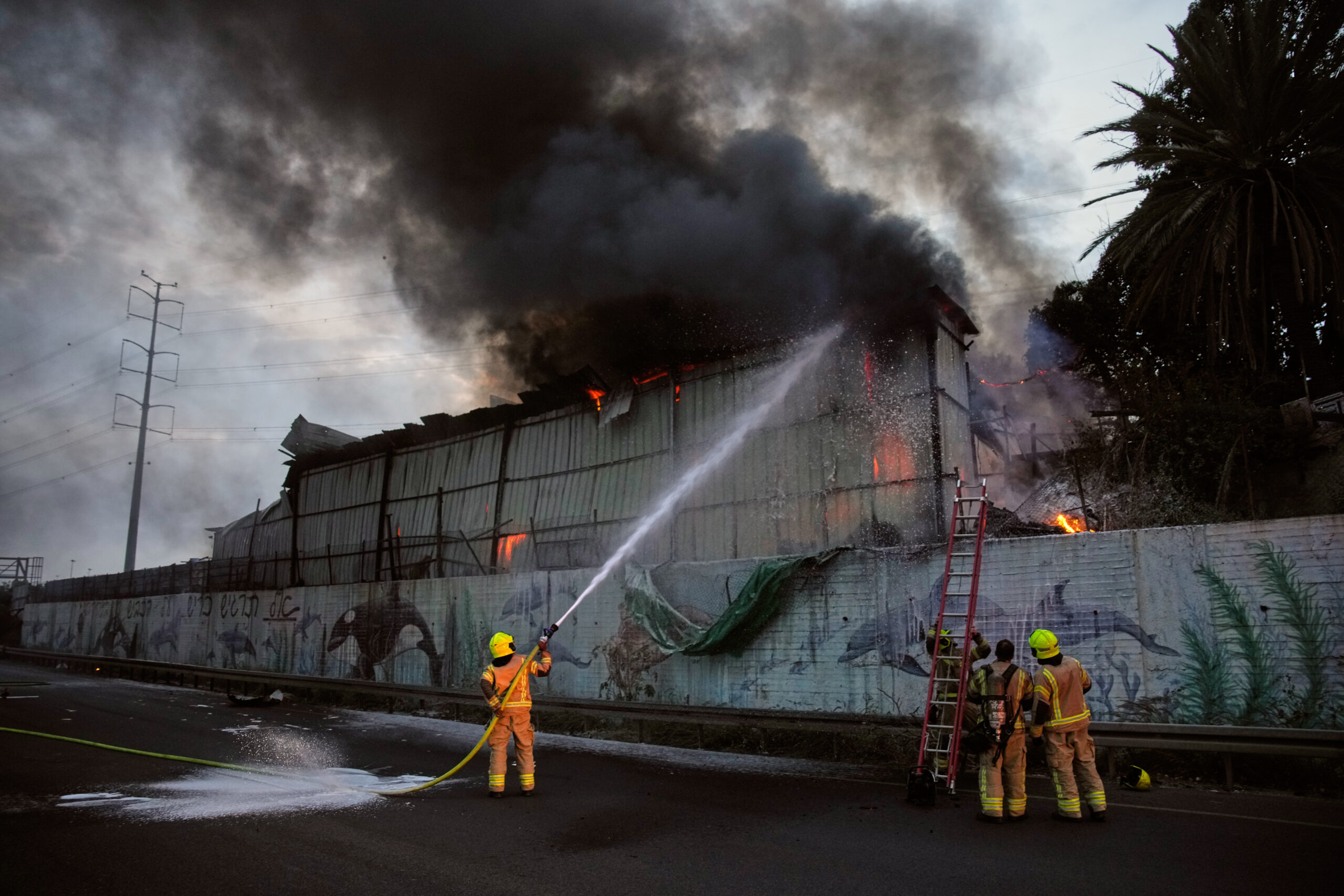
In Its Conflict With the United States and Israel, Does Escalation Favor Iran?
On March 18, AGSI hosted a discussion on the escalation of the Iran war.
Speakers



Mar 2, 2026
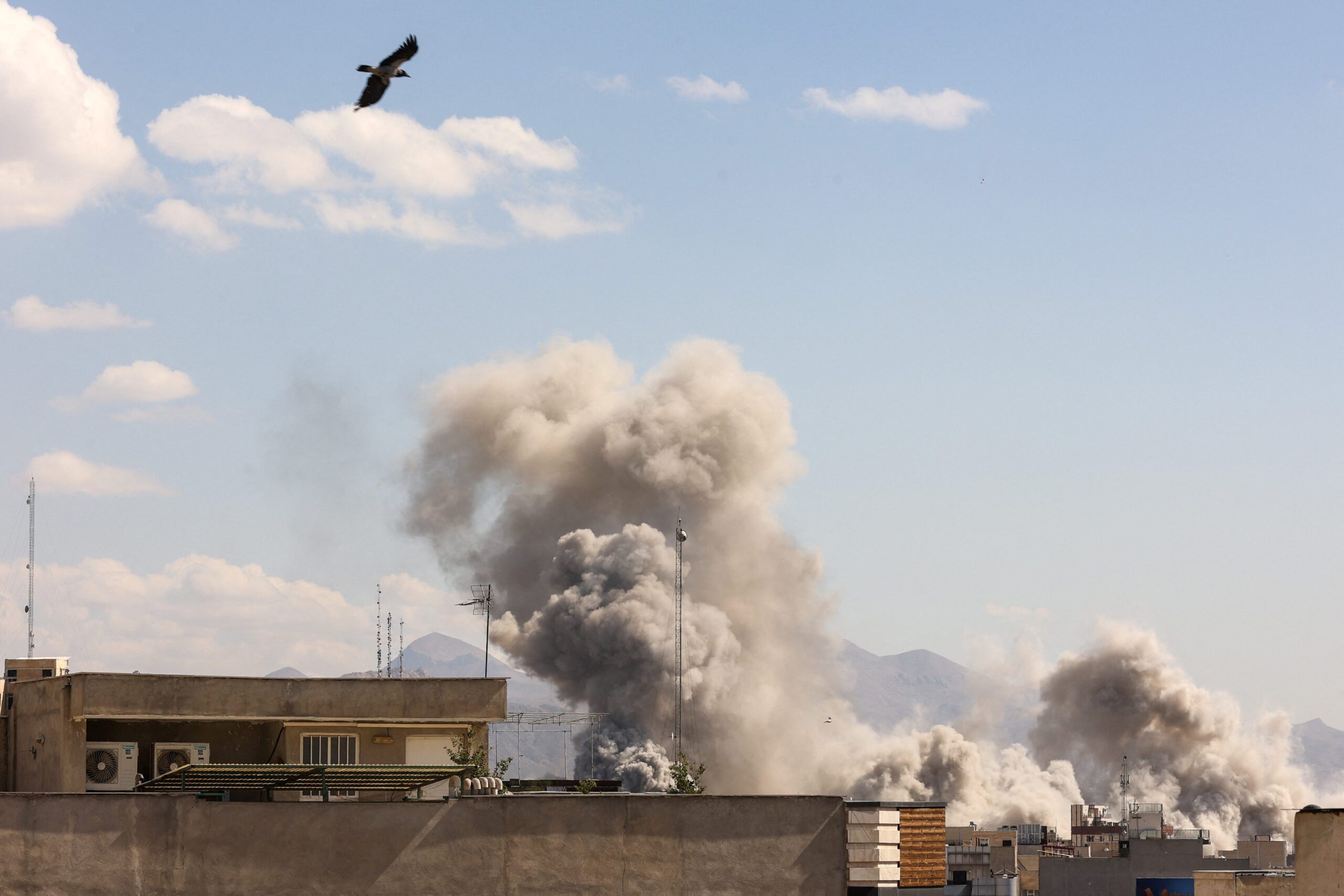
After the Shock: Implications of the U.S.–Israeli Strikes and Iran’s Leadership Transition
On March 2, AGSI hosted a discussion on the U.S.-Israeli strikes on Iran.
Speakers