"*" indicates required fields

This field is for validation purposes and should be left unchanged.

Subscribe

By subscribing you agree to our Privacy Policy

Subscription Settings
Analysis

melgohari

سيكون الحوثيون أكثر عرضة للخطر، بعد الانسحاب الكامل للقوات السعودية والإماراتية، مما كانوا عليه في أي وقت خلال الحرب.

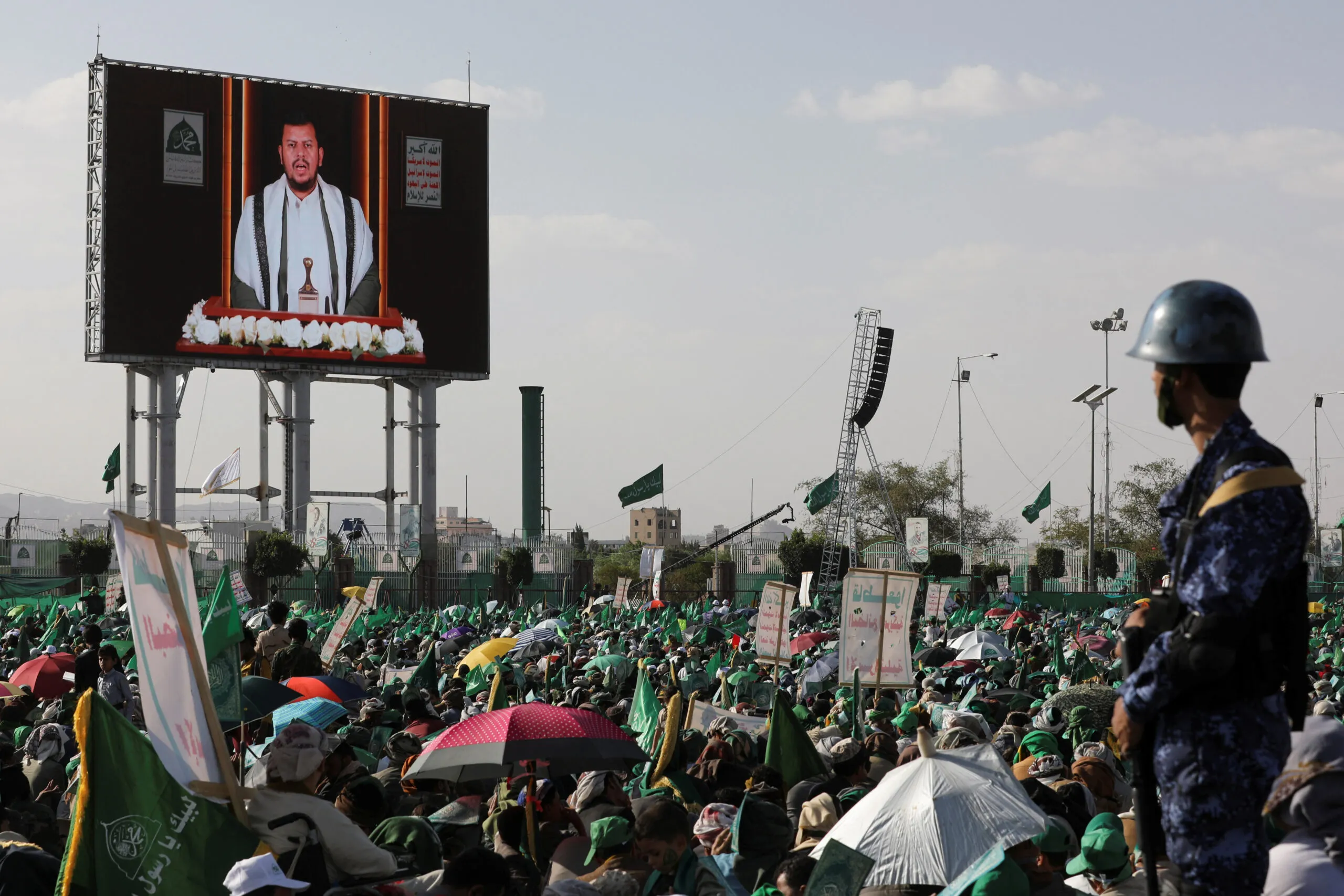
زعيم جماعة الحوثيين، عبد الملك الحوثي، يلقي كلمة أمام تجمع من الجماهير بمناسبة المولد النبوي الشريف، عبر الفيديو في صنعاء، اليمن، 8 أكتوبر 2022. (صورة من رويترز/خالد عبد الله)

ملخص تنفيذي

بعد أكثر من ثماني سنوات من الحرب المدمرة في اليمن، هناك شيء واحد واضح، لا يزال الحوثيون يسيطرون على صنعاء. لم تدفعهم الضربات الجوية السعودية والإماراتية إلى اللجوء للجبال، ولم يجبرهم الضغط الدولي على الاستسلام على طاولة المفاوضات. بهذا المعنى، انتصر الحوثيون في الحرب. في هذا الوقت المتأخر، من غير المرجح أن يتم إجبار الجماعة عسكريًا أو دبلوماسيًا على الخروج من صنعاء.

هناك ثلاثة أسباب رئيسية لانتصار الحوثيين. أولاً، كانت الجماعة أكثر مرونة من خصومها، وقد قامت بعمل أفضل في تحويل الأعداء إلى حلفاء. على عكس التحالف الذي تقوده السعودية، والذي غالبًا ما حوّل الحلفاء إلى أعداء. ثانيًا، استفاد الحوثيون من سلسلة من القرارات السياسية السيئة والأخطاء الفادحة في ساحة المعركة من قبل خصومهم في حكومة اليمن المعترف بها من الأمم المتحدة، وكذلك من التحالف الذي تقوده السعودية.

أخيرًا، استغل الحوثيون الانقسام بين خصومهم، كان هذا هو الحال على الصعيدين المحلي والإقليمي. على الجبهة الداخلية، كان للجماعات المسلحة المختلفة التابعة للحكومة المعترف بها من الأمم المتحدة، مثل المجلس الانتقالي الجنوبي وحزب الإصلاح، أهدافًا مختلفة. وفي بعض الأحيان، دخلت في صراع مع بعضها البعض. إقليميًا، سعت السعودية والإمارات وراء غايات مختلفة وخاضتا حروبًا مختلفة. كل هذا سمح للحوثيين بالاستمرار في السيطرة على صنعاء، والسيطرة على الأرض، وفي النهاية تحقيق النصر.

ومع ذلك، فقد خلق الحوثيون تحديات كبيرة لأنفسهم سيكون من الصعب التغلب عليها في سيناريو ما بعد الصراع. تتعلق العوامل الثلاثة الأكثر إلحاحًا بالحوكمة والاقتصاد والحلفاء المحليين. لم يحكم الحوثيون بشكل فعال أو شفاف، ويفتقرون إلى القاعدة الاقتصادية لدعم دولة مستقلة، ولديهم مراكز قوة منفصلة، ولا سيما العديد من القبائل اليمنية، التي قد يحتاجون إلى دعمها قريبًا. باختصار، سيكون الحوثيون أكثر عرضة للخطر بعد الانسحاب الكامل للقوات السعودية والإماراتية مما كانوا عليه في أي وقت خلال الحرب.

قراءة الورقة كاملة بالإنجليزية


The views represented herein are the author's or speaker's own and do not necessarily reflect the views of AGSI, its staff, or its board of directors.

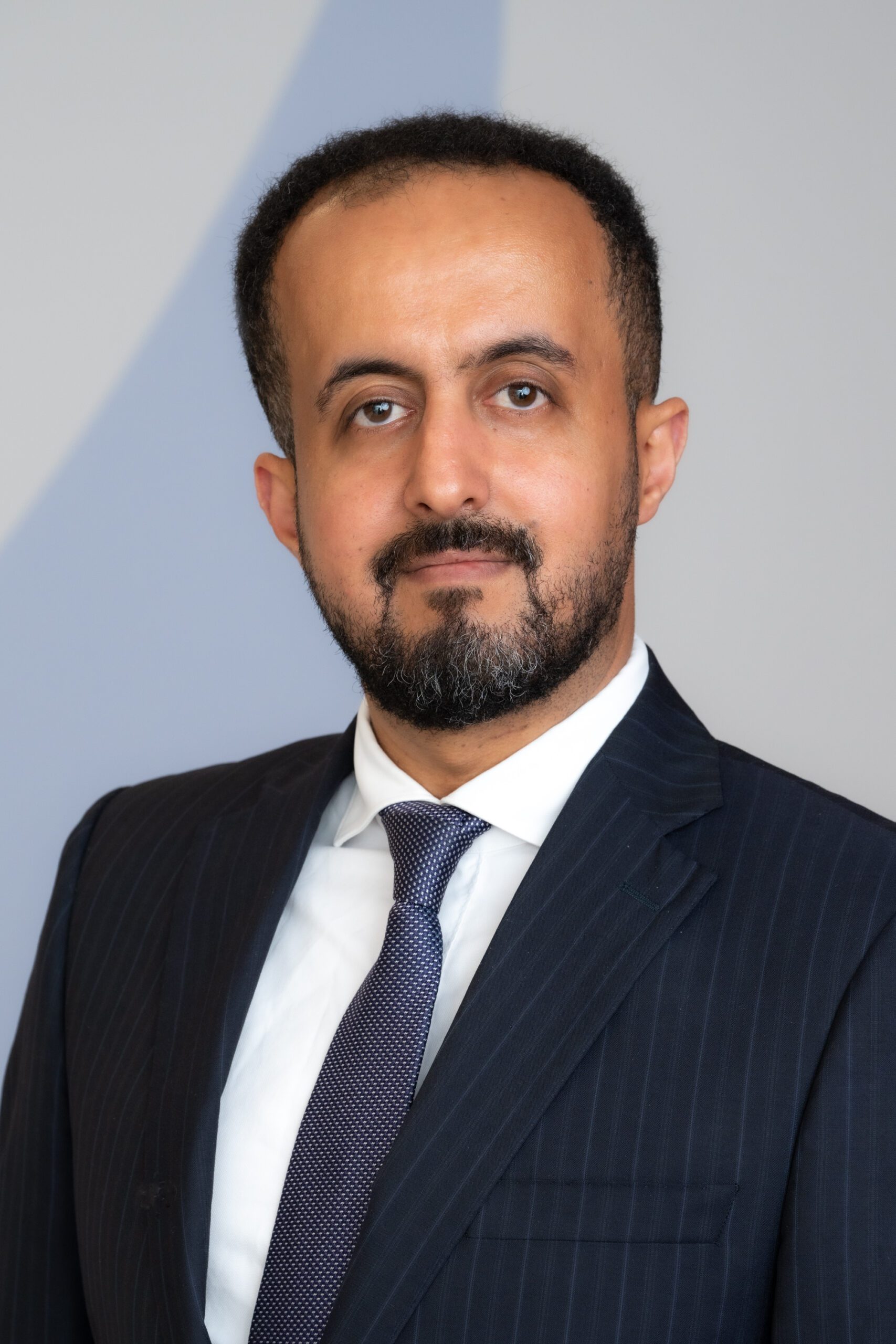
Gregory D. Johnsen

Non-Resident Fellow, AGSI

Analysis

Why the Houthis Entered the War

The Houthis’ decision to dip their toes into the conflict is a calculated choice based on military capacity, a blueprint, and the need for retaliatory pressure.

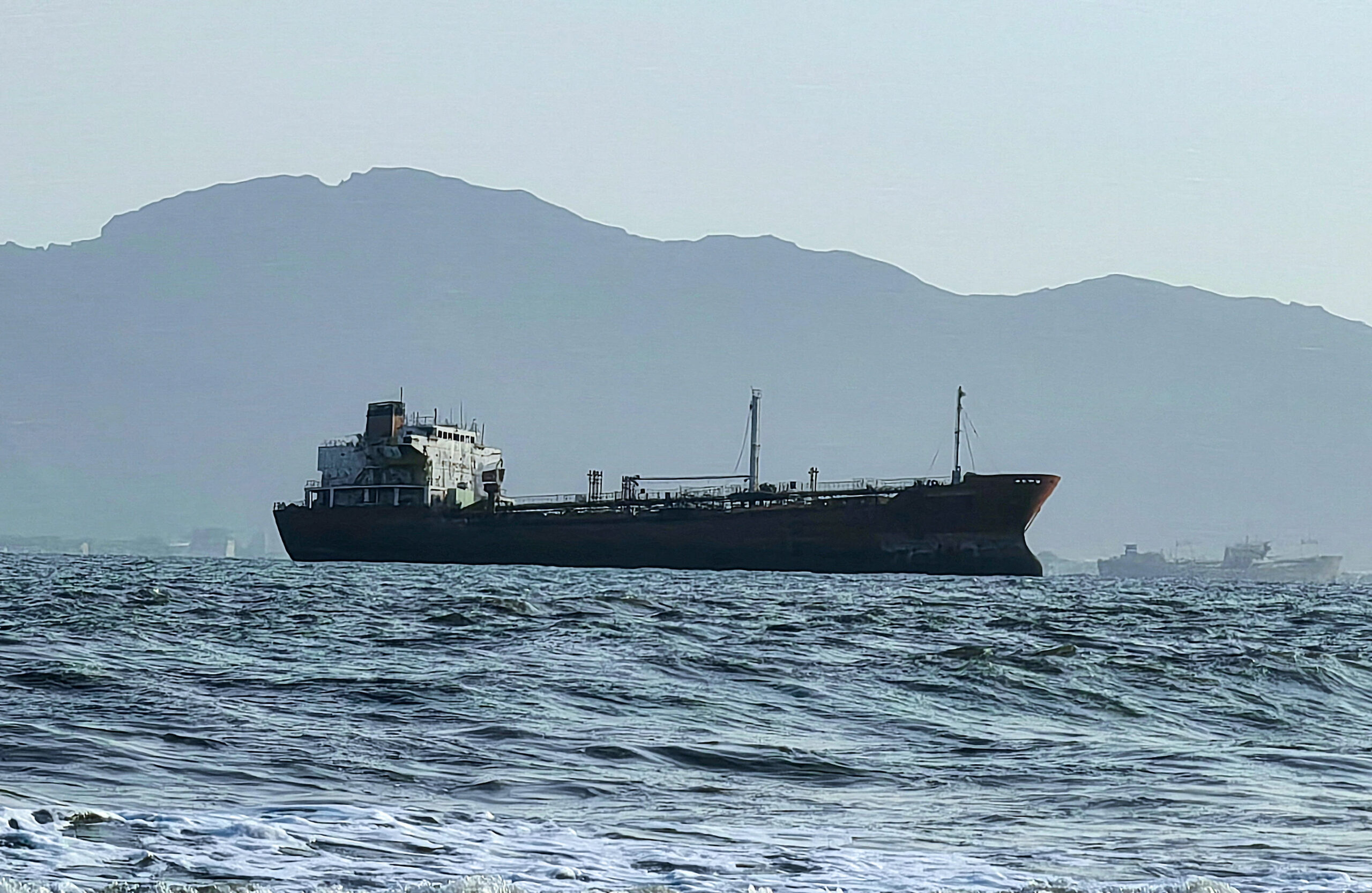
A ship off the port of Aden, where traffic remained steady after the Iran-aligned Houthis said their forces had carried out missile and drone strikes on Saudi oil tankers, in Aden, Yemen, July 23. (REUTERS/Stringer)

The Houthi Balancing Act

Houthi threats to block commercial shipping in the Red Sea that have not materialized are part of a strategy to balance competing interests.

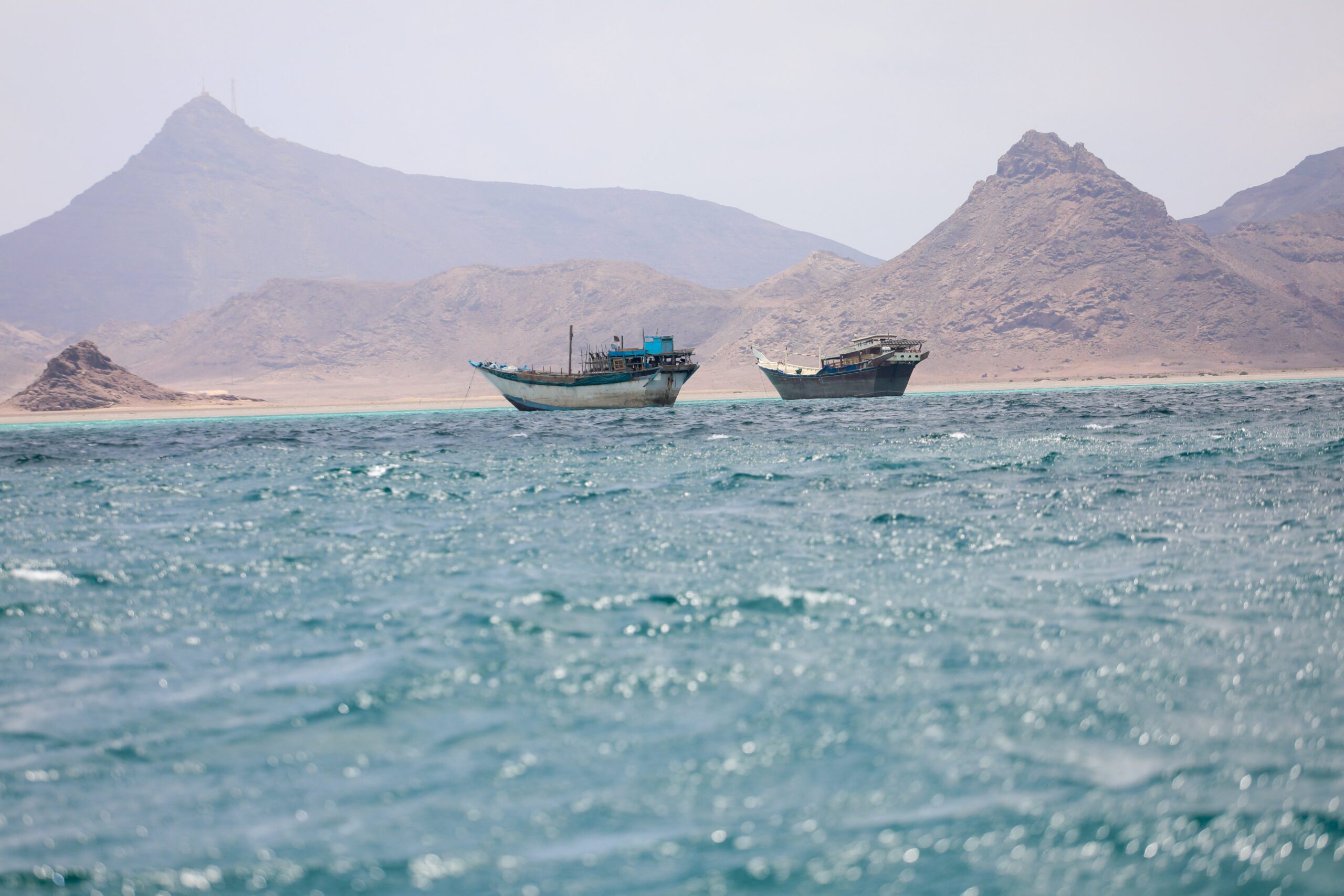
Boats float near the coast of Bab el-Mandeb, Yemen, April 2. (REUTERS)

The Houthi Conundrum and the War in Iran

The Houthis have stayed out of the U.S.-Israeli conflict with Iran. Are they unable, unwilling, or simply biding their time?

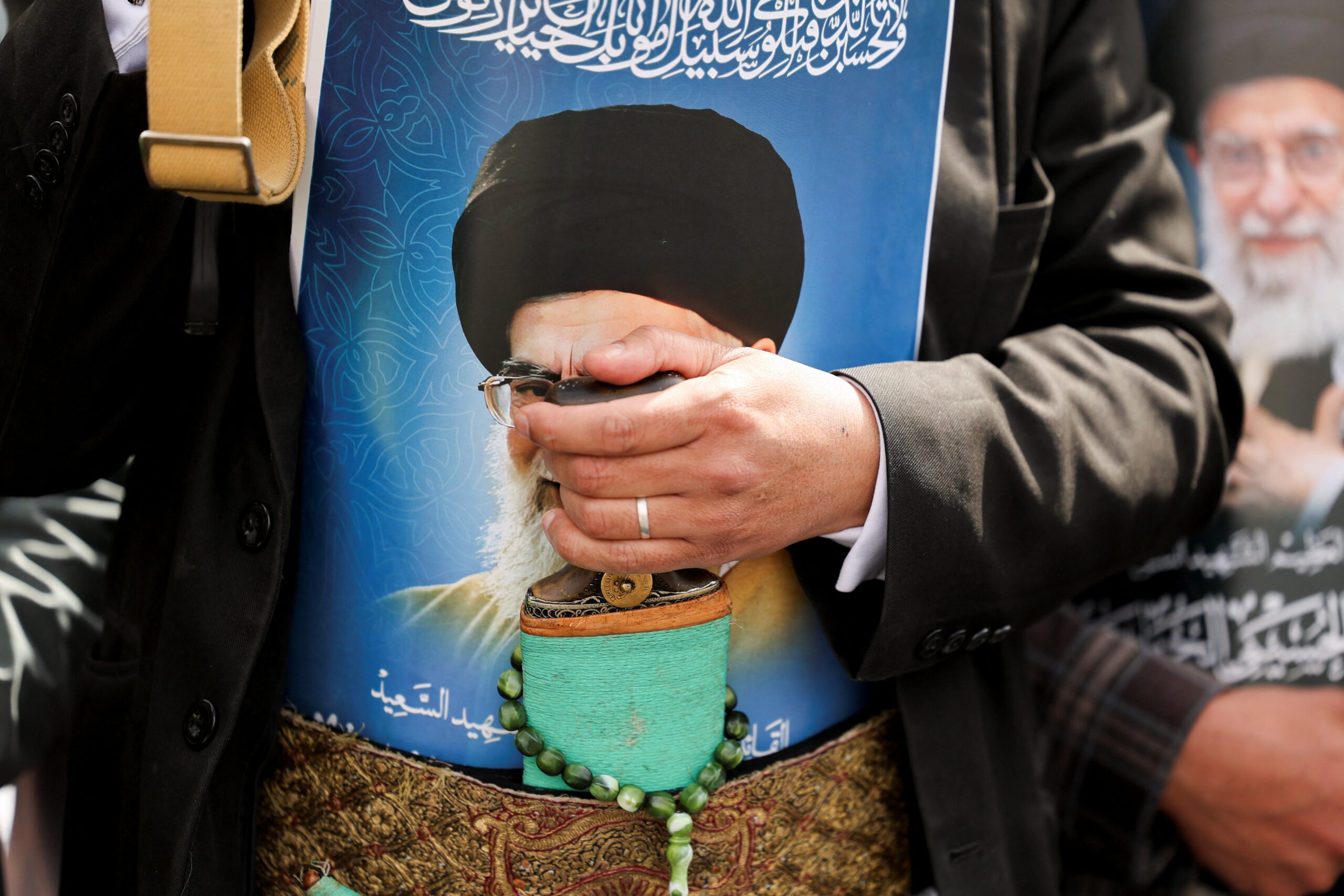
A man with a poster featuring a picture of late Iranian Supreme Leader Ayatollah Ali Khamenei tucked in his garment joins a demonstration with Houthi supporters in Sanaa, Yemen, March 6. (REUTERS/Khaled Abdullah)

Yemen’s Continuing Crack-Up

The STC’s failed attempt at independence likely means that Yemen won’t split along North and South lines.

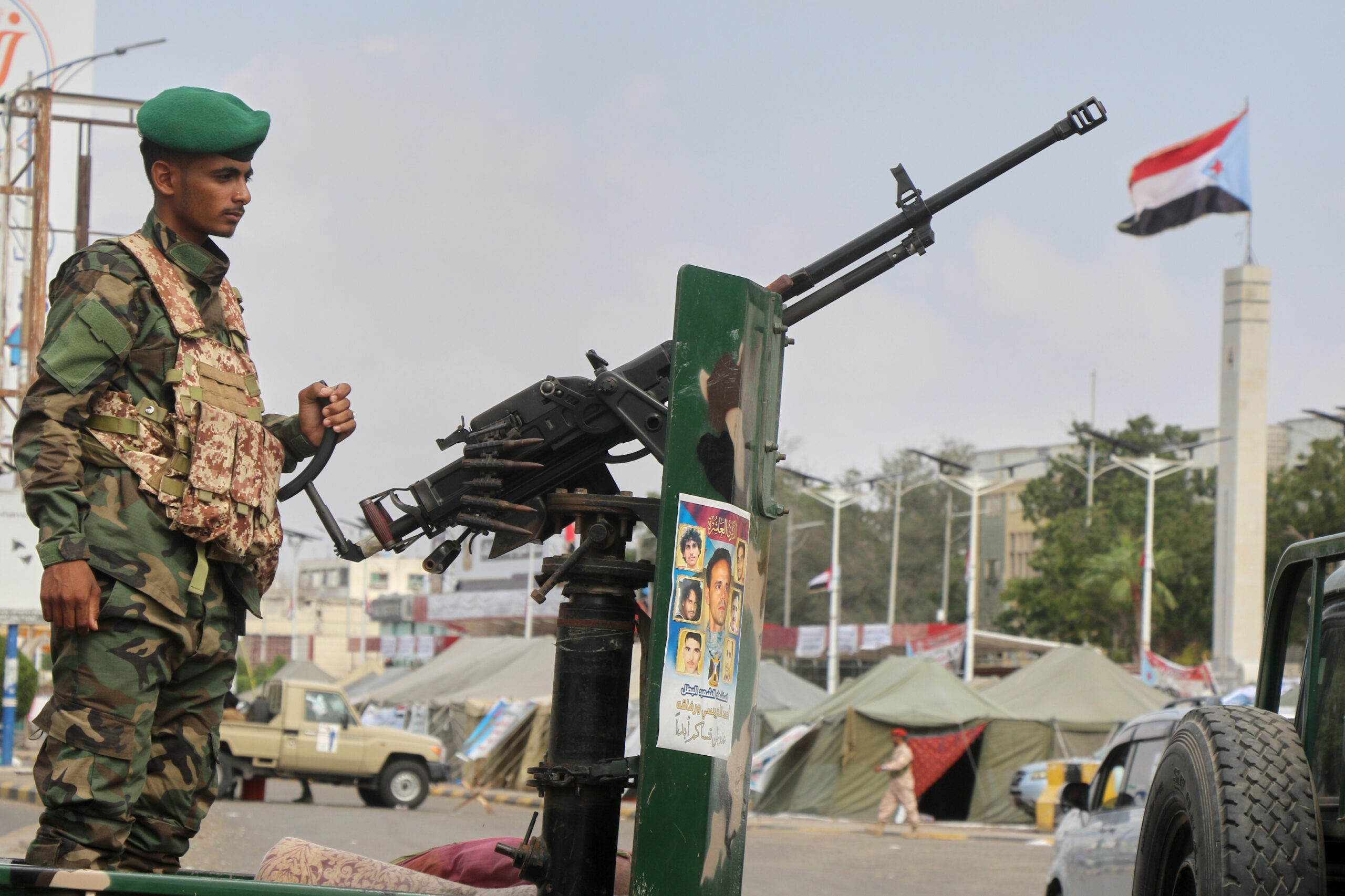
A Southern Transitional Council solider stands at a check point in Aden, Yemen, Dec. 31, 2025. (AP Photo)
View All

Events

Apr 8, 2026

What Do Houthi Attacks on Israel Mean for the Iran War?

On April 8, AGSI hosted a discussion on the Houthis' involvement in the Iran war.

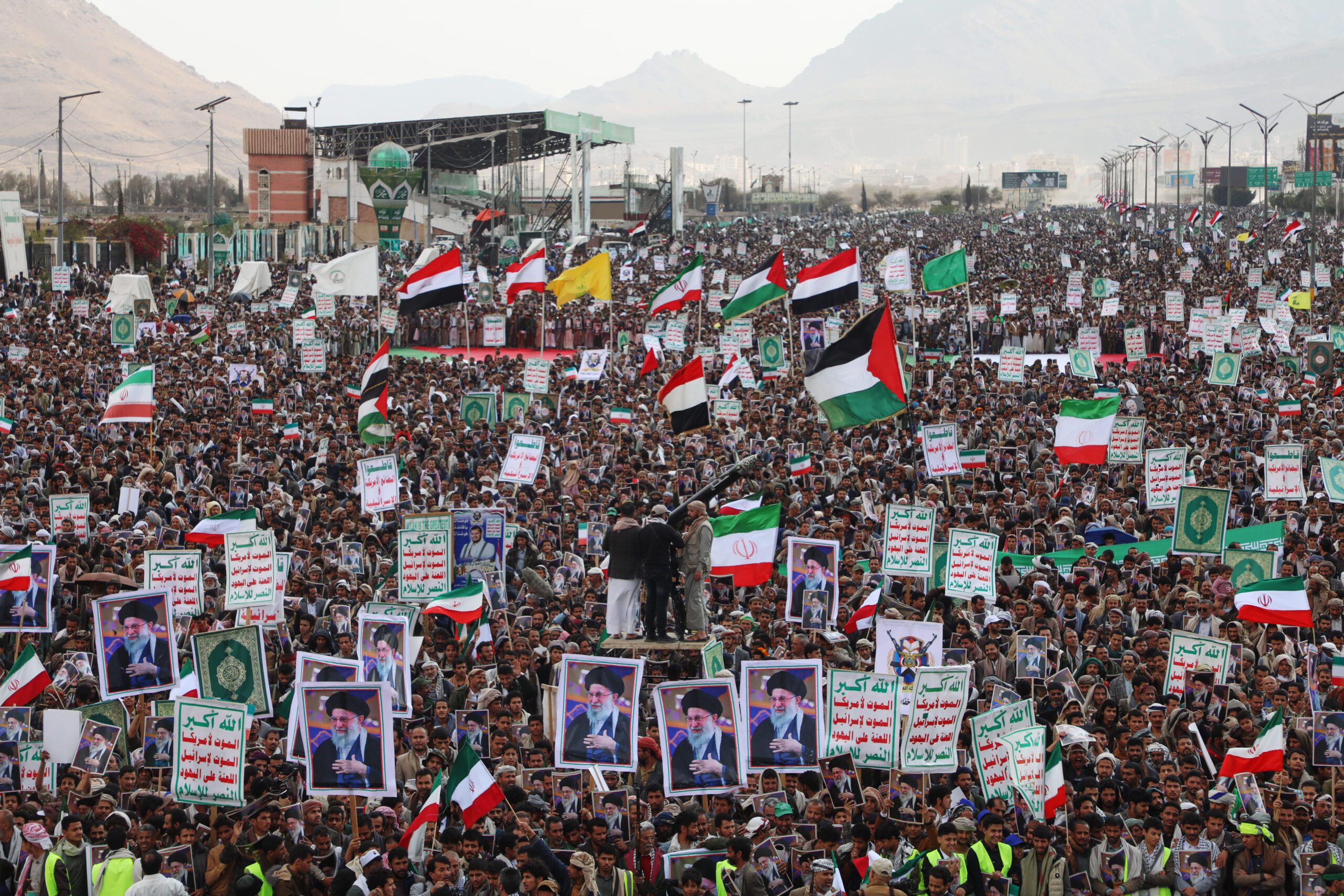
Houthi supporters raise posters of the late Iranian Supreme Leader Ayatollah Ali Khamenei as they chant slogans against Israel and the United States during a rally in Sanaa, Yemen, March 1. (AP Photo/Osamah Abdulrahman)

May 20, 2025

Assessing the U.S. Military Response to the Houthis: Implications for Yemen and Red Sea Security

On May 20, AGSI hosted a discussion on the United States' policy toward the Houthis.

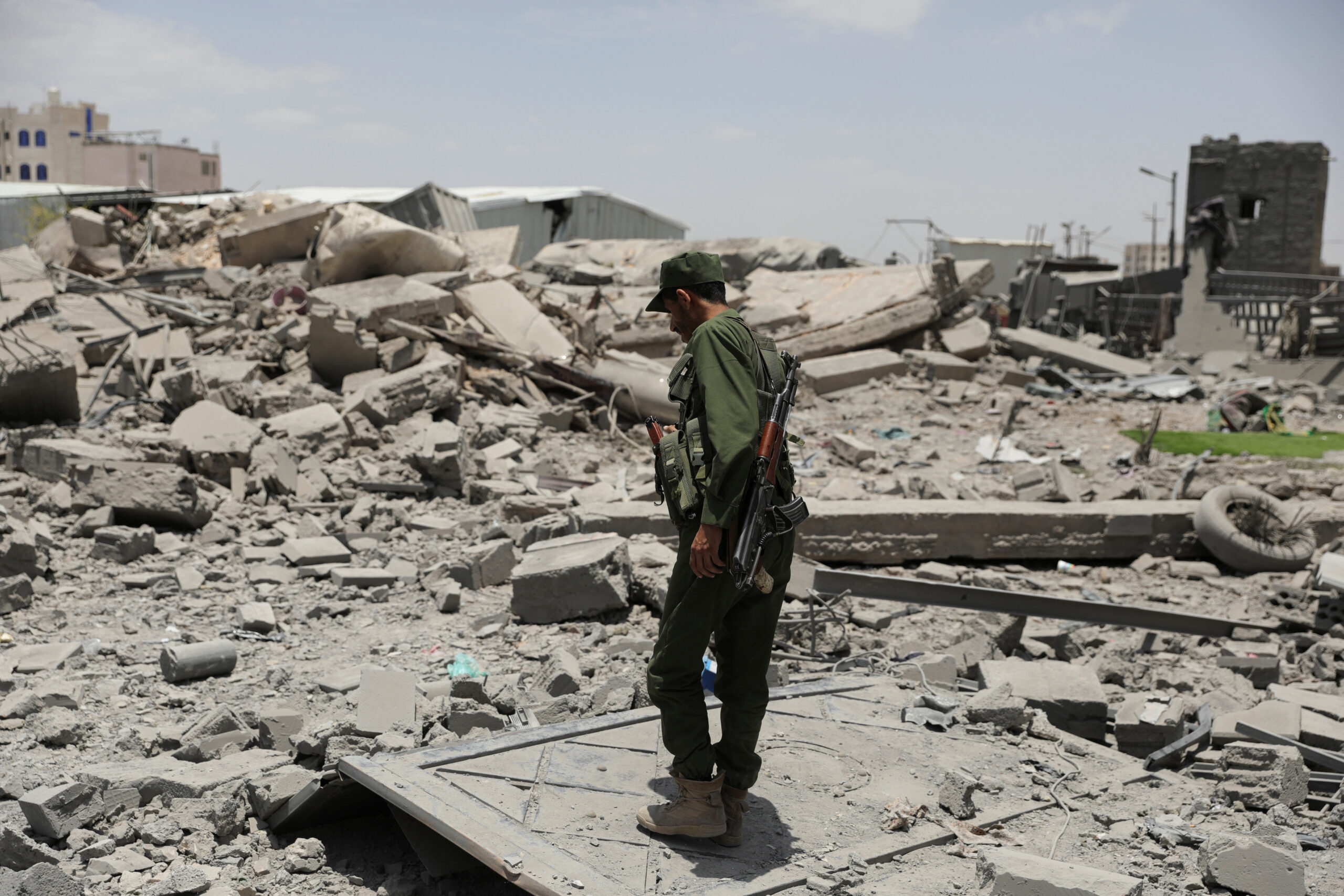
A police trooper stands on the rubble of a building destroyed by U.S. air strikes in Sanaa, Yemen April 27. (REUTERS/Khaled Abdullah)
A police trooper stands on the rubble of a building destroyed by U.S. airstrikes in Sanaa, Yemen, April 27. (REUTERS/Khaled Abdullah)

Mar 12, 2024

The Houthi Challenge to Maritime Security

On March 12, AGSIW hosted a discussion on the Houthi challenge to maritime security in the Red Sea and the Gulf of Aden.

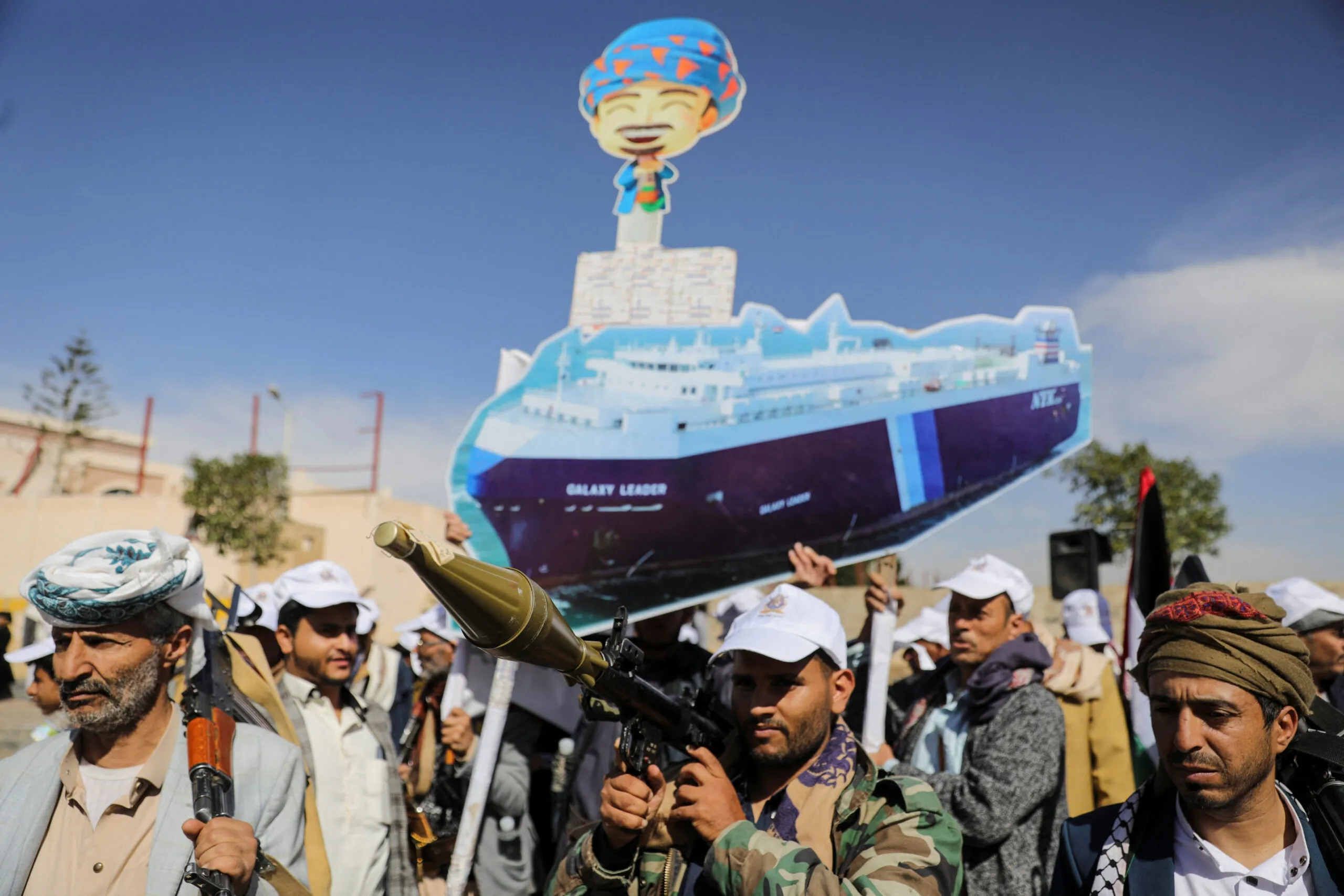
Houthi followers hold a cutout banner portraying the Galaxy Leader cargo ship, which was seized by Houthis, during a parade as part of a "popular army" mobilization campaign by the movement, in Sanaa, Yemen, February 7. (REUTERS/Khaled Abdullah)

Oct 26, 2023

Is the End in Sight for the Yemen Conflict?

On October 26, AGSIW hosted a discussion on the prospects for the end of the conflict in Yemen.

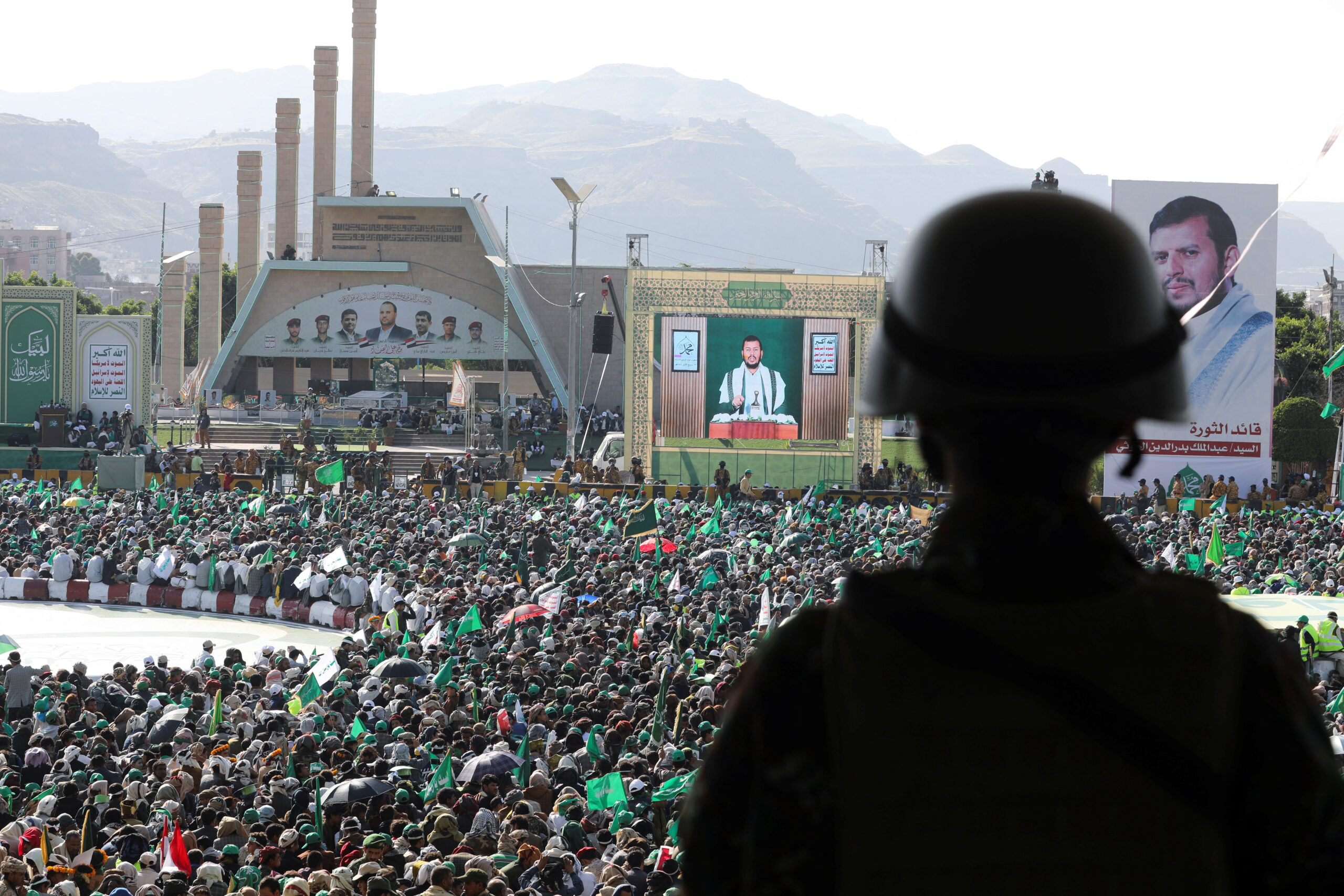
Houthi leader Abdul Malik al-Houthi delivers a speech through a TV screen during a rally to mark the birthday of the Prophet Muhammad, in Sanaa, Yemen, September 27. (REUTERS/Khaled Abdullah)
View All