Making Sense of the Naval Missile Exchanges in Yemen
The Naval Conflict Off Yemen’s Coast A recent series of missile launches have threatened to expand the Yemen war into the key shipping choke point of the Bab el-Mandeb, where the Red Sea meets the Indian Ocean. The first blow was the October 1 missile strike against a high speed catamaran that was leased by...
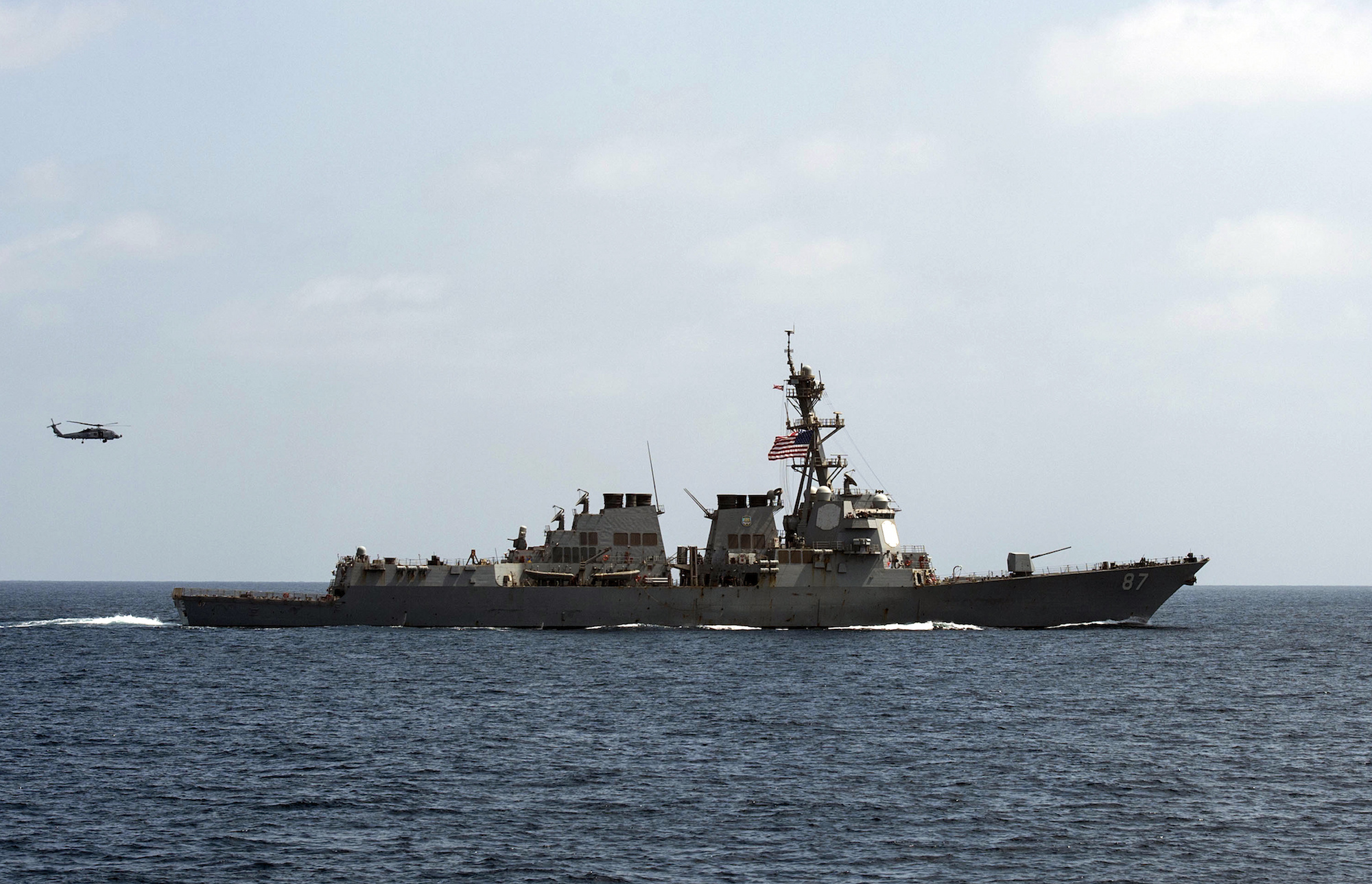
160910-N-WB378-010
GULF OF OMAN (Sept. 10, 2016) USS Mason (DDG 87), conducts divisional tactic maneuvers as part of a Commander, Task Force (CTF) 55 exercise in the Gulf of Oman. CTF 55 controls surface forces including U.S. Navy patrol crafts and U.S. Coast Guard patrol boats throughout the U.S. 5th Fleet area of operations. (U.S. Navy photo by Mass Communication Specialist 1st Class Blake Midnight/Released)
The Naval Conflict Off Yemen’s Coast
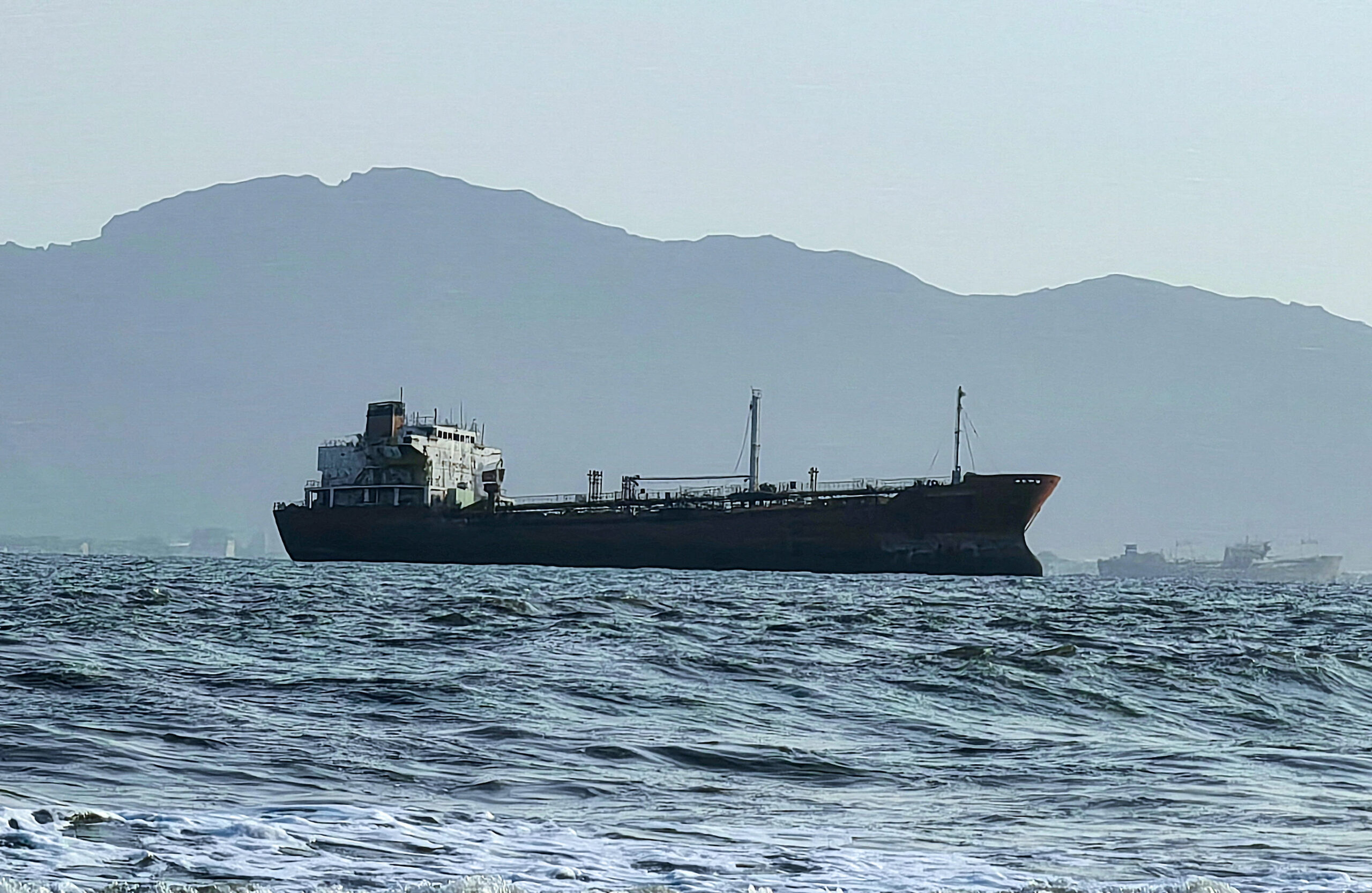
A recent series of missile launches have threatened to expand the Yemen war into the key shipping choke point of the Bab el-Mandeb, where the Red Sea meets the Indian Ocean. The first blow was the October 1 missile strike against a high speed catamaran that was leased by the United Arab Emirates from the U.S. Navy and operated with a mostly foreign crew. It is still unclear what sort of missile hit the ship, but the most likely candidate is a Chinese made anti-ship missile. These missiles were in the Yemeni armed forces’ inventory prior to the 2011 revolution, and may have been fired by sailors loyal to former President Ali Abdullah Saleh. It is also possible that these missiles – the same kind used by Hezbollah to sink an Israeli ship in 2006 – were supplied by Iran and fired by Houthi militiamen.
Regardless of who launched the missile, it targeted a civilian ship in international shipping lanes while the ship was operating a homing beacon as required by civil shipping requirements. The catamaran had been tested and ultimately rejected by the U.S. Navy because of its lack of protection: The catastrophic damage it suffered from the missile strike validates this decision. But any attack against civilian shipping in such a strategic location is of great concern to the United States. The United States responded by dispatching the USS Mason, USS Ponce, and USS Nitze to the region.
This deployment was not an intervention in the Saudi-Yemeni conflict, but rather an entirely predictable U.S. reaction to a threat against global shipping. It was more reflex than course change.
The Houthis (or their allies) escalated this conflict by launching two missiles at the Mason and Ponce on October 9. On October 12, another missile was launched at the Mason. Shipboard defensive missiles stopped all incoming missiles. This is an effective, albeit expensive, defensive measure. However, it would be unusual if the United States would be content to merely defeat incoming threats to its ships – some retaliation was to be expected, especially after repeated attacks.
This U.S. response came on October 13 with the launch of three Tomahawk cruise missiles from the Nitze against Yemeni shore-based radar facilities, which the U.S. government claimed were used to guide the missiles launched against the Mason. The choice of target is significant – from the U.S. perspective, the strikes on the remote radar stations represented a proportionate response to a clear provocation, as well as a threat against global shipping.
What the Attacks Aren’t
Despite reports that these attacks were a shift in U.S. policy toward actively intervening in Yemen, it is more productive to view the missile strikes as an institutional response to a specific threat. In this case, the institution is the U.S. Navy, which will not sit idly by while its vessels navigating legally in international waters come under attack.
Shipbuilding is one of the most expensive U.S. Department of Defense activities. The United States’ global naval presence is dominant but expensive. Defense pundits have noted, however, that expensive ships are increasingly vulnerable to anti-access/area deniability (A2AD) weapons and tactics, such as missile strikes, swarming small boat attacks, high speed torpedoes, and other novel weapons. The specter of a billion-dollar ship being defeated by a missile that costs tens of thousands of dollars haunts Navy leaders. If a U.S. Navy ship were disabled or destroyed by a Yemeni missile, the service’s entire strategy would be called into question.
Nevertheless, if there is no more targeting of ships (either by missile launches or other provocative acts), it is unlikely that there will be any further U.S. naval action in Yemen. The United States views the strike against the Yemeni radars as closing the book on shipping attacks. But that book could be opened again very quickly, as briefly appeared to be the case over the weekend, when a report surfaced of a potential missile launch that was later retracted – most likely a false radar report of a launch. There will likely be more such reports as the ships remain on high alert.
Iran’s deployment of ships to the Gulf of Aden is a gesture, a fig leaf to hard-liners at home and allies in Yemen, but the deployment is not of significance unless Iranian ships actively seek to confront civil or military shipping. This would be folly. Iran’s ships can be counted upon to proudly fly the Iranian flag, utilize the freedom of shipping lanes to the greatest extent possible, and have little to no effect on the situation off Yemen. There may be sound and fury, but it will signify nothing.
The Road (or Sea Lane) Ahead
The U.S. Navy will seek to keep the sea lanes free while minimizing action in Yemen. There are two potential faults with this plan: First, it is reactive – navies generally win when they seize the initiative, but this is a defensive deployment. Second, Saudi policy is creating a situation in which Houthis and their supporters feel they have nothing to lose – the natural and predictable Houthi response to the blockade and attack on them is to expand the war, and there is no better way to expand it than by striking at Saudi Arabia’s most powerful partner.
It remains to be seen if the Houthis and their partners accept this naval retaliation as the end of the story. In the meantime, American sailors in the Bab el-Mandeb will remain, to some extent, hostages to fortune, waiting to defeat a missile attack that may or may not come, pending a resolution of the Yemen war.
These remarks do not represent the views of any branch of the U.S. government.
The views represented herein are the author's or speaker's own and do not necessarily reflect the views of AGSI, its staff, or its board of directors.
The Houthis’ decision to dip their toes into the conflict is a calculated choice based on military capacity, a blueprint, and the need for retaliatory pressure.
Biden will likely put weapons sales to the Gulf on the back burner, but, at the end of the day, the administration’s positions on arms sales will reflect continuity, not change.
Iran will do as it always has – seek to quietly develop asymmetric capabilities, ideally built domestically, and only purchase the few items that it cannot make hoping to counter key U.S. military capabilities.
The United States does not have attractive options as far as its military presence in Iraq, but it has workable ones to achieve its strategic and security goals.
On May 24, the Trump administration issued a national emergency declaration citing tensions with Iran to bypass congressional opposition to arms sales to Saudi Arabia, the United Arab Emirates, and Jordan.