Oct 30, 2026
Khamenei Calls for End to “Neither War Nor Peace”
The October 30 edition of the Iran Media Review considers proposals for a new Iranian strategy in the confrontation with the United States and Israel.

While President Masoud Pezeshkian struggles to find a way to realize Supreme Leader Ayatollah Mojtaba Khamenei’s reported demand to end the state of “neither war nor peace” in which Iran finds itself, Mohsen Hashemi Rafsanjani, head of the Kargozaran-e Sazandegi Party’s central committee, asks a harder question: What are Iran’s key strategic objectives?
- October 27: According to Islamic Revolutionary Guard Corps-affiliated Mashregh News Agency, Supreme National Security Council Secretary Major General Mohsen Rezaei met with Supreme Leader Ayatollah Mojtaba Khamenei:
- “The supreme leader of the Islamic Revolution described the enemy’s exhaustion as one of the fruits of national resistance. He stressed the need for active and timely public information campaigns to keep the people engaged in defending the country and system. He also called for securing the rights and interests of the Iranian nation and the axis of resistance by meeting the conditions set out by the country’s officials, with the aim of ending both the war and the ‘neither war nor peace’ situation.”
- October 29: Presiding over a Cabinet meeting on October 28, President Masoud Pezeshkian stressed the need to realize the supreme leader’s vision of ending the “neither war nor peace” situation, government-aligned Iran Newspaper reported, but did not name any specific initiatives.
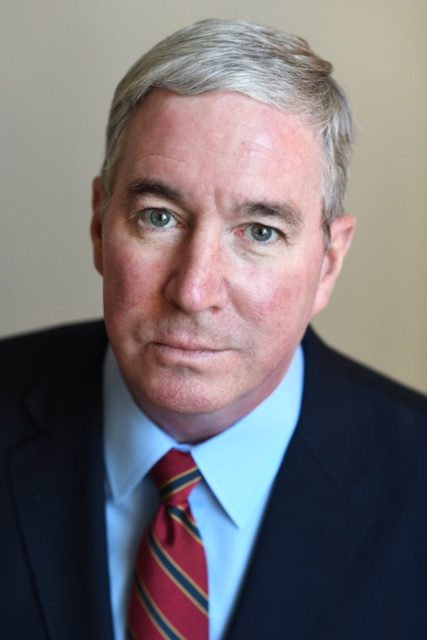
- October 29: In an interview with Sazandegi, affiliated with the Kargozaran-e Sazandegi Party, Mohsen Hashemi Rafsanjani proposed a specific approach to ending the “neither war nor peace” situation:
- “In the present circumstances … we must answer a key question: What is our real strategic objective in the confrontation with Israel and America? If we assume that the martyred leader had declared the principal objective to be the destruction of Israel and the expulsion of America from the region, then we must also examine subsequent developments within the same framework. After the outbreak of the 40-day war and his assassination on February 28, 2026, the Interim Leadership Council was formed. At that juncture, Dr. Ali Larijani put forward a plan and defined the strategic objectives. That plan could have made it possible for us to exit the present situation. After Larijani’s martyrdom, however, three other strategic objectives came to the fore: the removal of American bases from the region, the payment of reparations, and the punishment of the killers of the martyred leader. These were put forward as strategic objectives but were not realized, and, as a result, the enemy’s attacks and Iran’s defense continued.”
- “After that, Mr. Qalibaf entered the negotiation process, and we ultimately arrived at the Islamabad memorandum of understanding. The Islamabad agreement provided for the opening of the Strait of Hormuz in exchange for the suspension of enrichment. This agreement was regarded as a very great achievement for the country. During the funeral of the martyred leader, however, events took place about which differing views have been expressed. Some believe that the agreement process was disrupted by the attacks on ships; others, by contrast, believe that America never really intended to implement that memorandum in the first place and that this is what caused the agreement to collapse. In any case, we now find ourselves in a situation in which, unfortunately, we are unable to exit the ‘neither war nor peace’ situation. We must therefore think up a new course of action and design a new strategy.”
- “After some four months had passed, the country’s officials were all prepared to return to the Islamabad agreement on condition that ships in Omani waters not be targeted. This time, however, Trump was unwilling to accept this path and reneged on that very agreement. As a result, the process came to nothing. Nevertheless, during the president’s trip to America, Iran’s readiness to discuss the diluting of 60% enriched uranium inside the country was announced. It appeared, however, that these positions gradually grew vague, and, in the end, we did not achieve the serious and swift agreement we were supposed to reach in New York. We therefore once again find ourselves in a situation in which there is a danger of a third war breaking out in the coming months. If we take this situation as our point of departure, we must answer the fundamental question of what Iran’s key strategic objectives and the country’s real redlines in this confrontation are – not slogan objectives but objectives that can actually be realized and pursued.”
- Suggesting a path forward, Hashemi Rafsanjani said: “If the presidential administration, Mr. Pezeshkian, and his colleagues define these objectives and present them to the leadership for review and approval, then it will be possible to enter into serious negotiations. In such circumstances, one could strive to achieve the country’s key and real objectives – objectives that do not remain mere slogans. For example, if we consider the destruction of Israel, the expulsion of America from the region, the payment of reparations, the punishment of the killers, the preservation of the 60% uranium stockpile, and the preservation of the industrial fuel cycle, it must be determined whether these still count among the country’s strategic objectives or not. If these objectives have been taken off the agenda, this must be made explicitly clear. But if they are still regarded as Iran’s strategic objectives, it is necessary to negotiate over how to realize them, and decisions must be made on the basis of existing conditions. It therefore appears that the first step is to define precisely Iran’s key strategic objectives and real redlines so that negotiations may proceed on that basis as well.”
- “Of course, some may say that Iran’s real objectives have already been set out in the seven-point proposal and that this proposal has been presented to America, but America has not yet accepted it or is not prepared to move in that direction. In such circumstances, too, the groundwork for reaching an agreement must be laid by sitting at the negotiating table or by exchanging views through the mediation of other parties. In this way, it will be possible to reach a result on the strategic objectives Iran seeks, with adjustments to which the other side also agrees, and to bring the country out of the present situation.”
- “We must clearly define Iran’s key strategic objectives and, instead of relying on slogans that cannot be realized, focus on real objectives that can be pursued.”
The views represented herein are the author's or speaker's own and do not necessarily reflect the views of AGSI, its staff, or its board of directors.
Related
Iran Media Review
Oct 27, 2026
Qalibaf Defies, Sazandegi Regrets
The October 27 edition of the Iran Media Review highlights defiance from Iran’s parliamentary speaker and nostalgia from an Iranian newspaper.
Iran Media Review
Oct 23, 2026
Closing Borders: The Blockade Moves Inland
The October 23 edition of the Iran Media Review considers Iranian admissions that U.S. economic warfare is pressuring Iran.
Iran Media Review
Oct 20, 2026
Who Authorized Iranian Strikes Against U.S. Vessels?
The October 20 edition of the Iran Media Review examines IRGC messaging about July 7 strikes against U.S. Navy vessels and the debate surrounding the confirmation of a new Iranian defense minister.
Oct 27, 2026
Qalibaf Defies, Sazandegi Regrets
The October 27 edition of the Iran Media Review highlights defiance from Iran’s parliamentary speaker and nostalgia from an Iranian newspaper.
Oct 23, 2026
Closing Borders: The Blockade Moves Inland
The October 23 edition of the Iran Media Review considers Iranian admissions that U.S. economic warfare is pressuring Iran.
Oct 20, 2026
Who Authorized Iranian Strikes Against U.S. Vessels?
The October 20 edition of the Iran Media Review examines IRGC messaging about July 7 strikes against U.S. Navy vessels and the debate surrounding the confirmation of a new Iranian defense minister.
Analysis
Debating Policy in Public: Iranian Elites Turn to YouTube
Rival camps within the Islamic Republic are increasingly turning to YouTube for policy debate, but there is a limit to the regime’s tolerance for that debate.
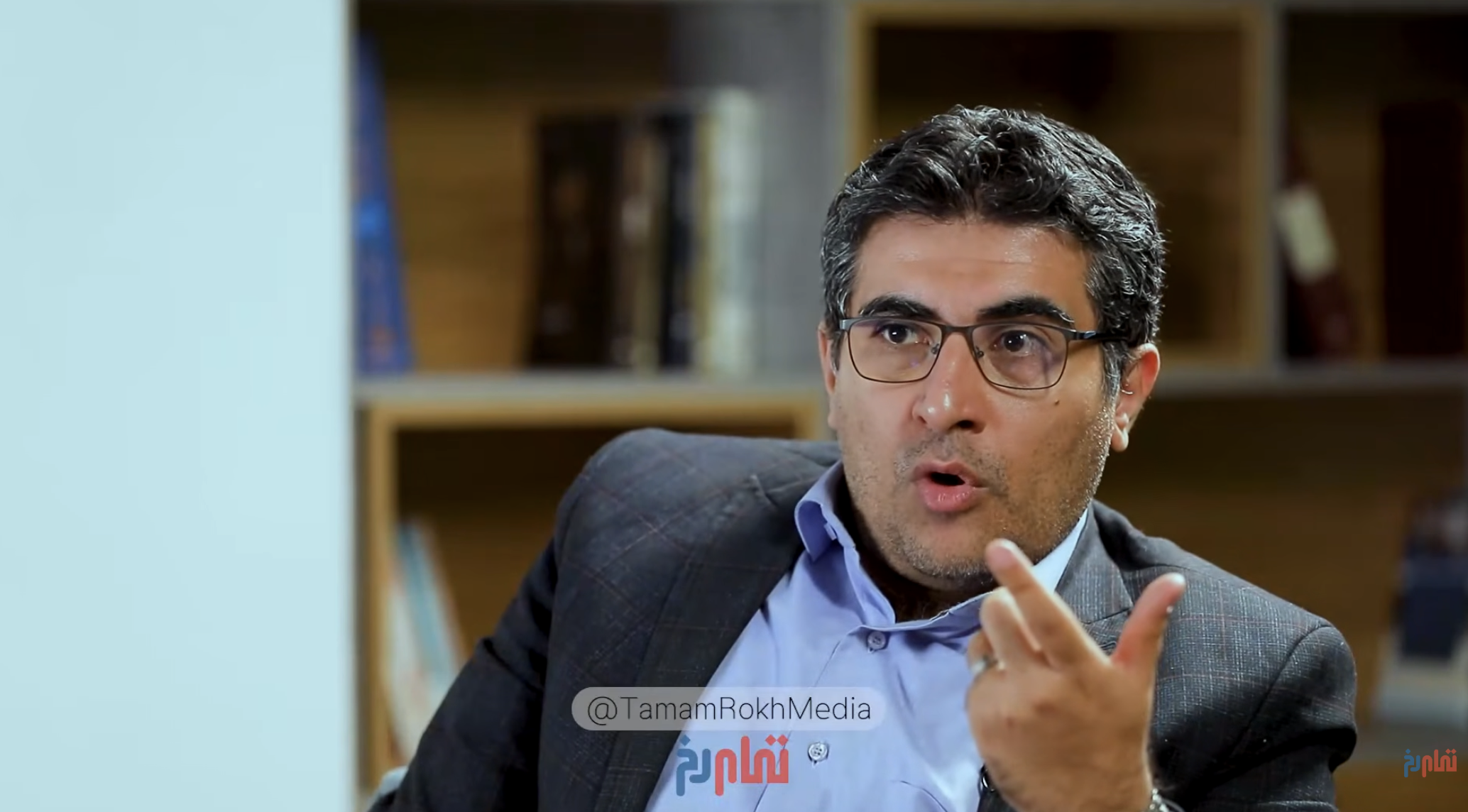
The Committee of Six and Strategic Decision Making in Iran
Remarks by Iran’s president offer a rare glimpse of how the Islamic Republic has adapted its decision making to the absence of its supreme leader.
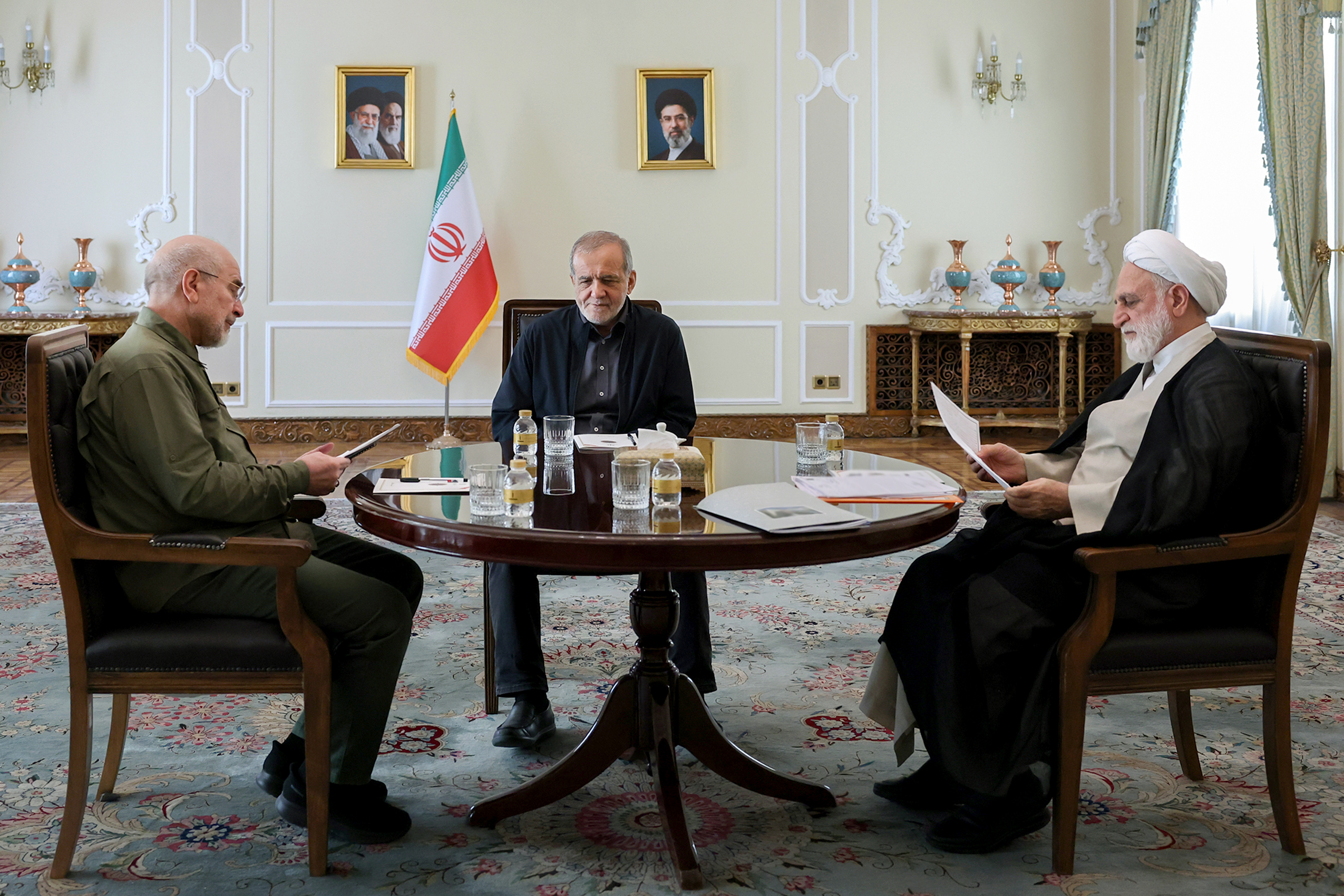
Mohsen Rezaei at the Helm of Iran’s Supreme National Security Council
Under Rezaei, the SNSC could prove constructive or paralyze strategic decision making.
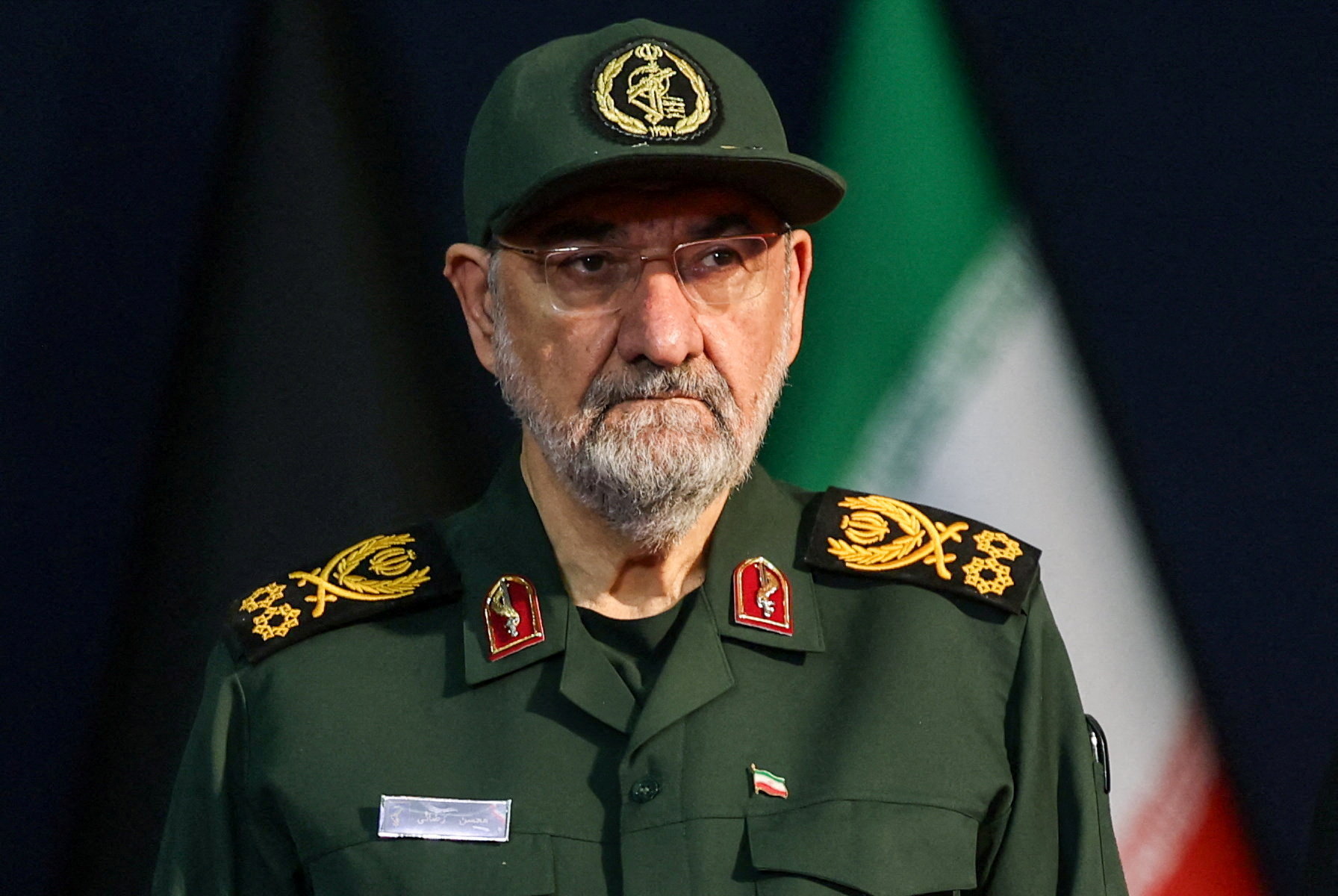
The Islamic Republic Returns to Offense
After U.S.-Israeli strikes killed Supreme Leader Ayatollah Ali Khamenei on February 28, Iran’s collective leadership has concluded that the best defense is a good offense.
Events
Oct 6, 2026
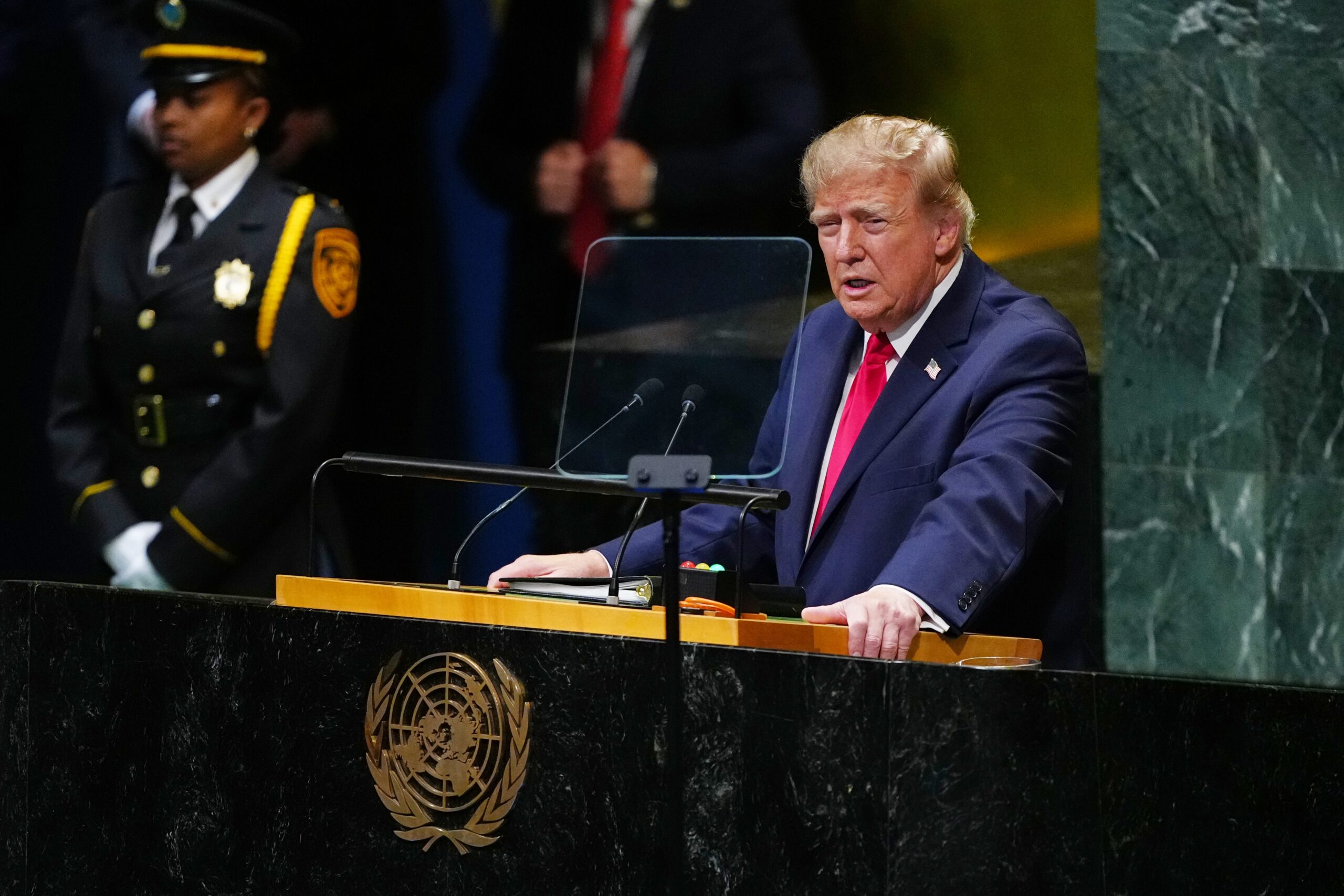
Is the U.S.-Iran Stalemate a “New Normal” or the Prelude to Another Explosion?
On October 6, AGSI hosted a discussion on the U.S.-Iran stalemate and the prospects for a cease-fire.
Speakers



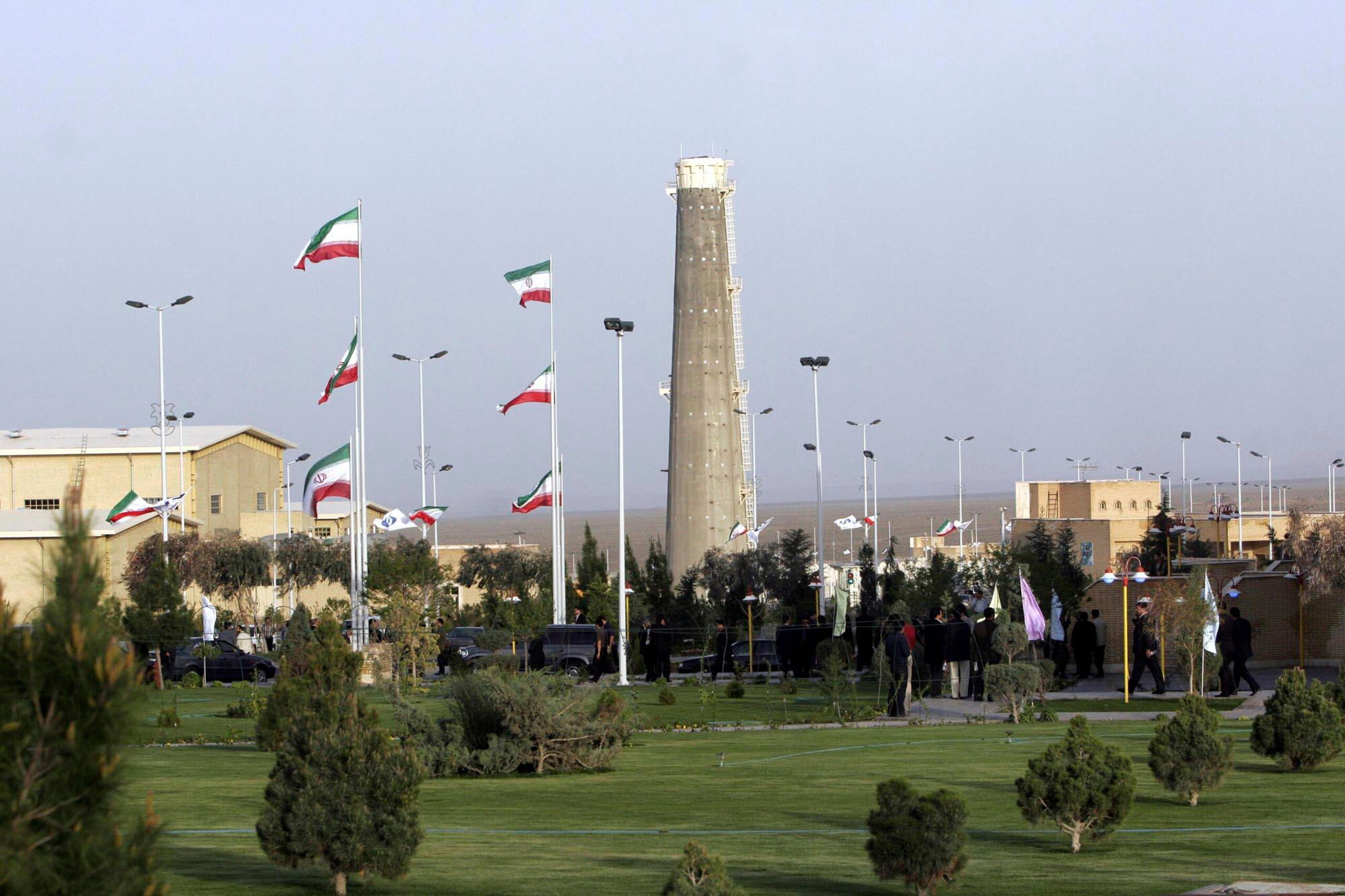
Book Talk: Iran and the Bomb: The United States, Iran and the Nuclear Question
On June 16, AGSI hosted a discussion on the evolution of Iran's nuclear program.
Speakers
Apr 21, 2026
Inside Iran’s Wartime Leadership: Power, Succession, and Regime Stability
On April 21, AGSI hosted a discussion on the evolution of Iran's leadership during the war.
Speakers

Mar 18, 2026
In Its Conflict With the United States and Israel, Does Escalation Favor Iran?
On March 18, AGSI hosted a discussion on the escalation of the Iran war.
Speakers