Sep 12, 2023
Islamic Republic Prepares Itself for Anniversary of Anti-Regime Protests
The September 12 edition of the Iran Media Review highlights comments on Iran’s 2022 protests from Islamic Revolutionary Guard Corps officials and Supreme Leader Ayatollah Ali Khamenei.

While Iran’s reformist media has remained silent on the upcoming anniversary of Mahsa Amini’s September 16, 2022 death in the custody of the morality police and the ensuing anti-regime protests, Sobh-e Sadeq, the official mouthpiece of the Islamic Revolutionary Guard Corps, claimed that a lack of leadership, ideology, and popular support led to the defeat of the protests. Supreme Leader Ayatollah Ali Khamenei, for his part, warned of sinister plans of Iran’s enemies. The publication of the Sobh-e Sadeq article itself demonstrates the regime’s concerns about renewed protests, and so does Khamenei’s speech.
- September 11: Brigadier General Yadollah Javani, chief of the IRGC’s Political Bureau, wrote in Sobh-e Sadeq: “As we are getting closer to the anniversary of the 2022 riots, rereading and identifying the nature of last year’s events is a necessity. Last year, our nation, which is devoted to Ashura and Imam Hussein,” referencing the annual commemoration of the Shia prophet and martyr, “was faced with an unprecedented, global, and historical hybrid war. The plotters of this war were the enemies and opponents of the Islamic Revolution, the rule of guardianship,” referencing the mode of government in the constitution of the Islamic Republic, “and the Iranian nation over the past 44 years. Deploying all their capacities and capabilities in the battle against the Islamic Republic, the planners, players, and those deceived by them thought the Islamic Republic had reached its end and saw themselves as the victors of this battle. Yes, such delusions created in cyberspace made celebrities, the youth, and youngsters outdo themselves” in the fight against the regime, “perhaps in an attempt to create a shining revolutionary pedigree for themselves that they would pride themselves in the day after the revolution and claim government offices … However, these delusional planners and players did not realize that in order for a revolution to take shape and prevail, it must rest on the three pillars of the people, ideology, and leadership. Did the people who thought themselves revolutionary a year ago, and who described as a ‘revolution’ what was really a plot of the intelligence services of at least 20 countries aimed at destroying and disintegrating Iran, not ask themselves who the leader of this revolution was? Did they not ask what the ideology of this revolution was or where the Iranian nation was in the revolution?”
- September 11: Brigadier General Ramezan Sharif, the IRGC’s spokesperson, said, as quoted by center-right Farda News: “We should explain the revolution and the regime to the young generation, create hope for the future, and speak soft words to them so they do not get trapped in the psychological operations of the enemy.”
- September 11: According to Khamenei’s official website, while addressing a group of visitors from Sistan and Baluchistan province, he warned Iranians of sinister enemy plots: “When we say the enemy is getting weaker, it does not mean that it is incapable of plotting, engaging in hostility, or dealing blows to us. It is capable of it, and they are plotting … We are not uninformed about the enemy’s plans for us. No, we are not uninformed. Intelligence is telling us that the United States government has established a so-called “Crisis Group.” What is the responsibility of this group? Well, the group’s mission is to instigate crises around the world, including in our country … After having studied us, they reached the conclusion that one point they can take advantage of is ethnic conflicts. Another one is sectarian differences. A third one is gender and the women issue. So, these are the points they are working on to provoke Iranians, instigate crises in Iran, and, through these crises, deal blows to our dear country. This is the plan of the United States. But these are nothing but pipe dreams! What the enemy wants is to reduce Iran into a state similar to Syria or Yemen. Of course, they cannot do a damned thing, and there is no doubt about it, but their inability is conditioned on our vigilance.”
The views represented herein are the author's or speaker's own and do not necessarily reflect the views of AGSI, its staff, or its board of directors.
Related
Iran Media Review
Sep 8, 2023
A Second Cultural Revolution? Iran’s Purge of Universities
The September 8 edition of the Iran Media Review examines criticism of the ongoing purge of Iranian universities.
Iran Media Review
Sep 5, 2023
Former President Mohammad Khatami: Regime Reform or Destruction
The September 5 edition of the Iran Media Review highlights a forceful call for political reform by former President Mohammad Khatami.
Sep 8, 2023
A Second Cultural Revolution? Iran’s Purge of Universities
The September 8 edition of the Iran Media Review examines criticism of the ongoing purge of Iranian universities.
Sep 5, 2023
Former President Mohammad Khatami: Regime Reform or Destruction
The September 5 edition of the Iran Media Review highlights a forceful call for political reform by former President Mohammad Khatami.
Analysis
The Islamic Republic Returns to Offense
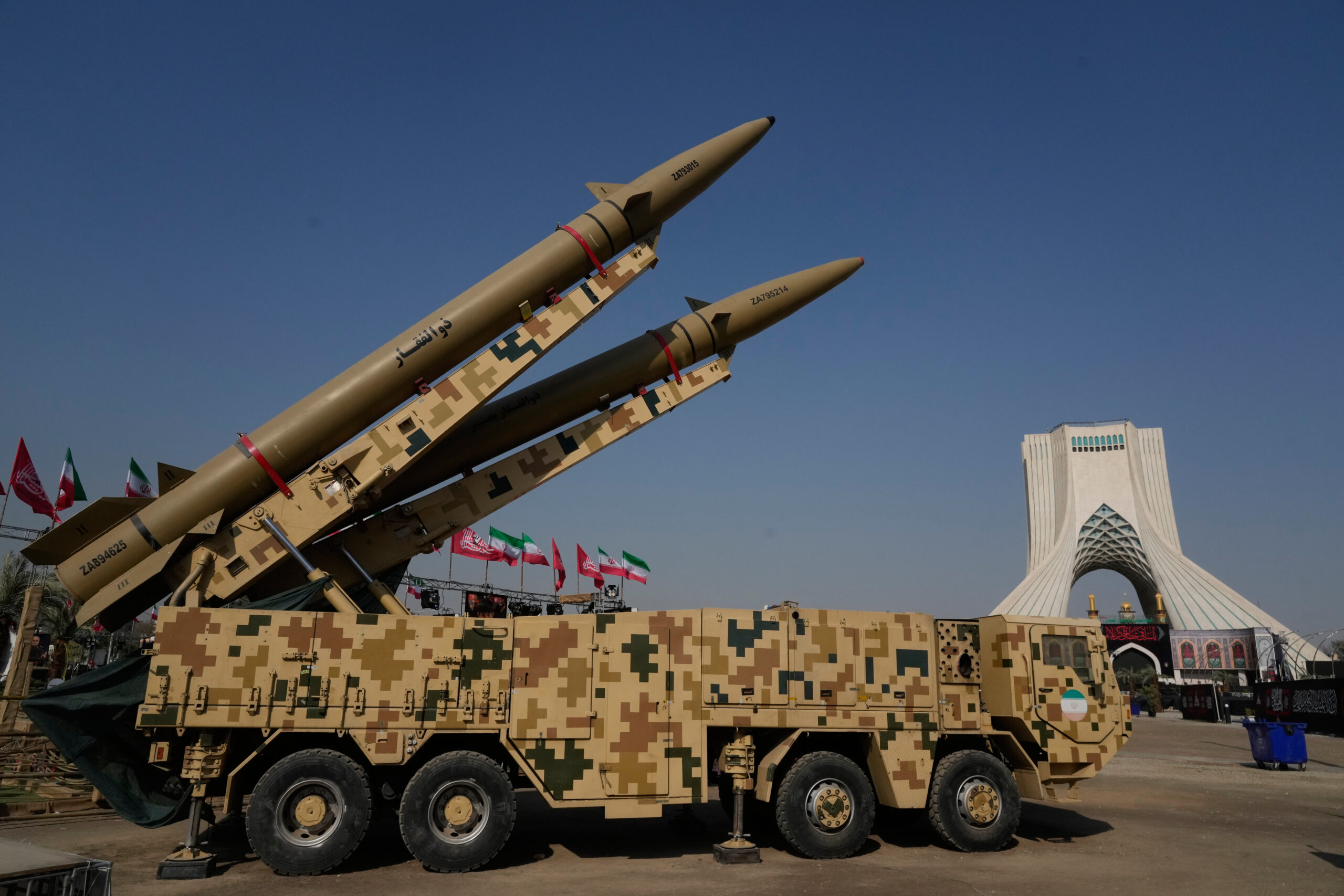
After U.S.-Israeli strikes killed Supreme Leader Ayatollah Ali Khamenei on February 28, Iran’s collective leadership has concluded that the best defense is a good offense.
Iran’s Collective Strategic Decision Making
Wartime pressure has temporarily aligned the leadership’s overriding interest in regime survival, even as its members continue to differ over the costs, methods, and ultimate objectives of the war.
The Islamic Republic’s Collective Leadership
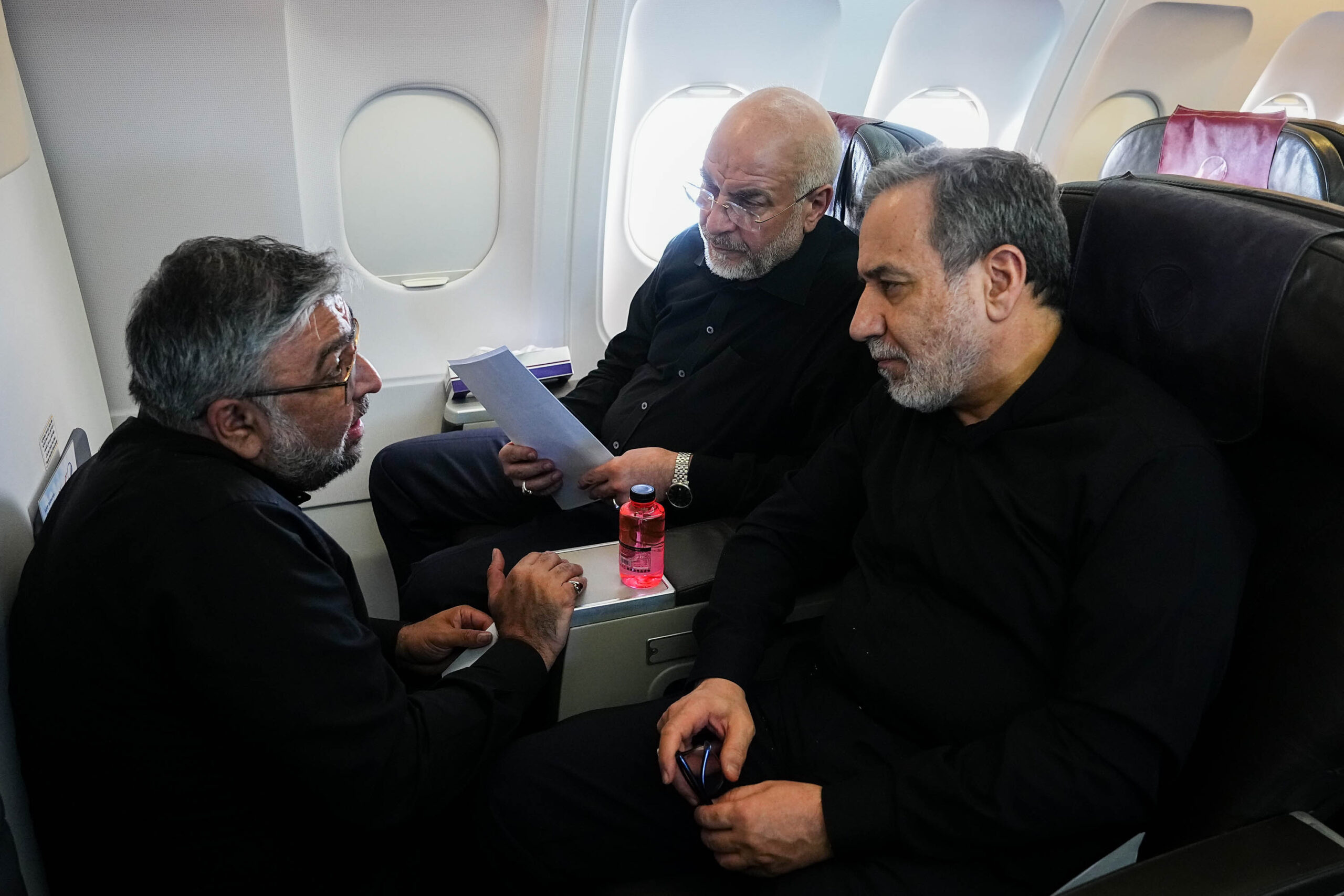
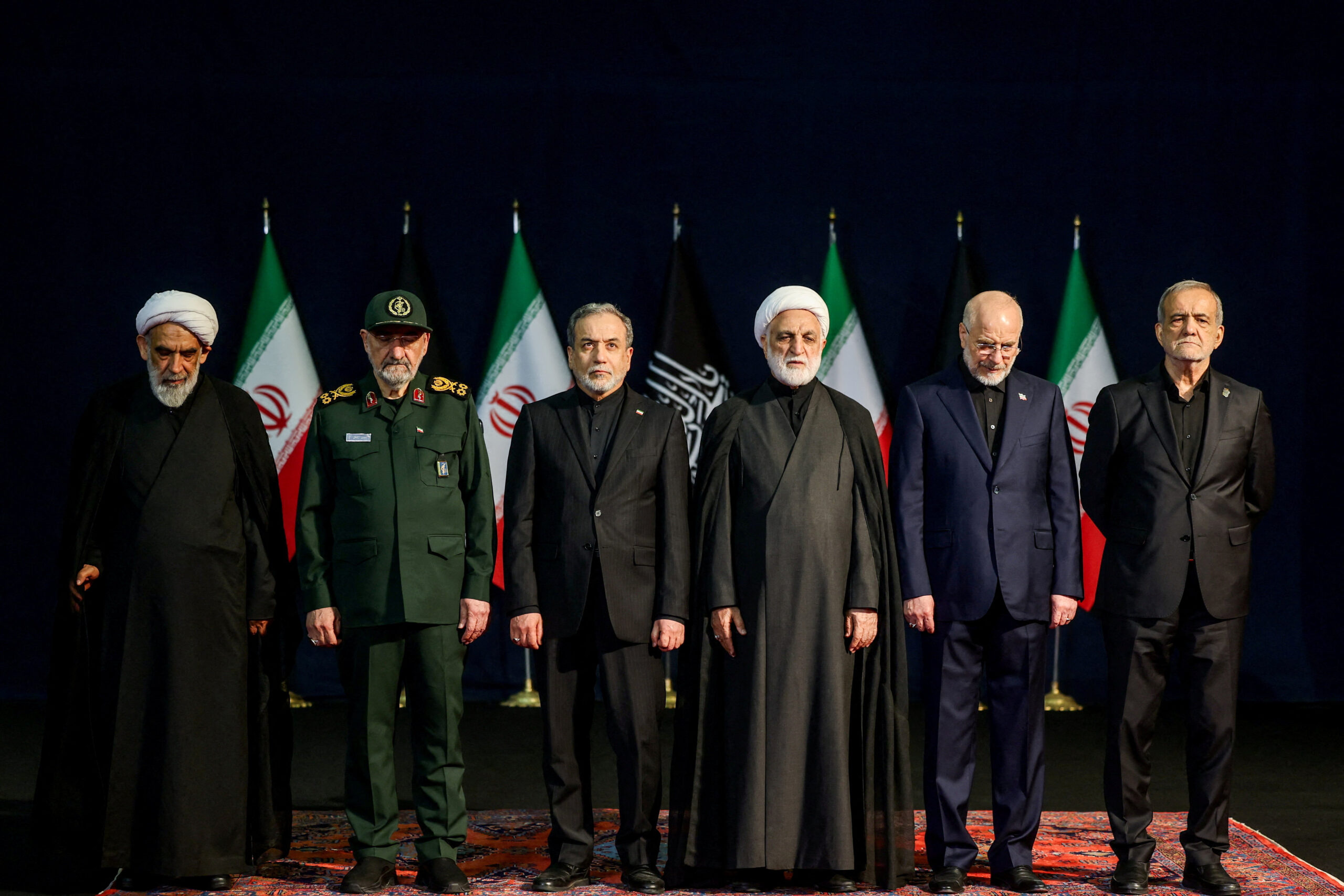
While there is historical precedent for collective leadership in Iran, today’s leadership includes representatives of the IRGC and regular military – a reflection of the IRGC’s expanding role and the necessities of governing under wartime conditions.
How Did the IRGC Seize Power in Iran?
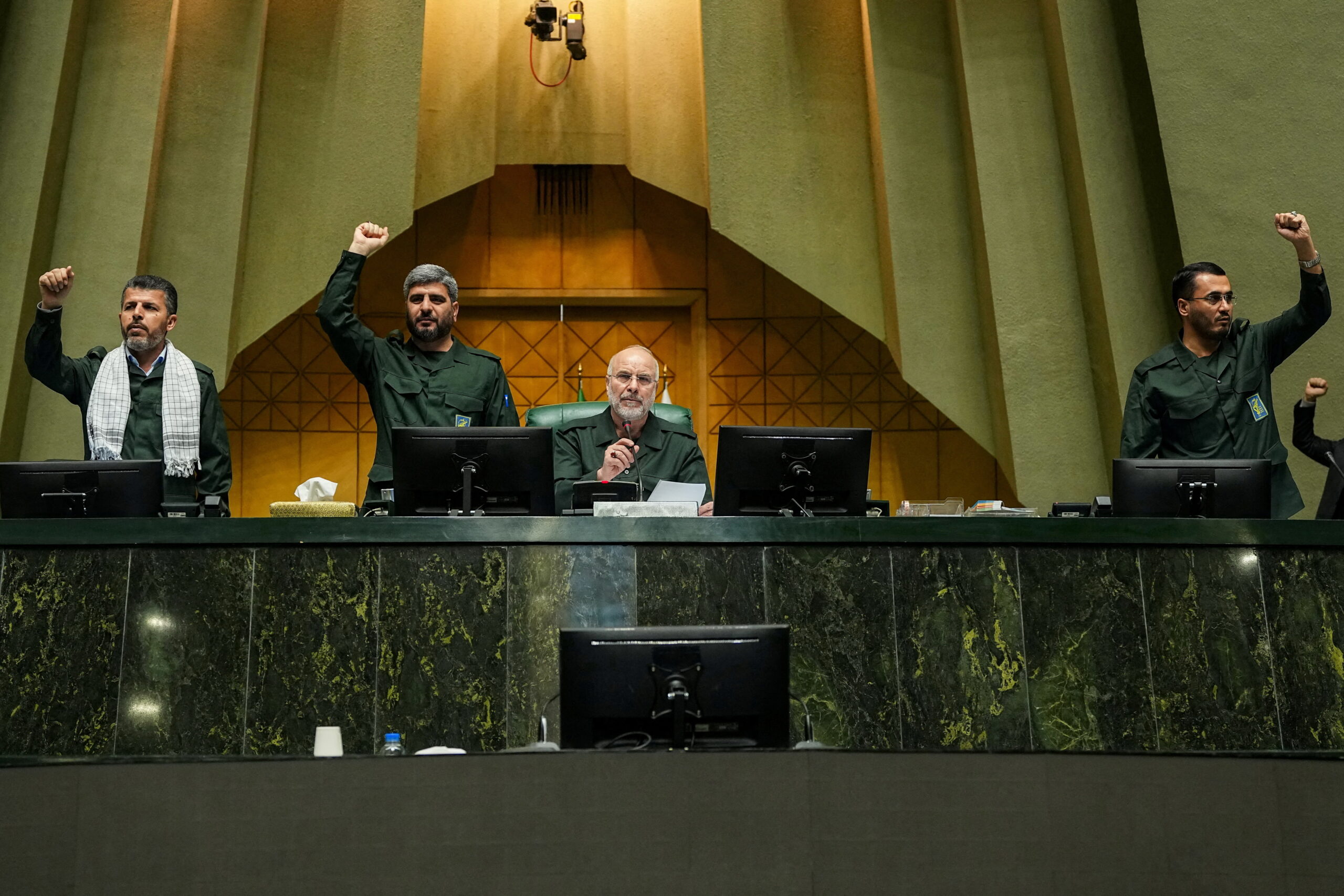
The IRGC did not seize power in a single stroke. It accumulated it – patiently, methodically – until no counterweight remained.
Events
Oct 6, 2026
10:00am - 11:00am
Is the U.S.-Iran Stalemate a “New Normal” or the Prelude to Another Explosion?
On October 6, AGSI will host a discussion on the U.S.-Iran stalemate and the prospects for a cease-fire.
Speakers


Book Talk: Iran and the Bomb: The United States, Iran and the Nuclear Question
On June 16, AGSI hosted a discussion on the evolution of Iran's nuclear program.
Speakers
Apr 21, 2026
Inside Iran’s Wartime Leadership: Power, Succession, and Regime Stability
On April 21, AGSI hosted a discussion on the evolution of Iran's leadership during the war.
Speakers

Mar 18, 2026
In Its Conflict With the United States and Israel, Does Escalation Favor Iran?
On March 18, AGSI hosted a discussion on the escalation of the Iran war.
Speakers