Sep 8, 2023
A Second Cultural Revolution? Iran’s Purge of Universities
The September 8 edition of the Iran Media Review examines criticism of the ongoing purge of Iranian universities.

As Iran prepares for the anniversary of the September 16, 2022 killing of Mahsa Amini in the custody of the morality police, the regime is carrying out a “purification” of institutions of higher education. This purification, which is in practice a purge of critically thinking academics from universities, is a reminder of the 1980-83 “cultural revolution,” during which Iranian universities were closed, academic staffs were purged of “Western elements,” and curricula were rewritten to conform with the regime’s Islamist ideology. While the scope of the ongoing purge is not yet known, reformist media is openly criticizing the replacement of seasoned professors with religious cantors and propagandists and warning of the dire consequences of lowering academic standards in Iran.
- September 5: In an interview with reformist Etemad Daily, Bijan Abdolkarimi, a professor of philosophy, warned against purging universities and delivered an elitist critique of the Iranian regime as vulgar and anti-academic:
- “The Iranian Revolution was a popular mass revolution, which has its own qualities but also shortcomings and dangers. One of the greatest threats to Iran’s revolution is a rebellion of the masses and radical elements,” referencing the regime, which he now perceives as plebeian, “against the elites. The current moves to purify the ranks of the academic staff are a rebellion of the masses against the elites and experts … Individuals and political currents that do not possess elite attributes are trying to infiltrate the universities … Still worse, among the top leadership of the Islamic Republic, there is not a single individual with a cultural background.”
- Turning to what he called the “policing of universities,” Abdolkarimi continued: “Technocrats and bureaucrats who do not believe in civilizational, revolutionary, and religious values have imposed a securitized policing atmosphere on the universities … This trend further depresses the society and slows down scientific advances … But the authorities are imposing this cost on the society because they are probably concerned about the anniversary of the passing of Mahsa Amini. It is as if some individuals and currents intentionally want to throw fuel on the fire of the anger of the youth.”
- Concluding the interview with proposed solutions, he said: “We are awaiting a messiah who promises love and reconciliation. We are in need of a national reconciliation … Stability cannot be achieved by militarist approaches.”
The views represented herein are the author's or speaker's own and do not necessarily reflect the views of AGSI, its staff, or its board of directors.
Related
Iran Media Review
Sep 5, 2023
Former President Mohammad Khatami: Regime Reform or Destruction
The September 5 edition of the Iran Media Review highlights a forceful call for political reform by former President Mohammad Khatami.
Iran Media Review
Sep 1, 2023
Entekhab Analyst’s Comparison of Iranian and Saudi Foreign Policy
The September 1 edition of the Iran Media Review highlights an increasingly common critique of Iranian foreign policy vis-à-vis great powers.
Sep 5, 2023
Former President Mohammad Khatami: Regime Reform or Destruction
The September 5 edition of the Iran Media Review highlights a forceful call for political reform by former President Mohammad Khatami.
Sep 1, 2023
Entekhab Analyst’s Comparison of Iranian and Saudi Foreign Policy
The September 1 edition of the Iran Media Review highlights an increasingly common critique of Iranian foreign policy vis-à-vis great powers.
Analysis
The Islamic Republic Returns to Offense
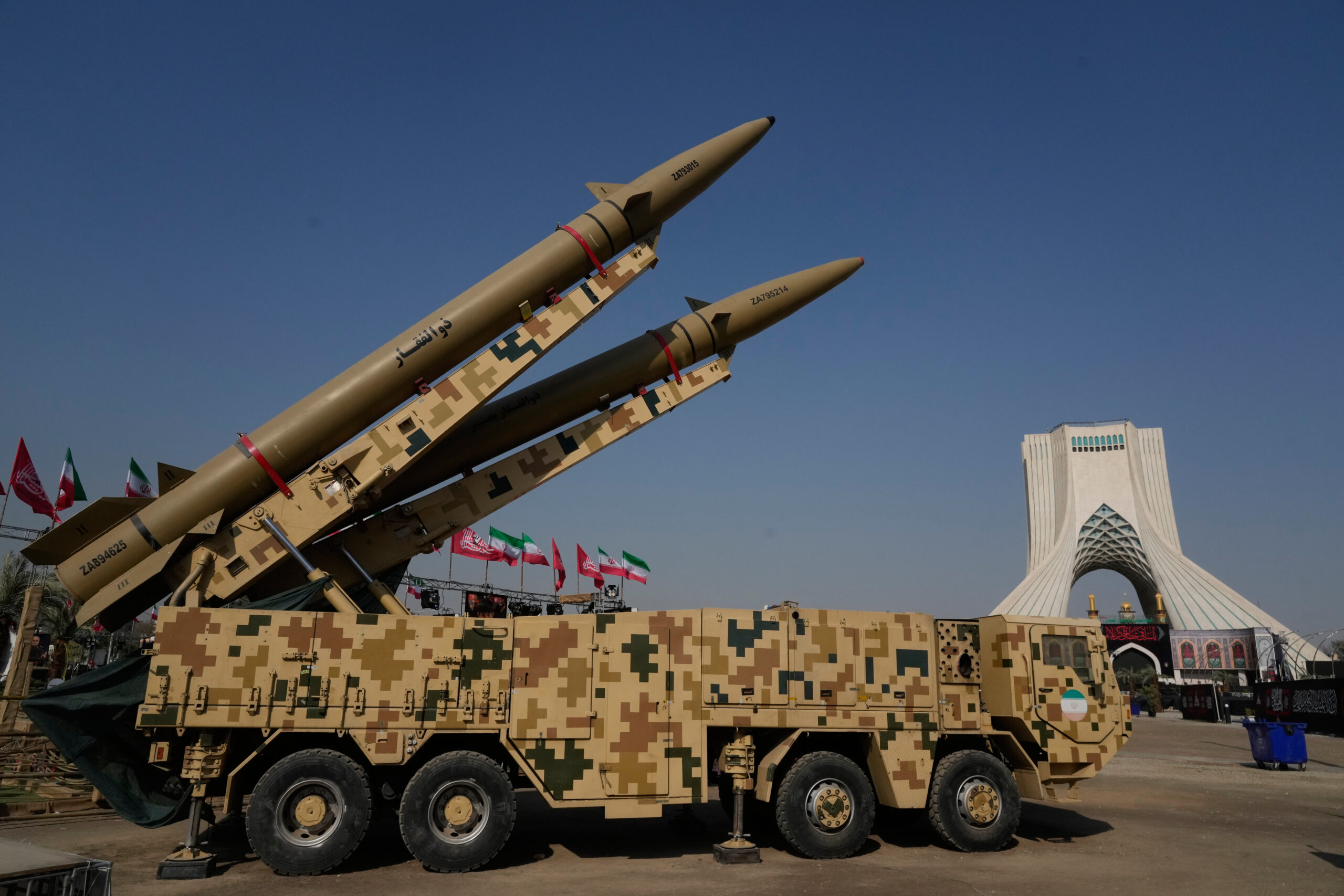
After U.S.-Israeli strikes killed Supreme Leader Ayatollah Ali Khamenei on February 28, Iran’s collective leadership has concluded that the best defense is a good offense.
Iran’s Collective Strategic Decision Making
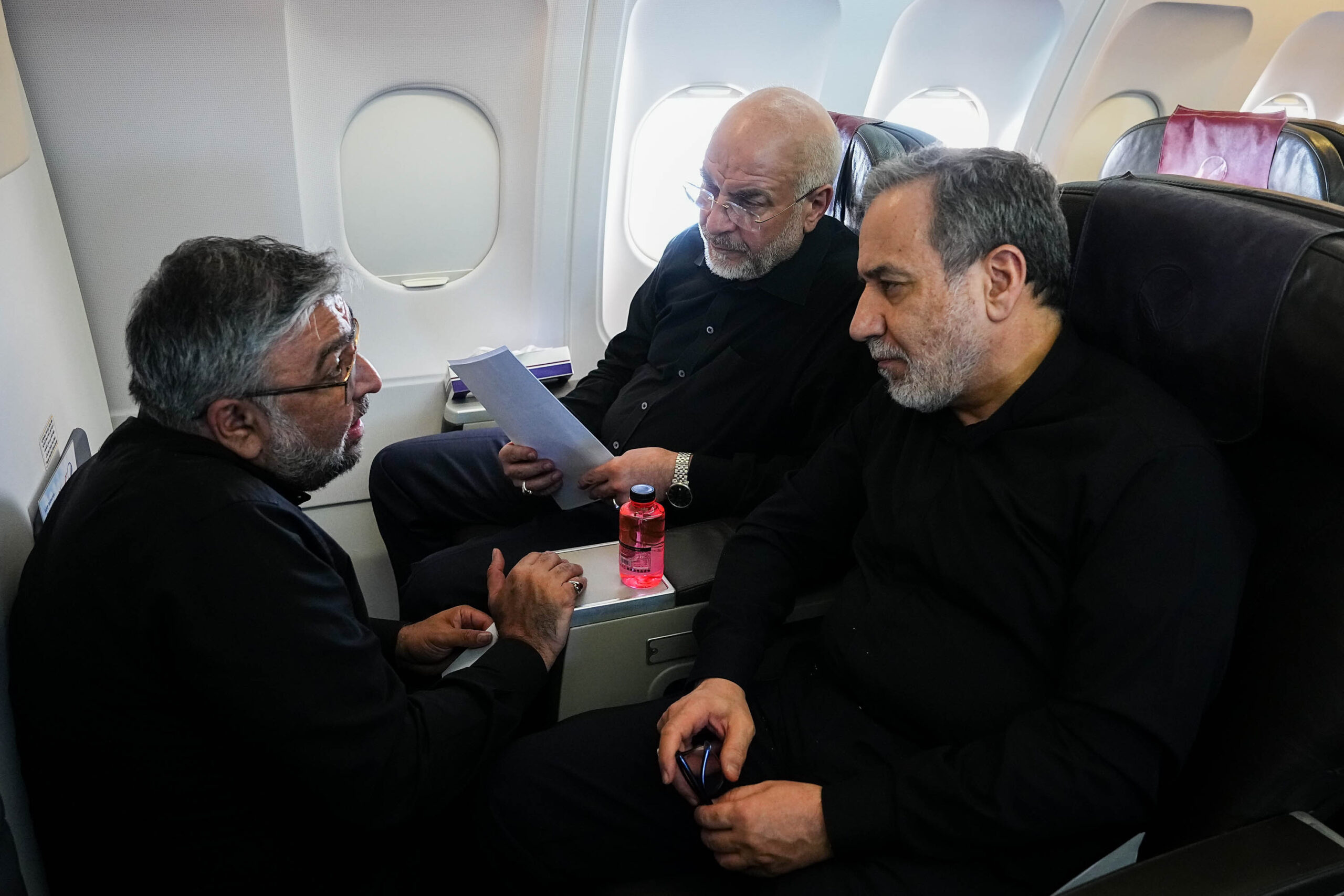
Wartime pressure has temporarily aligned the leadership’s overriding interest in regime survival, even as its members continue to differ over the costs, methods, and ultimate objectives of the war.
The Islamic Republic’s Collective Leadership
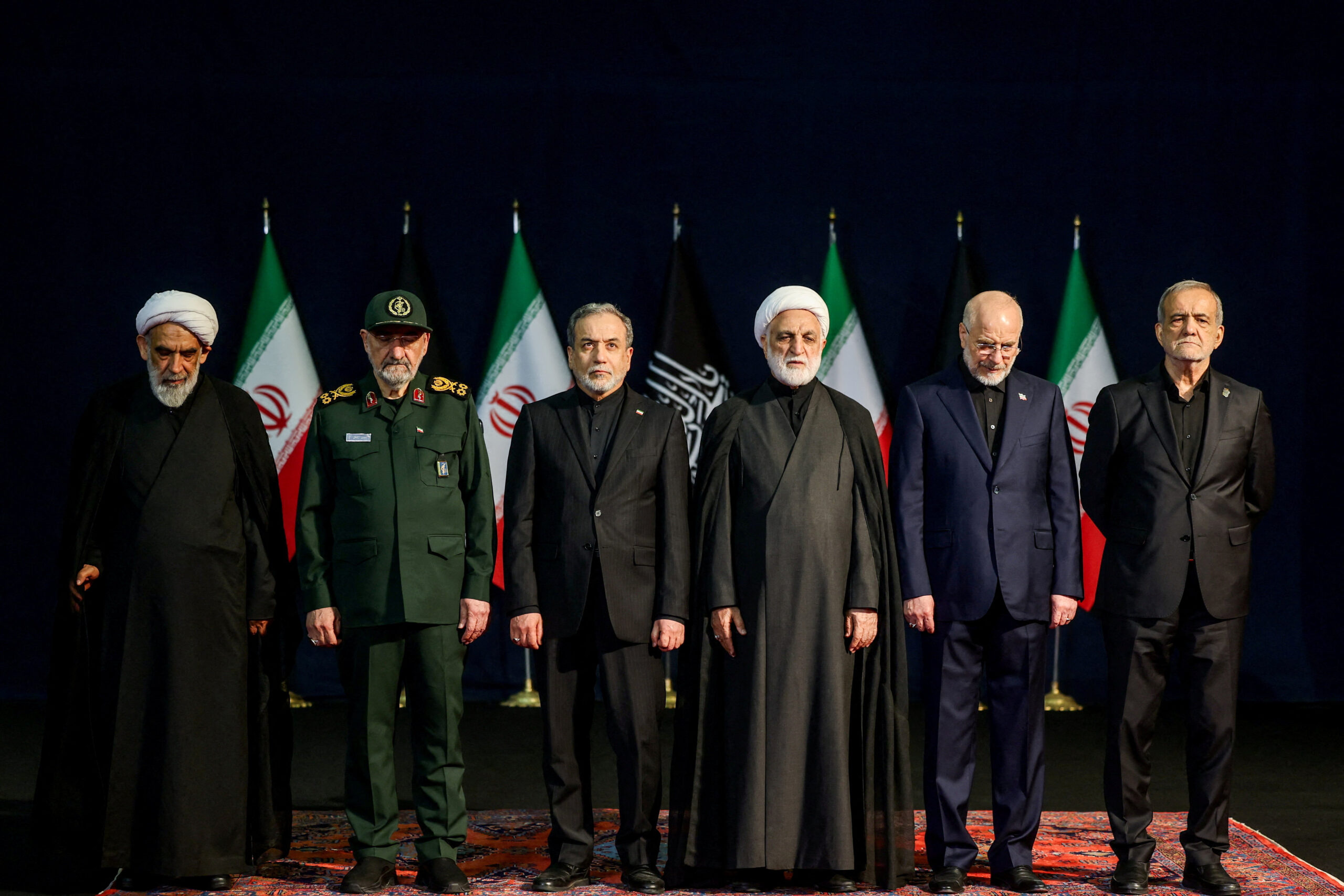
While there is historical precedent for collective leadership in Iran, today’s leadership includes representatives of the IRGC and regular military – a reflection of the IRGC’s expanding role and the necessities of governing under wartime conditions.
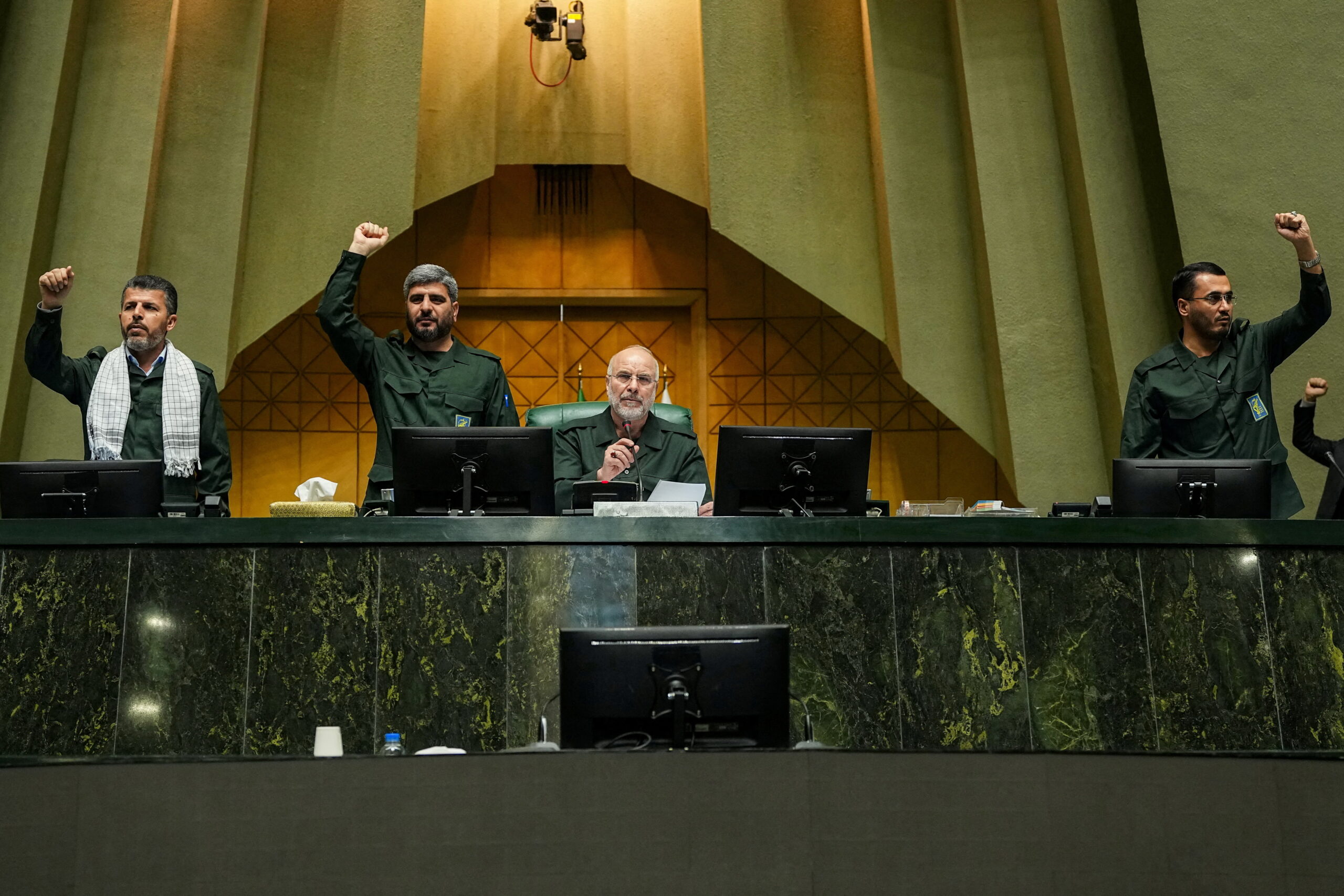
How Did the IRGC Seize Power in Iran?
The IRGC did not seize power in a single stroke. It accumulated it – patiently, methodically – until no counterweight remained.
Events
Oct 6, 2026
10:00am - 11:00am
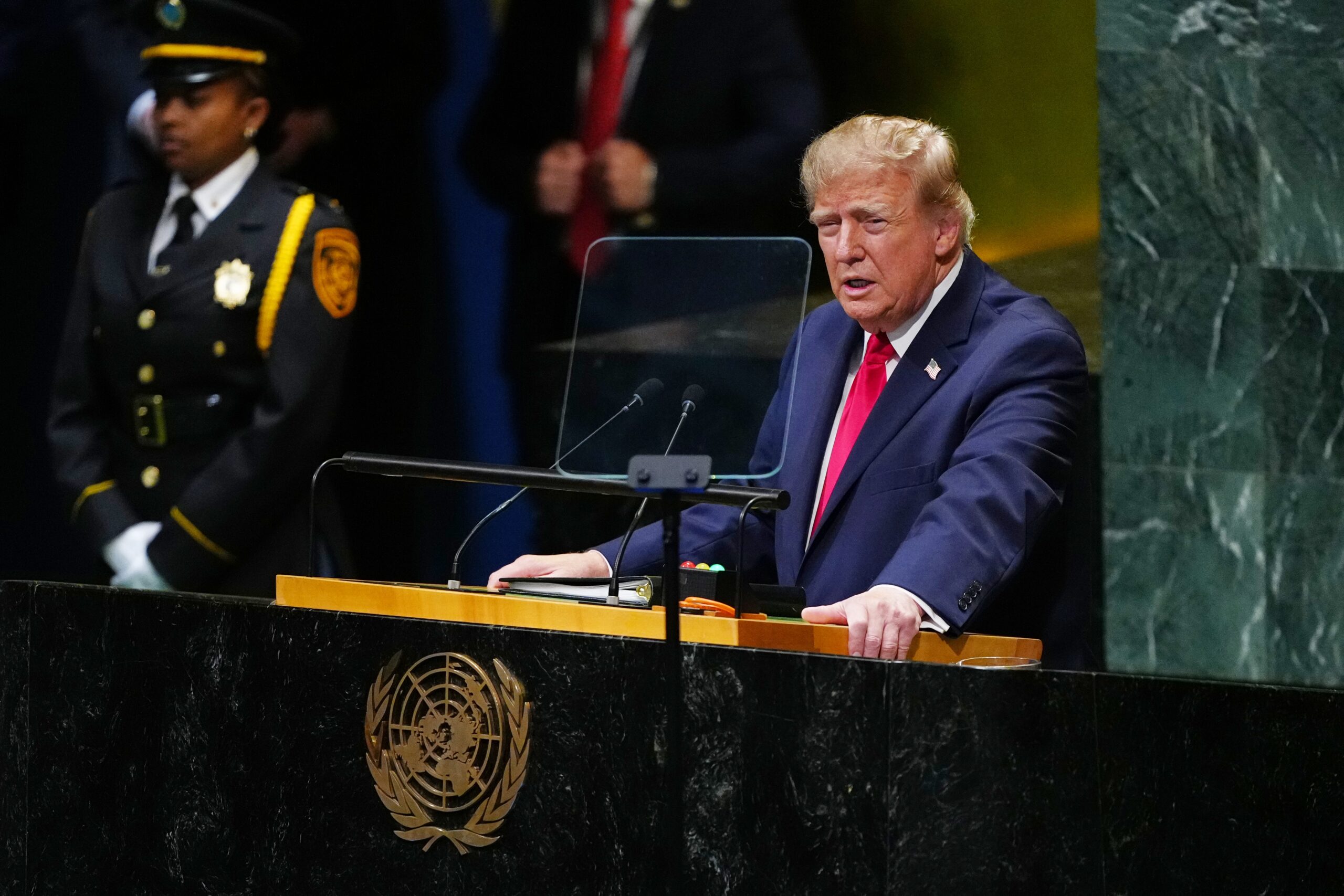
Is the U.S.-Iran Stalemate a “New Normal” or the Prelude to Another Explosion?
On October 6, AGSI will host a discussion on the U.S.-Iran stalemate and the prospects for a cease-fire.
Speakers



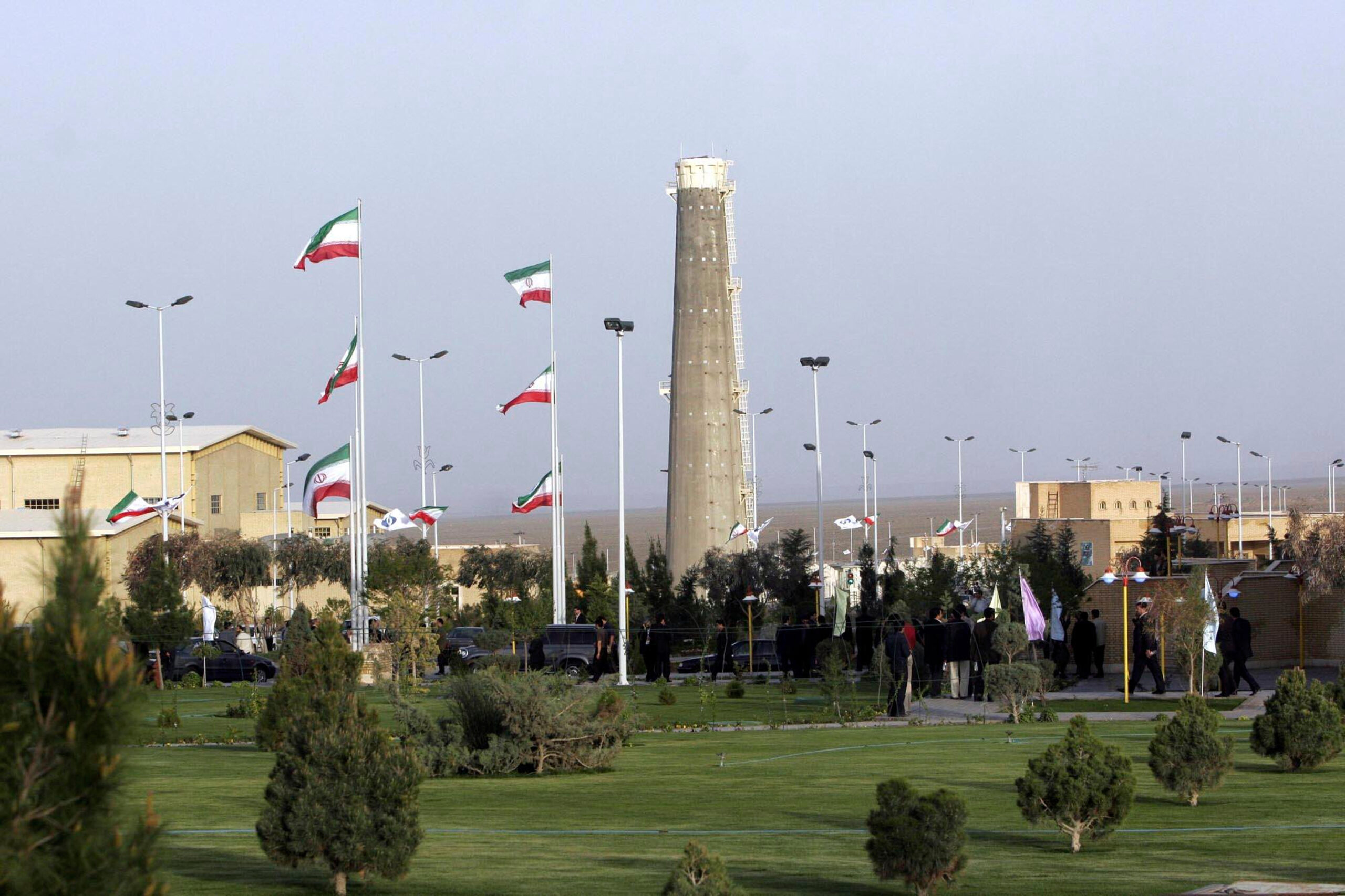
Book Talk: Iran and the Bomb: The United States, Iran and the Nuclear Question
On June 16, AGSI hosted a discussion on the evolution of Iran's nuclear program.
Speakers
Apr 21, 2026
Inside Iran’s Wartime Leadership: Power, Succession, and Regime Stability
On April 21, AGSI hosted a discussion on the evolution of Iran's leadership during the war.
Speakers

Mar 18, 2026
In Its Conflict With the United States and Israel, Does Escalation Favor Iran?
On March 18, AGSI hosted a discussion on the escalation of the Iran war.
Speakers