Oct 4, 2024
IRGC Newspaper Demands Nuclear Bomb
The October 4 edition of the Iran Media Review surveys the range of Iranian commentary following Tehran’s October 1 retaliatory attack against Israel.
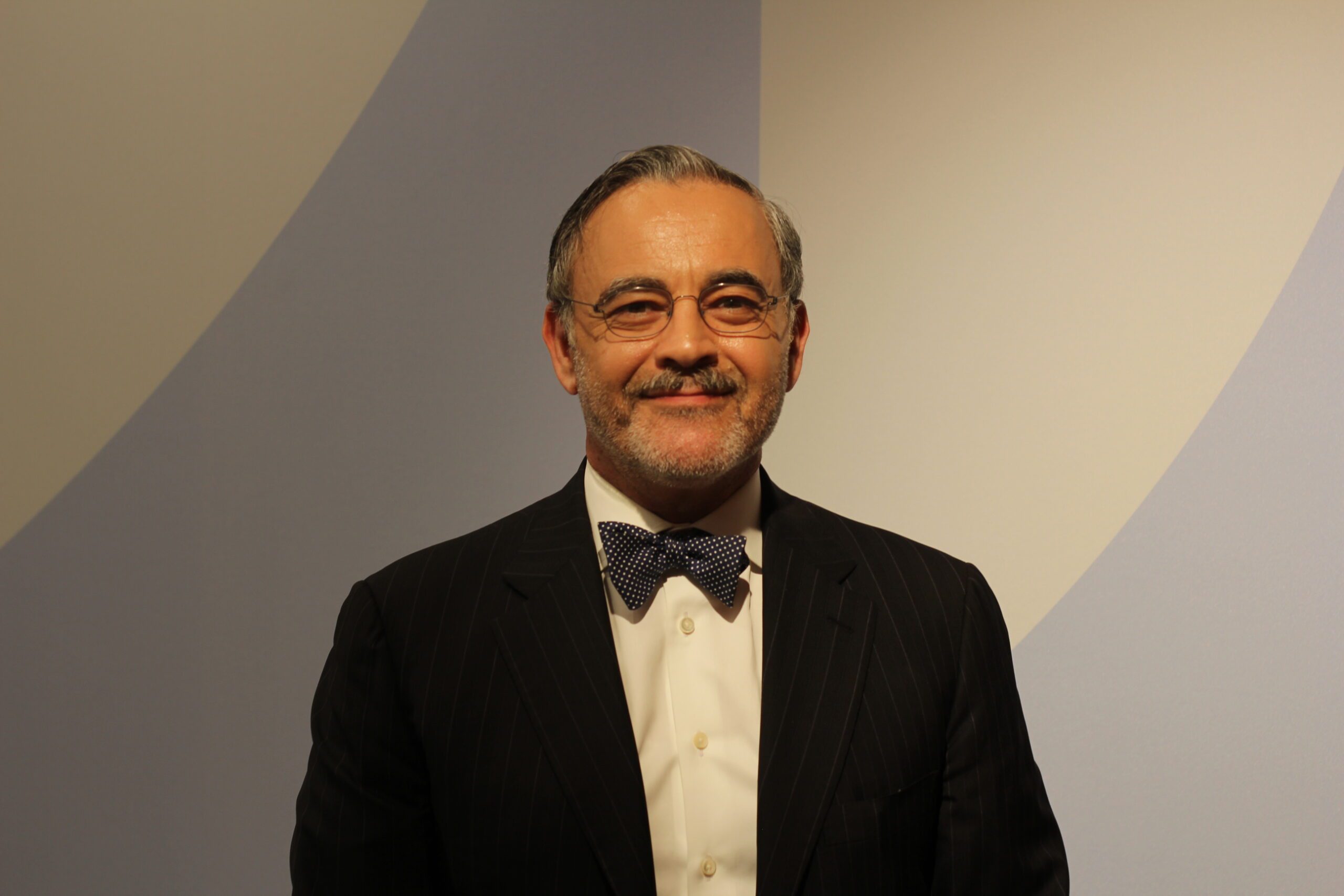
By authorizing, and perhaps actively encouraging the Islamic Revolutionary Guard Corps’ October 1 retaliatory attack against Israel, President Masoud Pezeshkian appears to be straddling the gap between the policy prescriptions of his Cabinet and hard-line elements, such as Kayhan newspaper as well as the IRGC and its various mouthpieces. While some reformist media outlets warn Pezeshkian that the present conflict with Israel may evolve into a military confrontation between Iran and the United States (and a prolonged Israeli and U.S. bombing campaign against Iran similar to the U.S. bombings of Iraq throughout the 1990s) the IRGC’s main mouthpiece, Javan, urges Iran to change its nuclear doctrine, which to judge by the article quoting American political scientist the late Professor Kenneth Waltz saying “Peace-lovers ought to love the nukes!,” may indicate nuclear breakout.
- October 2: Pezeshkian, addressing the Cabinet prior to leaving for a visit to Qatar, according to IRGC mouthpiece Mashregh News, said:
- “This operation … was according to international norms and a response to the assassination of martyred Haniyeh in our country and the martyrdom of Seyyed Hassan Nasrallah and a number of commanders of the resistance.” Pezeshkian further said Western leaders had urged Iran not to retaliate following the assassination of Ismail Haniyeh, the Hamas Political Bureau chairman, to avoid jeopardizing a potential cease-fire in Gaza. He continued, saying that this “criminal regime,” in a reference to Israel, “not only continued massacring women and children in Gaza but also expanded the domain of its crime to Lebanon.”
- Turning to Iran’s October 1 response, Pezeshkian said: “Last night, the armed forces of the Islamic Republic once again proved that the Iron Dome is more fragile than glass … We have proved that we do not take insults to the dignity and pride of our nation lightly. Should this regime commit more mistakes, it will receive a much more crushing response.”
- October 2: Hossein Shariatmadari, editor of Kayhan, a mouthpiece of Supreme Leader Ayatollah Ali Khamenei, praised Pezeshkian and Iran’s retaliatory attack against Israel:
- “When Mr. Pezeshkian witnessed unfaithfulness of American and European leaders, he reached the logical, legal, and revolutionary conclusion that giving these criminals a second chance only means they will commit new crimes … Our waiting came to an end a few minutes ago, when the proud Islamic Revolutionary Guard Corps, in cooperation with the brave army and other authorities, attacked the criminal Israeli regime.”
- October 2: Mashregh News reported that Supreme Leader Ayatollah Ali Khamenei will deliver the Friday prayer sermon in Tehran October 4, something he has seldom done since he became supreme leader in 1989.
- October 2: Reformist Shargh Daily interviewed political analyst Mohsen Jalilvand, who said: “I am of the opinion that the enemy is trying to reuse its plans against Iraq in the 1990s against Iran in 2024. It is trying to involve Iran in a regional war resulting in a direct confrontation between Iran and the United States and other powers. In the end, the United Nations Security Council will issue resolutions restricting Iran’s … military and defensive capabilities … Which is why, we must act differently.”
- October 3: Gholam-Reza Sadeqian, the chief editor of Javan, an IRGC mouthpiece, wrote in the newspaper’s editorial column:
- “I’m not discussing the religious aspects of legality” of nuclear weapons “but the scientific aspects of the nuclear program. From a scientific point of view, we can’t bar ourselves from research. We have indeed not barred ourselves from advances in nuclear science and technology … One thing is the taboo of using nuclear weapons, but mastering the science of nuclear weapons and reaching the point of building a weapon when we wish to do so is an altogether different subject.”
- Turning to the religious legality of building a nuclear bomb according to Shia theology, Sadeqian continued: “Some experts in Iranian studies and Shia theology may tell” Western governments “that the religious prohibition” against building a nuclear weapon “is not deception … However, there will certainly also be others who will tell the Americans that Shia theology is dynamic and issues new rulings at inflection points … This keeps the Americans in a state of constant guessing … For them, Iran will remain a state that has no nuclear weapons but may opt to have one … It can have it instantaneously.”
- October 3: Under the headline “Changing the Nuclear Doctrine in the Face of the Israeli Super-Destructor,” Ali Qanadi, an international affairs editor for Javan, wrote:
- “In Tehran, we hear arguments such as ‘Seyyed Hassan is gone, but Nasrallah will come’” a play on the meaning of Nasrallah, which is divine victory, “and ‘Hezbollah is alive,’ which are meant to convey the message that social phenomena are resilient. However, the reality is that weak material foundations of social institutions, be it government, group, movement, or any other thing, in the best of circumstances corrode and weaken those institutions.”
- “What is the solution …? The past year has shown that diplomacy based on the international public opinion could not stop the super-destructiveness of Israel. The limited military response option, such as Operation Truthful Covenant II,” a reference to Iran’s October 1 retaliatory attack against Israel, “was effective … but may not have established deterrence, and there is a risk for further escalation … Other people may offer creative solutions to contain” Israel, “but there is also an immediate solution ready at hand: changing Iran’s nuclear doctrine. For the past 50-odd years (the Pahlavi era included), Iran has engaged in peaceful use of nuclear energy. Today, Tehran has the capacity, opportunity, and incentive to change this program … As Kenneth Waltz used to say: ‘Peace-lovers ought to love the nukes.’ The only factor that prevented direct wars between the superpowers was the balance of terror.”
The views represented herein are the author's or speaker's own and do not necessarily reflect the views of AGSI, its staff, or its board of directors.
Related
Iran Media Review
Oct 1, 2024
Iran’s State-Censored Media Reacts to Assassination of Hezbollah Leader
The October 1 edition of the Iran Media Review considers statements from Iranian officials and commentary following the killing of Lebanese Hezbollah Secretary General Hassan Nasrallah.
Iran Media Review
Sep 27, 2024
Iranian Commentary on Potential Israeli Ground Invasion of Lebanon
The September 27 edition of the Iran Media Review evaluates statements on a potential Israeli ground invasion of Lebanon, indicating uncertainty in Tehran regarding Israel’s intentions.
Oct 1, 2024
Iran’s State-Censored Media Reacts to Assassination of Hezbollah Leader
The October 1 edition of the Iran Media Review considers statements from Iranian officials and commentary following the killing of Lebanese Hezbollah Secretary General Hassan Nasrallah.
Sep 27, 2024
Iranian Commentary on Potential Israeli Ground Invasion of Lebanon
The September 27 edition of the Iran Media Review evaluates statements on a potential Israeli ground invasion of Lebanon, indicating uncertainty in Tehran regarding Israel’s intentions.
Analysis
The Islamic Republic Returns to Offense
After U.S.-Israeli strikes killed Supreme Leader Ayatollah Ali Khamenei on February 28, Iran’s collective leadership has concluded that the best defense is a good offense.
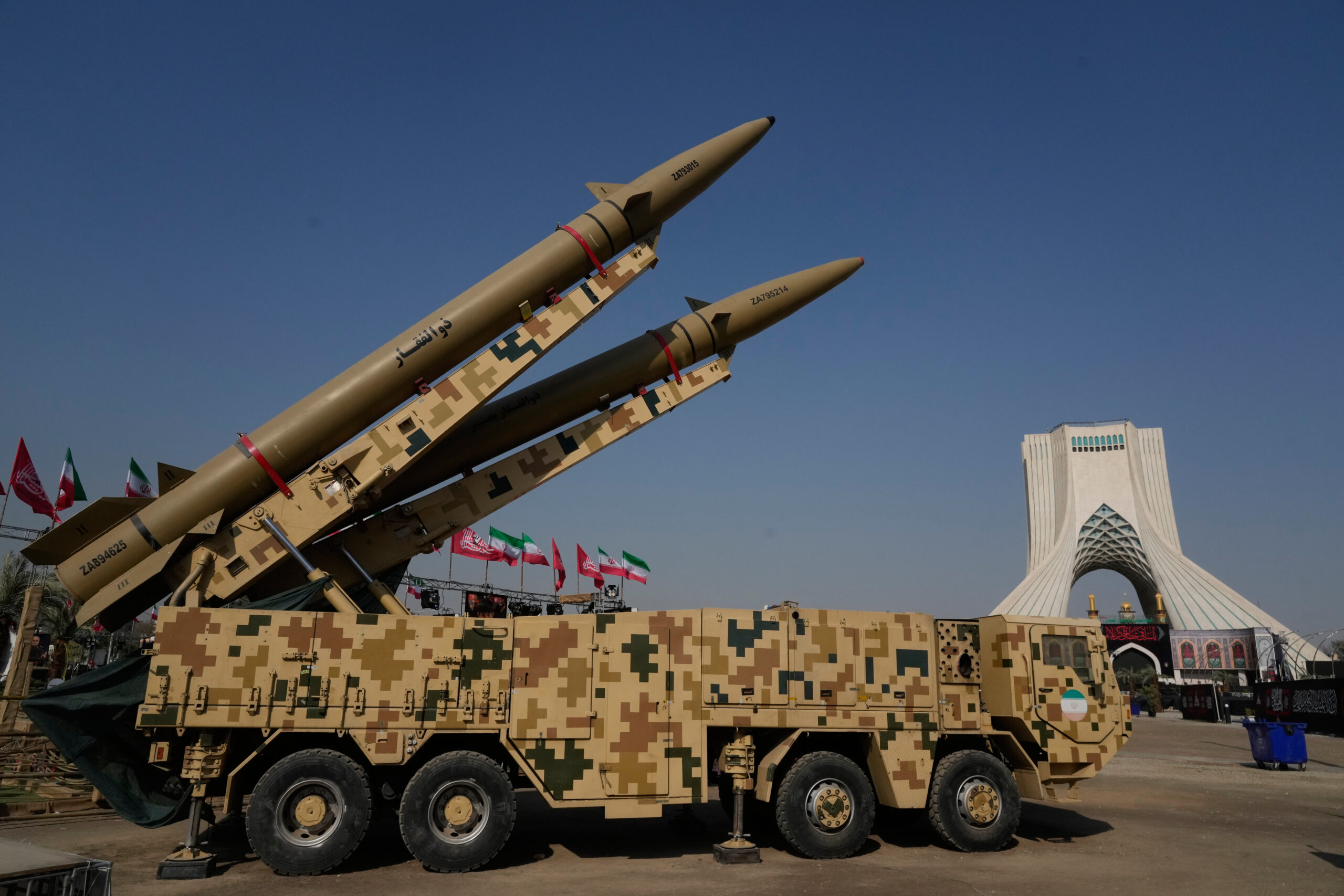
Iran’s Collective Strategic Decision Making
Wartime pressure has temporarily aligned the leadership’s overriding interest in regime survival, even as its members continue to differ over the costs, methods, and ultimate objectives of the war.
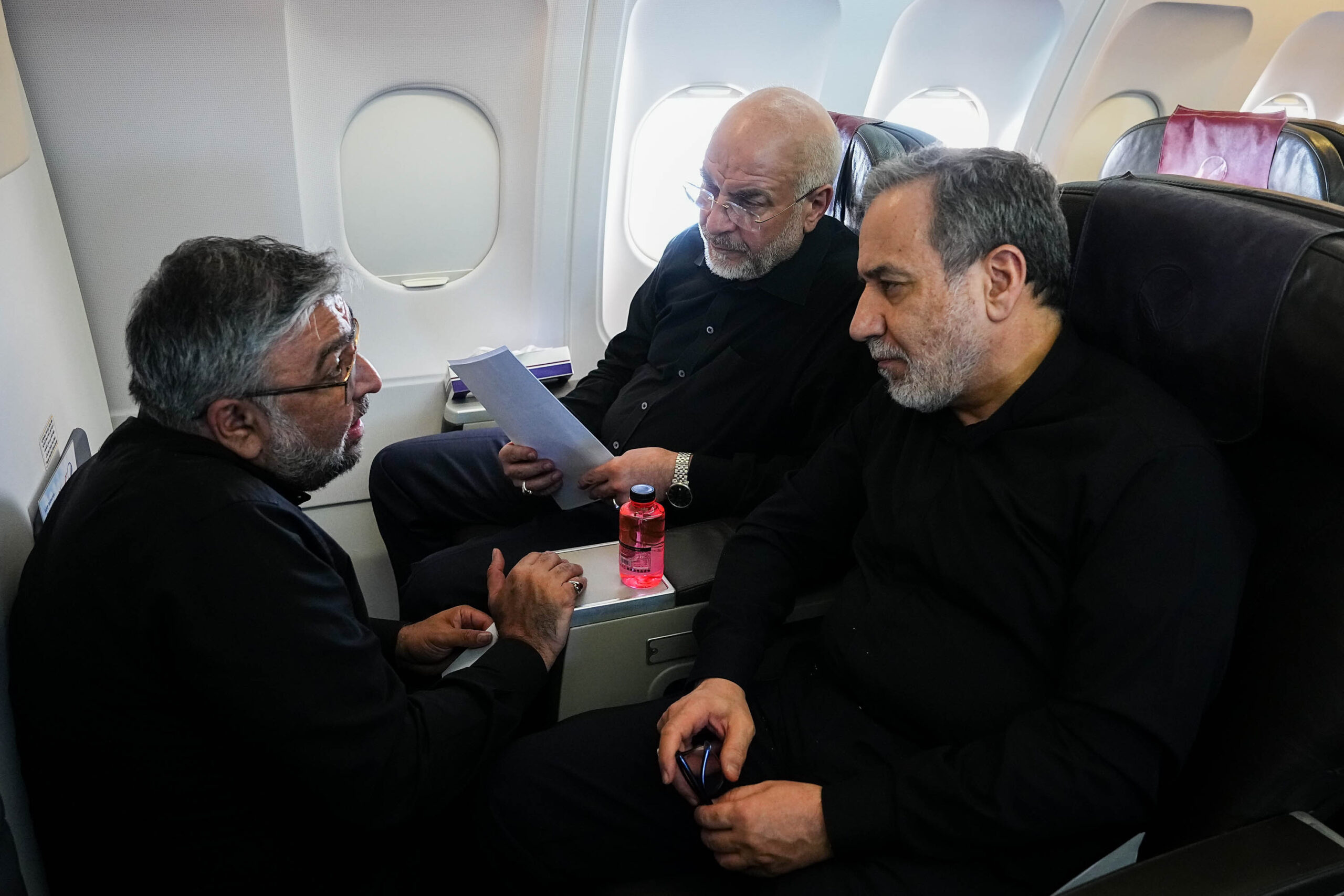
The Islamic Republic’s Collective Leadership
While there is historical precedent for collective leadership in Iran, today’s leadership includes representatives of the IRGC and regular military – a reflection of the IRGC’s expanding role and the necessities of governing under wartime conditions.
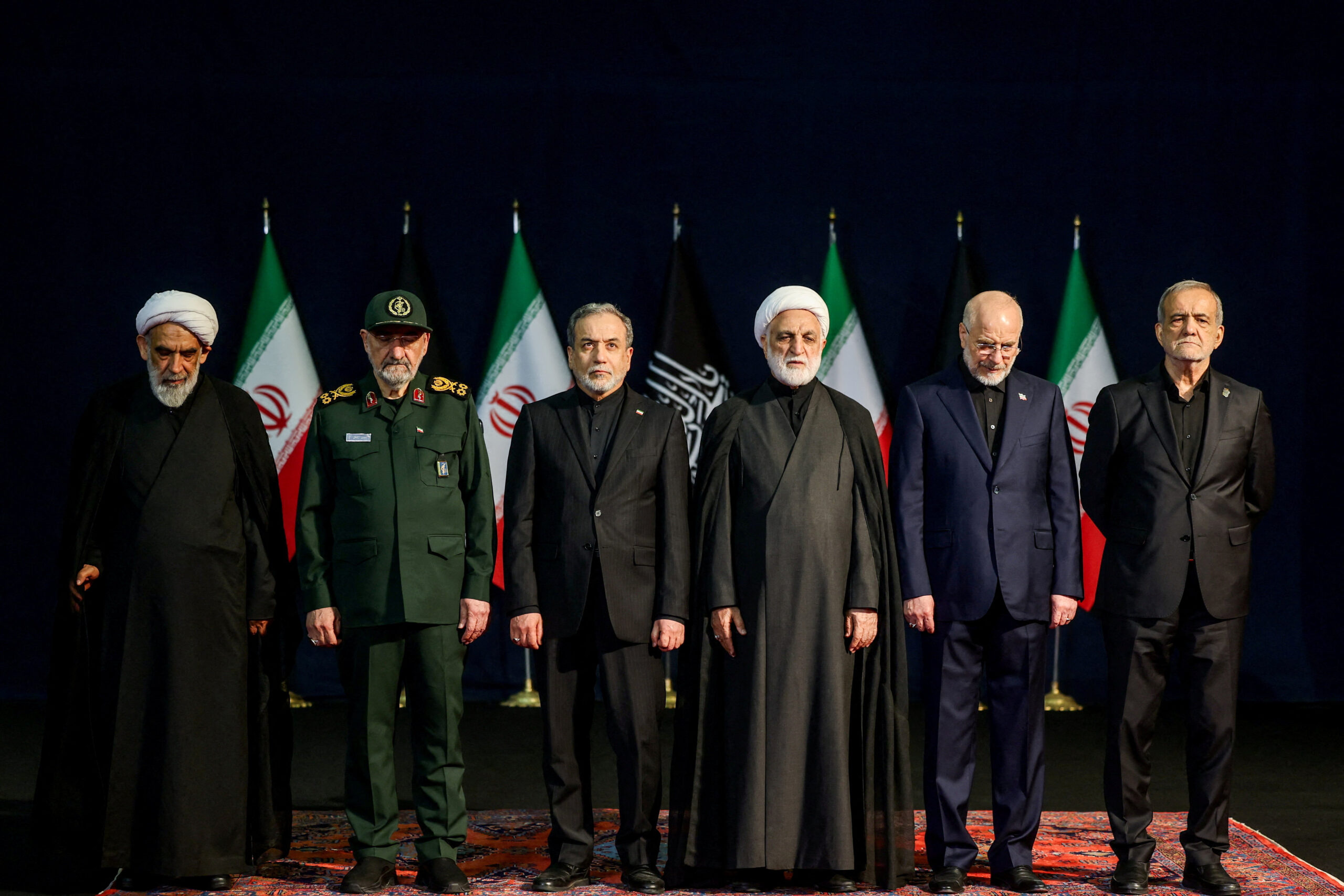
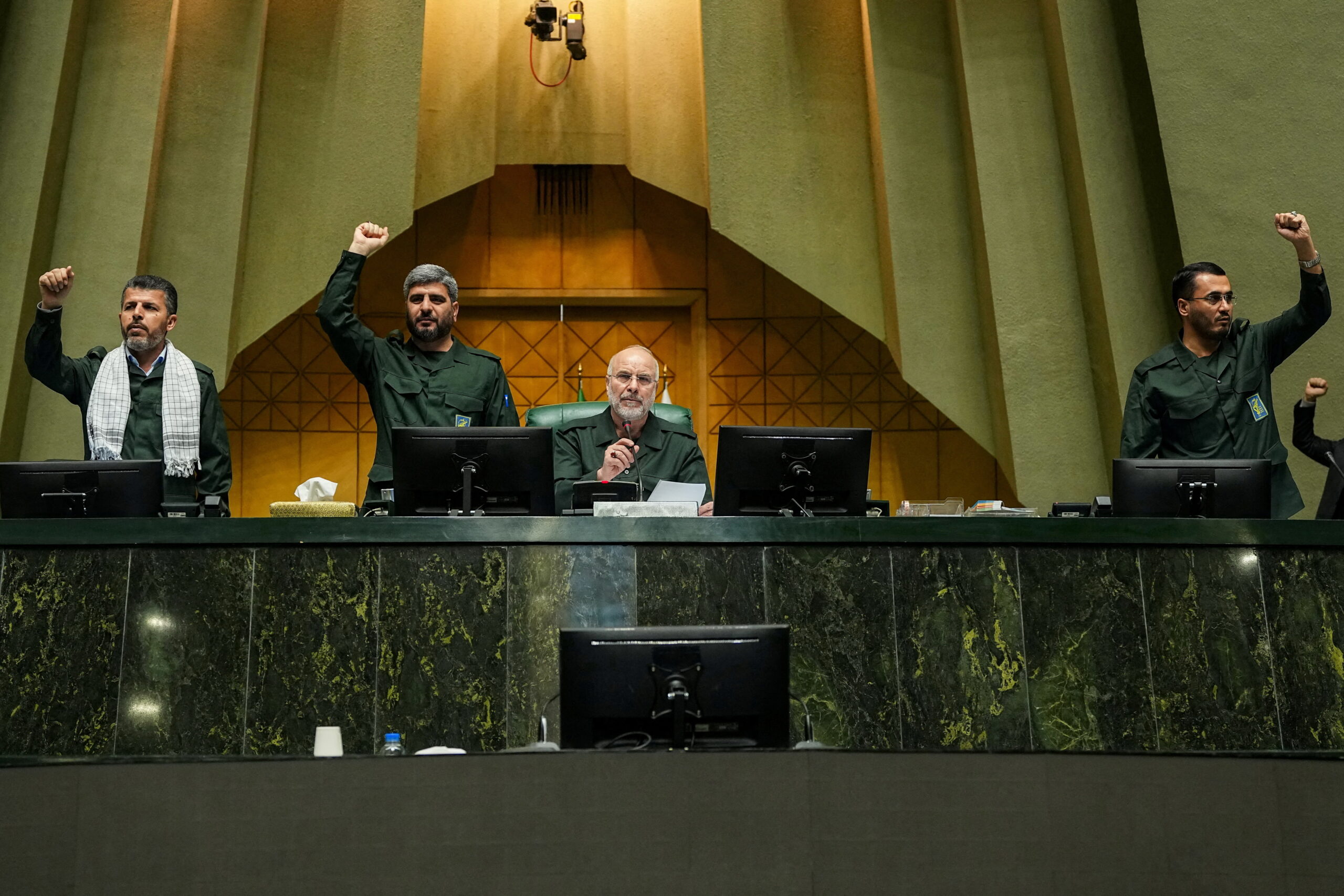
How Did the IRGC Seize Power in Iran?
The IRGC did not seize power in a single stroke. It accumulated it – patiently, methodically – until no counterweight remained.
Events
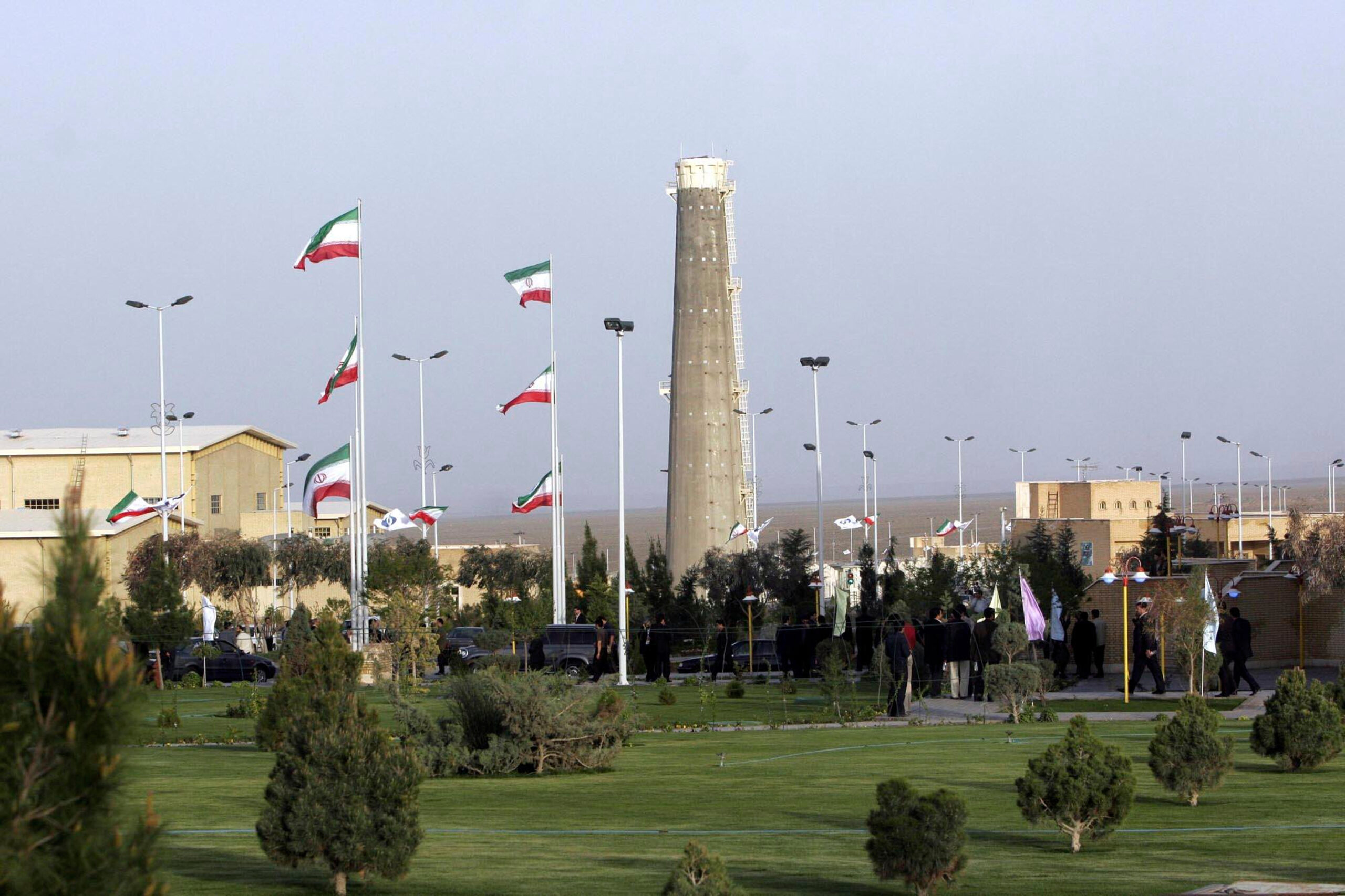
Book Talk: Iran and the Bomb: The United States, Iran and the Nuclear Question
On June 16, AGSI hosted a discussion on the evolution of Iran's nuclear program.
Speakers

Apr 21, 2026
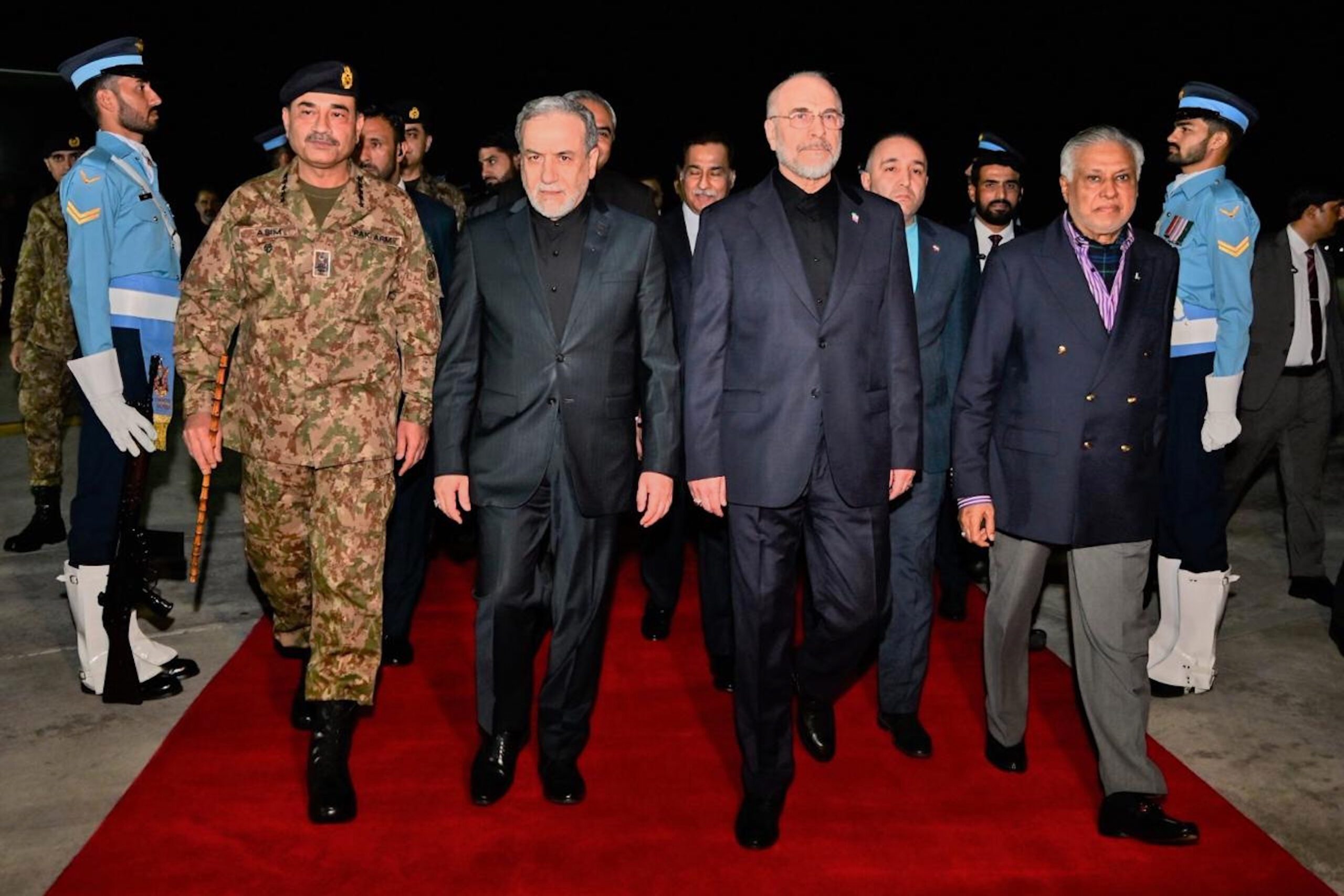
Inside Iran’s Wartime Leadership: Power, Succession, and Regime Stability
On April 21, AGSI hosted a discussion on the evolution of Iran's leadership during the war.
Speakers

Mar 18, 2026
In Its Conflict With the United States and Israel, Does Escalation Favor Iran?
On March 18, AGSI hosted a discussion on the escalation of the Iran war.
Speakers


Mar 2, 2026
After the Shock: Implications of the U.S.–Israeli Strikes and Iran’s Leadership Transition
On March 2, AGSI hosted a discussion on the U.S.-Israeli strikes on Iran.
Speakers