Oct 1, 2024
Iran’s State-Censored Media Reacts to Assassination of Hezbollah Leader
The October 1 edition of the Iran Media Review considers statements from Iranian officials and commentary following the killing of Lebanese Hezbollah Secretary General Hassan Nasrallah.
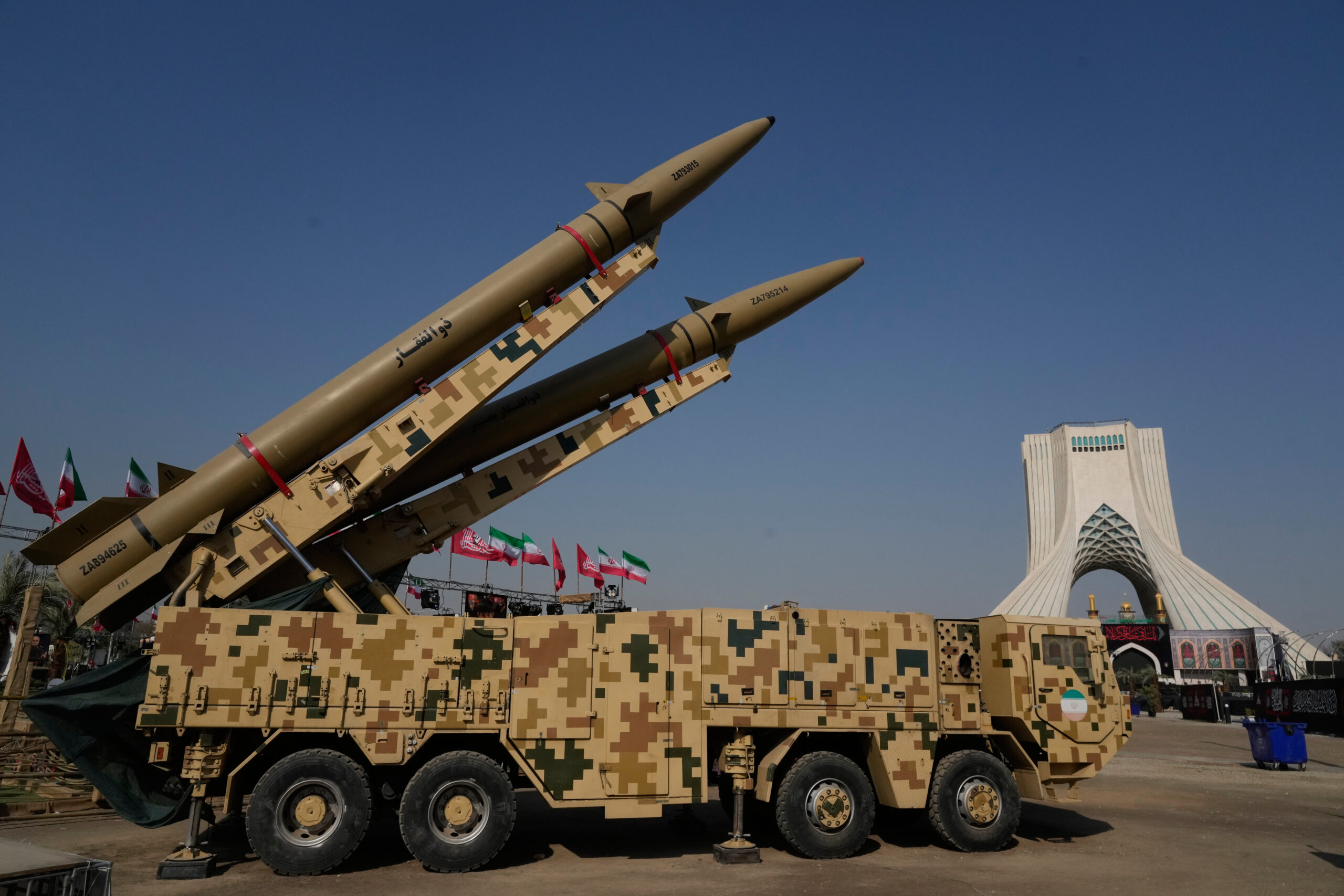
While Iranian Supreme Leader Ayatollah Ali Khamenei and other regime officials vow to avenge the assassination of Lebanese Hezbollah Secretary General Hassan Nasrallah, there is no specific sign if and how Iran will react.
- September 28: Khamenei’s official website released a statement from the supreme leader on the assassination of Nasrallah:
- “The world of Islam has lost a great individual, the Resistance Front is bereaved of a prominent standard bearer, and Lebanese Hezbollah mourns the loss of a peerless leader, but the blessings of his decadeslong efforts remain. He established a foundation in Lebanon, which will survive, thrive, and be more consolidated … The Seyyed of the Resistance was not an individual. He was a path and a school of thought – a path that will continue.”
- September 28: President Masoud Pezeshkian’s official website released a statement from the president:
- “The world will never forget that this terrorist deed was commanded from New York, and the Americans can’t free themselves from their collaboration with the Zionists.”
- September 28: Nour News Agency, mouthpiece of the Supreme National Security Council, posted on X, formerly known as Twitter:
- “Due to unprecedented crimes of the Zionist regime, directly assisted by the United States, the region is in a trajectory where the argument can be made that the price of fighting a war is significantly lower than not fighting.”
- September 28: Islamic Revolutionary Guard Corps Chief Commander Major General Hossein Salami vowed to avenge the assassination of Nasrallah, as quoted by IRGC mouthpiece Mashregh News.
- September 28: Columnist Abd-Allah Motevallian wrote for IRGC mouthpiece Javan in a piece on Nasrallah’s assassination that “Hezbollah is alive.”
- September 28: Kayhan newspaper, mouthpiece of Khamenei, dedicated an editorial to praising Nasrallah:
- “Hezbollah is a movement and not an individual. Martyrdom of Seyyed Abbas Mousavi,” Hezbollah co-founder and secretary general until his assassination in 1992, “was a hard blow to Hezbollah, but the organization renewed itself and blossomed … The Seyyed of the Resistance was not an individual but a path and a school of thought. This path will continue. The blood of Seyyed Abbas Mousavi did not remain unavenged, and the blood of martyr Seyyed Hassan too will not remain unavenged.”
- September 28: Mohammad Irani, former ambassador to Lebanon, explained the changed rules of the game in a column in reformist Shargh Daily:
- “Lebanese Hezbollah is a disciplined organization … and it is not difficult to find a leader continuing the path of Seyyed Hassan Nasrallah … Israel’s actions betray Netanyahu’s plan to increase tensions in Lebanon … The rules of the game have changed … and Washington appears to have greenlighted Israeli attacks against Lebanese Hezbollah’s leadership … Despite the losses, Hezbollah will manage to reorganize.”
- September 28: Mohammad Ali Sobhani, former ambassador to Lebanon, said in an interview with reformist Etemad newspaper:
- “There exists an unwritten agreement between” former President Donald J. Trump and Israeli Prime Minister Benjamin Netanyahu “aiming at entangling the entire region in a war so that Trump can win the presidential election in the United States … It is not the case that Hezbollah can’t replace martyr Nasrallah … but until the election in the United States, we should follow a path that prevents a regionwide war, the outcome of which is not known … The Israelis are trying to entangle the United States in a regional war.”
- September 28: IRGC mouthpiece Mashregh News reported that Brigadier General Abbas Nilforoushan, IRGC operations chief, was “martyred along with Seyyed Hassan Nasrallah” in Beirut. The news agency further disclosed Nilforoushan had served in Lebanon and Syria for the past five years.
The views represented herein are the author's or speaker's own and do not necessarily reflect the views of AGSI, its staff, or its board of directors.
Related
Iran Media Review
Sep 27, 2024
Iranian Commentary on Potential Israeli Ground Invasion of Lebanon
The September 27 edition of the Iran Media Review evaluates statements on a potential Israeli ground invasion of Lebanon, indicating uncertainty in Tehran regarding Israel’s intentions.
Iran Media Review
Sep 24, 2024
Who Was Ibrahim Aqil, the Assassinated Hezbollah Commander?
The September 24 edition of the Iran Media Review highlights biographies and commentary on senior Hezbollah leaders killed in suspected Israeli attacks.
Sep 27, 2024
Iranian Commentary on Potential Israeli Ground Invasion of Lebanon
The September 27 edition of the Iran Media Review evaluates statements on a potential Israeli ground invasion of Lebanon, indicating uncertainty in Tehran regarding Israel’s intentions.
Sep 24, 2024
Who Was Ibrahim Aqil, the Assassinated Hezbollah Commander?
The September 24 edition of the Iran Media Review highlights biographies and commentary on senior Hezbollah leaders killed in suspected Israeli attacks.
Analysis
The Islamic Republic Returns to Offense
After U.S.-Israeli strikes killed Supreme Leader Ayatollah Ali Khamenei on February 28, Iran’s collective leadership has concluded that the best defense is a good offense.
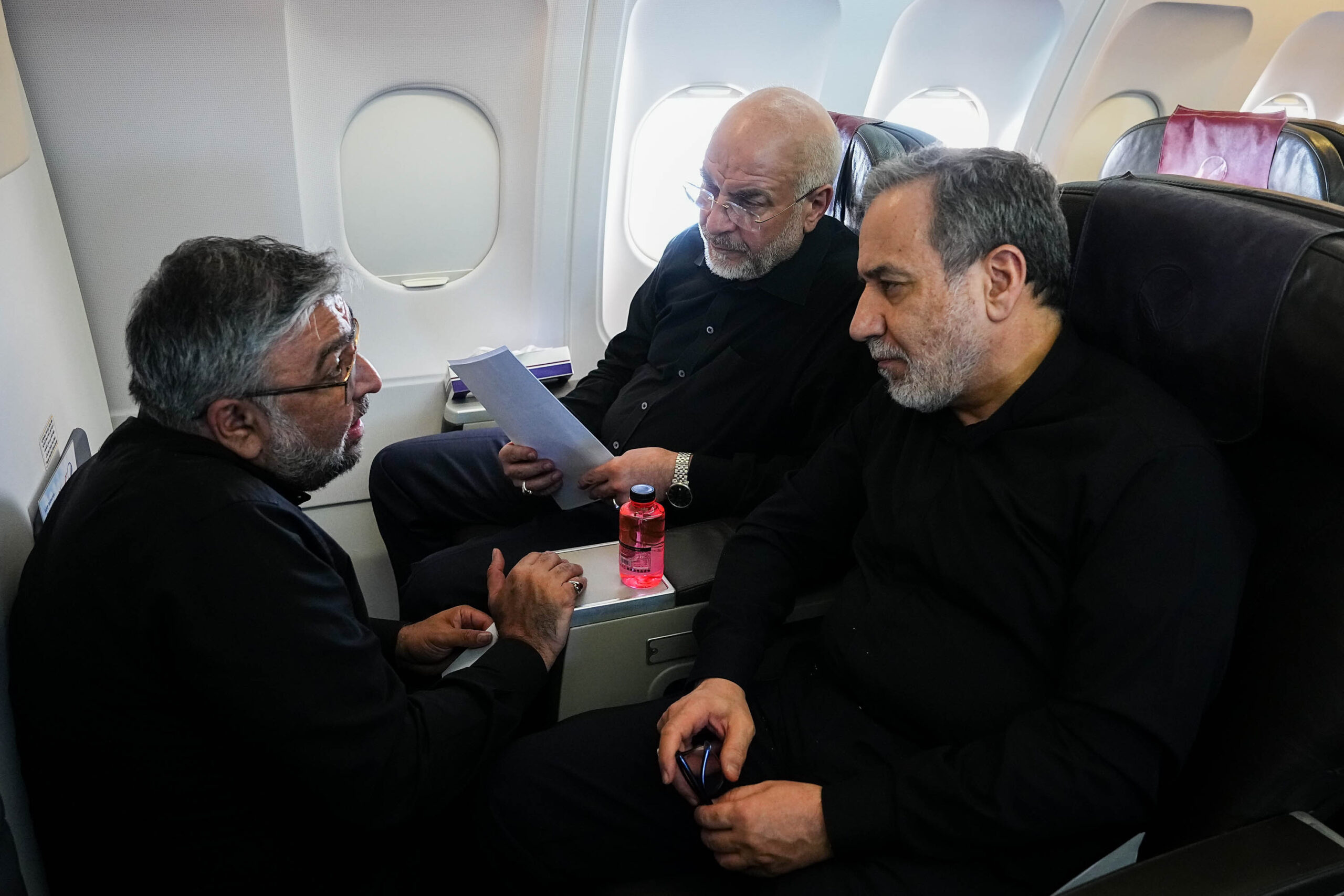
Iran’s Collective Strategic Decision Making
Wartime pressure has temporarily aligned the leadership’s overriding interest in regime survival, even as its members continue to differ over the costs, methods, and ultimate objectives of the war.
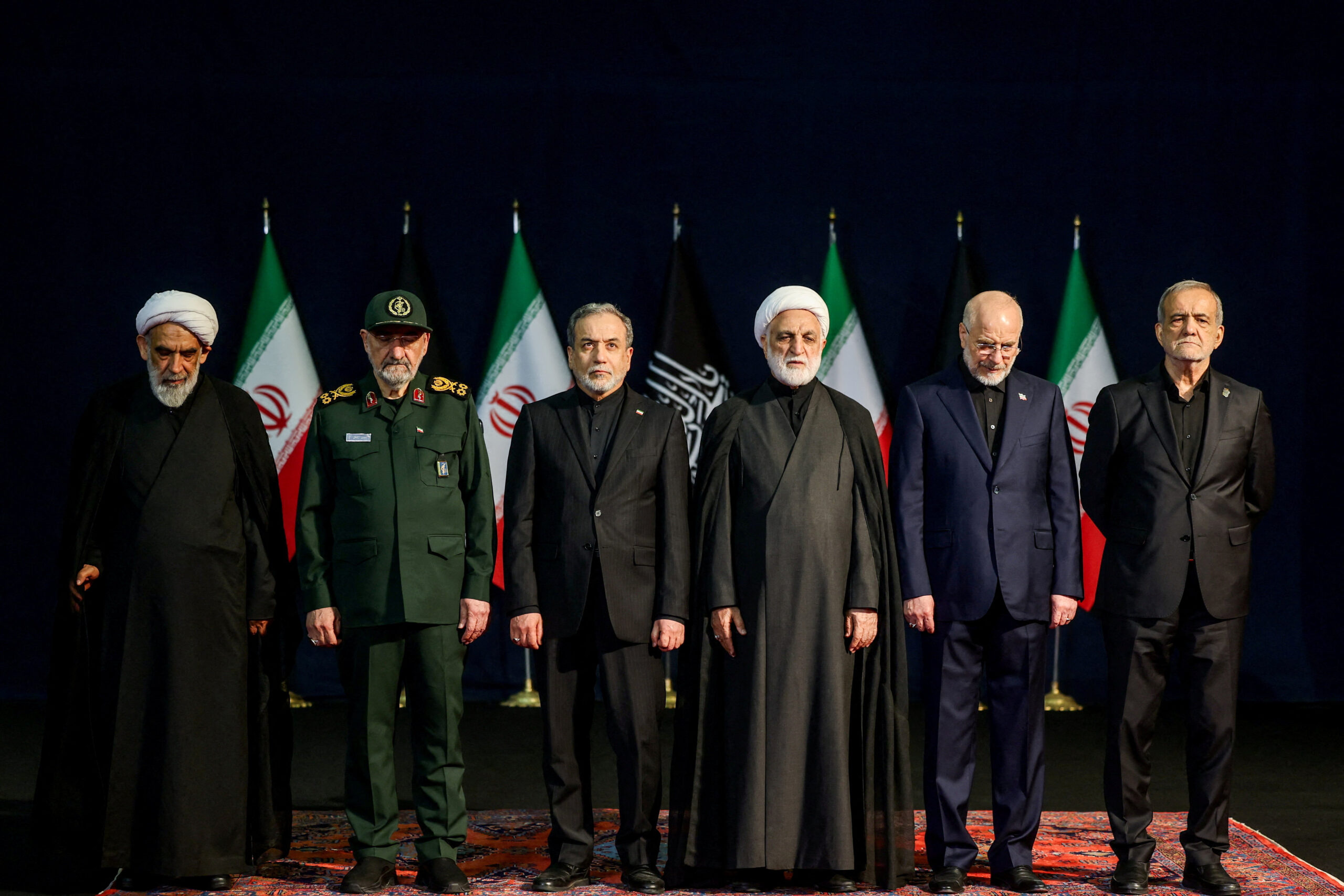
The Islamic Republic’s Collective Leadership
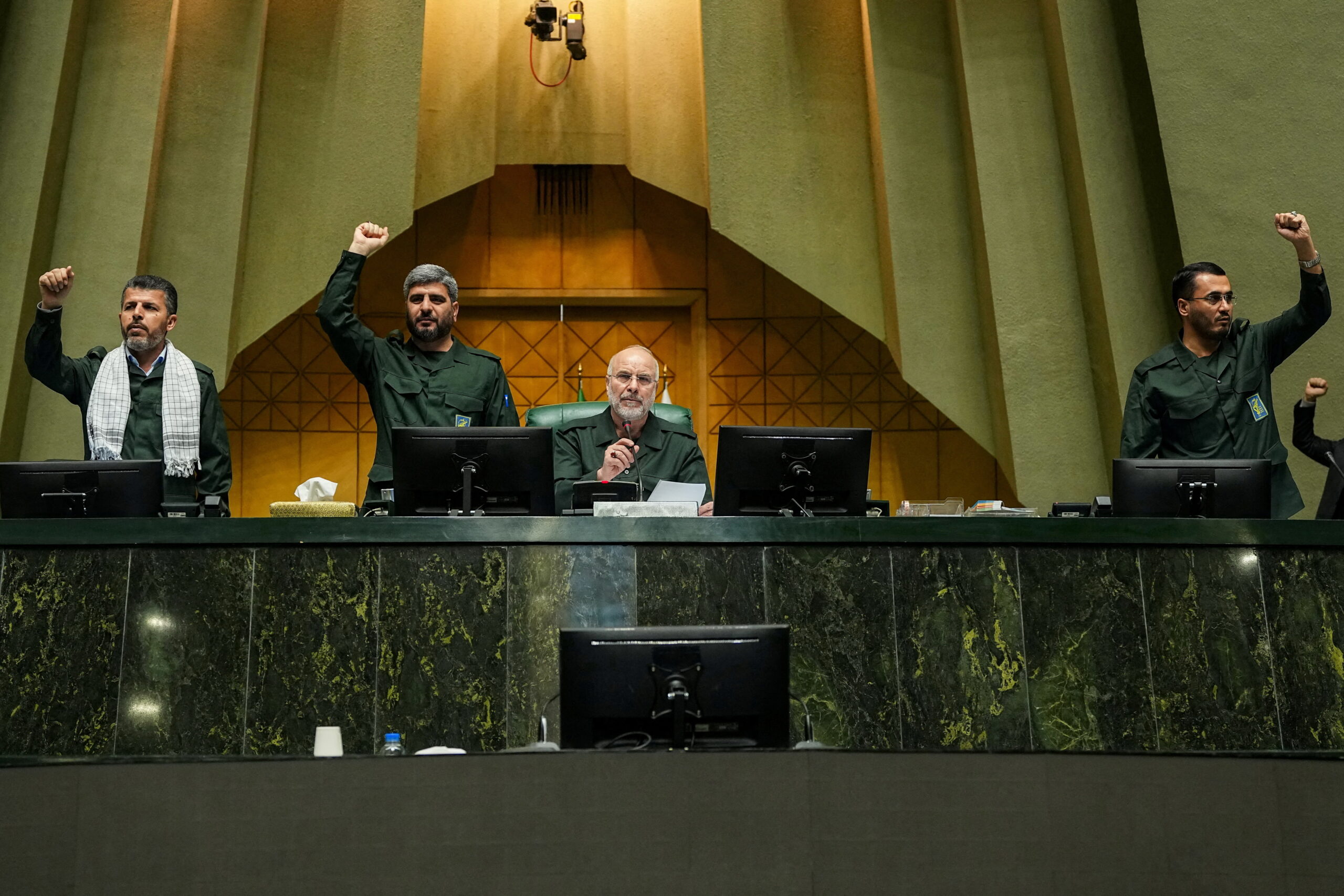
While there is historical precedent for collective leadership in Iran, today’s leadership includes representatives of the IRGC and regular military – a reflection of the IRGC’s expanding role and the necessities of governing under wartime conditions.
How Did the IRGC Seize Power in Iran?
The IRGC did not seize power in a single stroke. It accumulated it – patiently, methodically – until no counterweight remained.
Events
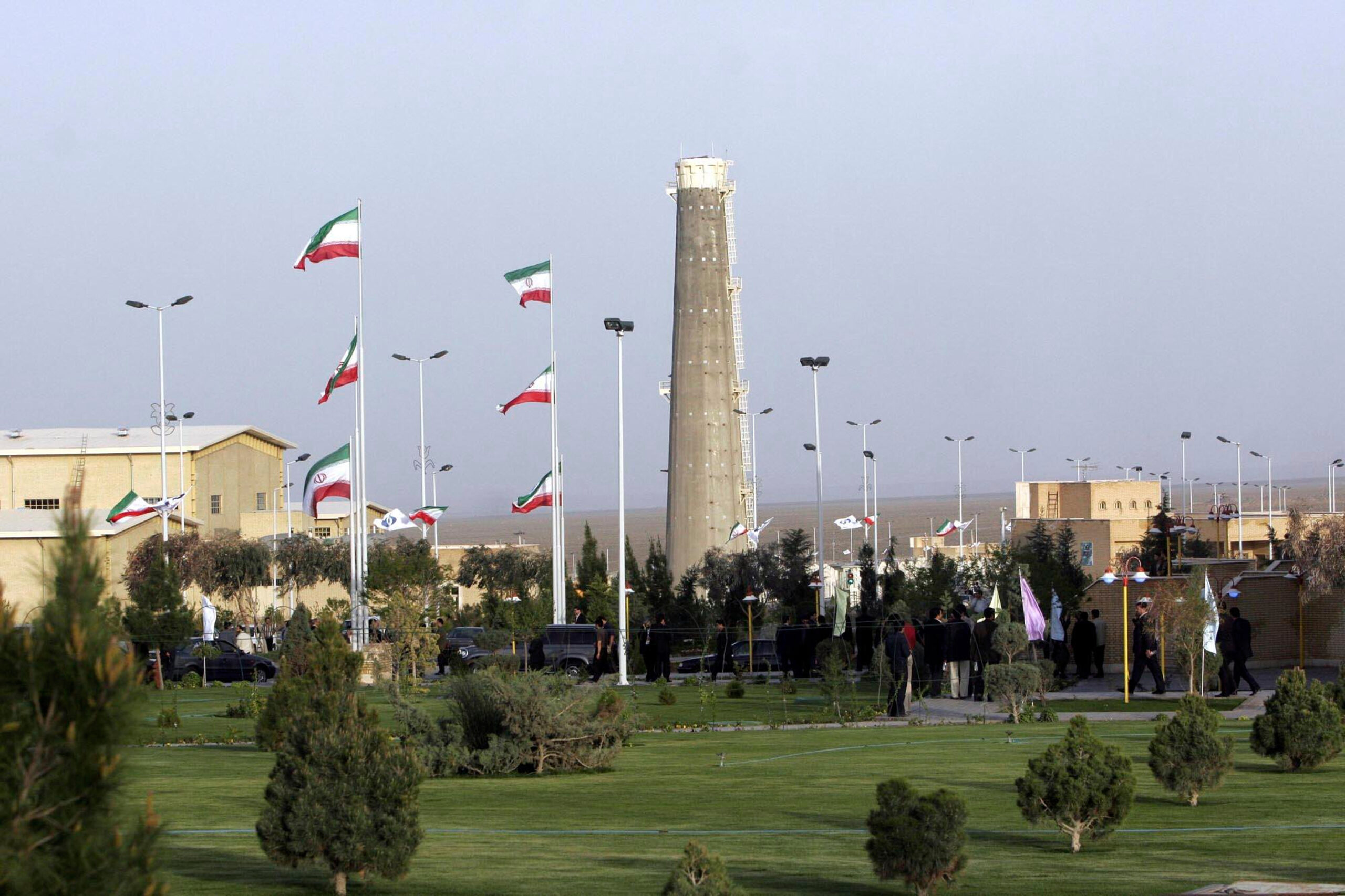
Book Talk: Iran and the Bomb: The United States, Iran and the Nuclear Question
On June 16, AGSI hosted a discussion on the evolution of Iran's nuclear program.
Speakers

Apr 21, 2026
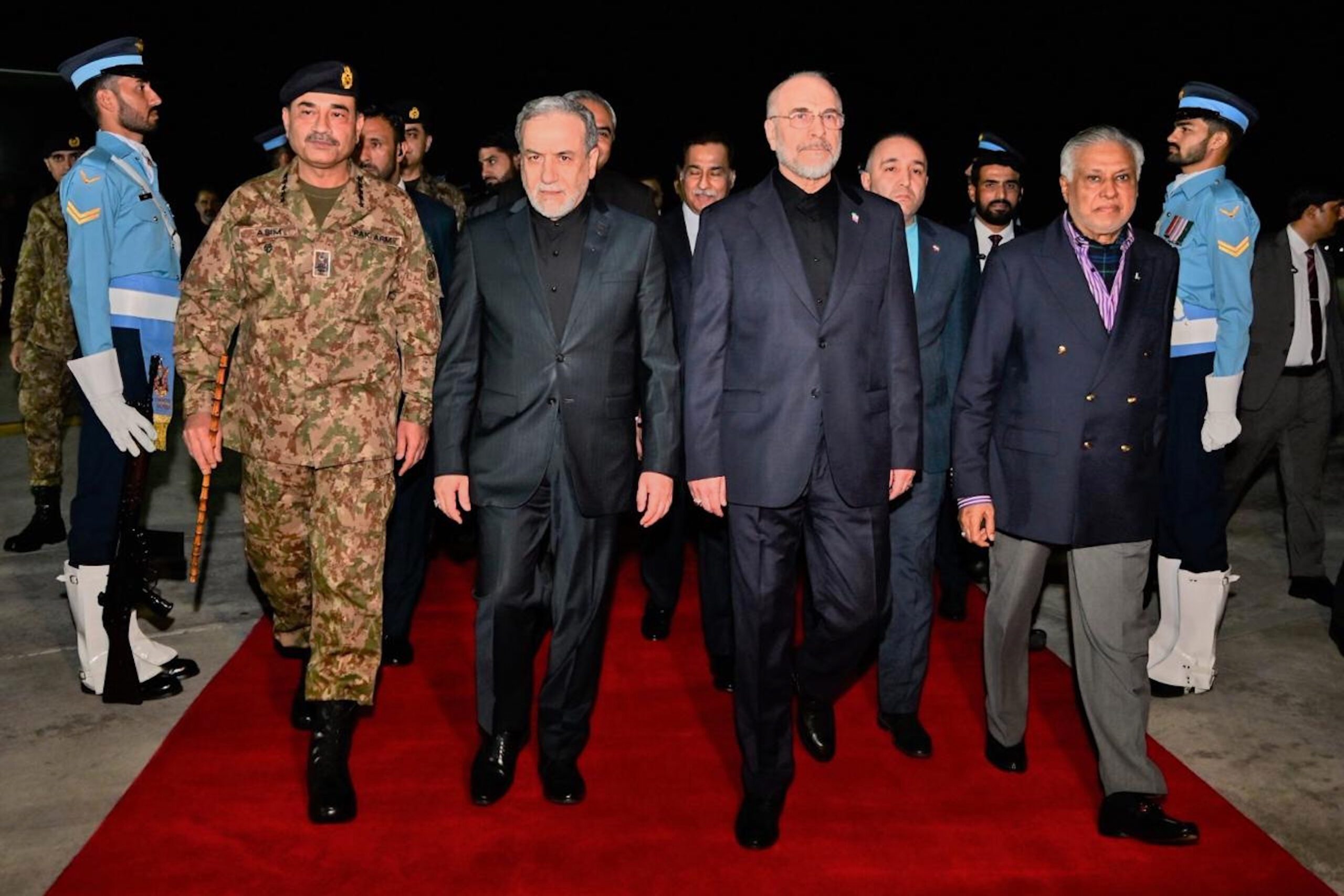
Inside Iran’s Wartime Leadership: Power, Succession, and Regime Stability
On April 21, AGSI hosted a discussion on the evolution of Iran's leadership during the war.
Speakers

Mar 18, 2026
In Its Conflict With the United States and Israel, Does Escalation Favor Iran?
On March 18, AGSI hosted a discussion on the escalation of the Iran war.
Speakers


Mar 2, 2026
After the Shock: Implications of the U.S.–Israeli Strikes and Iran’s Leadership Transition
On March 2, AGSI hosted a discussion on the U.S.-Israeli strikes on Iran.
Speakers