Dec 1, 2023
IRGC Mouthpiece’s Rhetorical Acrobatics on Proxy Wars
The December 1 edition of the Iran Media Review highlights conflicting statements by Iranian officials regarding support for Hamas and other militias.

Since the October 7 Hamas attack against Israel and the ensuing conflict in Gaza, Iran’s state-censored media has reported on a conflict that Iranian officials deny any involvement in. Yet those same officials at times extend rhetorical support to Hamas and praise militia attacks against U.S. forces in the region. Such rhetorical acrobatics, which try to obscure Iran’s role in these attacks yet also attempt to take credit for them, are particularly evident in Islamic Revolutionary Guard Corps mouthpiece Mashregh News’ coverage of the Israel-Hamas conflict.
- November 29: Quoting the November 28 United Nations Security Council address of Ambassador Amir Saeid Iravani, Iran’s permanent representative to the U.N., Mashregh News wrote:
- “The illegal presence of the U.S. military in Syria and its continued occupation is the primary source of insecurity in the country and has provided fertile ground for the nourishment of terrorist organizations, both within Syria and the broader region … Furthermore, because of the situation in Gaza, the United States, despite expressing concern over the spillover of the tensions in Syria, tries to misuse the situation and increase tensions and destabilize Syria … the groundless allegations against my country in this chamber,” referencing allegations that Iran supports militia attacks against U.S. forces, “which were repeated irresponsibly by the representative of the United Kingdom, are categorically rejected. These baseless allegations appear to be part of a deliberate effort by the United States to divert attention away from its ongoing, serious violations of international law and the United Nations Charter in the Syrian Arab Republic. I would like to emphasize that the Islamic Republic of Iran has never been involved in any acts of attacks against U.S. military forces in Syria or elsewhere. Iran has consistently upheld its commitments to promoting peace and security in the region.”
- November 29: On the other hand, while addressing “thousands” of members of the Basij paramilitary, Supreme Leader Ayatollah Ali Khamenei said, according to Mashregh News:
- “The Basij organization has a transnational nature. Basij resistance cells have been established in the region and are changing the destiny of the Middle East. One example of this is the Deluge of Al-Aqsa,” Hamas’ name for its October 7 attack. “A few years ago, the Americans talked about ‘A New Middle East’ … but their plan failed.” Referencing the 2006 war between Hezbollah and Israel, Khamenei said: “The Americans were trying to destroy Hezbollah, but following 33 days of war, Hezbollah’s strength increased tenfold … They tried to devour Iraq but failed … America even tried to prevail in Syria through its proxy forces, such as ISIS or al-Nusra Front … And recently, they tried to end the Palestine issue, but again they failed.”
- “West Asia is changing according to the principle of de-Americanization, meaning ending American hegemony in the region … Although the Deluge of Al-Aqsa was against the Zionist regime, it served the purpose of de-Americanization. It has disturbed U.S. plans for the region.”
- Turning to the historical divisions, such as those between Shia and Sunni Muslims as well as Persians and Arabs, Khamenei continued: “Dualisms and dichotomies, such as Arab and non-Arab or the myth of the ‘Shia Crescent,’ have become threadbare … Just look at the Arab and non-Arab Shias, who extended the greatest assistance to the Palestinians prior to and after the Deluge of Al-Aqsa.”
- November 30: IRGC Commander Brigadier General Hossein Salami, addressing the IRGC’s construction arm in Qazvin province, said, according to Mashregh News:
- “We are honored to be fighting on several fronts … We are fighting against the United States, the Zionists, and whoever targets the greatness, honor, dignity, grandeur, and prowess of the Islamic Republic of Iran.”
The views represented herein are the author's or speaker's own and do not necessarily reflect the views of AGSI, its staff, or its board of directors.
Related
Iran Media Review
Nov 28, 2023
IRGC Mouthpiece Credits Khomeini for Proxies Iran Allegedly Doesn’t Have
The November 28 edition of the Iran Media Review highlights Iran’s efforts to deny responsibility for attacks carried out by its allied militias.
Iran Media Review
Nov 21, 2023
Former Foreign Minister Zarif’s Balancing Act on the Israel-Hamas Conflict
The November 21 edition of the Iran Media Review examines former Iranian Foreign Minister Mohammad Javad Zarif’s calculated stance on the Israel-Hamas conflict.
Nov 28, 2023
IRGC Mouthpiece Credits Khomeini for Proxies Iran Allegedly Doesn’t Have
The November 28 edition of the Iran Media Review highlights Iran’s efforts to deny responsibility for attacks carried out by its allied militias.
Nov 21, 2023
Former Foreign Minister Zarif’s Balancing Act on the Israel-Hamas Conflict
The November 21 edition of the Iran Media Review examines former Iranian Foreign Minister Mohammad Javad Zarif’s calculated stance on the Israel-Hamas conflict.
Analysis
The Islamic Republic Returns to Offense
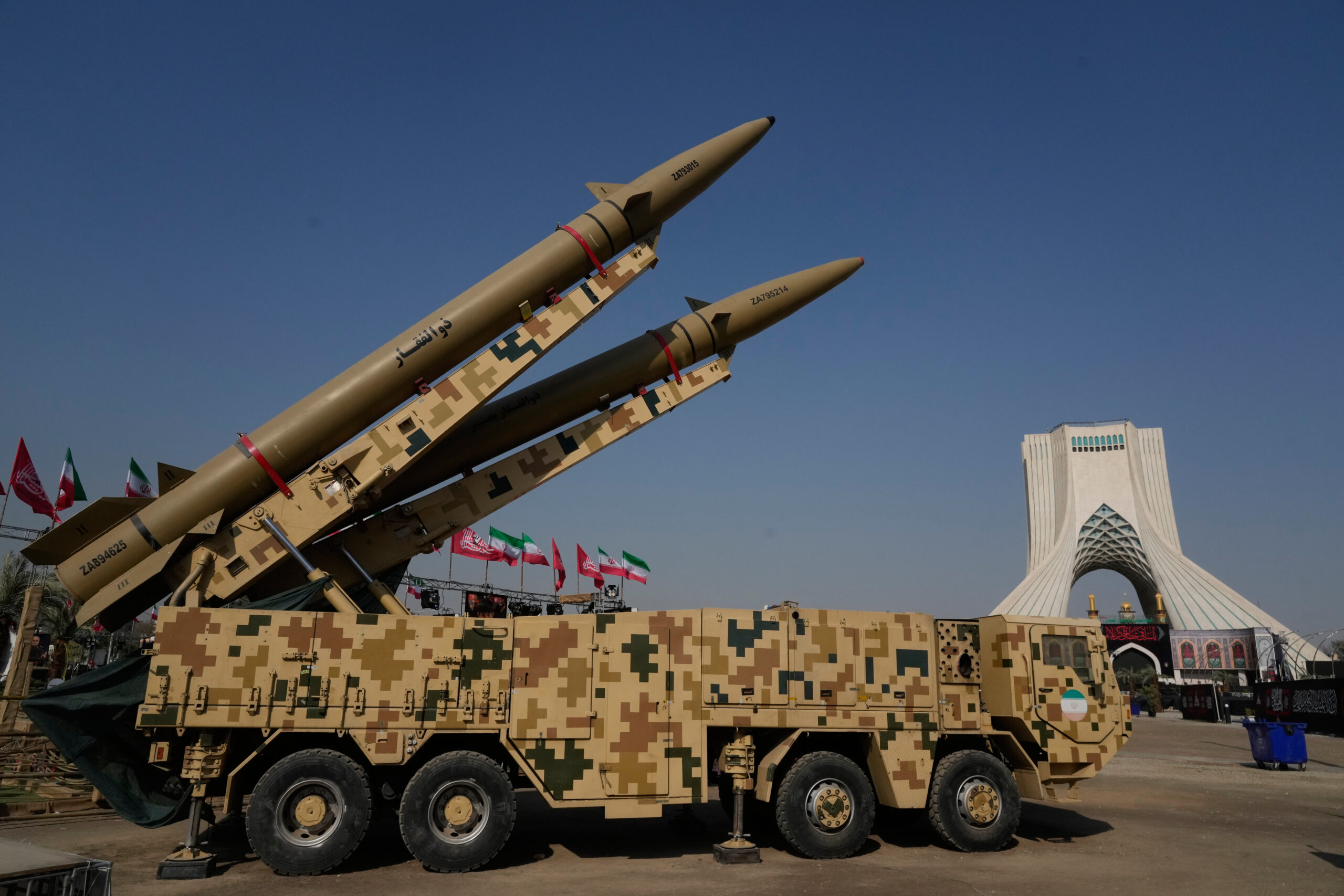
After U.S.-Israeli strikes killed Supreme Leader Ayatollah Ali Khamenei on February 28, Iran’s collective leadership has concluded that the best defense is a good offense.
Iran’s Collective Strategic Decision Making
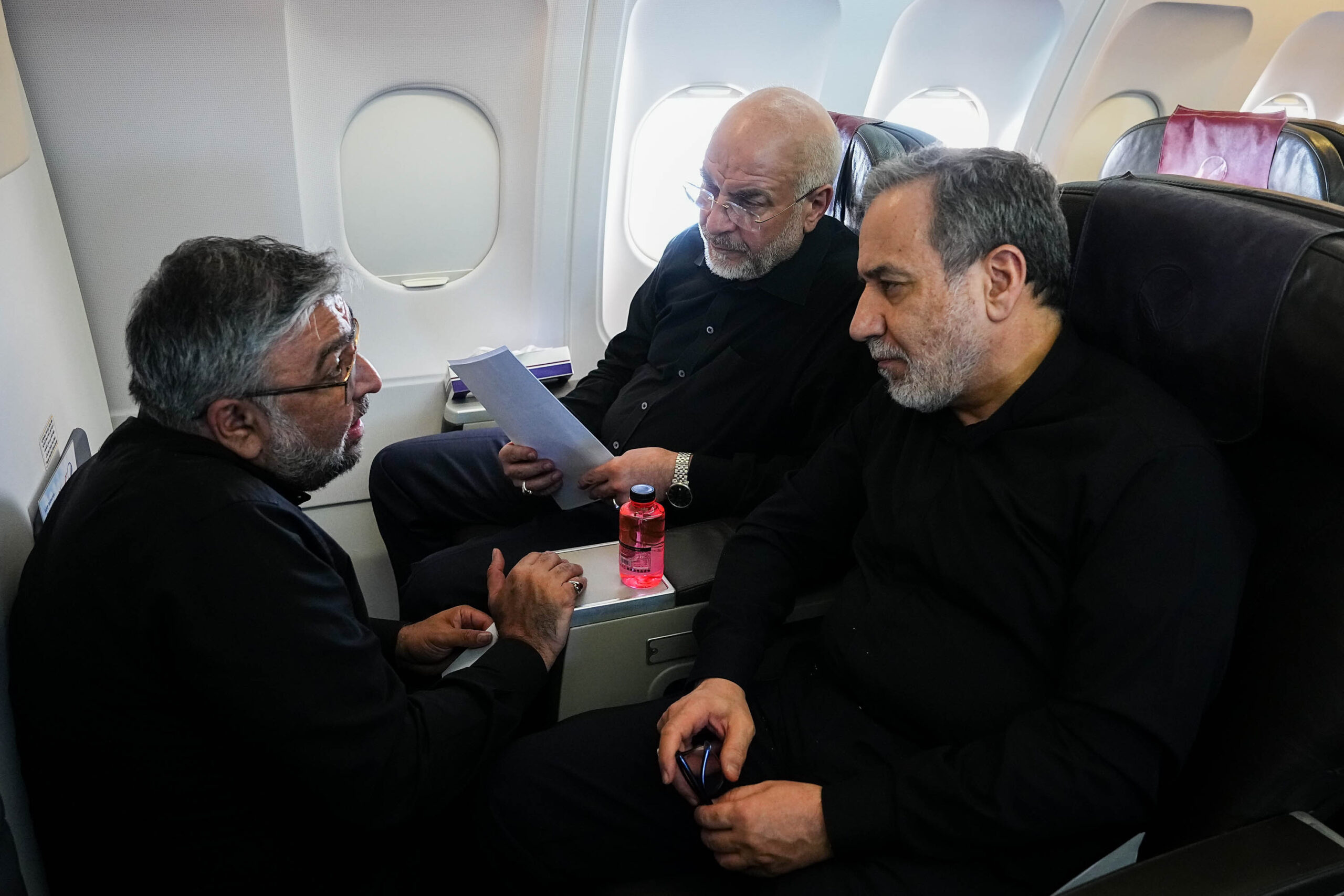
Wartime pressure has temporarily aligned the leadership’s overriding interest in regime survival, even as its members continue to differ over the costs, methods, and ultimate objectives of the war.
The Islamic Republic’s Collective Leadership
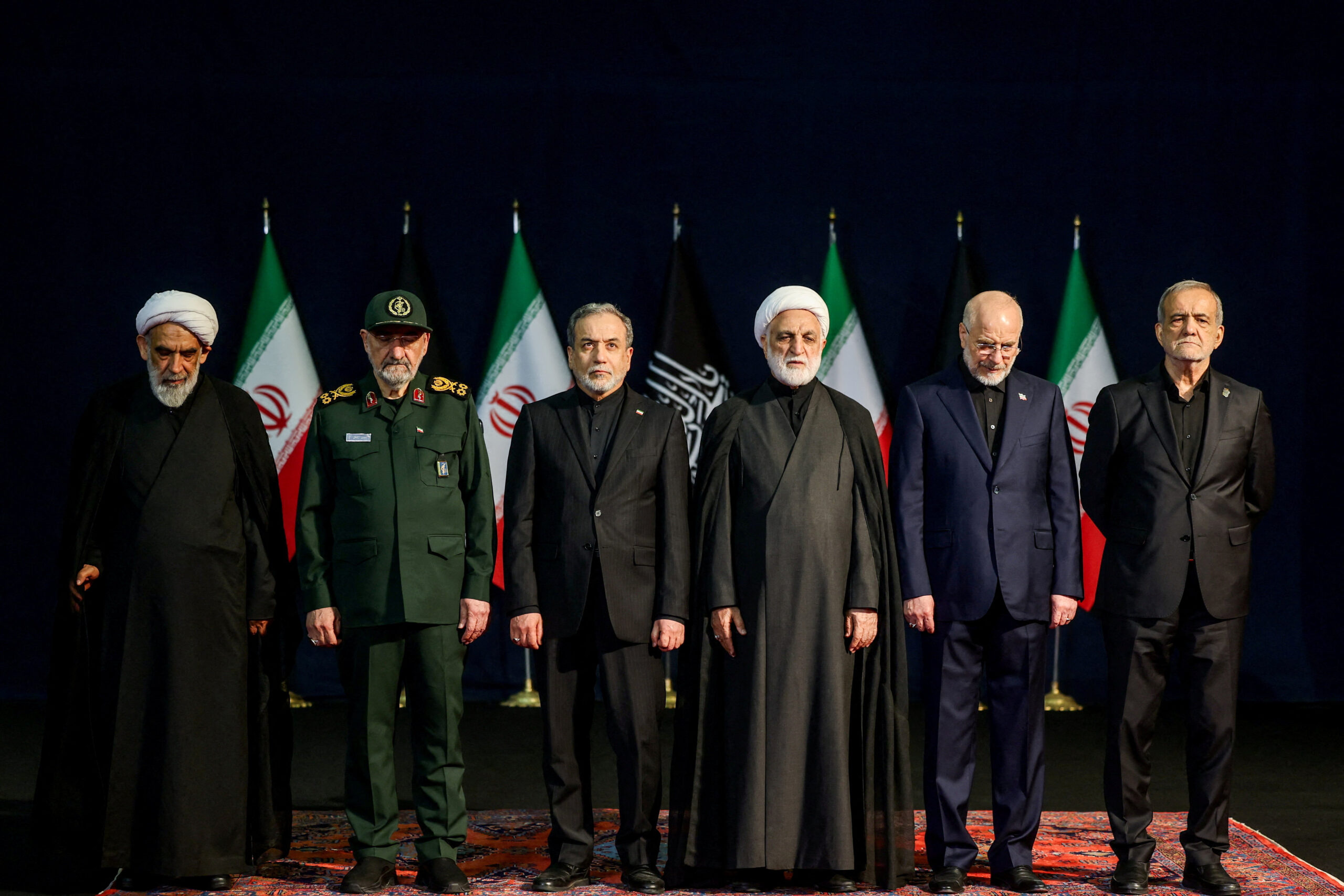
While there is historical precedent for collective leadership in Iran, today’s leadership includes representatives of the IRGC and regular military – a reflection of the IRGC’s expanding role and the necessities of governing under wartime conditions.
How Did the IRGC Seize Power in Iran?
The IRGC did not seize power in a single stroke. It accumulated it – patiently, methodically – until no counterweight remained.
Events
Oct 6, 2026
10:00am - 11:00am
Is the U.S.-Iran Stalemate a “New Normal” or the Prelude to Another Explosion?
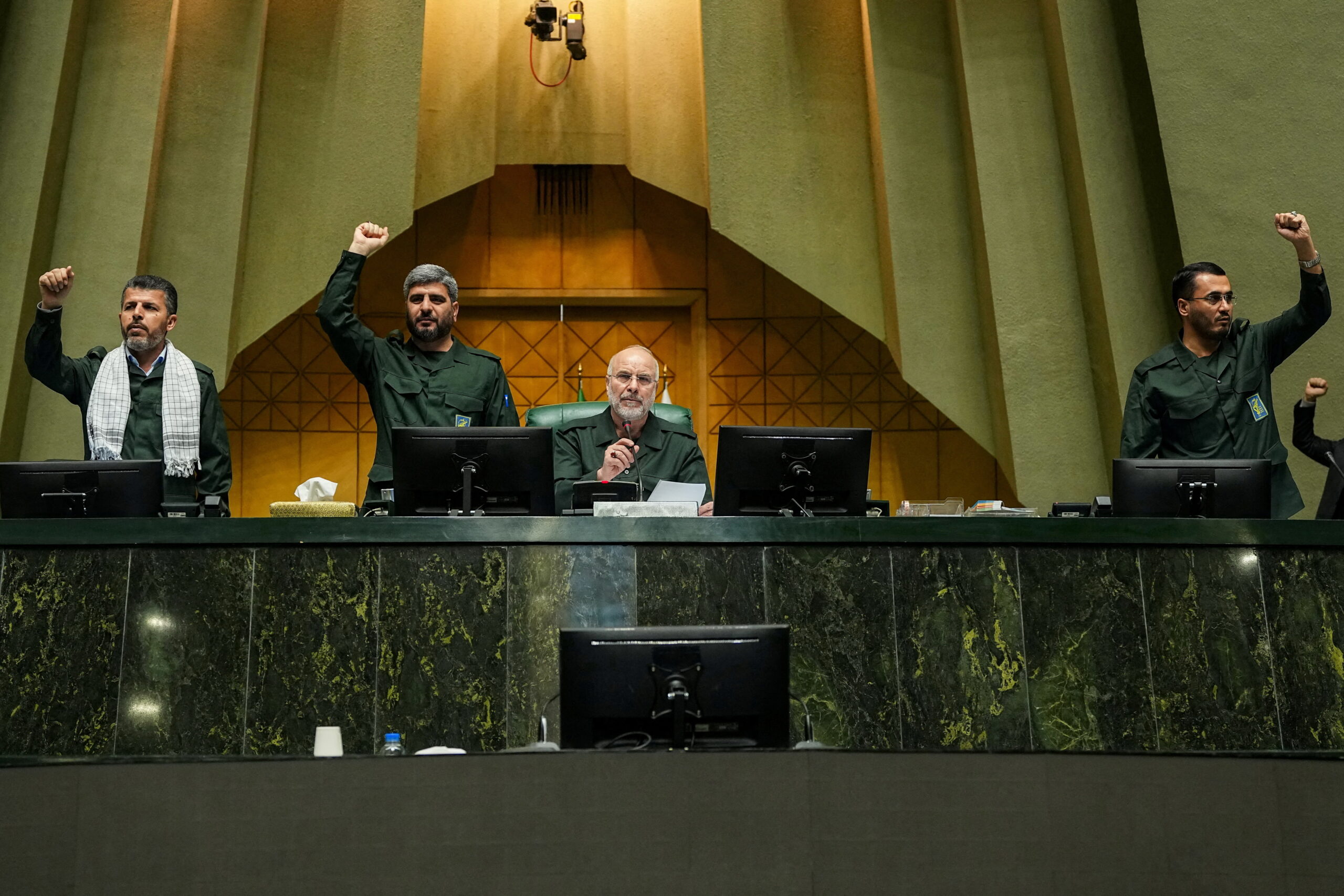
On October 6, AGSI will host a discussion on the U.S.-Iran stalemate and the prospects for a cease-fire.
Speakers



Book Talk: Iran and the Bomb: The United States, Iran and the Nuclear Question
On June 16, AGSI hosted a discussion on the evolution of Iran's nuclear program.
Speakers
Apr 21, 2026
Inside Iran’s Wartime Leadership: Power, Succession, and Regime Stability
On April 21, AGSI hosted a discussion on the evolution of Iran's leadership during the war.
Speakers

Mar 18, 2026
In Its Conflict With the United States and Israel, Does Escalation Favor Iran?
On March 18, AGSI hosted a discussion on the escalation of the Iran war.
Speakers