Nov 28, 2023
IRGC Mouthpiece Credits Khomeini for Proxies Iran Allegedly Doesn’t Have
The November 28 edition of the Iran Media Review highlights Iran’s efforts to deny responsibility for attacks carried out by its allied militias.

The philosophy behind proxy warfare is to target an adversary without risking direct confrontation and war, which is why Iranian Foreign Minister Hossein Amir-Abdollahian and his predecessors have consistently denied that Iran has nurtured proxies. These dismissals, however, stand in stark contrast to a November 22 editorial in Javan newspaper, an Islamic Revolutionary Guard Corps mouthpiece, crediting Grand Ayatollah Ruhollah Khomeini, the founder of the Islamic Republic, for the development of the proxies Amir-Abdollahian claims Iran doesn’t have.
- November 22: In its coverage of Amir-Abdollahian’s November 15 press conference in Geneva, Nour News, the official mouthpiece of Iran’s Supreme National Security Council, quoted him as saying: “We have no proxy groups in the region.” According to Nour News, Amir-Abdollahian further said:
- “From the very beginning, we said that we do not want the war to spread. The United States, too, has on numerous occasions said that it is not interested in the war spreading regionally, yet the United States has increased its support to the Israeli regime.”
- “The Houthis are not rebels but an important part of Yemeni society and the political system in Yemen. Yemen has its own policies, and the Yemenis make decisions within the framework of what they find expedient. And they have candidly declared that they will not remain indifferent to genocide in Gaza … The Houthis, or Ansar Allah, are responsible for the decisions they make in Sanaa, which they communicate clearly. We have warned against the risk of the war spreading should war crimes continue against Gaza and against the West Bank.”
- Asked who is responsible for attacks against U.S. forces in Iraq and Syria, Amir-Abdollahian said: “Groups in Iraq and Syria that have taken action against American interests have made their own decisions based on their own conclusions and decisions. The American party has sent us messages in this regard in the past days, and we have candidly declared that Iran has no proxies in the region.”
- November 22: Javan columnist and political scientist Hassan Reshvand, commenting on Basij Week, a weeklong celebration of the Basij paramilitary, wrote: “In a message concerning the role of the Basij, our late Imam,” referencing Khomeini, “explained that establishing resistance cells all over the world was one of the obligations of the Basij … He wrote: ‘The Basijis of the world of Islam must create the great Islamic government. This is possible. The Basij is not just for Islamic Iran; resistance cells must be established all over the world to resist the East and the West.’ Today, we see the depth of the wisdom of the wise man and how that wisdom is realized in Gaza and occupied Palestine, Iraq, Syria, Lebanon, Yemen, and most other places in Islamic lands where resistance cells exist … We see the realization of the views of the late Imam in the formation of resistance cells in the Popular Mobilization Forces in Iraq, a country where no American base is safe. We see the result of the resistance mentality of the Imam in Yemeni Ansar Allah, which is targeting the heart of the Zionist regime in Eilat with missiles and confiscated a Zionist ship in defense of the innocent people of Gaza, and the resistance front,” or Iran’s allied militias across the region.
The views represented herein are the author's or speaker's own and do not necessarily reflect the views of AGSI, its staff, or its board of directors.
Related
Iran Media Review
Nov 21, 2023
Former Foreign Minister Zarif’s Balancing Act on the Israel-Hamas Conflict
The November 21 edition of the Iran Media Review examines former Iranian Foreign Minister Mohammad Javad Zarif’s calculated stance on the Israel-Hamas conflict.
Iran Media Review
Nov 17, 2023
Mehr News on Lebanon: “The Cradle of Resistance”
The November 17 edition of the Iran Media Review highlights a report on alleged Lebanese public support for Palestinian militant groups and war with Israel.
Nov 21, 2023
Former Foreign Minister Zarif’s Balancing Act on the Israel-Hamas Conflict
The November 21 edition of the Iran Media Review examines former Iranian Foreign Minister Mohammad Javad Zarif’s calculated stance on the Israel-Hamas conflict.
Nov 17, 2023
Mehr News on Lebanon: “The Cradle of Resistance”
The November 17 edition of the Iran Media Review highlights a report on alleged Lebanese public support for Palestinian militant groups and war with Israel.
Analysis
The Islamic Republic Returns to Offense
After U.S.-Israeli strikes killed Supreme Leader Ayatollah Ali Khamenei on February 28, Iran’s collective leadership has concluded that the best defense is a good offense.
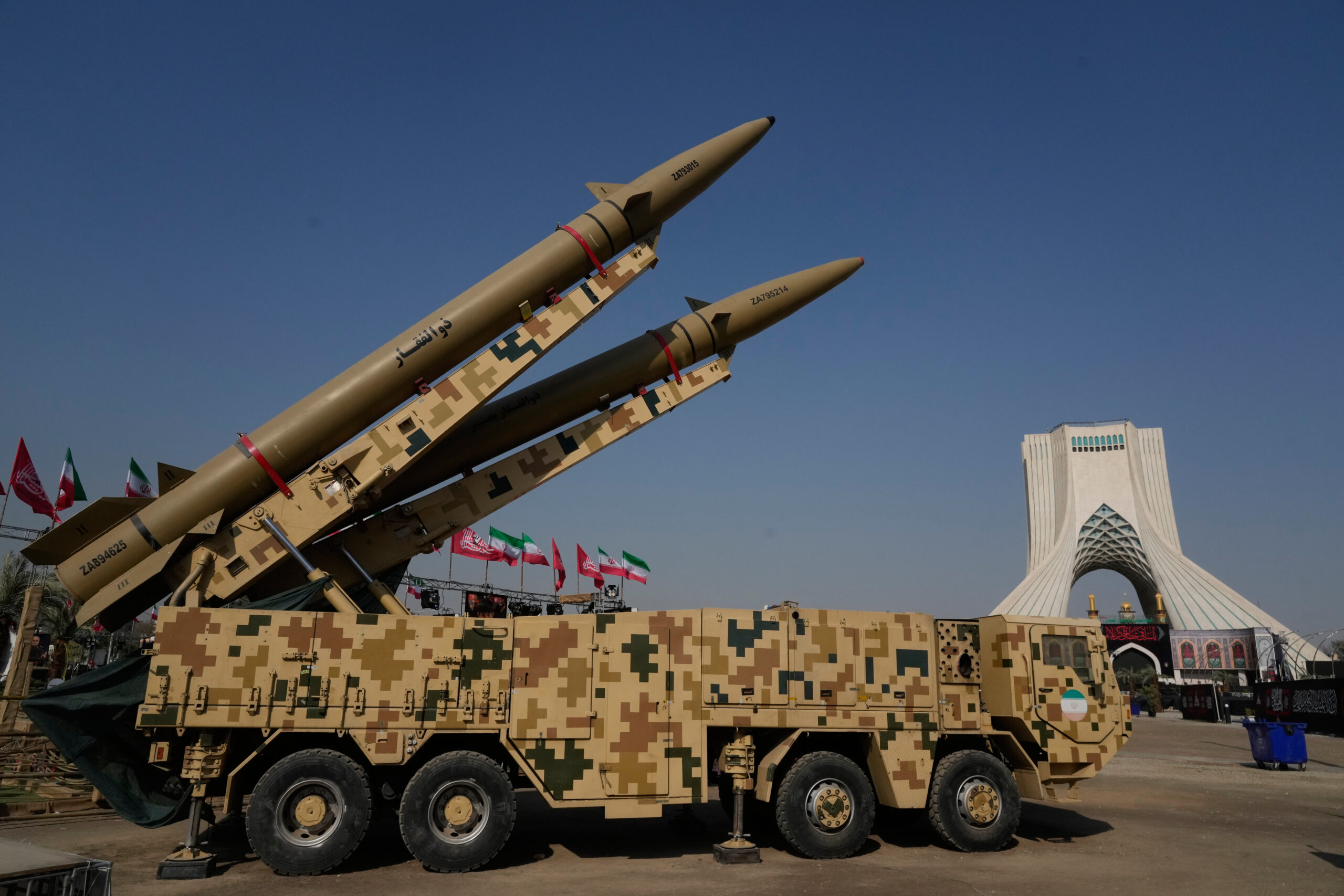
Iran’s Collective Strategic Decision Making
Wartime pressure has temporarily aligned the leadership’s overriding interest in regime survival, even as its members continue to differ over the costs, methods, and ultimate objectives of the war.
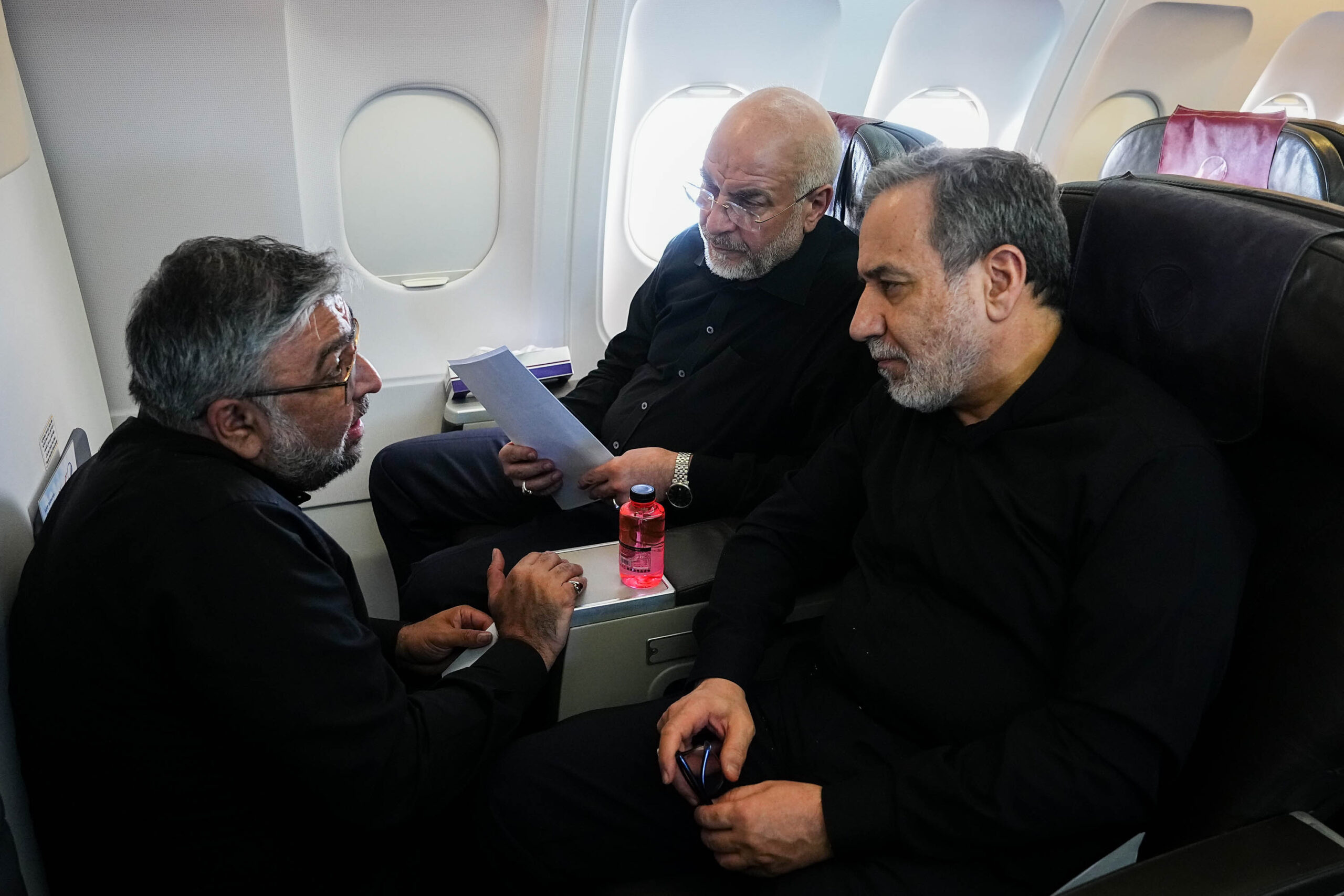
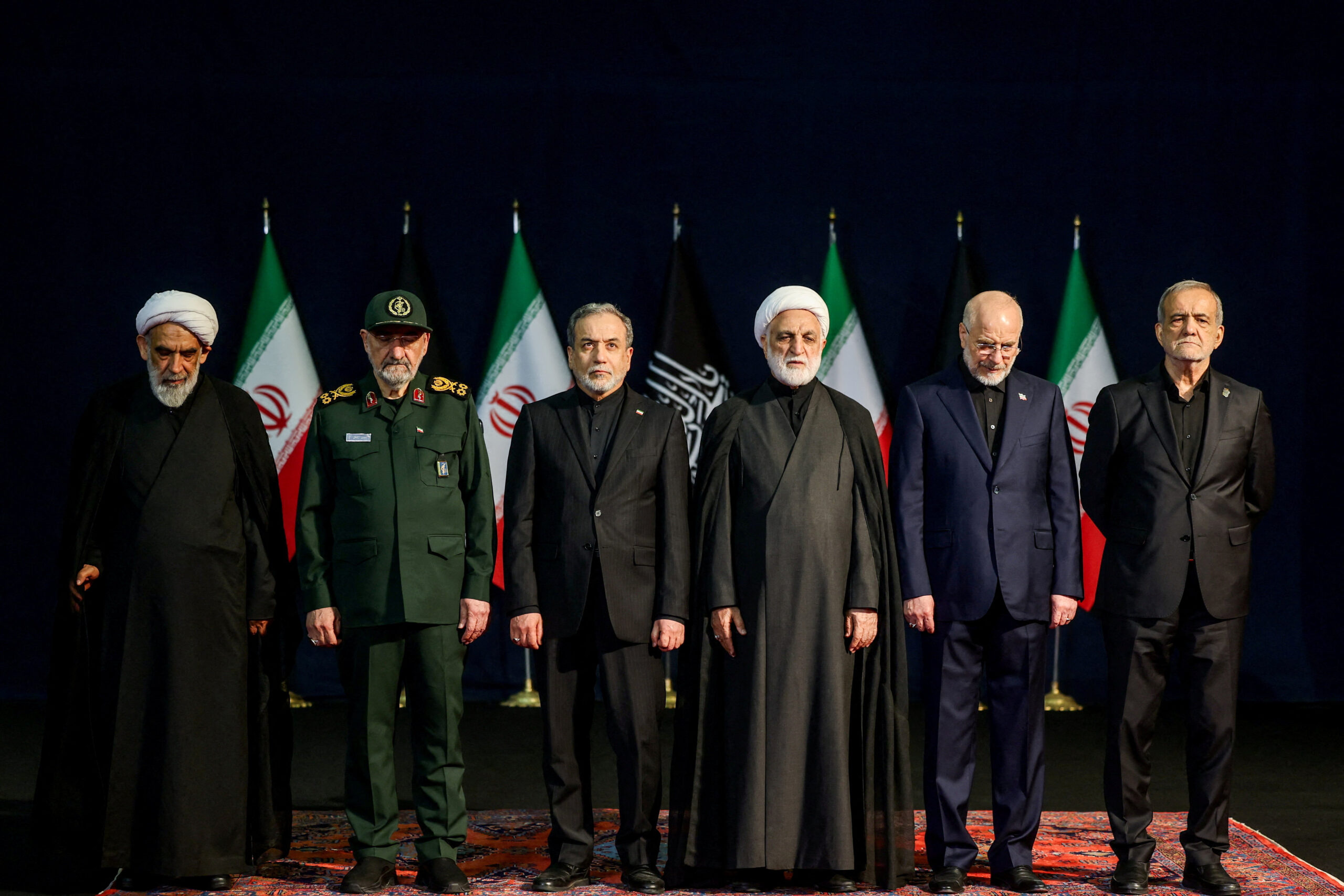
The Islamic Republic’s Collective Leadership
While there is historical precedent for collective leadership in Iran, today’s leadership includes representatives of the IRGC and regular military – a reflection of the IRGC’s expanding role and the necessities of governing under wartime conditions.
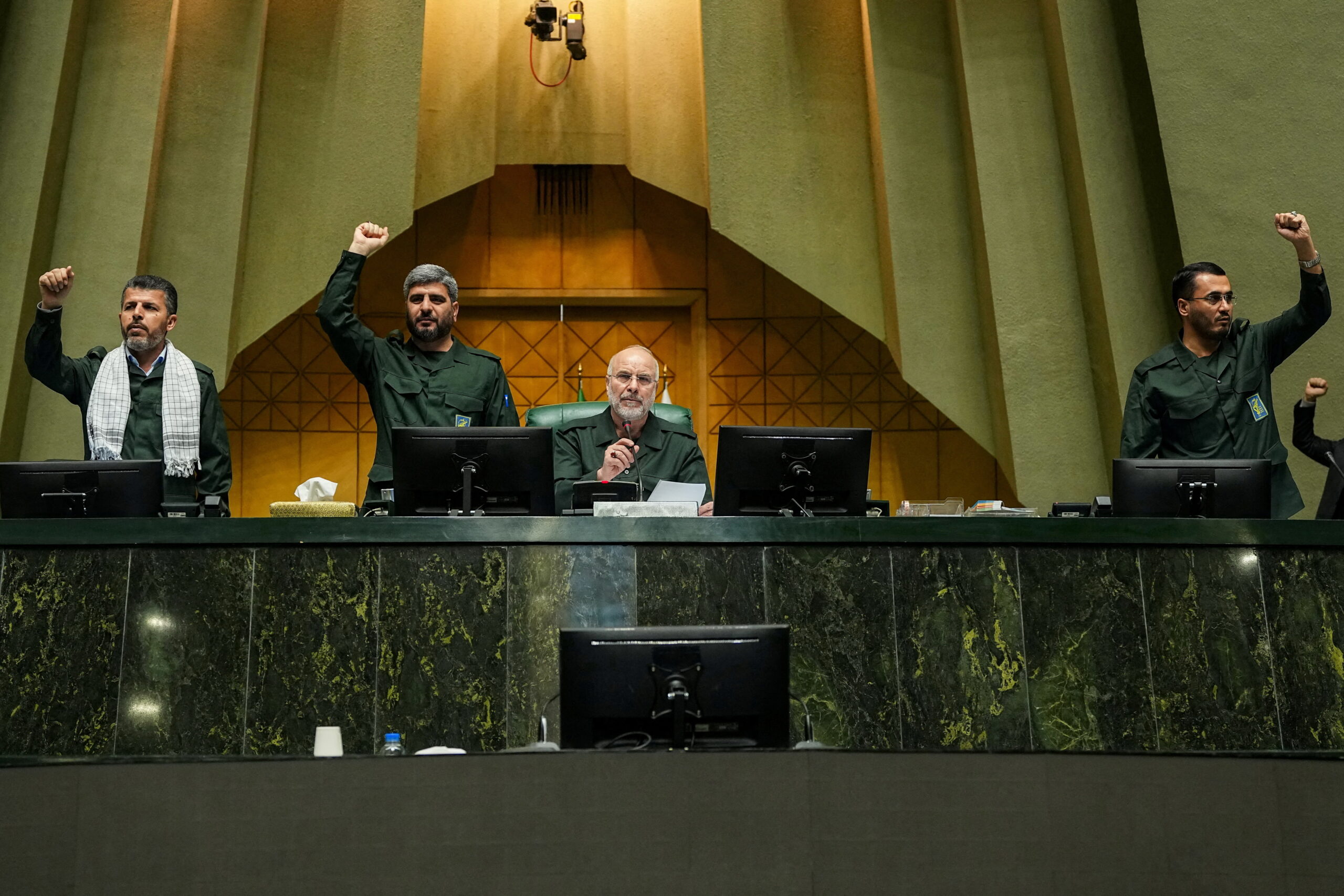
How Did the IRGC Seize Power in Iran?
The IRGC did not seize power in a single stroke. It accumulated it – patiently, methodically – until no counterweight remained.
Events
Oct 6, 2026
10:00am - 11:00am
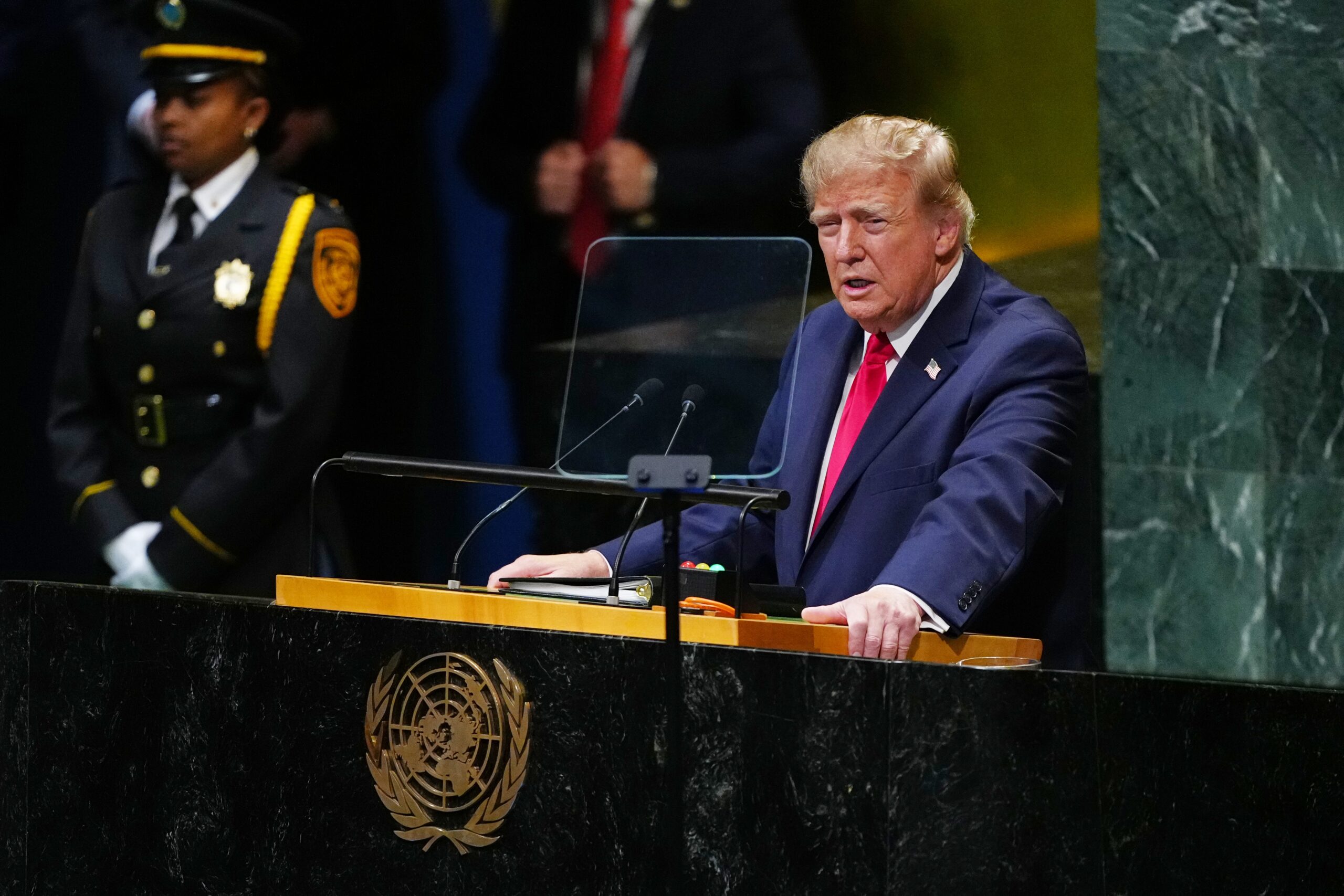
Is the U.S.-Iran Stalemate a “New Normal” or the Prelude to Another Explosion?
On October 6, AGSI will host a discussion on the U.S.-Iran stalemate and the prospects for a cease-fire.
Speakers



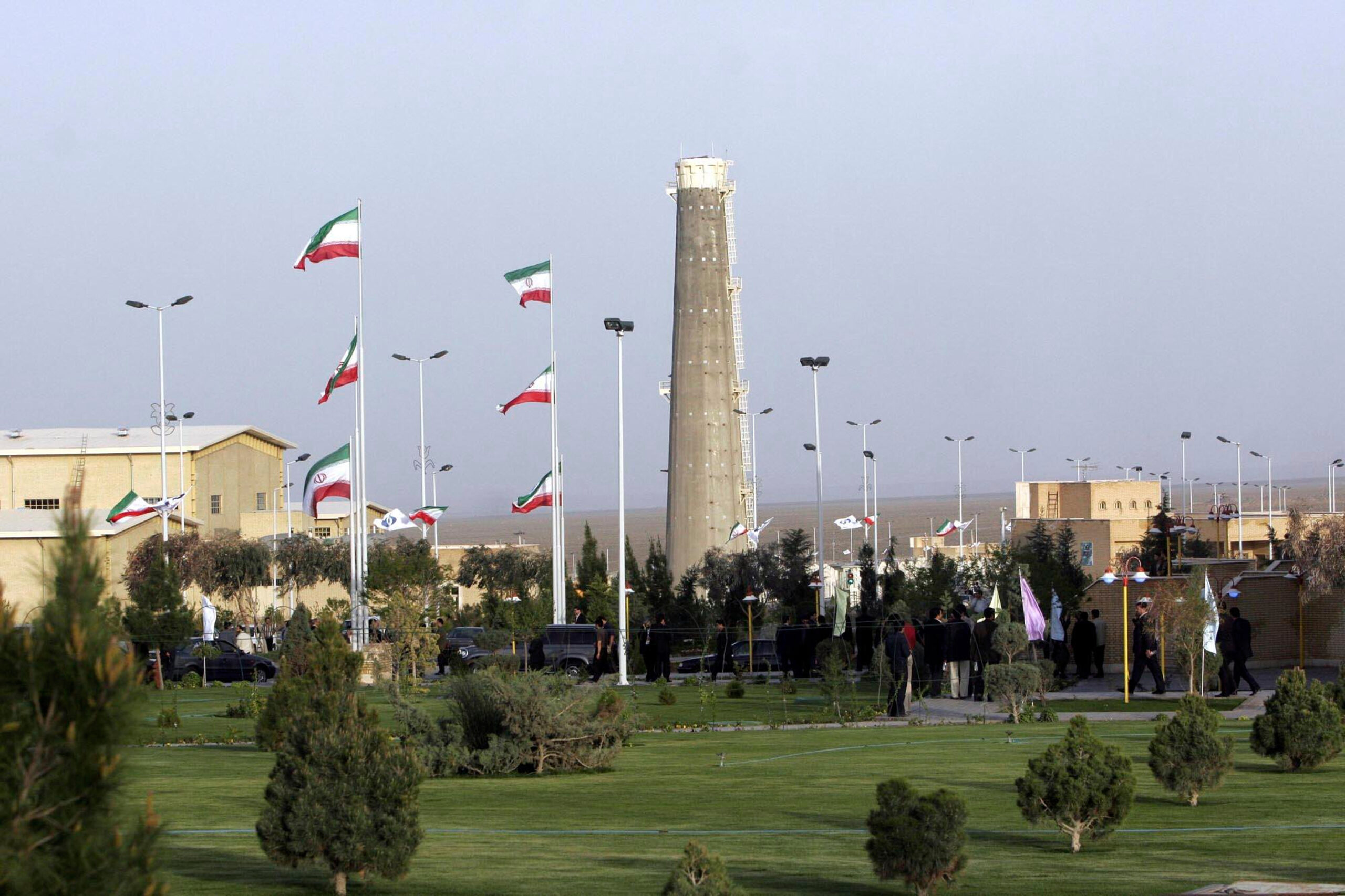
Book Talk: Iran and the Bomb: The United States, Iran and the Nuclear Question
On June 16, AGSI hosted a discussion on the evolution of Iran's nuclear program.
Speakers
Apr 21, 2026
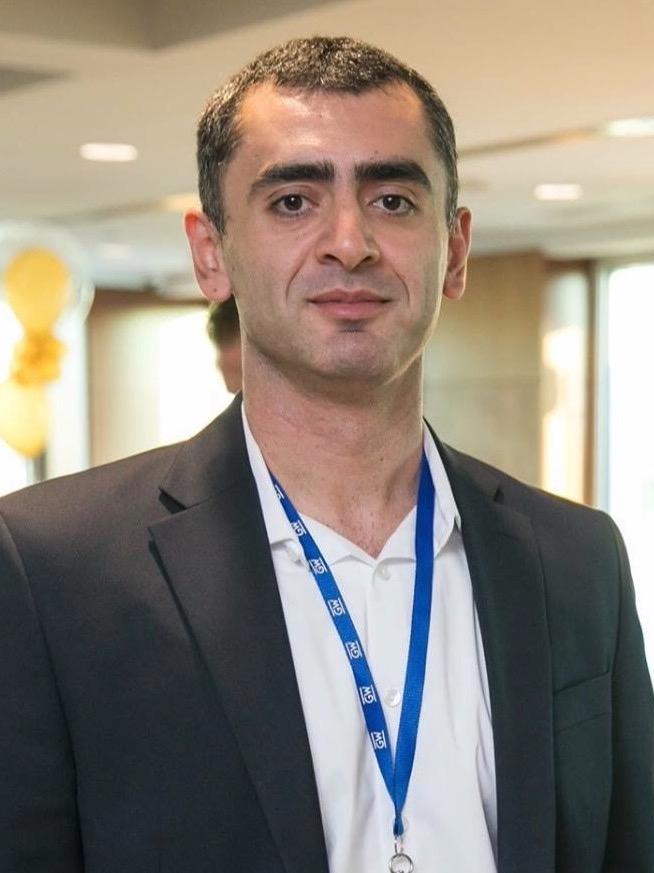
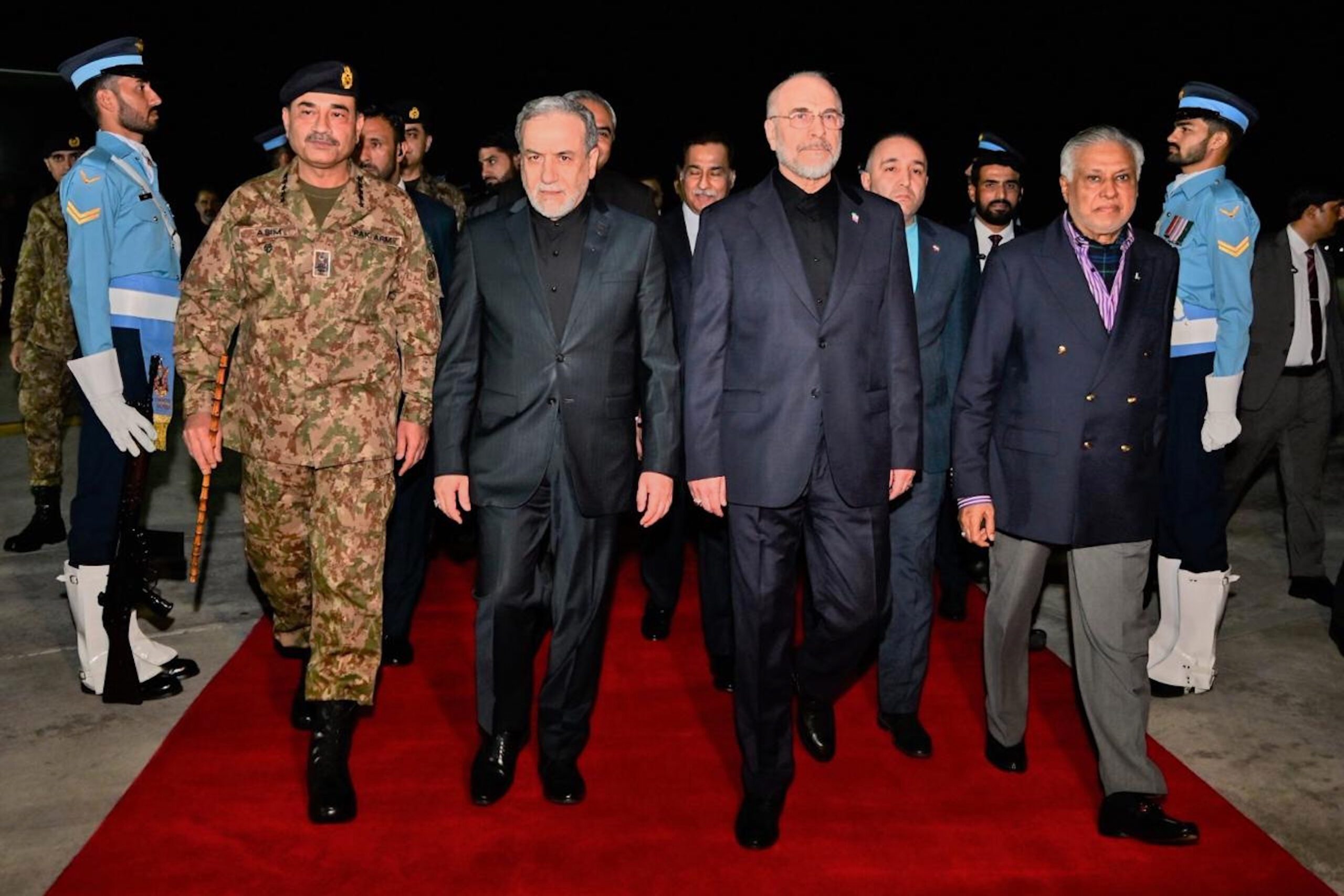
Inside Iran’s Wartime Leadership: Power, Succession, and Regime Stability
On April 21, AGSI hosted a discussion on the evolution of Iran's leadership during the war.
Speakers

Mar 18, 2026
In Its Conflict With the United States and Israel, Does Escalation Favor Iran?
On March 18, AGSI hosted a discussion on the escalation of the Iran war.
Speakers