Feb 10, 2026
Iran’s State-Censored Media Reacts to the Oman Talks
The February 10 edition of the Iran Media Review examines cautiously optimistic Iranian media messaging following a new round of U.S.-Iran negotiations.

Iran’s state-censored media expressed cautious optimism following the latest round of indirect negotiations between the United States and Iran, but the outlets remain mindful of the risk that the talks could collapse and lead to war.
- February 7: Supreme National Security Council mouthpiece Nour News covered the negotiations:
- “The Iranian foreign minister was interviewed by Omani television and said: ‘The talks were held in a positive atmosphere, and during them we were able to exchange views and present our opinions regarding the nuclear agreement. I believe it is a good start, and now we must return to Tehran to discuss the issues related to the negotiations and prepare for the next round.’”
- February 7: Foreign policy analyst Rahman Qahremanpour wrote in economic newspaper Donya-ye Eqtesad:
- “If we want to take an optimistic view of this round of negotiations, we could say that the fact they did not fail amounts to a relative success … On the other hand, if we look at the issue from a pessimistic perspective, it can be said that nothing significant has happened, and Iran continues to insist on its previous positions. Moreover, the presence of the CENTCOM commander at the negotiations indicates that the United States also has no intention of retreating from its stance. From this viewpoint, prolonging this round of negotiations does not necessarily mean ruling out the option of military intervention, since Trump needs another week to 10 days to finalize the military posture in the Persian Gulf, and therefore the continuation of the talks does not undermine the U.S. military deployment in the region.”
- February 7: Islamic Revolutionary-Guard Corps-affiliated Mashregh News concluded:
- “Some argue that Washington’s presence in Muscat is not out of enthusiasm for compromise but rather represents the placing of the final piece in the chessboard of the ‘maximum pressure’ campaign, as evidenced by the presence of the commander of the terrorist CENTCOM group in the region at the negotiations … On the other side, Iran has its own special package for this negotiation formula, including the view that negotiation is a window through which Iran can discredit allegations against the ‘Iran threat.’”
- February 7: An article on hard-line Kayhan’s front page called for Iran to keep its fingers “on the trigger”:
- “The return of the United States to the negotiating table in Oman is an unintended admission of the failure of the strategy of pressure and threats – a negotiation that began on Iran’s terms and once again underscores the necessity of deep mistrust toward Washington. In such an arena, diplomacy only has meaning when, alongside it, fingers remain on the trigger.”
- February 7: Reformist Arman’s lead article discussed the importance of a unified voice:
- “At a time when the system has decided to engage in dialogue, preserving internal cohesion, and avoiding multiple, conflicting voices, takes on added importance. The success of any negotiation depends on unity of perspective, coordination in position, and refraining from behaviors that might signal weakness or disarray to the other side. In such an environment, the principle of having a unified voice can serve as a key strategy in advancing national interests.”
- February 7: An editorial in IRGC-affiliated Javan argued:
- “America wants from us nothing less than absolute surrender. Yet negotiation will not lead to that demand … Continued negotiations means that Iran possesses components of power that the other side recognizes – even if it does not explicitly acknowledge them or states them only indirectly.”
- February 7: An article in technocratic Sazandegi praised Oman’s mediation:
- “Past experience has shown that the United States is usually inclined to expand the scope of negotiations beyond the nuclear dossier and place regional issues, Iran’s missile program, and its network of proxy forces on the agenda as well. Oman provided the Islamic Republic with the opportunity to keep the scope of the talks limited and prevent the opening of new and costly dossiers.”
The views represented herein are the author's or speaker's own and do not necessarily reflect the views of AGSI, its staff, or its board of directors.
Related
Iran Media Review
Feb 6, 2026
Oman Negotiations Redux
The February 6 edition of the Iran Media Review highlights Iranian media analysis of renewed U.S.-Iran negotiations in Oman.
Iran Media Review
Feb 3, 2026
Ayatollah Khamenei Warns Washington of a “Regional War”
The February 3 edition of the Iran Media Review examines a speech by the supreme leader threatening a “regional war” if Iran is attacked by the United States.
Iran Media Review
Jan 30, 2026
The Specter of War Over Iran
The January 30 edition of the Iran Media Review examines Iranian responses to an expanded U.S. military presence in the Gulf.
Feb 6, 2026
Oman Negotiations Redux
The February 6 edition of the Iran Media Review highlights Iranian media analysis of renewed U.S.-Iran negotiations in Oman.
Feb 3, 2026
Ayatollah Khamenei Warns Washington of a “Regional War”
The February 3 edition of the Iran Media Review examines a speech by the supreme leader threatening a “regional war” if Iran is attacked by the United States.
Jan 30, 2026
The Specter of War Over Iran
The January 30 edition of the Iran Media Review examines Iranian responses to an expanded U.S. military presence in the Gulf.
Analysis
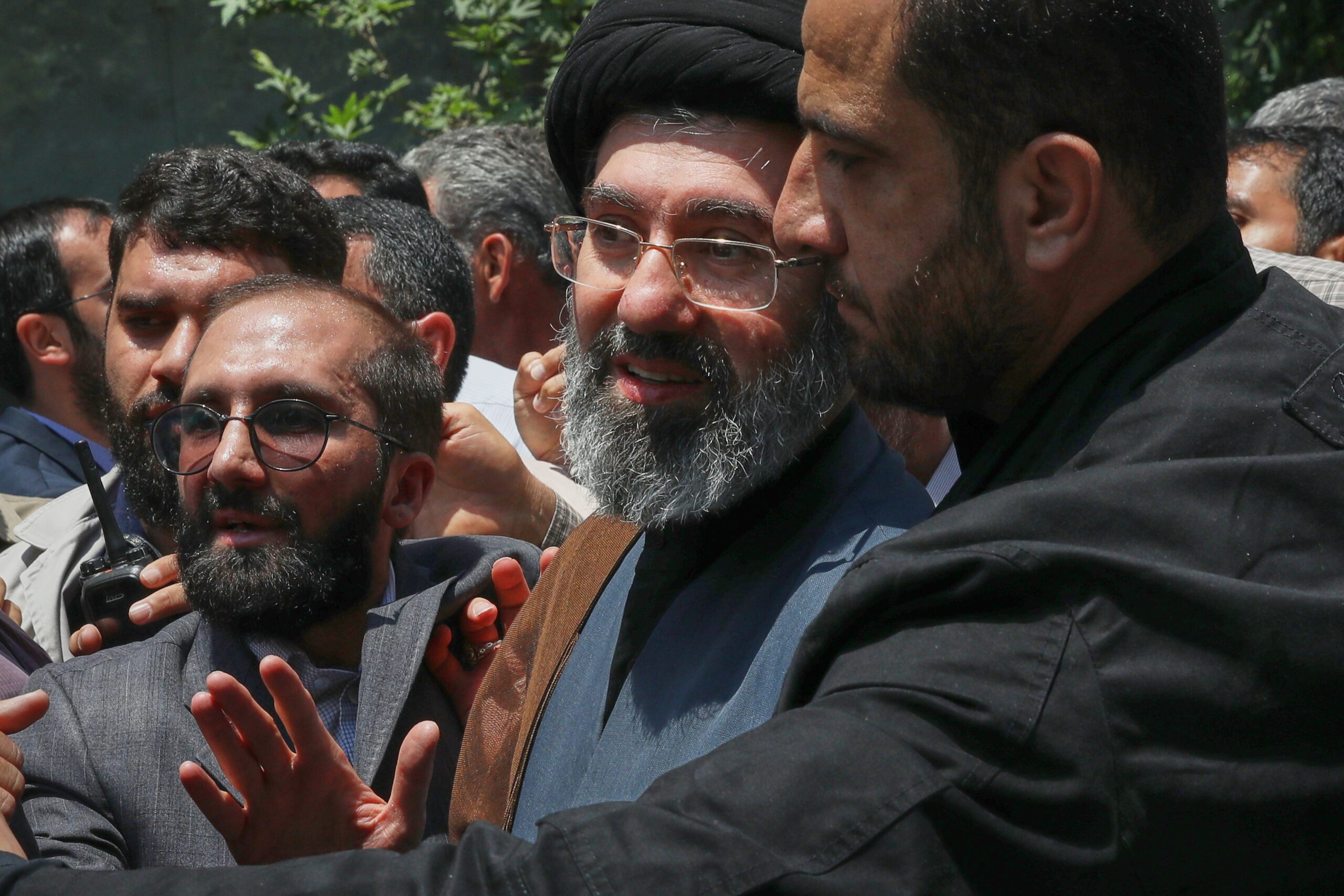
Under Mojtaba, the IRGC Will Reign Supreme
Iran may still call itself an Islamic Republic. In practice, however, it increasingly resembles a state in which the military governs from behind clerical robes.
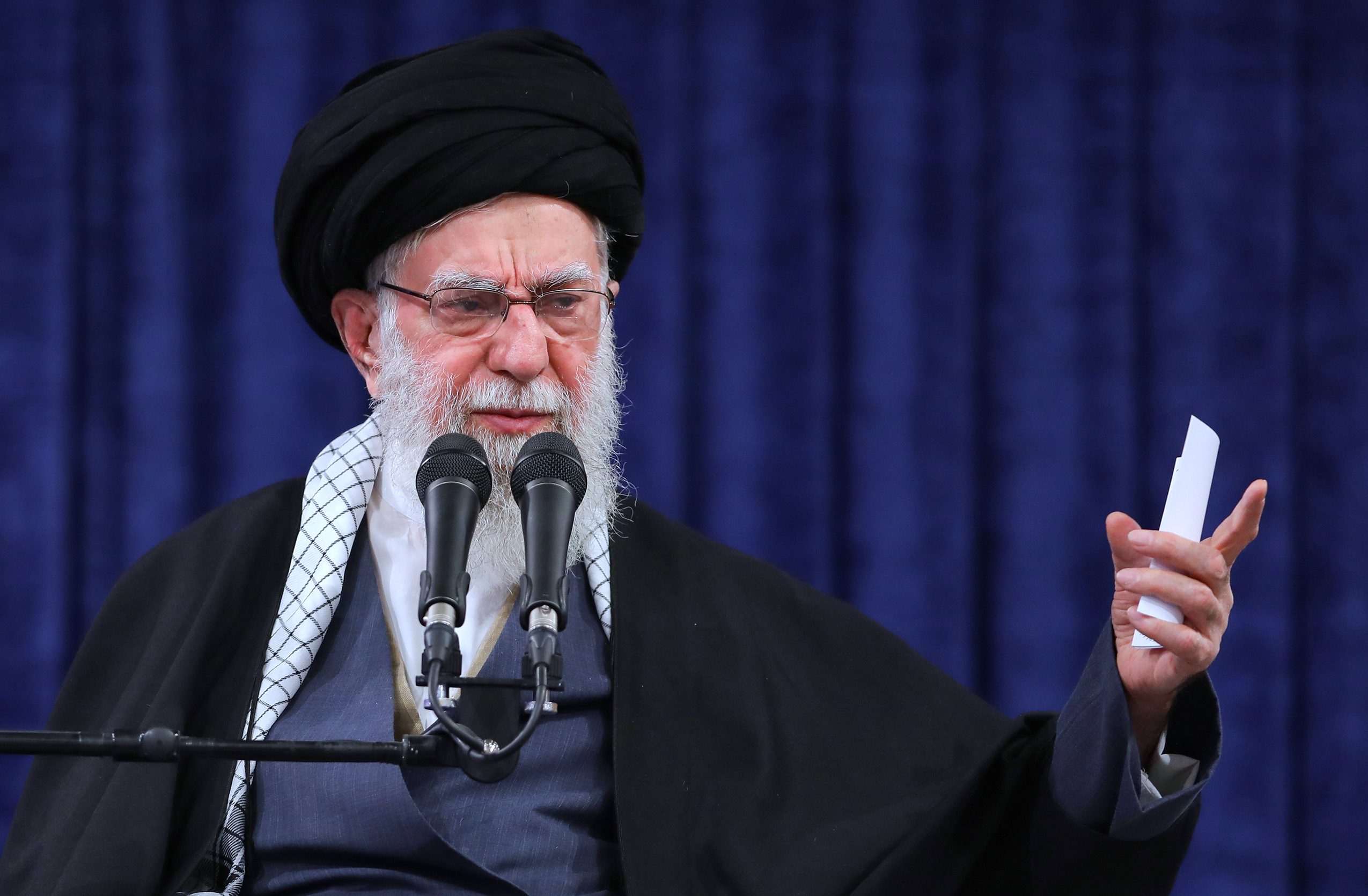
Political Life and Legacy of Iran’s Ayatollah Khamenei
Ayatollah Ali Khamenei was killed in his office in Tehran at age 86, leaving behind a country in ruins and on the verge of civil war and potential disintegration.
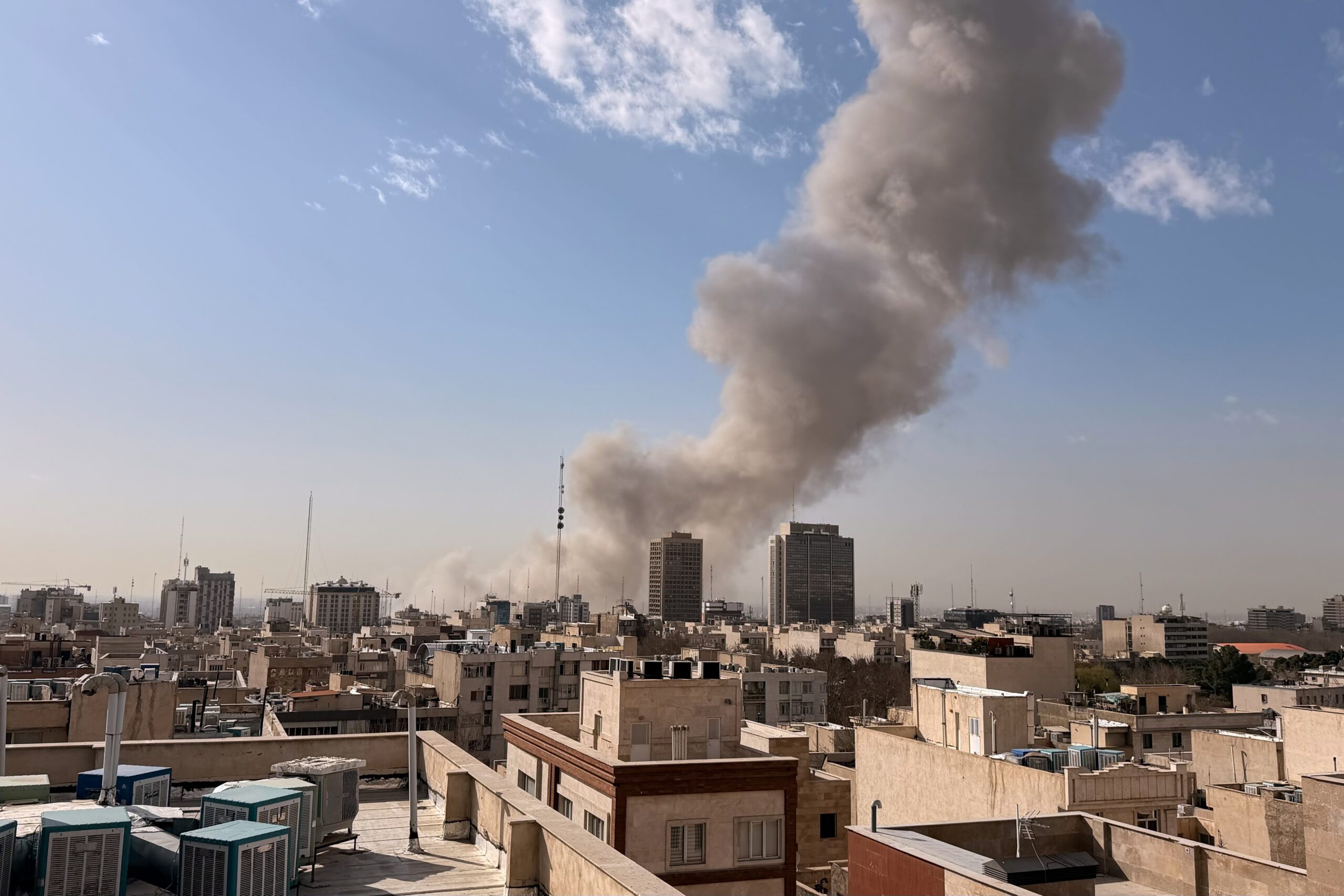
Iranian Regime Fighting for Survival
Iran is signaling that it will not absorb attacks passively. But whether this strategy ensures the regime’s survival, seals its fate, or accelerates a broader catastrophe will shape the region for years to come.
Iran’s 2025-26 Protests in Perspective
The erosion of the regime’s legitimacy across broad segments of society, combined with the breadth of the 2025-26 protest coalition, raises the possibility that a new confrontation could trigger renewed anti-regime mobilization.
Events
Mar 18, 2026
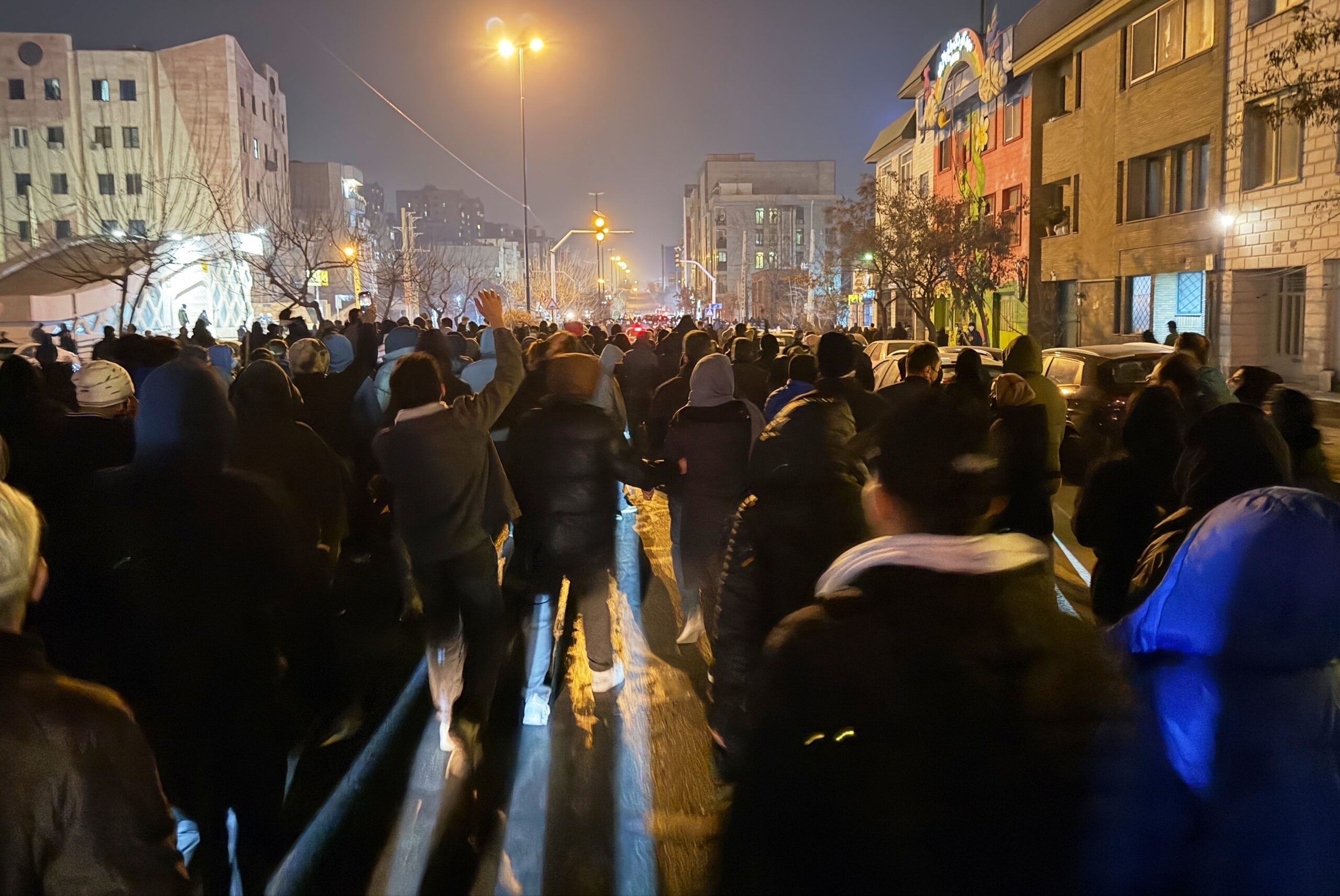
In Its Conflict With the United States and Israel, Does Escalation Favor Iran?
On March 18, AGSI hosted a discussion on the escalation of the Iran war.
Speakers


Mar 2, 2026
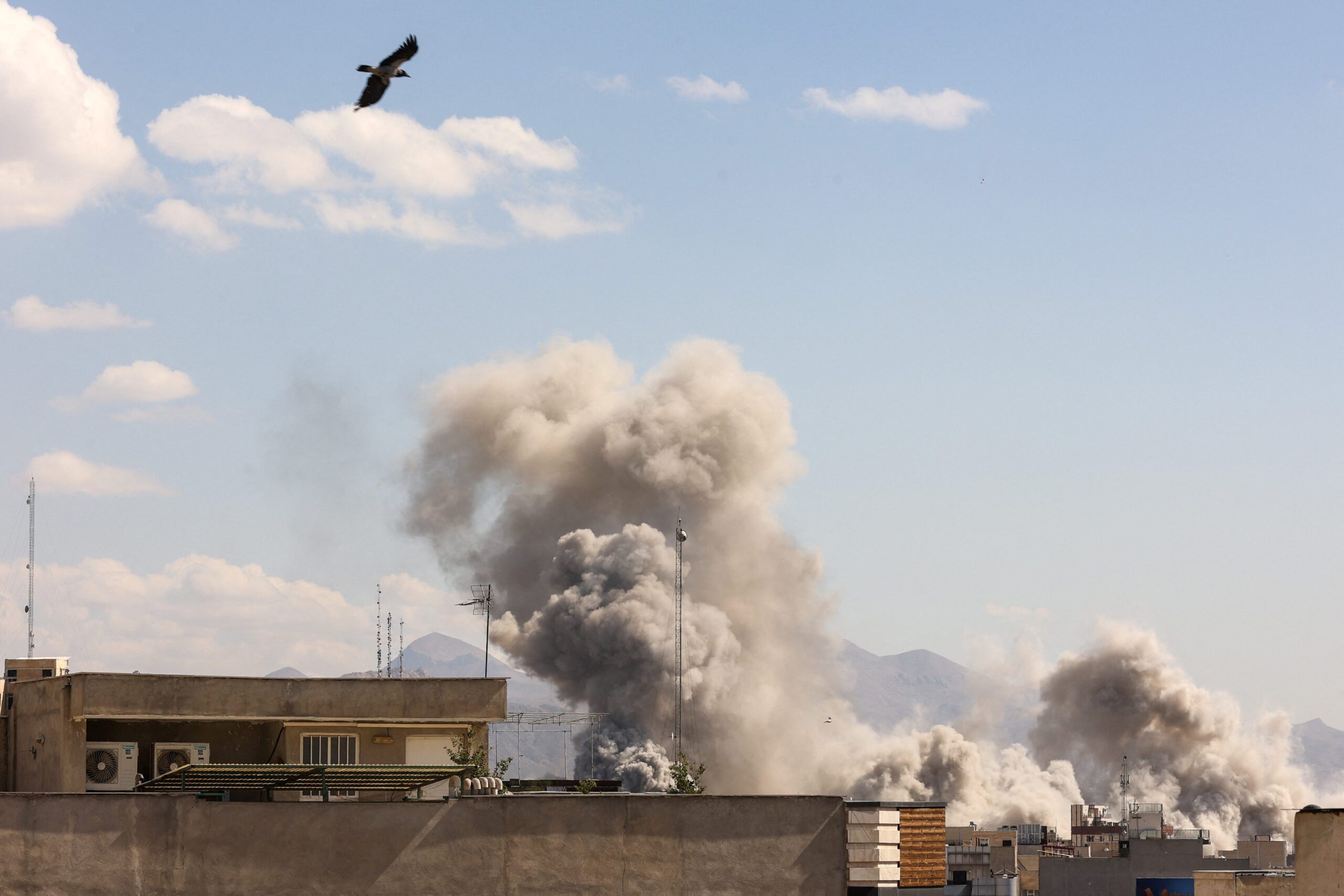
After the Shock: Implications of the U.S.–Israeli Strikes and Iran’s Leadership Transition
On March 2, AGSI hosted a discussion on the U.S.-Israeli strikes on Iran.
Speakers




Jan 8, 2026
Outlook 2026: Prospects and Priorities for U.S.-Gulf Relations in the Year Ahead
On January 8, AGSI hosted a virtual roundtable with its leadership and scholars as they look ahead and assess trends likely to shape the Gulf region and U.S. foreign policy during the coming year.
Speakers


Sep 16, 2025
Book Talk: Iran’s Grand Strategy: A Political History
On September 16, AGSI hosted a discussion on the roots of Iran's strategic outlook.
Speakers