Feb 3, 2026
Ayatollah Khamenei Warns Washington of a “Regional War”
The February 3 edition of the Iran Media Review examines a speech by the supreme leader threatening a “regional war” if Iran is attacked by the United States.

During an address commemorating the “10 Days of Dawn,” leading up to the February 11 anniversary of the 1979 Islamic Revolution, Supreme Leader Ayatollah Ali Khamenei framed the 12-day war in June 2025, protests that began in December 2025, and recent U.S. naval buildup as interconnected elements of a U.S.-Israeli plot to overthrow the Islamic Republic. He warned Washington that if the United States were to “start a war,” it would escalate into a “regional war,” a deliberately ambiguous threat implicitly directed at U.S. allies in the region.
- February 1: Supreme Leader Ayatollah Ali Khamenei spoke at an event commemorating the lead up to the anniversary of the 1979 Islamic Revolution. A transcript of his remarks was published on his website:
- Khamenei described the protests – specifically protests on January 8 and 9, which appear to have been the most violent days – as “American-Zionist sedition” instigated by President Donald J. Trump’s call to the people of Iran to rise against the regime in Tehran.
- Turning to the protesters, Khamenei said: “Those involved were of two types: ringleaders and foot soldiers … The ringleaders were trained and paid; they had been taught how to act, where to attack, how to gather youth and speak to them. Many of them were arrested and confessed. Another group were emotional young people who were swept along by the noise; we do not have much problem with them.”
- As for the performance of the security services, Khamenei said: “Our security forces, the Basij, the police, and other responsible bodies performed their duties well. They acted with patience and wisdom; they distinguished between those who had been deceived and those who were the main agents. This is an important point: In such incidents, one must differentiate between the instigators and the ordinary people who may have been drawn in emotionally.”
- Khamenei also blamed the high number of fatalities on the protesters: “Another characteristic of this sedition was that its trained ringleaders were tasked with manufacturing deaths, creating casualties … For this reason, they carried out armed attacks on military and law-enforcement centers, using advanced personal weapons, so that a reaction would be provoked from the other side and people would be killed. And they did not stop at this; they even shot from behind at the very foot soldiers whom they themselves had brought to the scene through propaganda.”
- Concluding the speech, Khamenei warned the United States of the risk of a regional war: “What you sometimes see – this talk of war, ‘we will come with such-and-such aircraft and do this and that’ – is nothing new. In the past as well, the Americans repeatedly used to threaten in their statements that all options are on the table. All options includes the option of war; they were always saying this: ‘All options are on the table.’ Now this gentleman, too, keeps claiming the same thing, saying, ‘Yes, we have brought aircraft carriers and done such things.’ In my view, the Iranian nation should not be frightened by these matters; the Iranian people are not influenced by such words and do not fear confronting what is right. We are not the initiators; we do not wish to wrong anyone nor to attack any country. But the Iranian nation will deliver a firm blow to anyone who harbors greed and seeks to attack or harm it. And the Americans should also know this: If they start a war this time, it will be a regional war.”
The views represented herein are the author's or speaker's own and do not necessarily reflect the views of AGSI, its staff, or its board of directors.
Related
Iran Media Review
Jan 30, 2026
The Specter of War Over Iran
The January 30 edition of the Iran Media Review examines Iranian responses to an expanded U.S. military presence in the Gulf.
Iran Media Review
Jan 27, 2026
Iran’s State-Censored Media Reacts to Maliki’s Return to Power in Iraq
The January 27 edition of the Iran Media Review analyzes Iranian media reactions to an announcement that Nuri al-Maliki is likely to return as Iraq’s prime minister.
Iran Media Review
Jan 23, 2026
Government Claims 3,117 Dead in Iran Protests
The January 23 edition of the Iran Media Review examines a government statement on the death toll for the protests in Iran.
Jan 30, 2026
The Specter of War Over Iran
The January 30 edition of the Iran Media Review examines Iranian responses to an expanded U.S. military presence in the Gulf.
Jan 27, 2026
Iran’s State-Censored Media Reacts to Maliki’s Return to Power in Iraq
The January 27 edition of the Iran Media Review analyzes Iranian media reactions to an announcement that Nuri al-Maliki is likely to return as Iraq’s prime minister.
Jan 23, 2026
Government Claims 3,117 Dead in Iran Protests
The January 23 edition of the Iran Media Review examines a government statement on the death toll for the protests in Iran.
Analysis
The Islamic Republic Returns to Offense
After U.S.-Israeli strikes killed Supreme Leader Ayatollah Ali Khamenei on February 28, Iran’s collective leadership has concluded that the best defense is a good offense.
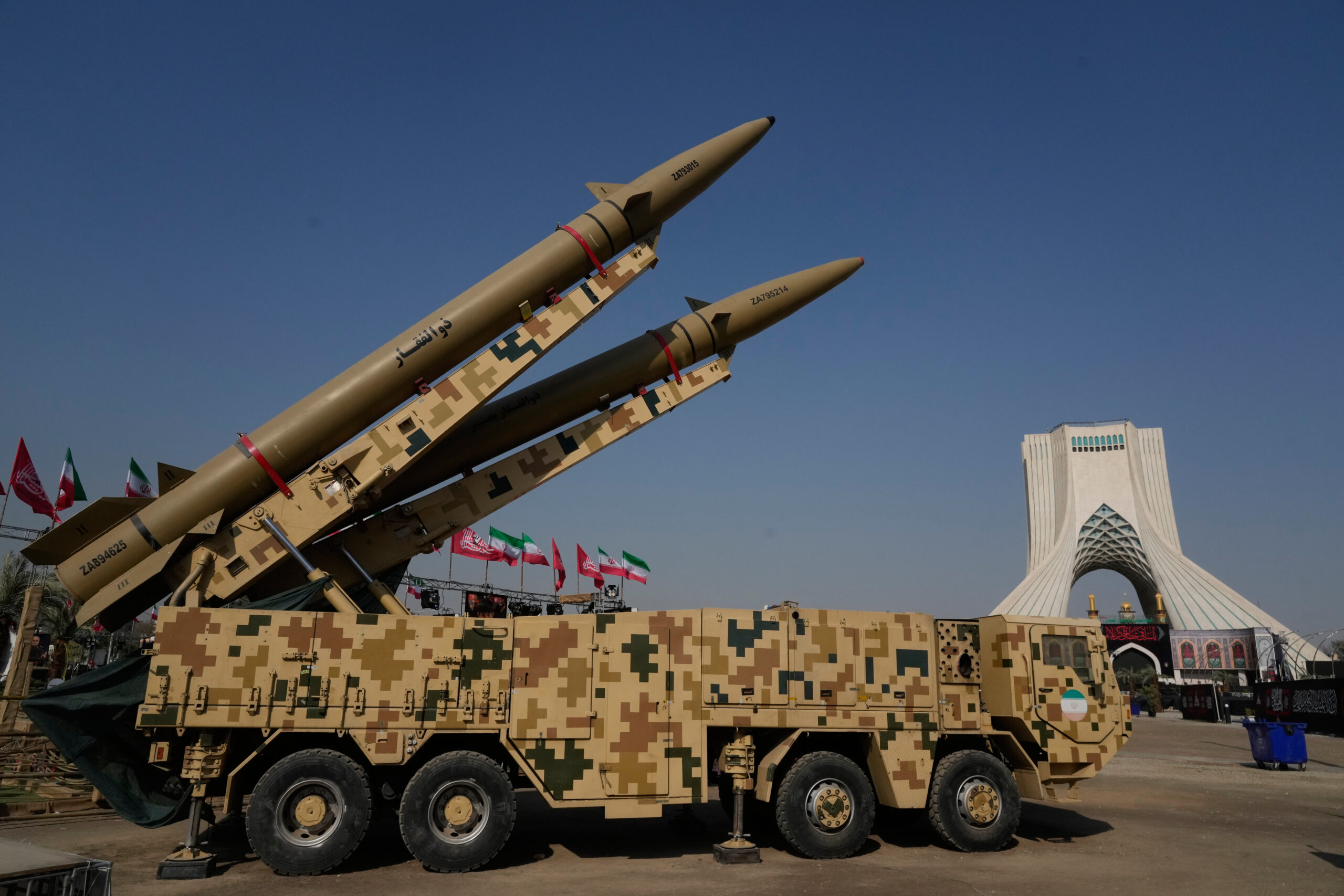
Iran’s Collective Strategic Decision Making
Wartime pressure has temporarily aligned the leadership’s overriding interest in regime survival, even as its members continue to differ over the costs, methods, and ultimate objectives of the war.
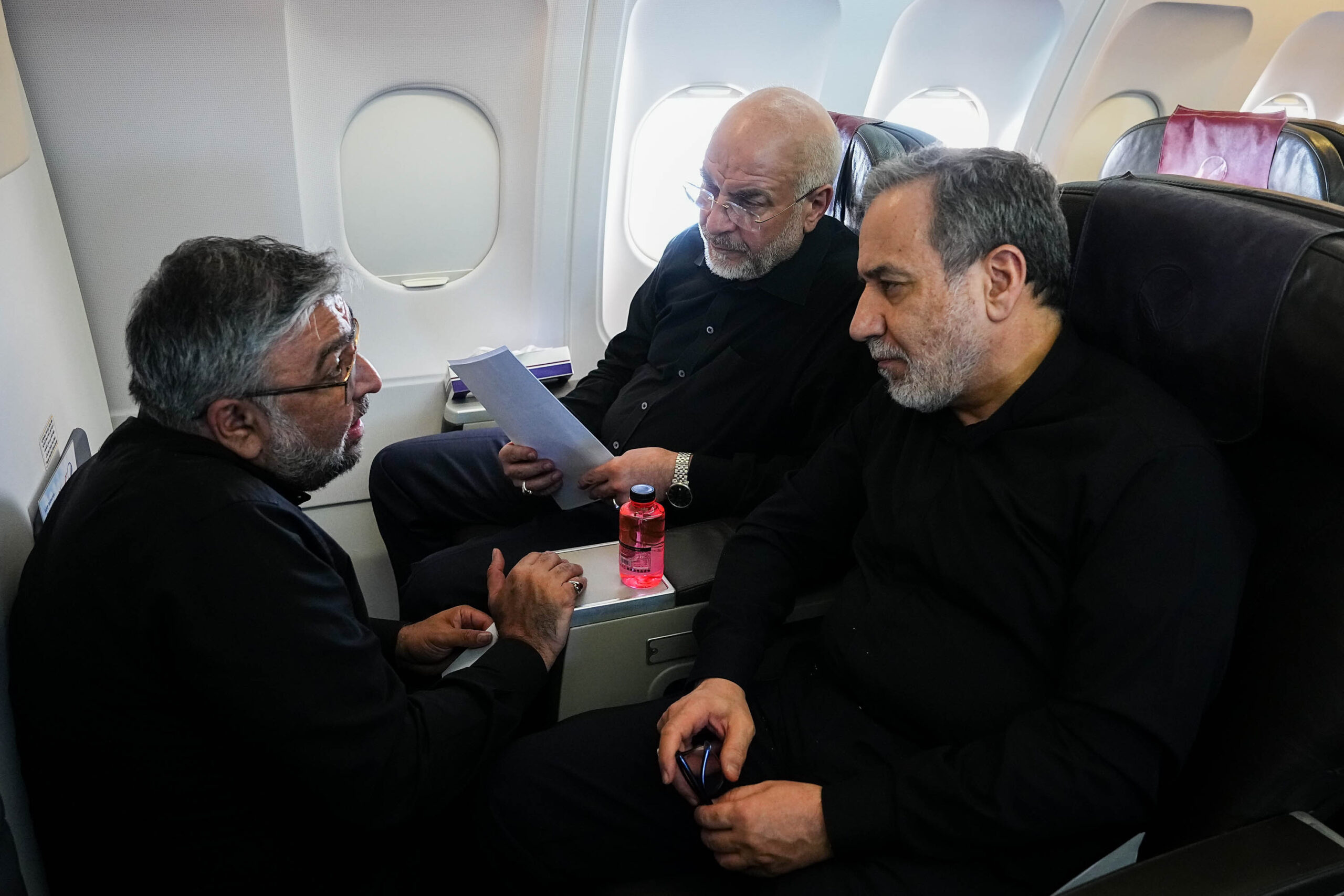
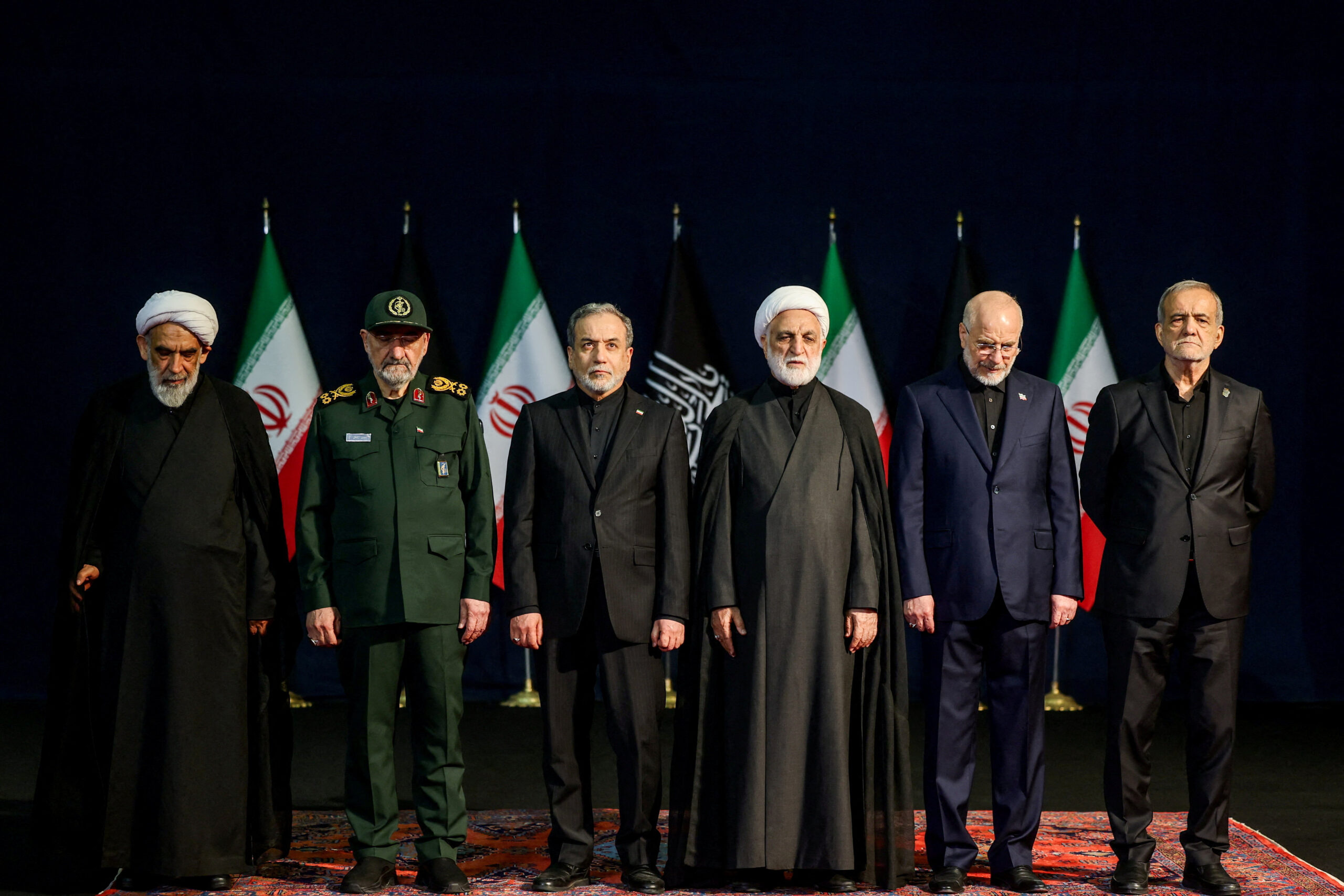
The Islamic Republic’s Collective Leadership
While there is historical precedent for collective leadership in Iran, today’s leadership includes representatives of the IRGC and regular military – a reflection of the IRGC’s expanding role and the necessities of governing under wartime conditions.
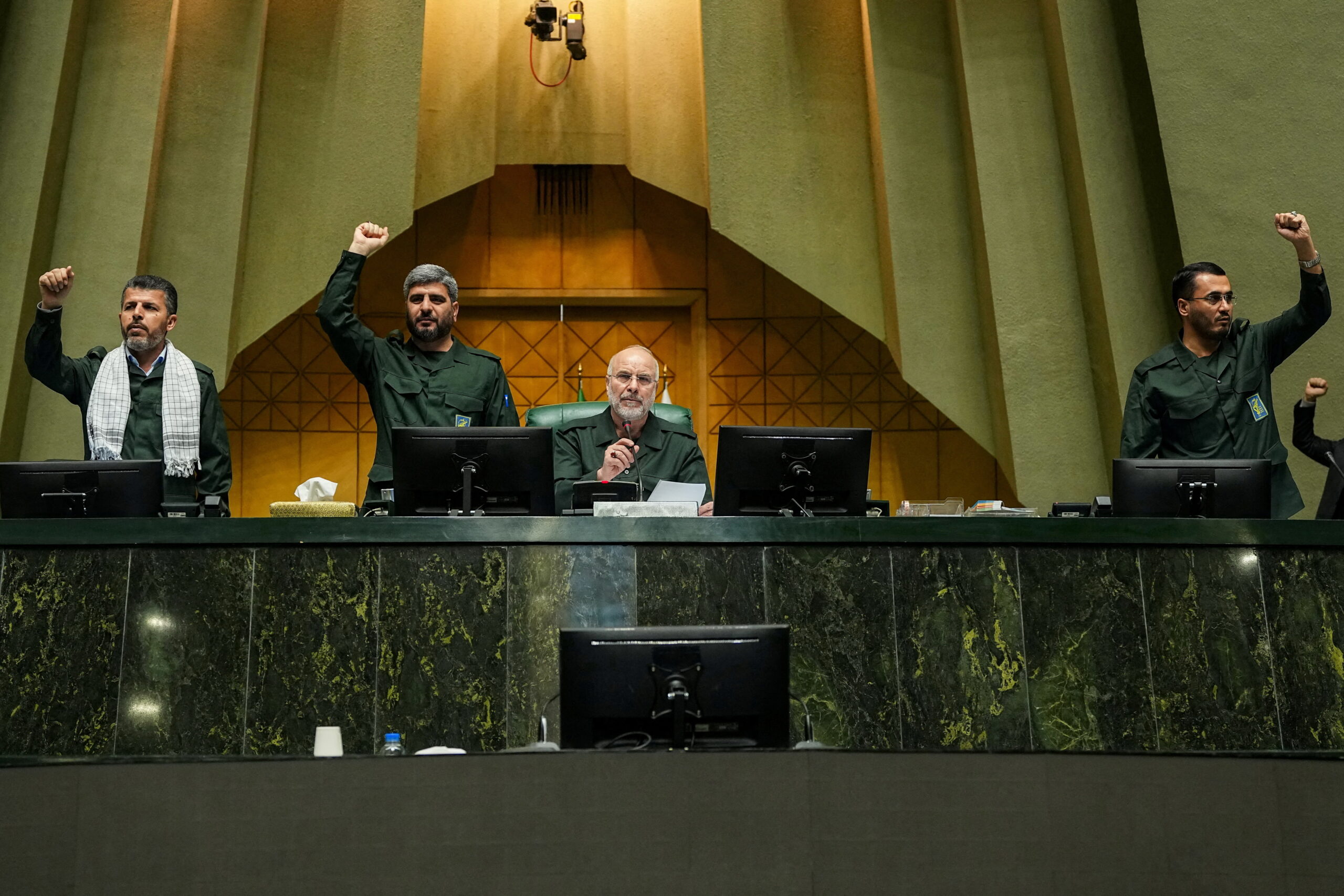
How Did the IRGC Seize Power in Iran?
The IRGC did not seize power in a single stroke. It accumulated it – patiently, methodically – until no counterweight remained.
Events
Book Talk: Iran and the Bomb: The United States, Iran and the Nuclear Question
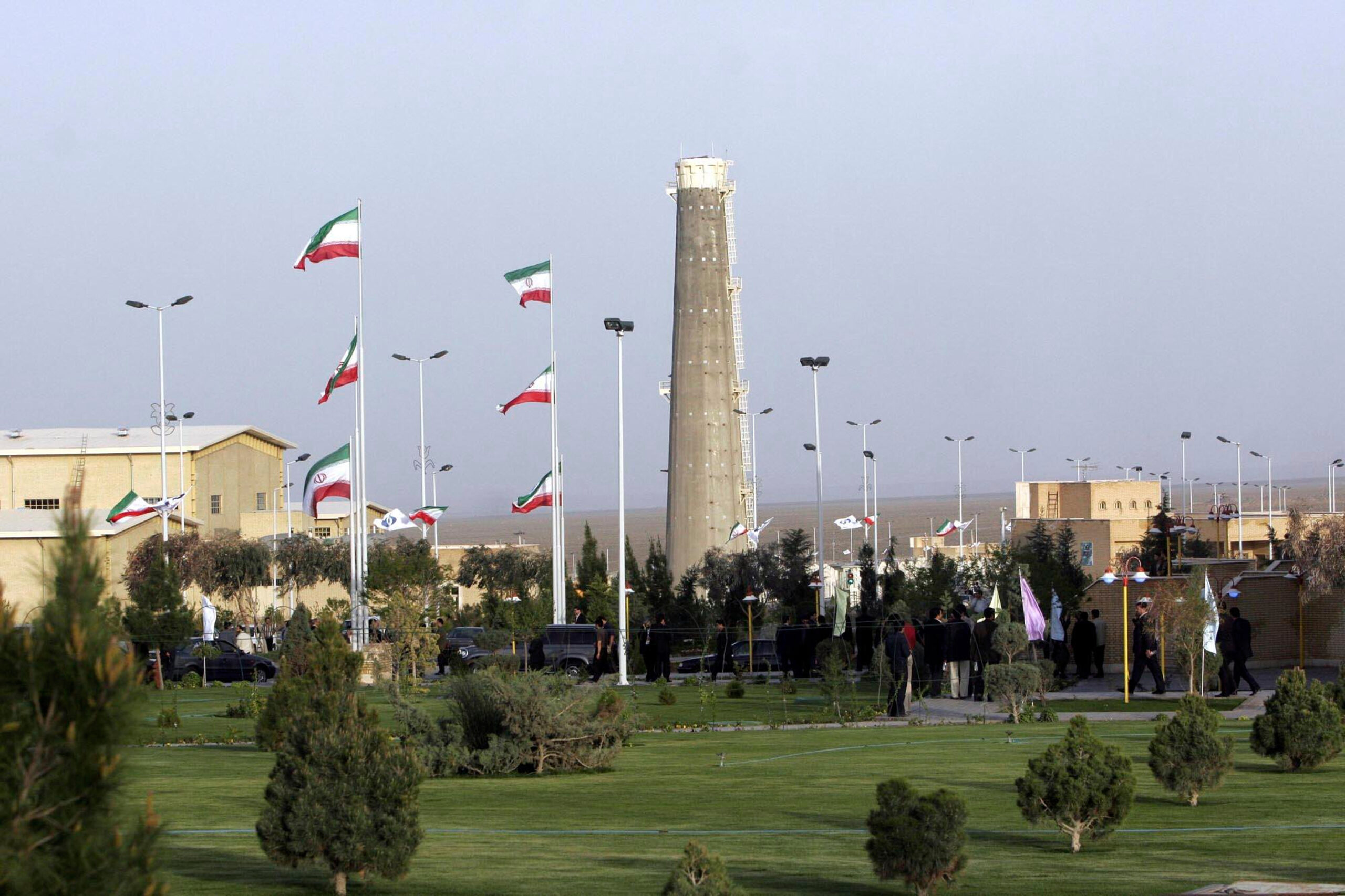
On June 16, AGSI hosted a discussion on the evolution of Iran's nuclear program.
Speakers

Apr 21, 2026
Inside Iran’s Wartime Leadership: Power, Succession, and Regime Stability
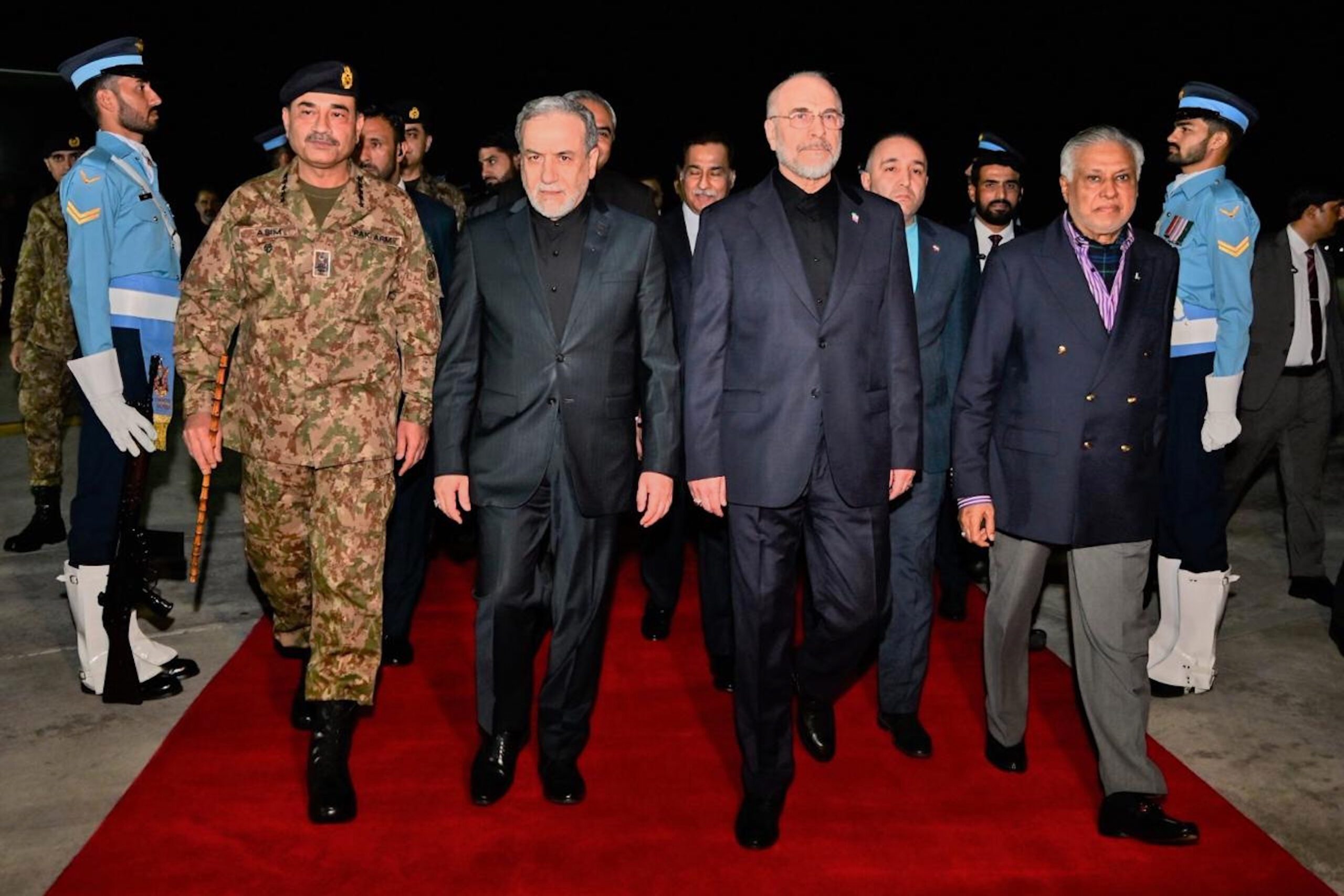
On April 21, AGSI hosted a discussion on the evolution of Iran's leadership during the war.
Speakers

Mar 18, 2026
In Its Conflict With the United States and Israel, Does Escalation Favor Iran?
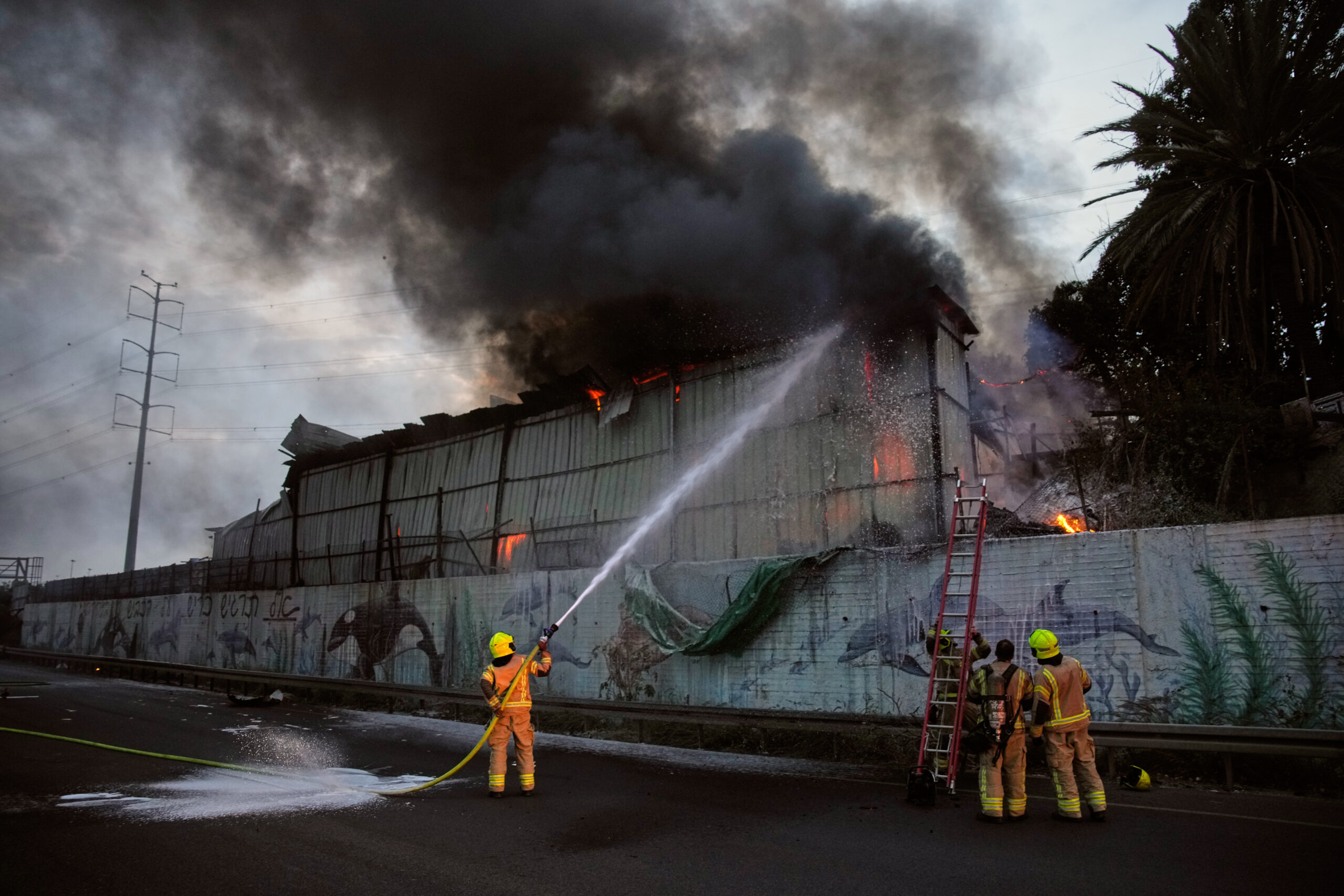
On March 18, AGSI hosted a discussion on the escalation of the Iran war.
Speakers


Mar 2, 2026
After the Shock: Implications of the U.S.–Israeli Strikes and Iran’s Leadership Transition
On March 2, AGSI hosted a discussion on the U.S.-Israeli strikes on Iran.
Speakers