Jan 23, 2026
Government Claims 3,117 Dead in Iran Protests
The January 23 edition of the Iran Media Review examines a government statement on the death toll for the protests in Iran.

Iranian government agencies have released an official death toll for the protests that began on December 28, 2025, claiming a total of 3,117 fatalities. Of these, 2,427 were described as “martyrs,” a designation used by the government to include members of the security services, pro-regime demonstrators, or individuals it claims were accidentally killed during clashes between protesters and security forces. None of these figures can be independently verified as long as Iran remains offline. However, historically, protests in Iran have not involved sustained, organized clashes among competing civilian demonstrators. Rather, violence has overwhelmingly occurred between protesters and state security forces. On this basis, the individuals labeled “martyrs” were likely either members of the security services, protesters mischaracterized as regime supporters, or civilians whose deaths are being attributed to accidental circumstances.
- January 21: Islamic Revolutionary Guard Corps-affiliated Tasnim News Agency reposted a statement from the Supreme National Security Council on its Telegram channel. According to the statement, 3,117 people were killed in the protests, 2,427 of whom were “martyrs,” meaning they were either members of the security forces or have been characterized as regime supporters.
- January 21: The Martyr Foundation, quoted on Tasnim’s website, confirmed the Supreme National Security Council’s data.
The views represented herein are the author's or speaker's own and do not necessarily reflect the views of AGSI, its staff, or its board of directors.
Related
Iran Media Review
Jan 20, 2026
Defiant Khamenei Blames Trump for the Protests
The January 20 edition of the Iran Media Review examines a speech by Ayatollah Ali Khamenei blaming the United States for recent protests in Iran.
Iran Media Review
Jan 13, 2026
Decoupled From the Internet, IRGC Media Talks of Unity
The January 13 edition of the Iran Media Review considers IRGC-affiliated media’s unverifiable account of societal cohesion amid ongoing protests.
Iran Media Review
Jan 9, 2026
The IRGC Warns Iraq’s Kurdistan Region
The January 9 edition of the Iran Media Review analyzes IRGC-affiliated media threats against Kurdish parties headquartered in the Kurdistan region of Iraq.
Jan 20, 2026
Defiant Khamenei Blames Trump for the Protests
The January 20 edition of the Iran Media Review examines a speech by Ayatollah Ali Khamenei blaming the United States for recent protests in Iran.
Jan 13, 2026
Decoupled From the Internet, IRGC Media Talks of Unity
The January 13 edition of the Iran Media Review considers IRGC-affiliated media’s unverifiable account of societal cohesion amid ongoing protests.
Jan 9, 2026
The IRGC Warns Iraq’s Kurdistan Region
The January 9 edition of the Iran Media Review analyzes IRGC-affiliated media threats against Kurdish parties headquartered in the Kurdistan region of Iraq.
Analysis
The Committee of Six and Strategic Decision Making in Iran
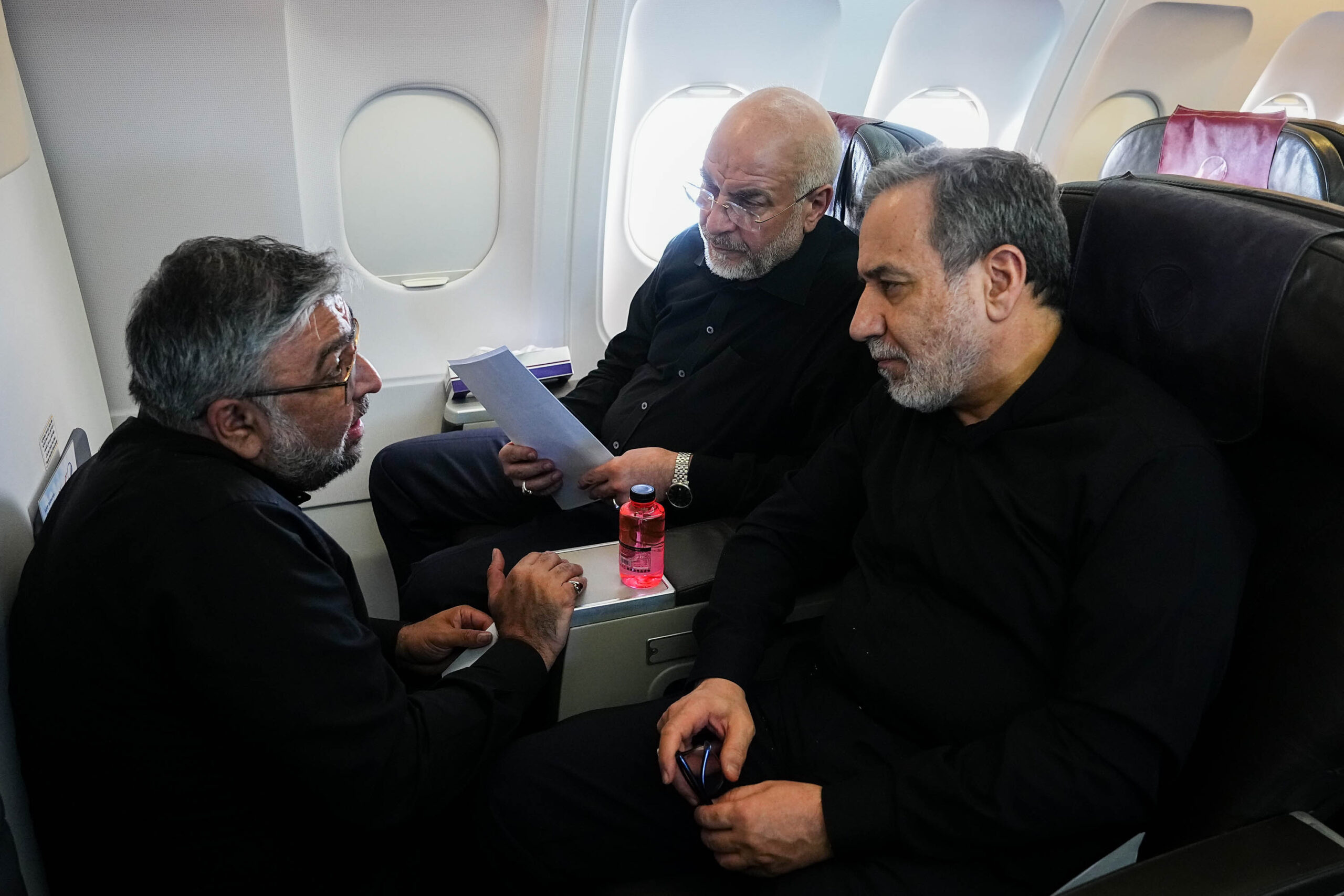
Remarks by Iran’s president offer a rare glimpse of how the Islamic Republic has adapted its decision making to the absence of its supreme leader.
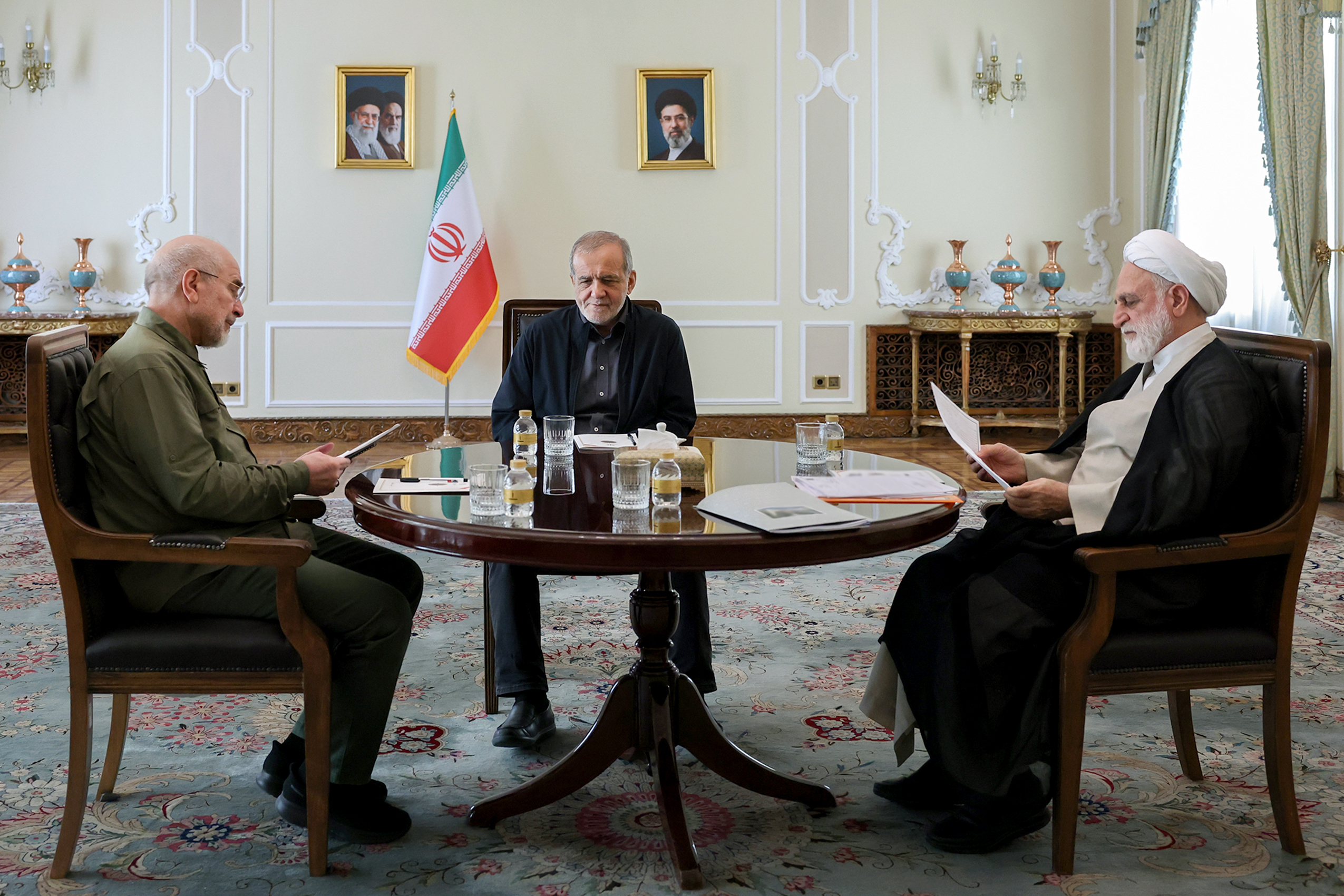
Mohsen Rezaei at the Helm of Iran’s Supreme National Security Council
Under Rezaei, the SNSC could prove constructive or paralyze strategic decision making.
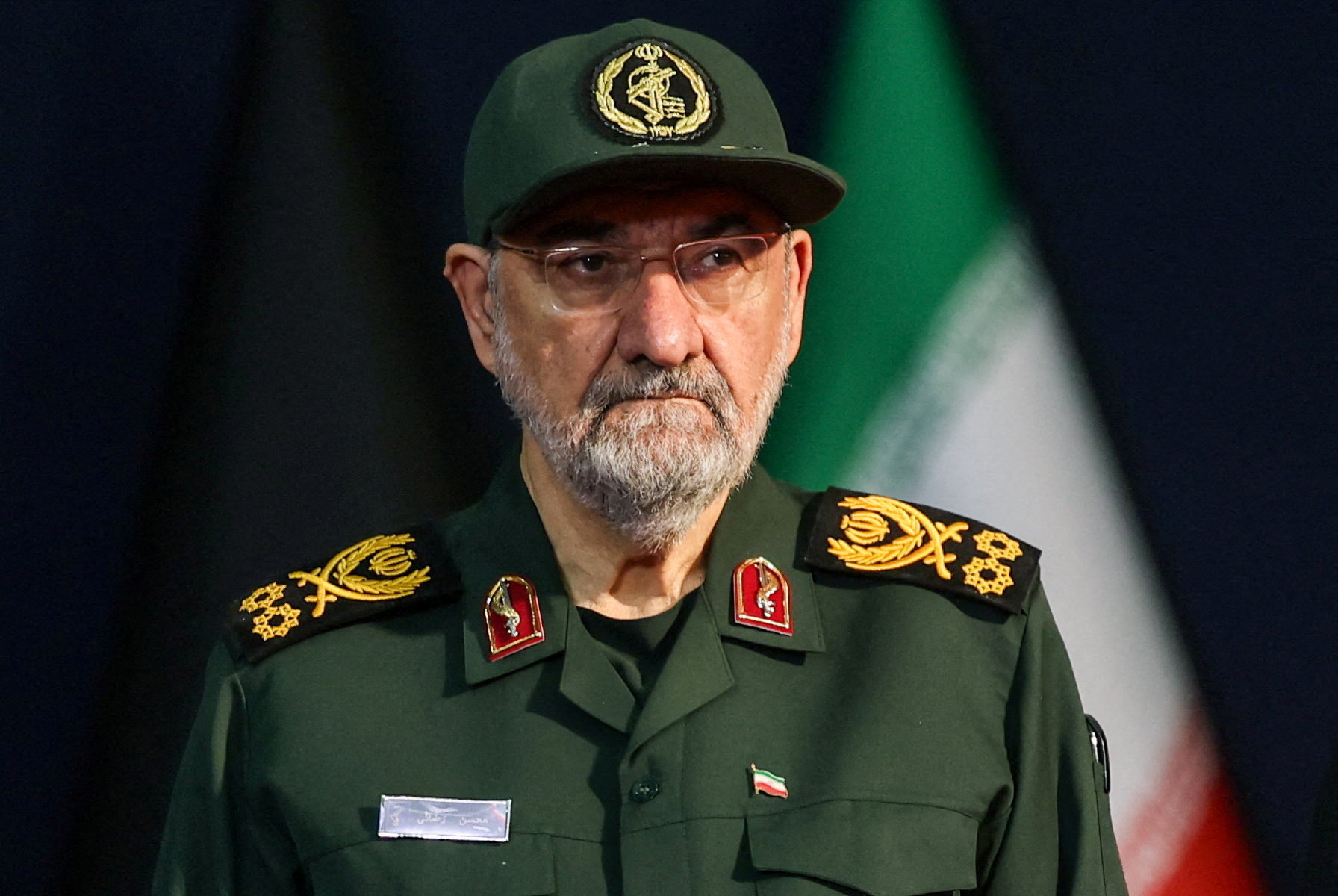
The Islamic Republic Returns to Offense
After U.S.-Israeli strikes killed Supreme Leader Ayatollah Ali Khamenei on February 28, Iran’s collective leadership has concluded that the best defense is a good offense.
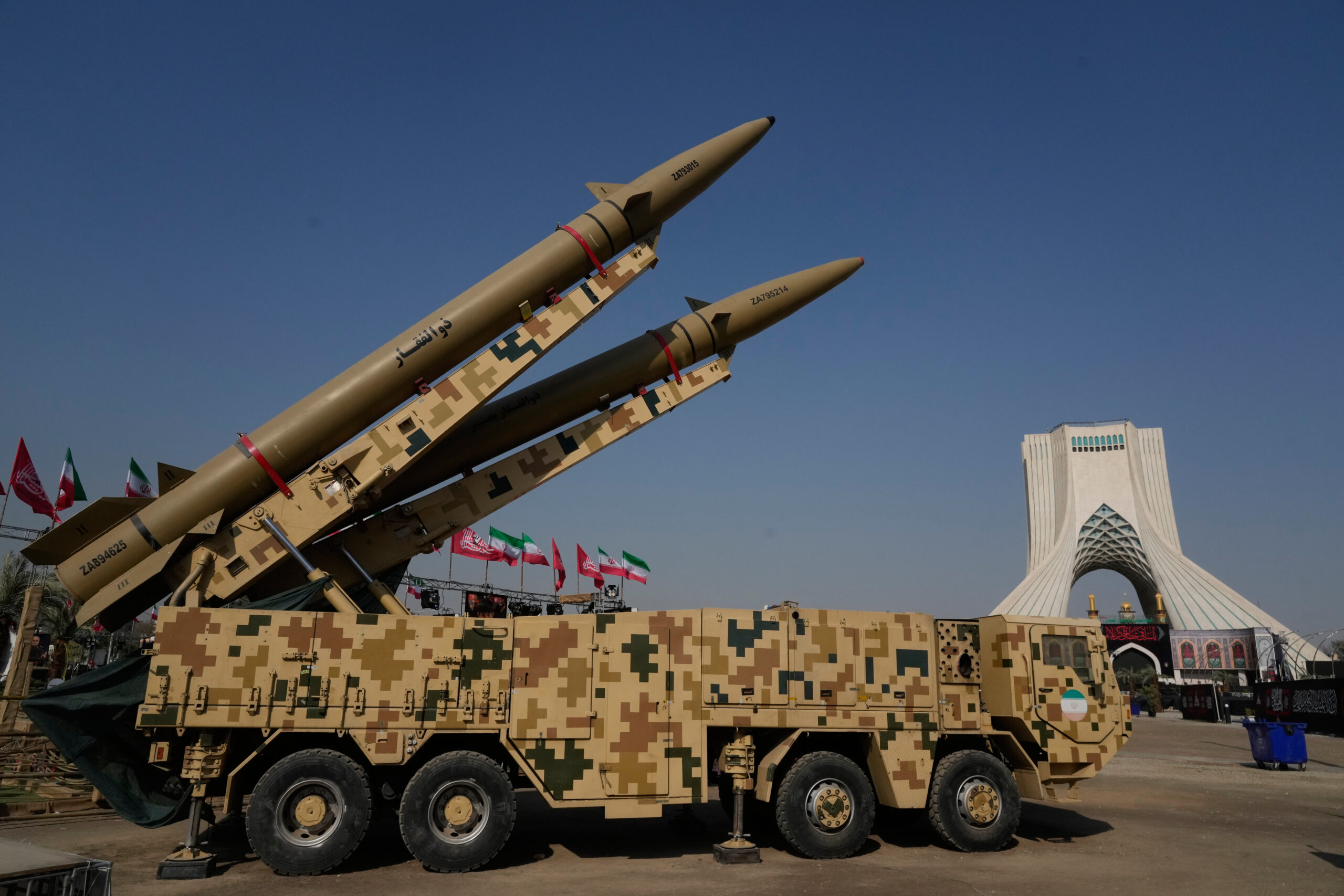
Iran’s Collective Strategic Decision Making
Wartime pressure has temporarily aligned the leadership’s overriding interest in regime survival, even as its members continue to differ over the costs, methods, and ultimate objectives of the war.
Events
Oct 6, 2026
Is the U.S.-Iran Stalemate a “New Normal” or the Prelude to Another Explosion?
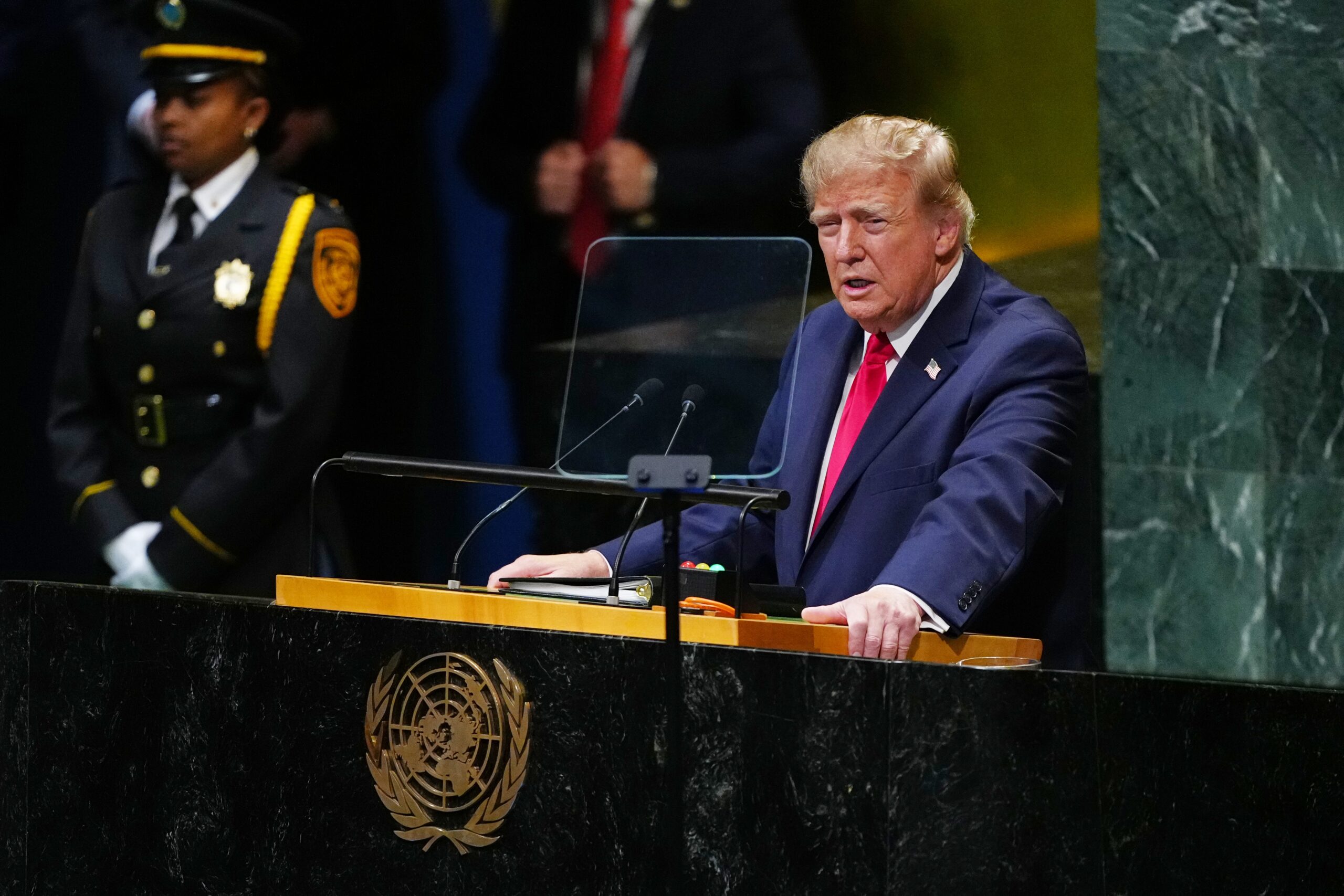
On October 6, AGSI hosted a discussion on the U.S.-Iran stalemate and the prospects for a cease-fire.
Speakers



Book Talk: Iran and the Bomb: The United States, Iran and the Nuclear Question
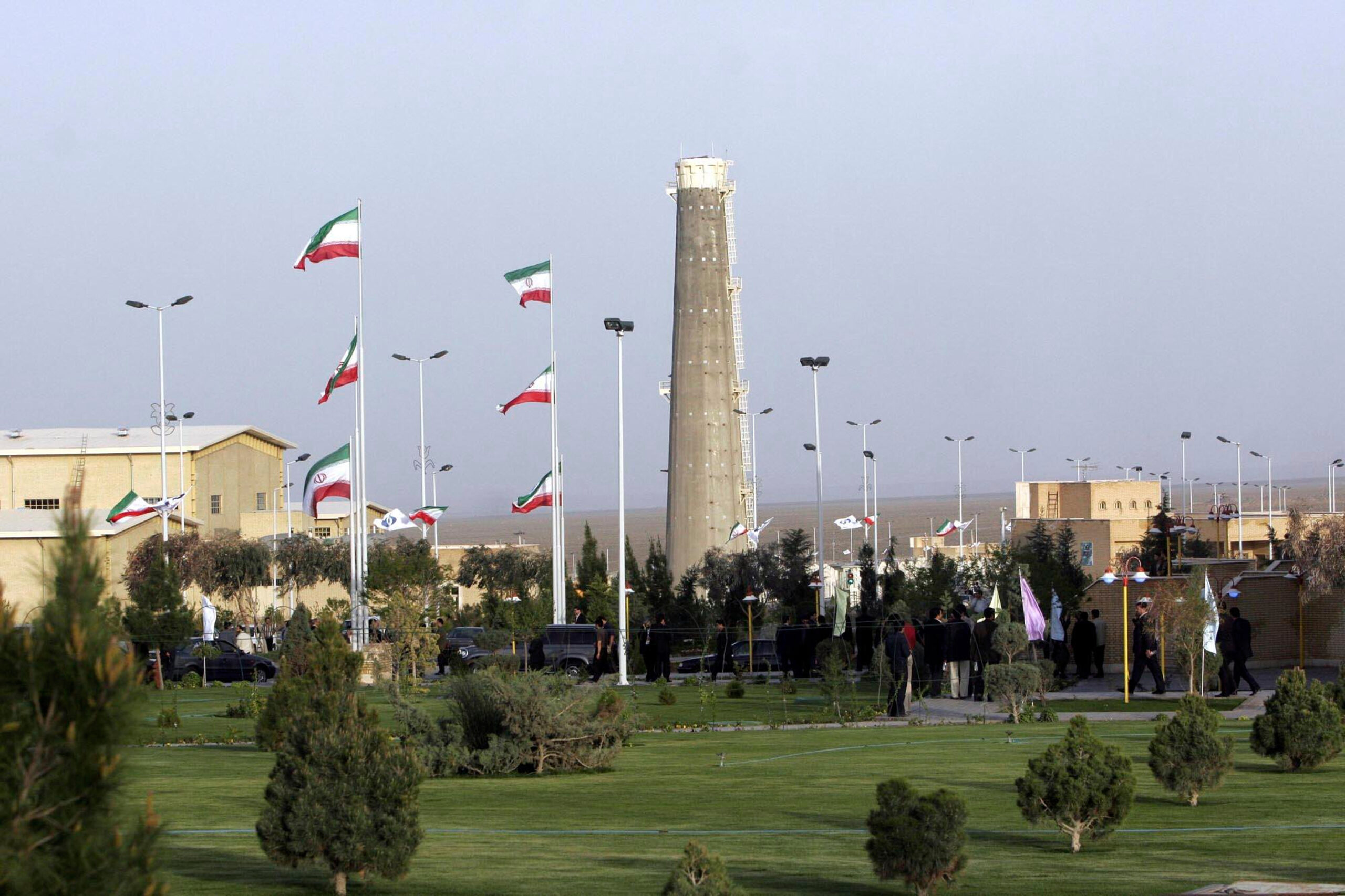
On June 16, AGSI hosted a discussion on the evolution of Iran's nuclear program.
Speakers
Apr 21, 2026
Inside Iran’s Wartime Leadership: Power, Succession, and Regime Stability
On April 21, AGSI hosted a discussion on the evolution of Iran's leadership during the war.
Speakers

Mar 18, 2026
In Its Conflict With the United States and Israel, Does Escalation Favor Iran?
On March 18, AGSI hosted a discussion on the escalation of the Iran war.
Speakers