Iran is signaling that it will not absorb attacks passively. But whether this strategy ensures the regime’s survival, seals its fate, or accelerates a broader catastrophe will shape the region for years to come.
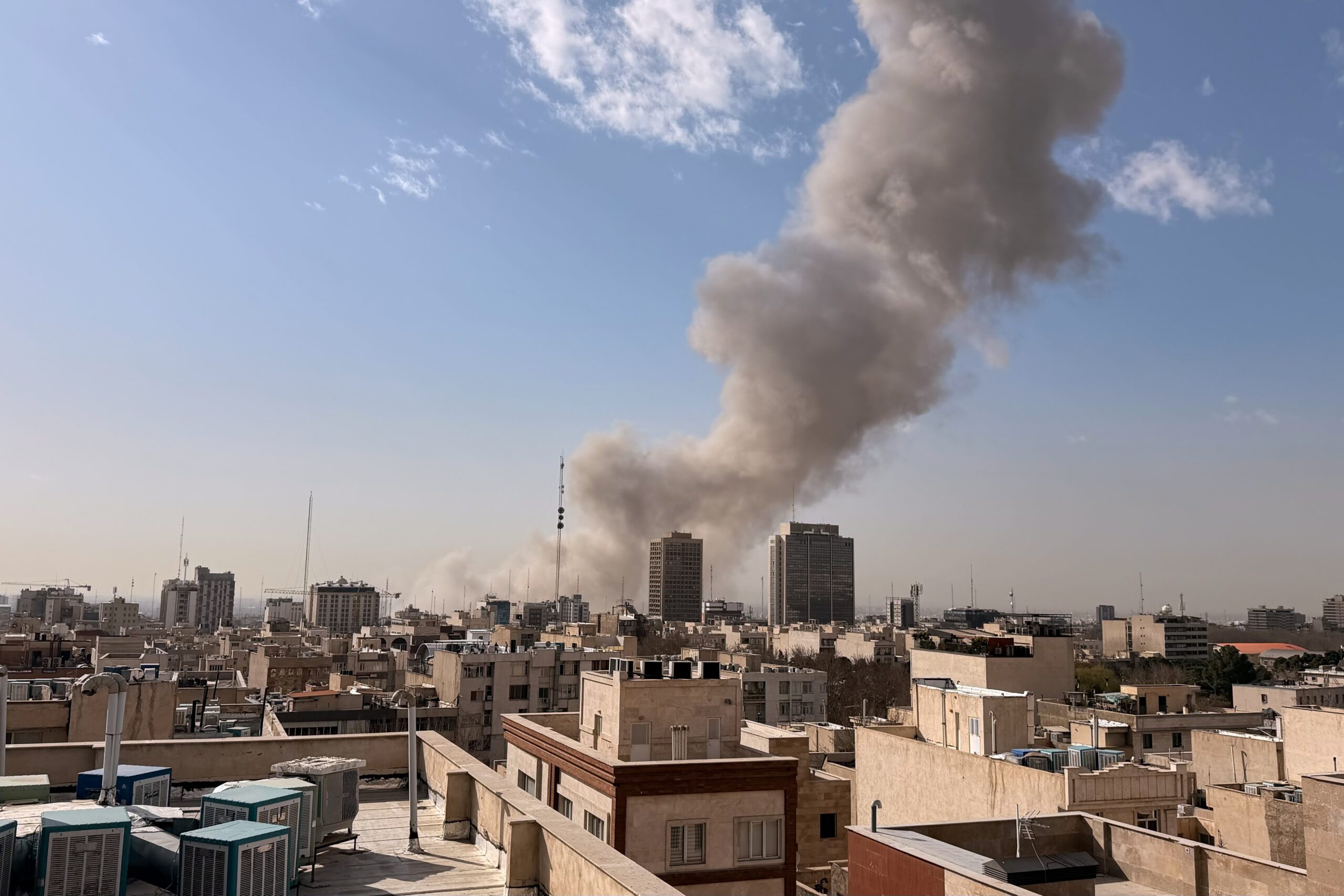
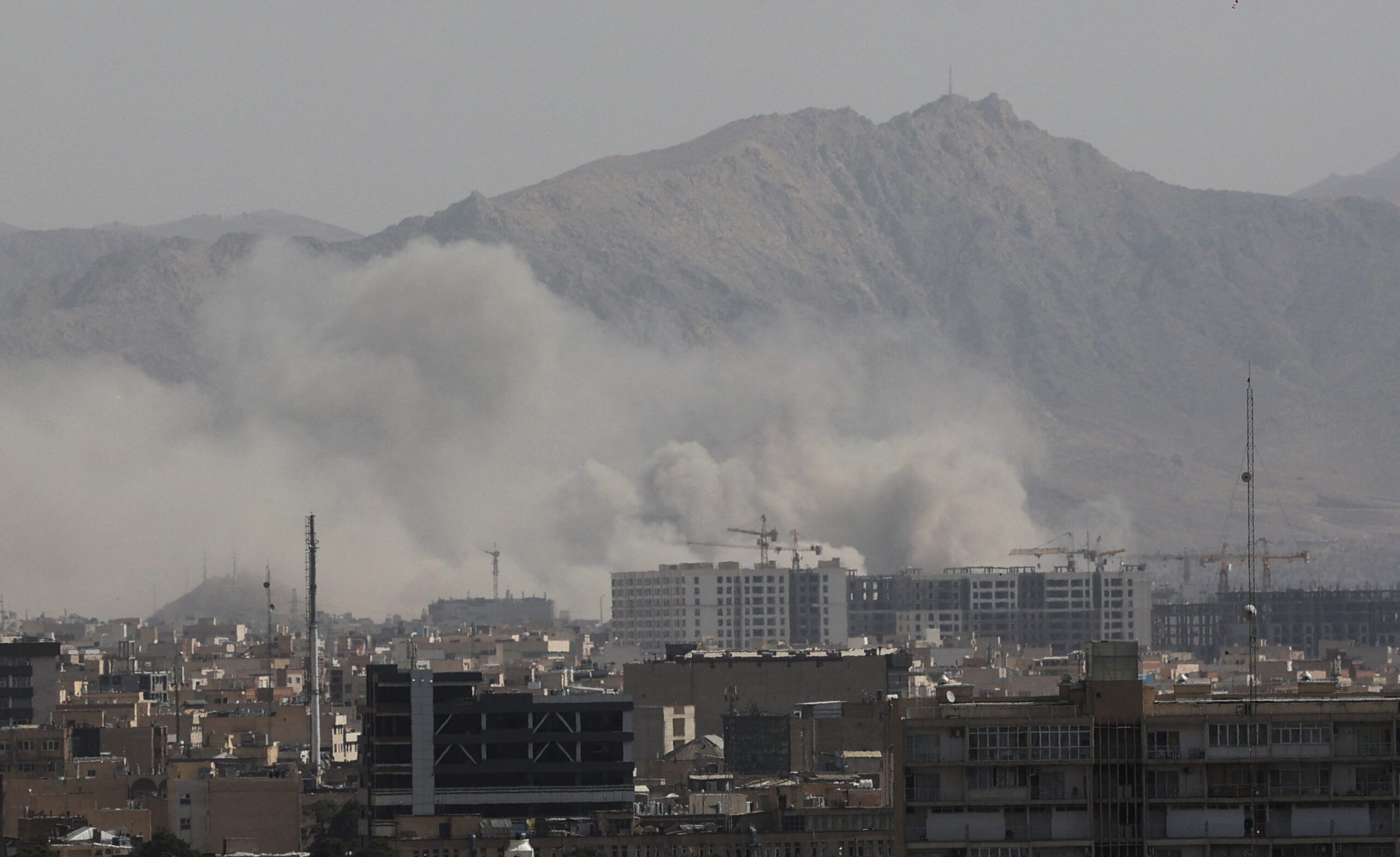
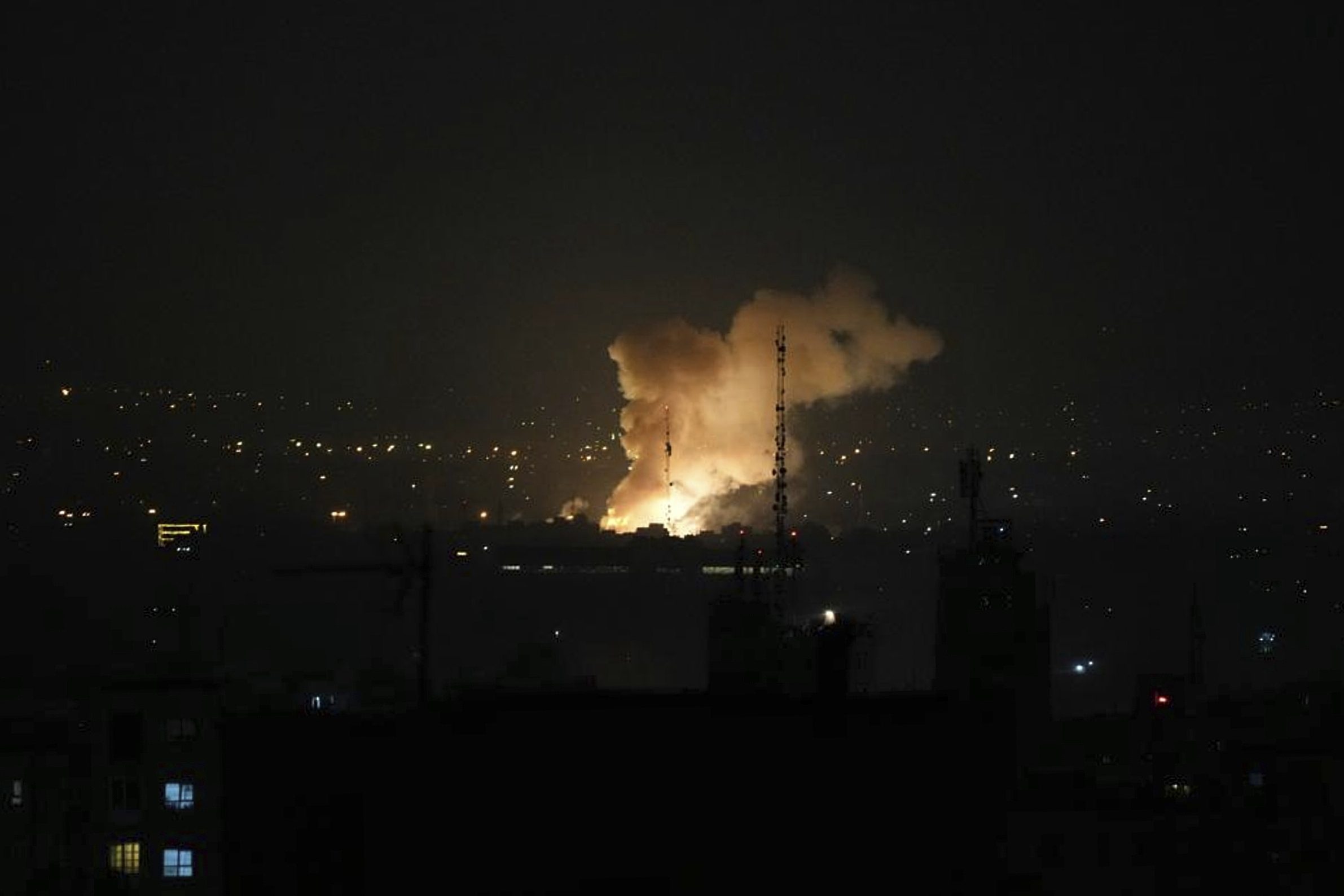
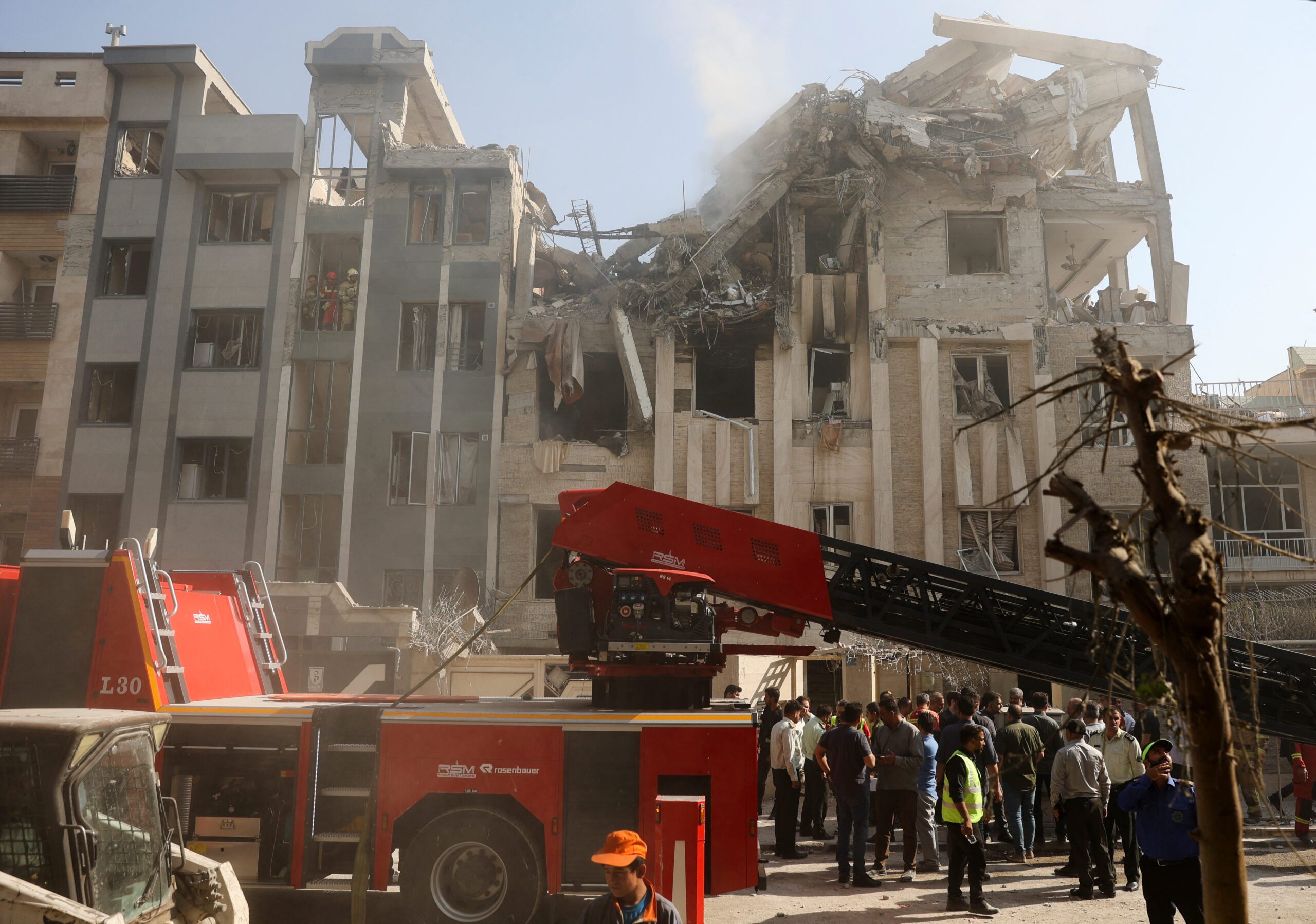
Smoke rises on the skyline after an explosion in Tehran, Iran, February 28. (AP Photo)
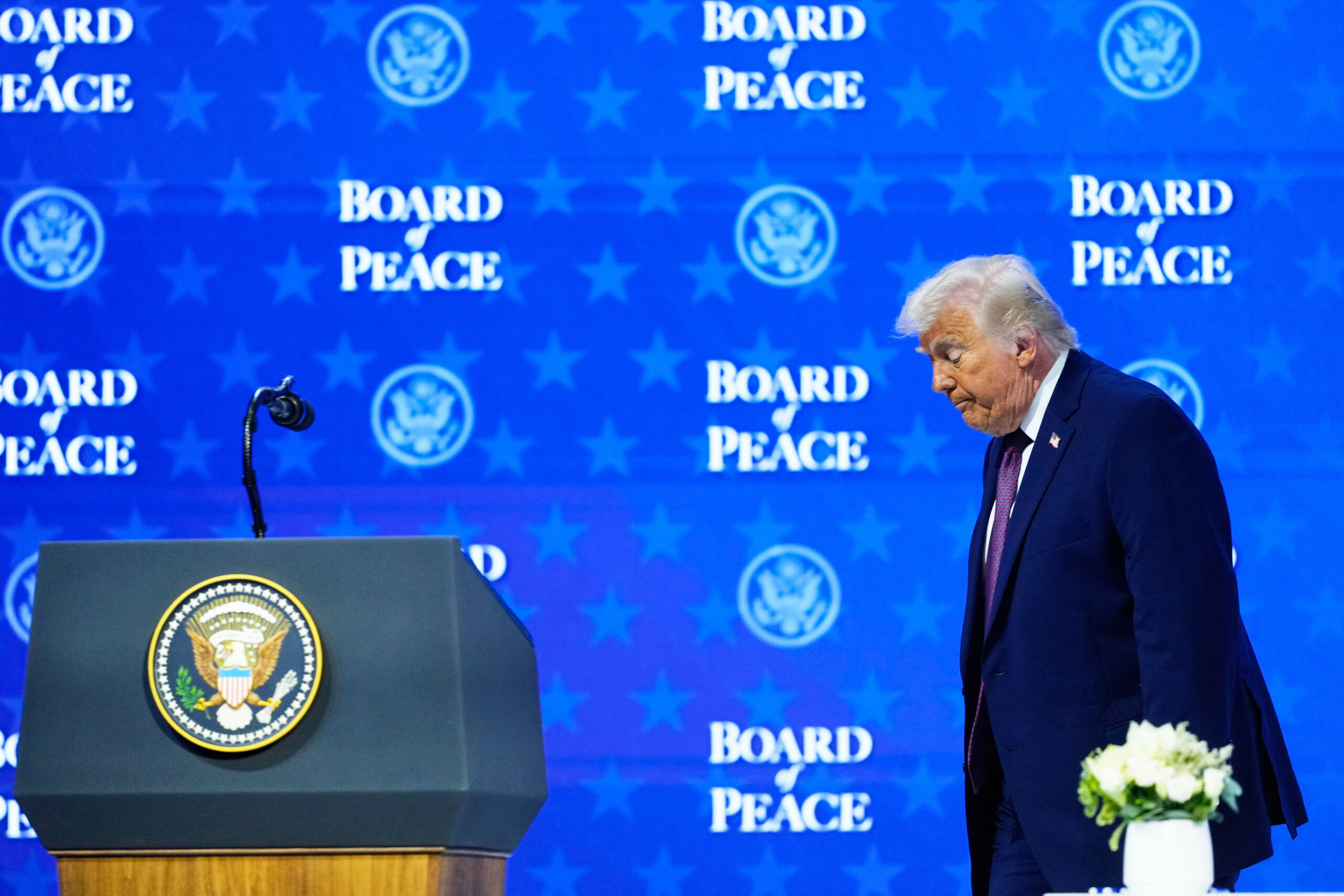
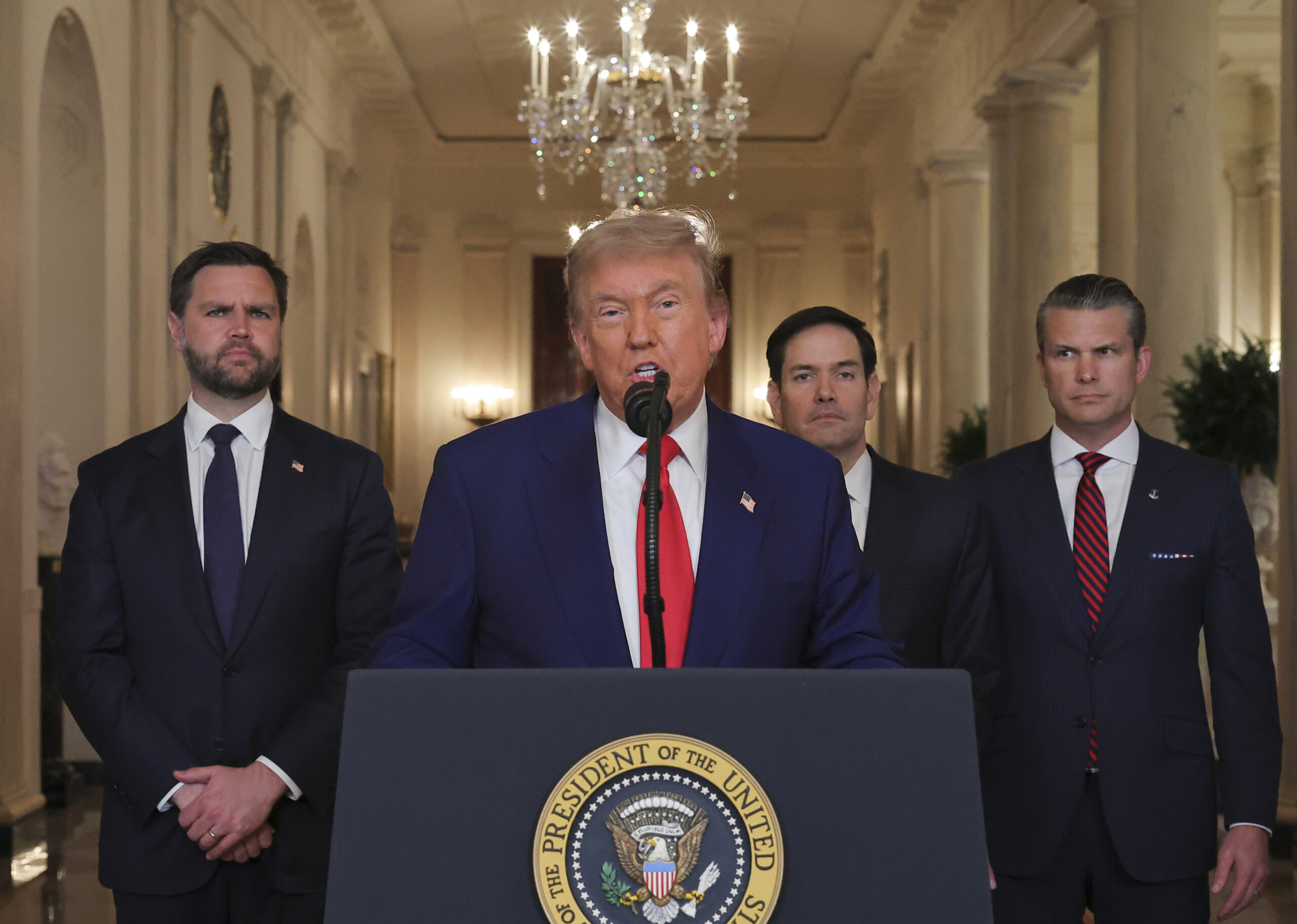
In the early hours of February 28, Iran once again came under fire from Israel and the United States. Minutes into the strikes, in a prerecorded message, President Donald J. Trump announced the start of “major combat operations” to “defend the American people by eliminating imminent threats from the Iranian regime.” Instead of detailing immediate dangers, however, he cited long-standing grievances dating back to the 1979 seizure of the U.S. Embassy in Tehran and an unsubstantiated claim that Iran was developing intercontinental ballistic missiles capable of reaching the United States. Israeli Prime Minister Benjamin Netanyahu similarly justified the assault as necessary to counter what he described as an “existential threat” from Iran.
In reality, it is the regime in Tehran that now confronts an immediate existential danger from the U.S.-Israeli axis – particularly Israel, which, by drawing the United States into direct confrontation, appears to be pursuing not only military degradation of Iran but also the longer-term objective of regime collapse and potential fragmentation of the Iranian state through civil war. Such an outcome would presumably be perceived by Israeli policymakers as eliminating any future Iranian challenge to Israeli regional dominance.
Absent a U.S. ground invasion, however, the Iranian regime retains a plausible path to survival. Supreme Leader Ayatollah Ali Khamenei and President Masoud Pezeshkian reportedly survived Israeli strikes on Pasteur Avenue, home to some of Iran’s most sensitive political institutions. Israel also targeted the regime’s coercive apparatus, including bases of the Islamic Revolutionary Guard Corps, though Foreign Minister Abbas Aragchi confirmed only two senior commanders were killed.
Even had Khamenei, aging and already insulated from direct decision making due to assassination risks, been killed, the regime would likely endure. Iran’s political system is structured to absorb losses among senior leaders through a form of collective governance in which the president, parliamentary speaker, judiciary chief, and senior representatives of both the IRGC and the regular military administer the state, preserving continuity and preventing a power vacuum. Ultimate survival of the regime may depend on how deep into the ranks of regime leadership Israeli and U.S. attacks penetrate, which may be a function not only of accurate targeting but sustained efforts.
The IRGC too has demonstrated resilience after leadership losses, notably during the June 2025 conflict. Together with the Basij militia, police forces, and army, it forms a dense security network capable of both external retaliation and internal control. To signal that it retains offensive capacity, Iran has launched drones and ballistic missiles against Israel and targeted U.S. military installations across most Gulf Cooperation Council states, sparing only Oman. These strikes are intended to demonstrate that escalation will carry regional costs. While it may be a bit surprising that initial accounts report only limited impact in these states, it is not known if Iran has retained the capacity to inflict further costs with additional attacks.
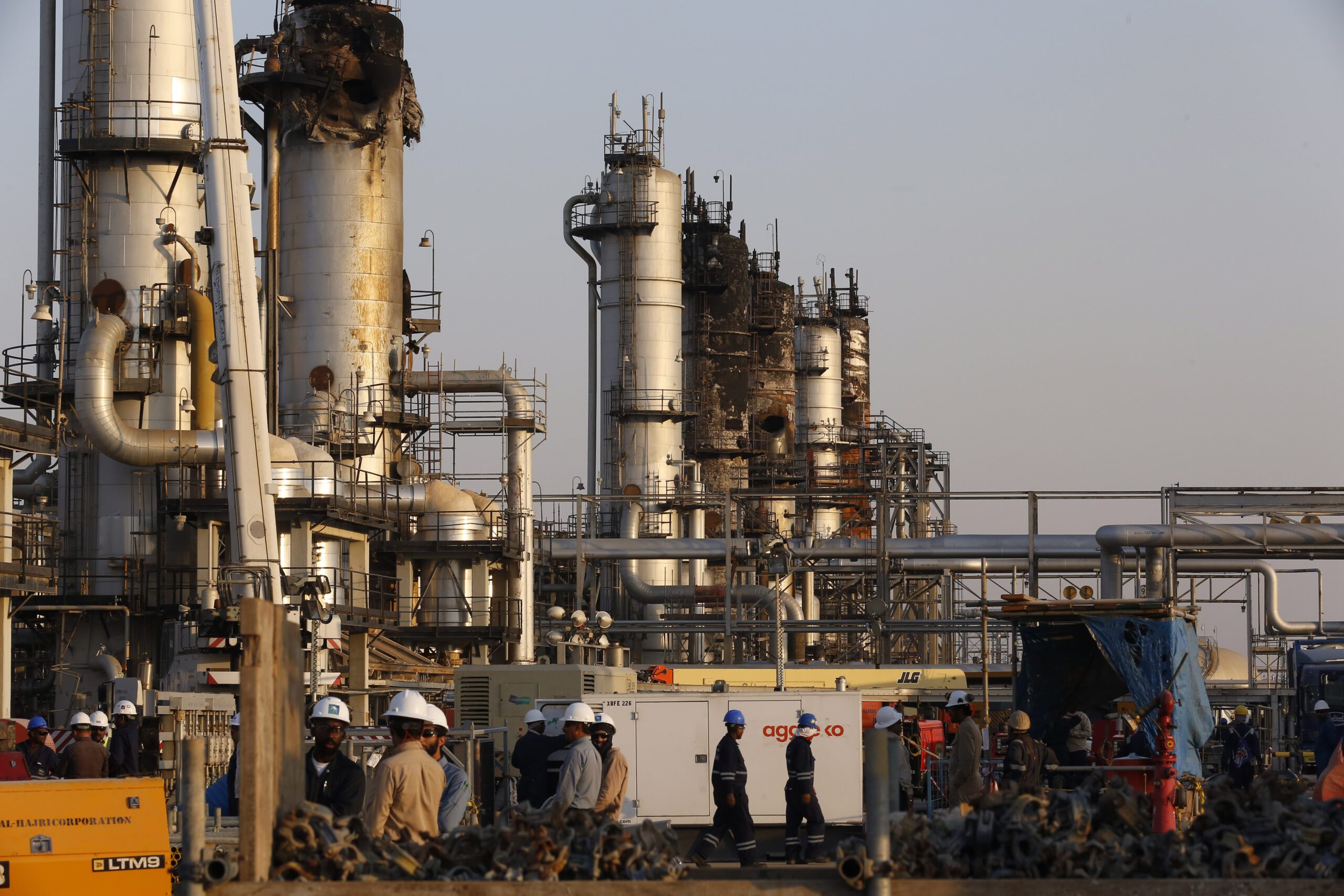
Tehran may also threaten shipping lanes and energy infrastructure to underscore its readiness for a worst-case scenario. Even limited disruption of maritime traffic or oil exports could send shockwaves through global markets and pressure governments dependent on Gulf stability. The implicit message is stark: If the regime falls, the region’s energy infrastructure – and the global economy – will suffer as well, regardless of the damage to Iran itself.
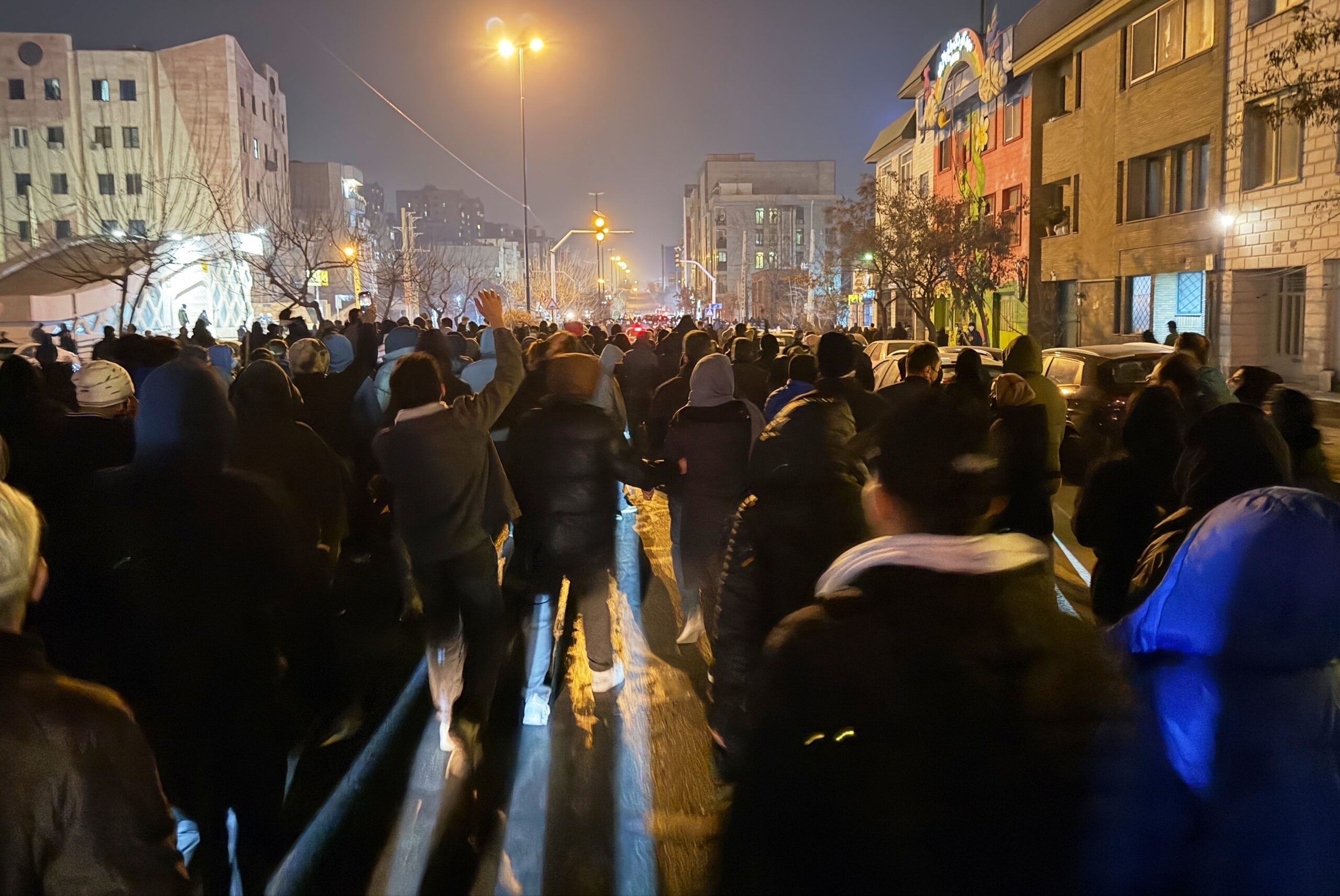
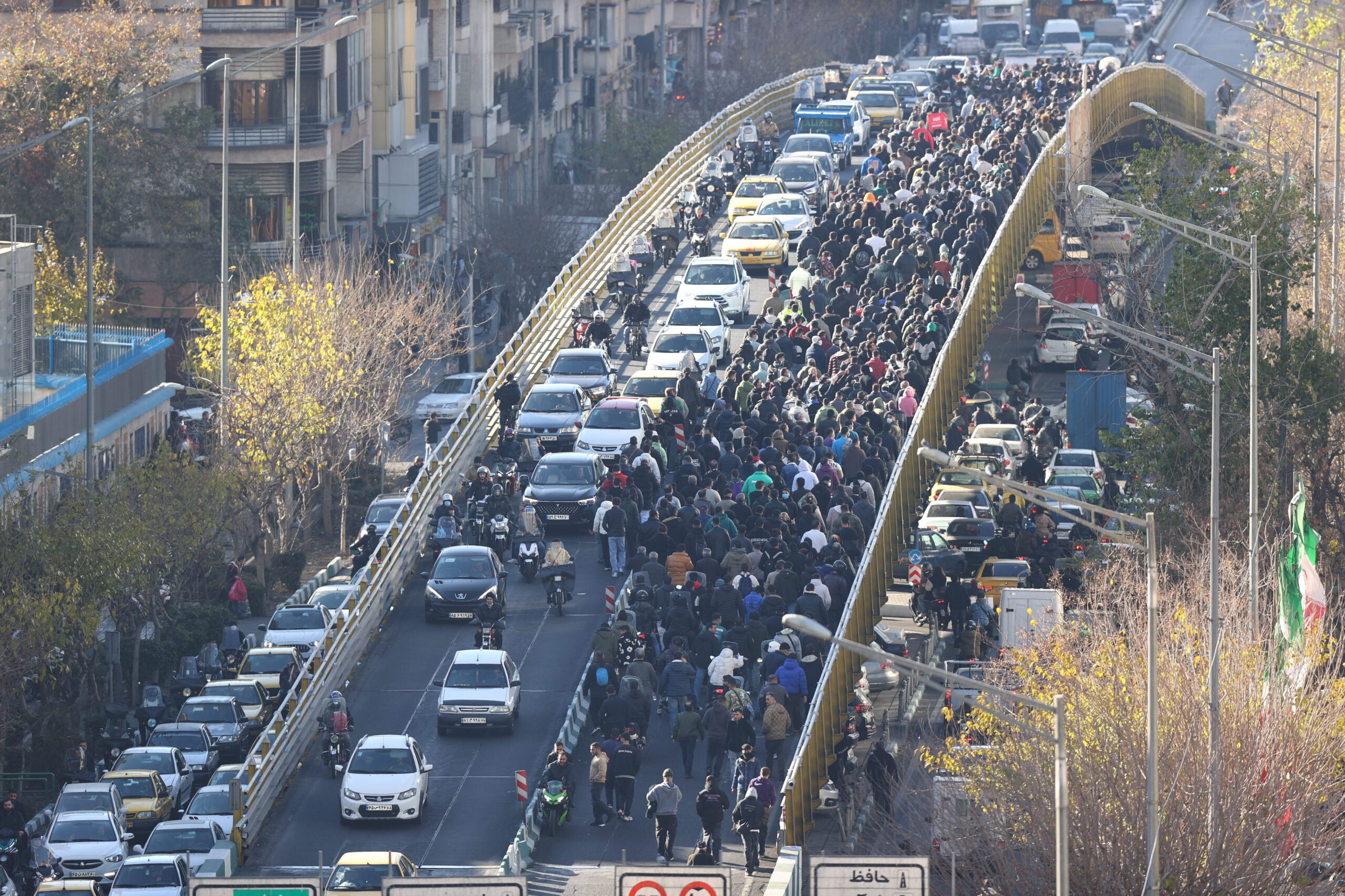
It remains unclear how the Iranian public will respond to calls from Washington for regime change. While many citizens resent the political system, memories of instability in Iraq, Syria, and Libya temper enthusiasm for sudden upheaval. Fear of civil war, fragmentation, or foreign occupation may lead even disaffected groups to prioritize stability while the country is under attack. Not taking any chances, within hours of the strikes, Iranian authorities restricted internet access to control information flows and hinder coordination among potential protesters, and security services are likely to suppress unrest as forcefully as they have during protests since late 2025.
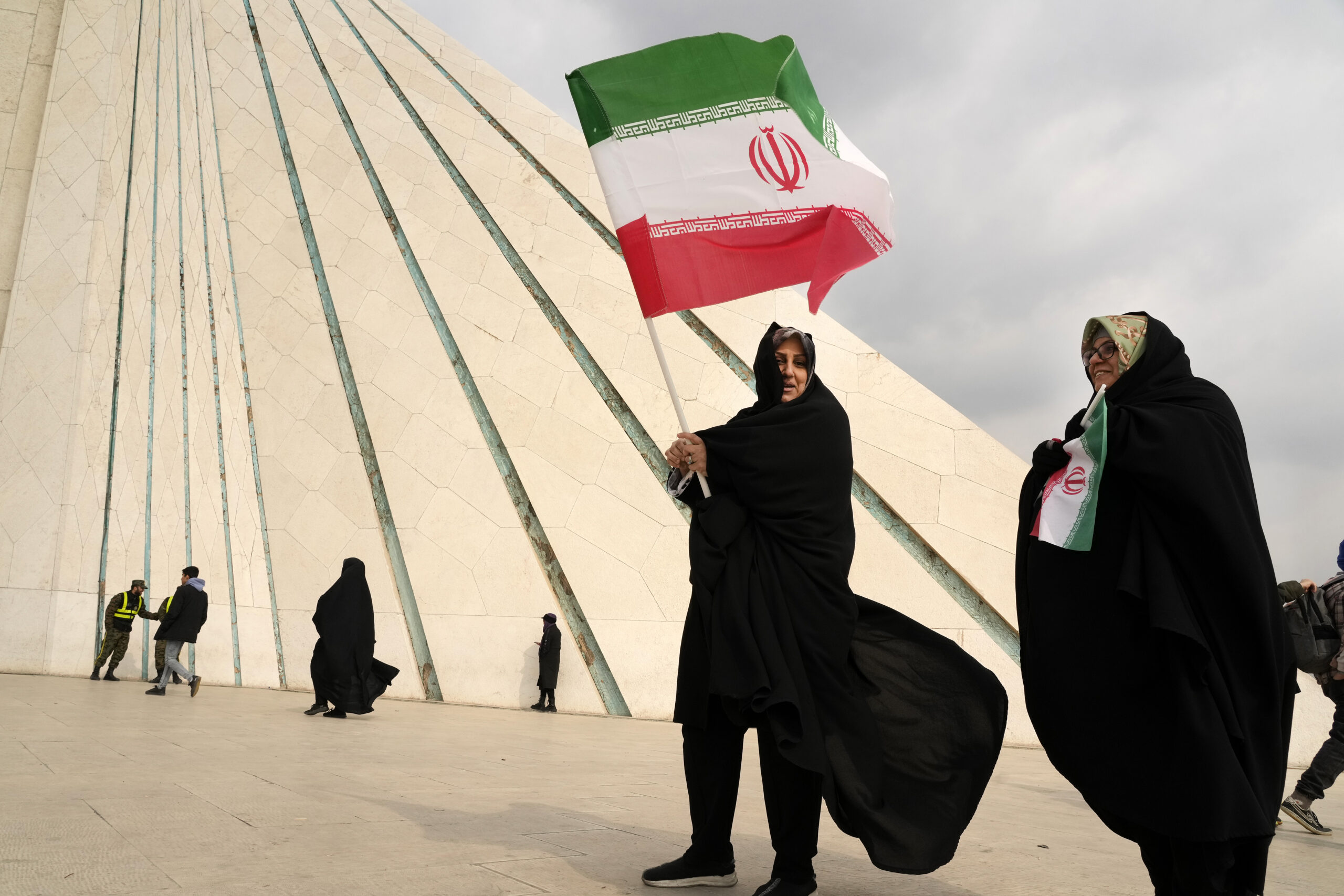
The government will also seek to mobilize nationalist sentiment, including through repeated broadcasts of civilian casualties, such as reports that more than 50 schoolchildren were tragically killed when a girls’ school was struck. External attacks often produce a rally-around-the-flag effect, even among citizens critical of their rulers. Officials will frame the confrontation as a defense of sovereignty against foreign aggression, hoping to marginalize dissent.
The danger of miscalculation is acute, and the course of the war remains uncertain, but its implications are profound. What began as precision strikes could expand into a wider regional conflict with global economic consequences. Iran is signaling that it will not absorb attacks passively and that any attempt to force capitulation will be met with measures designed to impose costs across the region and beyond. Whether this strategy ensures the regime’s survival, seals its fate, or accelerates a broader catastrophe will shape the Middle East for years to come.
The views represented herein are the author's or speaker's own and do not necessarily reflect the views of AGSI, its staff, or its board of directors.
Gulf Arab countries urged the United States not to strike Iran, but now that is happening, they are in danger of being sucked into a conflict they cannot control but that will likely reshape their present and future realities.
AGSI explains what Israel’s sudden and massive attack on Iran is likely to mean for Gulf Arab states, Iran, the United States, and global and regional economies.
The erosion of the regime’s legitimacy across broad segments of society, combined with the breadth of the 2025-26 protest coalition, raises the possibility that a new confrontation could trigger renewed anti-regime mobilization.
Though the Iranian regime is facing increasing pressure from protesters and armed insurgent groups, it is not yet doomed – but without a deal with the United States, the regime is likely headed for a slow collapse.
Saudi Arabia seeks a U.S. security umbrella strong enough to deter Iran but a diplomatic posture measured enough to avoid provoking Iran unnecessarily.
An Iraqi-born native of Najaf but an unmistakably Iranian nationalist, Ali Larijani is expected to leverage his record of bureaucratic competence and global fluency to coordinate Iran’s security bureaucracy.
On January 8, AGSI hosted a virtual roundtable with its leadership and scholars as they look ahead and assess trends likely to shape the Gulf region and U.S. foreign policy during the coming year.