May 28, 2024
Iranian Parliamentarian: “I Sense Iran Has Built the Nuclear Bomb!”
The May 28 edition of the Iran Media Review highlights a parliamentarian’s vague speculation about the status of Iran’s nuclear program.

In the most comprehensive public debate on the state of Iran’s nuclear intentions, Ahmad Bakhshayesh Ardestani, a member of the parliamentary National Security and Foreign Policy Committee, claimed he senses Iran has already built a nuclear weapon. Ardestani’s claim comes in the wake of a number of statements by Iranian officials suggesting Tehran may revise its nuclear doctrine.
- May 10: In an interview with centrist Rouydad 24, Ardestani said:
- “It appears we have reached the nuclear weapon, but we are not declaring it. Meaning that, in practice, we have the bomb, but at the declaratory level, we are currently moving along within the framework of the Joint Comprehensive Plan of Action. States confront each other when they have reached parity, and strategic parity between Iran, the United States, and Israel means Iran being nuclear armed … When Iran attacked Israel, it was dealing a blow to the United States because the United States, Britain, and France complement Israel. The United States possesses the nuclear bomb, and Iran usually does not run uncalculated risks. Without a nuclear bomb, the counterpart may use the bomb in the case of eruption of war.”
- Turning to Iran’s relationship with the International Atomic Energy Agency, he said: “There is no need to declare the bomb to the IAEA … In a setting in which Russia attacks Ukraine, Israel attacks Gaza, and Iran is a staunch supporter of the Axis of Resistance, it is only natural, and the logic of deterrence also necessitates Iran to have the nuclear bomb. Now, Iran declaring the weapon or not is another discussion. The IAEA would immediately announce it if it knew that Iran has the nuclear bomb, but it does express its hypotheses with regard to Iran’s advances and, for example, argues Iran needs a certain amount of time to get close to the nuclear bomb, and should Iran have the intent, it would need a couple of months to build it … Based on my observation of Iran’s behavior toward the United States and Israel, I sense Iran has built the nuclear bomb but is not declaring it. As if the IAEA inspectors are shown the locations where Iran is building it! Iran is a 1,648,000 square kilometer large country. Of course we don’t show the IAEA the place where we are building the bomb! No, we tell the IAEA to inspect this or that center, and at times it is the IAEA demanding which facility it wants to inspect … I am making these statements as an expert and an analyst, since I still don’t have an official position, so the IAEA would not demand to inspect facilities based on my statements. As an analyst following the school of offensive realism, I am saying that Iran can only rest at peace at night when it has the nuclear bomb, since Iran’s rival, Israel, has the nuclear bomb.”
- Ardestani continued: “The religious edict of the leader concerning the nuclear bomb being religiously prohibited means that we are not moving in this direction, and there is no place for the nuclear bomb in our defense policies. However, every once in a while, you reach a situation … for example, when your rival in the region has the nuclear bomb and constantly irritates you, when you need to react. Having a nuclear bomb means a good night’s sleep. Iran must have had a security guarantor when it launched 300 missiles at Israel. The United States and Israel know that Iran is close to building a nuclear bomb, but they may not know that Iran has already built the nuclear bomb … Statements such as Mr. Kharazi’s” referencing Kamal Kharazi, Supreme Leader Ayatollah Ali Khamenei’s foreign policy advisor, “regarding the possibility of revising the nuclear doctrine are a prelude to building the bomb. In reality, we want to gradually declare that we have reached this doctrine, but we don’t want to declare it all of a sudden and scare the world.”
- Ardestani concluded with his assessment of how the international community would react to a nuclear-armed Iran: “We don’t want to scare Russia and China. After all, if Russia is our strategic ally, it must use its veto in the United Nations Security Council to defend us, but I suspect Russia is not interested in us having the nuclear bomb … I am not expecting this issue to have significant consequences for us in the international community. After all, after attacking Israel, Iran gained regional and global popularity. Since the war in Gaza, Iran is standing taller. I expect Iran to solve its issues with the United States, and both countries will establish formal relations. Whether or not sanctions against us will increase after declaring the nuclear weapon, I must say that we have seen and experienced every kind of sanction. There will be a mayhem against us, but it will not be more than the mayhem in the wake of our attack against Israel. If Iran has built the nuclear weapon and should the United Nations Security Council issue resolutions against Iran, I hope Russia will use its veto to Iran’s benefit, unlike with Resolutions 1814 and 1828 and despite its previous policies. We have a 20-year agreement with Russia and a 25-year agreement with China. They should defend us. But I’m expecting that a nuclear armed Iran will gradually gain acceptance. Once you have joined the nuclear club, they must accept you.”
The views represented herein are the author's or speaker's own and do not necessarily reflect the views of AGSI, its staff, or its board of directors.
Related
Iran Media Review
May 24, 2024
Iran’s Supreme National Security Council: Continuity After Raisi
The May 24 edition of the Iran Media Review highlights the Supreme National Security Council’s public messaging supporting the acting president following the death of President Ebrahim Raisi.
Iran Media Review
May 21, 2024
Post-Raisi Politics: Elections and Negotiations With the United States
The May 21 edition of the Iran Media Review explores commentary on the ongoing indirect negotiations between Iran and the United States aimed at preventing the escalation of tensions.
May 24, 2024
Iran’s Supreme National Security Council: Continuity After Raisi
The May 24 edition of the Iran Media Review highlights the Supreme National Security Council’s public messaging supporting the acting president following the death of President Ebrahim Raisi.
May 21, 2024
Post-Raisi Politics: Elections and Negotiations With the United States
The May 21 edition of the Iran Media Review explores commentary on the ongoing indirect negotiations between Iran and the United States aimed at preventing the escalation of tensions.
Analysis
The Islamic Republic Returns to Offense
After U.S.-Israeli strikes killed Supreme Leader Ayatollah Ali Khamenei on February 28, Iran’s collective leadership has concluded that the best defense is a good offense.
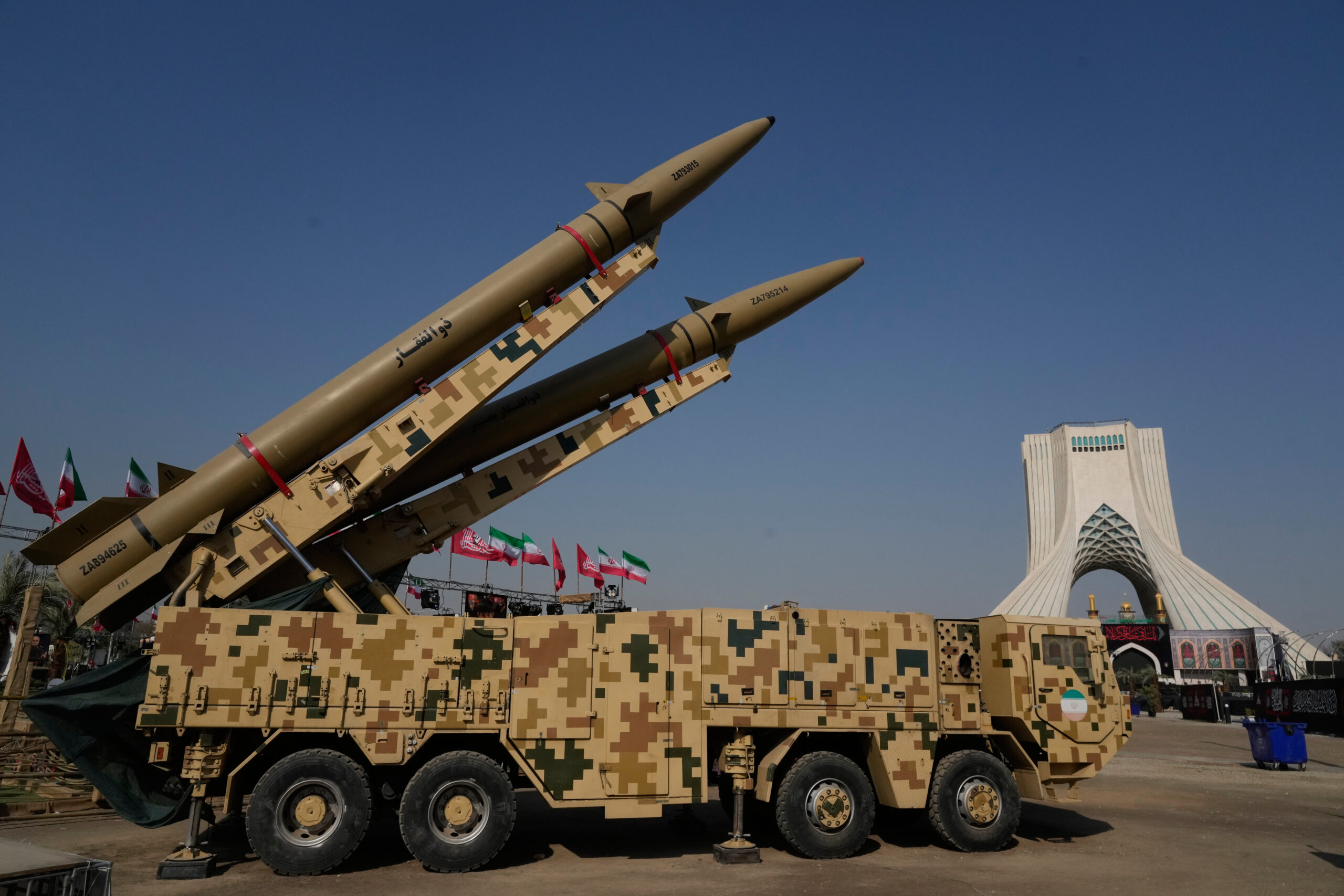
Iran’s Collective Strategic Decision Making
Wartime pressure has temporarily aligned the leadership’s overriding interest in regime survival, even as its members continue to differ over the costs, methods, and ultimate objectives of the war.
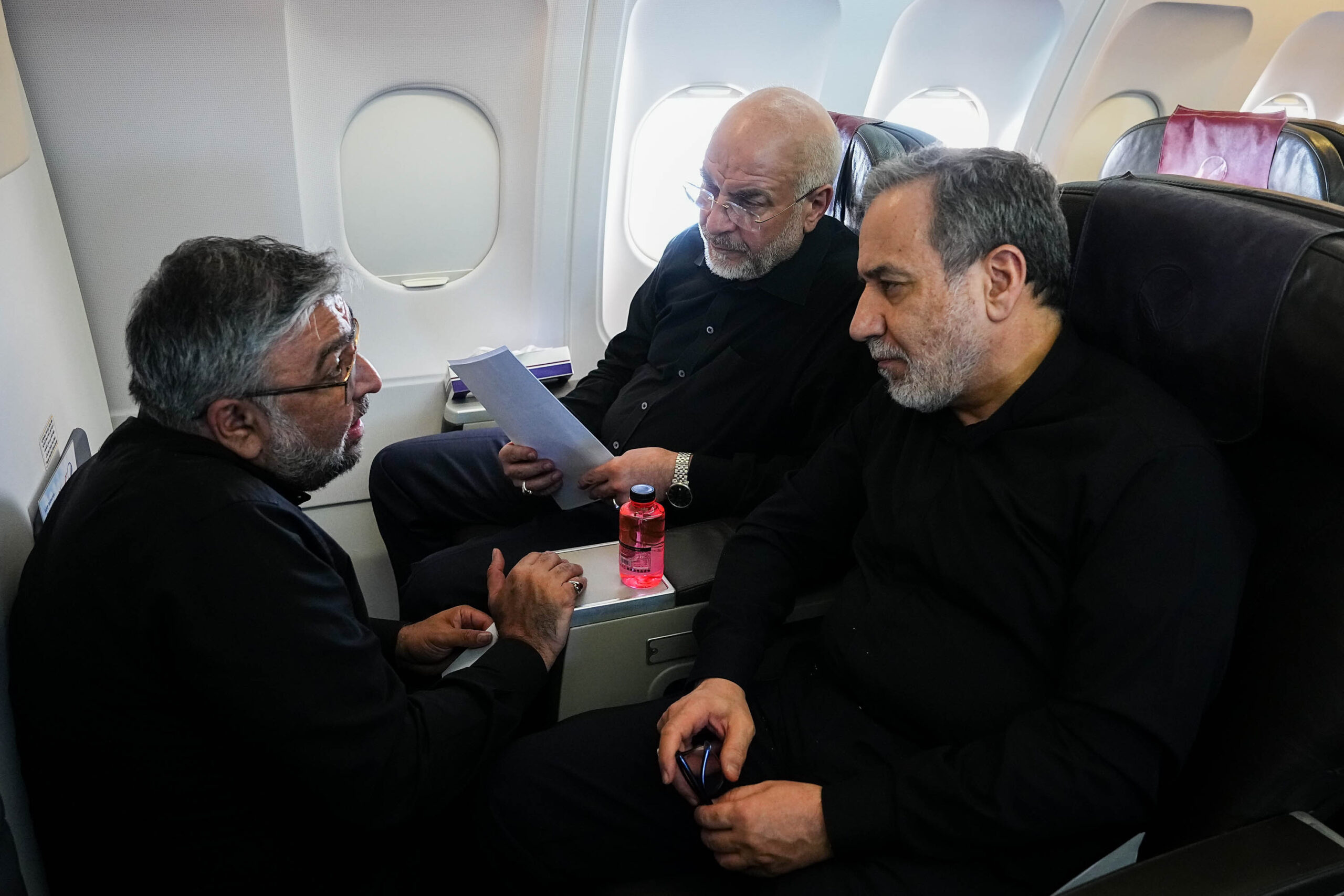
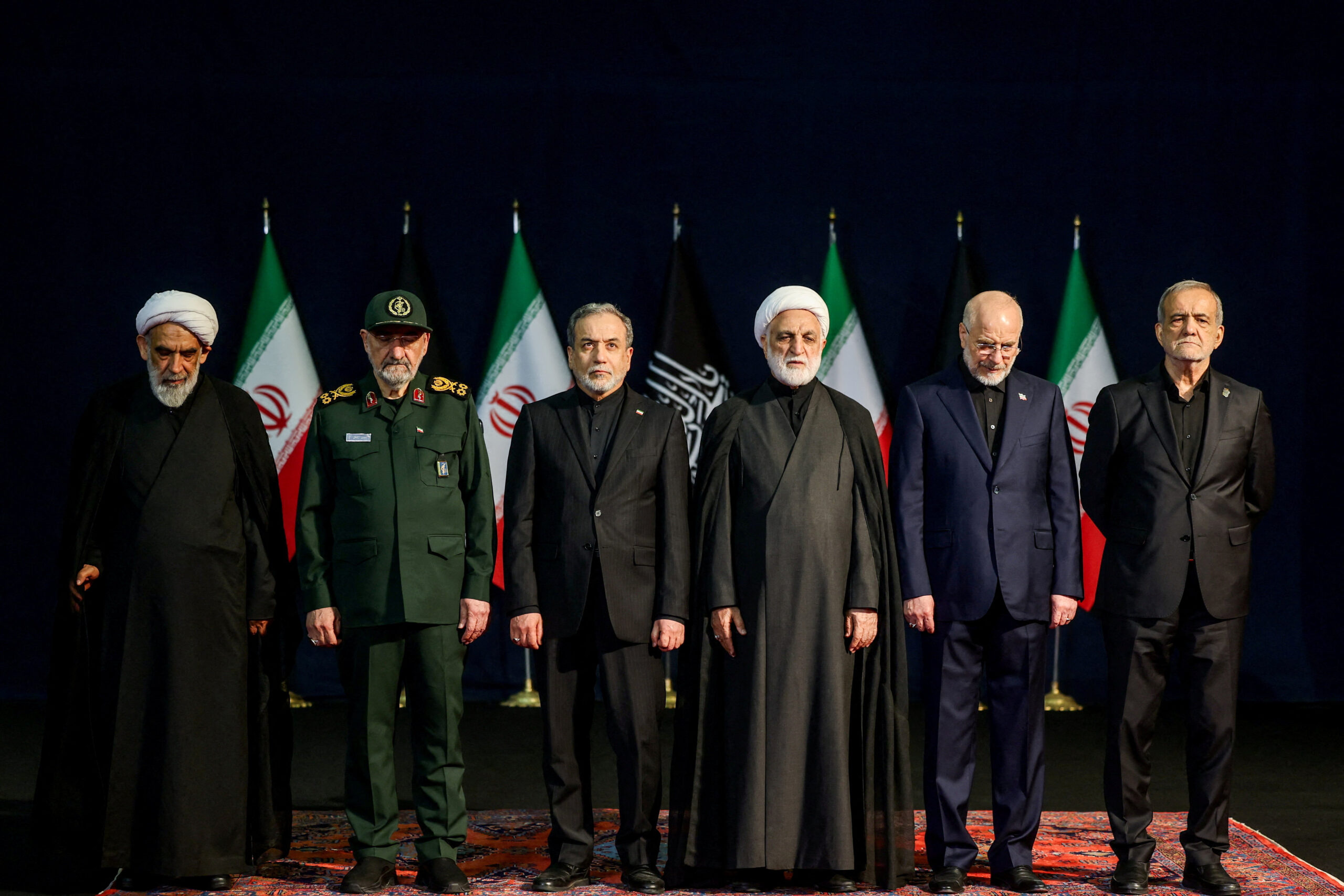
The Islamic Republic’s Collective Leadership
While there is historical precedent for collective leadership in Iran, today’s leadership includes representatives of the IRGC and regular military – a reflection of the IRGC’s expanding role and the necessities of governing under wartime conditions.
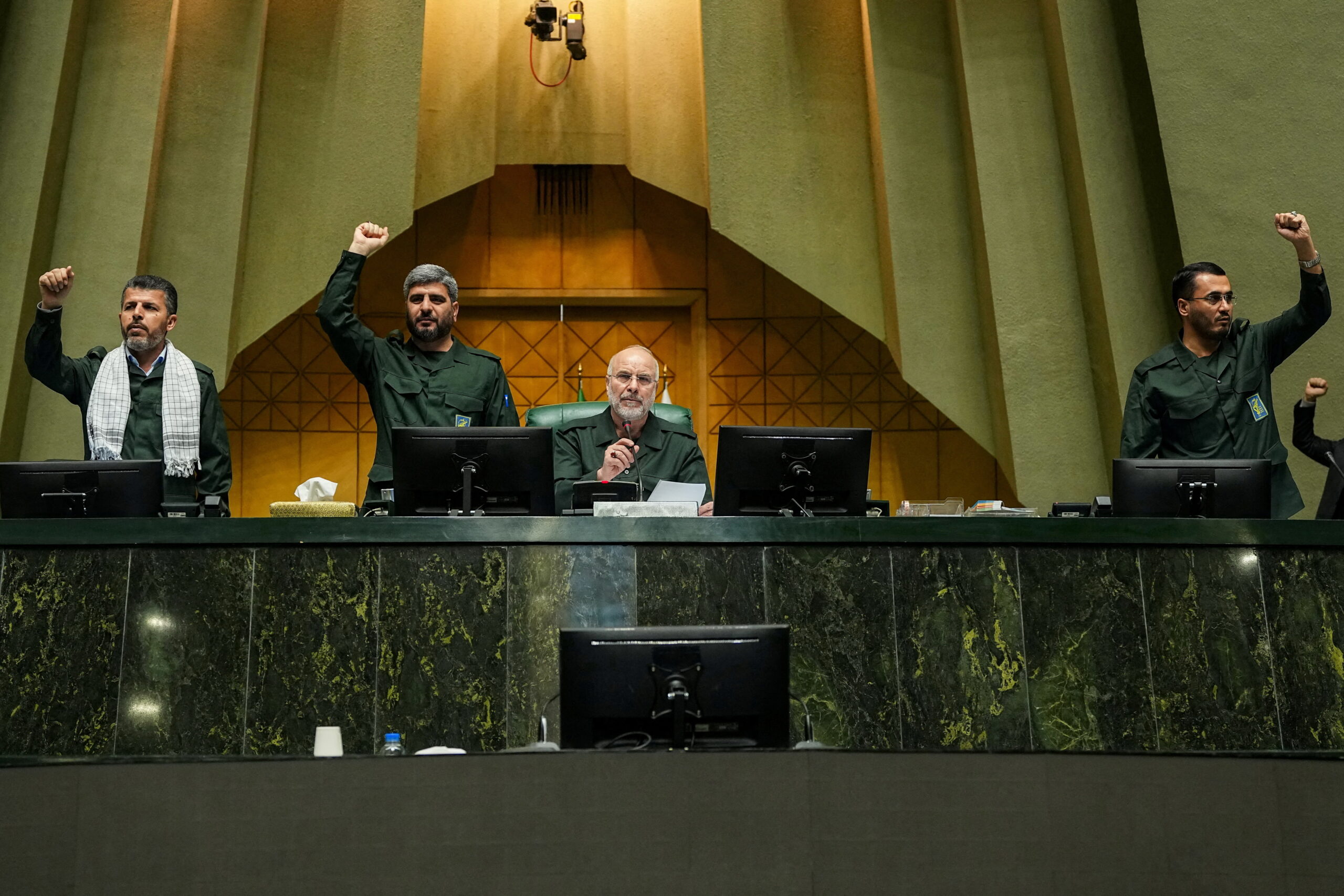
How Did the IRGC Seize Power in Iran?
The IRGC did not seize power in a single stroke. It accumulated it – patiently, methodically – until no counterweight remained.
Events
Book Talk: Iran and the Bomb: The United States, Iran and the Nuclear Question
On June 16, AGSI hosted a discussion on the evolution of Iran's nuclear program.

Speakers


Apr 21, 2026
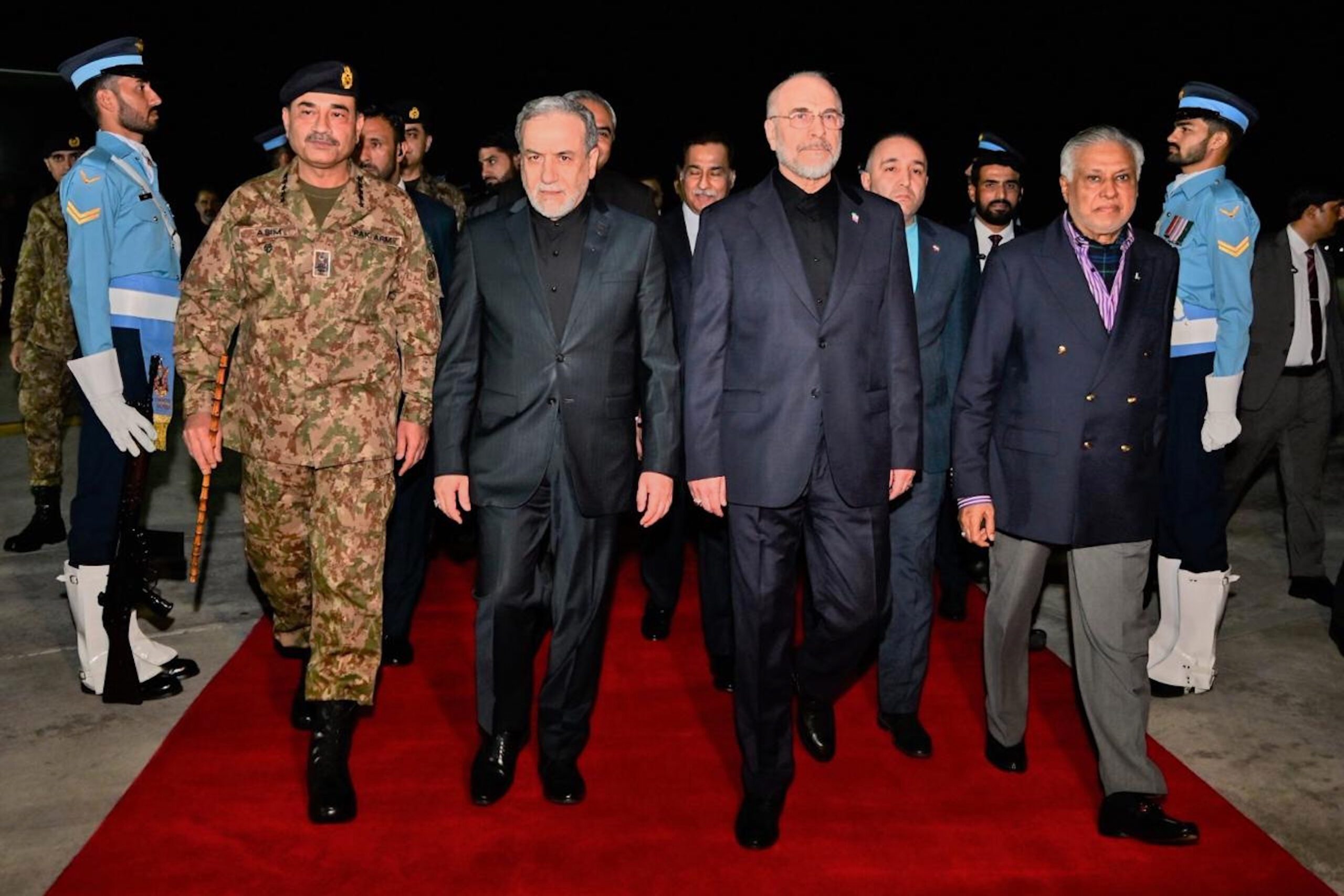
Inside Iran’s Wartime Leadership: Power, Succession, and Regime Stability
On April 21, AGSI hosted a discussion on the evolution of Iran's leadership during the war.
Speakers

Mar 18, 2026
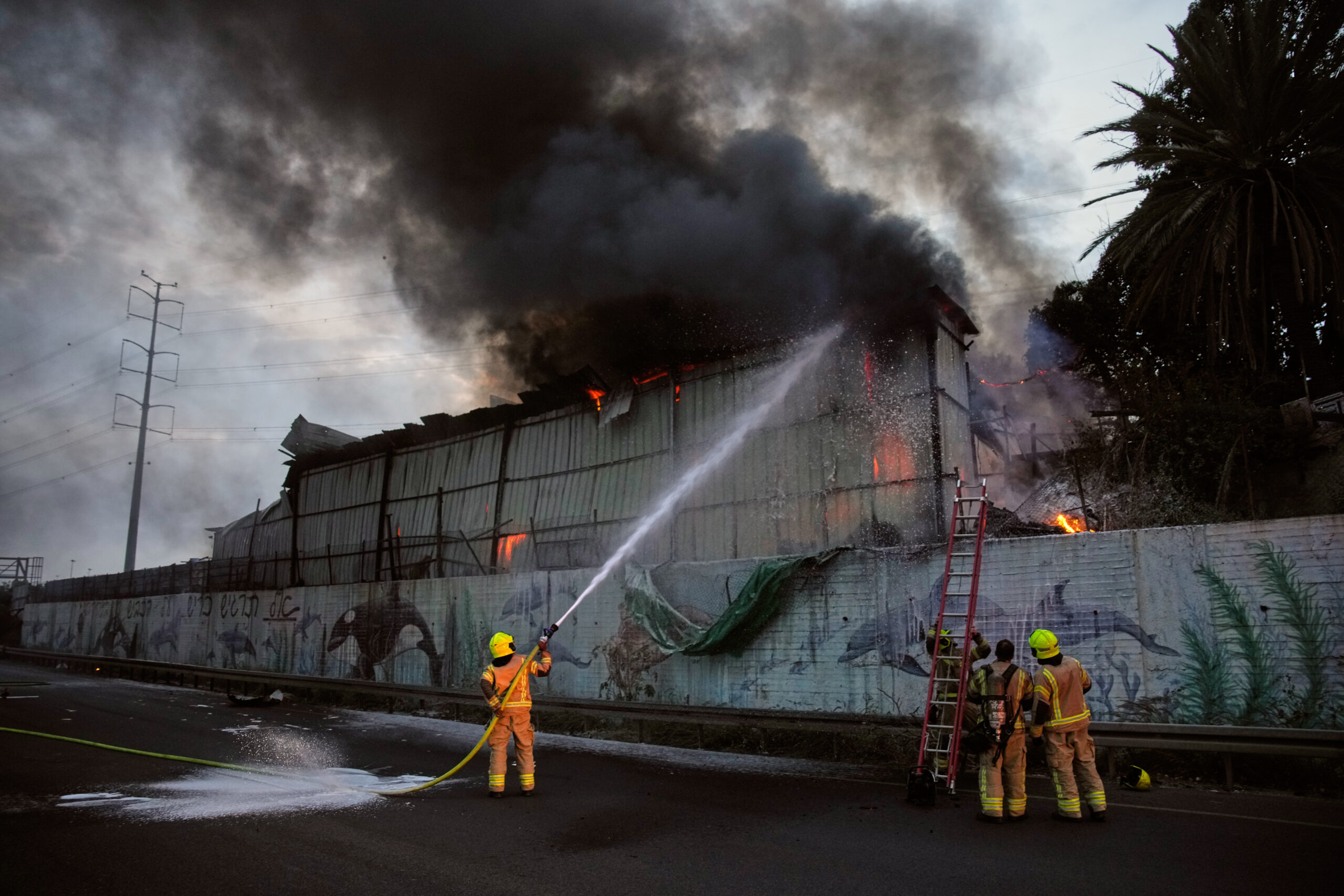
In Its Conflict With the United States and Israel, Does Escalation Favor Iran?
On March 18, AGSI hosted a discussion on the escalation of the Iran war.
Speakers



Mar 2, 2026
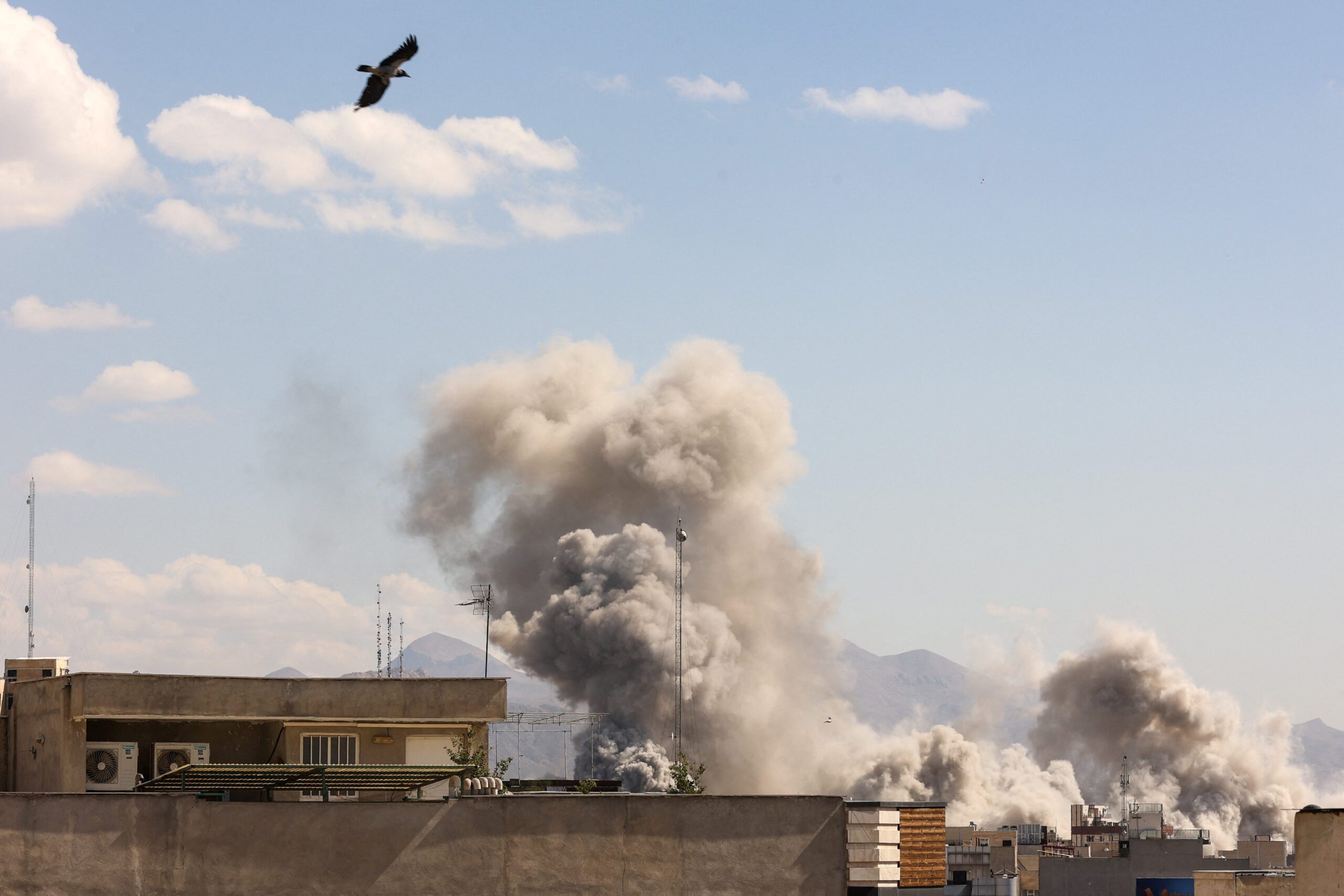
After the Shock: Implications of the U.S.–Israeli Strikes and Iran’s Leadership Transition
On March 2, AGSI hosted a discussion on the U.S.-Israeli strikes on Iran.
Speakers