May 21, 2024
Post-Raisi Politics: Elections and Negotiations With the United States
The May 21 edition of the Iran Media Review explores commentary on the ongoing indirect negotiations between Iran and the United States aimed at preventing the escalation of tensions.

While Iran is preparing for presidential elections, in the wake of the killing of President Ebrahim Raisi in a helicopter crash on May 19, the regime continues indirect negotiations with the United States in Oman. These negotiations are more likely to be affected by the outcome of the presidential election in the United States in November than by whoever replaces Raisi.
- May 20: Reformist Shargh Daily published an interview with Heshmatollah Falahatpisheh, former parliamentary National Security and Foreign Relations Committee chairman, who commented on the latest round of indirect negotiations between Iran and the United States in Oman:
- “Since Iran and the United States did not manage to reach detente within the framework of the Joint Comprehensive Plan of Action, both countries pursue a policy of preventing the escalation of tensions. Both parties are present in a region entangled in multiple crises … This state of emergency has facilitated the negotiations. Naturally, the negotiations basically serve the purpose of preventing tensions. Separately, both parties give concessions to each other. For example, Iran has to a large extent dialed down actions against U.S. military bases in the region through its proxies and helped reduce the number of operations. The counterpart has given a green light to Iran concerning Iran’s oil exports and to the release of a portion of Iran’s funds, in particular in Iraq. Both parties need this kind of negotiations. First of all, these negotiations are in U.S. interest because Biden is trying to emphasize his strengths in the face of Trump. His economic policies have reached good results, but Trump is trying to exaggerate Biden’s foreign policy weaknesses … This is why Biden is trying to reduce tensions with Iran … and this is why the negotiations are not secret.”
- Turning to the war in Gaza, Falahatpisheh said: “Iran and the United States are among the few regional players interested in reducing tensions and preventing the spread of the war in Palestine. Other players benefit from continuation of tensions. This is why the two countries, which are the heads of two factions, see common benefit in reducing tensions. For certain, a part of the negotiations … serve the purpose of reducing tensions in the region. Naturally, this will not lead to a lasting solution, since many of the actors in the Palestine issue are pursuing their self-interest without any regard for the people of Palestine.”
- May 20: In accordance with Article 131 of the Constitution of the Islamic Republic, the supreme leader issued a decree appointing Vice President Mohammad Mokhber acting president and head of the executive branch of government, Nour News, a Supreme National Security Council mouthpiece, reported. Within 50 days, a council composed of the heads of the executive, legislative, and judicial branches of government must arrange for a new president to be elected.
- May 20: Islamic Revolutionary Guard Corps mouthpiece Mashregh News, covering the decisions made at the joint session of the heads of three branches of government, reported: “Presidential elections will be held on June 28 … Registration of candidates will be from May 30 to June 3 … Campaigning is scheduled for June 12 to June 27.”
The views represented herein are the author's or speaker's own and do not necessarily reflect the views of AGSI, its staff, or its board of directors.
Related
Iran Media Review
May 17, 2024
Return of the Hijab Issue to the Political Agenda in Iran
The May 17 edition of the Iran Media Review examines reactions to a new, violent phase of enforcement of Iran’s hijab law.
May 17, 2024
Return of the Hijab Issue to the Political Agenda in Iran
The May 17 edition of the Iran Media Review examines reactions to a new, violent phase of enforcement of Iran’s hijab law.
Analysis
The Islamic Republic Returns to Offense
After U.S.-Israeli strikes killed Supreme Leader Ayatollah Ali Khamenei on February 28, Iran’s collective leadership has concluded that the best defense is a good offense.
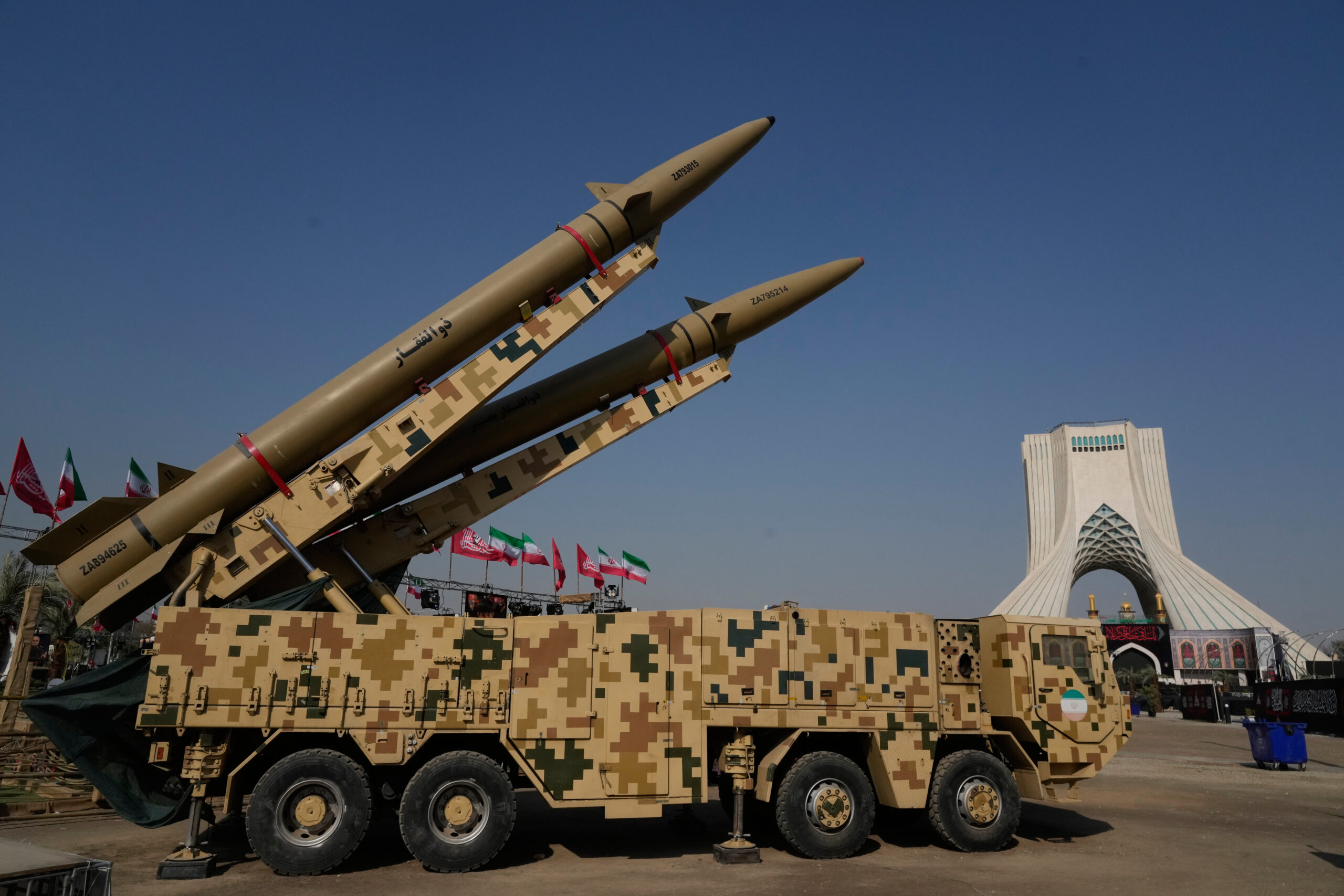
Iran’s Collective Strategic Decision Making
Wartime pressure has temporarily aligned the leadership’s overriding interest in regime survival, even as its members continue to differ over the costs, methods, and ultimate objectives of the war.
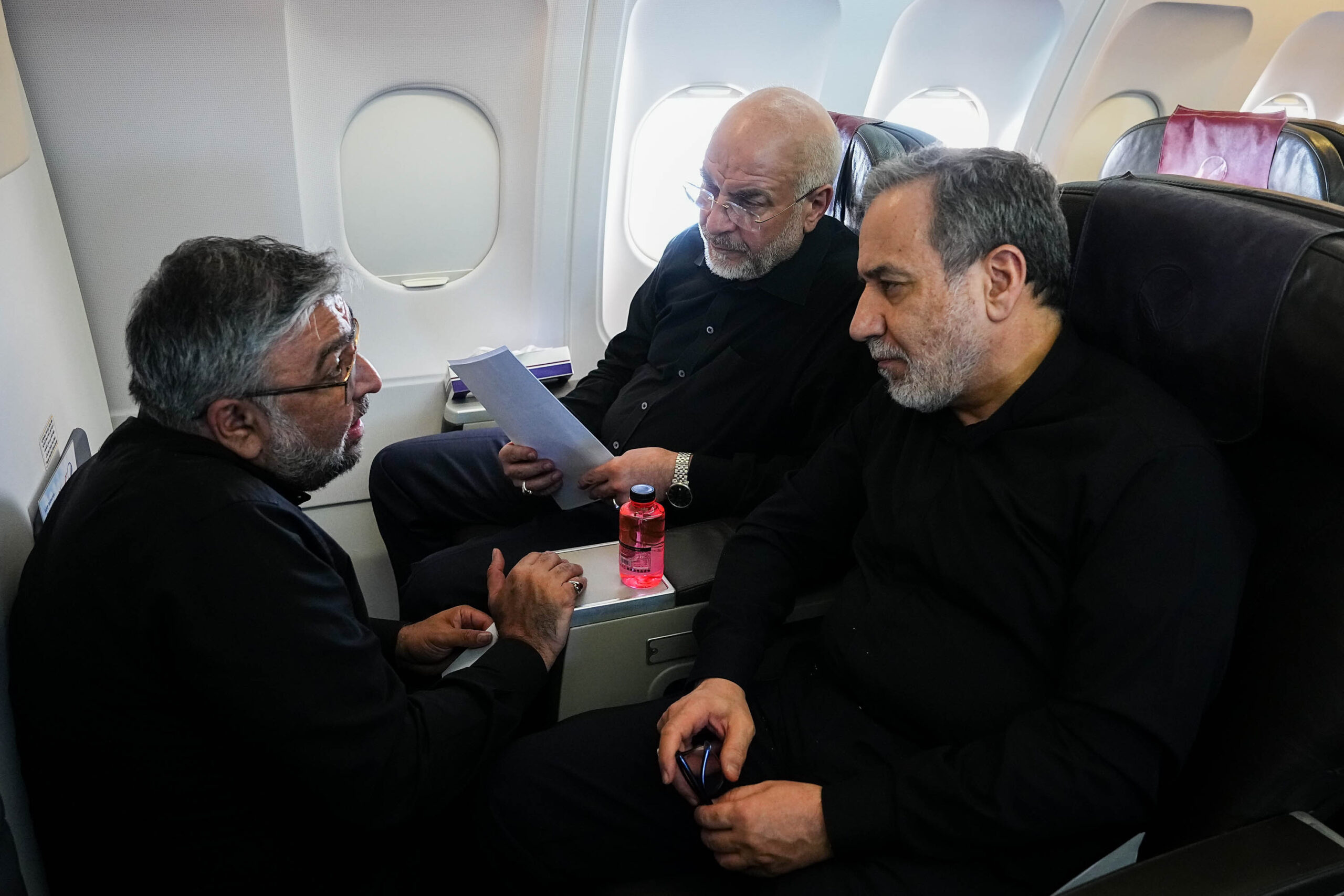
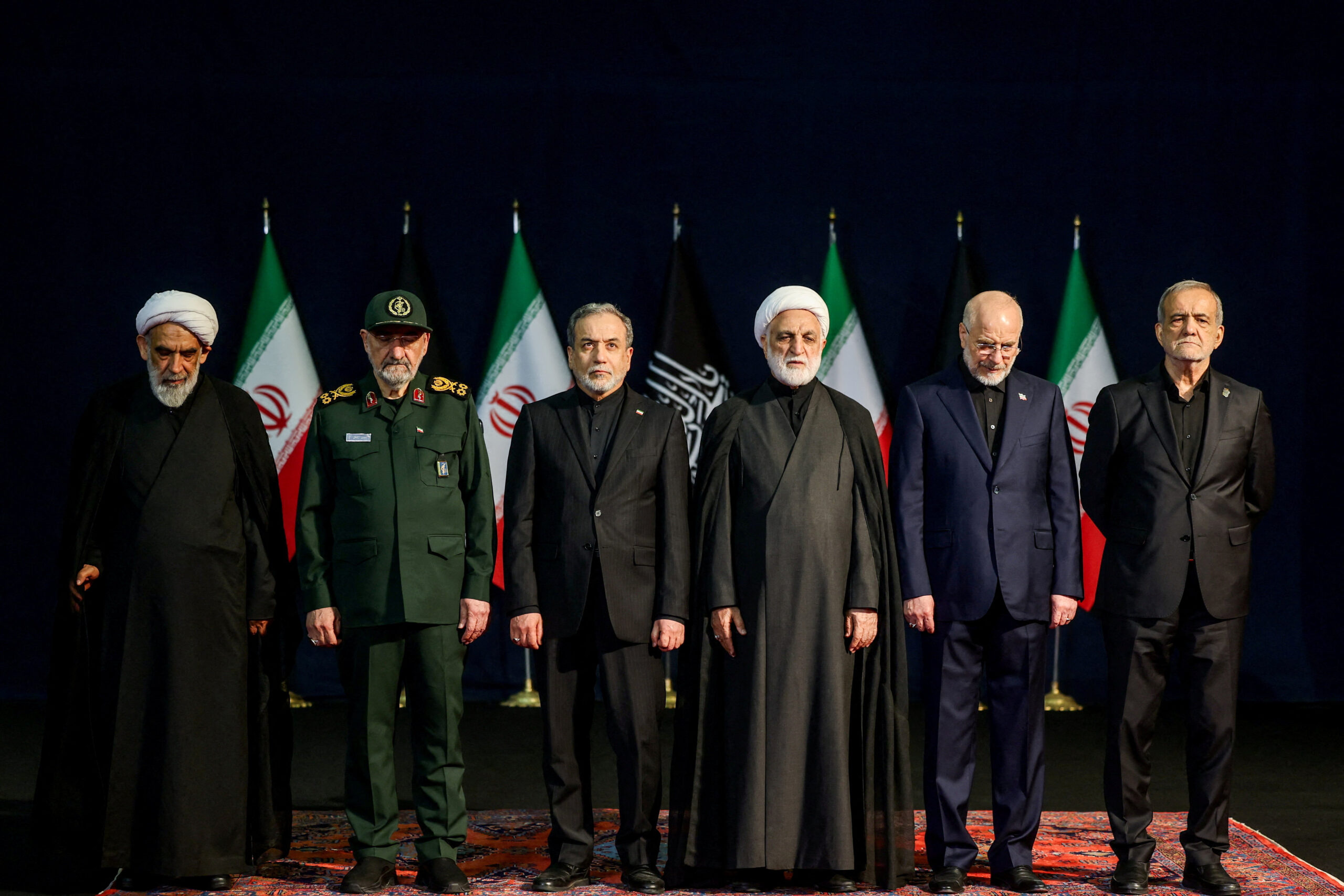
The Islamic Republic’s Collective Leadership
While there is historical precedent for collective leadership in Iran, today’s leadership includes representatives of the IRGC and regular military – a reflection of the IRGC’s expanding role and the necessities of governing under wartime conditions.
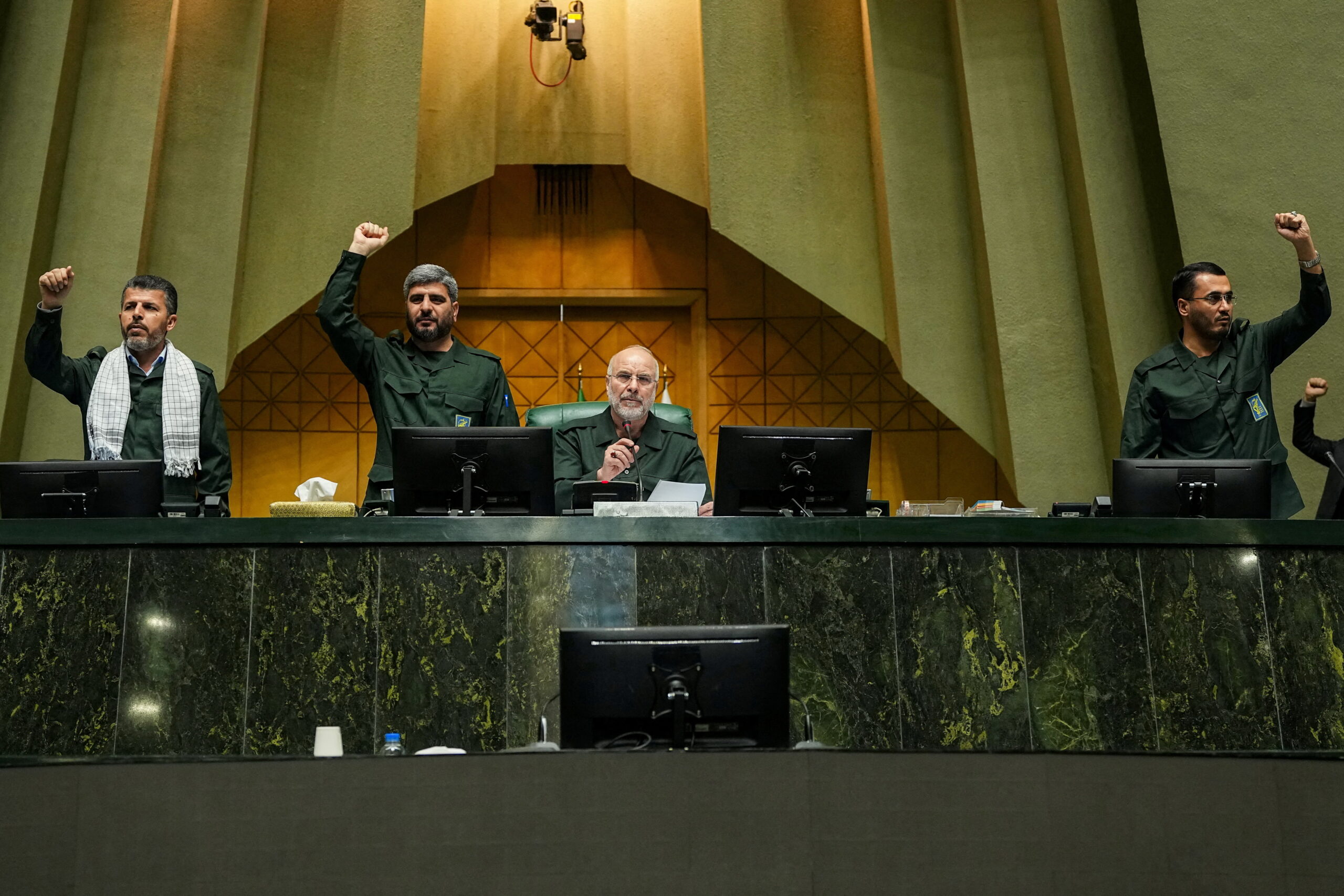
How Did the IRGC Seize Power in Iran?
The IRGC did not seize power in a single stroke. It accumulated it – patiently, methodically – until no counterweight remained.
Events
Book Talk: Iran and the Bomb: The United States, Iran and the Nuclear Question
On June 16, AGSI hosted a discussion on the evolution of Iran's nuclear program.
Speakers

Apr 21, 2026
Inside Iran’s Wartime Leadership: Power, Succession, and Regime Stability
On April 21, AGSI hosted a discussion on the evolution of Iran's leadership during the war.
Speakers

Mar 18, 2026
In Its Conflict With the United States and Israel, Does Escalation Favor Iran?
On March 18, AGSI hosted a discussion on the escalation of the Iran war.
Speakers


Mar 2, 2026
After the Shock: Implications of the U.S.–Israeli Strikes and Iran’s Leadership Transition
On March 2, AGSI hosted a discussion on the U.S.-Israeli strikes on Iran.
Speakers