Jun 2, 2023
Iranian Media Reflects on Change of Supreme National Security Council Secretary
The June 2 edition of the Iran Media Review examines commentary on the possible motivations behind Rear Admiral Ali Akbar Ahmadian’s appointment as Supreme National Security Council secretary.

When Iranian President Ebrahim Raisi appointed Rear Admiral Ali Akbar Ahmadian Supreme National Security Council secretary May 22, Iran’s state-censored media largely just republished the biography for Ahmadian released by Nour News, the official mouthpiece of the SNSC. Iranian media outlets are now publishing commentary on why Admiral Ali Shamkhani was replaced and speculating about how the SNSC is likely to continue under Ahmadian. Shamkhani’s views on the Joint Comprehensive Plan of Action nuclear deal have been subject to particular attention: Did Shamkhani favor the nuclear deal and try to revive it, leading the regime to replace him with the more critical Ahmadian to sabotage its revival? Or was Shamkhani himself critical of the nuclear deal? Esmaeel Kowsari, a veteran of the Islamic Revolutionary Guard Corps and a parliamentarian, appears to have the most accurate answer: Shamkhani was in favor of the nuclear deal but turned against it once the administration of President Donald J. Trump withdrew from it and reimposed sanctions on Iran. In this respect, Ahmadian is no different than his predecessor.
- May 22: Mansur Haqiqatpur, a political activist, reflected on Shamkhani’s exit from the SNSC in an interview with Entekhab News: “The appointment may be political, but it may also be perfectly natural. After all, he served as SNSC secretary for more than 10 years … and finding a replacement after 10 years may not be such a bad thing … However, it may also have a political dimension. Mr. Raisi is looking for someone whose thinking is similar to his … I doubt the Saudi issue,” a reference to the rapprochement between Tehran and Riyadh, “had any relevance to the replacement. For almost two years, Mr. Raisi has been looking for a replacement for Mr. Shamkhani. The president tolerated him, perhaps because he could not find a suitable replacement to do it earlier.”
- May 23: Tabnak News released a background story on the functions of the SNSC.
- May 23: Reformist Etemad Daily’s Mohammad Hasan Najmi claimed Shamkhani was poised to “revive” the JCPOA and that opponents of the deal “got rid of him.”
- May 23: Kayhan Daily, possibly in response to Najmi’s claims, which were circulating around the time of Shamkhani’s dismissal, wrote: “With regard to the JCPOA, although Shamkhani was initially and generally optimistic, he later became a serious critic of the agreement, with its harmful results … President Hassan Rouhani and some of the people around him, on the other hand, ignored the lessons learned and the harmful impact of the JCPOA and pursued an agreement with the United States at any cost. Had it not been for the cooperation between the Parliament and the secretariat of the SNSC, the country would have paid a higher economic, political, and security price.”
- May 23: Hossein Naqavi Hosseini, a political analyst and former parliamentarian, in an interview with Mosalas Online, gave Shamkhani “mediocre” marks for his tenure as SNSC secretary: “President Hassan Rouhani took the portfolio of nuclear negotiations away from the SNSC and handed it over to the Foreign Ministry. After this, the SNSC in practice did not play any role in the negotiations … The United States agreed to it, but as we saw later, the agreement did not benefit us after the U.S. withdrawal, so none of this is related to Mr. Shamkhani’s performance … However, domestic security issues must be seen as a part of Mr. Shamkhani’s track record … During his tenure, Mr. Shamkhani demonstrated that he was closer to the late” President Ali Akbar Hashemi Rafsanjani “and Mr. Rouhani.”
- May 23: In an interview with Nameh News, Mehrdad Lahouti, a political activist and commentator, compared Shamkhani’s performance with his predecessors’.
- May 24: Heshmatollah Falahatpisheh, a reformist political activist, said in an interview with Shargh Daily that Shamkhani’s exit will most likely be followed by “further purges in the SNSC and the Foreign Ministry.”
- May 25: Kourosh Ahmadi, a retired diplomat, in an interview with Entekhab, dismissed the idea that Shamkhani’s exit will impact nuclear negotiations.
- May 25: Nameh News published exchanges between a reporter and Kowsari. The reporter asked: “Besides the fact that Mr. Ahmadian was an opponent of the JCPOA, how do you think his appointment is likely to impact the performance of the council?” Kowsari asked: “So, you mean since he was opposed to the JCPOA, he should not have gotten the appointment?” The reporter replied: “By ‘besides,’ I mean how is this change likely to impact our engagement” with the United States? Kowsari then asked: “What did we get out of the JCPOA, since you are so supportive of it?” The reporter responded: “What I mean is, how can someone who was opposed to the JCPOA engage internationally?” Kowsari replied: “No … First, a few things must be clarified. Was it us who did not live up to our obligations, since we are now treated as debtors? We approved of engagement, signed the agreement, and lived up to our obligations. Back then, I was a member of the parliamentary National Security Committee, and we were supervising everything. We stored 13,000 centrifuges and delivered approximately 10 tons of enriched uranium so that our supplies were reduced to 300 kilograms. We did the same thing with the heavy water,” reactor. “We lived up to our obligations. What did they do? They sanctioned us. So, we who were supervising the process told the Cabinet, ‘Let us wait and see if they live up to their obligations,’ but the Cabinet did not listen to us.”
- May 26: Javan Newspaper, a mouthpiece of the IRGC, released an updated biography of Ahmadian.
The views represented herein are the author's or speaker's own and do not necessarily reflect the views of AGSI, its staff, or its board of directors.
Related
Iran Media Review
Aug 21, 2026
Qalibaf and Pezeshkian at Odds With the IRGC?
The August 21 edition of the Iran Media Review examines arguments from Iranian leaders for ending the war with the United States through negotiations rather than escalating.
Iran Media Review
Aug 18, 2026
Qalibaf: The Strait of Hormuz Will Not Reopen
The August 18 edition of the Iran Media Review highlights a speech by Iran’s parliamentary speaker pledging not to reopen the Strait of Hormuz until the United States fulfills the conditions of the Islamabad memorandum of understanding.
Iran Media Review
Aug 14, 2026
Iran Has No Intention of Relinquishing the Strait of Hormuz
The August 14 edition of the Iran Media Review considers remarks made by the new Supreme National Security Council secretary on his first day in office.
Aug 21, 2026
Qalibaf and Pezeshkian at Odds With the IRGC?
The August 21 edition of the Iran Media Review examines arguments from Iranian leaders for ending the war with the United States through negotiations rather than escalating.
Aug 18, 2026
Qalibaf: The Strait of Hormuz Will Not Reopen
The August 18 edition of the Iran Media Review highlights a speech by Iran’s parliamentary speaker pledging not to reopen the Strait of Hormuz until the United States fulfills the conditions of the Islamabad memorandum of understanding.
Aug 14, 2026
Iran Has No Intention of Relinquishing the Strait of Hormuz
The August 14 edition of the Iran Media Review considers remarks made by the new Supreme National Security Council secretary on his first day in office.
Analysis
The Islamic Republic Returns to Offense
After U.S.-Israeli strikes killed Supreme Leader Ayatollah Ali Khamenei on February 28, Iran’s collective leadership has concluded that the best defense is a good offense.
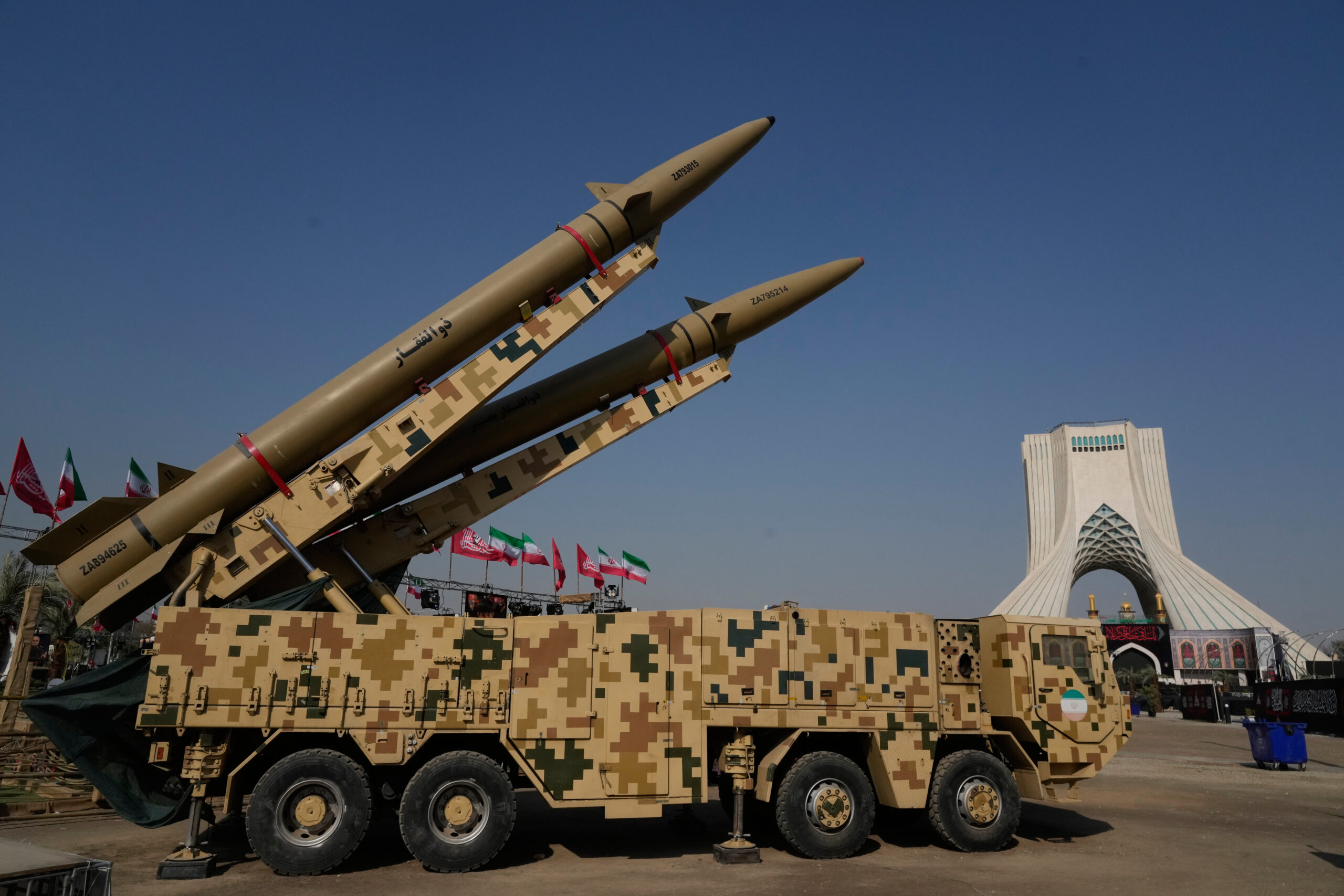
Iran’s Collective Strategic Decision Making
Wartime pressure has temporarily aligned the leadership’s overriding interest in regime survival, even as its members continue to differ over the costs, methods, and ultimate objectives of the war.
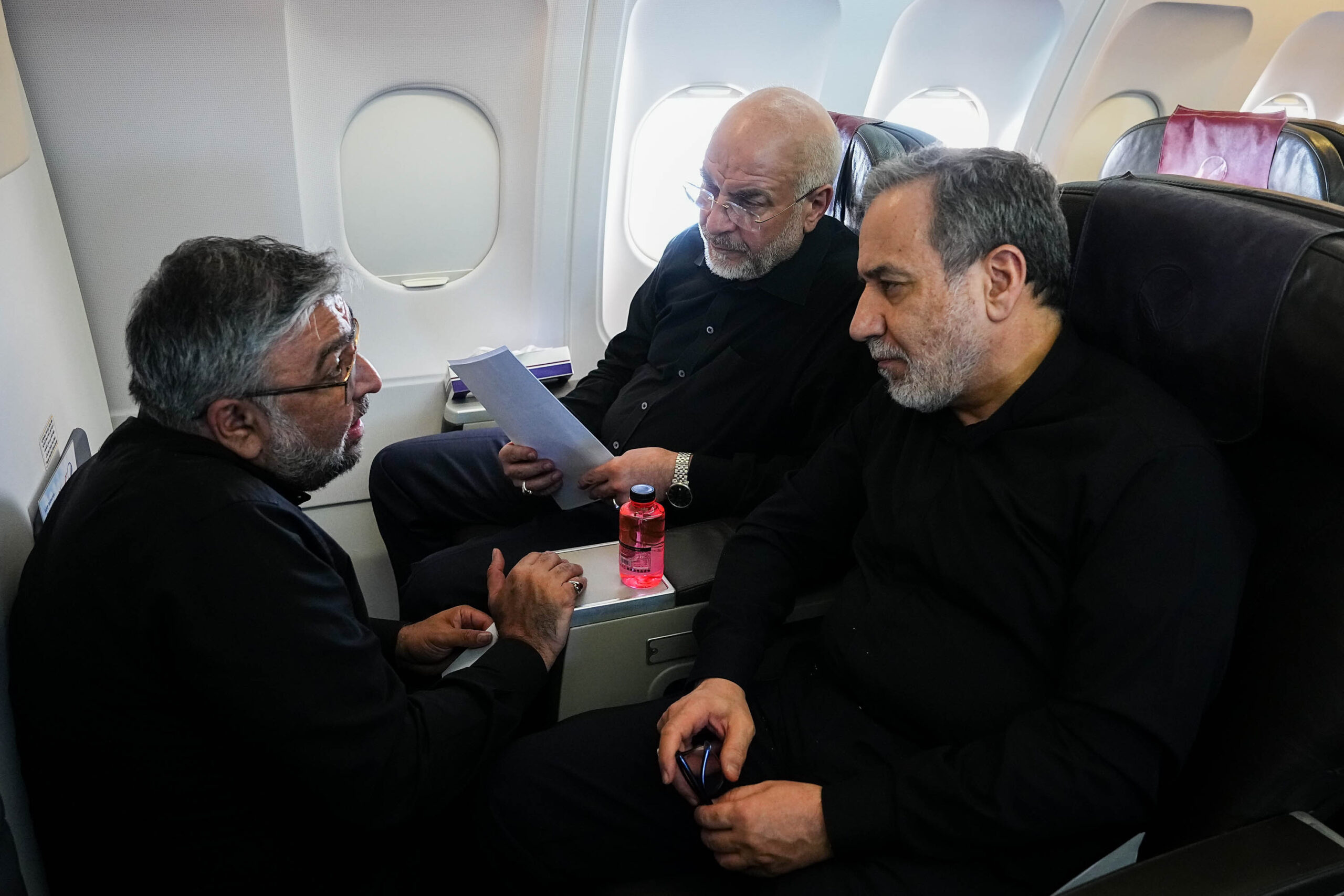
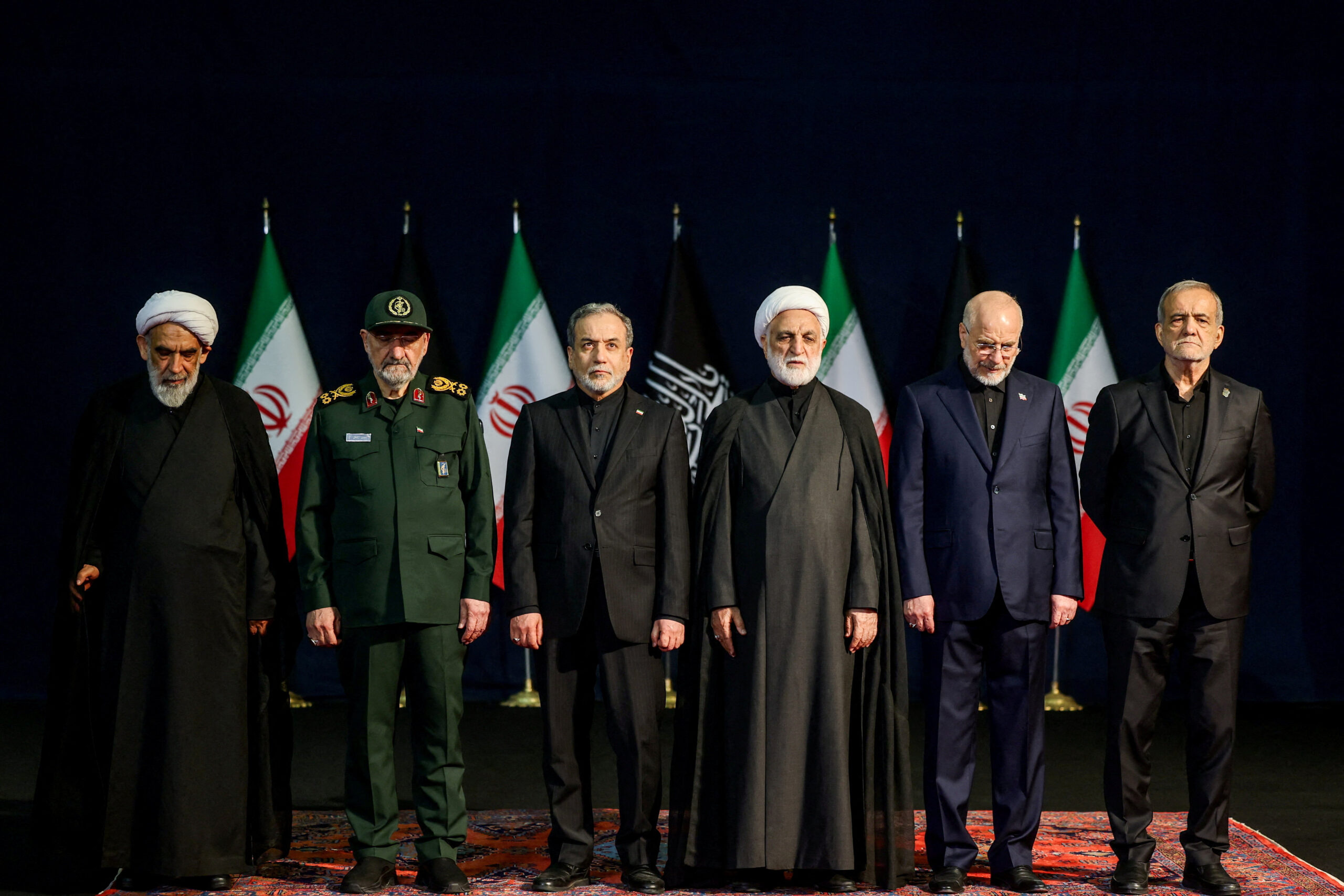
The Islamic Republic’s Collective Leadership
While there is historical precedent for collective leadership in Iran, today’s leadership includes representatives of the IRGC and regular military – a reflection of the IRGC’s expanding role and the necessities of governing under wartime conditions.
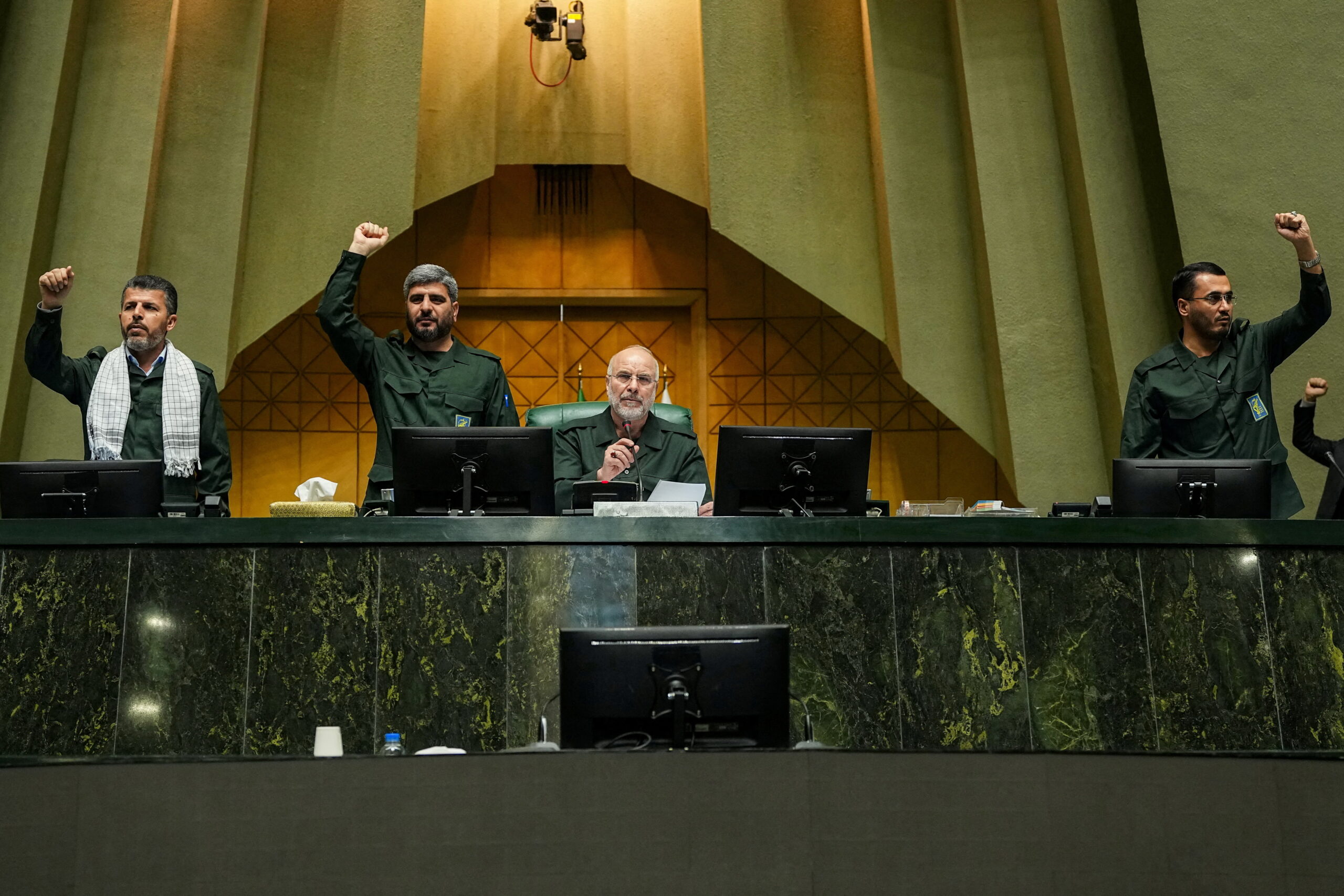
How Did the IRGC Seize Power in Iran?
The IRGC did not seize power in a single stroke. It accumulated it – patiently, methodically – until no counterweight remained.
Events
Book Talk: Iran and the Bomb: The United States, Iran and the Nuclear Question
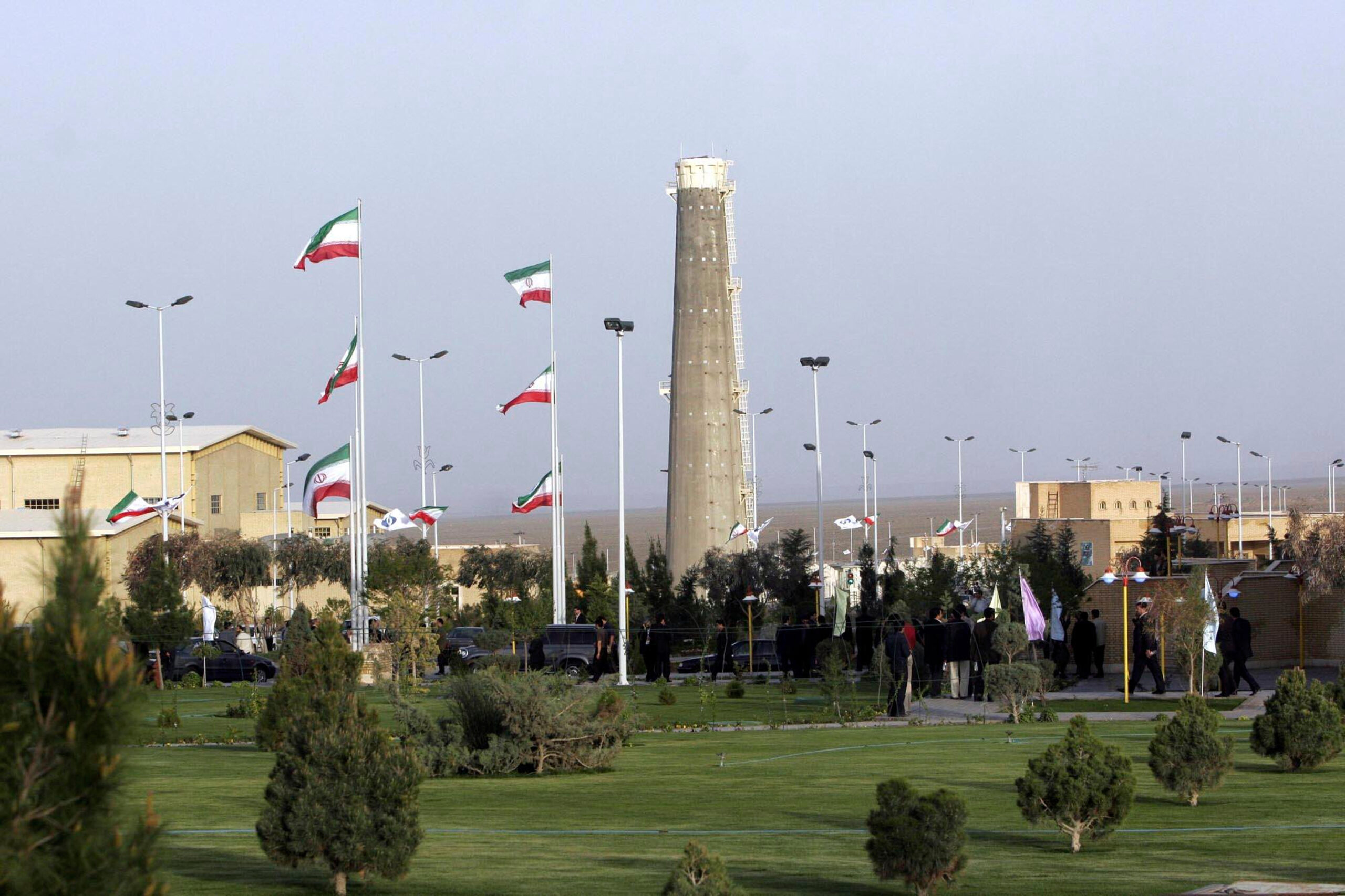
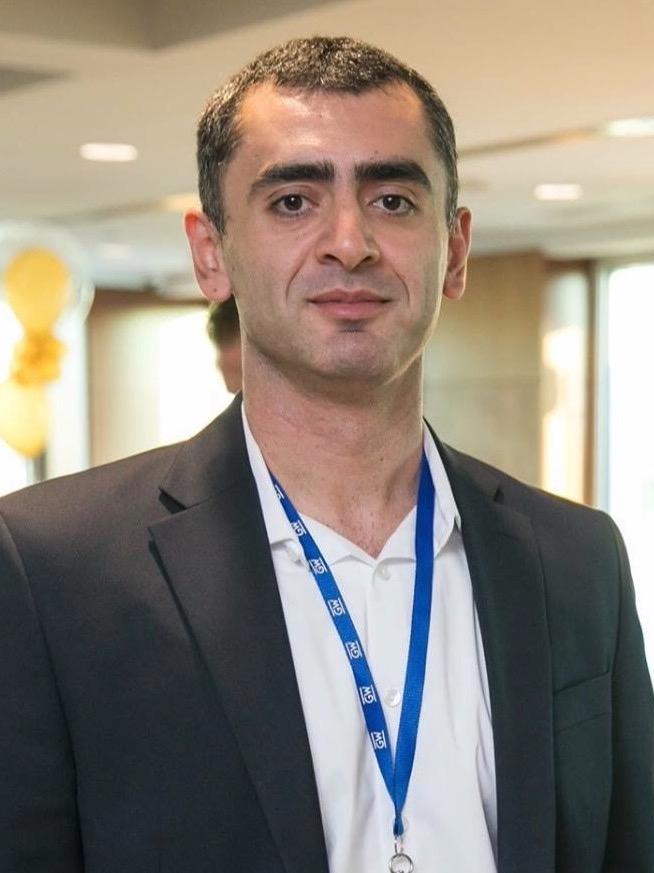
On June 16, AGSI hosted a discussion on the evolution of Iran's nuclear program.
Speakers

Apr 21, 2026
Inside Iran’s Wartime Leadership: Power, Succession, and Regime Stability
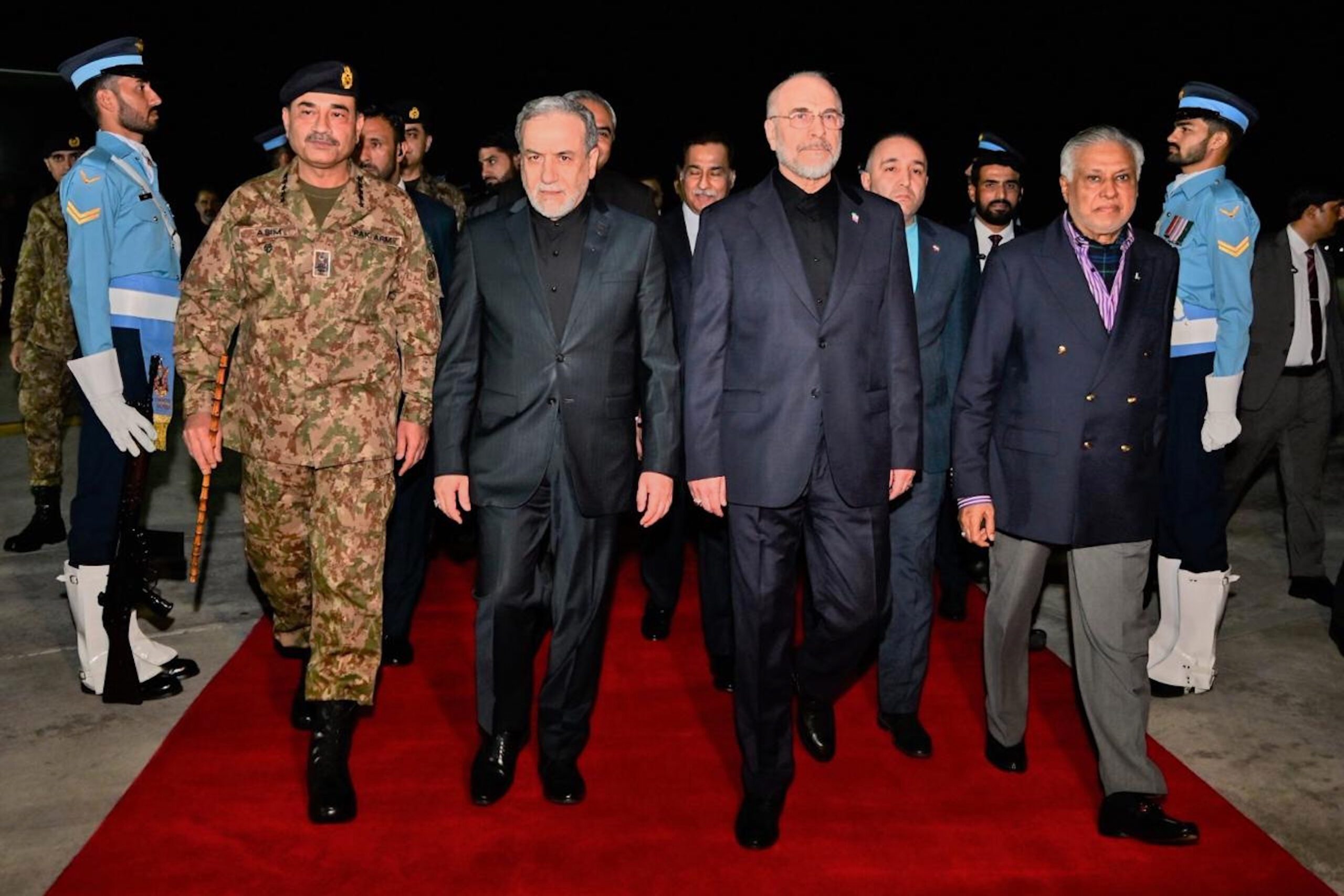
On April 21, AGSI hosted a discussion on the evolution of Iran's leadership during the war.
Speakers

Mar 18, 2026
In Its Conflict With the United States and Israel, Does Escalation Favor Iran?
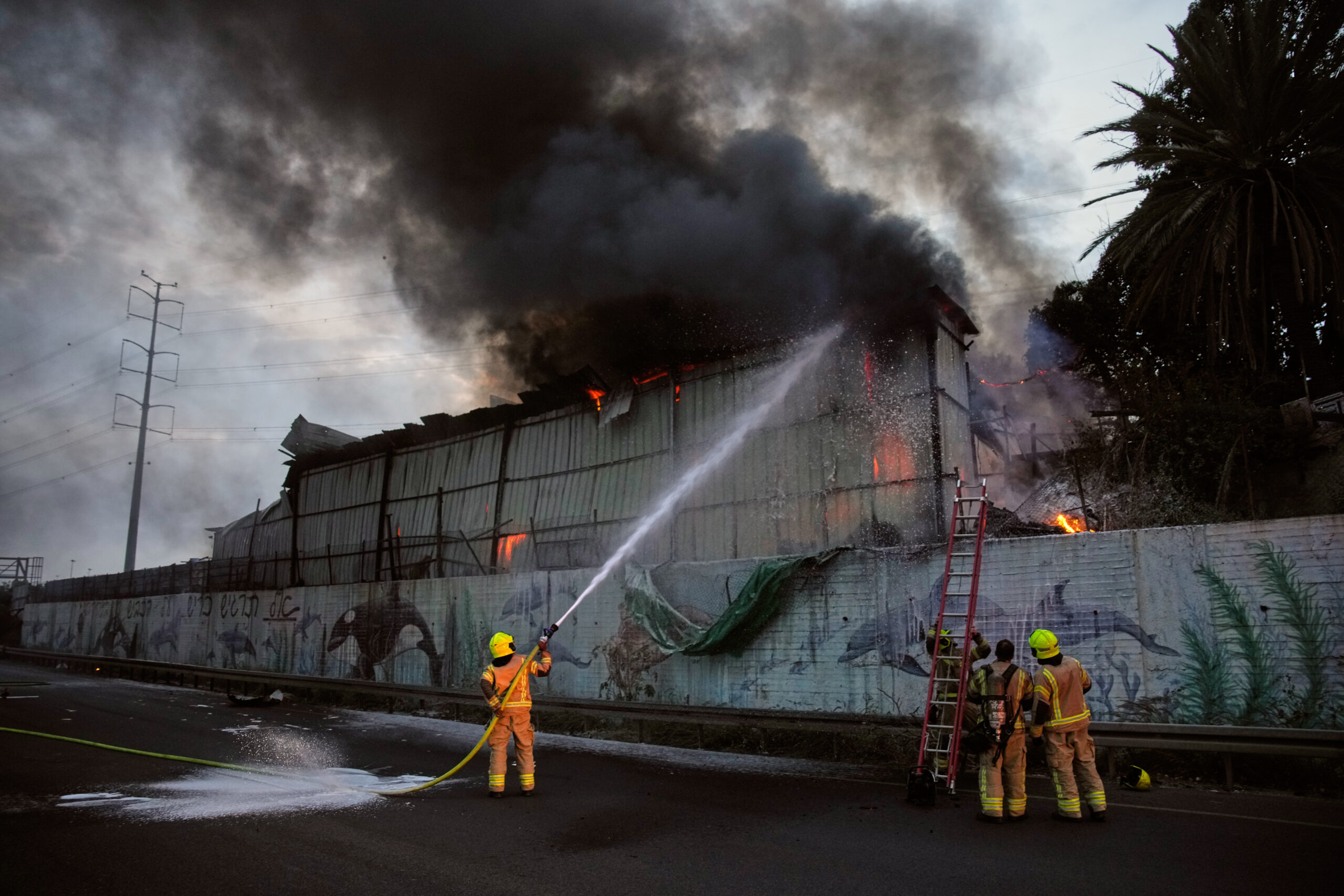
On March 18, AGSI hosted a discussion on the escalation of the Iran war.
Speakers


Mar 2, 2026
After the Shock: Implications of the U.S.–Israeli Strikes and Iran’s Leadership Transition
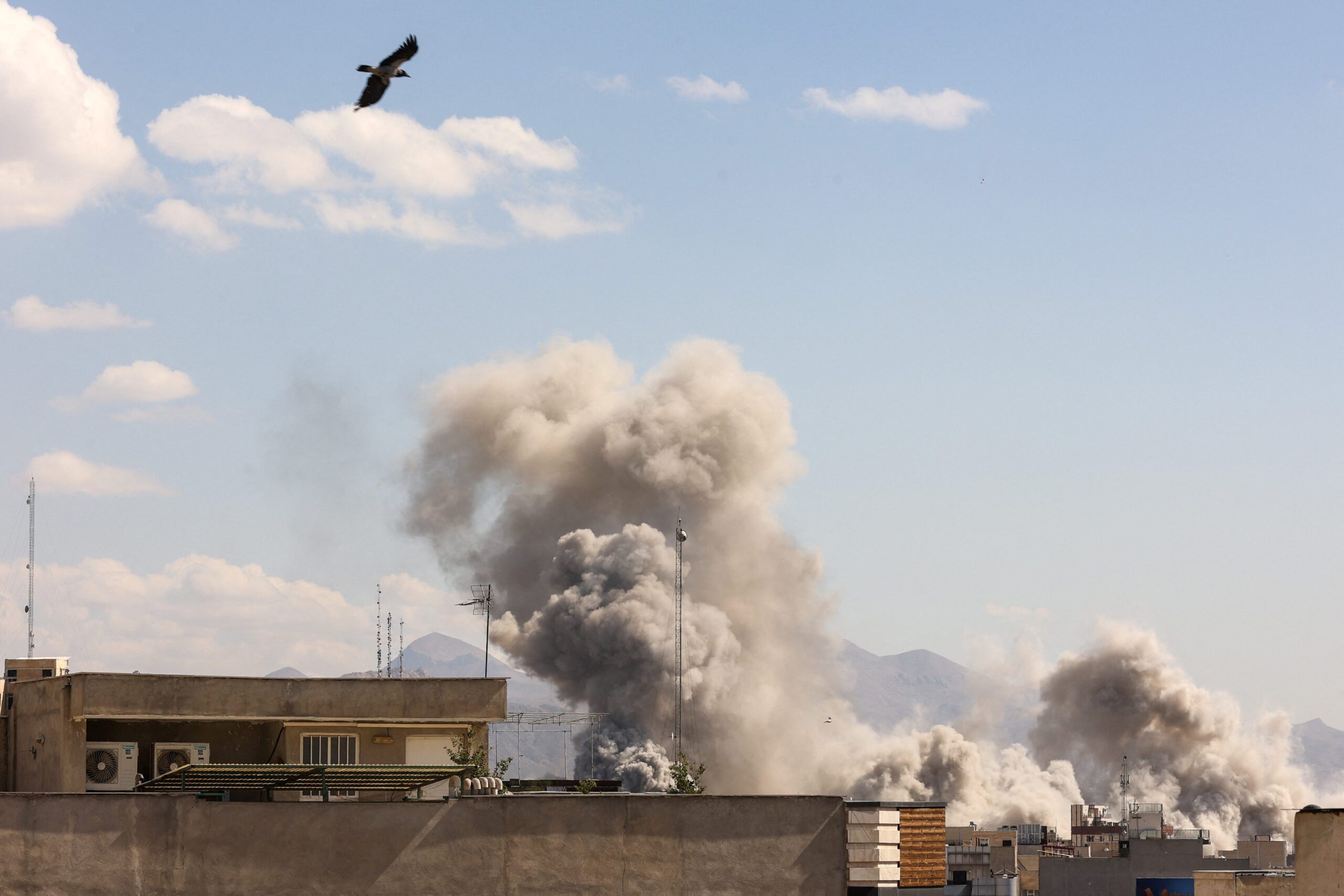
On March 2, AGSI hosted a discussion on the U.S.-Israeli strikes on Iran.
Speakers