Jan 17, 2023
Iranian Columnists Fear Losing Control Over Iraq More Than What a Soccer Tournament is Named
The January 17 edition of the Iran Media Review evaluates Iranian reactions to Iraq’s hosting of the “Arabian Gulf Cup” soccer tournament.
Iran’s Ministry of Foreign Affairs on Wednesday summoned the Iraqi ambassador to protest the name of the “Arabian Gulf Cup” tournament, hosted by Iraq. However, Iranian analysts appear more concerned about the loss of Iranian influence over Iraq rather than the name of a soccer tournament and the body of water separating Iran and the Arab states.
- January 10: Conservative political activist and columnist Mohammad Mohajeri, in a commentary in Etemad, argued: “Silence in the face of such provocations,” referencing naming the soccer tournament the Arabian Gulf Cup, “may be interpreted as retreat. In what ways can we respond? One way is to solidify Iran’s regional hegemony in diplomatic, geopolitical, economic, military, and, in particular, cultural fields, which can put us in charge. Having friendly relations with the countries in the Persian Gulf, reducing enmity, and doing away with Iranophobia is not so difficult and only requires determination.” Mohajeri concluded: “For years, we have used the hammer. Let us also use reasoned dialogue for a time, and if it proves ineffectual, let us use the hammer again, or perhaps even the sledgehammer!”
- January 10: Columnist Jafar Golabi, on the other hand, argued in Etemad that behavior of other states toward Iran depends on Iran’s national power, which is suffering under the sanctions regime: “The Chinese president signed a joint statement that undermines the territorial integrity of our country with regard to the three islands. Now, Muqtada al-Sadr and the Iraqi prime minister use the fallacious name ‘Arabian Gulf’ when organizing a tournament and even issue stamps commemorating it!” He continued, “While Iran is using its entire energy to survive the sanctions regime, regional rivals are taking great economic leaps, and take advantage of the circumstances to further isolate Iran.” Turning to President Ebrahim Raisi’s Cabinet, Golabi concluded: “There were those who thought a narrower, but more cohesive, circle of rulers could revive the Joint Comprehensive Plan of Action, remove the sanctions regime, and pave the path of foreign direct investments. None of this materialized, new sanctions are imposed against Iran, and inflation and the weakening of the national currency too are a far cry from election promises … If we don’t find solutions to our problems, we may no longer be capable of keeping up with regional and global developments.”
- January 11: According to the English language Tehran Times, Iran summoned the Iraqi ambassador over the “use of a fake name for the Persian Gulf.”
- January 11: Sabah Zangeneh, Middle East expert, in an interview with Shargh Daily, said the “Troika of Saudi Arabia, the UAE, and Bahrain,” is “doing everything in its power to attract Iraq to its orbit.” However, Zangeneh also said Iran’s relations with Iraq had reached a strategic level and will not be disturbed by Iraq “printing a stamp with a fallacious name or hosting a sports event with an obscure name.”
The views represented herein are the author's or speaker's own and do not necessarily reflect the views of AGSI, its staff, or its board of directors.
Related
Iran Media Review
Jan 10, 2023
Why was Violence in Anti-Regime Protests Less Severe in Iran’s Golestan and Khuzestan Provinces?
The January 10 edition of the Iran Media Review explores the effects of border control on the severity of violence in anti-regime protests in Iran.
Jan 10, 2023
Why was Violence in Anti-Regime Protests Less Severe in Iran’s Golestan and Khuzestan Provinces?
The January 10 edition of the Iran Media Review explores the effects of border control on the severity of violence in anti-regime protests in Iran.
Analysis
The Islamic Republic Returns to Offense
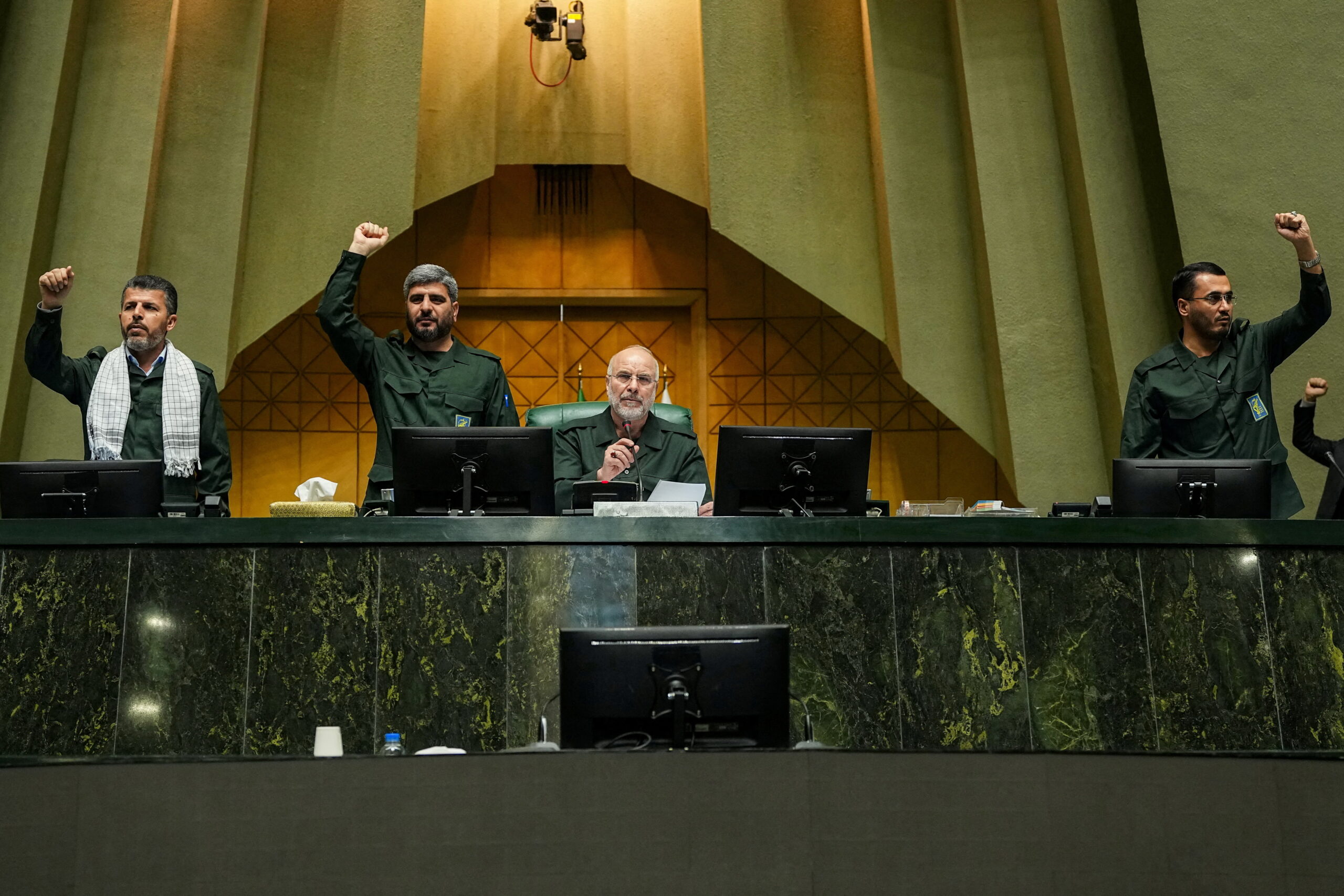
After U.S.-Israeli strikes killed Supreme Leader Ayatollah Ali Khamenei on February 28, Iran’s collective leadership has concluded that the best defense is a good offense.
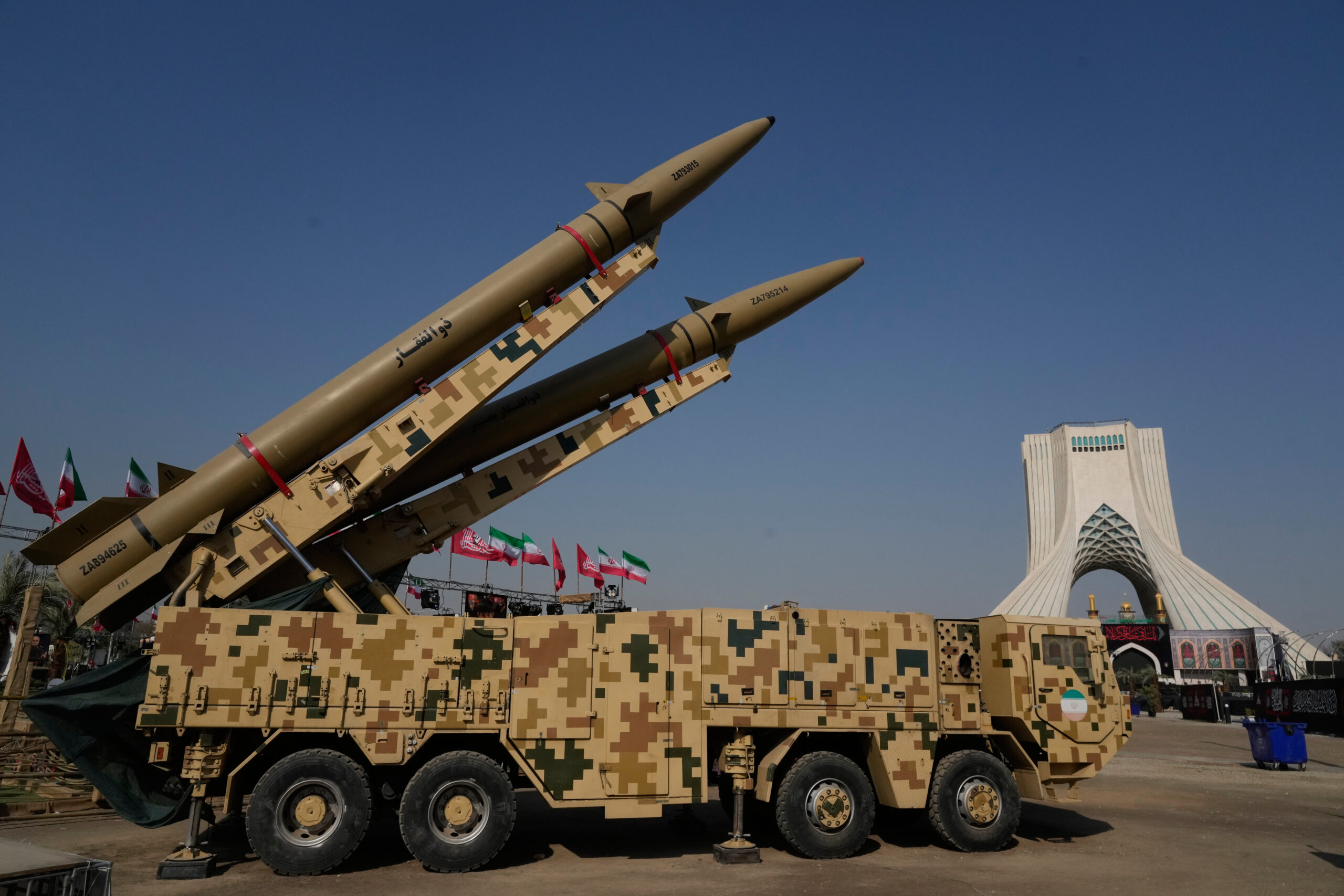
Iran’s Collective Strategic Decision Making
Wartime pressure has temporarily aligned the leadership’s overriding interest in regime survival, even as its members continue to differ over the costs, methods, and ultimate objectives of the war.
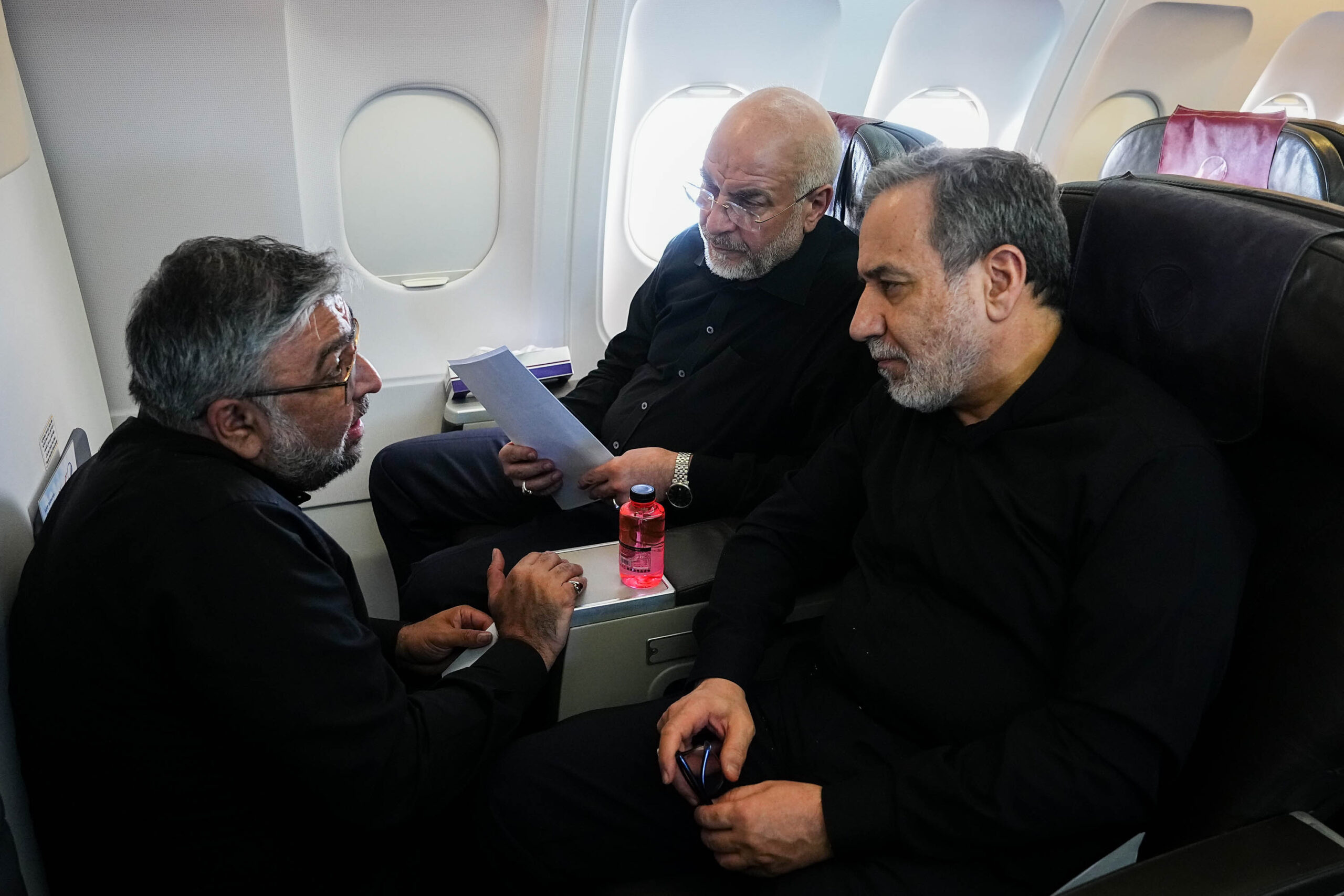
The Islamic Republic’s Collective Leadership
While there is historical precedent for collective leadership in Iran, today’s leadership includes representatives of the IRGC and regular military – a reflection of the IRGC’s expanding role and the necessities of governing under wartime conditions.
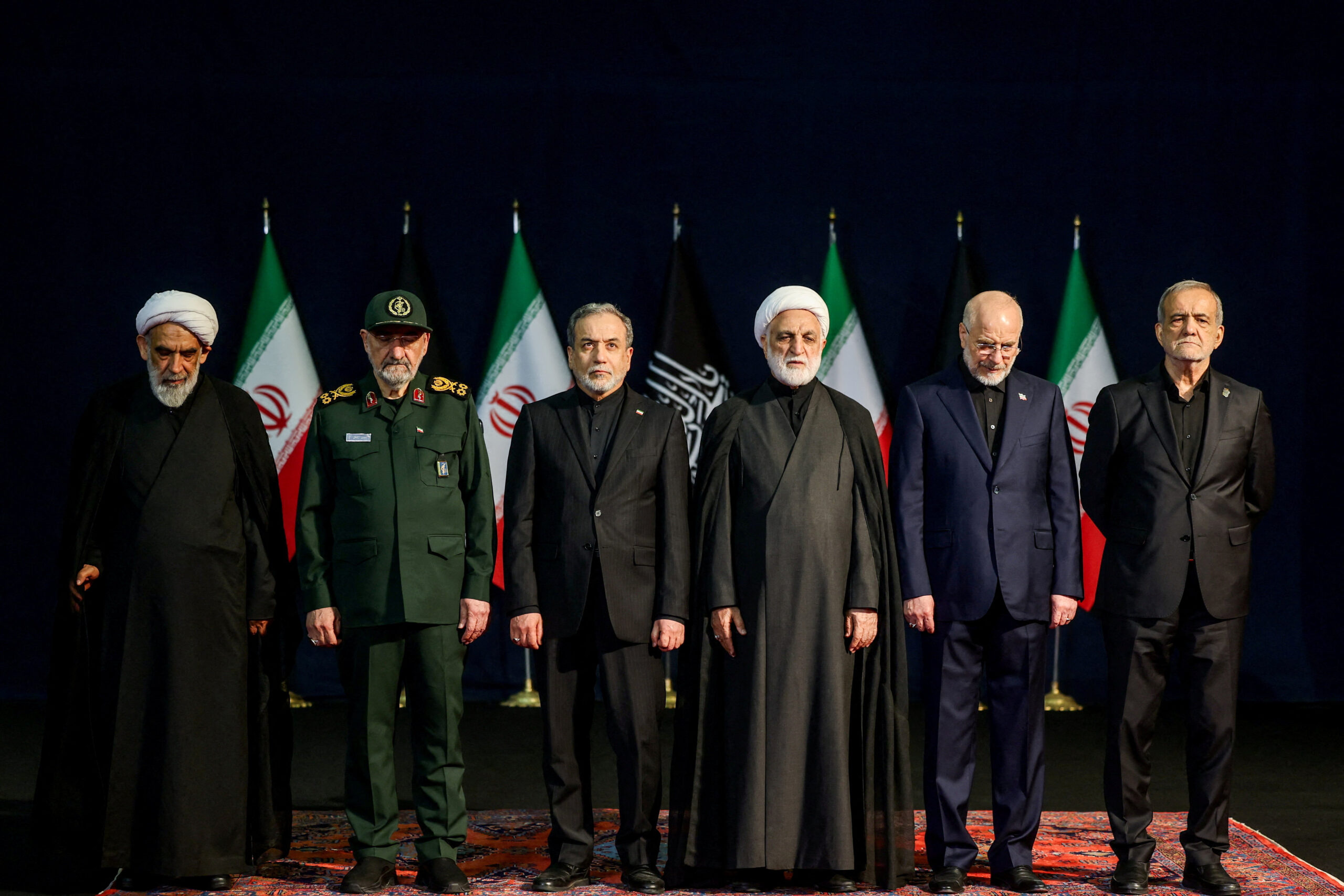
How Did the IRGC Seize Power in Iran?
The IRGC did not seize power in a single stroke. It accumulated it – patiently, methodically – until no counterweight remained.
Events
Book Talk: Iran and the Bomb: The United States, Iran and the Nuclear Question
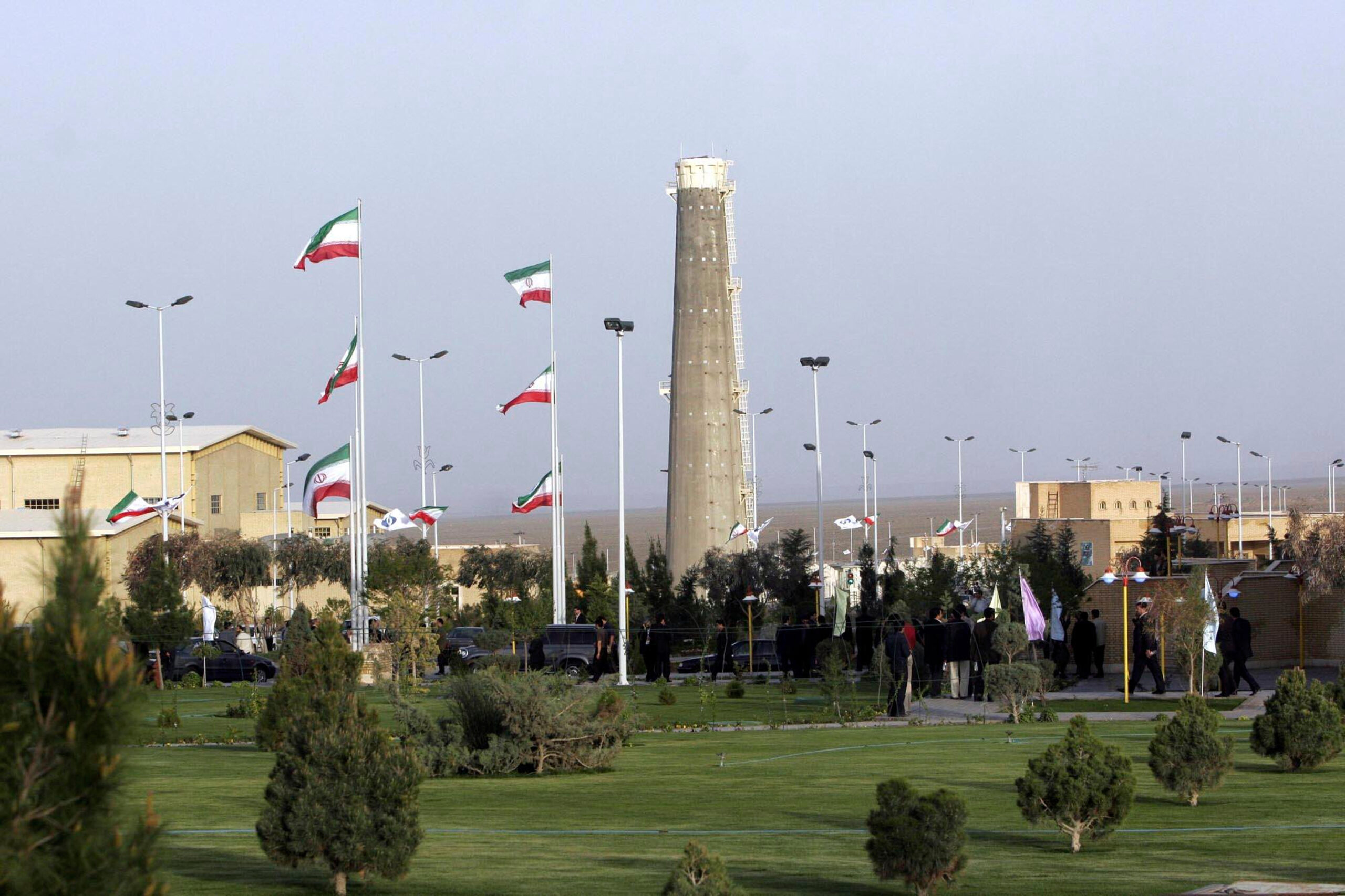
On June 16, AGSI hosted a discussion on the evolution of Iran's nuclear program.
Speakers

Apr 21, 2026
Inside Iran’s Wartime Leadership: Power, Succession, and Regime Stability
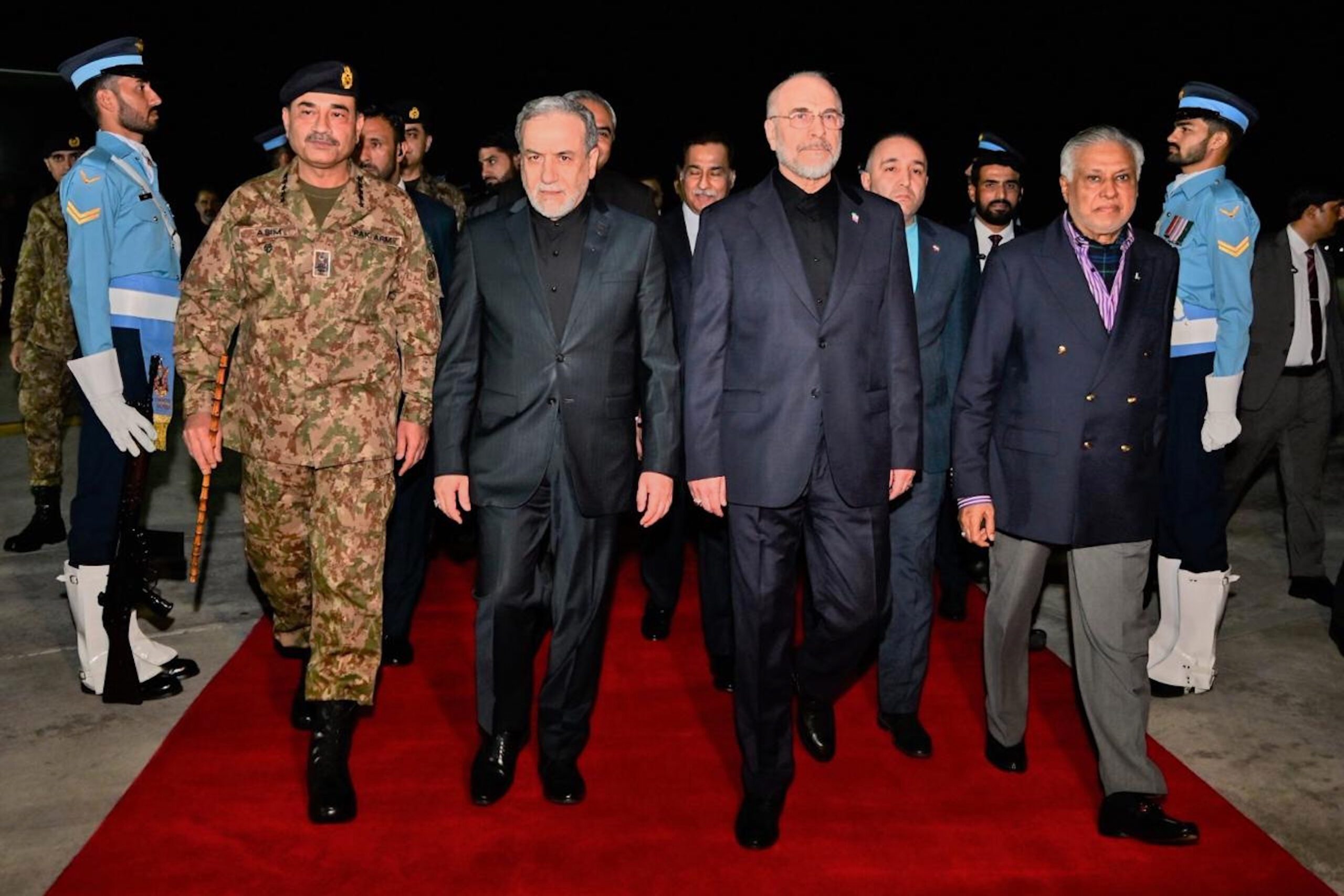
On April 21, AGSI hosted a discussion on the evolution of Iran's leadership during the war.
Speakers

Mar 18, 2026
In Its Conflict With the United States and Israel, Does Escalation Favor Iran?
On March 18, AGSI hosted a discussion on the escalation of the Iran war.
Speakers


Mar 2, 2026
After the Shock: Implications of the U.S.–Israeli Strikes and Iran’s Leadership Transition
On March 2, AGSI hosted a discussion on the U.S.-Israeli strikes on Iran.
Speakers