Jan 10, 2023
Why was Violence in Anti-Regime Protests Less Severe in Iran’s Golestan and Khuzestan Provinces?
The January 10 edition of the Iran Media Review explores the effects of border control on the severity of violence in anti-regime protests in Iran.

The wave of anti-regime protests that has swept over Iran since September 2022 turned extremely violent in provinces populated by the country’s Sunni minority. This is particularly true in Iran’s Kurdistan province and Kurdish-populated cities in the West Azerbaijan and Kermanshah provinces. The protests were just as violent in Sistan and Baluchistan province, populated by Iran’s largely Sunni Baluchis. Overall, 254, or more than half of protesters killed in clashes with government personnel in Iran, were either Kurds or Baluchis. Approximately the same ratio is true of government losses: 33 out of 73 government personnel losses were due to firearms in those same provinces and cities.
By comparison, violence in protests was less severe in Iran’s Golestan and Khuzestan provinces, respectively populated by Iran’s largely Sunni Turkmen and Arab minorities. While a protester in Golestan province and 23 protesters in Khuzestan province were killed, government personnel did not suffer any fatalities in those provinces.
In an interview with the Sobh-e Sadeq weekly, Khuzestan Islamic Revolutionary Guard Corps Chief Brigadier General Hassan Shahvarpour credited his organization’s developmental work for the relative calm but left out one important factor: effective border control on the Iraqi side. While the Iranian state struggles to control its international borders with Afghanistan, Pakistan, and Iraqi Kurdistan, all of which can be used for the transfer of illicit goods, including firearms, the Iran-Turkmenistan border in Golestan province is effectively controlled and so is the Iran-Iraq border in the south, thanks to the presence of Shia militias aligned with the IRGC.
- January 2: Shahvarpour said: “We have no particular problems concerning intelligence and policing coordination. Our province has land and sea borders in the Persian Gulf, and we are also facing extraregional powers, yet we are in good circumstances. During recent events, the enemy failed to achieve its objective of developing capacities in the province … Last year, the security agencies of the province, composed of the Intelligence Ministry, the Counterintelligence, and the Revolutionary Guard, discovered 5,000 firearms along with a considerable amount of munitions. This year, we have hitherto found 3,500 firearms. Uncovering arms smuggling took place at the border and within the province.”
The views represented herein are the author's or speaker's own and do not necessarily reflect the views of AGSI, its staff, or its board of directors.
Related
Iran Media Review
Jan 6, 2023
Maduro’s Stratagem, Khamenei’s Salvation?
The January 6 edition of the Iran Media Review considers a reformist columnist’s suggestions of what Iran's supreme leader might learn from Venezuela.
Iran Media Review
Jan 3, 2023
The Great Iron Wall of Iran?
The January 3 edition of the Iran Media Review considers the implications of government restrictions and class-based internet access in Iran.
Jan 6, 2023
Maduro’s Stratagem, Khamenei’s Salvation?
The January 6 edition of the Iran Media Review considers a reformist columnist’s suggestions of what Iran's supreme leader might learn from Venezuela.
Jan 3, 2023
The Great Iron Wall of Iran?
The January 3 edition of the Iran Media Review considers the implications of government restrictions and class-based internet access in Iran.
Analysis
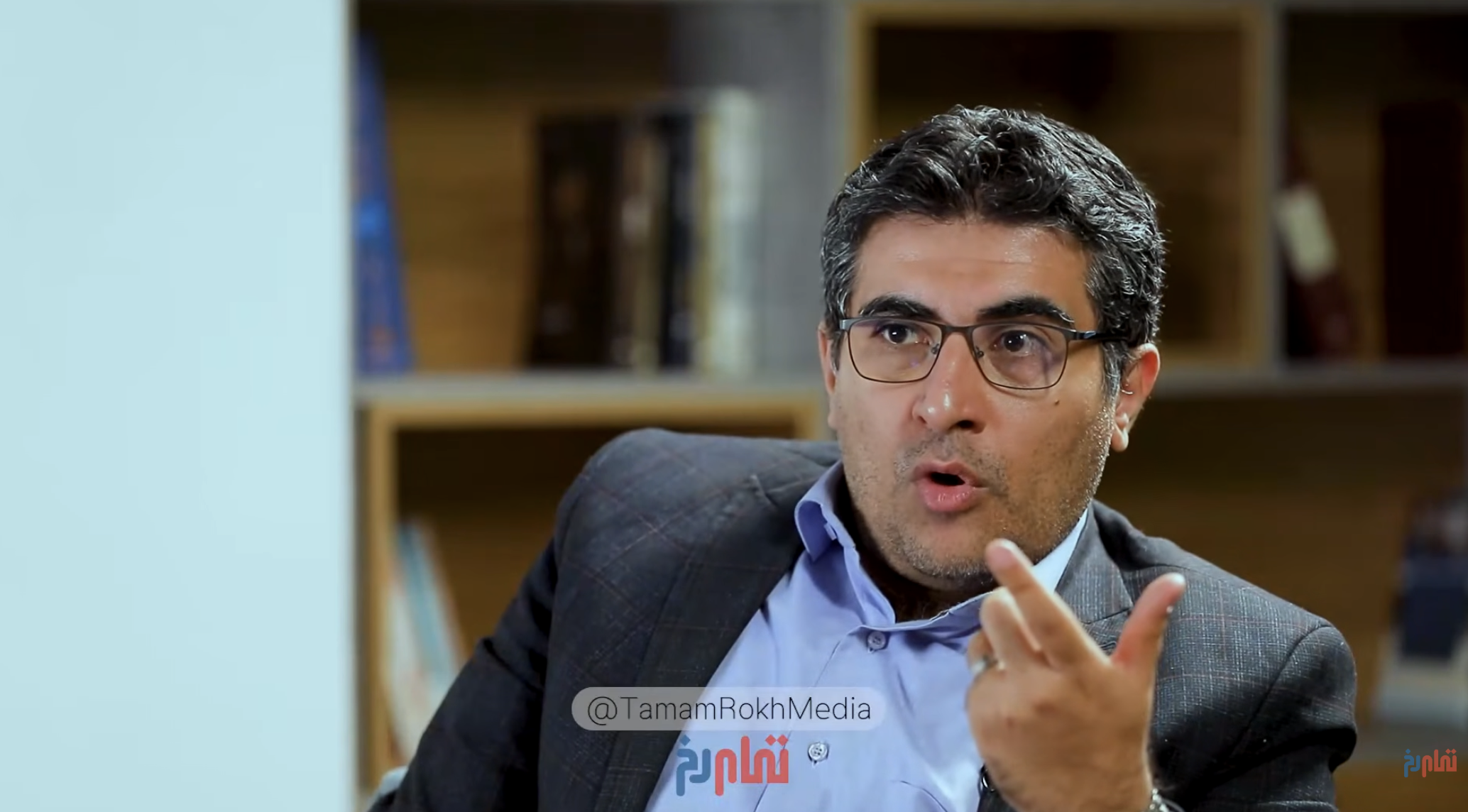
Debating Policy in Public: Iranian Elites Turn to YouTube
Rival camps within the Islamic Republic are increasingly turning to YouTube for policy debate, but there is a limit to the regime’s tolerance for that debate.
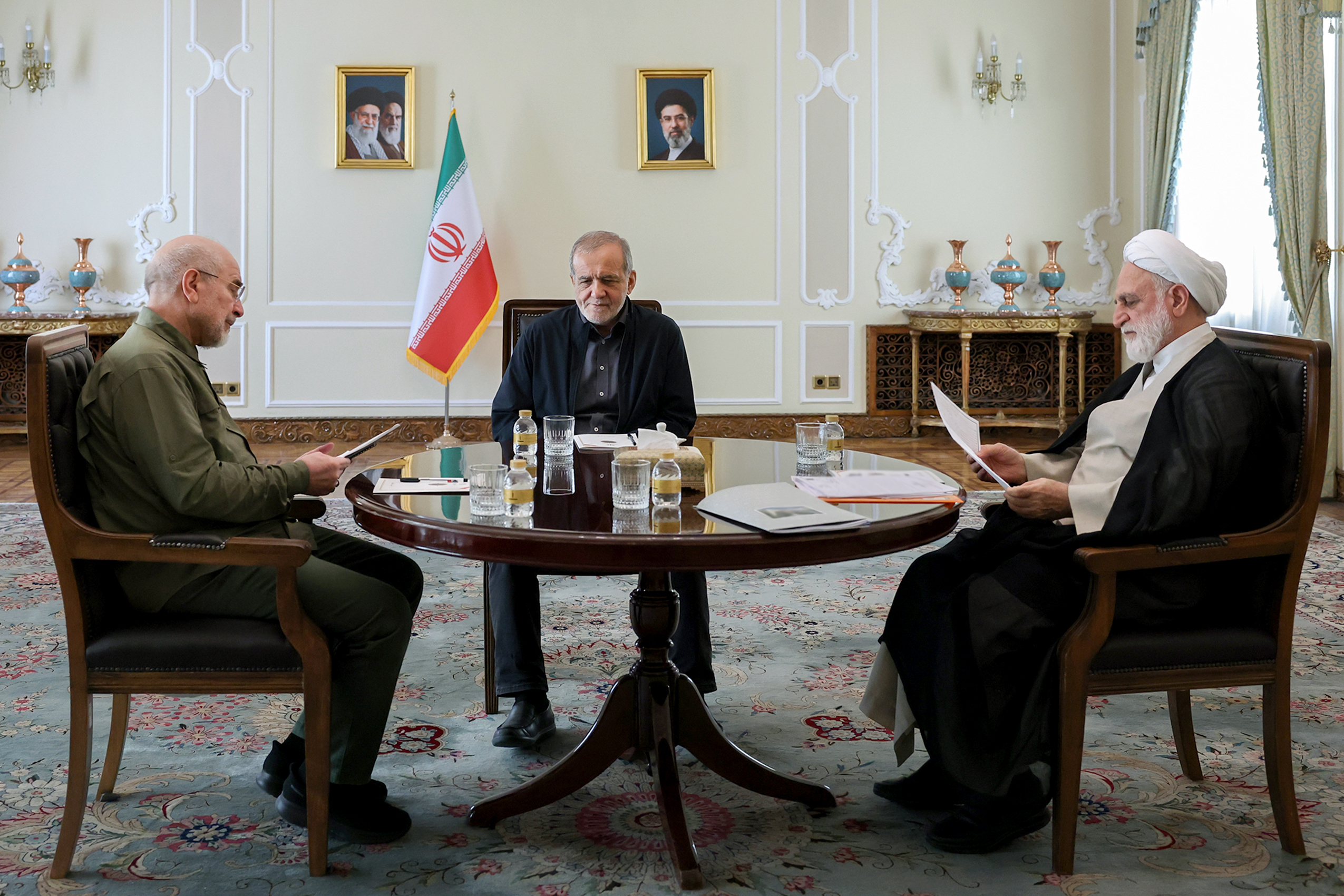
The Committee of Six and Strategic Decision Making in Iran
Remarks by Iran’s president offer a rare glimpse of how the Islamic Republic has adapted its decision making to the absence of its supreme leader.
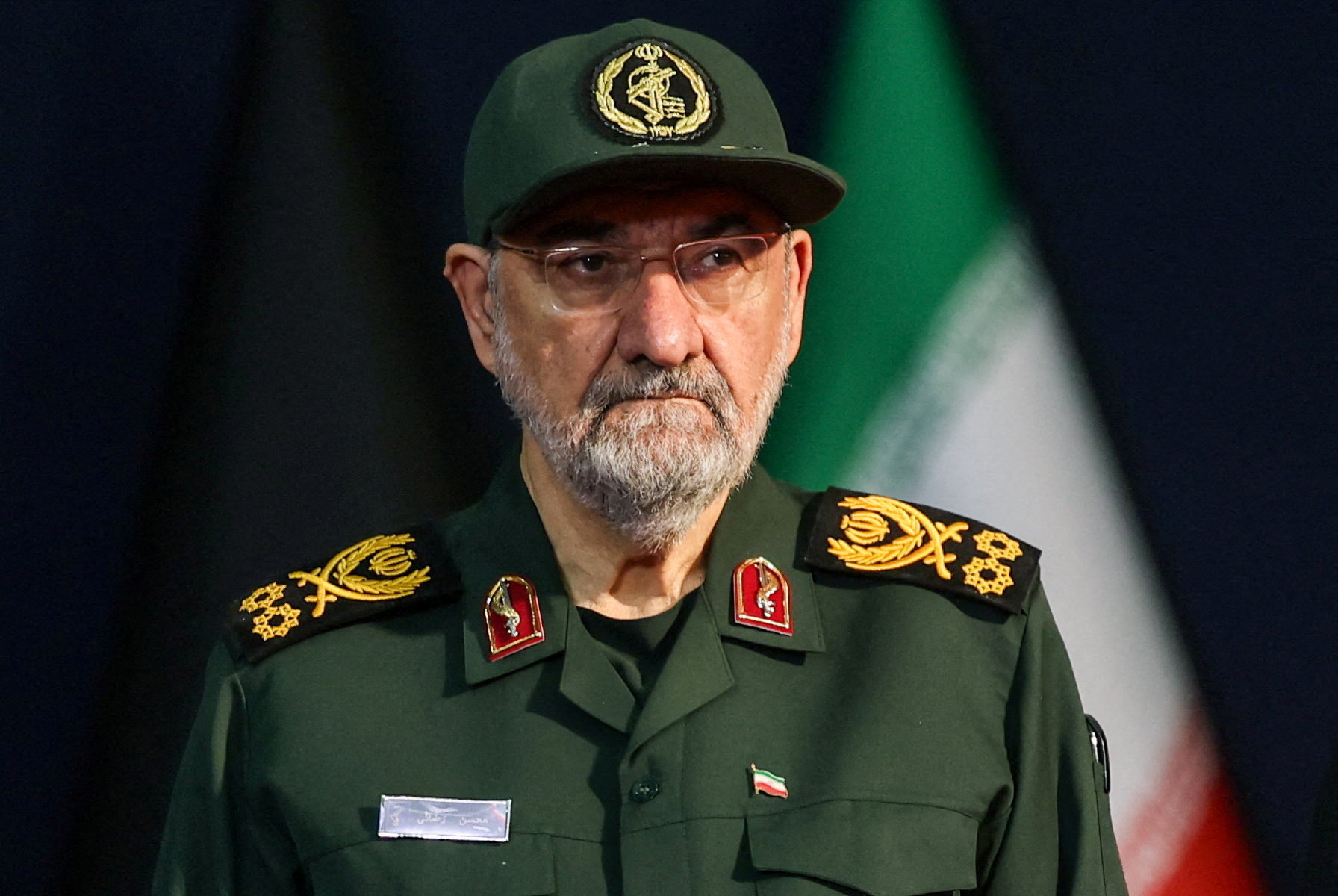
Mohsen Rezaei at the Helm of Iran’s Supreme National Security Council
Under Rezaei, the SNSC could prove constructive or paralyze strategic decision making.
The Islamic Republic Returns to Offense
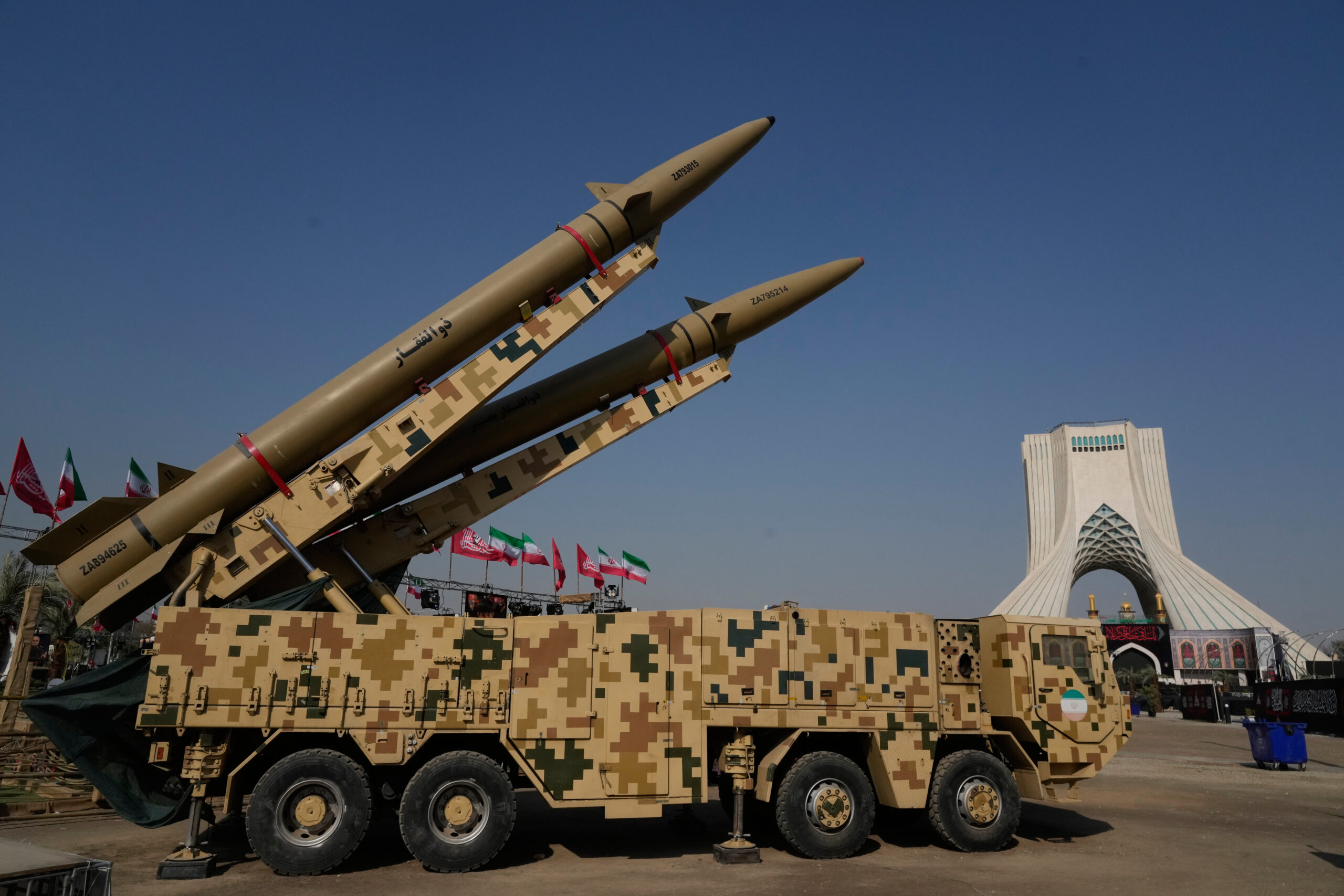
After U.S.-Israeli strikes killed Supreme Leader Ayatollah Ali Khamenei on February 28, Iran’s collective leadership has concluded that the best defense is a good offense.
Events
Oct 6, 2026
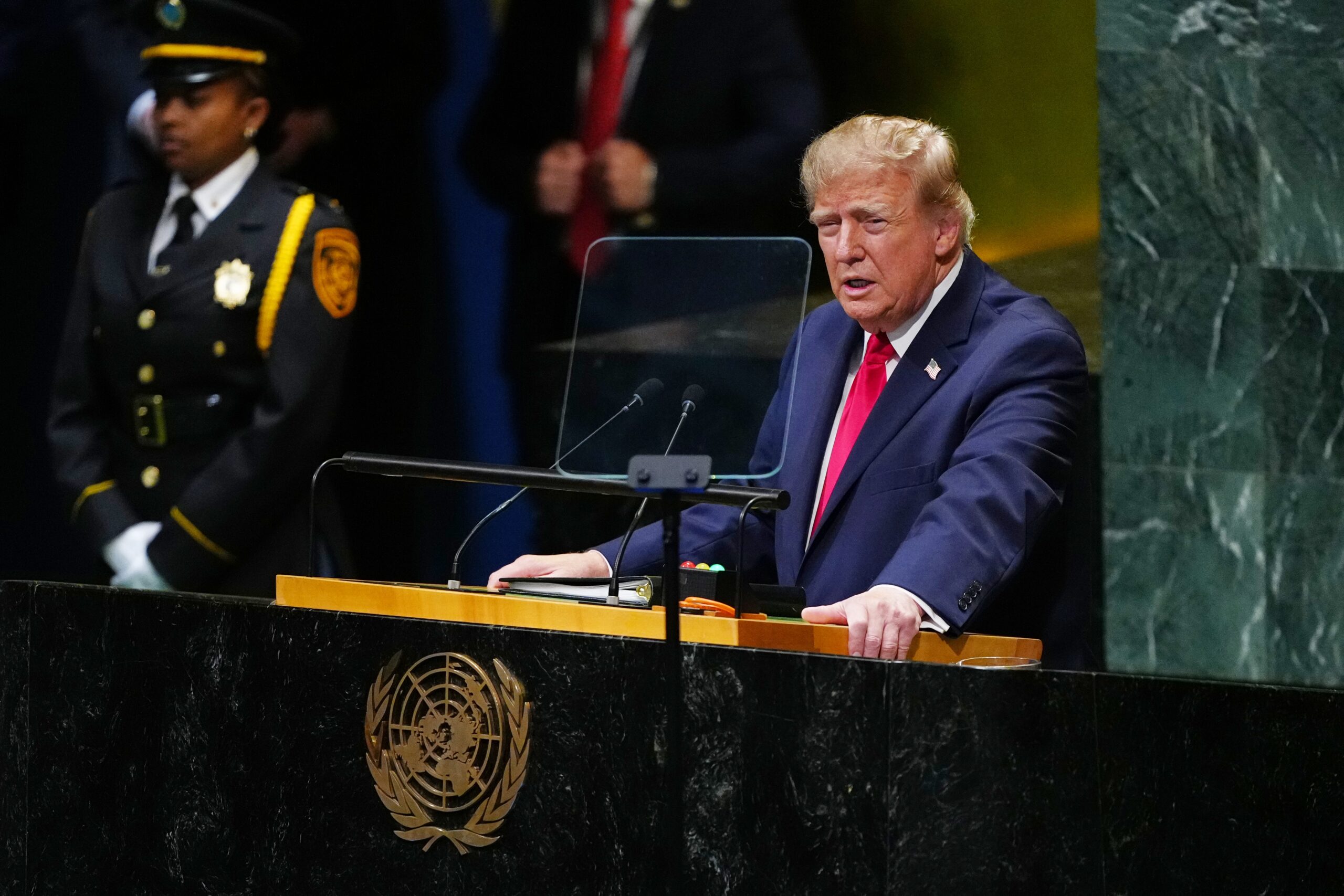
Is the U.S.-Iran Stalemate a “New Normal” or the Prelude to Another Explosion?
On October 6, AGSI hosted a discussion on the U.S.-Iran stalemate and the prospects for a cease-fire.
Speakers



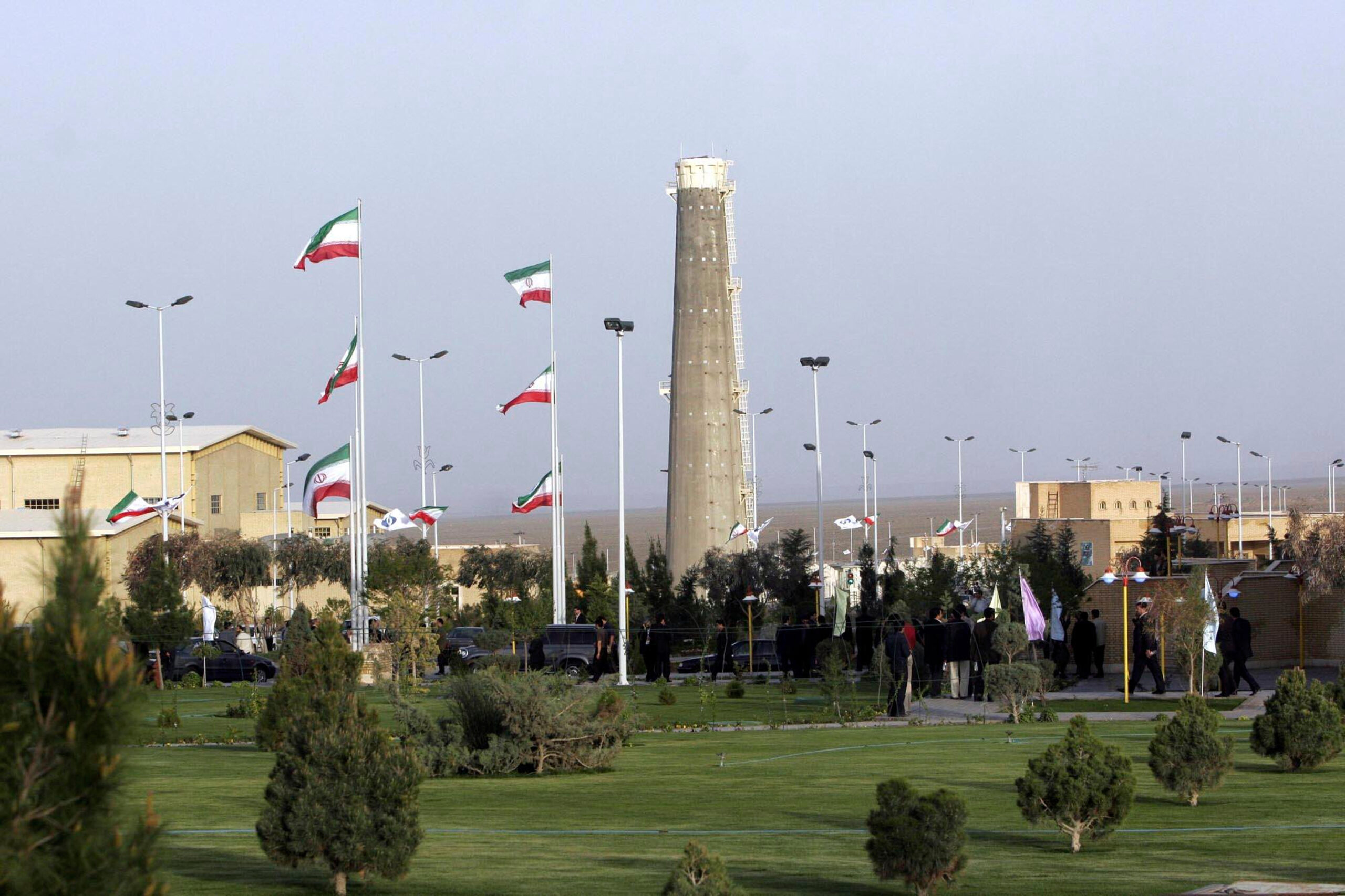
Book Talk: Iran and the Bomb: The United States, Iran and the Nuclear Question
On June 16, AGSI hosted a discussion on the evolution of Iran's nuclear program.
Speakers
Apr 21, 2026
Inside Iran’s Wartime Leadership: Power, Succession, and Regime Stability
On April 21, AGSI hosted a discussion on the evolution of Iran's leadership during the war.
Speakers

Mar 18, 2026
In Its Conflict With the United States and Israel, Does Escalation Favor Iran?
On March 18, AGSI hosted a discussion on the escalation of the Iran war.
Speakers