Apr 23, 2024
Iran: Swiss Ambassador Allegedly Summoned by IRGC Instead of Foreign Ministry
The April 23 edition of the Iran Media Review examines insights into the bureaucratic dimension of Iran’s retaliatory attack against Israel.

It’s unclear why Iranian Interior Minister Ahmad Vahidi has a “Palestine affairs” advisor, but he has one – Mojtaba Abtahi. To the extent Abtahi’s statements on Iran’s April 14 retaliatory attack against Israel are truthful and based on personal insights into the conduct of government business, the state of affairs in Iran’s government bureaucracy is alarming.
First, Abtahi claims no government official opposed the decision to directly retaliate against Israel for its suspected attack on the Iranian Embassy in Damascus. If true, this indicates a dangerous degree of groupthink. Second, Abtahi further claims that after the attack, the Swiss ambassador was summoned to the Islamic Revolutionary Guard Corps’ headquarters, instead of the Foreign Ministry, to receive the Iranian government’s message for the United States. If true, this indicates the total marginalization of Foreign Ministry professionals. Third, Abtahi indicates the retaliation was meant to boost the morale of the Iranian public and rally the public around the flag, even those who oppose the regime. If true, the regime is more out of touch than previously thought.
- April 16: Abtahi’s remarks at a conference on Operation True Promise, Iran’s name for its attack against Israel, were quoted by reformist Entekhab News:
- On the strategic decision to retaliate against Israel, Abtahi said: “Surprisingly, not a single official, commander, Cabinet member, or anyone involved in national security urged us not to hit them. On the contrary, everyone said that we should hit them and that we should do it ourselves. Had Mohammad Javad Zarif been foreign minister and Hassan Rouhani president, it is unclear what calamity would have befallen us. We did not wish to expand the war, but we wanted to reach results fast. We wanted a short battle through which we could establish deterrence. We wanted to have all the levers in our own hands, which marginalized the retaliation by proxy approach.”
- Following an improbable account of the success of Iran’s attack, Abtahi turned to the aftermath of the operation: “On Sunday, April 14 at 3 a.m., when Operation True Promise had almost come to an end, the Swiss ambassador, who represents the United States’ interests, was for the first time summoned to the Revolutionary Guard instead of the Foreign Ministry. The necessary warnings were issued to him that, should the Americans do the slightest thing, we will make the entire region collapse over their head. The Swiss ambassador swiftly transferred Iran’s message, and the Americans received it and announced, ‘This is none of our business, and we will not intervene.’”
- Turning to domestic politics in Iran, Abtahi said: “In the domestic political arena, it is our duty to utilize our strength and dignity to secure national cohesiveness, giving hope to the nation and making it happy. I am sure that many of the people who were cheering after the operation don’t vote in elections. Some of them may have been involved in the events of 2023,” referencing anti-regime protests, “and others in the events of 2009,” referencing protests in the wake of the disputed presidential election, “but they all love a strong Iran.”
The views represented herein are the author's or speaker's own and do not necessarily reflect the views of AGSI, its staff, or its board of directors.
Related
Iran Media Review
Apr 19, 2024
Crisis Contained? Iran’s State-Censored Media Reports Limited Israeli Attack, No Damage
The April 19 edition of the Iran Media Review examines immediate reactions to the Israeli strike in Isfahan.
Iran Media Review
Apr 16, 2024
New Jaish ul-Adl Attacks in Sistan and Baluchistan Province
The April 16 edition of the Iran Media Review highlights the continued attacks by Jaish ul-Adl in Sistan and Baluchistan province.
Apr 19, 2024
Crisis Contained? Iran’s State-Censored Media Reports Limited Israeli Attack, No Damage
The April 19 edition of the Iran Media Review examines immediate reactions to the Israeli strike in Isfahan.
Apr 16, 2024
New Jaish ul-Adl Attacks in Sistan and Baluchistan Province
The April 16 edition of the Iran Media Review highlights the continued attacks by Jaish ul-Adl in Sistan and Baluchistan province.
Analysis
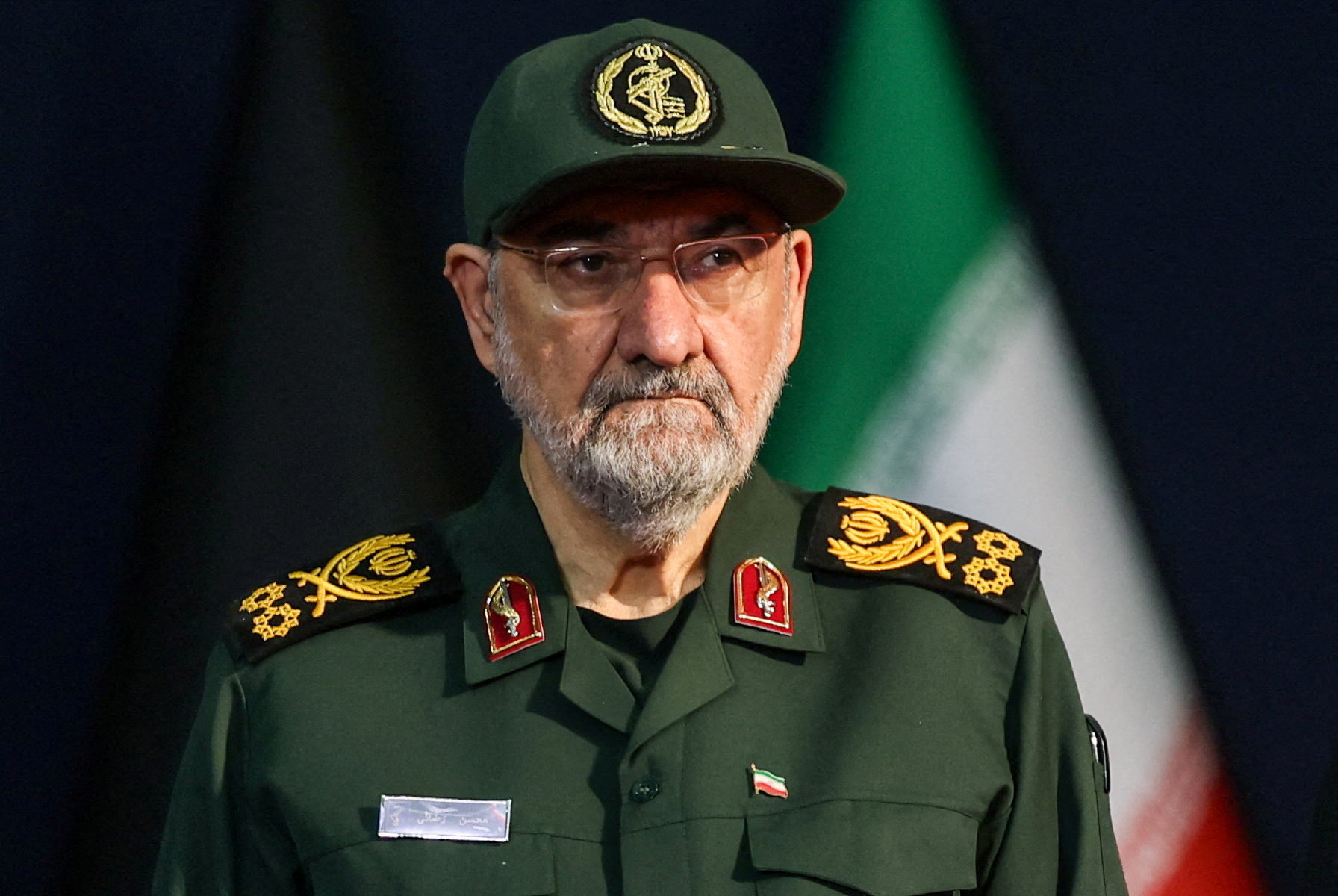
Mohsen Rezaei at the Helm of Iran’s Supreme National Security Council
Under Rezaei, the SNSC could prove constructive or paralyze strategic decision making.
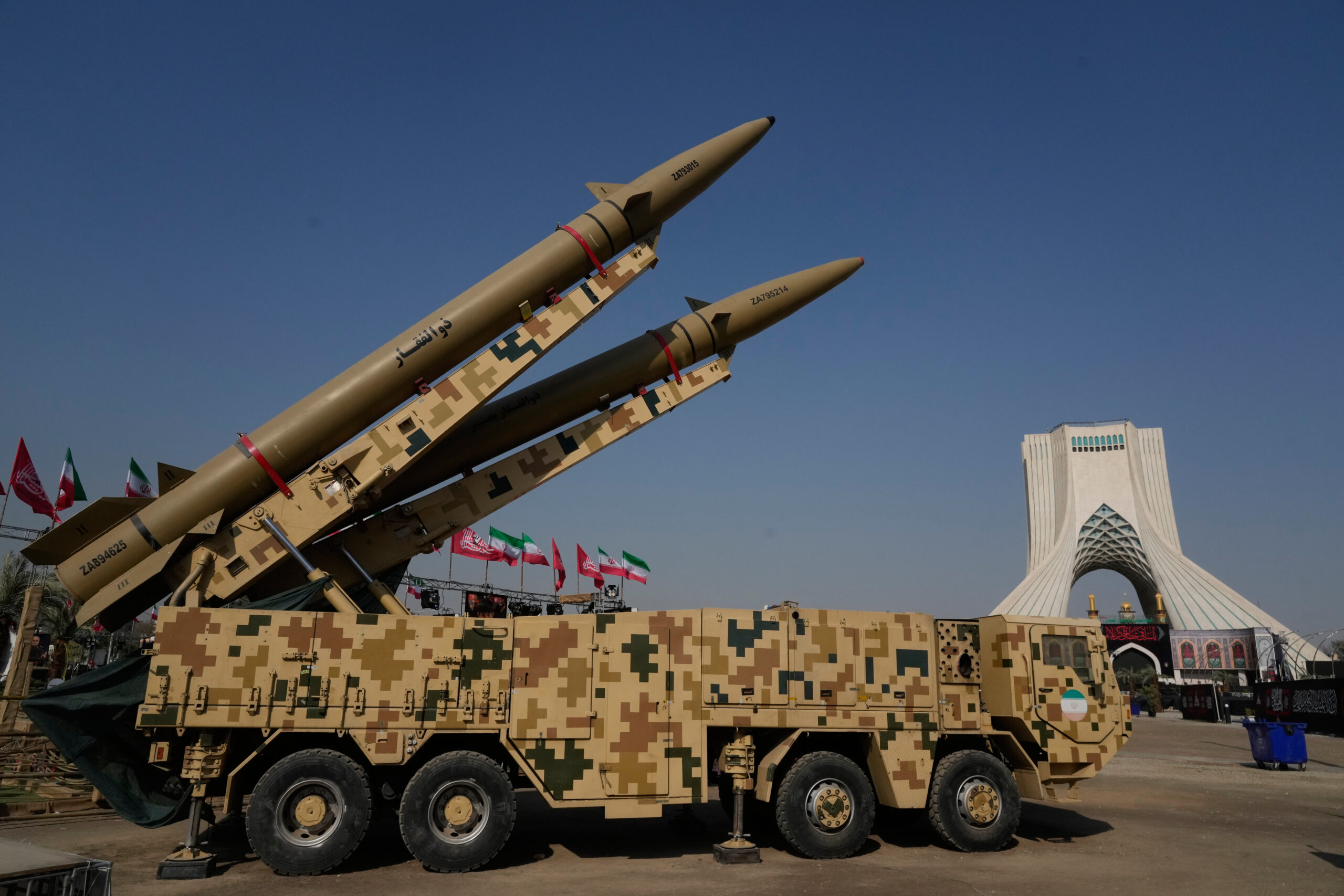
The Islamic Republic Returns to Offense
After U.S.-Israeli strikes killed Supreme Leader Ayatollah Ali Khamenei on February 28, Iran’s collective leadership has concluded that the best defense is a good offense.
Iran’s Collective Strategic Decision Making
Wartime pressure has temporarily aligned the leadership’s overriding interest in regime survival, even as its members continue to differ over the costs, methods, and ultimate objectives of the war.
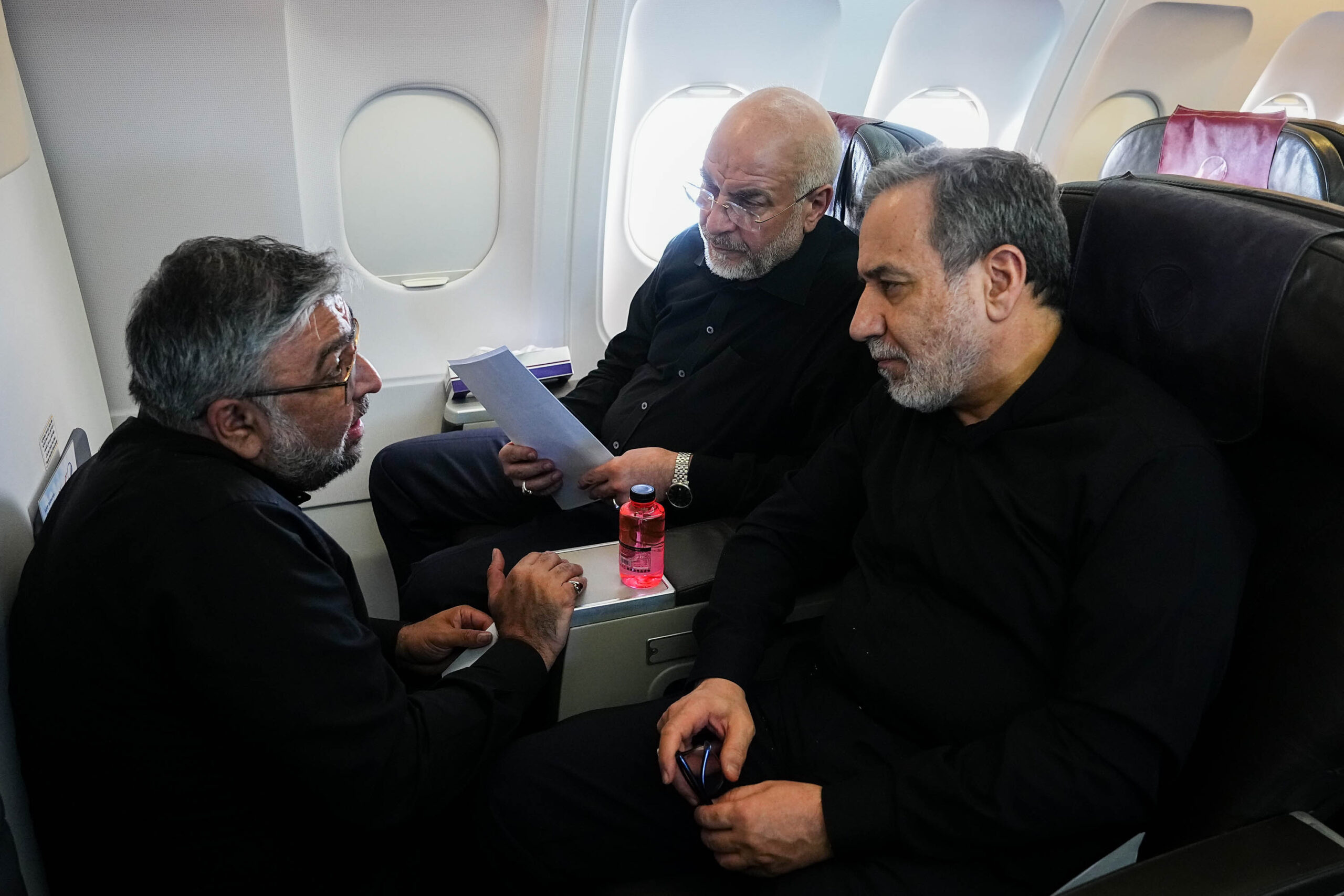
The Islamic Republic’s Collective Leadership
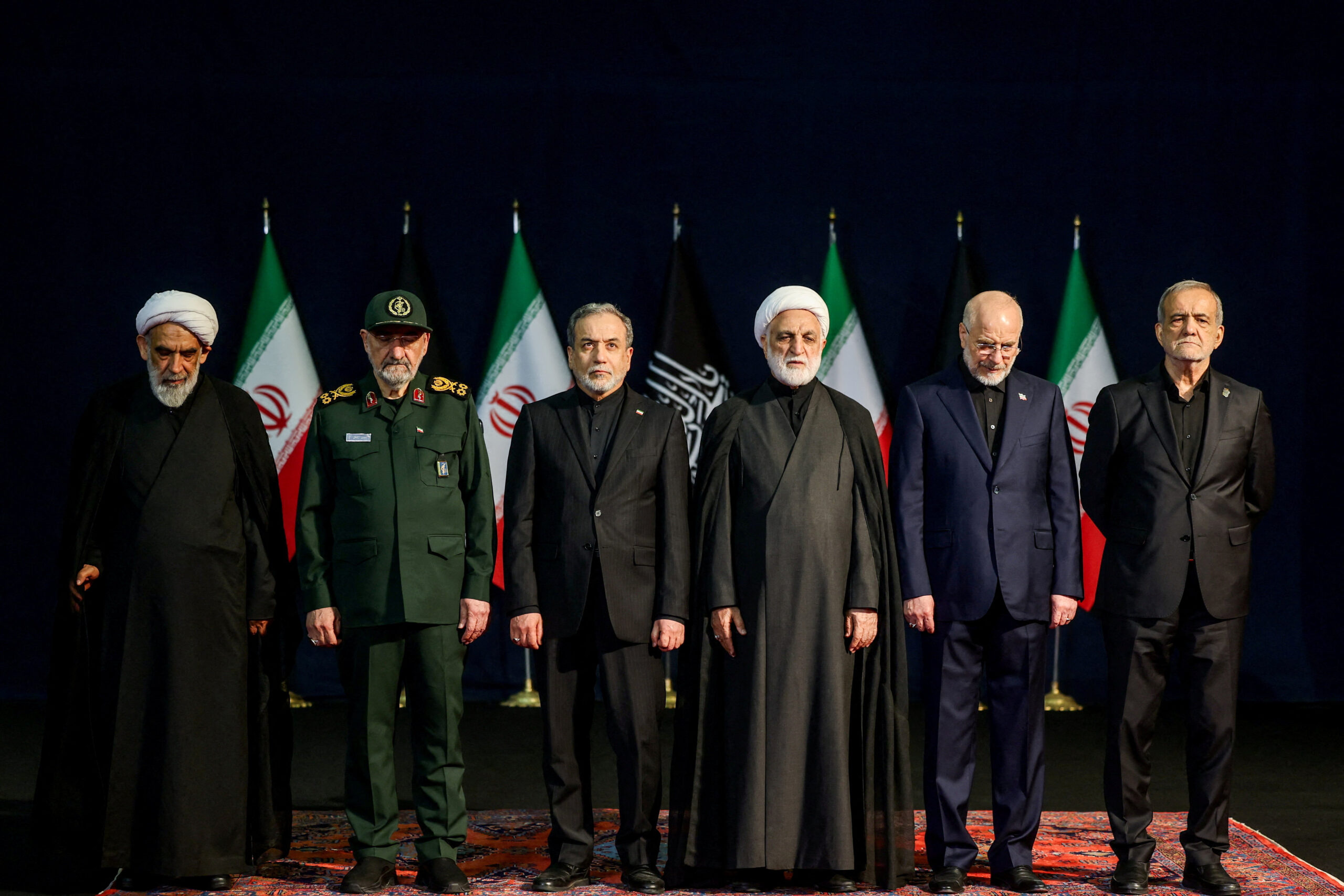
While there is historical precedent for collective leadership in Iran, today’s leadership includes representatives of the IRGC and regular military – a reflection of the IRGC’s expanding role and the necessities of governing under wartime conditions.
Events
Oct 6, 2026
Is the U.S.-Iran Stalemate a “New Normal” or the Prelude to Another Explosion?
On October 6, AGSI hosted a discussion on the U.S.-Iran stalemate and the prospects for a cease-fire.
Speakers



Book Talk: Iran and the Bomb: The United States, Iran and the Nuclear Question
On June 16, AGSI hosted a discussion on the evolution of Iran's nuclear program.
Speakers
Apr 21, 2026
Inside Iran’s Wartime Leadership: Power, Succession, and Regime Stability
On April 21, AGSI hosted a discussion on the evolution of Iran's leadership during the war.
Speakers

Mar 18, 2026
In Its Conflict With the United States and Israel, Does Escalation Favor Iran?
On March 18, AGSI hosted a discussion on the escalation of the Iran war.
Speakers