Apr 19, 2024
Crisis Contained? Iran’s State-Censored Media Reports Limited Israeli Attack, No Damage
The April 19 edition of the Iran Media Review examines immediate reactions to the Israeli strike in Isfahan.

Iranian authorities and Iran’s state-censored media seem to be downplaying the significance of Israel’s April 19 drone attack on a military facility in Isfahan. If Israel’s response remains limited to the drone attack, the regime may not feel immediate pressure to retaliate against Israel, potentially containing the crisis for now.
- April 19: Supreme National Security Council mouthpiece Nour News played down the significance of the Israeli attack:
- “After reports of explosions heard in the skies over Isfahan and claims by some foreign media regarding Israeli attacks on our territory, the Secretariat of the Supreme National Security Council issued a statement dismissing any foreign incursion onto our soil. Brigadier General Second Class Mihanparast, a senior army officer, attributed the sounds to Iran’s air defense systems responding to a suspicious object. He confirmed that no damage occurred, emphasizing that the province of Isfahan and its circumstances are completely normal.”
- Nour News also reported that all flights from Mehr Abad Airport were canceled until 10:30 a.m. local time. Additionally, it cited the International Atomic Energy Agency’s report confirming that Iran’s nuclear facilities were not targeted or damaged.
- April 19: Islamic Revolutionary Guard Corps mouthpiece Mashregh News reported:
- “A few hours ago, some sources reported hearing three blasts near the Islamic Republic of Iran air force base in northeastern Isfahan. Consequently, air defense systems in Isfahan and Tabriz were activated, possibly triggered by drone activity. Reliable sources have assured the public that the nuclear facilities in Isfahan remain completely secure, refuting any foreign media claims of attacks against them. Contrary to rumors, no explosion occurred in Tabriz; the sound was merely the air defense systems detecting a suspicious flying object. Tabriz’s air defenses, situated in Wadi Rahmat in the southeastern part of the city, cover the city, refinery, and petrochemical plant. Tabriz currently enjoys a state of calm.”
- April 19: Abd al-Rahim Ansari, a political analyst associated with the IRGC, downplayed the significance of the Israeli response in two posts on his Telegram channel. However, he also issued a warning to countries that may have facilitated Israel’s use of their territory or airspace to launch drones:
- In his first post, Ansari wrote: “There are reports of the activation of air defense systems in Isfahan and Tabriz. Two key issues require attention: First, we need clarity on whether Israel will unequivocally claim responsibility for the attack. Second, considering that the drones could not have been launched from Occupied Palestine,” referencing Israel, “we must ascertain their point of origin in order to respond effectively. If they were indeed launched from the Republic of Baku,” referencing Azerbaijan, “our response should not only target the Zionists but also send a message to” Azerbaijani President Ilham Aliyev.
- In his second post, Ansari wrote: “Israel’s use of drones serves two purposes: First, it aims to convey the message that ‘we do not wish to escalate tensions further.’ Second, it intends to utilize it for propaganda warfare.”
- April 19: The official Islamic Republic News Agency reported that civilian flights are back to normal schedule “at some airports.”
The views represented herein are the author's or speaker's own and do not necessarily reflect the views of AGSI, its staff, or its board of directors.
Related
Iran Media Review
Apr 16, 2024
New Jaish ul-Adl Attacks in Sistan and Baluchistan Province
The April 16 edition of the Iran Media Review highlights the continued attacks by Jaish ul-Adl in Sistan and Baluchistan province.
Iran Media Review
Apr 15, 2024
Iran-Israel Conflict: Retaliation and Risk of Further Escalation
The April 15 edition of the Iran Media Review examines a range of responses to Iran’s retaliatory attack against Israel.
Apr 16, 2024
New Jaish ul-Adl Attacks in Sistan and Baluchistan Province
The April 16 edition of the Iran Media Review highlights the continued attacks by Jaish ul-Adl in Sistan and Baluchistan province.
Apr 15, 2024
Iran-Israel Conflict: Retaliation and Risk of Further Escalation
The April 15 edition of the Iran Media Review examines a range of responses to Iran’s retaliatory attack against Israel.
Analysis
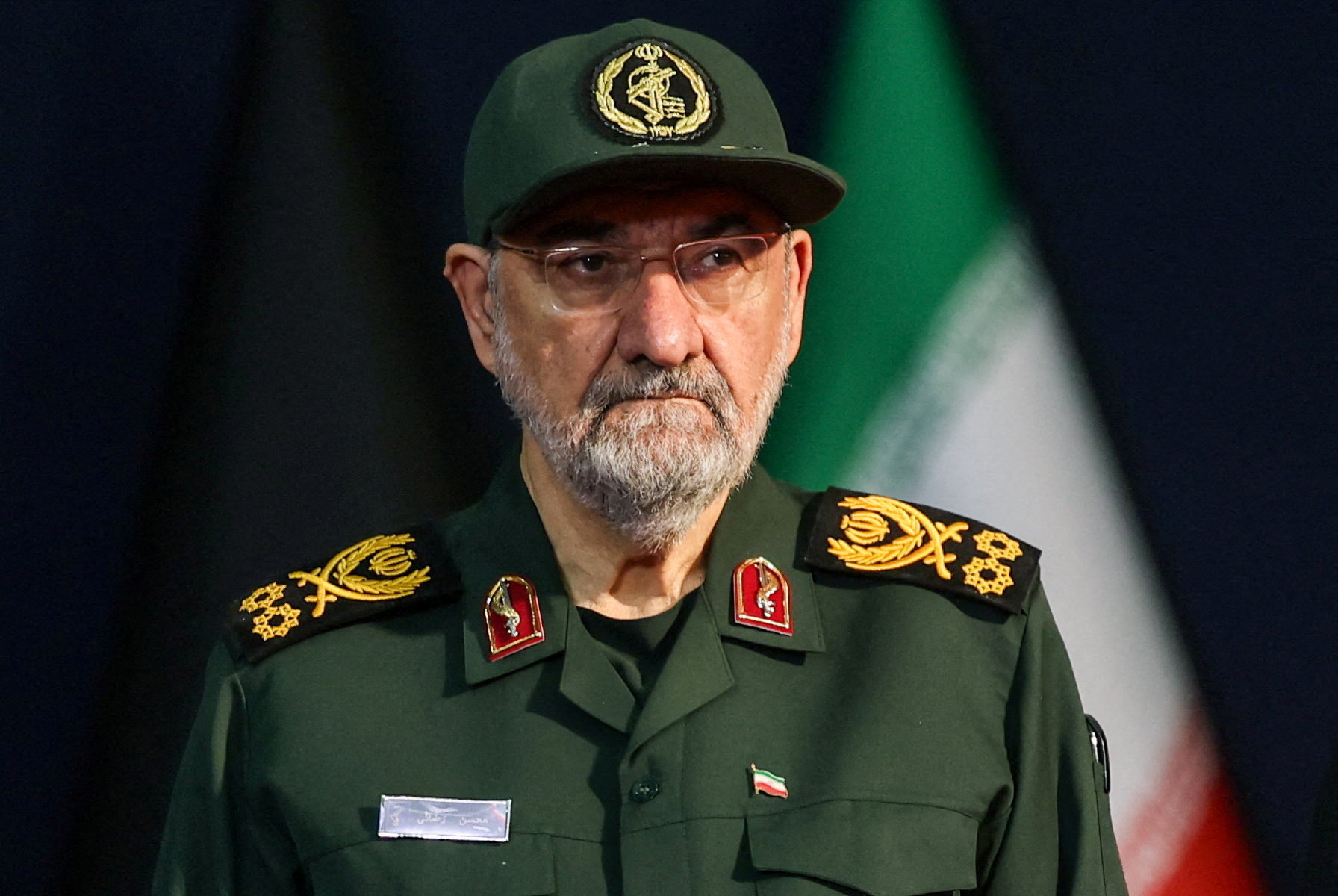
Mohsen Rezaei at the Helm of Iran’s Supreme National Security Council
Under Rezaei, the SNSC could prove constructive or paralyze strategic decision making.
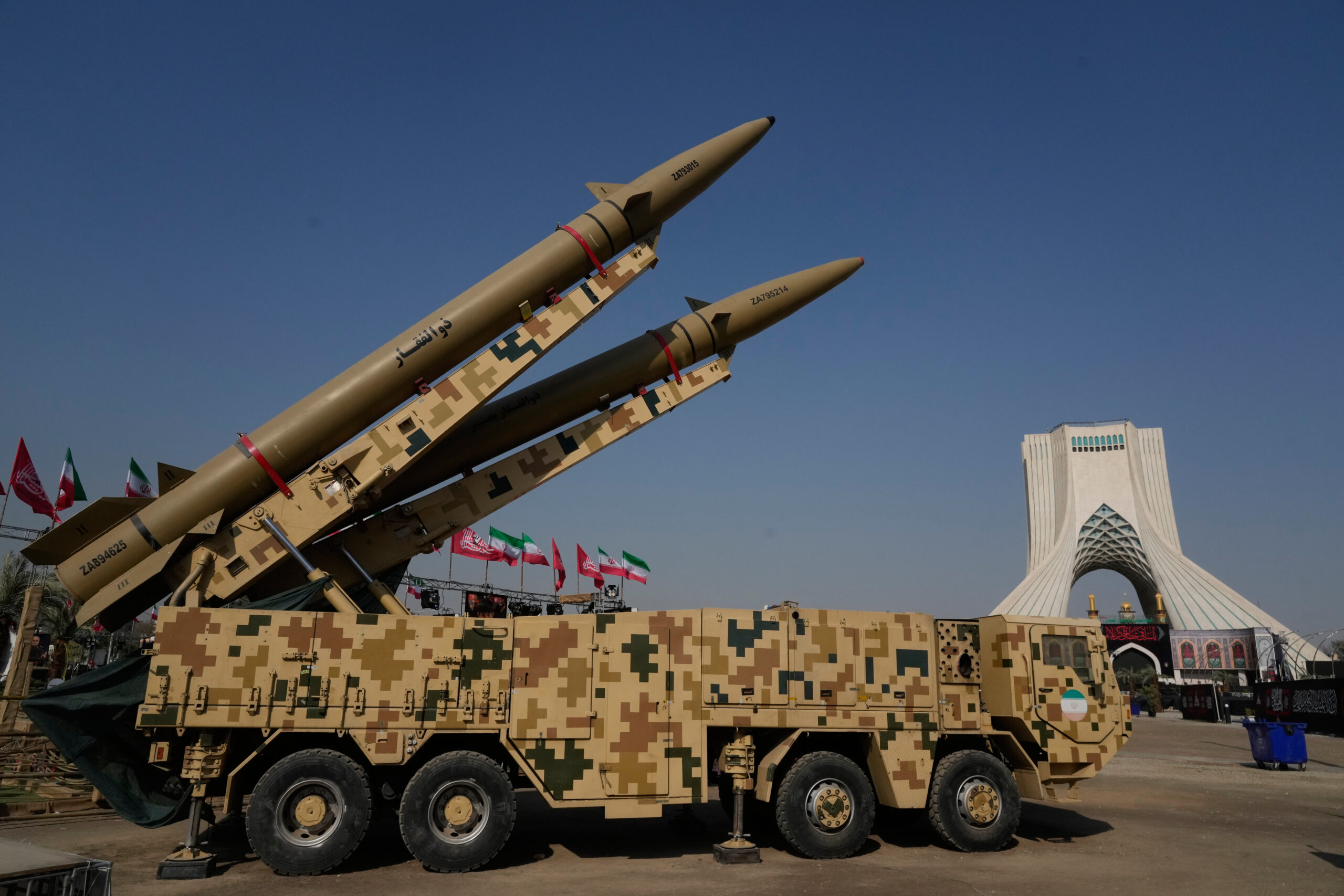
The Islamic Republic Returns to Offense
After U.S.-Israeli strikes killed Supreme Leader Ayatollah Ali Khamenei on February 28, Iran’s collective leadership has concluded that the best defense is a good offense.
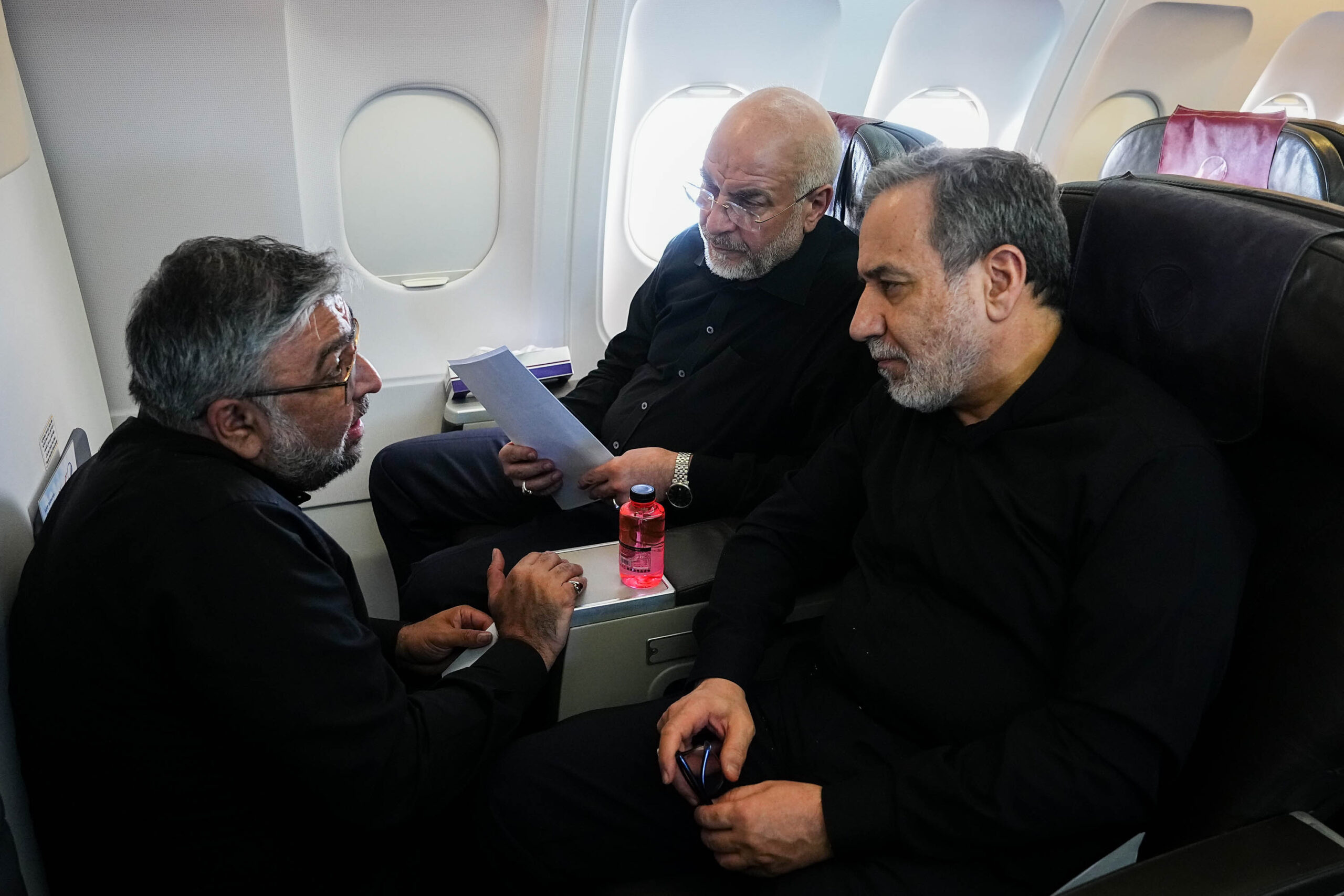
Iran’s Collective Strategic Decision Making
Wartime pressure has temporarily aligned the leadership’s overriding interest in regime survival, even as its members continue to differ over the costs, methods, and ultimate objectives of the war.
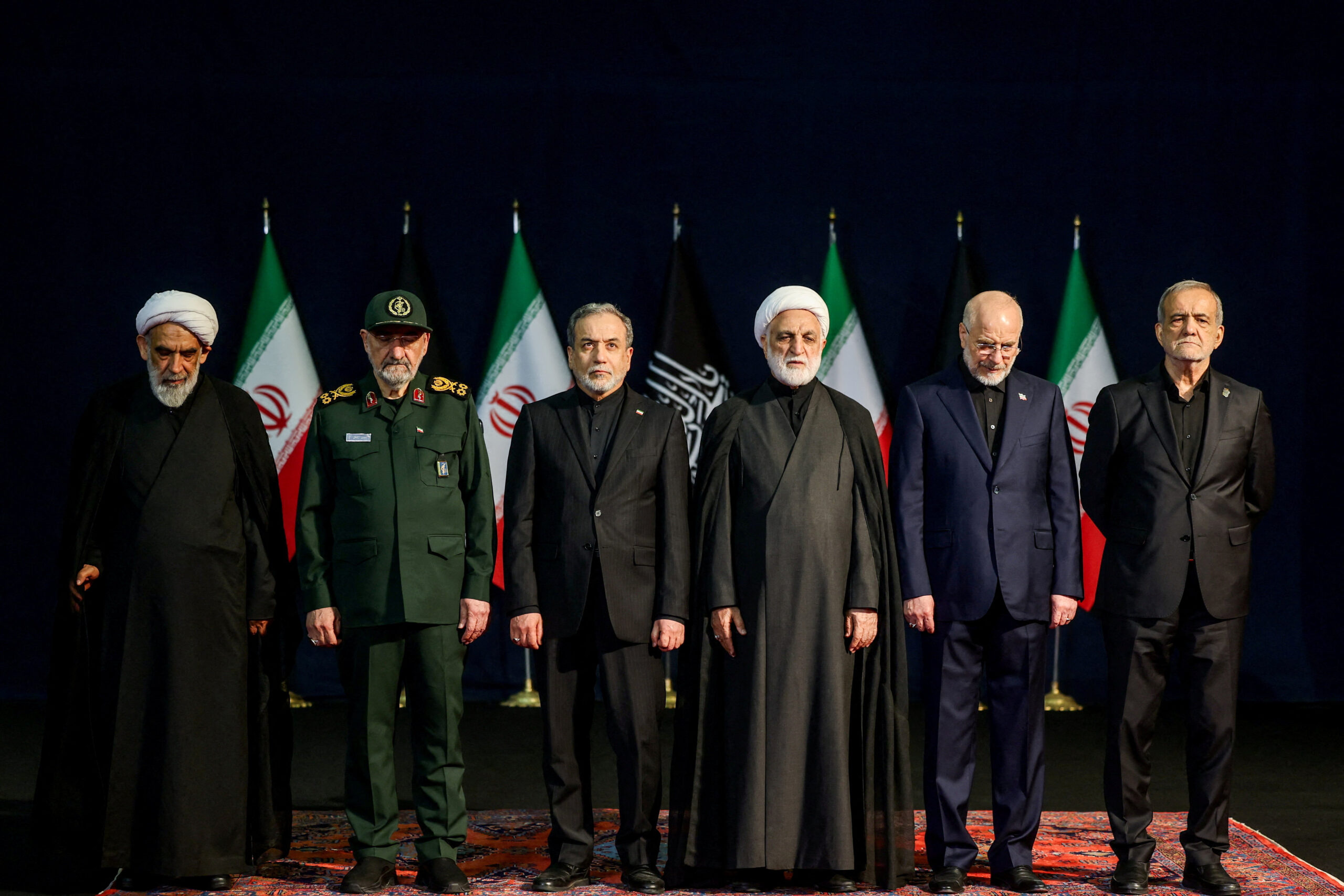
The Islamic Republic’s Collective Leadership
While there is historical precedent for collective leadership in Iran, today’s leadership includes representatives of the IRGC and regular military – a reflection of the IRGC’s expanding role and the necessities of governing under wartime conditions.
Events
Oct 6, 2026
Is the U.S.-Iran Stalemate a “New Normal” or the Prelude to Another Explosion?
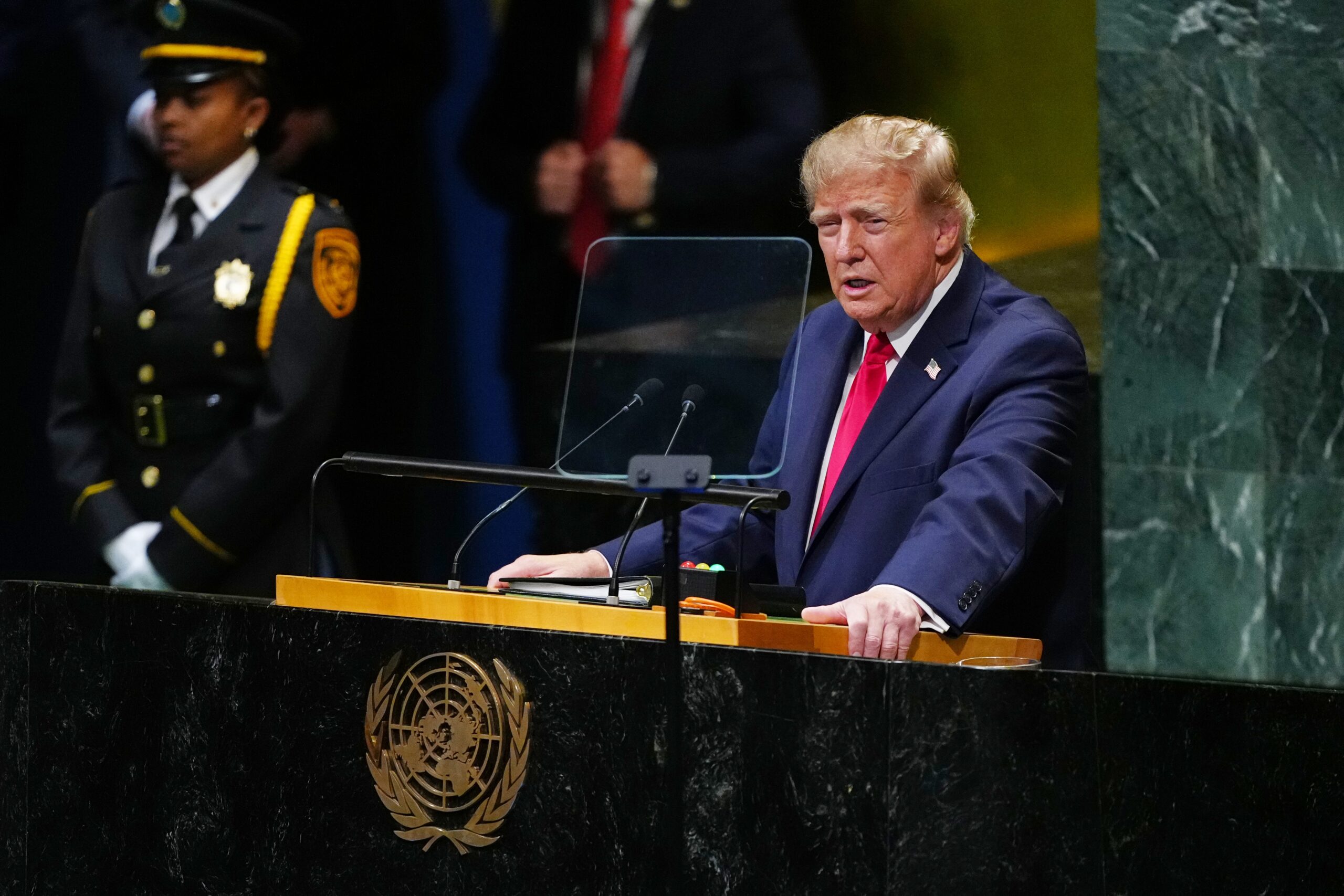
On October 6, AGSI hosted a discussion on the U.S.-Iran stalemate and the prospects for a cease-fire.
Speakers



Book Talk: Iran and the Bomb: The United States, Iran and the Nuclear Question
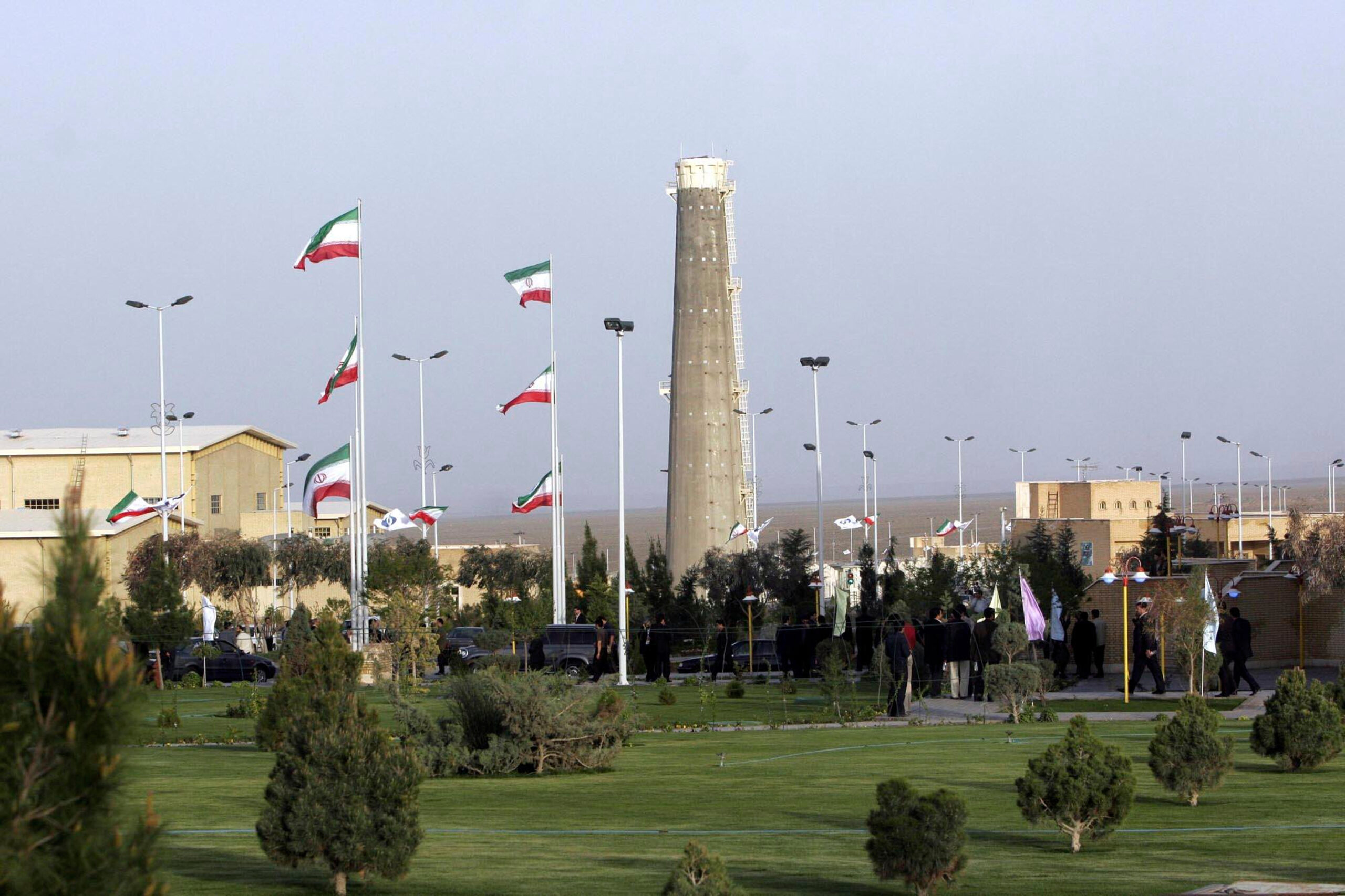
On June 16, AGSI hosted a discussion on the evolution of Iran's nuclear program.
Speakers

Apr 21, 2026
Inside Iran’s Wartime Leadership: Power, Succession, and Regime Stability
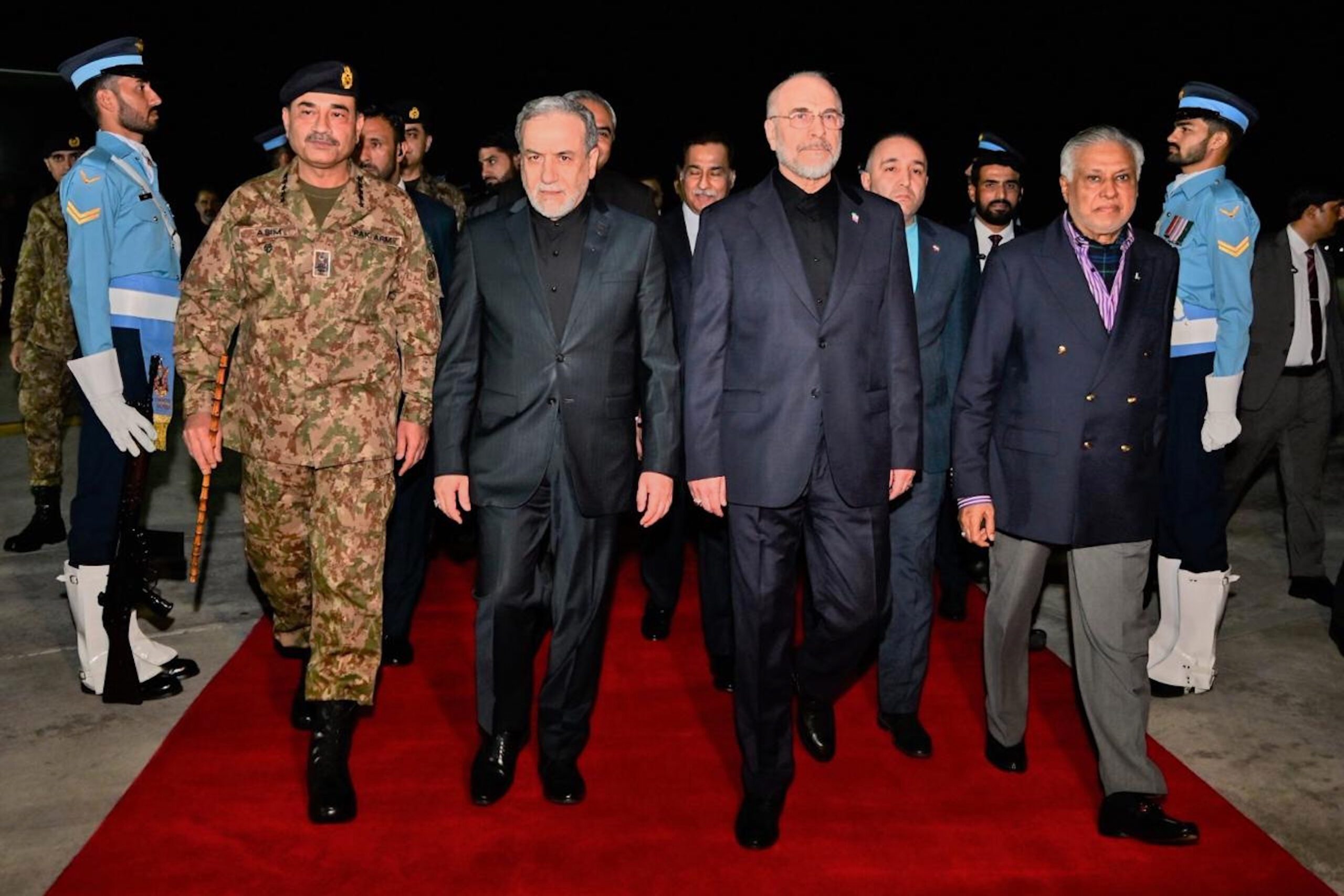
On April 21, AGSI hosted a discussion on the evolution of Iran's leadership during the war.
Speakers

Mar 18, 2026
In Its Conflict With the United States and Israel, Does Escalation Favor Iran?
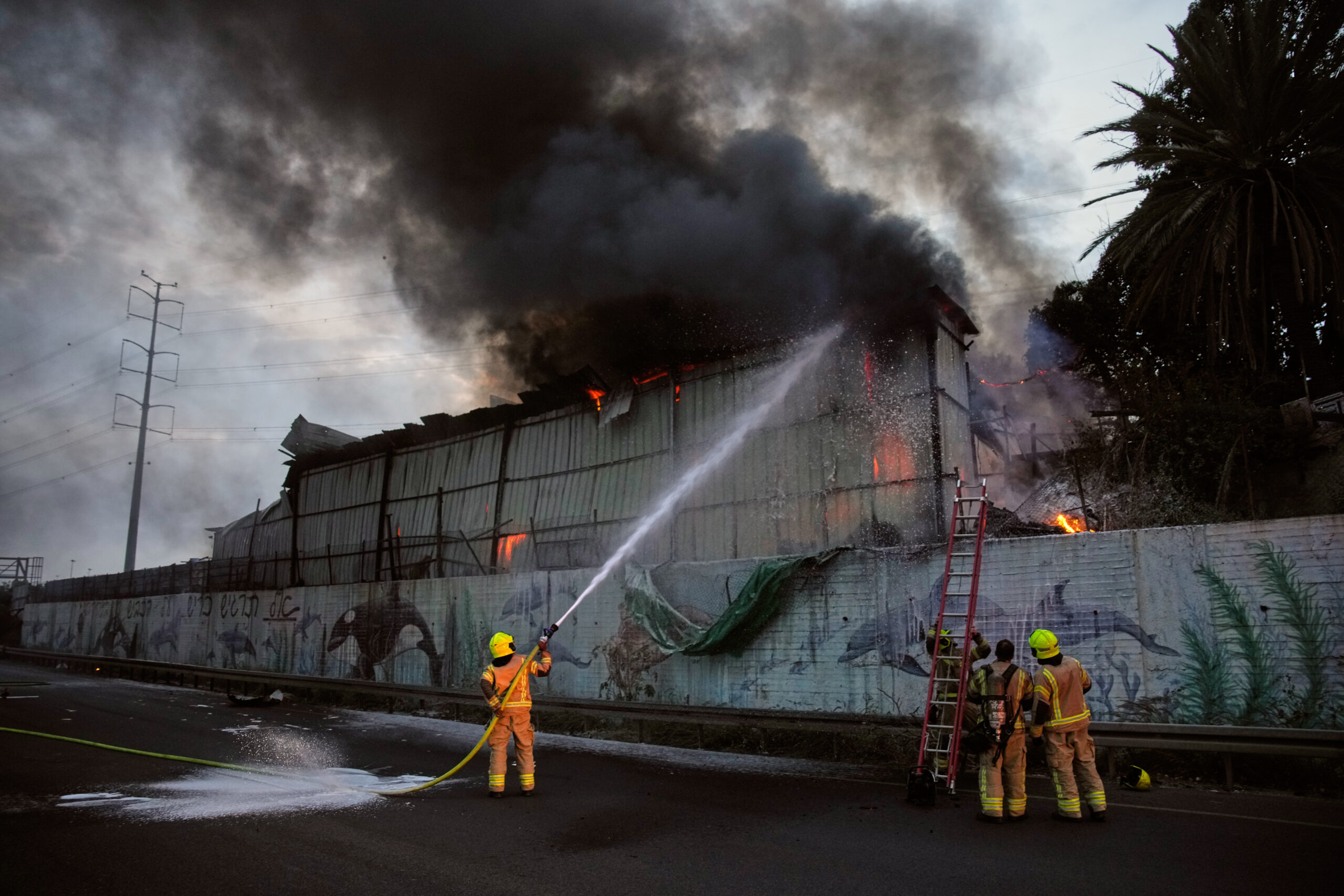
On March 18, AGSI hosted a discussion on the escalation of the Iran war.
Speakers