Dec 19, 2025
Iran: Searching For a Way Out of the Impasse
The December 19 edition of the Iran Media Review examines an article by the son of a late Iranian president suggesting a way out of Iran’s current foreign and domestic crises.

Mohsen Hashemi Rafsanjani, son of late President Ali Akbar Hashemi Rafsanjani, has emerged as one of the most prominent strategists among Iran’s technocratic elite. Whether his proposed strategy for extricating the state from its current entanglements will prove acceptable to the ruling establishment, however, remains an open question.
- December 17: Reformist Shargh featured an article by Mohsen Hashemi Rafsanjani prominently on its front page:
-
- “Today’s reality in Iran can be described as a state of strategic suspension: a condition in which neither clear, trouble-free progress is possible nor low-cost retreat feasible. This suspension has effectively confined the management of the country to the constant shadow of threat and the possibility of war, causing investment, social stability, and economic decision making to come almost to a halt. This stagnation has intensified economic and livelihood pressures and can, in turn, provide the ground for social discontent and the escalation of social crises. If we assume that a scenario involving the imposition of a 12-day war with the aim of triggering internal unrest is plausible, this suggests that, in the enemy’s view, another war could occur following the creation of social instability. Improving economic conditions and organizing livelihoods will be difficult without effective cooperation with external actors, especially China and Russia. These countries are willing to cooperate, but, without taking into account their competitive considerations vis-à-vis the United States, they cannot offer unconditional assistance to Iran.”
-
- “Cooperation with China and Russia can reduce economic pressure and its social consequences, but on its own it is not capable of resolving deep structural economic imbalances. This reality shows that a smart, balanced foreign policy pursued alongside domestic development is a necessary condition for reducing pressure and increasing resilience.”
-
- “Domestically, although coordination among the three branches of government has been acceptable, the government’s shift from efficiency to an emphasis on ‘consensus’ provides the Parliament with a pretext to use impeachment tools, and signs of this approach have already emerged. In the international arena as well, reliance on a policy of strategic patience or waiting for a change in the U.S. administration offers no guarantee of improvement. Iran must strengthen its managerial, economic, and industrial capacities so that time does not turn from a potential opportunity into a negative factor. Iran’s defensive power, though vital, is not sufficient on its own to establish a security balance, especially under conditions in which Israeli activities and regional pressures continue with intensity. In this context, utilizing Iran’s maritime infrastructure and capabilities – due to their strategic characteristics – can, at the economic level, partially shift the balance in the country’s favor and also provide the necessary platform for bargaining and bringing regional countries on board in managing tensions.”
-
- “However, expecting China or Russia to intervene directly and in a balance-shaping manner in this domain is unrealistic, as neither the technical capacity nor strong political will for such action exists. The use of the axis of resistance’s capacities also faces serious limitations for various reasons, particularly the sensitive conditions of Hezbollah in Lebanon. Under such circumstances, preserving Hezbollah’s political position through diplomatic initiatives is essential, because any damage to the axis of resistance within the Islamic world against the Zionist regime could reinforce the narrative of a weak Iran. Inaction in this area could also expose the country to unpredictable consequences. To exit the state of suspension, Iran must simultaneously pursue a three-pillar plan: first, increasing economic and social resilience; second, lifting sanctions while maintaining economic relations with China and East Asia and, at the same time, reducing tensions with the West and avoiding the creation of economic interests for those who profit from sanctions; and third, strengthening defensive capabilities based on smart political and operational approaches.”
-
- “To move beyond the current situation, five fundamental actions must be pursued simultaneously. First, enhance social capital by strengthening cohesion through the acceptance of cultural and social diversity, de-securitizing, empowering society, and creating hope and a clear outlook for the people. Second, revise institutional efficiency by using domestic and foreign experts, reforming the appointments system, promoting meritocracy, and opening the doors of governance to capable forces. Third, make serious investments in infrastructure, removing obstacles to foreign investment, realistically aligning revenue and expenditure in the energy sector, and paying effective attention to environmental issues. Fourth, reduce international tensions, defining win-win interests with Eastern partners, strengthening regional cooperation, and expanding relations with Persian Gulf countries. Fifth, advance genuine welfare and economic policies, including improving education, health care, and insurance, setting wages in line with inflation, supporting domestic production, creating job opportunities, and enabling the broad participation of educated women in the economy. The implementation of these measures will be effective only if they proceed simultaneously and in a coordinated manner.”
The views represented herein are the author's or speaker's own and do not necessarily reflect the views of AGSI, its staff, or its board of directors.
Related
Iran Media Review
Dec 16, 2025
Popular Resistance Front: New Umbrella Organization for Anti-Regime Militants
The December 16 edition of the Iran Media Review considers Iranian media responses to the newly announced merger of militant anti-regime groups in Sistan and Baluchistan province.
Iran Media Review
Dec 12, 2025
Iranian Media Reacts to the U.S. National Security Strategy
The December 12 edition of the Iran Media Review highlights Iranian media responses to the release of the latest U.S. National Security Strategy.
Iran Media Review
Dec 9, 2025
Iranian Media Lashes Out at UAE and Bahrain Over GCC Statement
The December 9 edition of the Iran Media Review analyzes Iranian media attacks on the United Arab Emirates and Bahrain in response to a Gulf Cooperation Council communique.
Dec 16, 2025
Popular Resistance Front: New Umbrella Organization for Anti-Regime Militants
The December 16 edition of the Iran Media Review considers Iranian media responses to the newly announced merger of militant anti-regime groups in Sistan and Baluchistan province.
Dec 12, 2025
Iranian Media Reacts to the U.S. National Security Strategy
The December 12 edition of the Iran Media Review highlights Iranian media responses to the release of the latest U.S. National Security Strategy.
Dec 9, 2025
Iranian Media Lashes Out at UAE and Bahrain Over GCC Statement
The December 9 edition of the Iran Media Review analyzes Iranian media attacks on the United Arab Emirates and Bahrain in response to a Gulf Cooperation Council communique.
Analysis
Protests in Iran: Regime Deal With Trump or Degrade Toward Collapse?
Though the Iranian regime is facing increasing pressure from protesters and armed insurgent groups, it is not yet doomed – but without a deal with the United States, the regime is likely headed for a slow collapse.
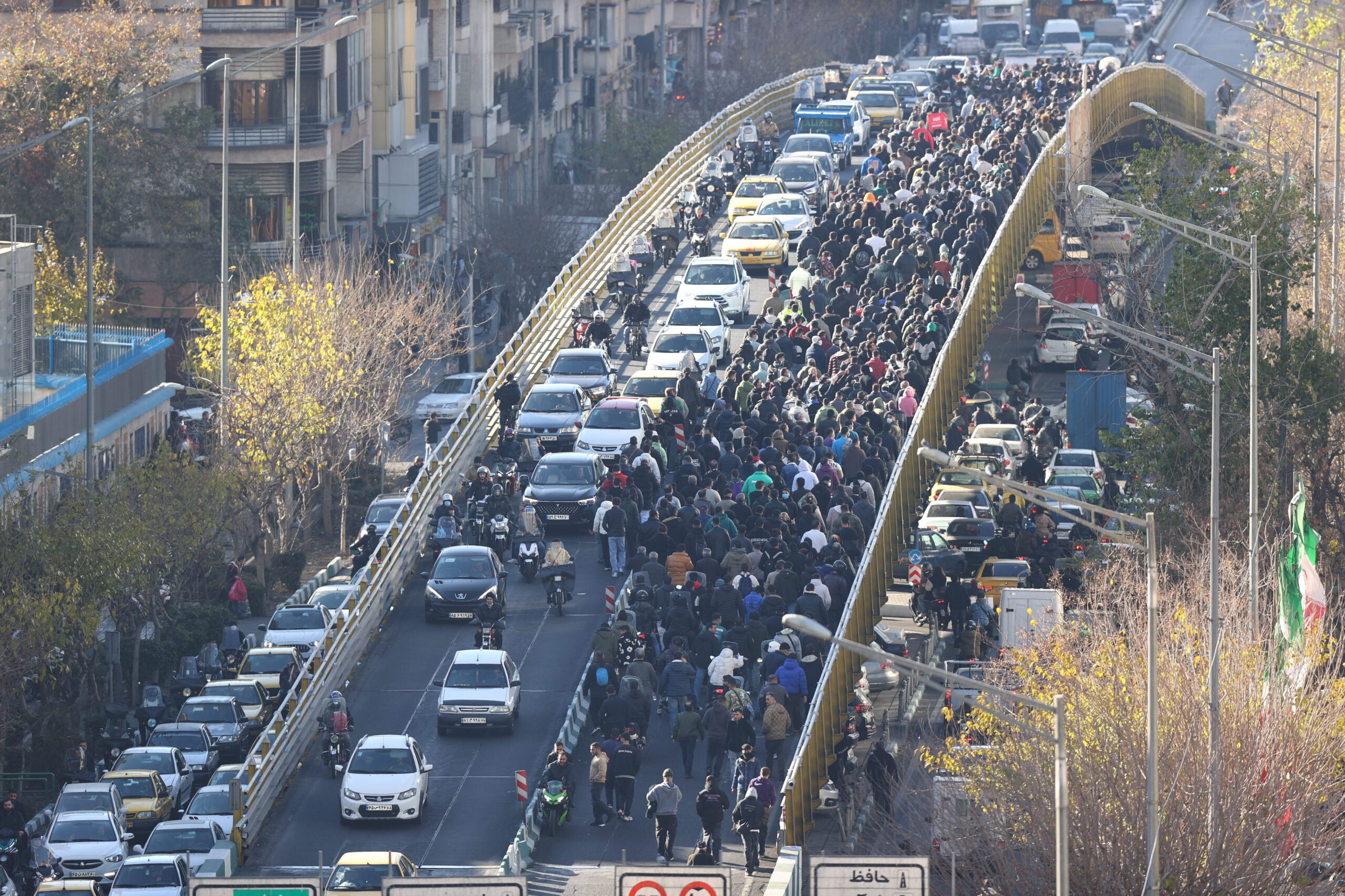
Iran Looms Over Saudi Visit to Washington
Saudi Arabia seeks a U.S. security umbrella strong enough to deter Iran but a diplomatic posture measured enough to avoid provoking Iran unnecessarily.
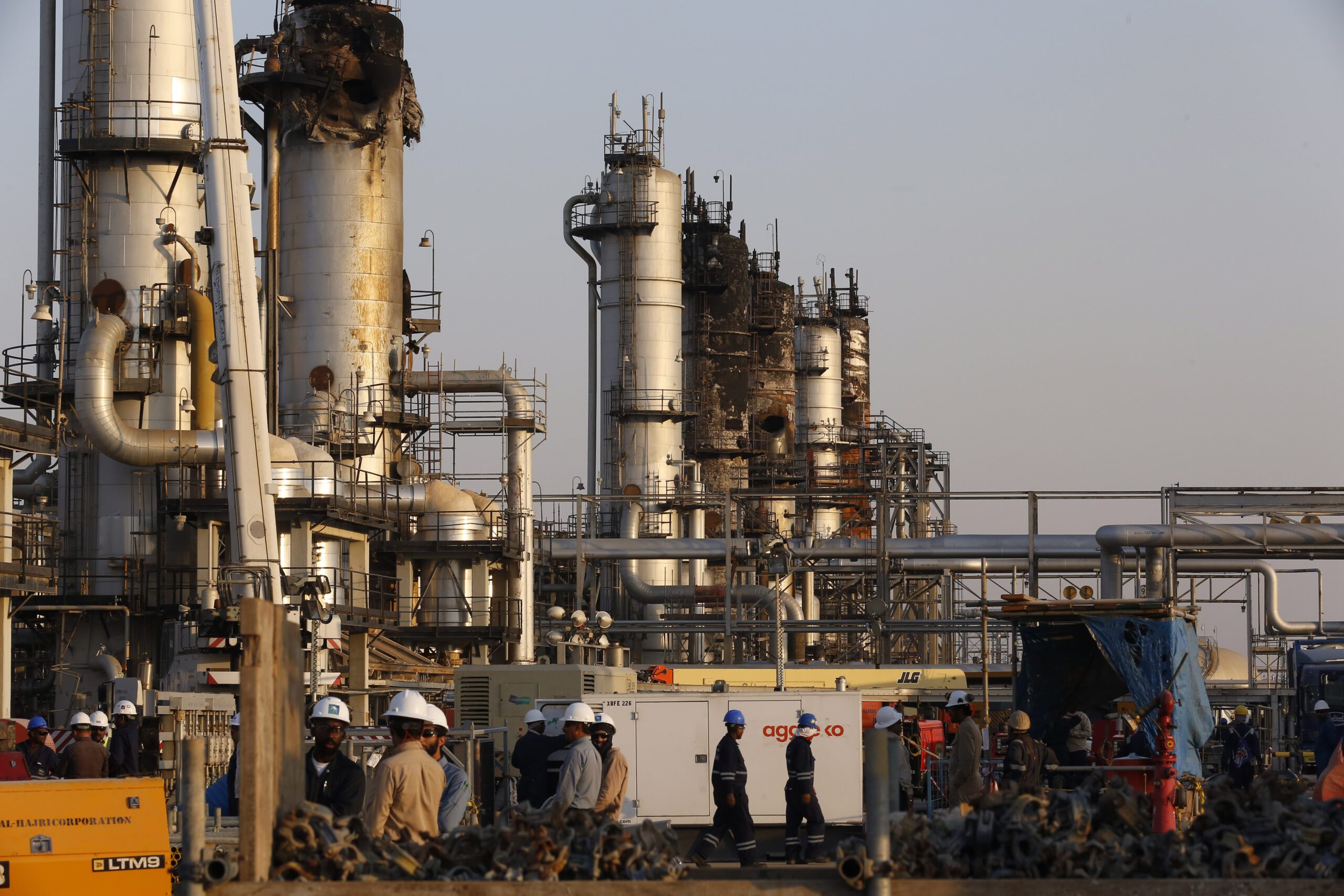
The Pragmatist Who Came In From the Cold: Ali Larijani, Iran’s New Supreme National Security Council Secretary
An Iraqi-born native of Najaf but an unmistakably Iranian nationalist, Ali Larijani is expected to leverage his record of bureaucratic competence and global fluency to coordinate Iran’s security bureaucracy.
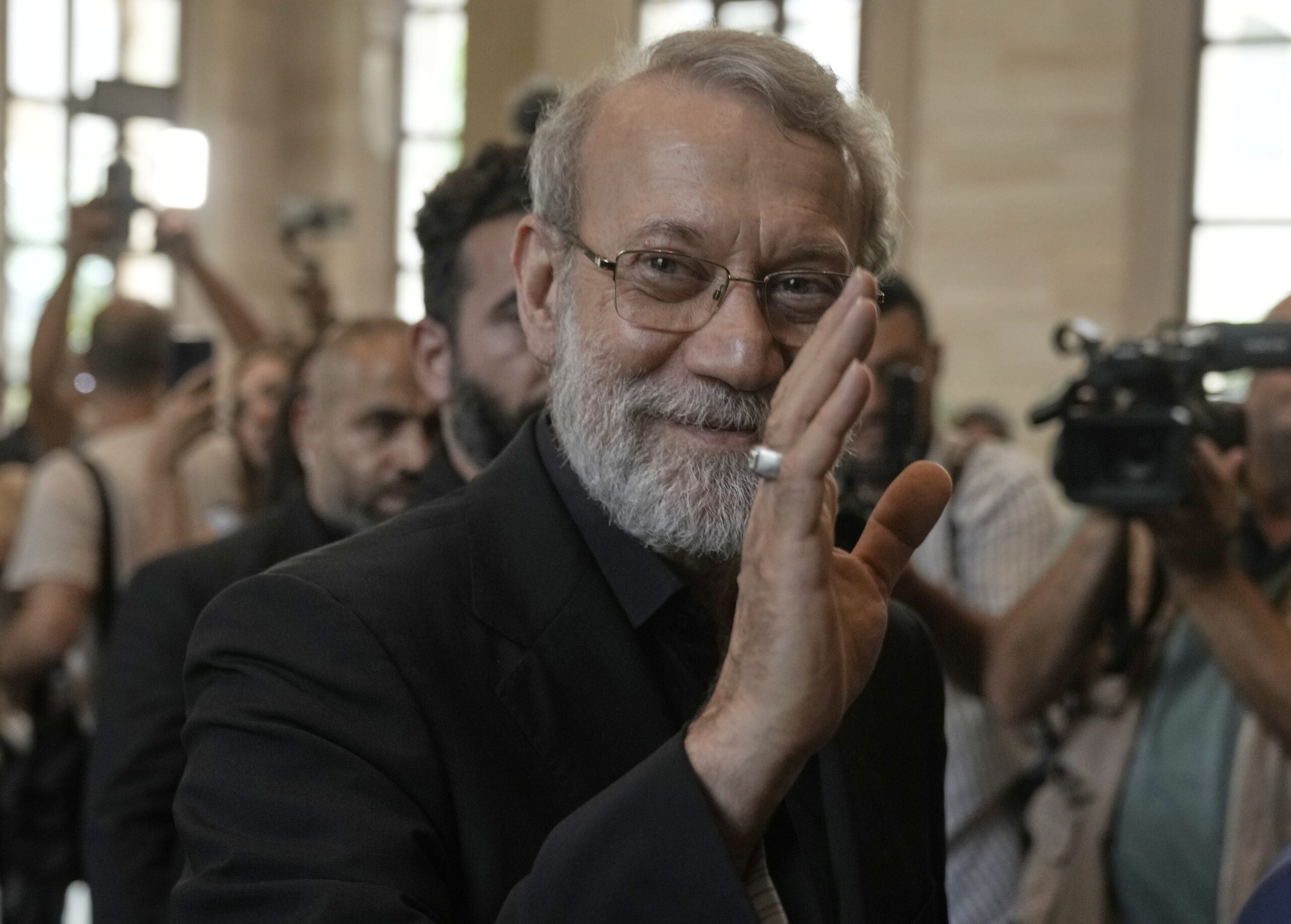
Iran: Perilous Policy Paralysis
Confronted with the clear and present danger posed by Israel, Iran’s collective leadership appears mired in policy paralysis, leaving Iran strategically adrift.
Events
Jan 8, 2026
Outlook 2026: Prospects and Priorities for U.S.-Gulf Relations in the Year Ahead
On January 8, AGSI hosted a virtual roundtable with its leadership and scholars as they look ahead and assess trends likely to shape the Gulf region and U.S. foreign policy during the coming year.
Speakers






Sep 16, 2025
Book Talk: Iran’s Grand Strategy: A Political History
On September 16, AGSI hosted a discussion on the roots of Iran's strategic outlook.
Speakers
Jun 23, 2025
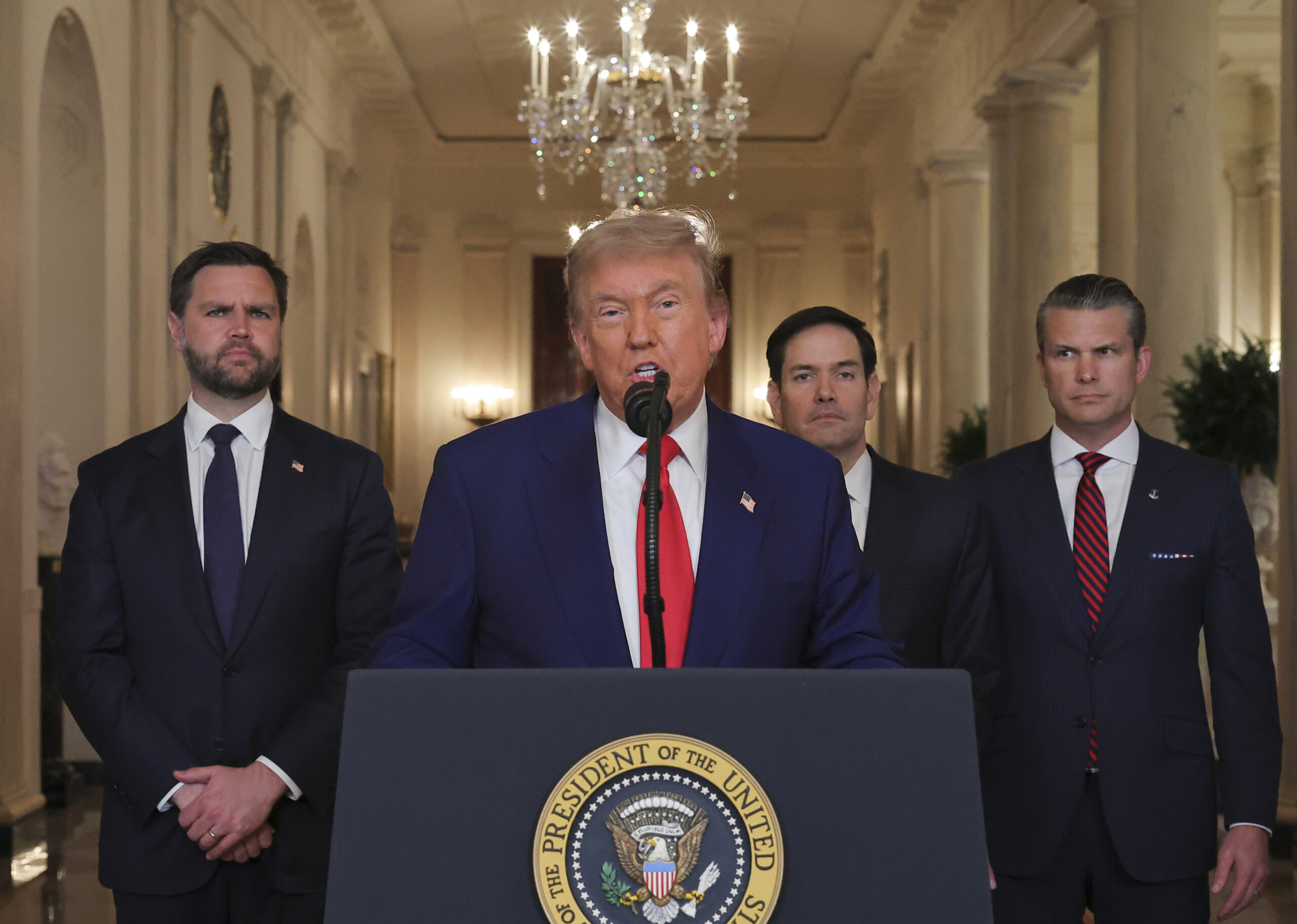
U.S. Strike on Iran: Regional and Diplomatic Fallout
On June 23, AGSI hosted a discussion on the United States' attack on Iranian nuclear sites.
Speakers
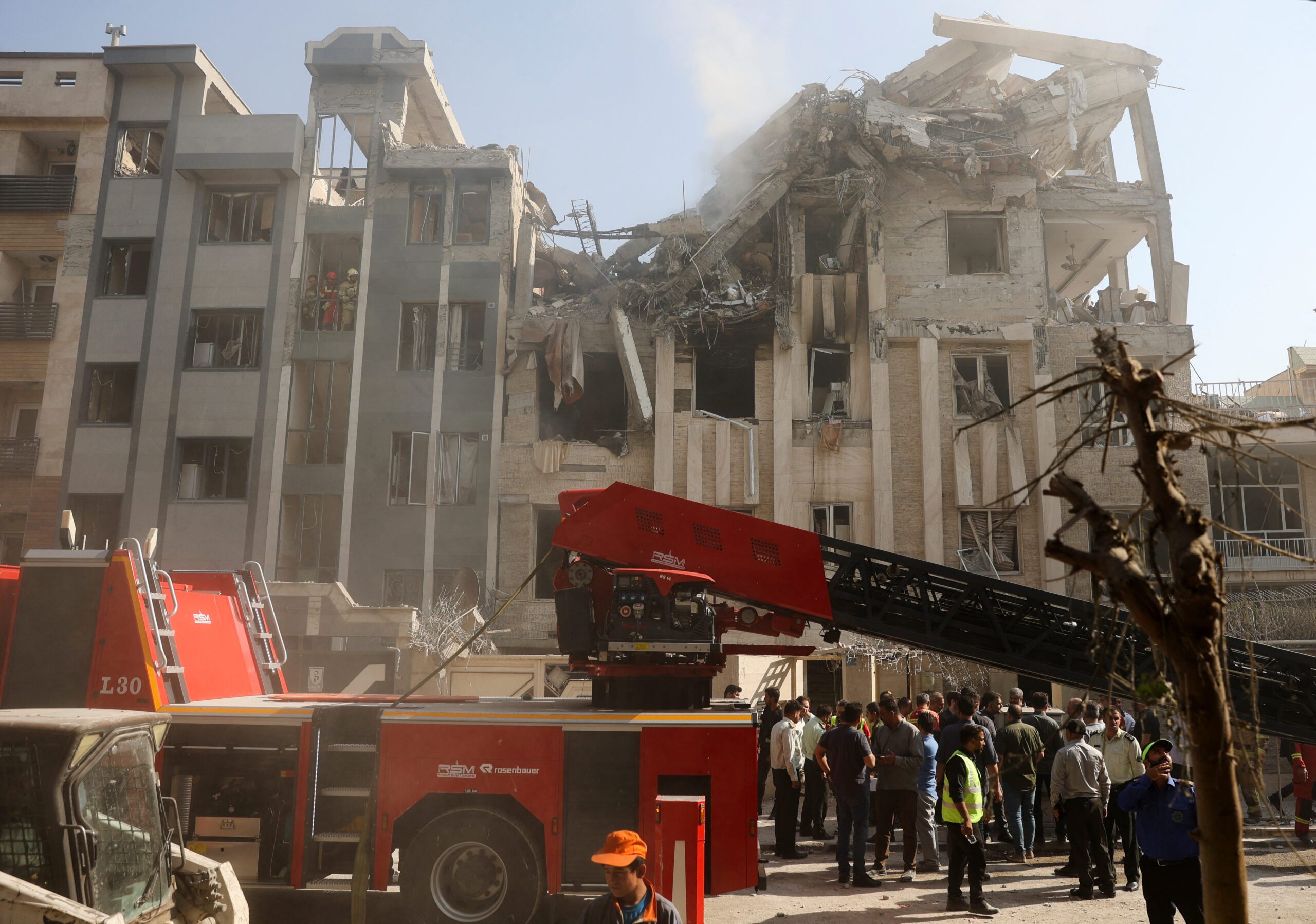
Assessing Iranian, U.S., and Gulf Reactions and Options Following Israel’s Unprecedented Attack on Iran
On June 16, AGSI hosted a discussion on Israel's attack on Iran.
Speakers