May 16, 2025
Iran Backs Diplomacy With Threats of Disruption
The May 16 edition of the Iran Media Review considers how Iranian officials are adopting strategic ambiguity in their rhetoric about negotiations with the United States.

Much like President Donald J. Trump’s dual-track rhetoric toward Iran – alternating between coercive threats and inducements, such as the prospect of sanctions relief – Iran has adopted a tactic of strategic ambiguity. Tehran is projecting a willingness to engage in diplomacy over its nuclear program while simultaneously issuing threats to disrupt maritime oil shipments in the Gulf in the event of U.S. military escalation.
- May 13: Islamic Revolutionary Guard Corps-affiliated Tasnim News Agency reported on the IRGC navy‘s new defense plan for the Greater Tunb, Lesser Tunb, and Abu Mousa islands, emphasizing Iran’s “active deterrence and layered regional defense” approach.
- May 14: Tabnak News Agency, which is close to former IRGC Chief Mohsen Rezaei, in an article explaining the “active deterrence” approach, intimated that Iran would target oil shipments traveling through the Gulf if Iran is attacked.
- May 14: Supreme National Security Council-affiliated Nour News Agency reported that Foreign Minister Abbas Aragchi, in a response to President Donald J. Trump’s May 13 address at the U.S.-Saudi Investment Forum, stated:
-
- “Regrettably, a highly misleading narrative was articulated: Trump is endeavoring to frame Iran as a source of regional instability, yet who bears responsibility for the deaths of over 60,000 individuals in Gaza? The unsuccessful ‘maximum pressure’ strategy has proved ineffective in altering Iran’s strategic calculus.”
-
- Referring to Trump’s praise of Arab states’ economic and societal development, Araghchi stated: “Our current economic challenges stem from coercive and extraterritorial U.S. sanctions not from endogenous policy failures.”
-
- Araghchi underscored that “indirect negotiations” with the United States remain ongoing. He also affirmed Iran’s readiness to engage in diplomatic dialogue with European actors, but he added: “Regrettably, the Europeans have rendered themselves peripheral due to their own strategic decisions. However, this is not an outcome we seek.” Araghchi also stated that Iranian and European deputy foreign ministers are scheduled to convene May 16 in Istanbul.
- May 14: A senior negotiator, Deputy Foreign Minister Majid Takht-Ravanchi, was quoted by Tasnim News Agency while speaking at the Tehran Book Fair:
-
- “We have only just commenced substantive discussion regarding the scope and scale of uranium enrichment activities. However, we have conveyed that, as part of reciprocal confidence-building measures, we are willing to accept limited restrictions on enrichment capacity and other nuclear dimensions for a defined duration … Such a measure would not be unilateral but embedded within a broader framework of mutual trust-building efforts. Iran maintains that its nuclear program remains entirely peaceful in character.”
- May 14: Another senior negotiator, Deputy Foreign Minister Kazem Gharibabadi, in testimony before the parliamentary National Security and Foreign Policy Committee, stated, as reported by IRGC-aligned Javan:
-
- “Should the United States pursue a maximalist objective of total cessation of enrichment activities, the Islamic Republic sees no strategic rationale to continue negotiations.”
-
- Quoting a separate “informed source,” Javan reported: “The Joint Comprehensive Plan of Action was adopted by Tehran as a provisional accord that ceased to align with Iran’s strategic interests following the U.S. withdrawal. The nuclear program has since experienced significant advancement thereby enhancing Iran’s bargaining power … Enrichment at 20% is perceived by Iranian decision makers as a strategic imperative to sustain a robust nuclear infrastructure. Consequently, Tehran has established this threshold as a nonnegotiable parameter in ongoing talks. Given that Witkoff has articulated a position opposing any enrichment in Iran, this will constitute a principal point of contention in the upcoming negotiation rounds.”
-
- Nevertheless, Javan, referencing “alternative analytical viewpoints,” suggested the possibility that “Iran, by agreeing to a temporary suspension of enrichment at this threshold in exchange for U.S. recognition of the principle of indigenous enrichment, might seek to incentivize Trump to endorse a revised accord.” Under such circumstances, an unnamed analyst quoted by Javan opined: “Trump could claim to have halted Iran’s enrichment program and frame this as a diplomatic success … Iran, in turn, could assert that its temporary compromise on the 20% enrichment level resulted in U.S. recognition of what is just.”
- May 15: Admiral Ali Shamkhani, former secretary of the Supreme National Security Council, stated in an interview with NBC that Iran was ready for a deal:
-
- “We can definitely have better relations with the United States.” Shamkhani added that Iran would be prepared to issue a binding commitment never to pursue nuclear weapons, relinquish its existing stockpile of highly enriched uranium, place its nuclear infrastructure under an inspection regime, and limit uranium enrichment strictly to levels consistent with civilian energy requirements. In return, Iran would seek full sanctions relief. He concluded by asserting that Tehran would be prepared to endorse such an accord “tonight.”
The views represented herein are the author's or speaker's own and do not necessarily reflect the views of AGSI, its staff, or its board of directors.
Related
Iran Media Review
May 13, 2025
Araghchi: U.S. and Iran Agree on Continued Talks
The May 13 edition of the Iran Media Review evaluates remarks by the Iranian foreign minister and state-controlled media endorsing continued U.S.-Iran negotiations.
Iran Media Review
May 9, 2025
The Use of Force and the Trajectory of U.S.-Iran Talks
The May 9 edition of the Iran Media Review examines disagreements among Iranian media outlets about the effect of a Houthi missile strike targeting Israel on U.S.-Iranian negotiations.
Iran Media Review
May 6, 2025
Nour News on Postponement of Talks: “Neither a Dead End, nor Complete Progress”
The May 6 edition of the Iran Media Review highlights Iranian media analysis about the postponement of U.S.-Iran negotiations.
May 13, 2025
Araghchi: U.S. and Iran Agree on Continued Talks
The May 13 edition of the Iran Media Review evaluates remarks by the Iranian foreign minister and state-controlled media endorsing continued U.S.-Iran negotiations.
May 9, 2025
The Use of Force and the Trajectory of U.S.-Iran Talks
The May 9 edition of the Iran Media Review examines disagreements among Iranian media outlets about the effect of a Houthi missile strike targeting Israel on U.S.-Iranian negotiations.
May 6, 2025
Nour News on Postponement of Talks: “Neither a Dead End, nor Complete Progress”
The May 6 edition of the Iran Media Review highlights Iranian media analysis about the postponement of U.S.-Iran negotiations.
Analysis
The Islamic Republic Returns to Offense
After U.S.-Israeli strikes killed Supreme Leader Ayatollah Ali Khamenei on February 28, Iran’s collective leadership has concluded that the best defense is a good offense.
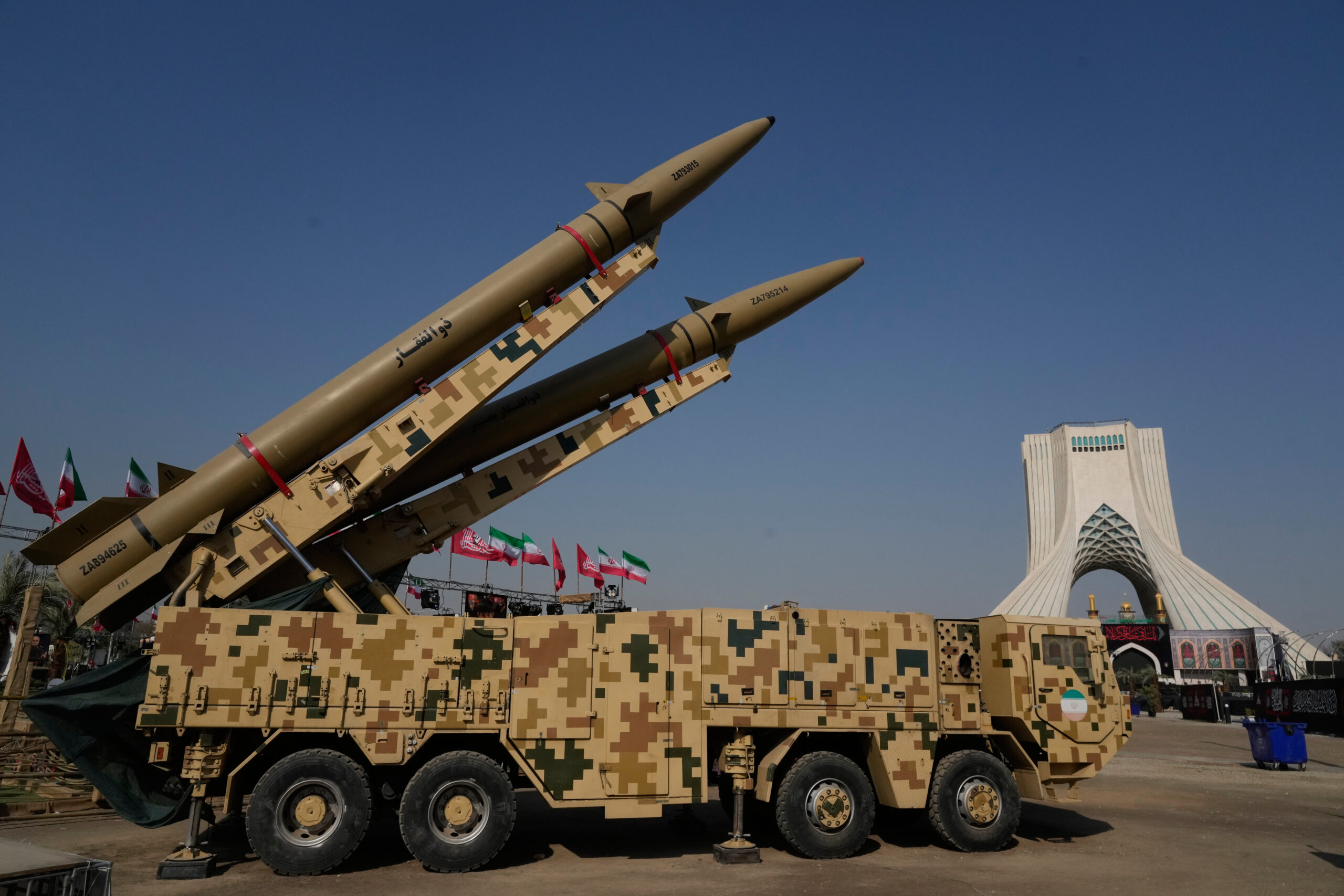
Iran’s Collective Strategic Decision Making
Wartime pressure has temporarily aligned the leadership’s overriding interest in regime survival, even as its members continue to differ over the costs, methods, and ultimate objectives of the war.
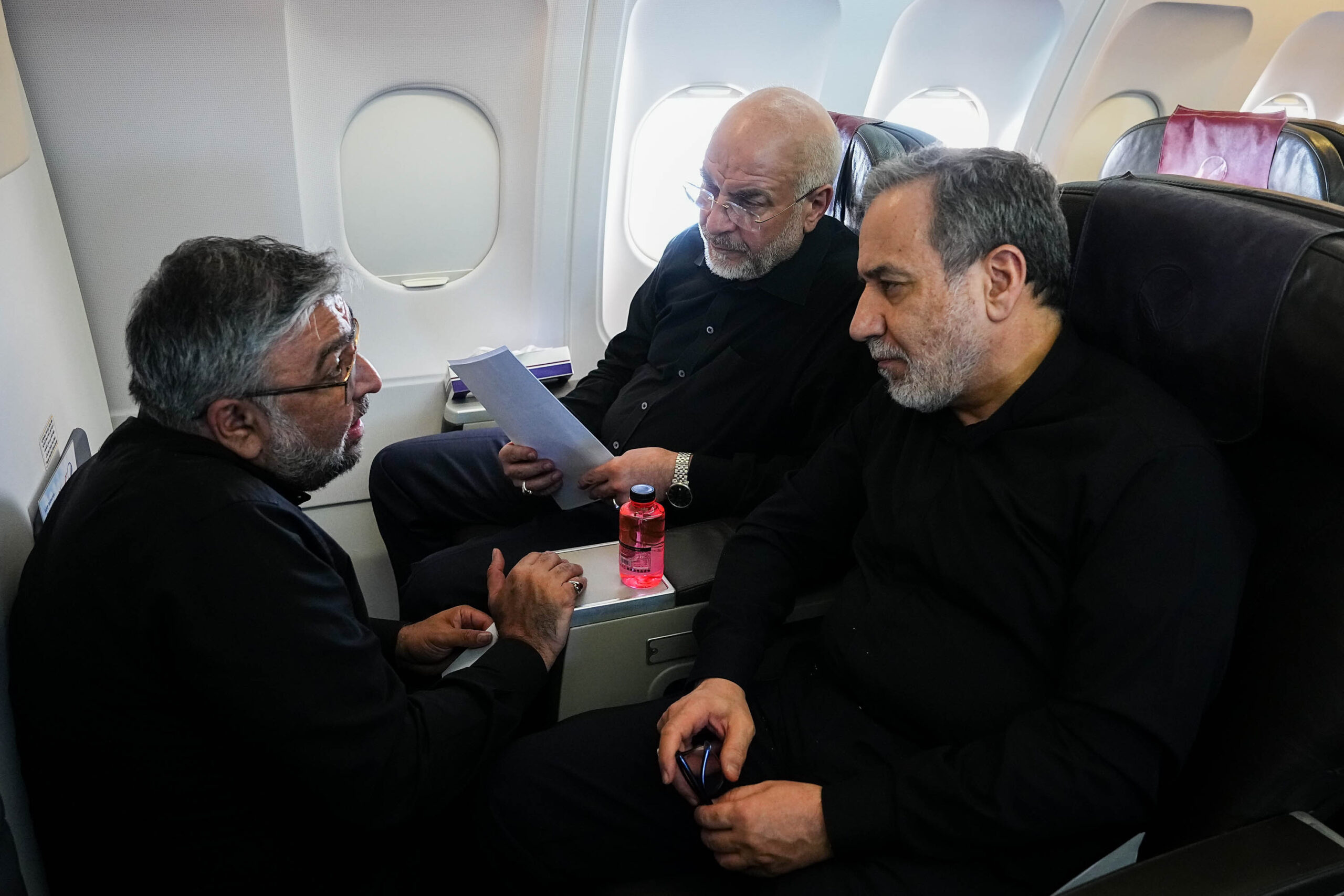
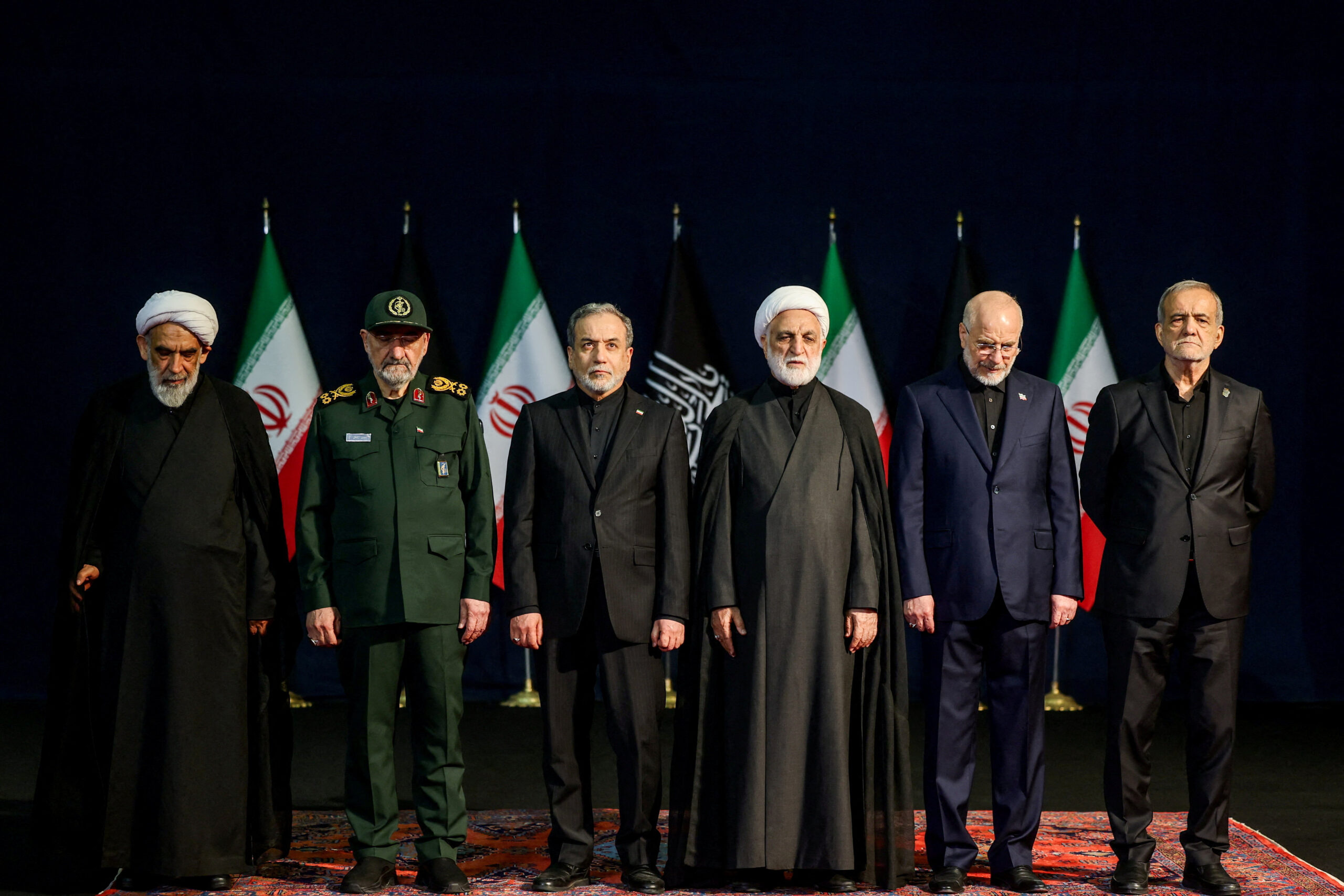
The Islamic Republic’s Collective Leadership
While there is historical precedent for collective leadership in Iran, today’s leadership includes representatives of the IRGC and regular military – a reflection of the IRGC’s expanding role and the necessities of governing under wartime conditions.
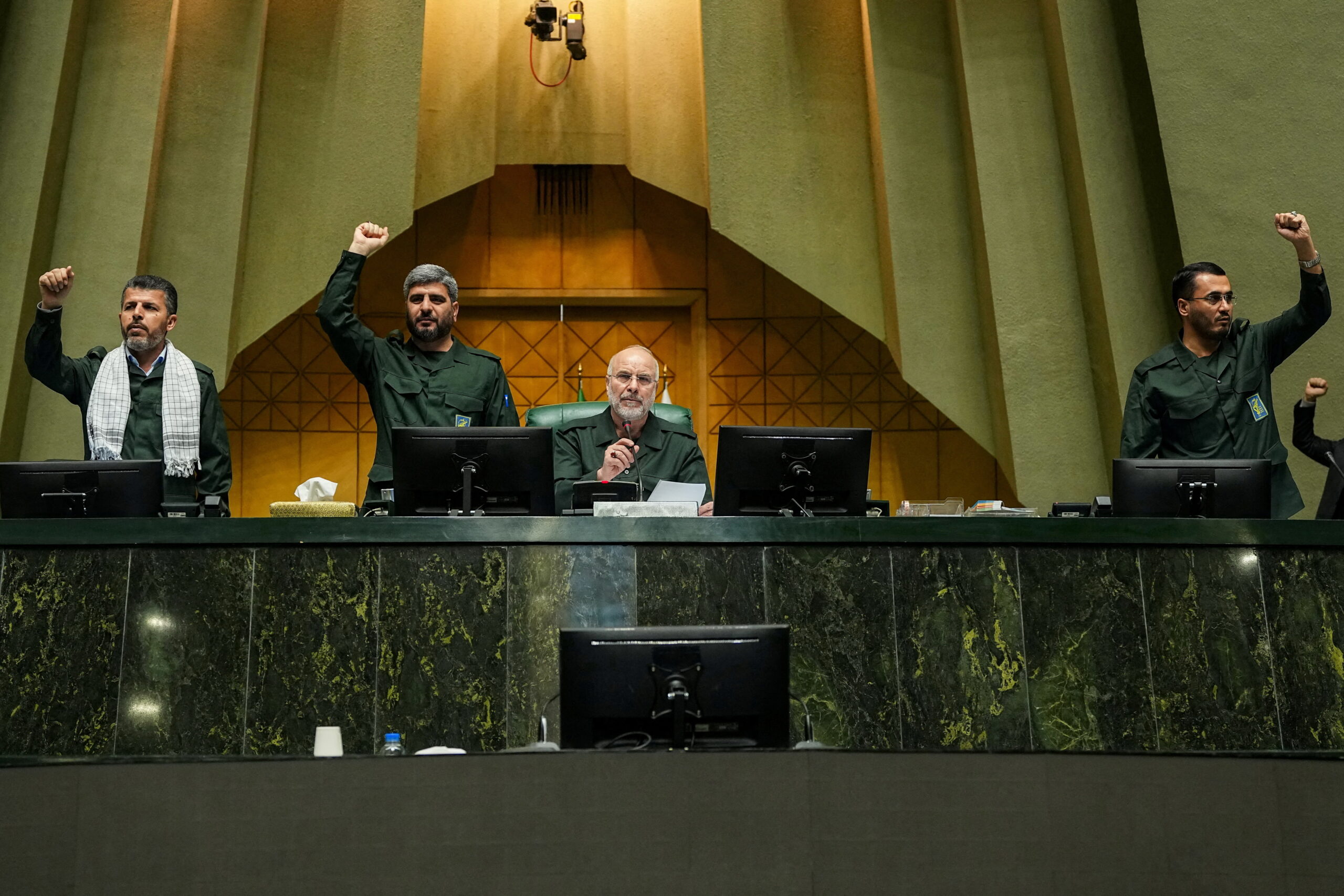
How Did the IRGC Seize Power in Iran?
The IRGC did not seize power in a single stroke. It accumulated it – patiently, methodically – until no counterweight remained.
Events
Book Talk: Iran and the Bomb: The United States, Iran and the Nuclear Question
On June 16, AGSI hosted a discussion on the evolution of Iran's nuclear program.
Speakers

Apr 21, 2026
Inside Iran’s Wartime Leadership: Power, Succession, and Regime Stability
On April 21, AGSI hosted a discussion on the evolution of Iran's leadership during the war.
Speakers

Mar 18, 2026
In Its Conflict With the United States and Israel, Does Escalation Favor Iran?
On March 18, AGSI hosted a discussion on the escalation of the Iran war.
Speakers


Mar 2, 2026
After the Shock: Implications of the U.S.–Israeli Strikes and Iran’s Leadership Transition
On March 2, AGSI hosted a discussion on the U.S.-Israeli strikes on Iran.
Speakers