Jun 13, 2023
Intransigence or Camouflage for Concessions? Supreme Leader Khamenei on Iran’s Nuclear Progress
The June 13 edition of the Iran Media Review highlights Supreme Leader Ayatollah Ali Khamenei’s public remarks on Iran’s nuclear program and past nuclear negotiations.

Amid a torrent of wildly conflicting reports on the state of U.S.-Iranian nuclear negotiations in Iranian and international media, Supreme Leader Ayatollah Ali Khamenei delivered an address on Iran’s nuclear program while visiting the “Nuclear Achievements” exhibit in Tehran. The complete transcript of Khamenei’s address has yet to be released, but his remarks will doubtlessly contribute to speculation about U.S.-Iranian negotiations and will likely be interpreted either as a sign of Tehran’s intransigence or harsh rhetoric camouflaging Tehran’s concessions to Washington.
- June 11: The Office for the Preservation and Publication of the Works of His Holiness Grand Ayatollah Khamenei released excerpts of the supreme leader’s remarks at the “Nuclear Achievements” exhibit:
- “In the past years – those of you who have more experience in the nuclear field know what I mean – our counterparts and adversaries have made many promises in various fields, this being governments with which we were negotiating” or the International Atomic Energy Agency, “but failed to deliver upon their promises. Numerous times. Unrealizable promises,” which he said led to distrust. “One of our achievements during this 20-year challenge is that we understood that we can’t trust their promises. This is no mean achievement. This is important. We have been harmed by our misplaced trust. The nation and the authorities should know when to trust others and when not to. This truly is important. In the course of the past 20 years, we finally found out who is trustworthy and who is not.”
- “The nuclear industry is one of the fundamental and important components of state power, which enhances the credibility and power of the state … This is why the enemy is focused on the nuclear energy” of Iran.
- Iran’s nuclear achievements were reached “under the sanctions regime and under threat. Our scientists were under constant threat. Some were assassinated and others were threatened with assassination, but progress was achieved regardless of the threats … The bullies, our adversaries, made demands beyond” the Nuclear Non-Proliferation Treaty. “They are bullying us: ‘Don’t do this, don’t do that! Don’t do anything underground’ … Why are you afraid of us having installations in impenetrable locations?”
- June 11: Nour News Agency, a mouthpiece of the Supreme National Security Council, released more quotes from Khamenei’s address:
- Commenting on Western concerns about Iran developing nuclear weapons, Khamenei reportedly said: “They know we are not pursuing nuclear weapons. Over the past couple of months, the intelligence community in the United States has on several occasions admitted there is no sign of Iran moving toward building a nuclear weapon … Had it not been for Islam, and had we had the will to produce nuclear weapons, we would have done it, and the enemies, too, know they could not have prevented us.”
- In his specific recommendations to the authorities, Khamenei said: “For the time being, the number of students studying nuclear science is very small and must grow tenfold. Apart from solving the specific problems of this academic discipline, the scientists must be utilized and protected … Of course, recruitment efforts must be done with the greatest care … because the enemy is trying to infiltrate and sabotage this field, and we have been dealt several blows by the enemy in the past … Maintaining relations and cooperating with” the International Atomic Energy Agency “within the framework” of the Nuclear Non-Proliferation Treaty “is a necessity, but do not accept any obligation beyond the treaty obligations … But I see reports that the agency has not lived up to its obligations.” Khamenei concluded by saying that Iran’s nuclear infrastructure must be preserved.
The views represented herein are the author's or speaker's own and do not necessarily reflect the views of AGSI, its staff, or its board of directors.
Related
Iran Media Review
Oct 20, 2026
Who Authorized Iranian Strikes Against U.S. Vessels?
The October 20 edition of the Iran Media Review examines IRGC messaging about July 7 strikes against U.S. Navy vessels and the debate surrounding the confirmation of a new Iranian defense minister.
Iran Media Review
Oct 16, 2026
Qalibaf’s New Equation: War, Negotiation, and Deterrence
The October 16 edition of the Iran Media Review highlights the call by Iran’s parliamentary speaker for a combination of war and negotiation to establish deterrence against further attacks on Iran.
Iran Media Review
Oct 13, 2026
From Neighbor to Target: Iranian Analysts on the UAE
The October 13 edition of the Iran Media Review explores calls by senior Iranian strategists for Iran to target the United Arab Emirates and Dubai’s airport.
Oct 20, 2026
Who Authorized Iranian Strikes Against U.S. Vessels?
The October 20 edition of the Iran Media Review examines IRGC messaging about July 7 strikes against U.S. Navy vessels and the debate surrounding the confirmation of a new Iranian defense minister.
Oct 16, 2026
Qalibaf’s New Equation: War, Negotiation, and Deterrence
The October 16 edition of the Iran Media Review highlights the call by Iran’s parliamentary speaker for a combination of war and negotiation to establish deterrence against further attacks on Iran.
Oct 13, 2026
From Neighbor to Target: Iranian Analysts on the UAE
The October 13 edition of the Iran Media Review explores calls by senior Iranian strategists for Iran to target the United Arab Emirates and Dubai’s airport.
Analysis
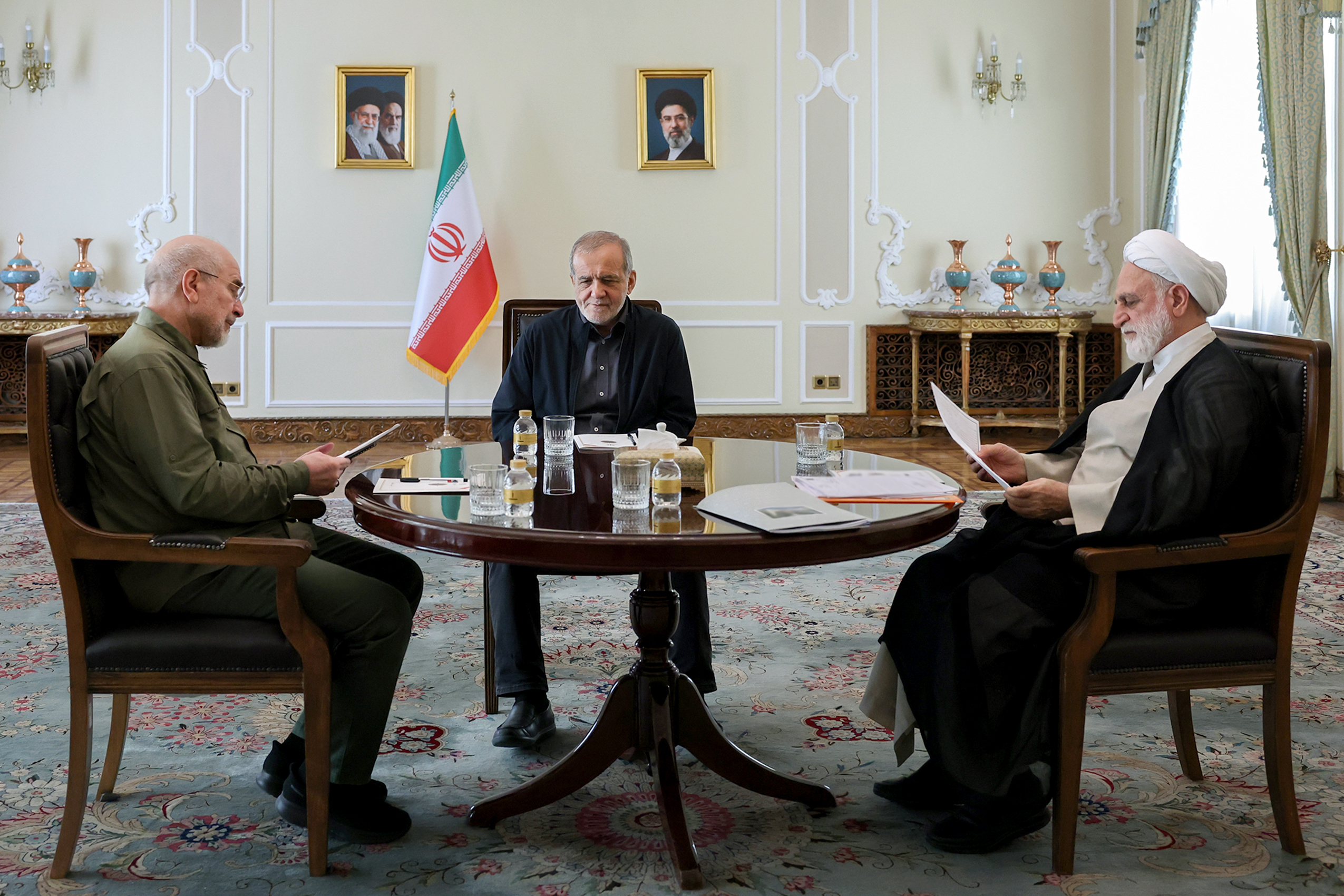
The Committee of Six and Strategic Decision Making in Iran
Remarks by Iran’s president offer a rare glimpse of how the Islamic Republic has adapted its decision making to the absence of its supreme leader.
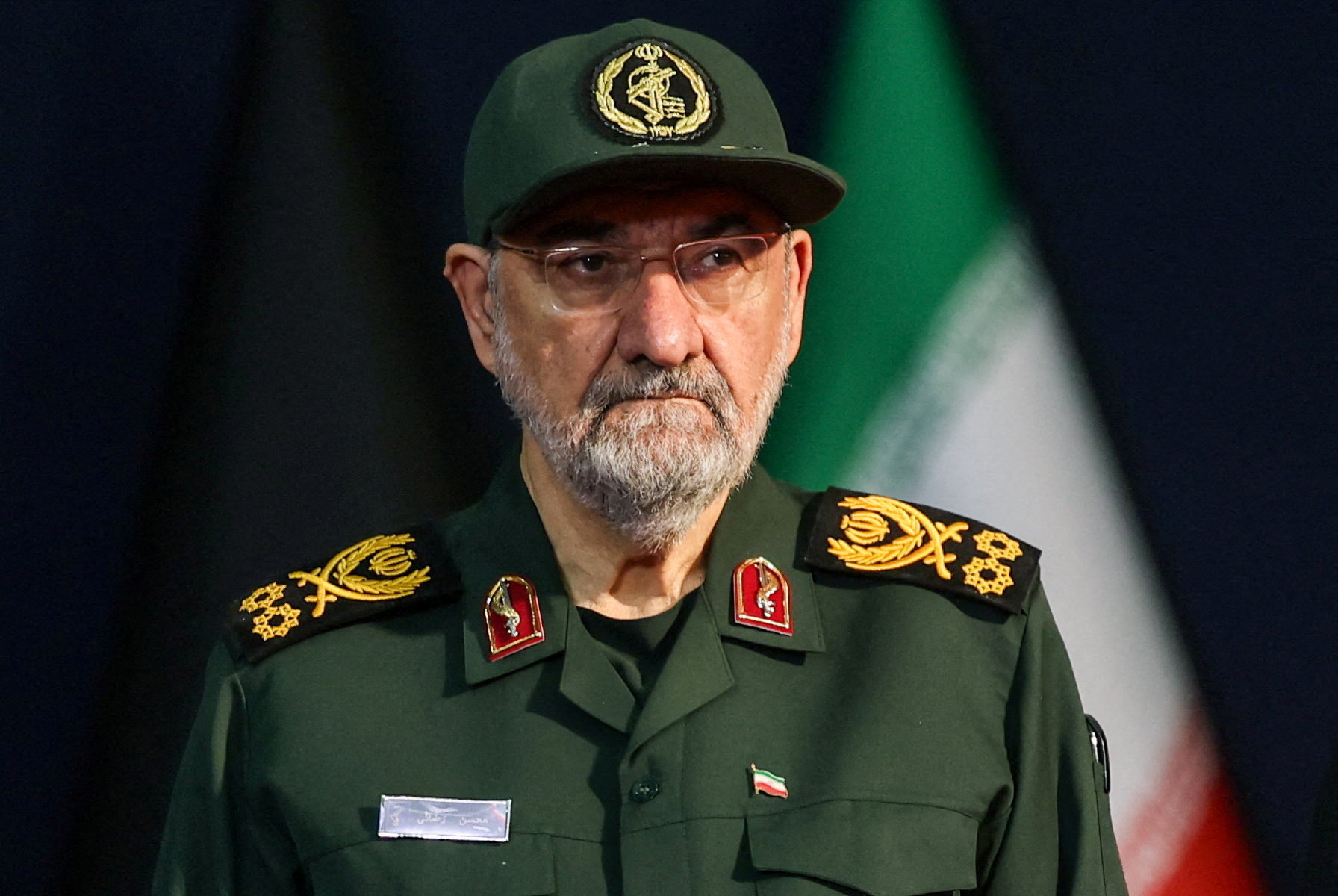
Mohsen Rezaei at the Helm of Iran’s Supreme National Security Council
Under Rezaei, the SNSC could prove constructive or paralyze strategic decision making.
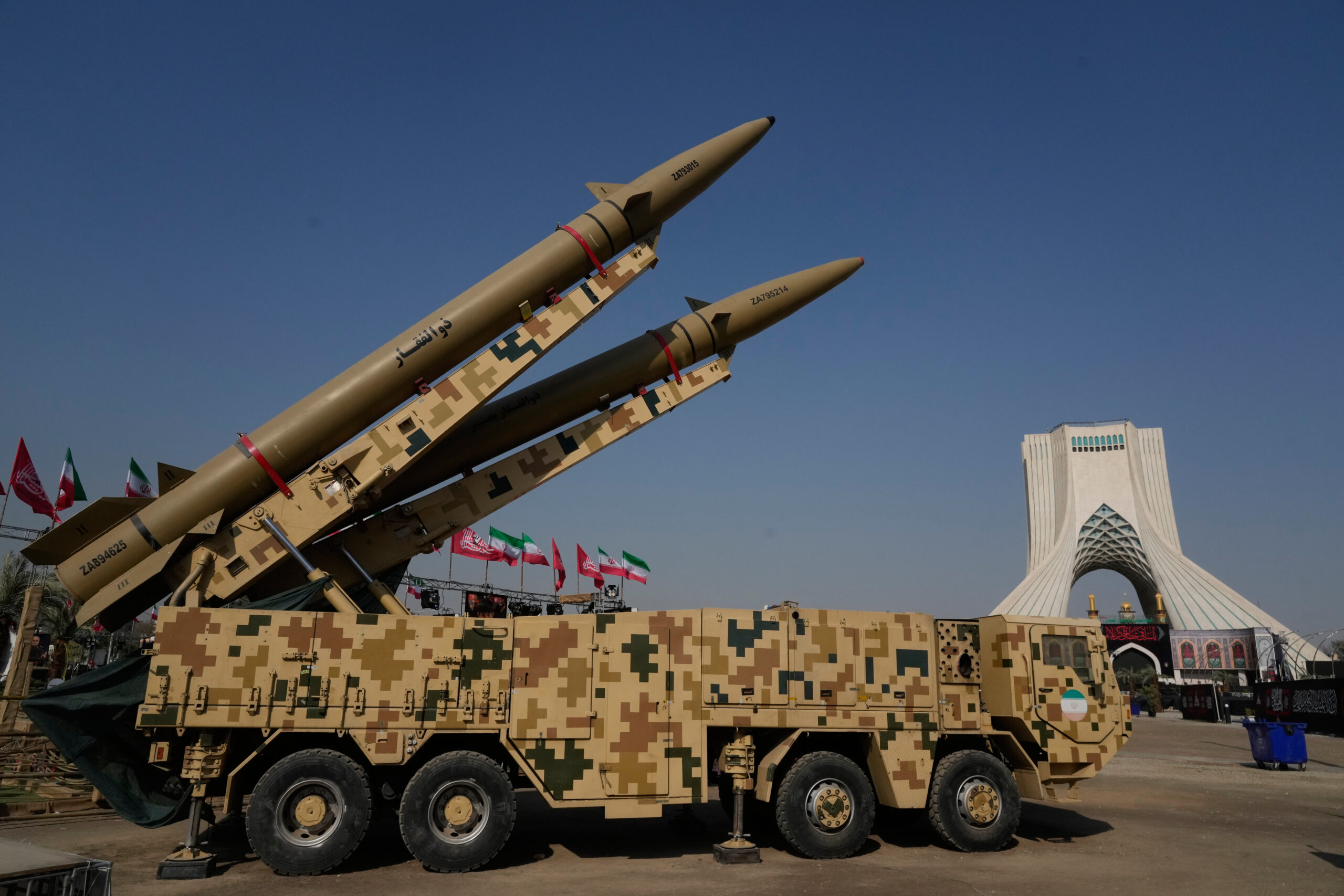
The Islamic Republic Returns to Offense
After U.S.-Israeli strikes killed Supreme Leader Ayatollah Ali Khamenei on February 28, Iran’s collective leadership has concluded that the best defense is a good offense.
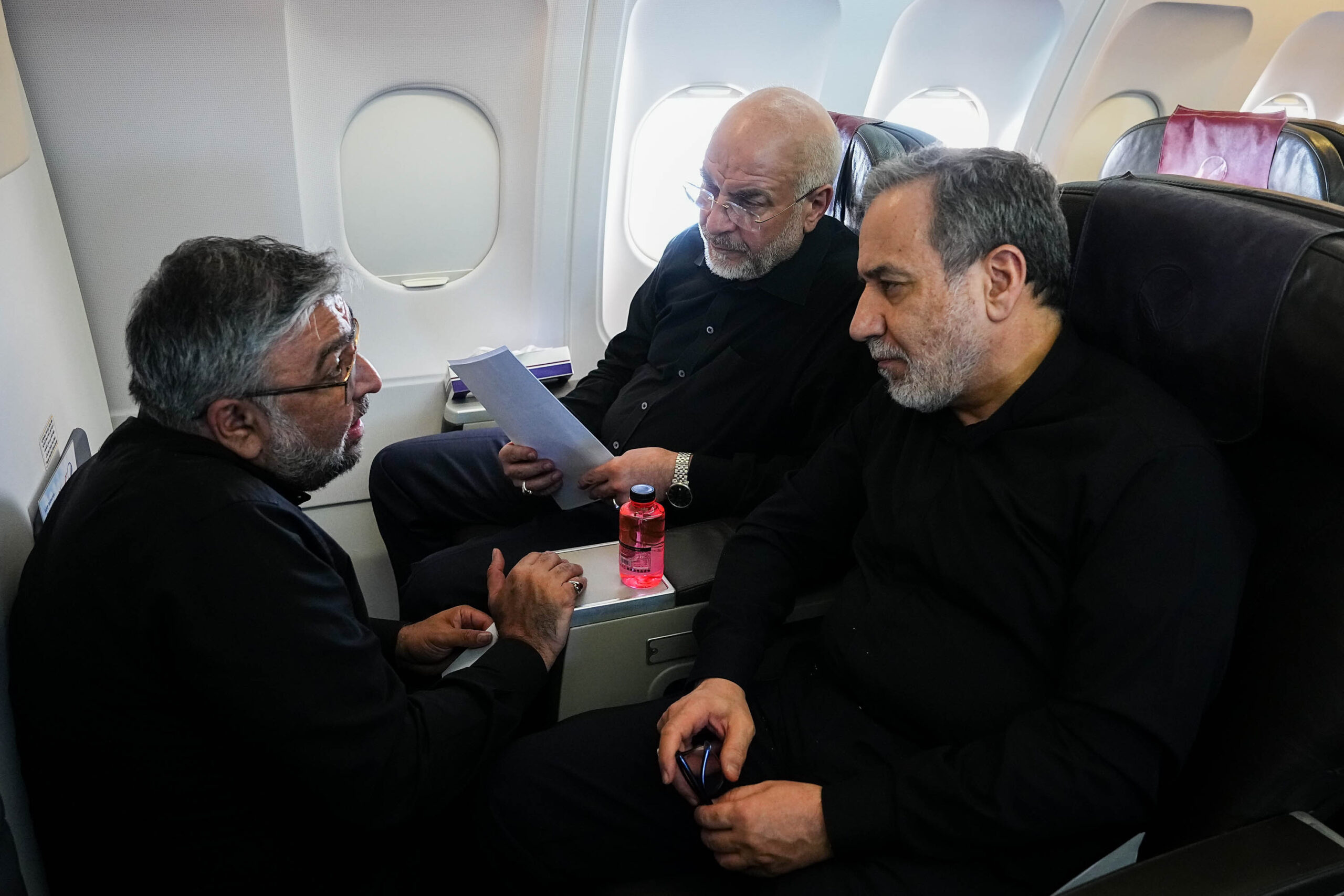
Iran’s Collective Strategic Decision Making
Wartime pressure has temporarily aligned the leadership’s overriding interest in regime survival, even as its members continue to differ over the costs, methods, and ultimate objectives of the war.
Events
Oct 6, 2026
Is the U.S.-Iran Stalemate a “New Normal” or the Prelude to Another Explosion?
On October 6, AGSI hosted a discussion on the U.S.-Iran stalemate and the prospects for a cease-fire.
Speakers



Book Talk: Iran and the Bomb: The United States, Iran and the Nuclear Question
On June 16, AGSI hosted a discussion on the evolution of Iran's nuclear program.

Speakers

Apr 21, 2026
Inside Iran’s Wartime Leadership: Power, Succession, and Regime Stability
On April 21, AGSI hosted a discussion on the evolution of Iran's leadership during the war.

Speakers

Mar 18, 2026
In Its Conflict With the United States and Israel, Does Escalation Favor Iran?
On March 18, AGSI hosted a discussion on the escalation of the Iran war.
Speakers