Apr 14, 2026
An Iranian Account of the Islamabad Talks
The April 14 edition of the Iran Media Review analyzes an Iranian official’s account of recent U.S.-Iranian negotiations in Pakistan.

The first Iranian account of recent negotiations between the United States and Iran in Islamabad, Pakistan, highlights a familiar feature from previous rounds of negotiations: While the Iranian team consisted of subject-matter experts, the U.S. side lacked command of the issues at hand. Nevertheless, despite the talks ending without an agreement, the direct meeting between Parliamentary Speaker Mohammad-Bagher Qalibaf and Vice President JD Vance is itself progress.
- April 13: In a video released on center-right Farhikhtegan’s Youtube channel, editor Mohammad-Amin Imanjani, who was part of the Iranian delegation to the Islamabad negotiations between the United States and Iran, provided his account of the talks:
- “The Iranian delegation was composed of technical and subject-matter experts … the participants were not only dedicated and committed but also capable and authorized by the highest authorities. The counterpart was the vice president and two individuals previously involved in negotiations … who perhaps did not have command of the subject matter. This was also one of the problems during previous rounds of negotiations. U.S. representatives did not have command of the subject matter while the Iranian team did. They lacked the necessary will or authorization as was apparent in media reports that they were in contact with the U.S. president 10 to 11 times during the negotiations. This stood in contrast to the Iranian team … In the Iranian delegation, there were two former chief negotiators.”
- “We had the sense that the U.S. team was primarily interested in assessing the Iranian side. We were in a wartime condition, and the threats issued up to the beginning of the talks not only conveyed a willingness to strike our fundamental infrastructure but also the eradication of Iranian civilization … The U.S. team entered the negotiations with maximalist demands to assess the Iranian response to determine how much it was willing to concede … The Iranian team, on the other hand, sought to safeguard its achievements. Unlike past negotiations, we did not enter the talks from a position of weakness … Despite the harm we had suffered … we were managing the Strait of Hormuz … But the meeting between the vice president and the head of the legislative branch provided a special opportunity … for the viewpoints of the leadership on both sides to move closer to one another.”
- “The negotiations were characterized by exchanges of written proposals … The opportunity arose for the ruling authorities of both countries to better understand each other without intermediaries … In previous rounds of negotiations, Mr. Witkoff and Mr. Kushner … with real estate backgrounds, lacked the skills to convey Iran’s messages to U.S. leadership … but now, there was a real opportunity for face-to-face communication” between Parliamentary Speaker Mohammad-Bagher Qalibaf and Vice President JD Vance.
- “The Iranian delegation was in direct contact with Lebanese Hezbollah during the negotiations … the Iranian team was also in contact with the ‘ground’ inside Iran … for example regarding the proximity of the U.S. Navy to Iran, which could have disrupted the negotiations … Lebanon was a red line for the Islamic Republic. Hezbollah was important, and Iran had plans for it.”
The views represented herein are the author's or speaker's own and do not necessarily reflect the views of AGSI, its staff, or its board of directors.
Related
Iran Media Review
Apr 10, 2026
Tehran Signals a Coordinated Strategy Ahead of Islamabad Talks
The April 10 edition of the Iran Media Review considers Iranian officials’ remarks ahead of cease-fire negotiations with the United States.
Iran Media Review
Apr 3, 2026
Eye for an Eye, Bridge for a Bridge
The April 3 edition of the Iran Media Review examines Iranian responses to President Trump’s April 1 speech and U.S. strikes against an Iranian bridge.
Iran Media Review
Mar 31, 2026
Iran: From Defense to Offense
The March 31 edition of the Iran Media Review analyzes Iranian reports that Iran is about to enter an “offensive phase” as well as warnings against a U.S. ground invasion.
Apr 10, 2026
Tehran Signals a Coordinated Strategy Ahead of Islamabad Talks
The April 10 edition of the Iran Media Review considers Iranian officials’ remarks ahead of cease-fire negotiations with the United States.
Apr 3, 2026
Eye for an Eye, Bridge for a Bridge
The April 3 edition of the Iran Media Review examines Iranian responses to President Trump’s April 1 speech and U.S. strikes against an Iranian bridge.
Mar 31, 2026
Iran: From Defense to Offense
The March 31 edition of the Iran Media Review analyzes Iranian reports that Iran is about to enter an “offensive phase” as well as warnings against a U.S. ground invasion.
Analysis
The Islamic Republic Returns to Offense
After U.S.-Israeli strikes killed Supreme Leader Ayatollah Ali Khamenei on February 28, Iran’s collective leadership has concluded that the best defense is a good offense.
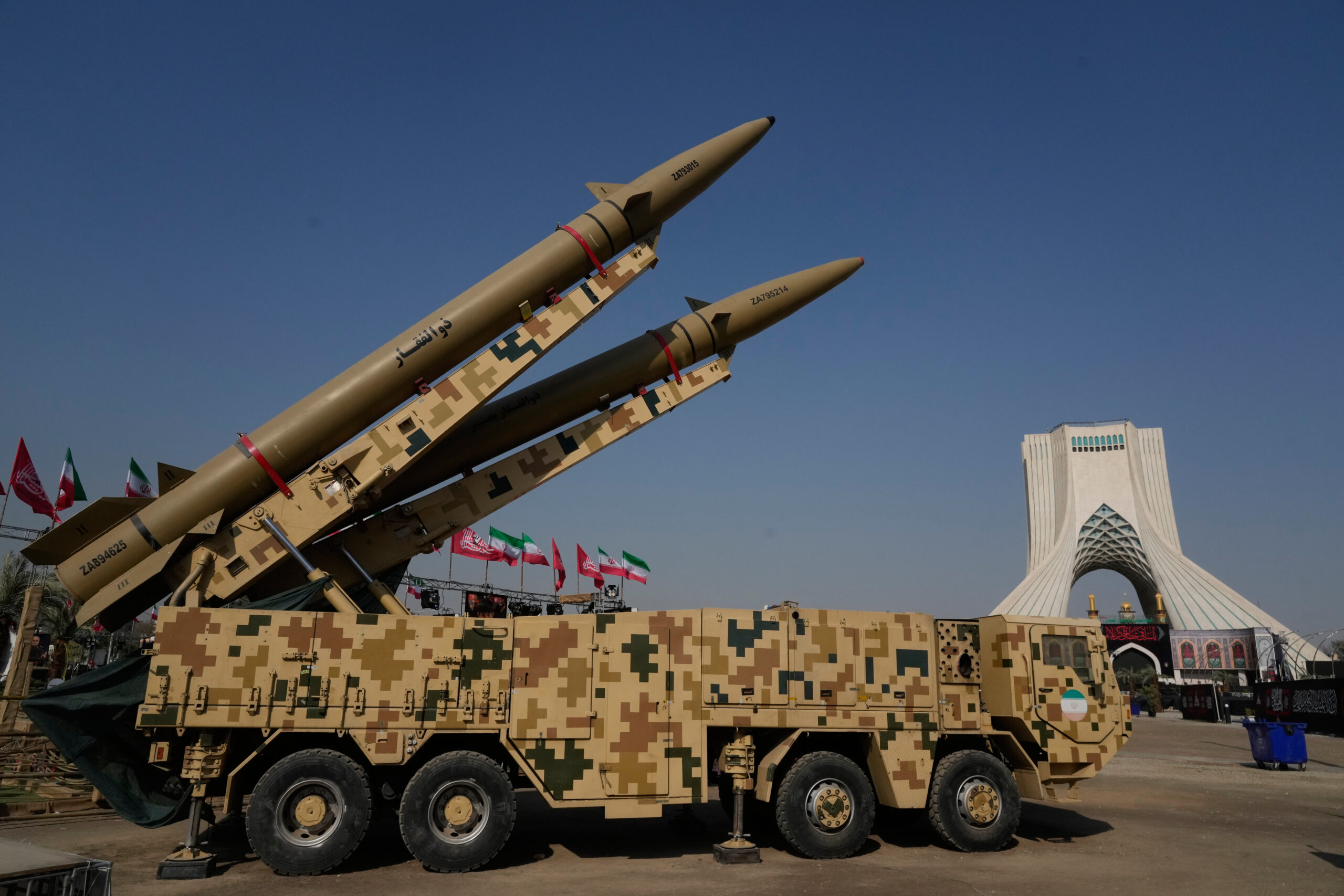
Iran’s Collective Strategic Decision Making
Wartime pressure has temporarily aligned the leadership’s overriding interest in regime survival, even as its members continue to differ over the costs, methods, and ultimate objectives of the war.
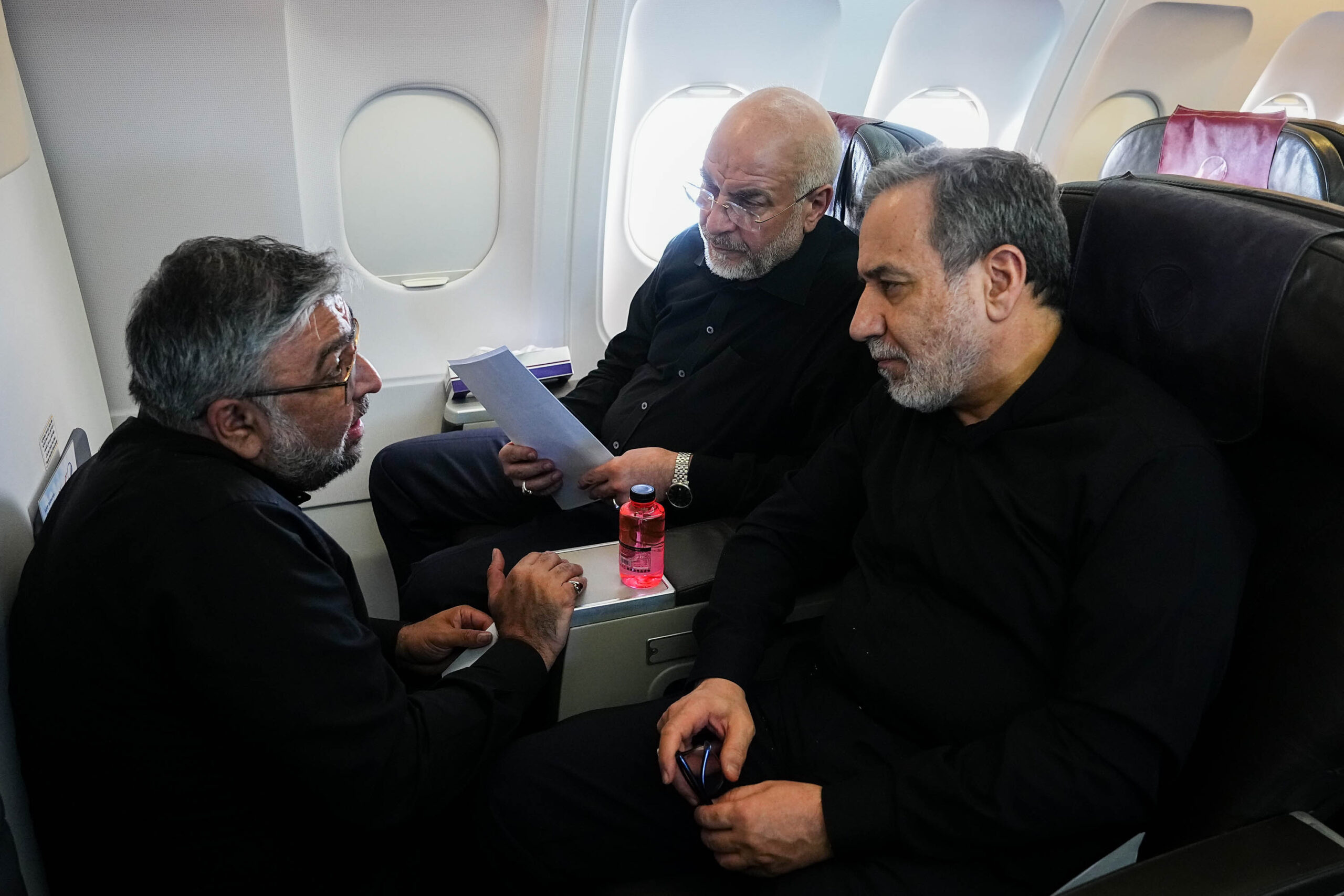
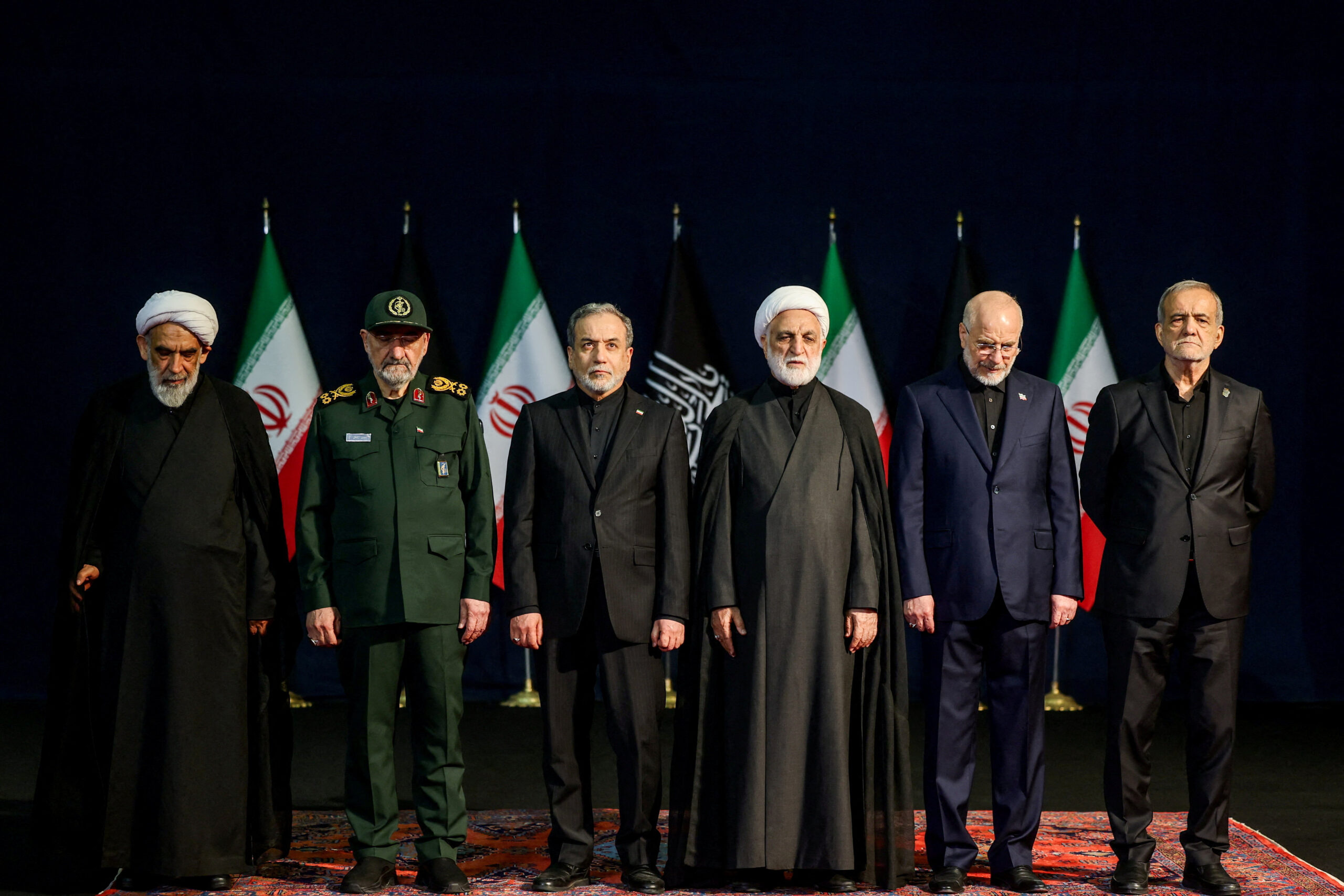
The Islamic Republic’s Collective Leadership
While there is historical precedent for collective leadership in Iran, today’s leadership includes representatives of the IRGC and regular military – a reflection of the IRGC’s expanding role and the necessities of governing under wartime conditions.
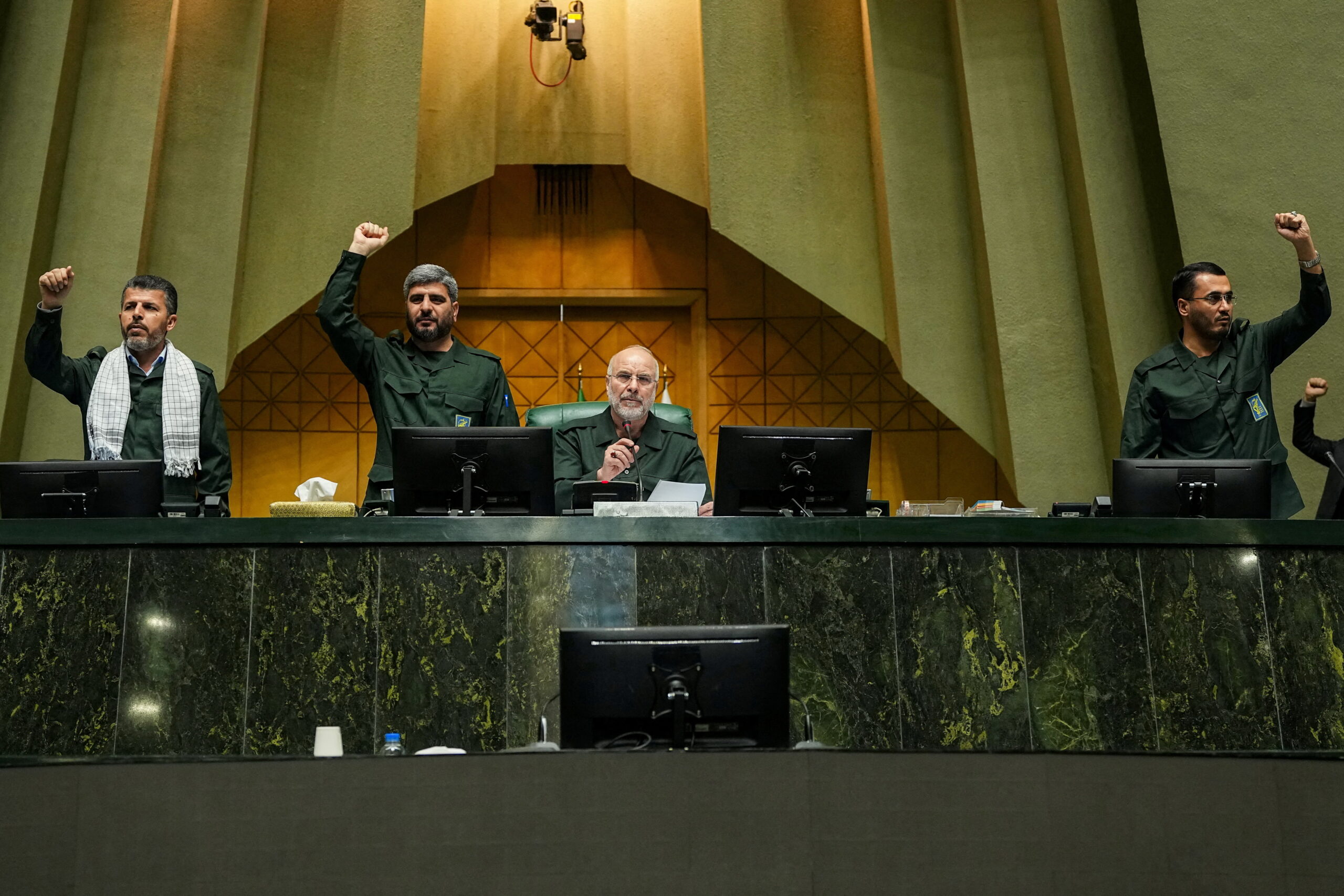
How Did the IRGC Seize Power in Iran?
The IRGC did not seize power in a single stroke. It accumulated it – patiently, methodically – until no counterweight remained.
Events
Book Talk: Iran and the Bomb: The United States, Iran and the Nuclear Question
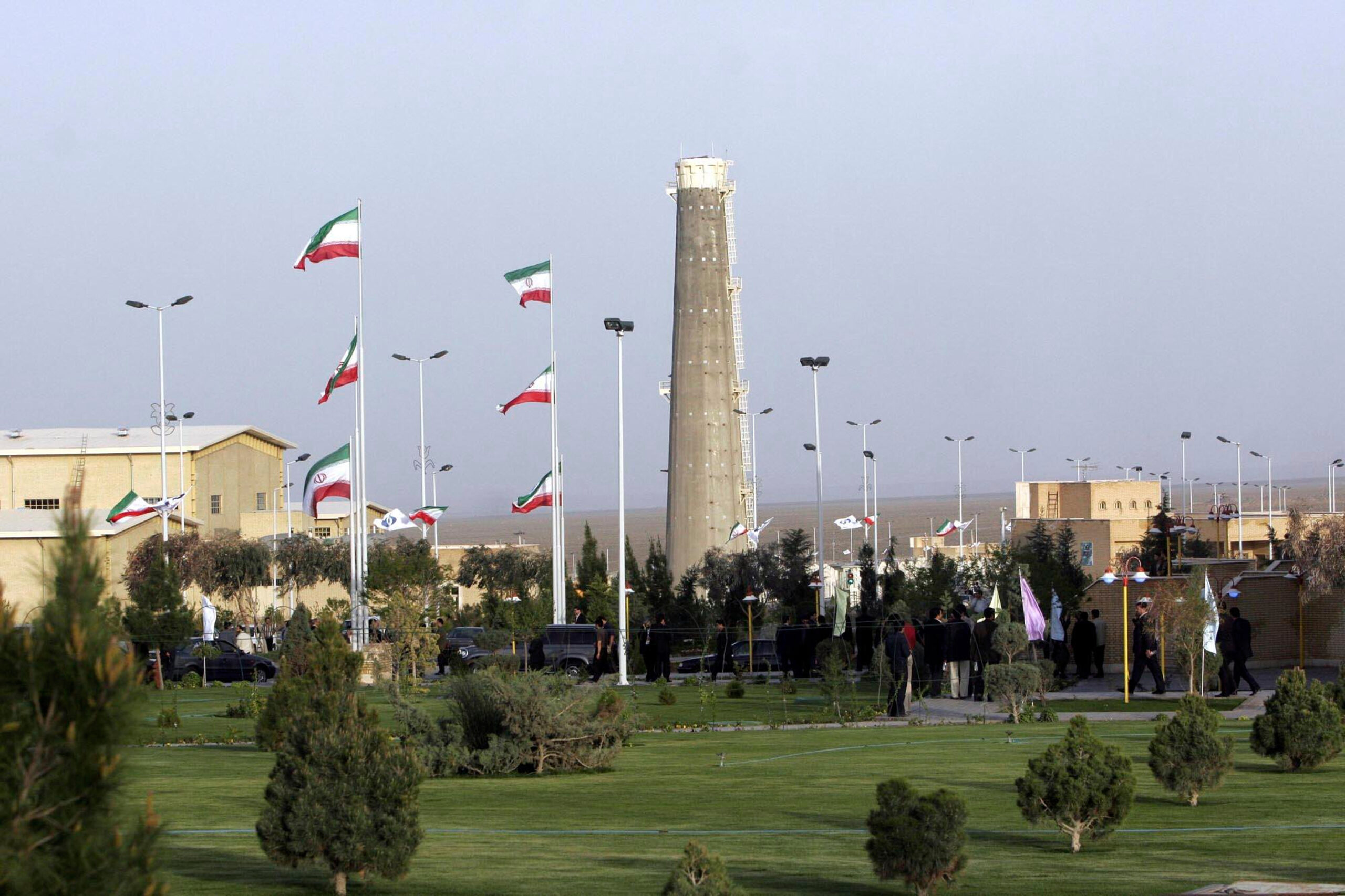
On June 16, AGSI hosted a discussion on the evolution of Iran's nuclear program.
Speakers

Apr 21, 2026
Inside Iran’s Wartime Leadership: Power, Succession, and Regime Stability
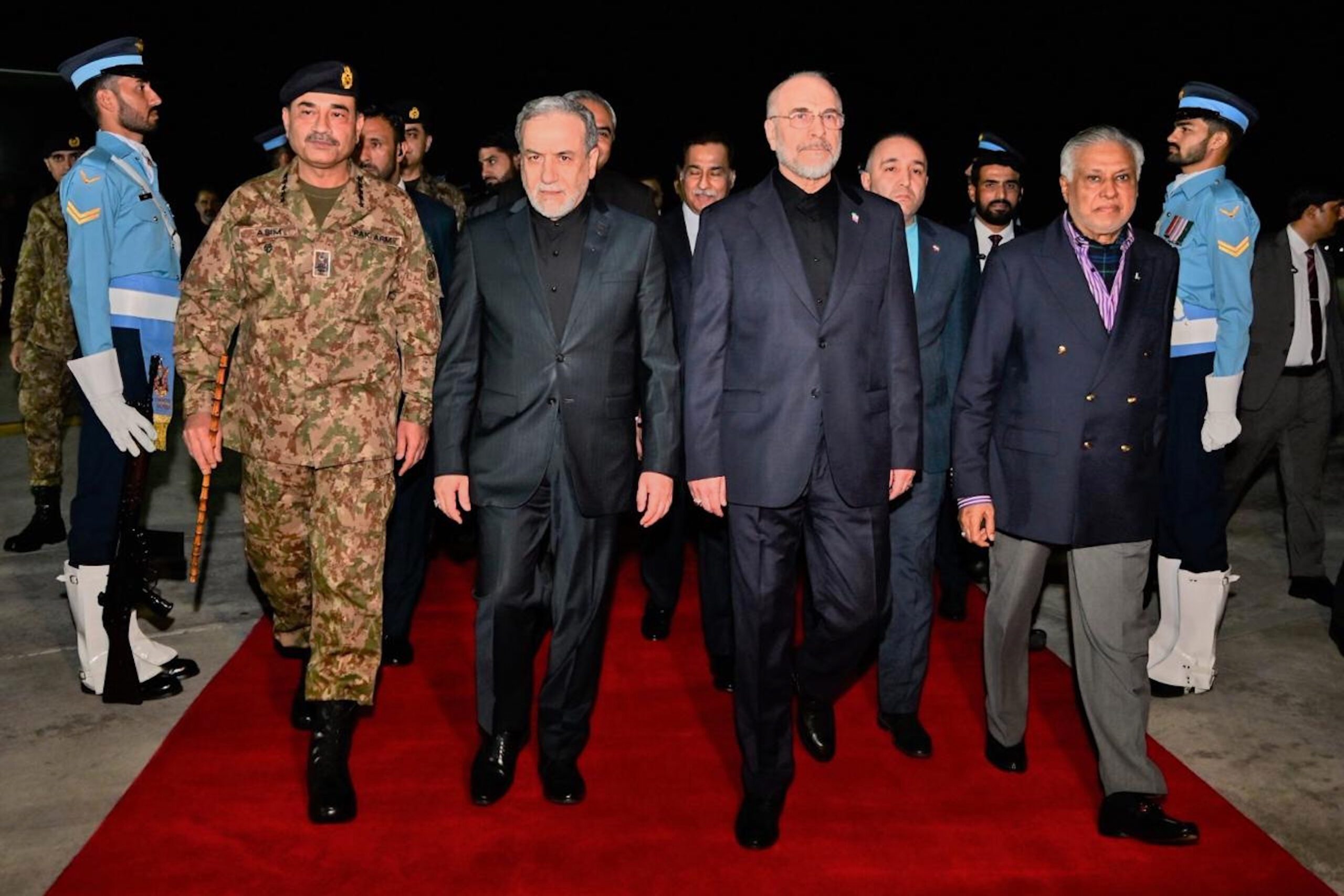
On April 21, AGSI hosted a discussion on the evolution of Iran's leadership during the war.
Speakers

Mar 18, 2026
In Its Conflict With the United States and Israel, Does Escalation Favor Iran?
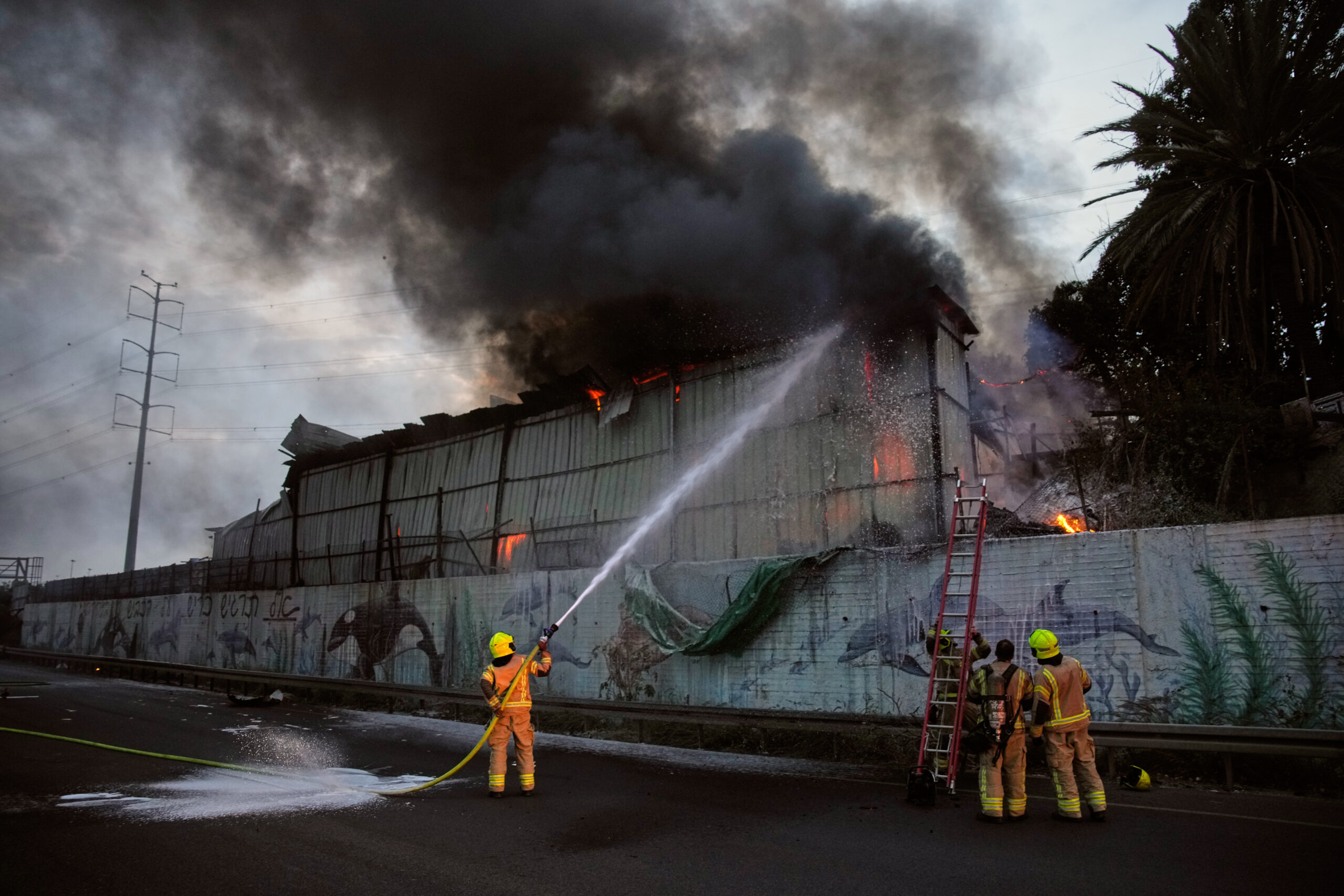
On March 18, AGSI hosted a discussion on the escalation of the Iran war.
Speakers


Mar 2, 2026
After the Shock: Implications of the U.S.–Israeli Strikes and Iran’s Leadership Transition
On March 2, AGSI hosted a discussion on the U.S.-Israeli strikes on Iran.
Speakers