Apr 25, 2023
Great Expectations, Greater Trepidation: Iran-Saudi Arabia Trade Relations
The April 25 edition of the Iran Media Review highlights the Iranian business community’s hopes that the restoration of Iranian-Saudi relations will boost the economy.

Iran’s $14 million in steel exports to Saudi Arabia over the past three months might not sound particularly impressive, but the Iranian business community sees it as a sign of better times to come. The restoration of diplomatic relations between Tehran and Riyadh has had a spillover effect on trade relations, helping Iranian exporters access Saudi and other Arab markets. The great expectations of Iran’s business community, however, are coupled with even greater fears that Iranian-Saudi ties could once again be severed.
- April 14: In an interview with the Iranian Students’ News Agency, Rouhollah Latifi, a spokesperson for the House of Industry, Mine and Trade, a suborganization of Iran’s Ministry of Industry, Mine and Trade, said: “As opposed to Iran’s trade relations with countries like the United Arab Emirates, Turkey, and Afghanistan, which continued despite political and territorial conflicts, trade relations with Saudi Arabia are very different. Political relations prepare the ground for economic relations … When diplomatic relations were severed, the two countries had, in practice, no direct economic relations, but as diplomatic negotiations resumed a few months ago, we have also witnessed economic activities … Over the past three months, more than $14 million worth of steel was exported, which indicates continued demand, which may expand to other fields … With Saudi Arabia’s weather conditions taken into consideration, food and agricultural products can be major factors, along with steel, in the expansion of trade relations between the two states. Transit routes and Saudi Arabia’s access to West Asia through Iran are also of importance.”
- April 16: In an interview with Faraz Daily, Mehdi Alipour, a member of the Shiraz Chamber of Commerce, warned the regime against “easily losing the opportunity” of maintaining relations with Saudi Arabia: “I must emphasize this: Expanding relations with Saudi Arabia, under any circumstances, is in our interest, and we must take maximum advantage of this opportunity to grow and blossom” Iran’s economy. “When diplomatic ties were severed, our yearslong efforts to find a market in Arab states suddenly evaporated. This is 20 to 30 years of hard work to find a place in the markets of these countries, attract customers, and establish sales channels. What remained was a heap of ashes, as all Arab states in the Saudi camp suddenly severed their trade ties with Iran, dealing a heavy blow to our merchants. After the incidents, our merchants were forced to redirect their products to the Emirates and repackage and change the commercial names of the products so they could export their products to destination markets. But these were hard and trying times, since not all products could be repacked and rebranded … We export luxury items to the Qatari market and regular products to Oman … In Kuwait, we are facing difficulties due to further restrictions on Iranian citizens entering the country, which makes marketing harder … In Iraq, Turkey is our competitor, but Iraqi consumers prefer Iranian products. But let me emphasize this: If we don’t have friendly relations with our neighbors, we can’t expect to improve the economic conditions here in Iran.”
- April 17: Iran is aiming for $1 billion in trade with Saudi Arabia, Farzad Piltan, the West Asia director at Iran’s Trade Promotion Organization, said, as quoted by Mehr News: “As diplomatic relations were severed between” Iran and Saudi Arabia, “trade was significantly reduced, although certain Iranian products entered the Saudi market through other countries … The resumption of diplomatic ties, along with a strategy for promoting exports, can help trade relations between the two countries reach earlier levels and, in the next phase, further expand … Based on our analysis of existing capacities, in the short term, the resumption of political and diplomatic ties will help the two countries reach $1 billion in trade, which can be further expanded to $2 billion in the medium term … Based on previous exports, steel products, dried fruit … saffron, carpets, cement, and the like can be exported … As for imports, motorized vehicles, mineral and chemical fertilizers, polyethylene, and textiles can be imported from Saudi Arabia … But apart from the importation and exportation of products, the two countries can also cooperate regarding investments, joint industrial, technical, and engineering projects, reexports, and the like.” Piltan also said Iranian companies may find opportunities to help Saudi Arabia realize its Vision 2030 goals.
The views represented herein are the author's or speaker's own and do not necessarily reflect the views of AGSI, its staff, or its board of directors.
Related
Iran Media Review
Oct 23, 2026
Closing Borders: The Blockade Moves Inland
The October 23 edition of the Iran Media Review considers Iranian admissions that U.S. economic warfare is pressuring Iran.
Iran Media Review
Oct 20, 2026
Who Authorized Iranian Strikes Against U.S. Vessels?
The October 20 edition of the Iran Media Review examines IRGC messaging about July 7 strikes against U.S. Navy vessels and the debate surrounding the confirmation of a new Iranian defense minister.
Iran Media Review
Oct 16, 2026
Qalibaf’s New Equation: War, Negotiation, and Deterrence
The October 16 edition of the Iran Media Review highlights the call by Iran’s parliamentary speaker for a combination of war and negotiation to establish deterrence against further attacks on Iran.
Oct 23, 2026
Closing Borders: The Blockade Moves Inland
The October 23 edition of the Iran Media Review considers Iranian admissions that U.S. economic warfare is pressuring Iran.
Oct 20, 2026
Who Authorized Iranian Strikes Against U.S. Vessels?
The October 20 edition of the Iran Media Review examines IRGC messaging about July 7 strikes against U.S. Navy vessels and the debate surrounding the confirmation of a new Iranian defense minister.
Oct 16, 2026
Qalibaf’s New Equation: War, Negotiation, and Deterrence
The October 16 edition of the Iran Media Review highlights the call by Iran’s parliamentary speaker for a combination of war and negotiation to establish deterrence against further attacks on Iran.
Analysis
Debating Policy in Public: Iranian Elites Turn to YouTube
Rival camps within the Islamic Republic are increasingly turning to YouTube for policy debate, but there is a limit to the regime’s tolerance for that debate.
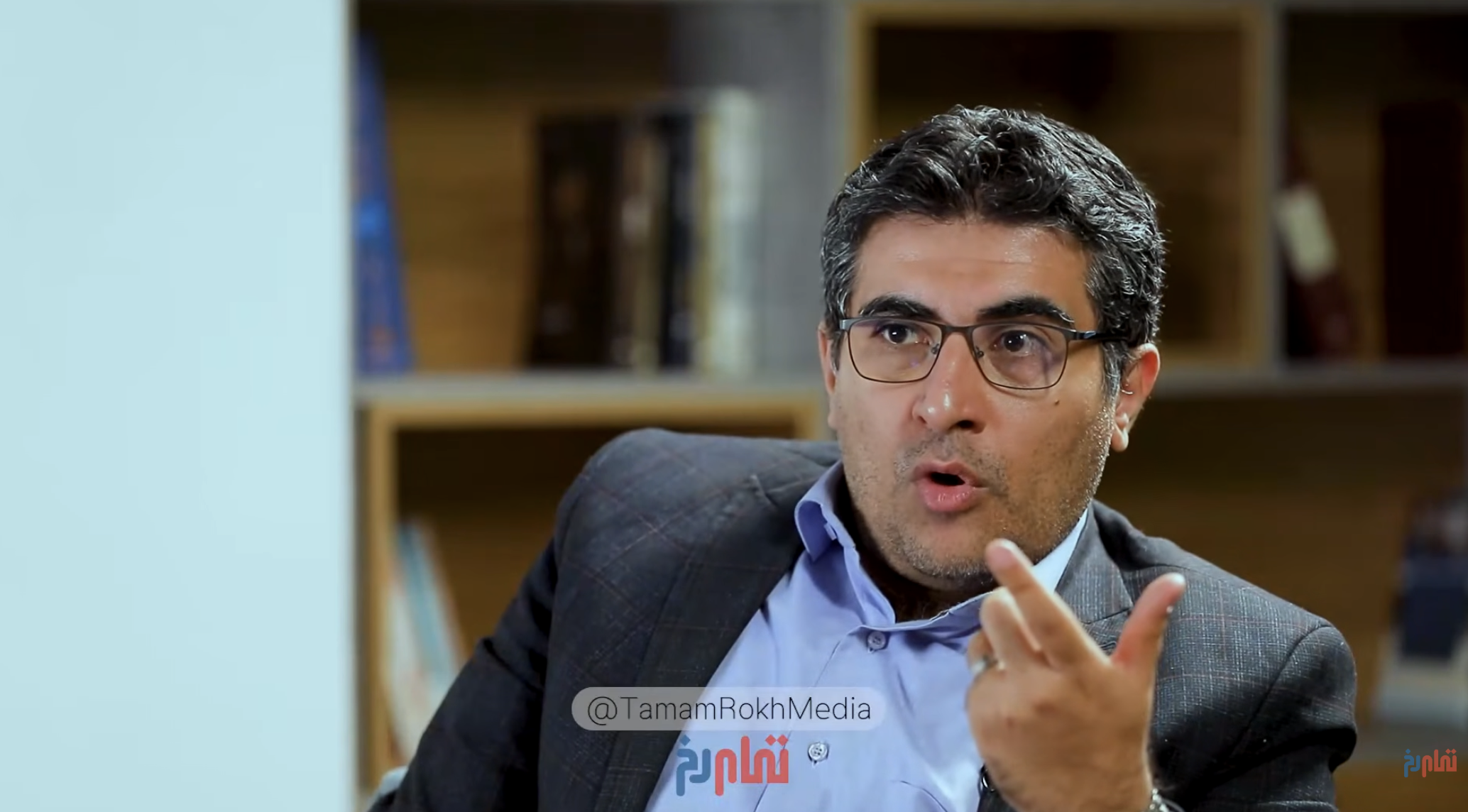
The Committee of Six and Strategic Decision Making in Iran
Remarks by Iran’s president offer a rare glimpse of how the Islamic Republic has adapted its decision making to the absence of its supreme leader.
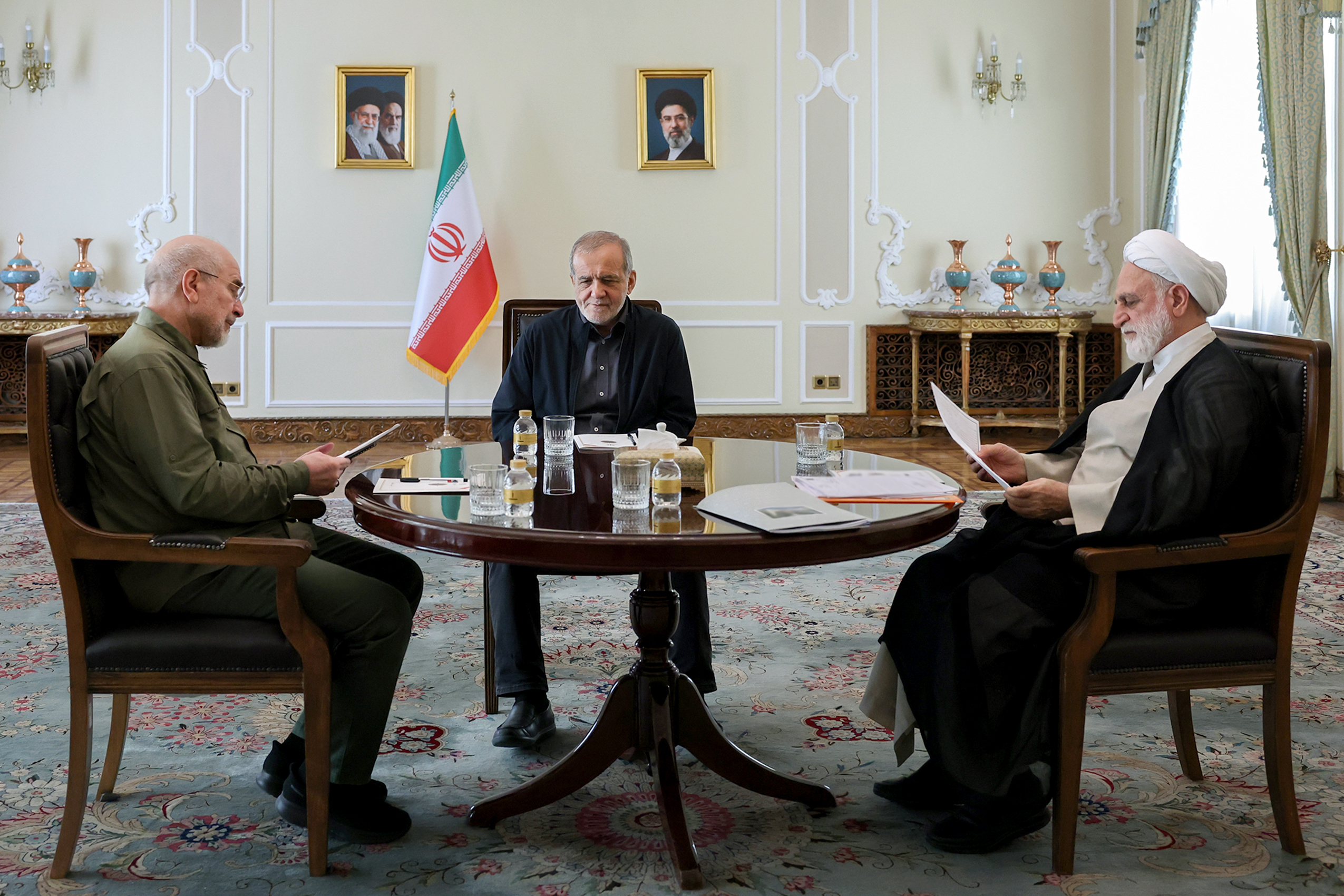
Mohsen Rezaei at the Helm of Iran’s Supreme National Security Council
Under Rezaei, the SNSC could prove constructive or paralyze strategic decision making.
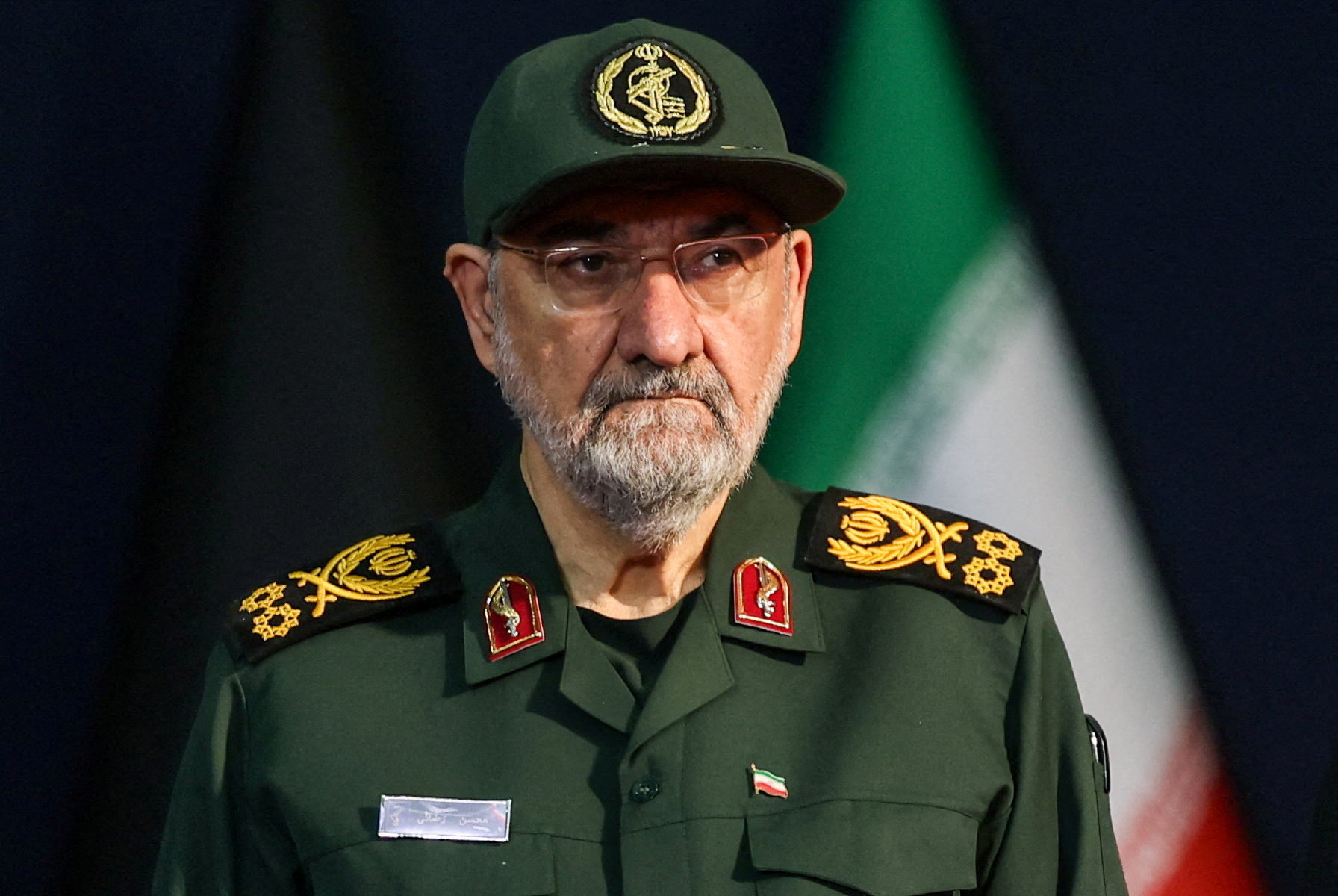
The Islamic Republic Returns to Offense
After U.S.-Israeli strikes killed Supreme Leader Ayatollah Ali Khamenei on February 28, Iran’s collective leadership has concluded that the best defense is a good offense.
Events
Oct 6, 2026
Is the U.S.-Iran Stalemate a “New Normal” or the Prelude to Another Explosion?
On October 6, AGSI hosted a discussion on the U.S.-Iran stalemate and the prospects for a cease-fire.
Speakers



Book Talk: Iran and the Bomb: The United States, Iran and the Nuclear Question
On June 16, AGSI hosted a discussion on the evolution of Iran's nuclear program.
Speakers

Apr 21, 2026
Inside Iran’s Wartime Leadership: Power, Succession, and Regime Stability
On April 21, AGSI hosted a discussion on the evolution of Iran's leadership during the war.
Speakers

Mar 18, 2026
In Its Conflict With the United States and Israel, Does Escalation Favor Iran?
On March 18, AGSI hosted a discussion on the escalation of the Iran war.
Speakers