Jul 1, 2025
Fragile Cease-Fire, Succession Anxiety, and Internal Rifts
The July 1 edition of the Iran Media Review analyzes Iranian official and media commentary about Iran’s future after the cease-fire with Israel and the United States.
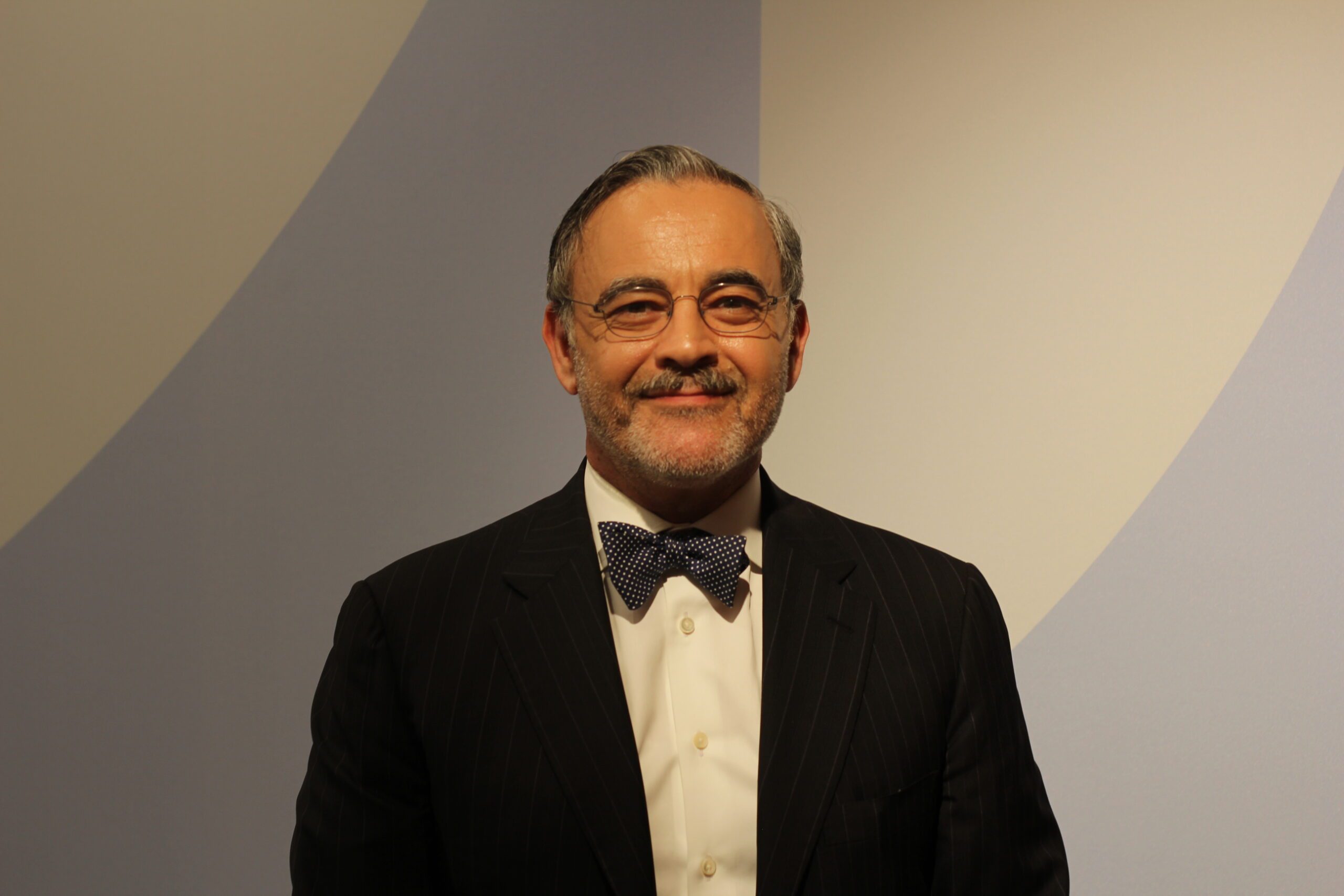
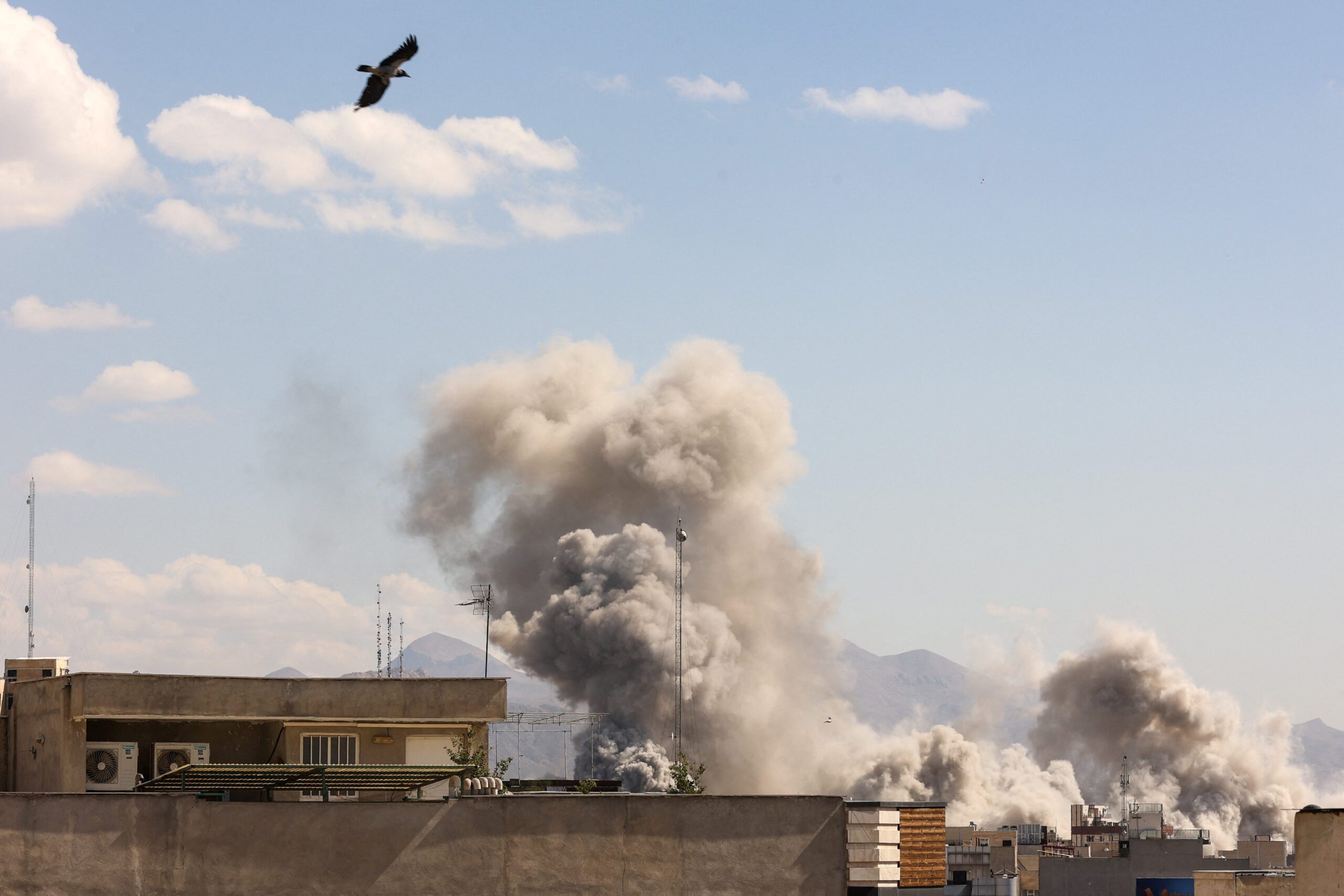
Amid a fragile cease-fire and fears of renewed hostilities, Iran’s regime dismissed concerns over political succession after Supreme Leader Ayatollah Ali Khamenei and urged the elite to close ranks around him. That call for unity, however, is increasingly contested by reformist voices who are demanding that Iran’s intelligence services prioritize countering external threats over enforcing the hijab and who go so far as to accuse revolutionary “zealots” of acting as foreign agents and infiltrators.
- June 25: Vahid Jalili, a deputy at Islamic Republic of Iran Broadcasting and the younger brother of Saeed Jalili (the supreme leader’s representative to the Supreme National Security Council), claimed in an interview with Khabar Online that the June 16 Israeli strike on state television was preceded by an attempt to target a meeting of the heads of the three branches of government.
- June 28: Mehdi Fazaeli, a senior official at the Office for the Preservation and Propagation of the Works of His Holiness Grand Ayatollah Khamenei, in an interview with state-run television, rebroadcast by Tabnak News Agency, which is affiliated with former Islamic Revolutionary Guard Corps Chief Mohsen Rezaei, dismissed The New York Times’ June 21 report alleging the preselection of three potential successors in the event of the supreme leader’s death or incapacitation.
- June 28: During the funeral procession in Tehran of IRGC commanders who were killed in Israeli strikes, the Quds Force commander, Brigadier General Ismail Qaani, in a brief statement to IRGC-affiliated Tasnim News Agency, reaffirmed the IRGC’s resolve:
-
- “We are forcefully continuing our path. We have been successful until now, and, God willing, we shall proceed forcefully in the future … If everyone backs His Lordship, everything will be alright.”
- June 28: In a commentary for centrist Asr-e Iran, columnist Jafar Mohammadi framed Iran’s current strategic predicament as a binary choice between war and peace. Drawing a historical parallel to Imperial Japan in 1945, Mohammadi reassured decision makers that no political cost would be incurred for opting for de-escalation. Rather than directly urging a diplomatic resolution, he concluded:
-
- When Supreme Leader Ayatollah Ruhollah Khomeini accepted the United Nations Security Council Resolution on the cease-fire ending the war with Iraq in 1988, “the people did not blame him by saying, ‘what happened to your slogan: War until victory or the path of liberation of Jerusalem goes through liberation of Karbala?’ The wise people of Iran knew that those slogans were seasonal, and a new season had begun. They accepted it, and eight years of war came to an end. Today, the people of Iran are even wiser and cleverer.”
- June 28: Writing in reformist Etemad, columnist Mojtaba Hosseini cautioned against “infiltrators masquerading as revolutionary zealots.”
- June 28: Mehdi Karroubi, former parliamentary speaker and a dissident who was recently released from house arrest, issued a warning via Ensaf News about “Israeli infiltrators” within Iran’s security and intelligence apparatuses:
-
- “Israel did not merely infiltrate the military sector. Its infiltration is apparent everywhere … It managed to make the military, intelligence services, and police deviate from their main duties and instead harass the people … I am asking the intelligence minister, the officials of the Revolutionary Guard Intelligence Organization, and the police to change their behavior. Do not walk further into the trap of Zionist infiltrators, who masquerade as revolutionaries but never spent a day fighting the Pahlavi regime,” until the 1979 revolution.
-
- “Do not waste the intelligence resources of the state fighting political or cultural critics or enforcing the compulsory hijab.”
- June 29: Hard-line Kayhan‘s frontpage featured the headline: “Trump and Netanyahu Must Not Be Left Alive.”
- June 29: June 29: Reformist political theorist Abbas Abdi, writing in Etemad, demanded strategic and policy transparency from state authorities:
-
- “The people have the right to know what is going to happen. If you think the present situation can continue, why don’t you say so clearly? If you think the war must continue, why did you accept the cease-fire? What decisions ought to be made now? In the field of domestic policy, primacy of a radical minority’s political preferences with regard to the media, human resources, and women’s issues weakens the state … The enemy was hoping to take advantage of this, but its success was limited to the media, where it was completely successful … As for the field of foreign policy … existing policies led to the point where we are right now. If you think we are in a suitable position, do as before. If not, change those policies.”
The views represented herein are the author's or speaker's own and do not necessarily reflect the views of AGSI, its staff, or its board of directors.
Related
Iran Media Review
Jun 27, 2025
For Ayatollah Khamenei, Survival Is Victory
The June 27 edition of the Iran Media Review considers Ayatollah Khamenei’s remarks declaring Iran’s “victory” in the conflict with Israel and the United States.
Iran Media Review
Jun 24, 2025
Cease-Fire
The June 24 edition of the Iran Media Review evaluates Iranian media comments in the wake of Iran’s fragile cease-fire with Israel and the United States.
Iran Media Review
Jun 20, 2025
Iran: Spy Scare and Fear of Treason
The June 20 edition of the Iran Media Review examines Iranian commentary on the regime’s vulnerability to internal espionage and subversion.
Jun 27, 2025
For Ayatollah Khamenei, Survival Is Victory
The June 27 edition of the Iran Media Review considers Ayatollah Khamenei’s remarks declaring Iran’s “victory” in the conflict with Israel and the United States.
Jun 24, 2025
Cease-Fire
The June 24 edition of the Iran Media Review evaluates Iranian media comments in the wake of Iran’s fragile cease-fire with Israel and the United States.
Jun 20, 2025
Iran: Spy Scare and Fear of Treason
The June 20 edition of the Iran Media Review examines Iranian commentary on the regime’s vulnerability to internal espionage and subversion.
Analysis
Under Mojtaba, the IRGC Will Reign Supreme
Iran may still call itself an Islamic Republic. In practice, however, it increasingly resembles a state in which the military governs from behind clerical robes.
Political Life and Legacy of Iran’s Ayatollah Khamenei
Ayatollah Ali Khamenei was killed in his office in Tehran at age 86, leaving behind a country in ruins and on the verge of civil war and potential disintegration.
Iranian Regime Fighting for Survival
Iran is signaling that it will not absorb attacks passively. But whether this strategy ensures the regime’s survival, seals its fate, or accelerates a broader catastrophe will shape the region for years to come.
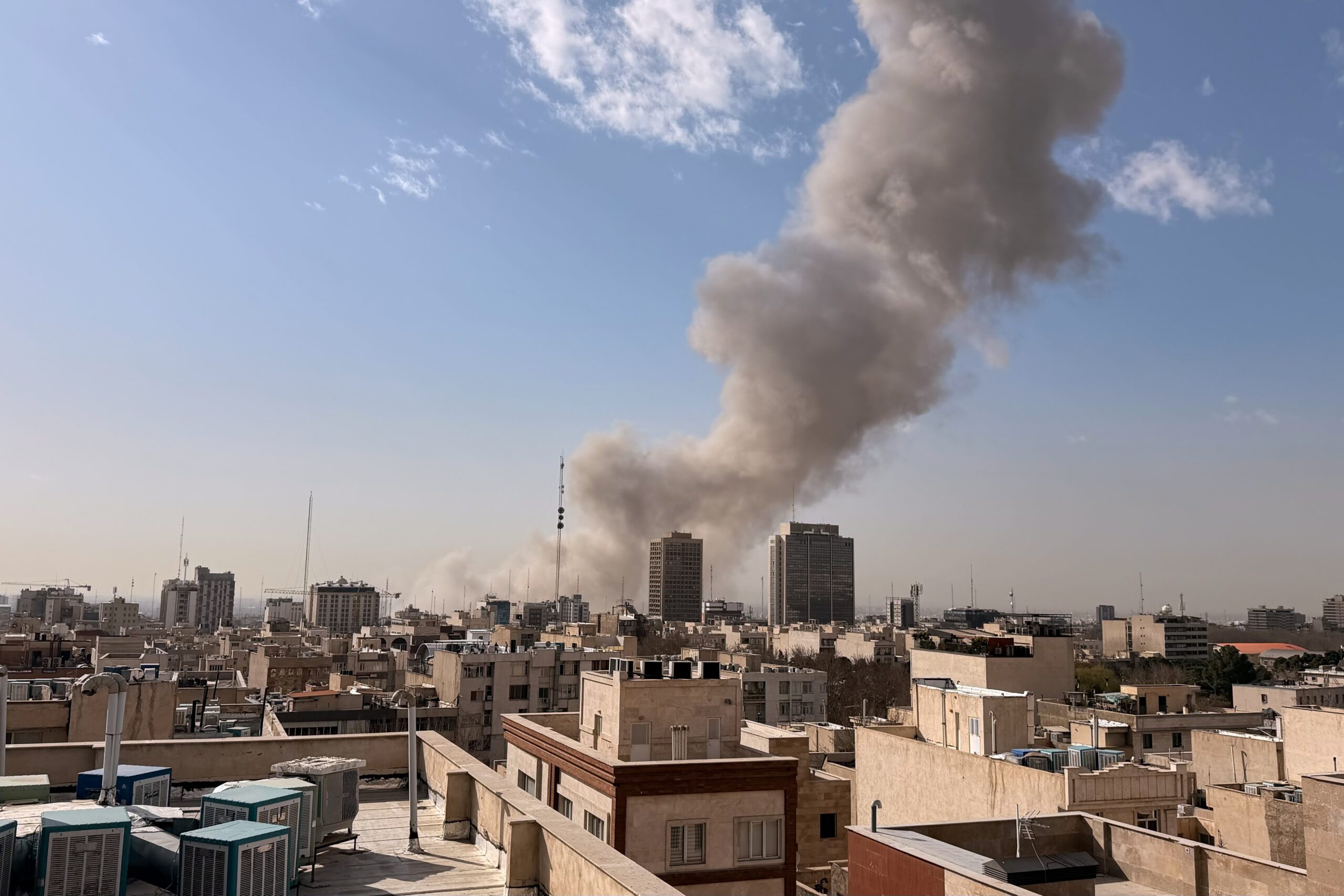
Iran’s 2025-26 Protests in Perspective
The erosion of the regime’s legitimacy across broad segments of society, combined with the breadth of the 2025-26 protest coalition, raises the possibility that a new confrontation could trigger renewed anti-regime mobilization.
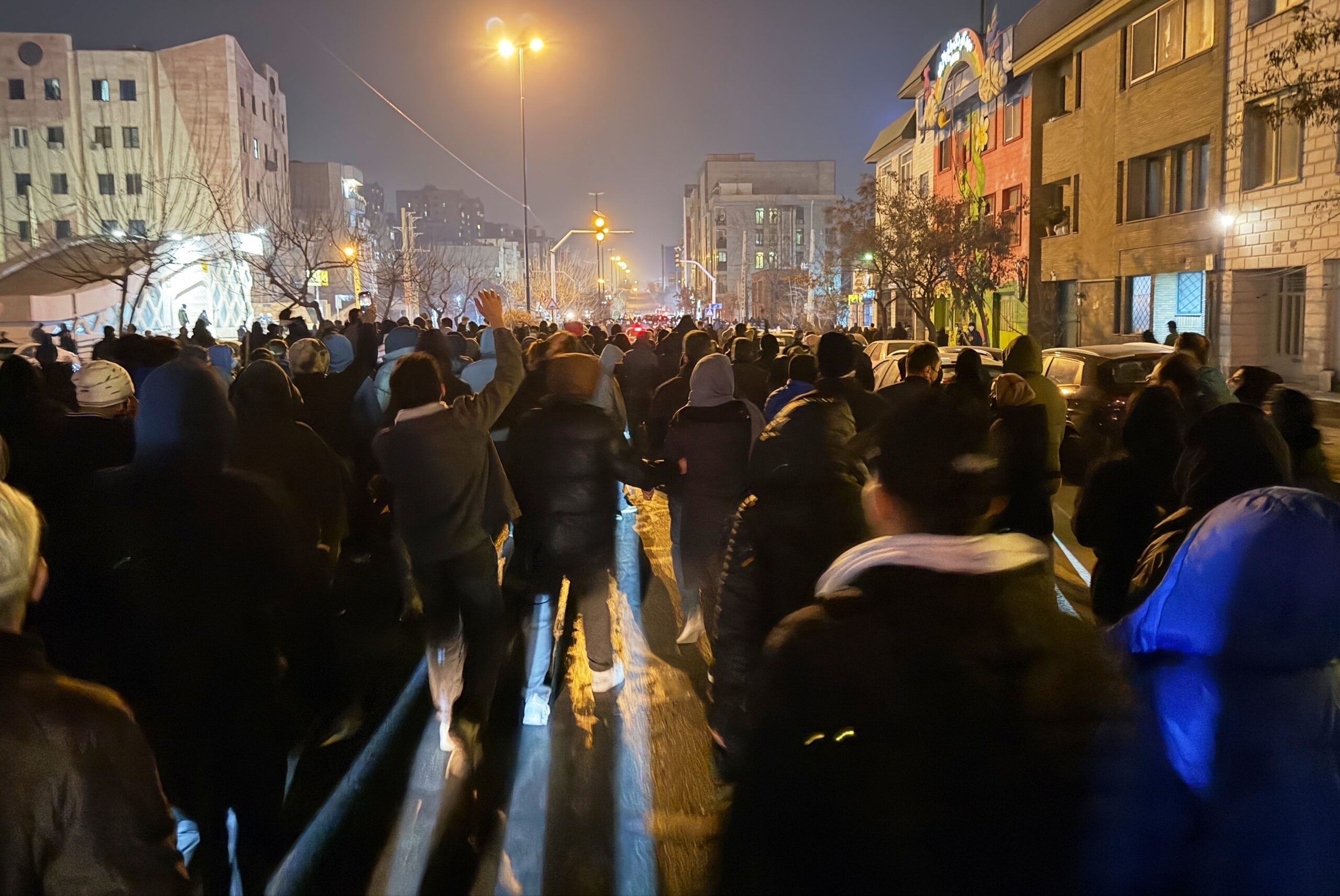
Events
Mar 18, 2026
In Its Conflict With the United States and Israel, Does Escalation Favor Iran?
On March 18, AGSI hosted a discussion on the escalation of the Iran war.
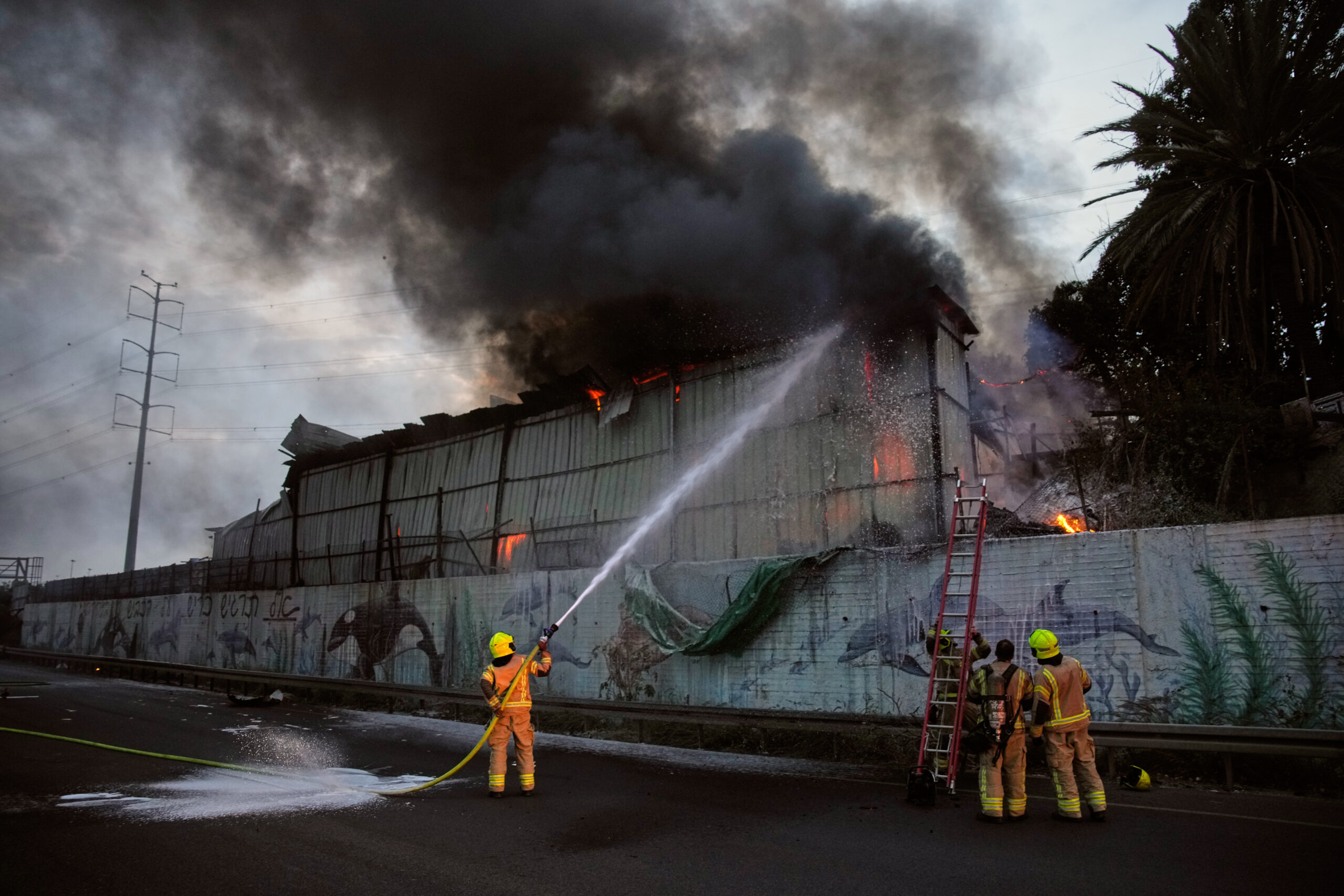
Speakers

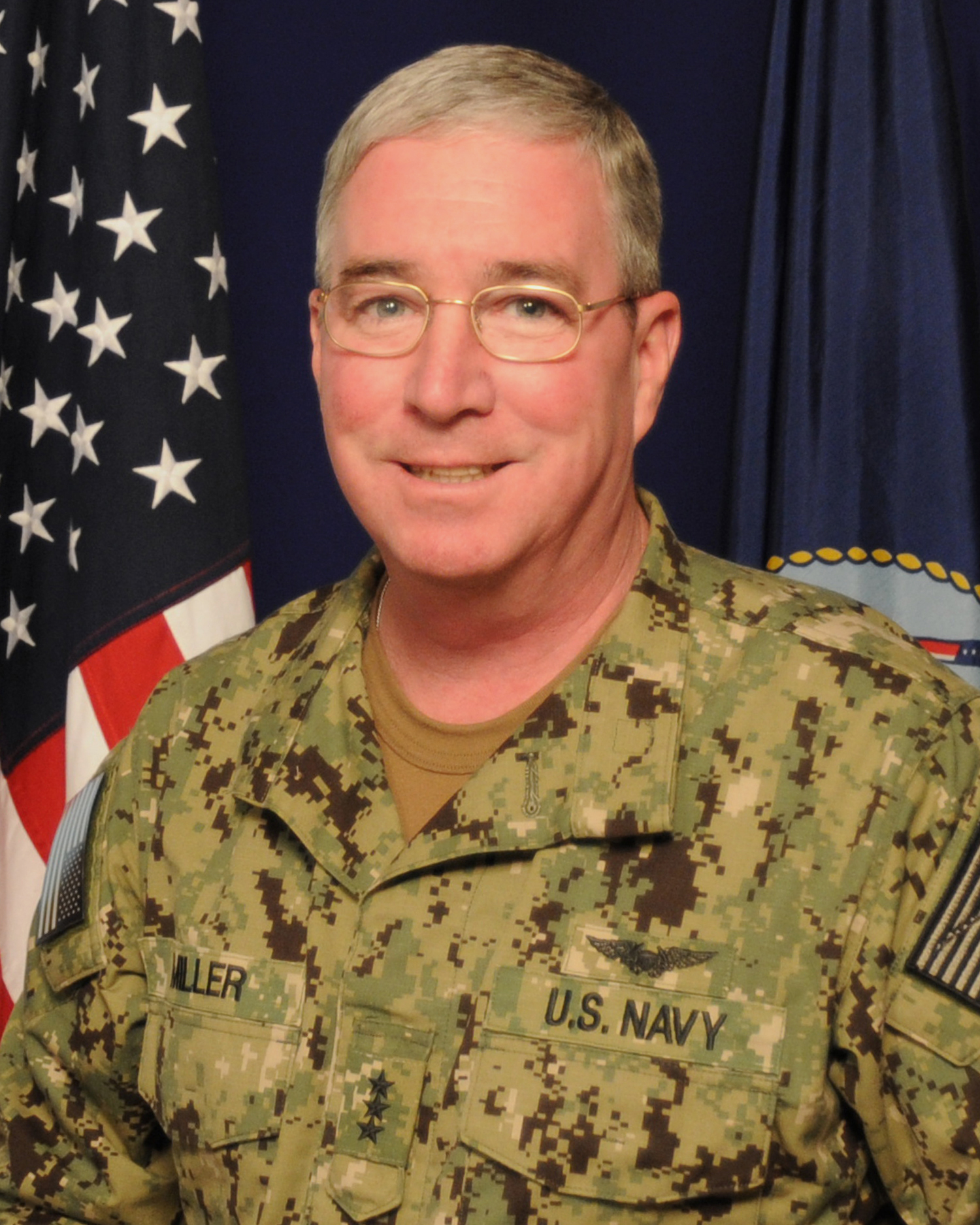

Mar 2, 2026
After the Shock: Implications of the U.S.–Israeli Strikes and Iran’s Leadership Transition
On March 2, AGSI hosted a discussion on the U.S.-Israeli strikes on Iran.
Speakers




Jan 8, 2026
Outlook 2026: Prospects and Priorities for U.S.-Gulf Relations in the Year Ahead
On January 8, AGSI hosted a virtual roundtable with its leadership and scholars as they look ahead and assess trends likely to shape the Gulf region and U.S. foreign policy during the coming year.
Speakers


Sep 16, 2025
Book Talk: Iran’s Grand Strategy: A Political History
On September 16, AGSI hosted a discussion on the roots of Iran's strategic outlook.
Speakers