May 19, 2023
Can Iran Overcome Internal Impediments and Restore Diplomatic Relations With Egypt?
The May 19 edition of the Iran Media Review highlights commentary on the prospects of Iran and Egypt restoring diplomatic relations.

As Iranian and Egyptian officials hold low-level negotiations in Baghdad aimed at restoring diplomatic relations, which were severed in 1980 following the Islamic Revolution and the signing of the Camp David accords, Iran’s state-censored media is openly discussing why diplomatic relations were cut in the first place. While the mainstream media has focused on Iran’s opposition to the Camp David accords and U.S. and Saudi pressure on Egypt as the main factors behind the Iranian-Egyptian rift, a former Iranian diplomat pointed to internal impediments, arguing that who will take credit for the normalization of relations, not normalization itself, has been the most contentious issue preventing the restoration of Iranian-Egyptian relations.
- May 8: Fars News Agency, quoting the London-based New Arab, reported that Iranian and Egyptian officials met in Baghdad in April.
- May 9: Hojjatollah Joudaki, a former cultural attache at the Iranian Embassy in Cairo, discussed the prospects for the restoration of diplomatic relations between Iran and Egypt in an interview with Etemad: “Traditionally, two factors prevented the normalization of relations between Iran and Egypt: The United States of America and Saudi Arabia. Now that Saudi Arabia has reconciled with us, one obstacle is gone … And America’s role, too, has become more reactive … So, the conditions are ripe for Iran and Egypt to solve their quarrels with each other … Also, domestic factors are paving the path to normalization … Inside Iran, there is a sense that we have become extremely isolated and need to engage in new initiatives.” Asked about the failure of reformist presidents to normalize relations with Egypt in the past, Joudaki said: “There were groups and lobbies that created obstacles in the path of the restoration of relations between Iran and Egypt. Now, they see that the economic conditions have significantly worsened and our relations with neighboring countries are in dire straits … Those groups that attacked the embassies of Saudi Arabia and other countries now see the catastrophic impact of their actions on the country. These days, they have become inactive.” Turning to the Joint Comprehensive Plan of Action nuclear deal, Joudaki said: “The JCPOA has reached a dead end, and there is no hope for it, so we must look for solutions elsewhere. One solution is extending a hand of friendship to our neighbors … In the past, certain matters would excessively anger us and make us act emotionally, but now, due to the special circumstances, we are witnessing more rational reactions and deal more carefully with those same matters.” Asked if the street in Tehran named after Khalid Islambouli, the assassin of Egyptian President Anwar Sadat, is about to be renamed, Joudaki said: “The conditions are such that we certainly will do it. During the reformist era, Seyyed Mohammad Khatami was president, so we could not do it. Had we done it, he would have been credited with it. But now, those in power realize that if there is an opening with Egypt, they will take credit for it … The rulers have reached the conclusion that they can no longer think idealistically but must act pragmatically, which means doing away with the likes of Khalid Islambouli.”
- May 12: In its coverage of Iranian-Egyptian negotiations, Alef News Agency quoted Reza Seyyed-Afqahi, a regional affairs expert, who discussed the historical background of Iran’s relations with Egypt: “Our relations with Egypt were severed after the disgraceful Camp David agreement between then-Egyptian President Anwar Sadat and Israeli Prime Minister Menachem Begin … After the overthrow of Hosni Mubarak, Iran tried to reach out to Egypt due to Iran’s positive position regarding the popular revolution in Egypt … but the attempt did not achieve its goals due to certain considerations of Mohamed Morsi’s Cabinet, including its decision not to annul the Camp David agreement … So, relations were not restored due to issues related to the Zionist regime and because of U.S. pressure … Under the Abdel Fattah al-Sisi regime, Iran’s relations with Egypt have never been hostile, and since Iran and Saudi Arabia restored relations, the Egyptians, too, are defining their relations and position in the region … Should our relations with Saudi Arabia stabilize … Egypt will not be interested in being isolated.”
- May 14: In an interview with Entekhab News, Fada-Hossein Maleki, a member of the parliamentary National Security Committee, said Iran and Egypt are negotiating the reopening of their embassies.
The views represented herein are the author's or speaker's own and do not necessarily reflect the views of AGSI, its staff, or its board of directors.
Related
Iran Media Review
Sep 22, 2026
With Mojtaba in Occultation, Qalibaf and Rezaei Articulate Iran’s Terms
The September 22 edition of the Iran Media Review considers an IRGC-linked newspaper’s suggestion that the supreme leader might remain in hiding and statements by Iranian officials laying out Iran’s terms for negotiations with the United States.
Iran Media Review
Sep 15, 2026
Despite Tactical Victories, Iran Struggles to Restore Deterrence
The September 15 edition of the Iran Media Review examines Iranian statements on a possible nuclear bomb, Iran’s relationship with the UAE, and developments in Yemen.
Iran Media Review
Sep 11, 2026
Diminishing Importance of the Straits?
The September 11 edition of the Iran Media Review contrasts hard-liners’ celebration of oil prices rising with a technocratic Iranian newspaper’s warning that the regime’s ability to take the world economy hostage is diminishing.
Sep 22, 2026
With Mojtaba in Occultation, Qalibaf and Rezaei Articulate Iran’s Terms
The September 22 edition of the Iran Media Review considers an IRGC-linked newspaper’s suggestion that the supreme leader might remain in hiding and statements by Iranian officials laying out Iran’s terms for negotiations with the United States.
Sep 15, 2026
Despite Tactical Victories, Iran Struggles to Restore Deterrence
The September 15 edition of the Iran Media Review examines Iranian statements on a possible nuclear bomb, Iran’s relationship with the UAE, and developments in Yemen.
Sep 11, 2026
Diminishing Importance of the Straits?
The September 11 edition of the Iran Media Review contrasts hard-liners’ celebration of oil prices rising with a technocratic Iranian newspaper’s warning that the regime’s ability to take the world economy hostage is diminishing.
Analysis
The Islamic Republic Returns to Offense
After U.S.-Israeli strikes killed Supreme Leader Ayatollah Ali Khamenei on February 28, Iran’s collective leadership has concluded that the best defense is a good offense.
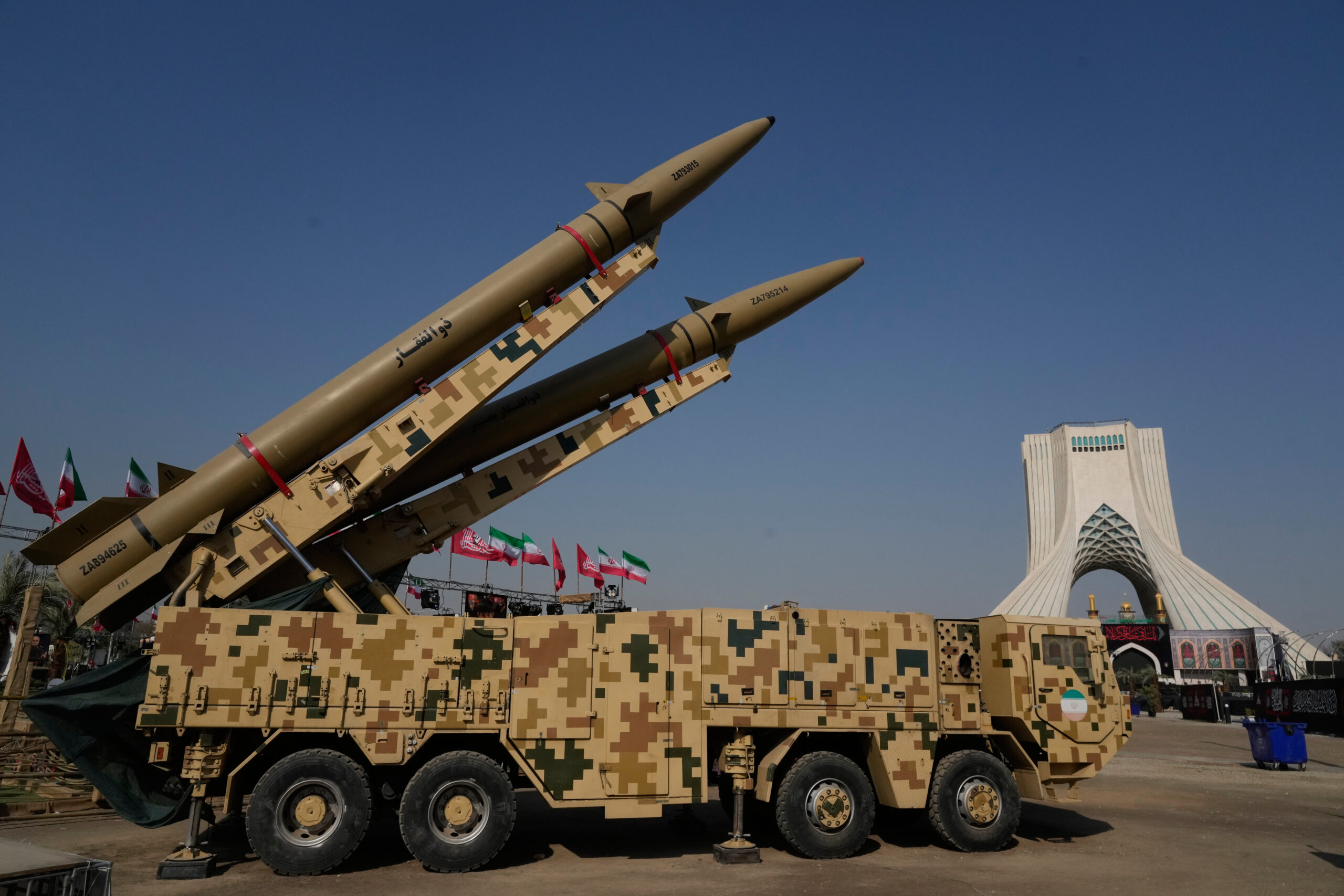
Iran’s Collective Strategic Decision Making
Wartime pressure has temporarily aligned the leadership’s overriding interest in regime survival, even as its members continue to differ over the costs, methods, and ultimate objectives of the war.
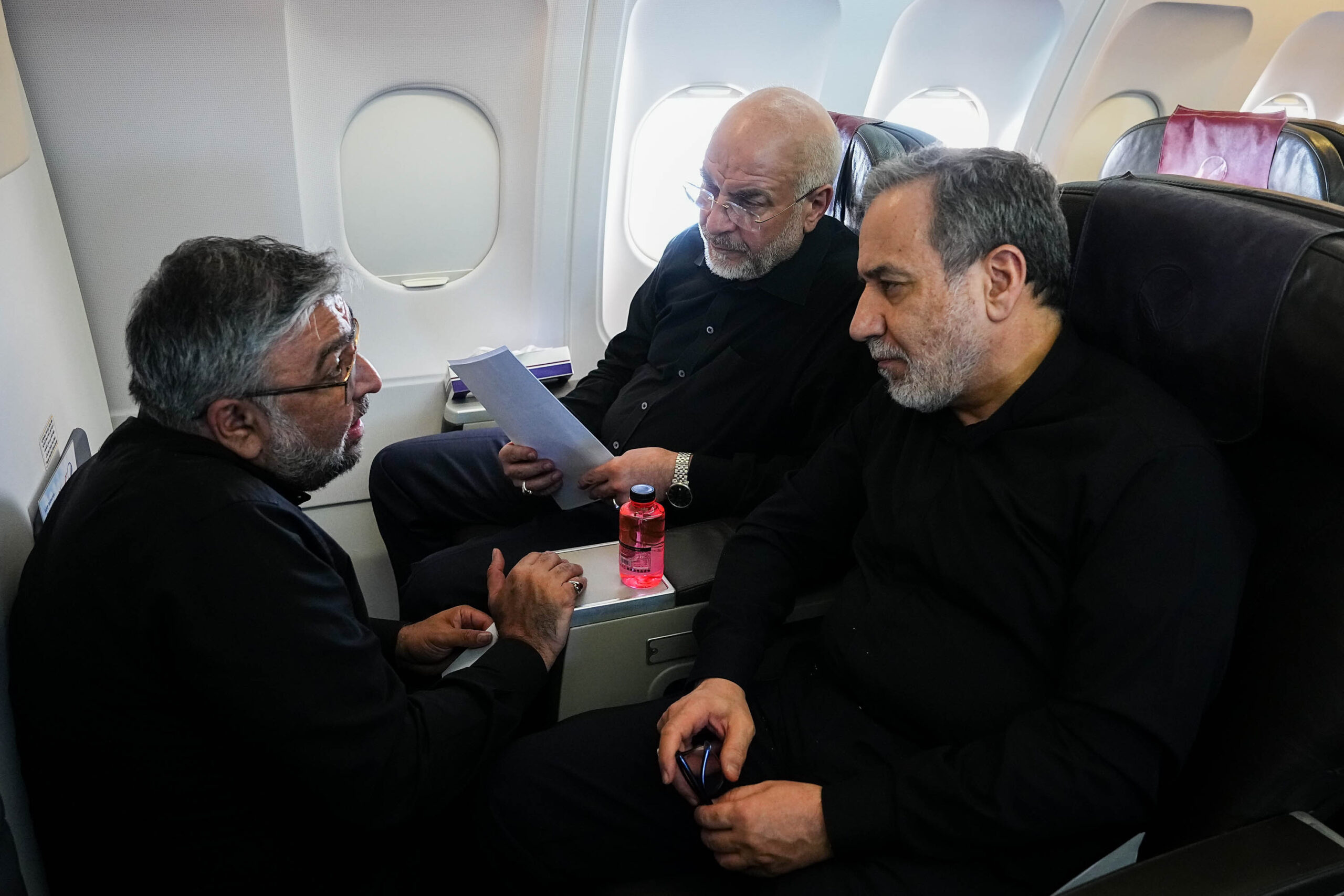
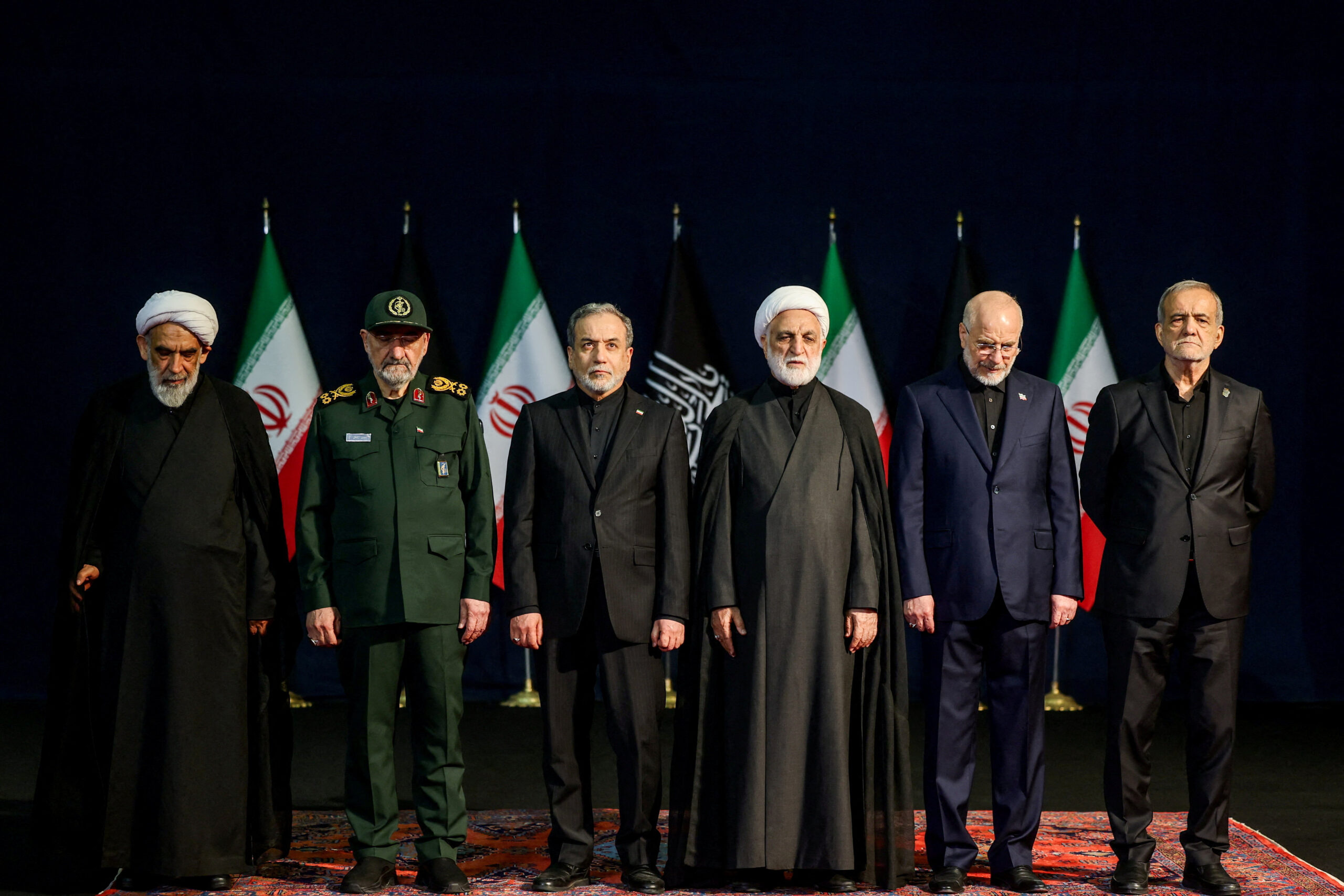
The Islamic Republic’s Collective Leadership
While there is historical precedent for collective leadership in Iran, today’s leadership includes representatives of the IRGC and regular military – a reflection of the IRGC’s expanding role and the necessities of governing under wartime conditions.
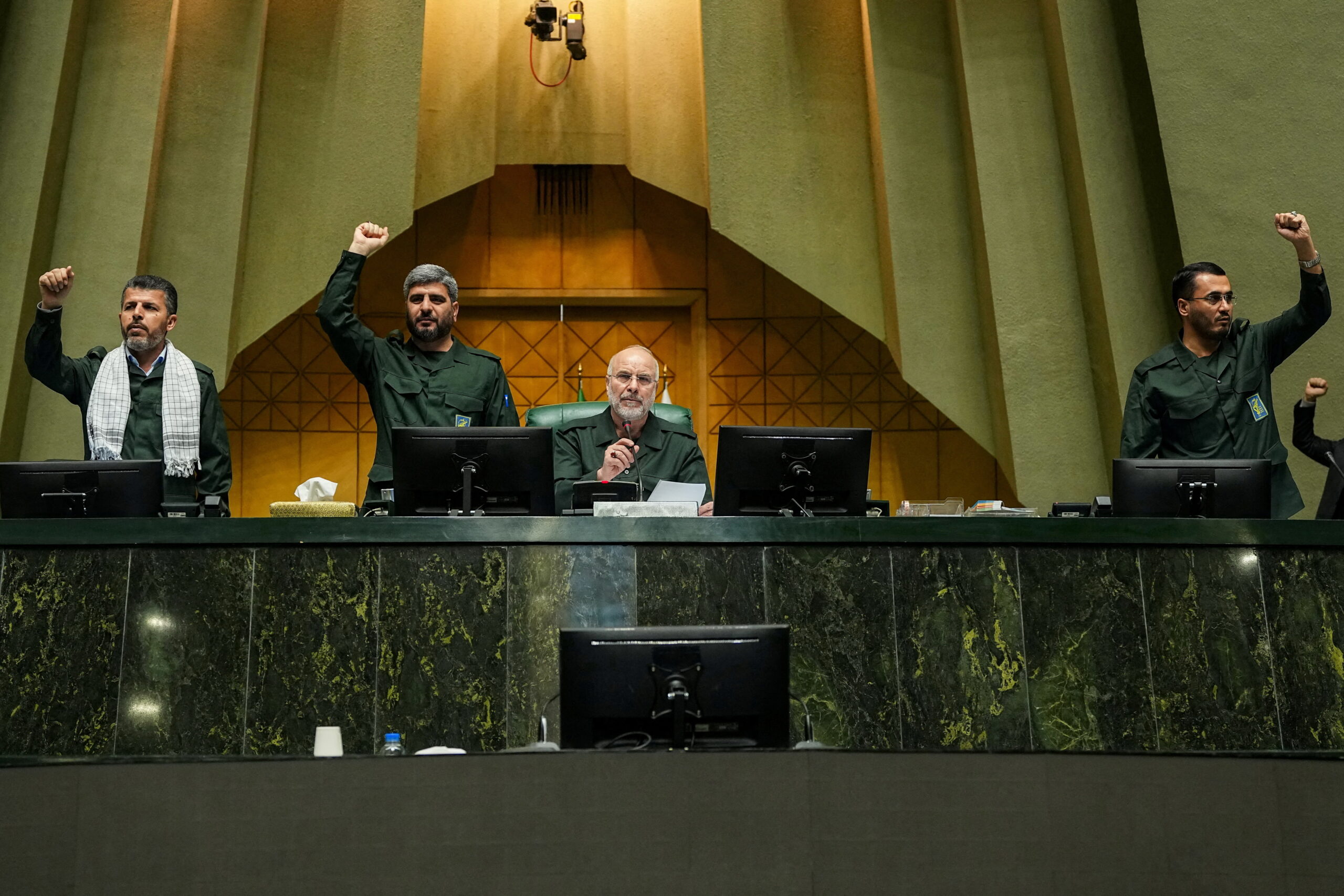
How Did the IRGC Seize Power in Iran?
The IRGC did not seize power in a single stroke. It accumulated it – patiently, methodically – until no counterweight remained.
Events
Book Talk: Iran and the Bomb: The United States, Iran and the Nuclear Question
On June 16, AGSI hosted a discussion on the evolution of Iran's nuclear program.

Speakers


Apr 21, 2026
Inside Iran’s Wartime Leadership: Power, Succession, and Regime Stability
On April 21, AGSI hosted a discussion on the evolution of Iran's leadership during the war.

Speakers

Mar 18, 2026
In Its Conflict With the United States and Israel, Does Escalation Favor Iran?
On March 18, AGSI hosted a discussion on the escalation of the Iran war.
Speakers



Mar 2, 2026
After the Shock: Implications of the U.S.–Israeli Strikes and Iran’s Leadership Transition
On March 2, AGSI hosted a discussion on the U.S.-Israeli strikes on Iran.
Speakers