Jul 15, 2022
Ayatollah Khamenei’s Predictions on Israel’s Demise
The July 15 edition of the Iran Media Review considers Iran’s state-censored media predictions on the "demise of Israel."

Since Arab states have begun normalizing relations with Israel within the framework of the Abraham Accords, Iran’s state-censored media, inspired by predictions by Supreme Leader Ayatollah Ali Khamenei, are speculating about the demise of the Jewish state.
- September 9, 2015: As Western supporters of the Joint Comprehensive Plan of Action argued the nuclear deal would alleviate Israel’s concerns about a nuclear-armed Iran for the next 25 years, Khamenei predicted: “You will not see the next 25 years. God willing, in 25 years, by the grace and victory of God, there will be no such thing as a Zionist regime in the region.”
- December 16, 2016: Khamenei repeated Israel “will not exist in 25 years,” in a conversation with Ramadan Shalah, the leader of the Palestinian extremist group Islamic Jihad.
- June 6, 2022: In an editorial on Israel, Mashregh News asked, “What are the main indicators of the demise of Zionism?” The piece cited Israeli sources and massaged data, presenting eight factors that it suggested demonstrate the decline of Israel: demographic change, reverse migration, internal and sectarian conflicts, political weakness and lack of a disciplined leader, diminishing deterrent power and weakness of the Israeli army, lack of public confidence in the army, unified Palestinians, and the increased power of the “Axis of Resistance,” in a reference to states and nonstate groups opposing Israel.
The supreme leader first predicted that the Israeli state would cease to exist by 2040, conveniently long enough into the future that the currently 83-year-old Khamenei cannot be held personally responsible if the prediction does not materialize. Disregarding Khamenei’s safe betting, the state-censored media in Iran has since tried to provide evidence to prove him right. But editorials, such as the one in Mashregh News, can neither persuade the public nor serve as policy advice to the supreme leader.
In the not-so-distant past, the regime of Shah Mohammad Reza Pahlavi and Israel were de-facto allies against shared enemies, such as Iraq. Under the Islamic Republic, the regime’s public propaganda turned virulently anti-Israeli, but the secret alignment between the two states continued unabashed: As disclosed in the Tower Commission’s report, Israel was the most important exporter of U.S.-produced arms and spare parts to the Islamic Republic throughout the 1980-88 Iran-Iraq War. The report concluded that it was “A Flawed Process,” but Khamenei, who himself was privy to the secret dealings among Iran, Israel, and the United States, was aware of the benefits to war-beaten Iran.
For the time being, there may not be the shared enemy that brought Iran and Israel together in the past, but the opportunity may once again arise. In the meantime, Khamenei and the Islamic Republic need accurate analysis rather than oracular predictions.
AGSIW’s Iran Media Review monitors, translates, and reviews critical Persian-language media sources identifying important developments and trends in the Islamic Republic of Iran.
The views represented herein are the author's or speaker's own and do not necessarily reflect the views of AGSI, its staff, or its board of directors.
Related
Iran Media Review
Sep 15, 2026
Despite Tactical Victories, Iran Struggles to Restore Deterrence
The September 15 edition of the Iran Media Review examines Iranian statements on a possible nuclear bomb, Iran’s relationship with the UAE, and developments in Yemen.
Iran Media Review
Sep 11, 2026
Diminishing Importance of the Straits?
The September 11 edition of the Iran Media Review contrasts hard-liners’ celebration of oil prices rising with a technocratic Iranian newspaper’s warning that the regime’s ability to take the world economy hostage is diminishing.
Iran Media Review
Sep 8, 2026
Mohsen Rezaei Explains Tehran’s Strategy
The September 8 edition of the Iran Media Review outlines the Iranian Supreme National Security Council secretary’s remarks on Iran’s strategic response to the U.S. naval blockade.
Sep 15, 2026
Despite Tactical Victories, Iran Struggles to Restore Deterrence
The September 15 edition of the Iran Media Review examines Iranian statements on a possible nuclear bomb, Iran’s relationship with the UAE, and developments in Yemen.
Sep 11, 2026
Diminishing Importance of the Straits?
The September 11 edition of the Iran Media Review contrasts hard-liners’ celebration of oil prices rising with a technocratic Iranian newspaper’s warning that the regime’s ability to take the world economy hostage is diminishing.
Sep 8, 2026
Mohsen Rezaei Explains Tehran’s Strategy
The September 8 edition of the Iran Media Review outlines the Iranian Supreme National Security Council secretary’s remarks on Iran’s strategic response to the U.S. naval blockade.
Analysis
The Islamic Republic Returns to Offense
After U.S.-Israeli strikes killed Supreme Leader Ayatollah Ali Khamenei on February 28, Iran’s collective leadership has concluded that the best defense is a good offense.
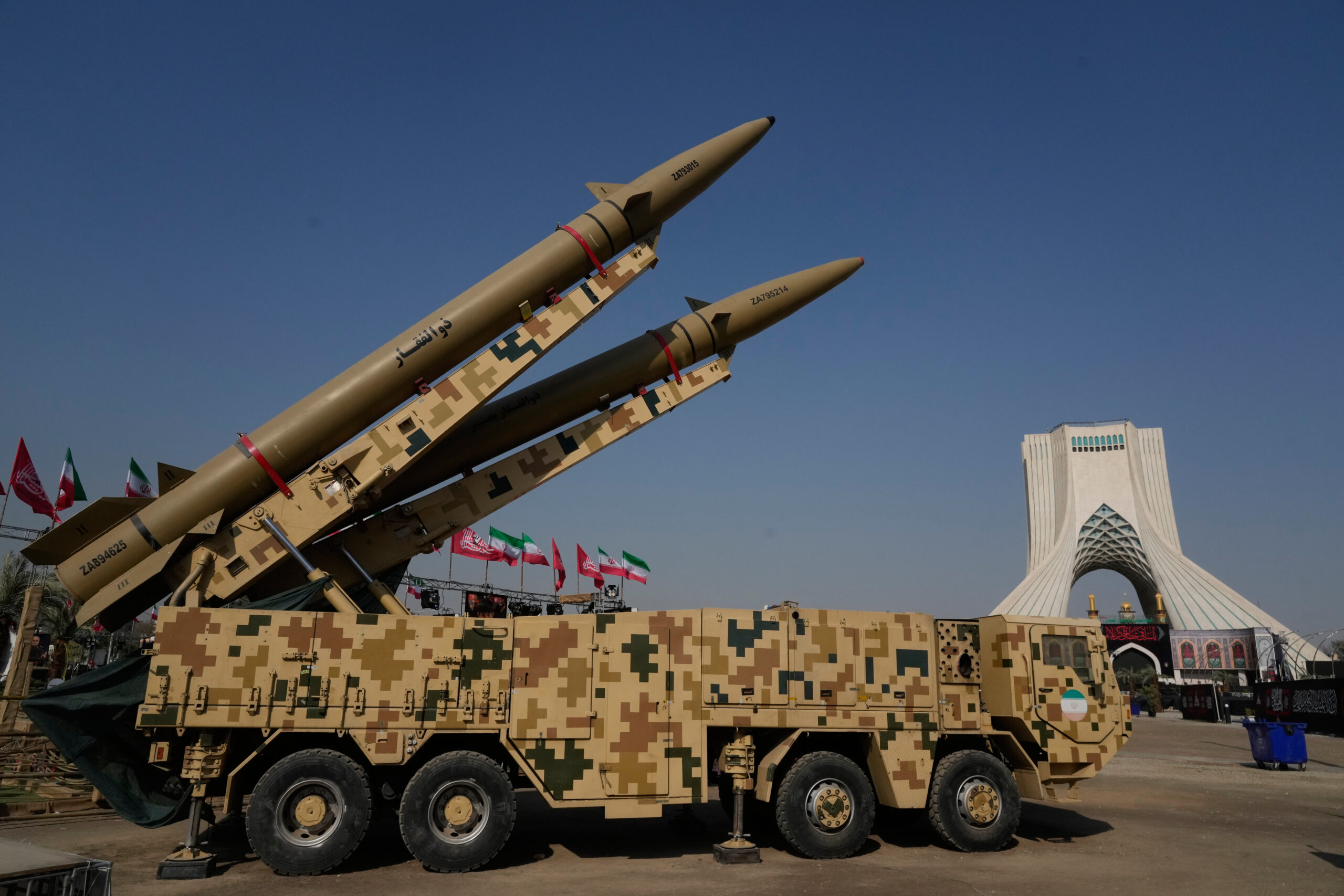
Iran’s Collective Strategic Decision Making
Wartime pressure has temporarily aligned the leadership’s overriding interest in regime survival, even as its members continue to differ over the costs, methods, and ultimate objectives of the war.
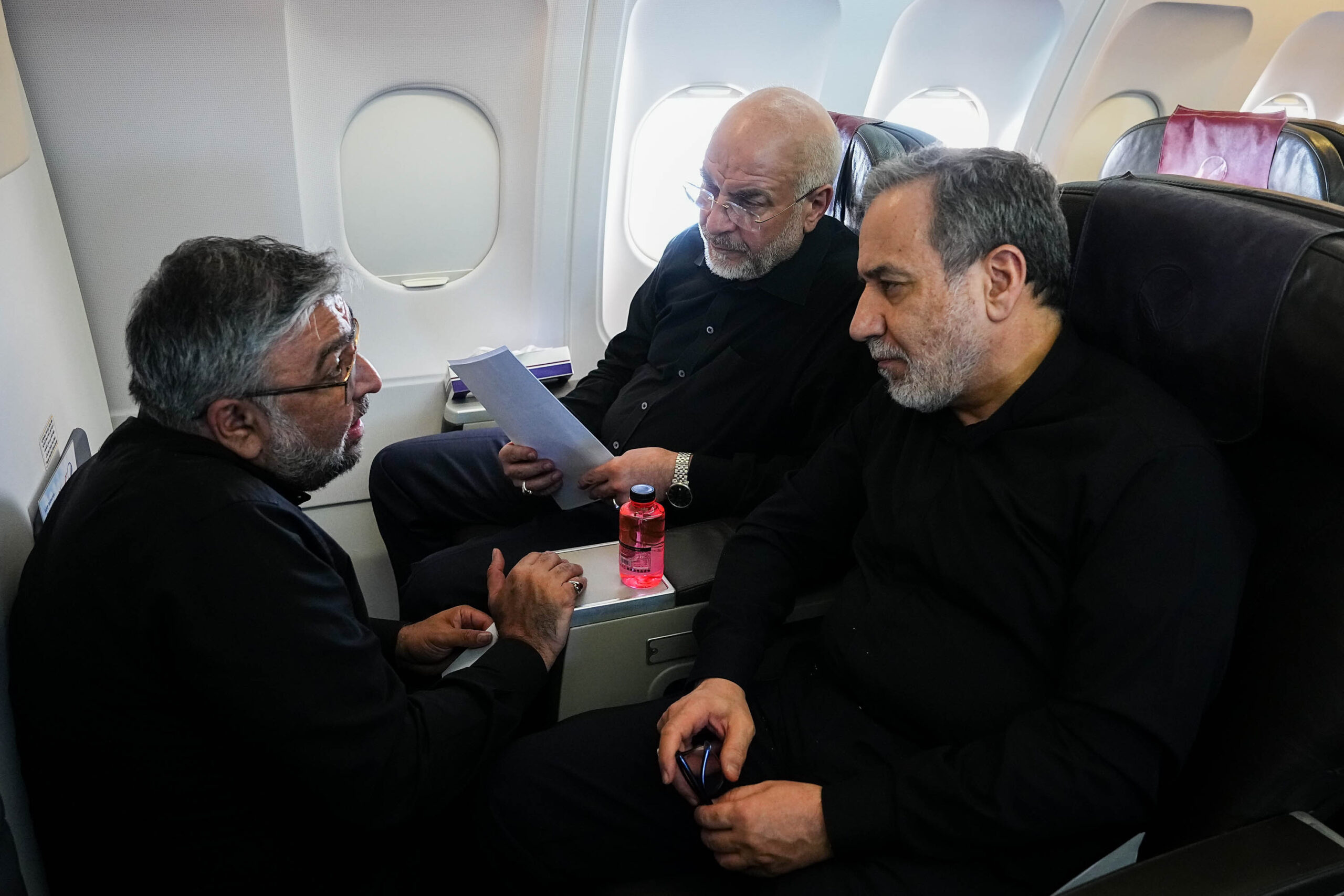
The Islamic Republic’s Collective Leadership
While there is historical precedent for collective leadership in Iran, today’s leadership includes representatives of the IRGC and regular military – a reflection of the IRGC’s expanding role and the necessities of governing under wartime conditions.
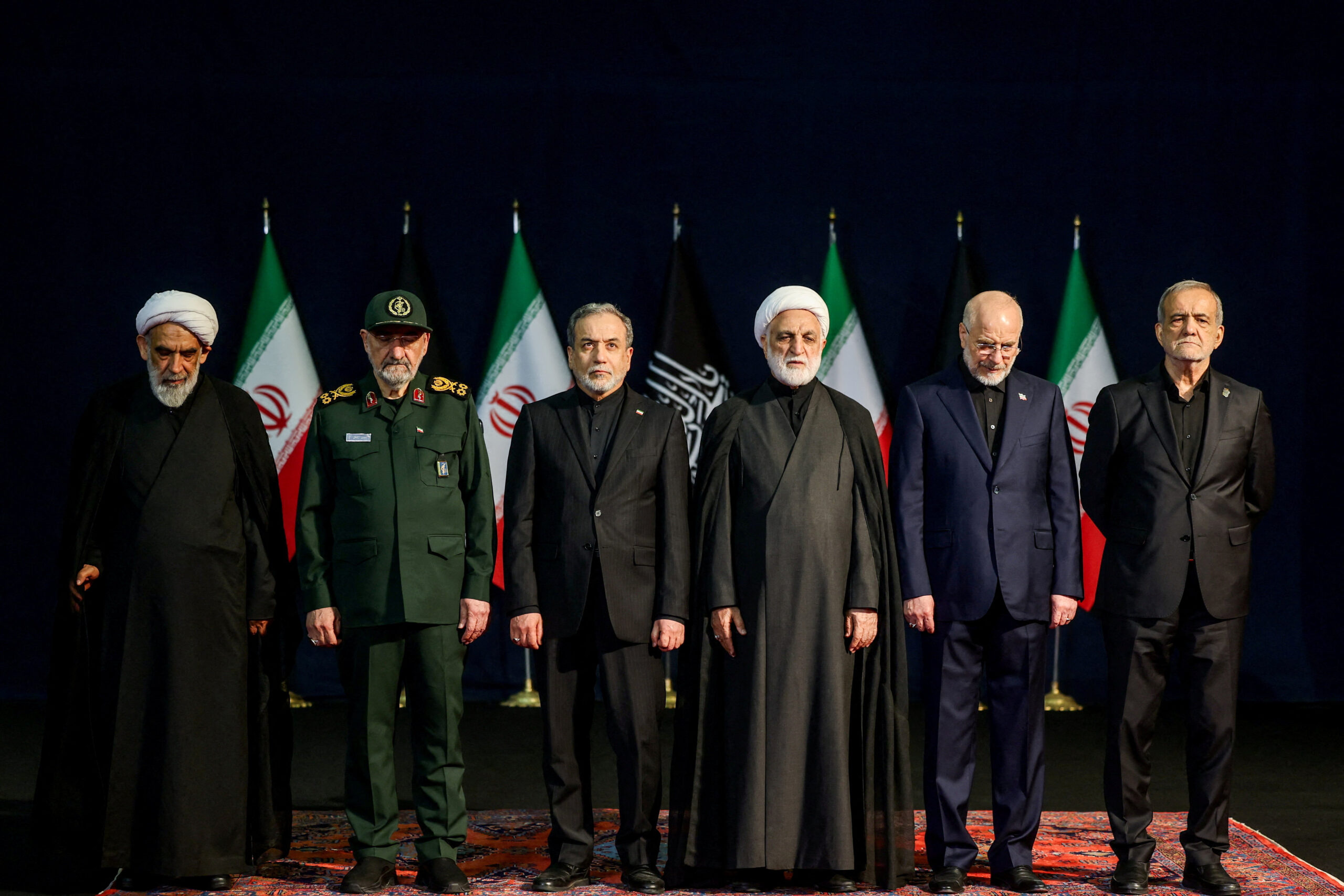
How Did the IRGC Seize Power in Iran?
The IRGC did not seize power in a single stroke. It accumulated it – patiently, methodically – until no counterweight remained.
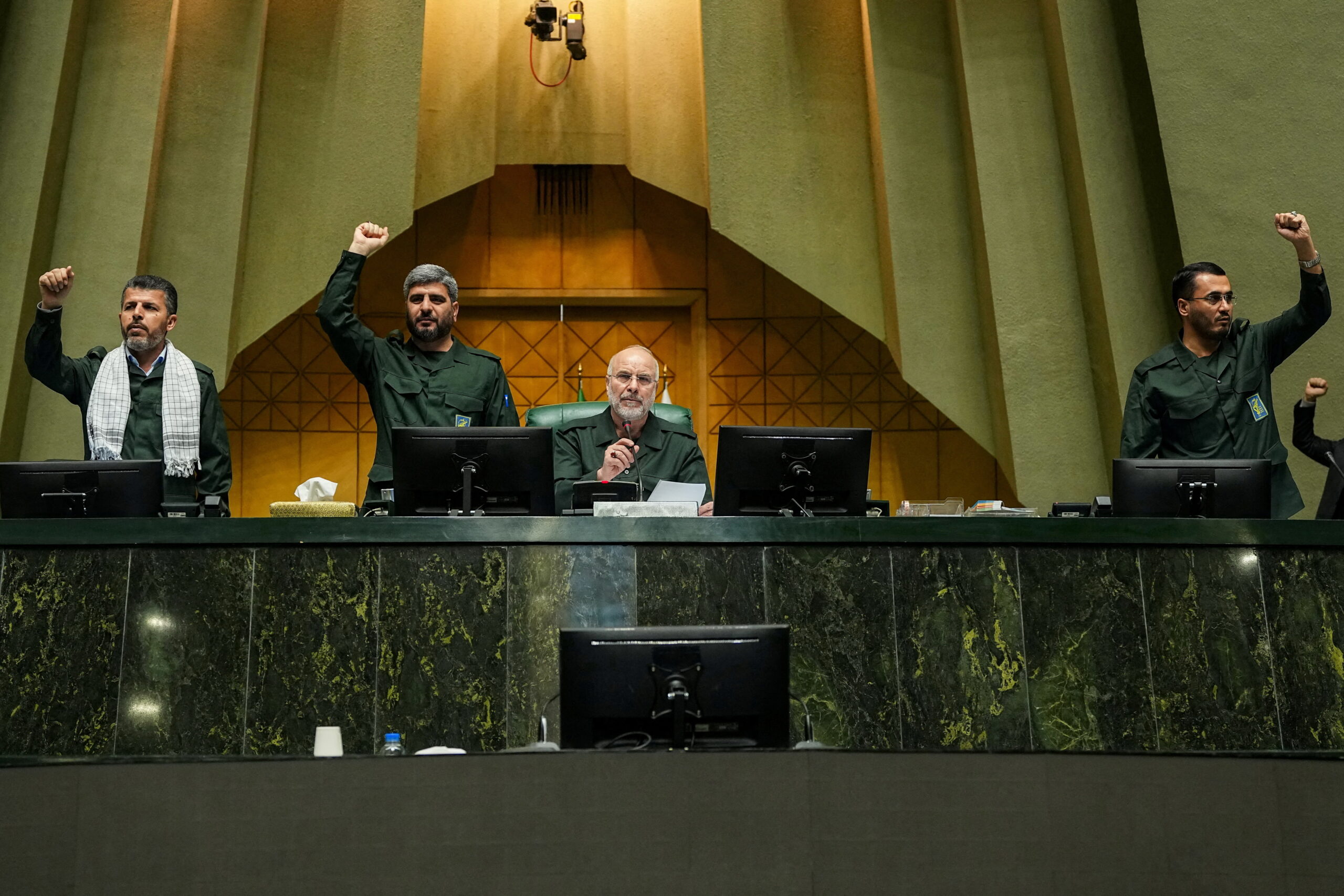
Events
Book Talk: Iran and the Bomb: The United States, Iran and the Nuclear Question
On June 16, AGSI hosted a discussion on the evolution of Iran's nuclear program.
Speakers


Apr 21, 2026
Inside Iran’s Wartime Leadership: Power, Succession, and Regime Stability
On April 21, AGSI hosted a discussion on the evolution of Iran's leadership during the war.
Speakers

Mar 18, 2026
In Its Conflict With the United States and Israel, Does Escalation Favor Iran?
On March 18, AGSI hosted a discussion on the escalation of the Iran war.
Speakers


Mar 2, 2026
After the Shock: Implications of the U.S.–Israeli Strikes and Iran’s Leadership Transition
On March 2, AGSI hosted a discussion on the U.S.-Israeli strikes on Iran.
Speakers