May 9, 2023
Ayatollah Boroujerdi: “What Happened to Our Charisma?”
The May 9 edition of the Iran Media Review examines religious leaders’ frustration with the decline of Shia Islam in Iran.

Ayatollah Javad Alavi Boroujerdi, grandson of the late Grand Ayatollah Hossein Tabatabaei Boroujerdi, a source of emulation for all Shias, fears it. So do Abbas Abdi, who took hostages at the U.S. Embassy in Tehran and later became a political dissident, and Mohsen Hashemi, son of the late Ayatollah Ali Akbar Hashemi Rafsanjani. All three fear the weakening of the foundations of the Shia faith in Iran, which they blame on the clergy’s behavior, harsh interpretation of Islam, and dependence on the Iranian state under the Islamic Republic.
- March 11: Shia News released excerpts from Boroujerdi’s theology class at the Theological Seminary in Qom:
- “Some people from the Bakhtiari tribe who were parting ways with us politically visited me a while ago. Among them, the youth are exceedingly interested in converting to Zoroastrianism. Others told me there are house churches in Qom or that the number of Wahhabis is growing; that they have become more active and even arrange Friday prayers! Apparently, there are also some who are converting to Buddhism. Such are our problems.”
- “Many of these people used to be our followers. What is it that we have done to these people? These people defended every inch of Iranian territory during the war. What more can we expect of them? Did they not endure sanctions for our sake? Can we expect more from these families? Is this not what we demanded of them? Were they perhaps not loyal? But look at how we treated them. How are we supposed to defend ourselves when facing His Holiness the Messiah?”
- “The youth have no relationship with us clerics. To them, we are aliens. They follow the lead of anyone but us! Why? What happened to our charisma? The Friday prayer leader used to be the pivot of the neighborhood. People were ready to die for his sake. Yes, we have witnessed such days. My father was a Friday prayer leader for 30 to 40 years, and we have also seen how devoted the people were to other clerics. Even girls who were not covered properly would come to the prayer leader and ask their questions. Today, the only thing we insist on is the hijab of the girls while we let go of the foundations of their beliefs … Let us be friends with the people, and let us have relations with them. God knows, the kid who has converted to Christianity is my responsibility. That kid is Shia, and it is my responsibility to bring him back. I don’t have the right to let go of him.”
- April 11: Abbas Abdi, a columnist for Etemad newspaper, wrote about the “Causes of the Demise of Religion” and identified two main reasons: the dependence of the Shia clergy on the Iranian state and a definition of piety according to government metrics that divides the people into the pious and the heretics.
- April 25: In an interview with Sazandegi newspaper, Mohsen Hashemi, the secretary general of the Kargozaran Party, said, as quoted by Rouydad 24:
- “The hijab issue remains controversial. In reality, it has morphed into a political struggle, which makes it even more controversial. My impression of the president’s statements is that he does not approve of dealing with it the way the radicals and extremists are calling for. It is only natural that he, like many other statesmen, lacks the courage to express his opinion. But in between the lines, he makes statements to the effect that he does not approve of the methods currently used … For example, he said, ‘There are those who believe the prevention of vice is limited to the hijab, but there are many other vices to which we must be sensitive.’ A question comes to my mind: Who are ‘those’ people? He was probably referring to the radicals but lacked the courage to say so directly.”
- Asked for solutions to the current crisis, Hashemi said: “What needs to be done is the execution of the true rulings of Islam – no less, no more. We must depoliticize the issue and execute exactly what Islam says about the hijab. Islam says that women whose hair has turned white or who have reached menopause are not required to wear the hijab, but the law has not taken this into consideration, and we must do something about it.” The journalist pressed Hashemi with the question: “Under conditions when the traditional society is no longer committed to the hijab and the modern society does not at all believe in it, what should be done with it? Should there be a new theological interpretation of the hijab?” Hashemi responded: “If the real rulings of religion are executed, the people will accept it … What has happened now is radicalism and politicization. The issue must be depoliticized.”
The views represented herein are the author's or speaker's own and do not necessarily reflect the views of AGSI, its staff, or its board of directors.
Related
Iran Media Review
Jul 21, 2026
Fight, Negotiate – or Both?
The July 21 edition of the Iran Media Review analyzes Iranian media messaging about whether Iran should escalate or negotiate with the United States.
Iran Media Review
Jul 17, 2026
Qalibaf Emerges as Iran’s De Facto Wartime Leader
The July 17 edition of the Iran Media Review examines a written statement by Iran’s parliamentary speaker laying out Iran’s strategy for the future of the conflict.
Iran Media Review
Jul 15, 2026
Iranian Parliament Presses for Escalation
The July 15 edition of the Iran Media Review examines remarks by an Iranian hard-liner advocating for Iran to escalate against the United States without abandoning the U.S.-Iran cease-fire.
Jul 21, 2026
Fight, Negotiate – or Both?
The July 21 edition of the Iran Media Review analyzes Iranian media messaging about whether Iran should escalate or negotiate with the United States.
Jul 17, 2026
Qalibaf Emerges as Iran’s De Facto Wartime Leader
The July 17 edition of the Iran Media Review examines a written statement by Iran’s parliamentary speaker laying out Iran’s strategy for the future of the conflict.
Jul 15, 2026
Iranian Parliament Presses for Escalation
The July 15 edition of the Iran Media Review examines remarks by an Iranian hard-liner advocating for Iran to escalate against the United States without abandoning the U.S.-Iran cease-fire.
Analysis
How Did the IRGC Seize Power in Iran?
The IRGC did not seize power in a single stroke. It accumulated it – patiently, methodically – until no counterweight remained.
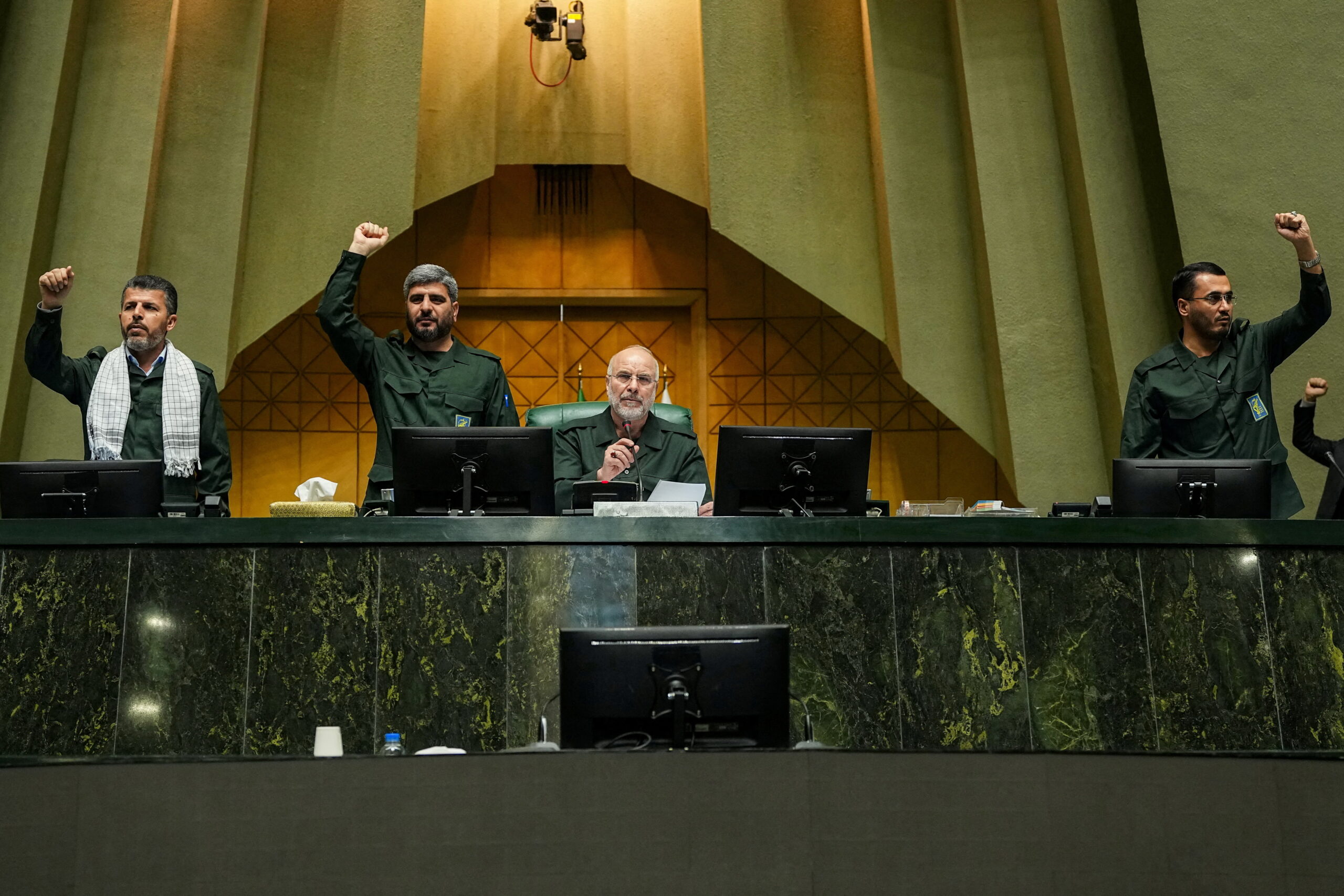
Under Mojtaba, the IRGC Will Reign Supreme
Iran may still call itself an Islamic Republic. In practice, however, it increasingly resembles a state in which the military governs from behind clerical robes.
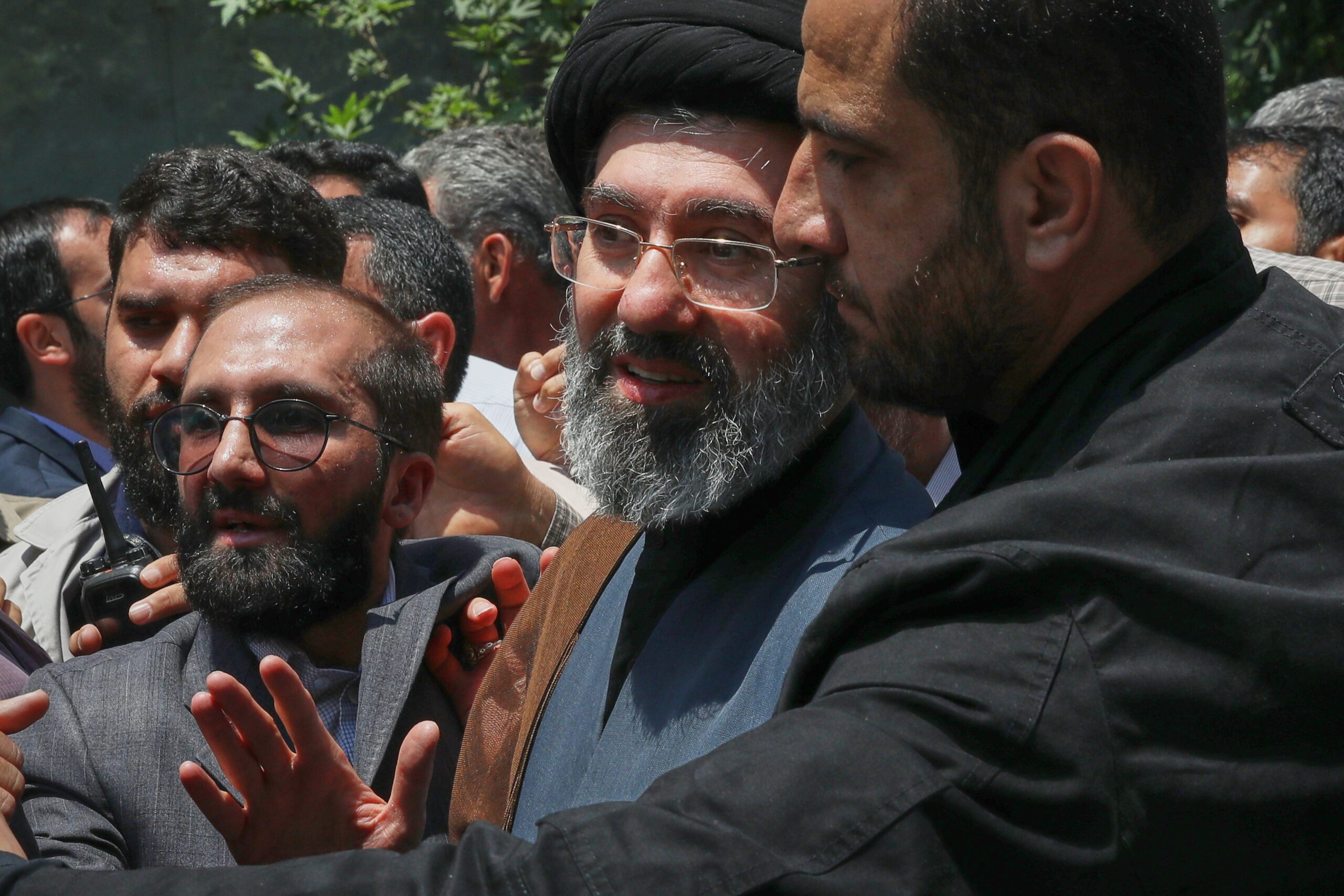
Political Life and Legacy of Iran’s Ayatollah Khamenei
Ayatollah Ali Khamenei was killed in his office in Tehran at age 86, leaving behind a country in ruins and on the verge of civil war and potential disintegration.
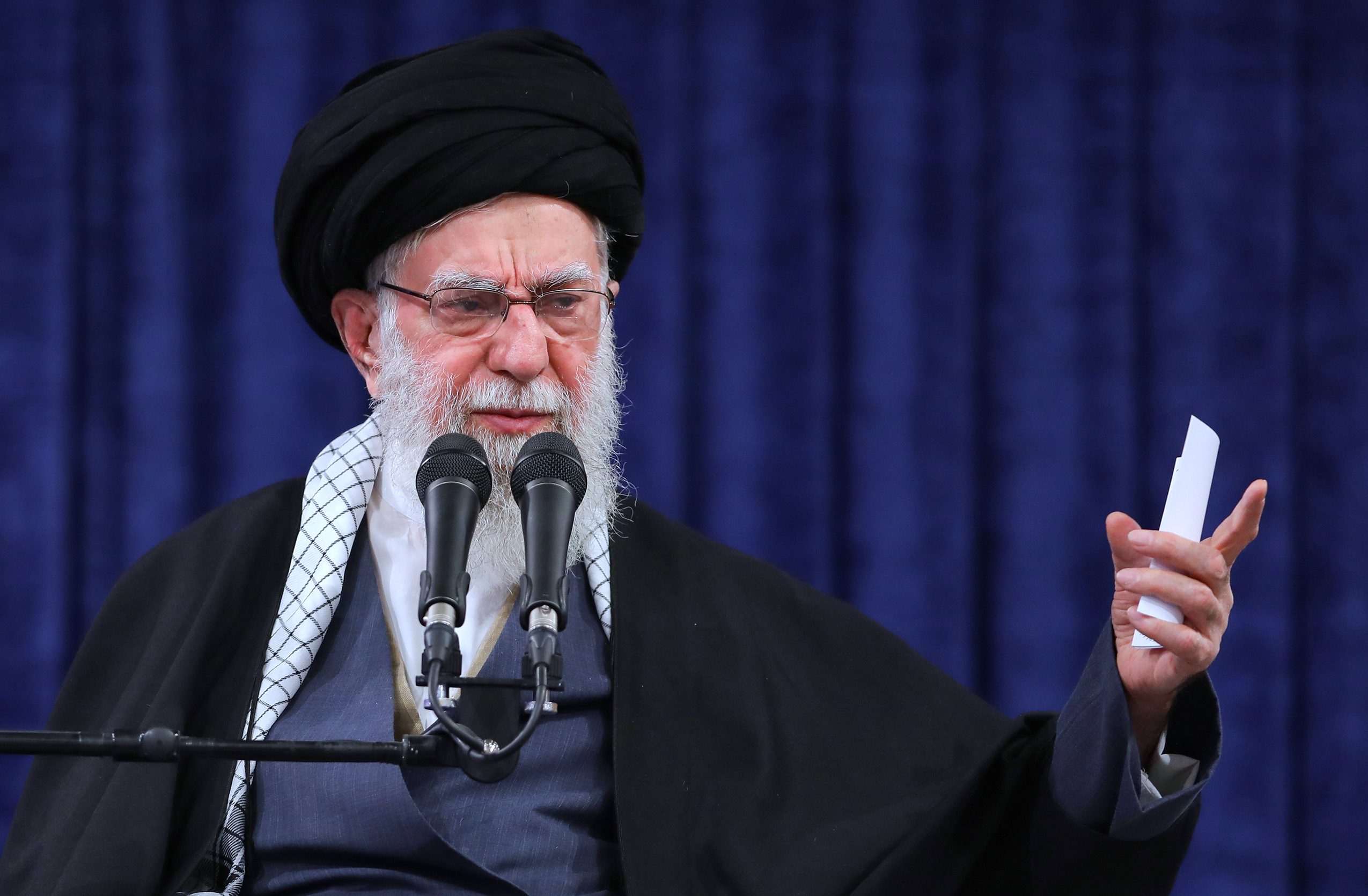
Iranian Regime Fighting for Survival
Iran is signaling that it will not absorb attacks passively. But whether this strategy ensures the regime’s survival, seals its fate, or accelerates a broader catastrophe will shape the region for years to come.
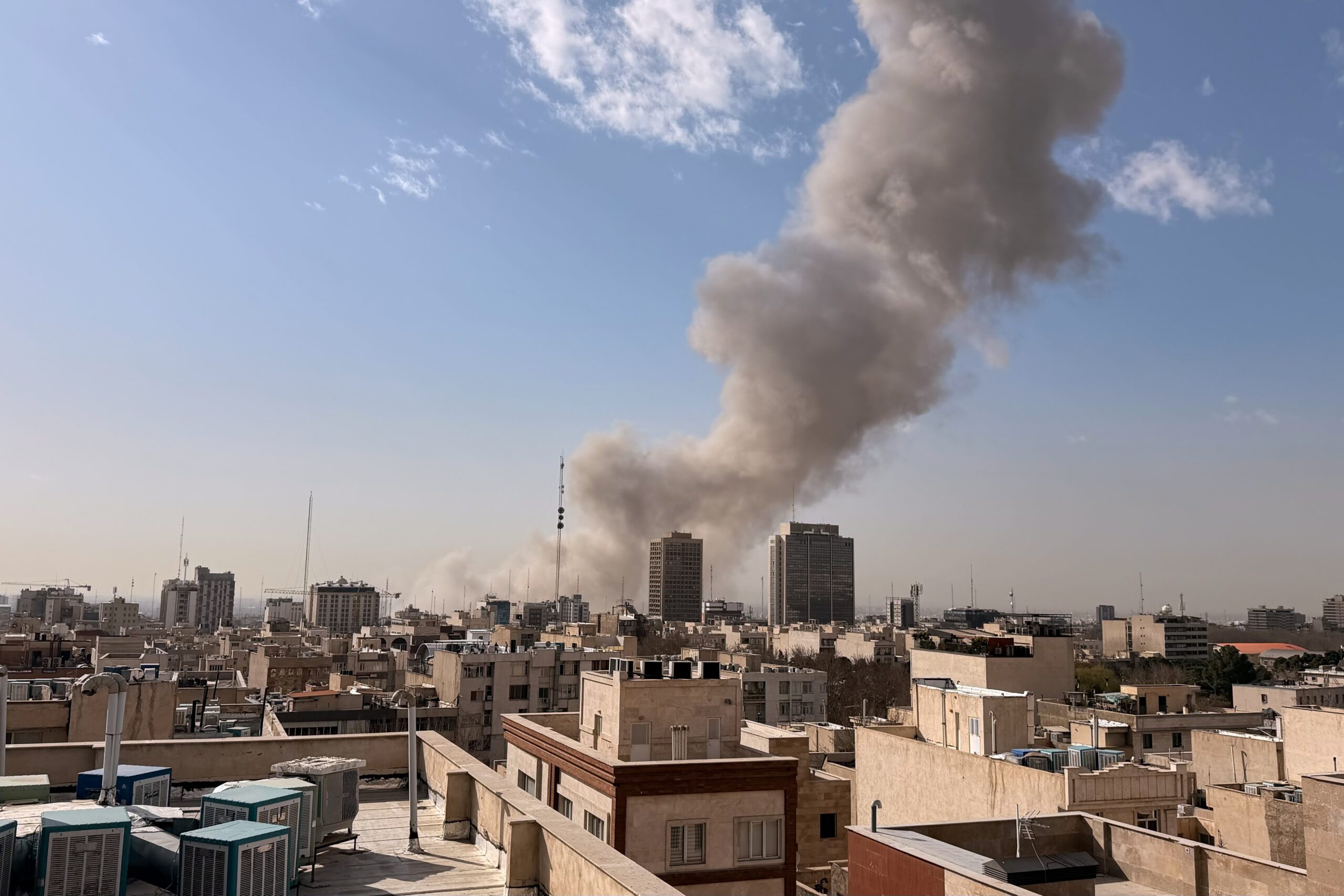
Events
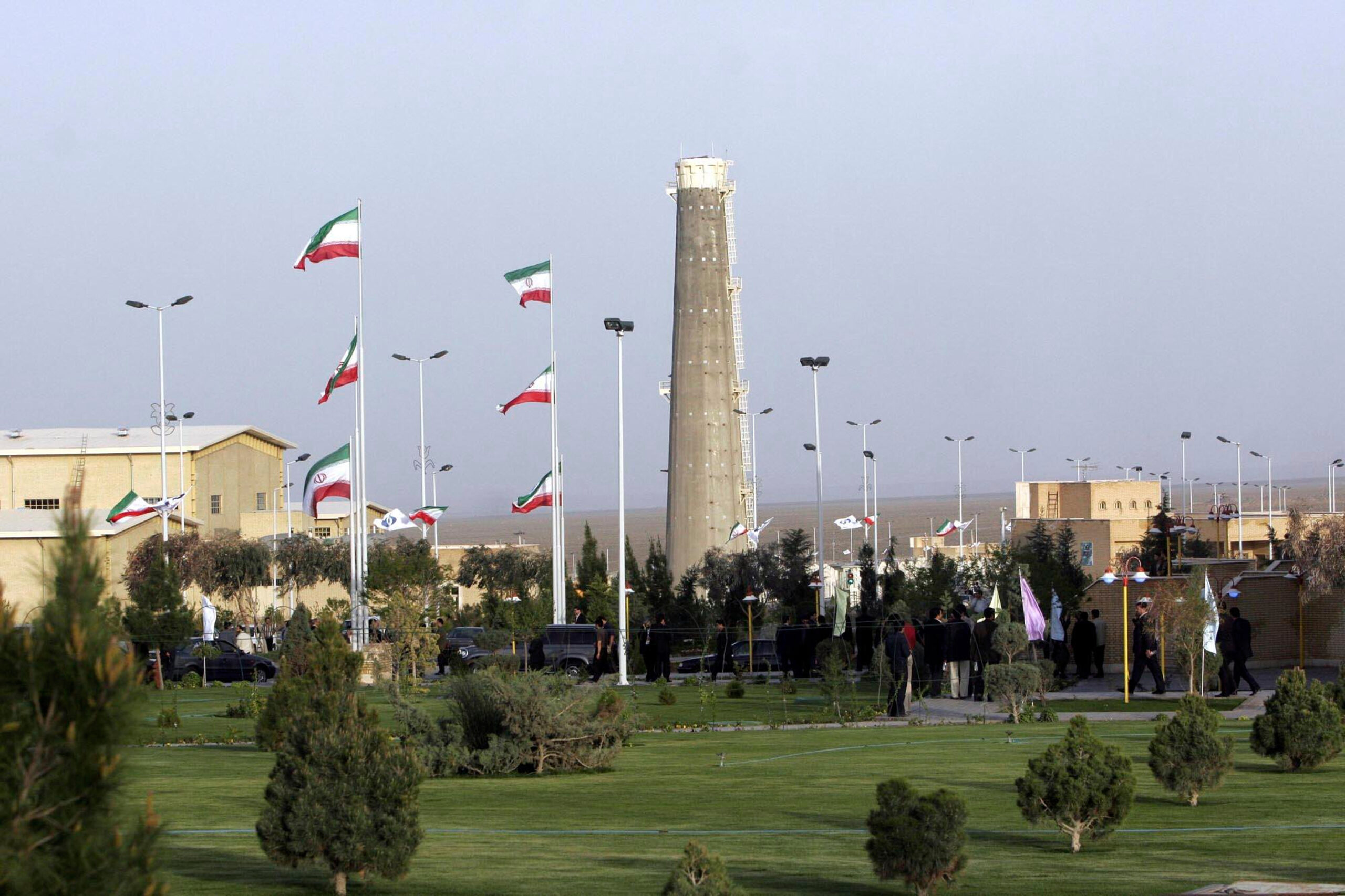
Book Talk: Iran and the Bomb: The United States, Iran and the Nuclear Question
On June 16, AGSI hosted a discussion on the evolution of Iran's nuclear program.
Speakers

Apr 21, 2026
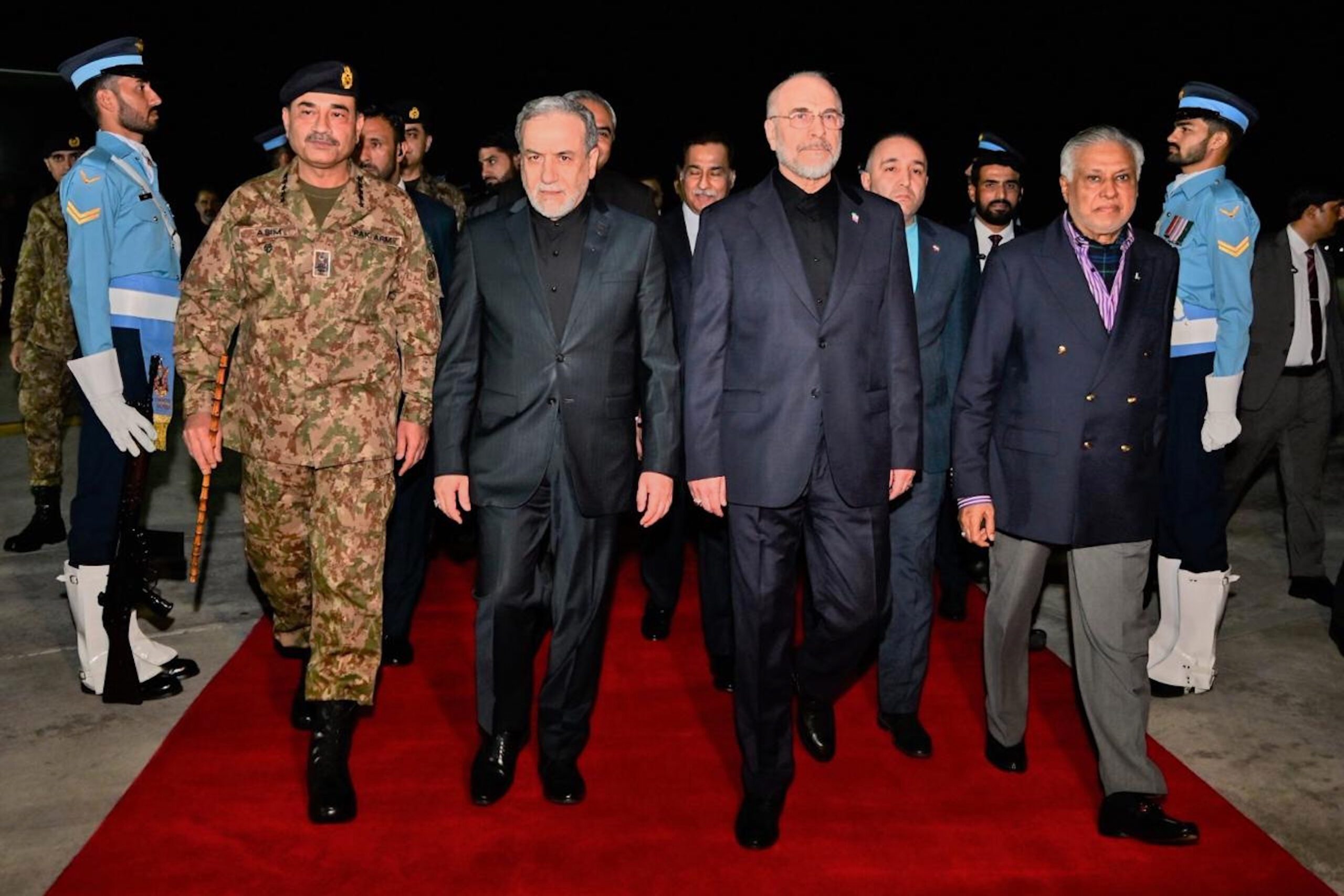
Inside Iran’s Wartime Leadership: Power, Succession, and Regime Stability
On April 21, AGSI hosted a discussion on the evolution of Iran's leadership during the war.
Speakers

Mar 18, 2026
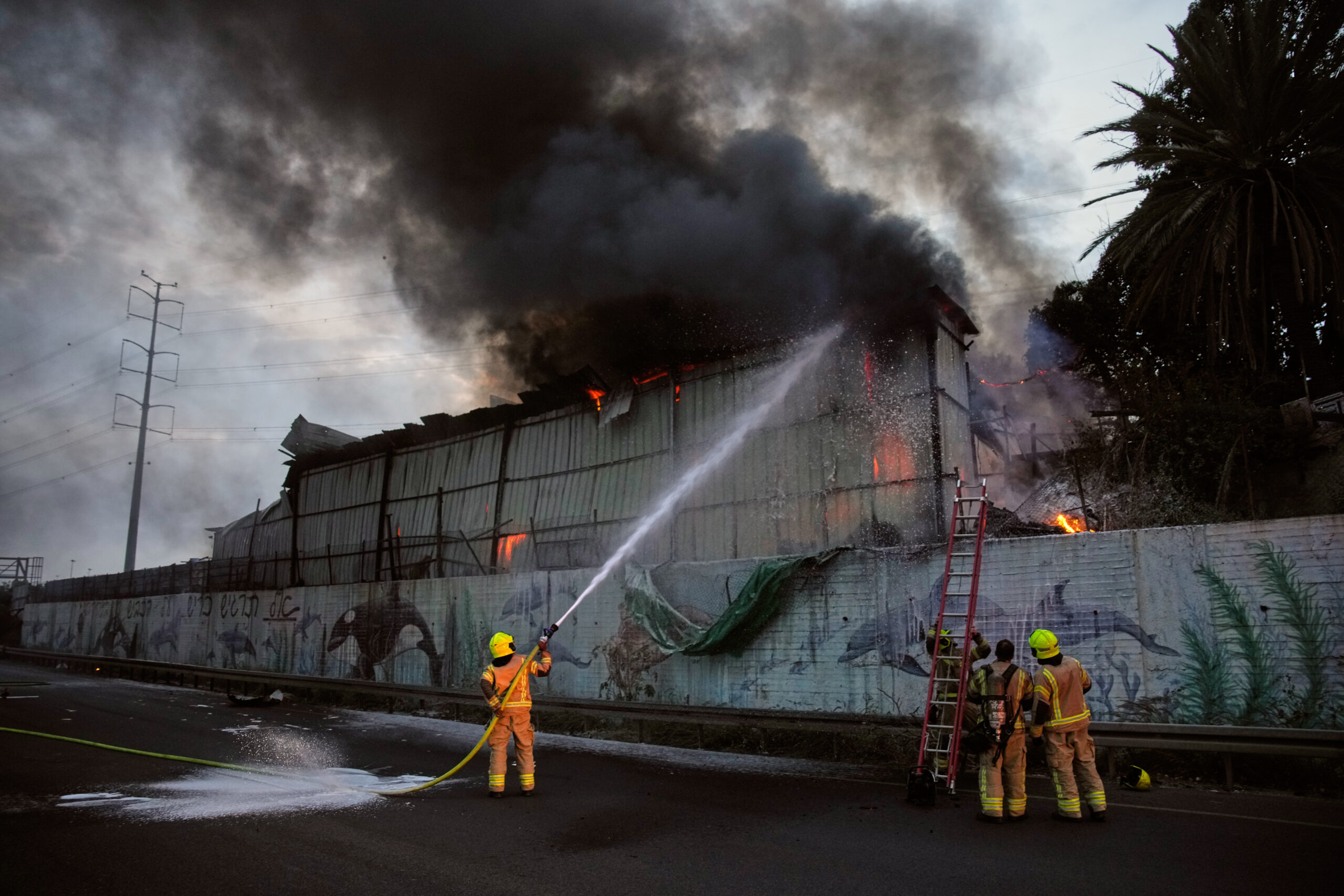
In Its Conflict With the United States and Israel, Does Escalation Favor Iran?
On March 18, AGSI hosted a discussion on the escalation of the Iran war.
Speakers


Mar 2, 2026
After the Shock: Implications of the U.S.–Israeli Strikes and Iran’s Leadership Transition
On March 2, AGSI hosted a discussion on the U.S.-Israeli strikes on Iran.
Speakers