Oman Seeks Domestic Dividends in High-Potential Sectoral Development
An updated economic program and new regulatory framework reveal Oman’s focus on generating in-country value associated with promising economic development areas.
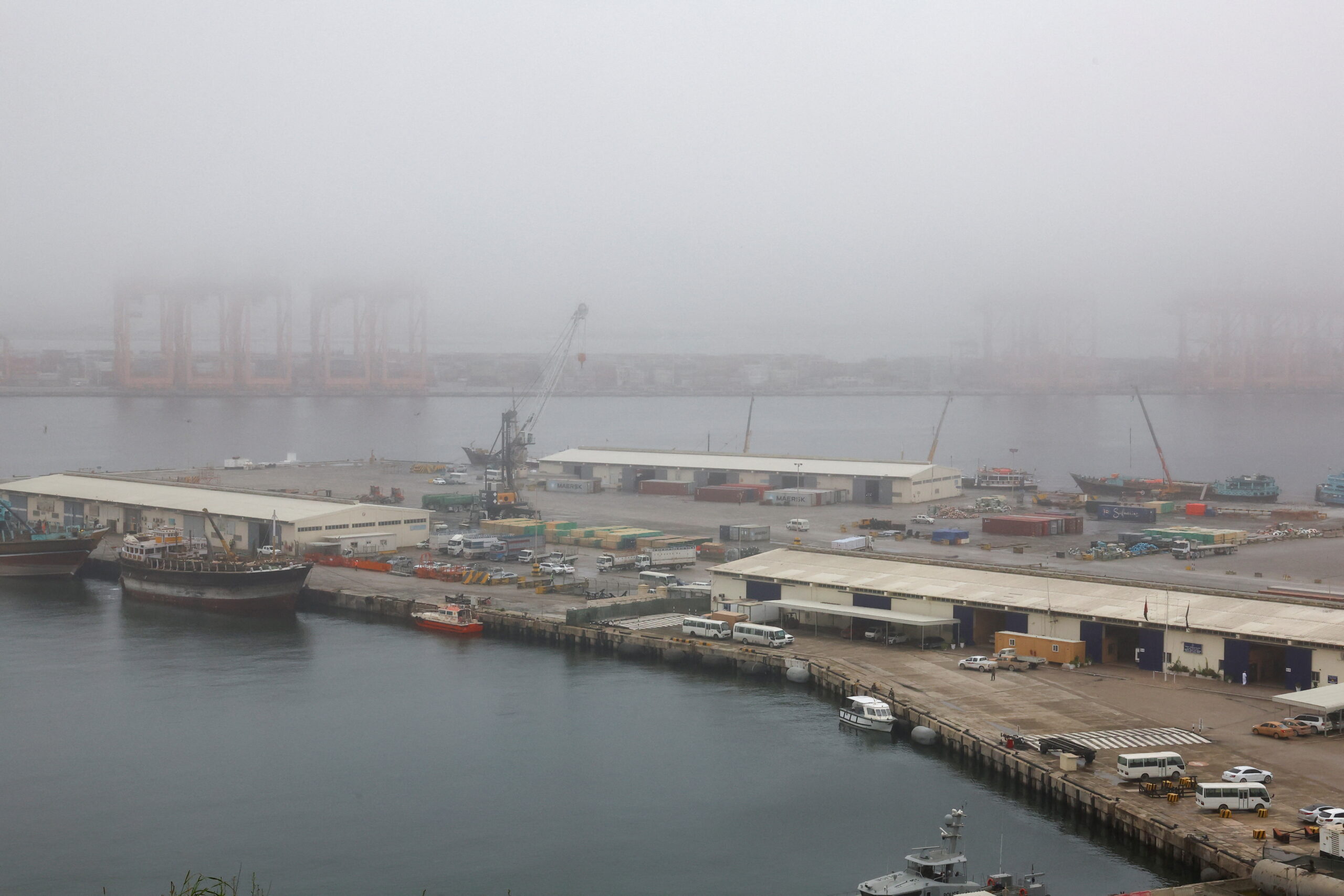
General view of the port of Salalah in Dhofar governorate, Oman, August 6, 2024. (REUTERS/Rula Rouhana)
In mid-October, Oman’s authorities launched the second phase of its National Program for Digital Economy and a new regulatory framework for its free zones and special economic zones. Such announcements could be overlooked as the result of typical economic policymaking churn. Yet what both policy developments have in common is a strong focus on in-country value, particularly around employment generation as well as technology and skills transfer. Oman’s government is trying to lay the groundwork for long-term domestic contributions associated with promising areas of its economic development trajectory, such as logistics. This is a challenging but necessary task.
The sultanate has some things going for it. Muscat embarked on a series of reforms involving fiscal consolidation and other measures prior to the Iran war. Despite the acute economic pressures caused by geopolitical turmoil in 2026, Oman’s economy and government finances have emerged in relatively better shape than those of its Gulf neighbors. Far fewer direct attacks from Iran and Iran-aligned groups as well as a strategic geographic location with deep-water ports outside of the Strait of Hormuz and Bab el-Mandeb have helped Oman buck the regional trend. It is the only Gulf economy expected to grow in 2026.
Yet Oman has less economic heft to throw around than most of its Gulf neighbors. Oman’s gross domestic product is more than 11 times smaller than that of Saudi Arabia, while the Oman Investment Authority’s assets under management are nearly 20 times smaller than those of the Abu Dhabi Investment Authority. The Omani government must provide for a relatively large proportion of Omani citizens – as a share of the total population – who want stable, well-paying jobs. Over past years, Omani citizens have demonstrated a willingness to protest over employment and socioeconomic grievances.
High-potential and increasingly strategic sectors – from tech to logistics – therefore need to contribute tangible results for the domestic economy.
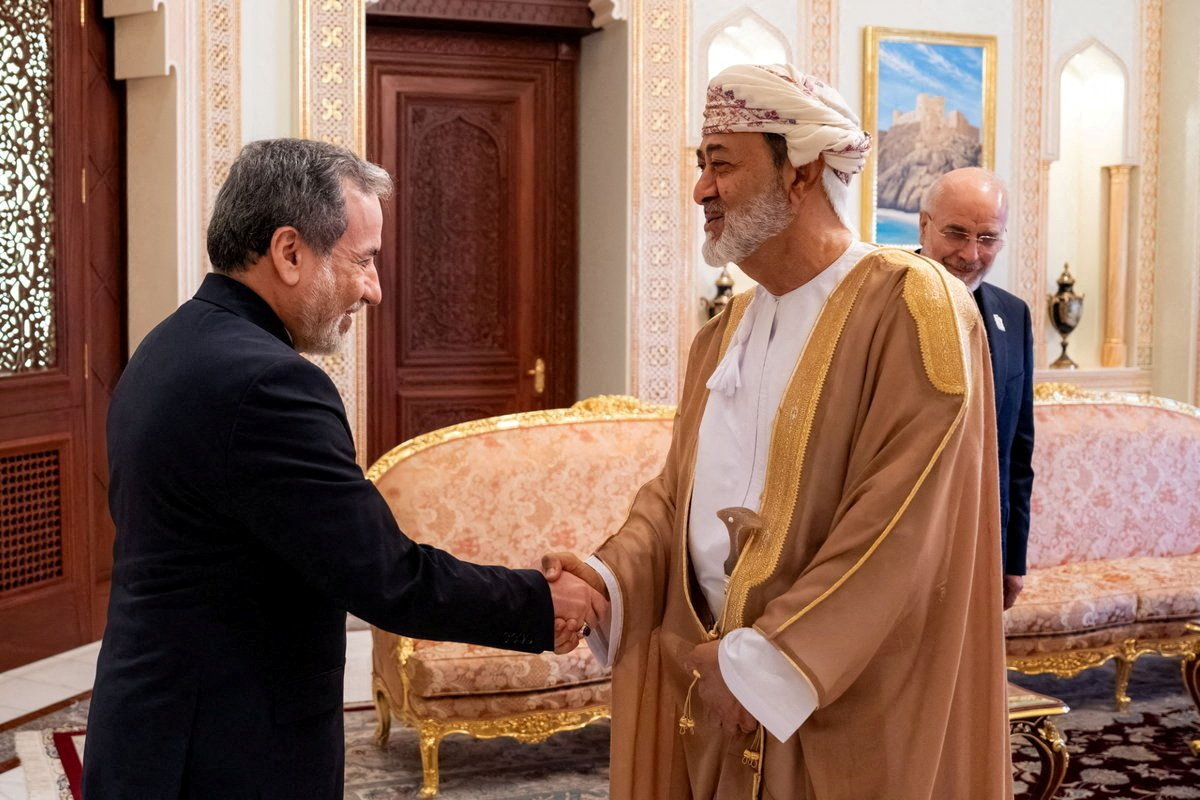
The digital economy is one focus area. While Oman’s artificial intelligence and tech agenda is less ambitious than that of its Saudi and Emirati counterparts, there is momentum in this domain. Sultan Haitham bin Tariq al-Said’s three-day state visit to the United Kingdom in October resulted in the signing of an agreement for a $1.3 billion large-scale AI data center to be developed in Salalah by U.K.-founded infrastructure investment company Yamna.
For its part, the OIA has long invested in promising AI companies and engaged in tech-focused partnerships, including with those based in the region. For example, Oman-based Phaze Ventures, which invests in AI and advanced tech companies in Oman and globally, has secured investment commitments for two new funds from OIA subsidiary ITHCA Group and Future Fund Oman, an initiative of the OIA. Oman’s government announced plans for a specialized AI zone in March, and authorities launched Maeen, an Omani language model intended to support government institutions, in September 2025.
The National Program for Digital Economy, which recently launched a second phase covering 2026-30, is another path for domestic dividends from this sector to flow into the Omani economy. In fact, the government describes the digital economy as a “tributary to the national economy.” The program aims to attract $780 million in investments and create 3,000 jobs annually, in addition to boosting the sector’s contribution to Oman’s GDP. The launch included a new strategic intelligence platform developed in cooperation with the World Economic Forum to analyze emerging tech and support Omani government policymaking.
Oman’s logistic hubs likewise possess promise that Omani authorities want to capture in a sustainable, domestic-oriented manner. The Iran war has prompted plans for a major economic infrastructure buildout that stands to benefit Oman. Oman’s deep-water ports and associated logistics facilities in Sohar, Duqm, and Salalah are particularly well suited to attract new investment interest. In June, France’s CMA GCM Group agreed with Oman’s global integrated logistics provider, Asyad Group, to open a $400 million multipurpose logistics terminal in Sohar. As supply chains reconfigure to mitigate the risk of disruptions in the Strait of Hormuz and Red Sea, Omani economic zones will become increasingly important commercial nodes in the region. More goods moving to and from the region are likely to pass through or be manufactured in these zones.
The new regulatory framework for free zones and special economic zones places greater emphasis on local content, in-country value, and the long-term contribution of investments. The new regulations are clarified within the Public Authority for Special Economic Zones and Free Zones’ Decision 81 of 2026, which implements provisions from a 2025 royal decree. These efforts seek to make Omani trade, investment, and industrial hubs more competitive while “localizing high-quality and strategic projects.” Investors in the country can expect greater government scrutiny over projects to ensure they are delivering measurable economic benefits, especially for recipients of incentives and exemptions.
A confluence of political economy forces – from geopolitical risk mitigation to localization efforts – will help the government’s long-standing objective to distribute development across a country where much commercial activity revolves around the capital of Muscat. A proactive approach to generating sustainable, domestic dividends is manifesting clearly in tech as well as logistics and the broader set of commercial activities taking place within economic zones. Such ambitions extend to other sectors too, but successfully expanding this complicated economic policy juggling act will not be an easy task.
The views represented herein are the author's or speaker's own and do not necessarily reflect the views of AGSI, its staff, or its board of directors.
A flurry of economic announcements and initiatives by the Omani government indicate a strong desire to sustain both reform progress and economic momentum amid potential headwinds.
Beijing keeps treading carefully around conflict in the Middle East while seeking opportunities to deepen ties with key country partners through a longer-term regional engagement strategy.
The UAE’s decision to halt trade and commercial ties with Iran reflects an exercise in applying carefully calibrated geoeconomic pressure amid an uncertain and evolving geopolitical context.