Oct 16, 2026
Qalibaf’s New Equation: War, Negotiation, and Deterrence
The October 16 edition of the Iran Media Review highlights the call by Iran’s parliamentary speaker for a combination of war and negotiation to establish deterrence against further attacks on Iran.

On October 14, in a prerecorded address aired by Islamic Republic of Iran Broadcasting and posted on YouTube, Parliamentary Speaker Mohammad-Bagher Qalibaf argued that neither negotiation nor fighting alone will deter the United States from striking Iran again. An agreement with Washington, even one in which the United States pledges in writing to refrain from future attacks, would be worthless, he claimed, since the United States has shown, most recently in its latest action, that it does not honor its commitments. Nor would fighting and escalation alone curb U.S. “greed.” The way forward, according to Qalibaf, is to be ready for war, fight, and negotiate, all to establish “lasting deterrence” of the kind he believes Iran enjoyed for decades after the Iran-Iraq War.
- October 14: In a prerecorded address aired by Islamic Republic of Iran Broadcasting and later posted on YouTube, Parliamentary Speaker Mohammad-Bagher Qalibaf called for a combination of fighting and negotiation to deter future U.S. strikes against Iran:
- “What should we do so that the enemy does not attack us again? If we negotiate with the Americans, even reach an agreement with them and sign a document in which they promise, and put their signature to it, that they will no longer attack Iran, will that document deter the enemy? Will they abandon their threats, their actions and operations, and refrain from attacking us again? Without doubt, we must say no. They have clearly shown through their conduct, including in their very latest action, that they break their promises and never honor them.”
- “Then again, if we think we should only fight, escalate tensions, and in this way wear the enemy down, wear America down, will they then give up on renewed attacks and threats and come to regret them? Will they truly abandon their greed and goals? For without doubt, as our martyred agha said, they have come to swallow Iran. They have always said, ‘We have interests in the Persian Gulf, and we will stand here for those interests.’ Our great imam answered them at the time: ‘You are wrong to claim you have interests here. The interests here belong to the nations, peoples, and states of this region.’ Certainly, it does not work that way either, because, first, America’s enmity toward us runs very deep. It pursues its interests, its bullying; its arrogant nature and bullying will not allow it to back down. They only feed its greed.”
- “So, what is the way forward? As I noted earlier in one of my speeches in Parliament, our path is to be ready for war, fight, and negotiate, all to build lasting deterrence. What does that mean? It means we must be prepared, and we must truly believe, in our own consciences and before our God, that we must fight a bullying enemy and fight courageously on the battlefield. In other words, we must become so strong that America, the world, and the region understand they cannot achieve their goals. That is when we reach lasting deterrence.”
- “Deterrence is created when we are so powerful and have proved that power so clearly to every regional and global actor that no one dares attack us. Just as we saw in the eight years of ‘Sacred Defense,’ when we fought Saddam’s Baathist regime. We paid a price and endured hardship, but in the end, for several decades, no one dared covet our dear country or attack it. That is what deterrence means: No one should dare attack us, and anyone who entertains such a foolish idea should look at experience. In their minds it must be settled that Iran is powerful, that they cannot go toe to toe with Iran or stand against it.”
- “The enemy mistakenly sensed that we had grown weak, and that is why it attacked us. Through this imposed war and the historic resistance of the Iranian nation, it now understands that it made a mistake. But it still harbors some hopes, and we must dash those hopes too. How? By becoming stronger, so that we arrive at lasting deterrence.”
- “In other words, against the cycle of war, negotiation, and peace, we are setting a new equation: We are turning it into a cycle of war, negotiation, and deterrence. This cycle comes to an end whenever we have become strong, and, as long as it continues, it will bring us to the point of lasting deterrence.”
- “So, when we say we both fight and negotiate, we do not mean endless war or perpetual negotiation. We mean that we fight to bring the enemy to a dead end, so that it is forced to submit to the rightful demands of our nation. If it does not, it must accept defeat and grant us concessions so that we can once again raise and strengthen our deterrent power, just as we saw in this memorandum of understanding. Therefore, we must always be ready to fight at the right time and negotiate at the right time. Negotiation and war are both instruments for achieving deterrence, and the only way to remove the threat from the country is to achieve lasting deterrence.”
The views represented herein are the author's or speaker's own and do not necessarily reflect the views of AGSI, its staff, or its board of directors.
Related
Iran Media Review
Oct 13, 2026
From Neighbor to Target: Iranian Analysts on the UAE
The October 13 edition of the Iran Media Review explores calls by senior Iranian strategists for Iran to target the United Arab Emirates and Dubai’s airport.
Iran Media Review
Oct 9, 2026
Food Baskets for the Faithful Servants
The October 9 edition of the Iran Media Review considers Iranian media questions regarding aid distribution to government employees and the resentment building among Iranians left outside the circle.
Iran Media Review
Oct 6, 2026
Is Iran’s Economy in Free Fall or Will It Prove Resilient?
The October 6 edition of the Iran Media Review examines contrasting assessments of Iran’s economy.
Oct 13, 2026
From Neighbor to Target: Iranian Analysts on the UAE
The October 13 edition of the Iran Media Review explores calls by senior Iranian strategists for Iran to target the United Arab Emirates and Dubai’s airport.
Oct 9, 2026
Food Baskets for the Faithful Servants
The October 9 edition of the Iran Media Review considers Iranian media questions regarding aid distribution to government employees and the resentment building among Iranians left outside the circle.
Oct 6, 2026
Is Iran’s Economy in Free Fall or Will It Prove Resilient?
The October 6 edition of the Iran Media Review examines contrasting assessments of Iran’s economy.
Analysis
The Committee of Six and Strategic Decision Making in Iran
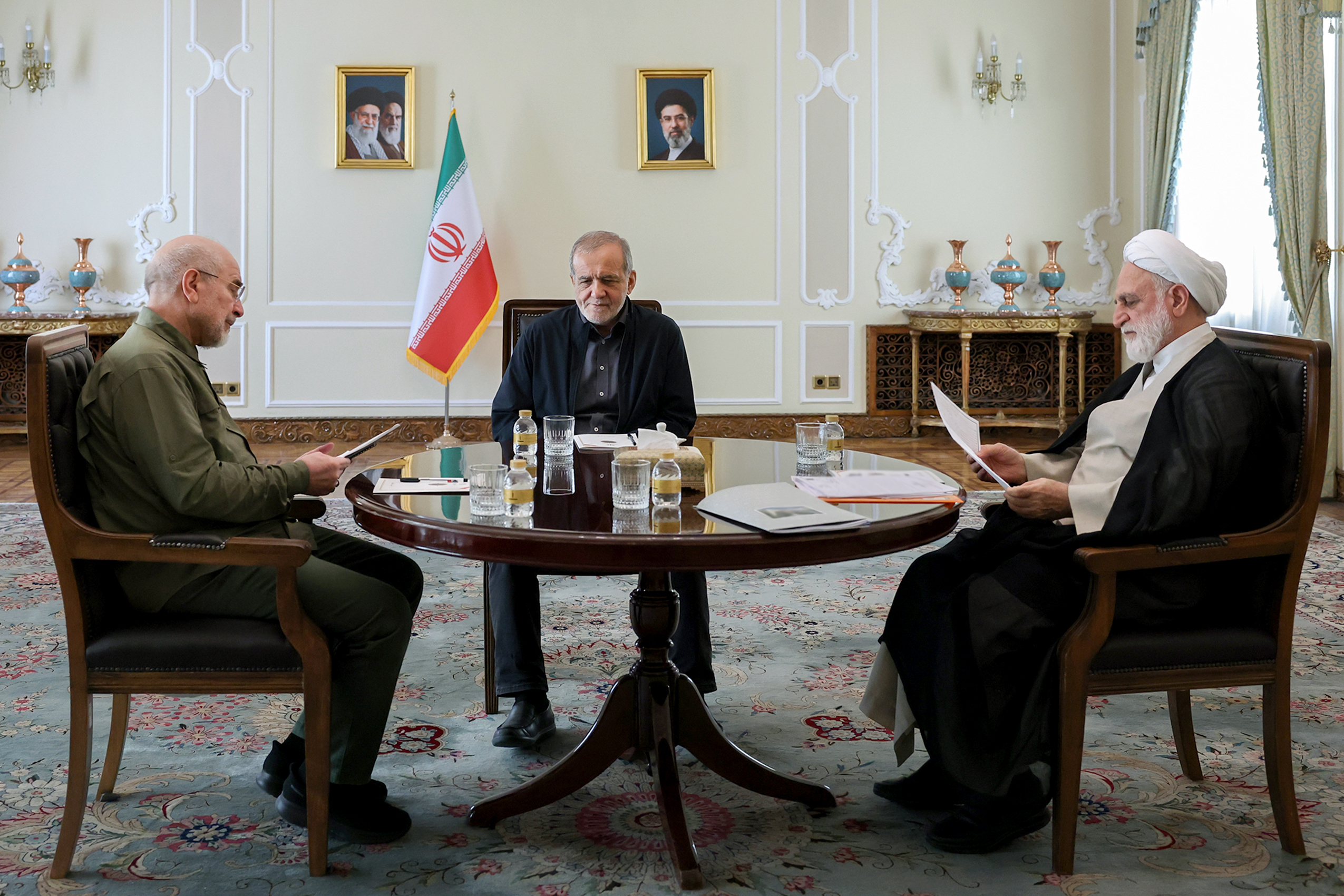
Remarks by Iran’s president offer a rare glimpse of how the Islamic Republic has adapted its decision making to the absence of its supreme leader.
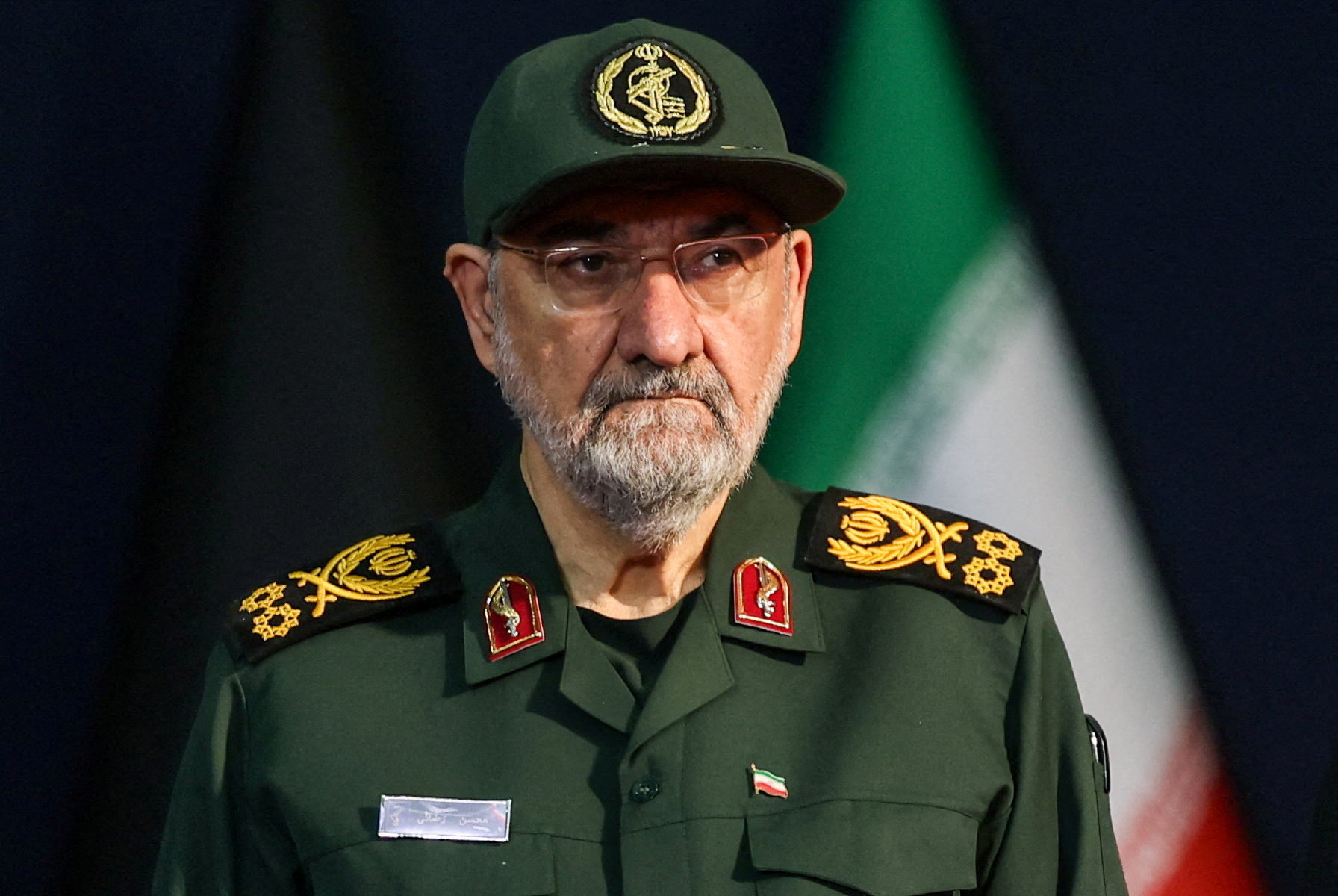
Mohsen Rezaei at the Helm of Iran’s Supreme National Security Council
Under Rezaei, the SNSC could prove constructive or paralyze strategic decision making.
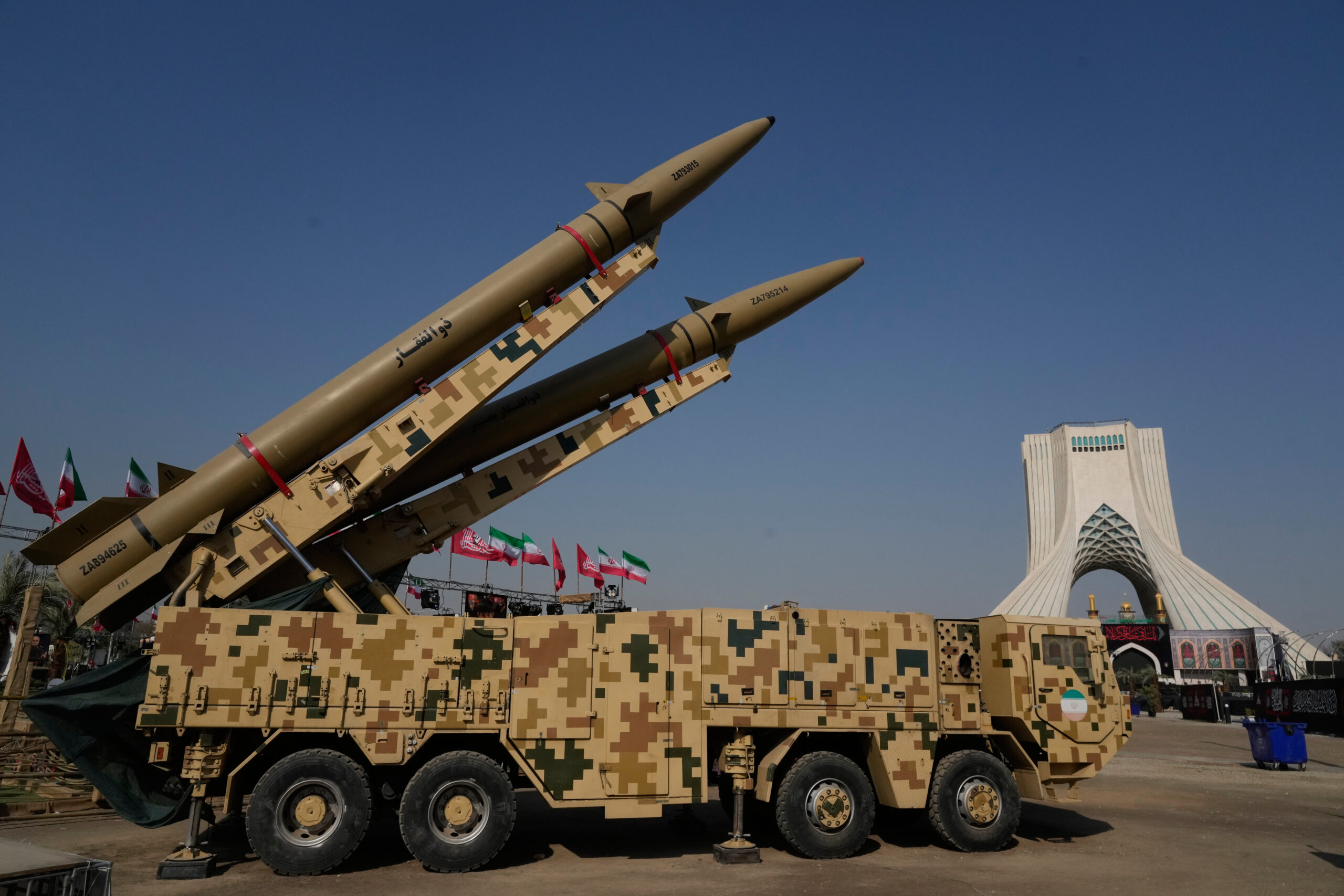
The Islamic Republic Returns to Offense
After U.S.-Israeli strikes killed Supreme Leader Ayatollah Ali Khamenei on February 28, Iran’s collective leadership has concluded that the best defense is a good offense.
Iran’s Collective Strategic Decision Making
Wartime pressure has temporarily aligned the leadership’s overriding interest in regime survival, even as its members continue to differ over the costs, methods, and ultimate objectives of the war.
Events
Oct 6, 2026
Is the U.S.-Iran Stalemate a “New Normal” or the Prelude to Another Explosion?
On October 6, AGSI hosted a discussion on the U.S.-Iran stalemate and the prospects for a cease-fire.
Speakers



Book Talk: Iran and the Bomb: The United States, Iran and the Nuclear Question
On June 16, AGSI hosted a discussion on the evolution of Iran's nuclear program.
Speakers
Apr 21, 2026
Inside Iran’s Wartime Leadership: Power, Succession, and Regime Stability
On April 21, AGSI hosted a discussion on the evolution of Iran's leadership during the war.
Speakers

Mar 18, 2026
In Its Conflict With the United States and Israel, Does Escalation Favor Iran?
On March 18, AGSI hosted a discussion on the escalation of the Iran war.
Speakers