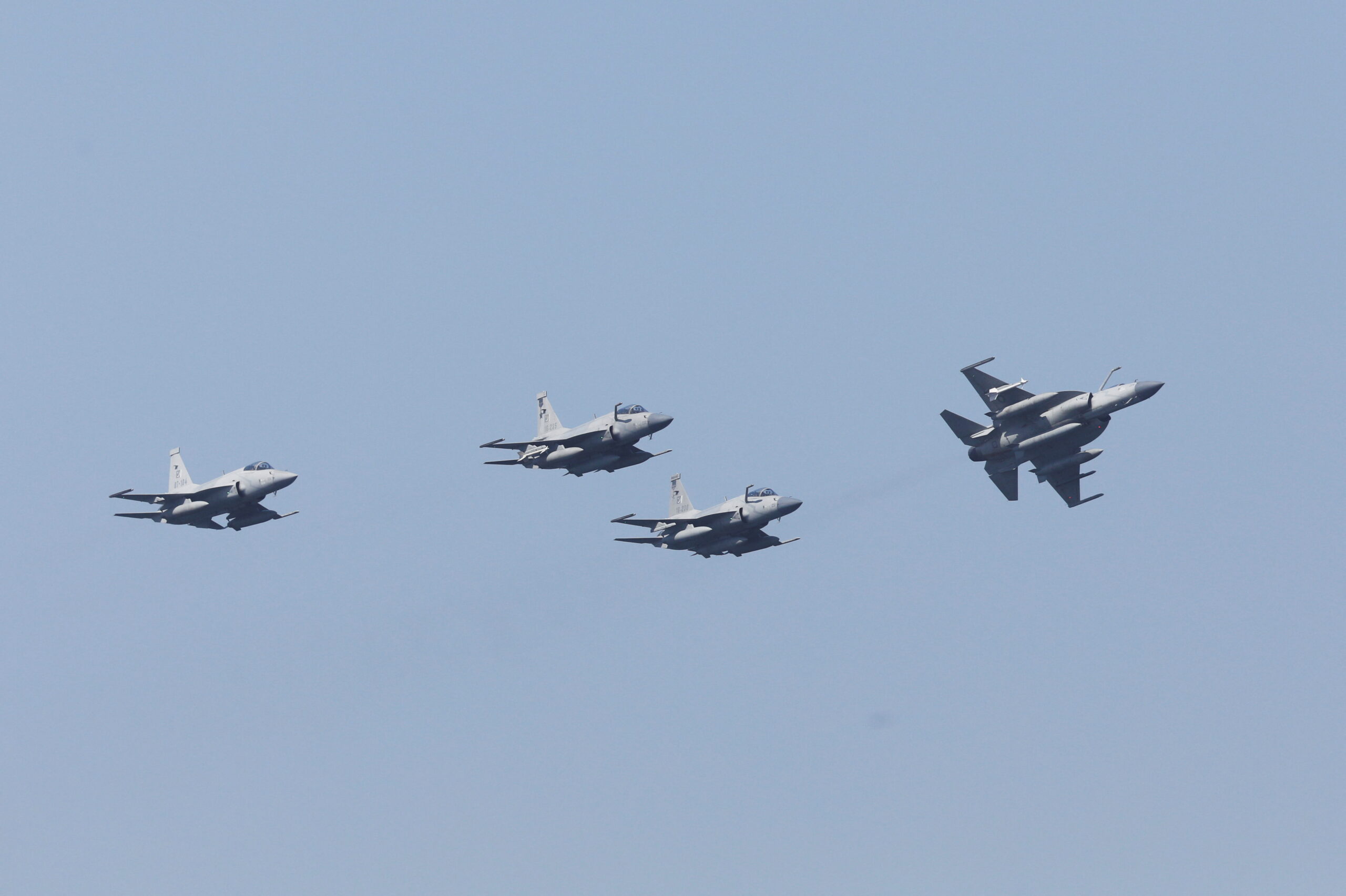
Pakistani JF-17 Thunder jets fly past during the sea phase of the Pakistan navy's Multinational Exercise AMAN-23, in the north Arabian Sea near Karachi, Pakistan, February 13, 2023. (REUTERS/Akhtar Soomro)
On September 17, 2025, Pakistan and Saudi Arabia signed a Mutual Strategic Defense Agreement that declared an act of aggression against one country as an act of aggression against the other. This bilateral pact has become extremely significant in the wake of the U.S. and Israeli war with Iran, as retaliatory Iranian missile and drone attacks have targeted Gulf Arab states, including Saudi Arabia. And, as the Iran-backed Houthis have launched a series of strikes against the kingdom, Pakistan is supporting Saudi Arabia’s retaliatory actions against the Houthis in Yemen. But this military support for Saudi Arabia may put Pakistan’s relations with Iran at risk.
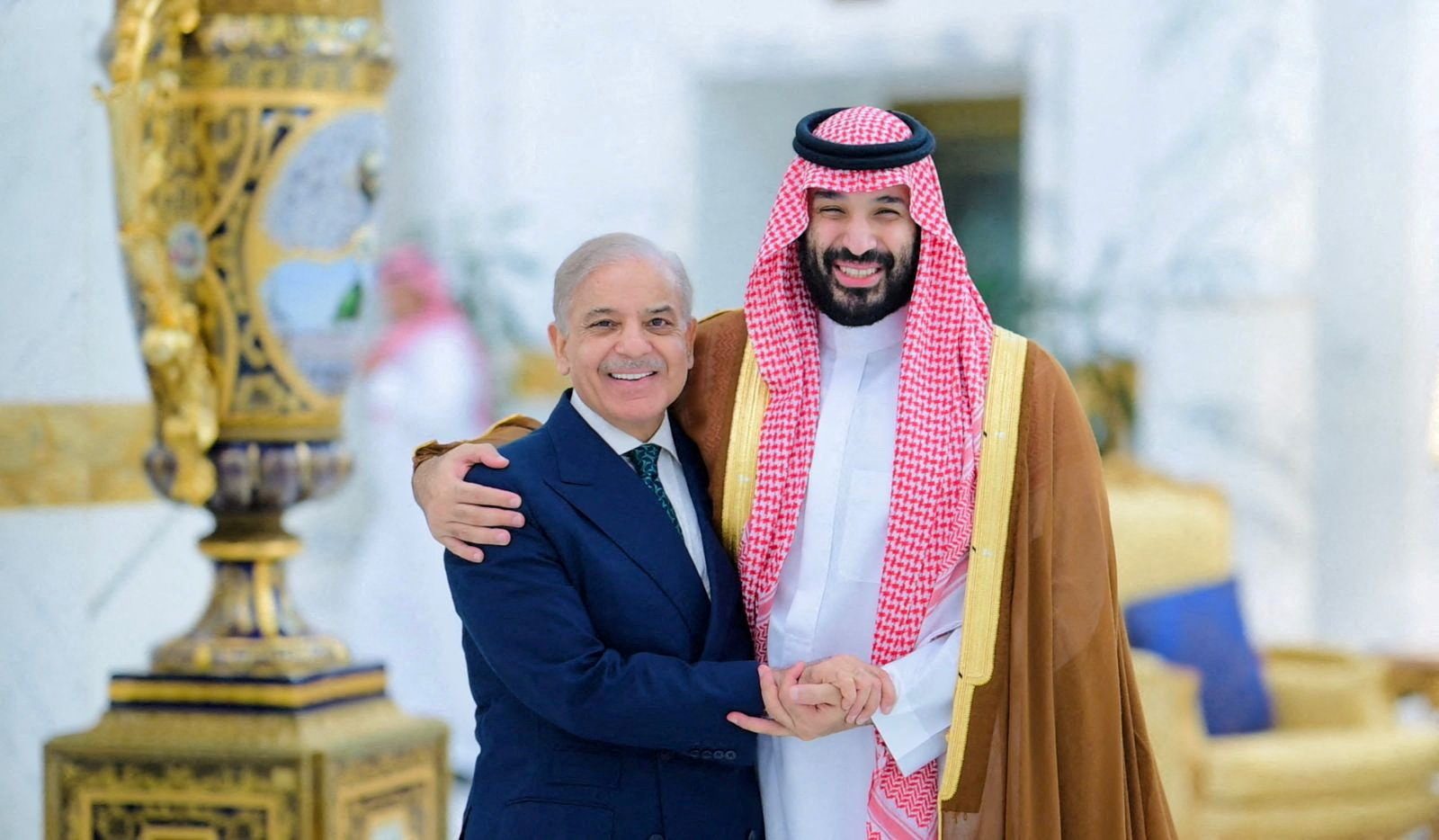
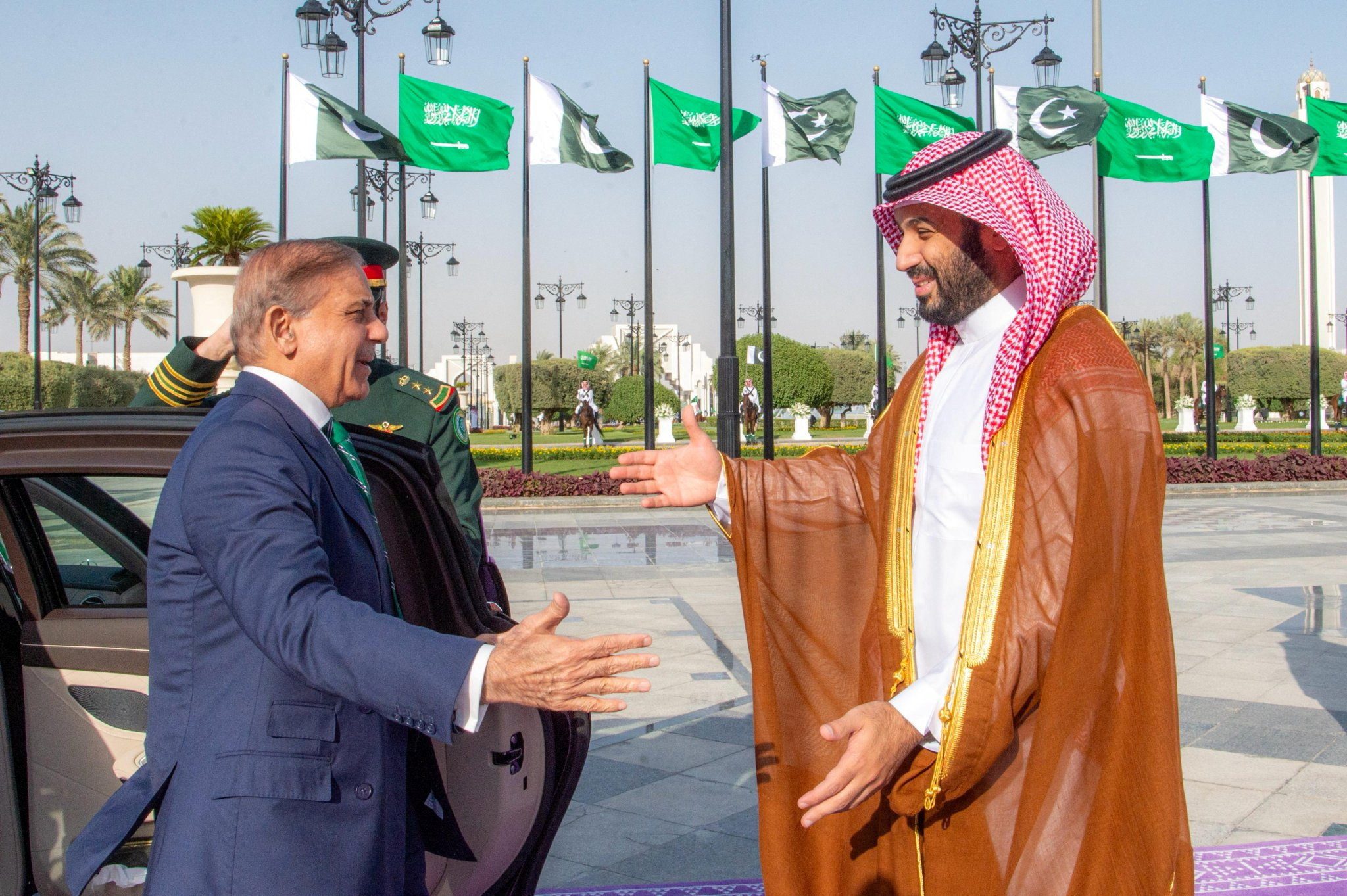
After the Iran war erupted, Pakistan took a generally cautious approach, condemning both attacks on Iran and the Gulf Arab states. According to Pakistan’s foreign minister, Pakistan warned the Iranians that their actions might lead to the activation of Pakistan’s defense pact with Saudi Arabia. Pakistani and Saudi leaders have continued to coordinate throughout the conflict. In particular, Pakistan’s army chief, Field Marshal Asim Munir, has met multiple times with the Saudi leadership alongside Pakistani Prime Minister Shahbaz Sharif. Pakistani leaders were also among the first to visit Saudi Arabia after the start of the conflict.
These Pakistani-Saudi deliberations eventually led to a multifaceted deployment of Pakistan’s armed forces to Saudi Arabia. As the Iranian delegation was arriving in Pakistan on April 11 to hold talks with a U.S. negotiating team, Pakistan quietly sent a squadron of its fighter jets, air defense units (including Chinese-made HQ-9 missile systems), drones, and thousands of soldiers to the kingdom. This deployment was announced by the Saudi Ministry of Defense at a time when Iranian negotiators were busy in talks with the U.S. delegation. Subsequently, Saudi Arabia also announced a $3 billion financial aid package for Pakistan.
Despite being under the radar, or at least momentarily overshadowed by the high-profile negotiations, the deployment changed the regional security picture and complicated Iranian strategic calculations regarding attacks on Saudi Arabia. With any attack, Iran could risk hitting Pakistani troops. It was also significant that Pakistan chose to deploy a full squadron of its 4.5 generation JF-17 Block 3 fighter jets. These jets, jointly manufactured by China and Pakistan, remain the mainstay of Pakistan’s air force and its modernization efforts to replace legacy platforms. The Pakistani air force currently only operates a small number of planes fitting the 4.5 generation configuration. The short list includes recently acquired Chinese J-10C fighter jets and some upgraded Lockheed Martin F-16s. Considering the limited number of these jets and the nature of threat posed by a far bigger Indian air force, Pakistan’s air force relies upon these JF-17s to maintain its strength in numbers. With the departure of nearly a full squadron of these jets alongside air defense units and possibly some other support aircraft, Pakistan seemingly accepted some risk to its own defense posture to strengthen Saudi defense infrastructure against the Iranian threat. The JF-17, a lightweight aircraft, is considered a relatively better choice for downing drones and other unmanned aerial vehicles as compared to the heavier fighter jets operated by Saudi Arabia. However, it is likely that these fighter jets have not been involved in any military engagement with Iran.
At the same time, Pakistan deployed 8,000 ground troops to Saudi Arabia, adding to the few thousand Pakistani troops who had been deployed there since 2017. As the Houthis resumed attacks on Saudi Arabia in July, Pakistan warned Iran to restrain its allies, as these attacks could lead to the direct exposure of Pakistani troops. This was the first time it was disclosed that these troops, which officials described as a combat force, were deployed on the Saudi-Yemeni border.
Iran has since largely refrained from directly attacking Saudi Arabia, although Islamabad’s warning focused on Iran’s allies seems to have gone unheeded: The attacks on Saudi Arabia have been largely carried out by Iran’s Iraqi and Yemeni allies.
Since Iran is no longer directly targeting Saudi Arabia, the chances that Pakistani and Iranian troops will be pitched against each other have considerably dropped. Such a development indeed would have been the ultimate test of the mutual defense agreement. Considering the manner in which Pakistan’s domestic politics have evolved over the last few years and the consolidation of power by Munir, this would have become not just a test of Pakistan’s commitments to Saudi Arabia but also the interpersonal relationship between Munir and the Saudi royal family. After violence erupted across Pakistan following the killing of Iran’s supreme leader, Munir used strong words in an address to a group of Shia scholars to castigate them, and he emphasized the need to align more closely with the Pakistani state rather than Iran. A torching of military installations by protestors in northern Pakistan particularly incensed the military leadership, and the local administration announced that those involved would be tried in military courts. The government has been continuing its attempts to constrain Shia dissent over its Gulf policy.
Pakistan has also joined the Saudi-led Multinational Maritime Defense Alliance, which is meant primarily to curb the Houthi threat to freedom of navigation through the Bab el-Mandeb, Red Sea, and Gulf of Aden. Pakistan’s decision to join this alliance demonstrates its alignment with Saudi Arabia on the issues of maritime security and preventing threats to shipping in these critical waterways.
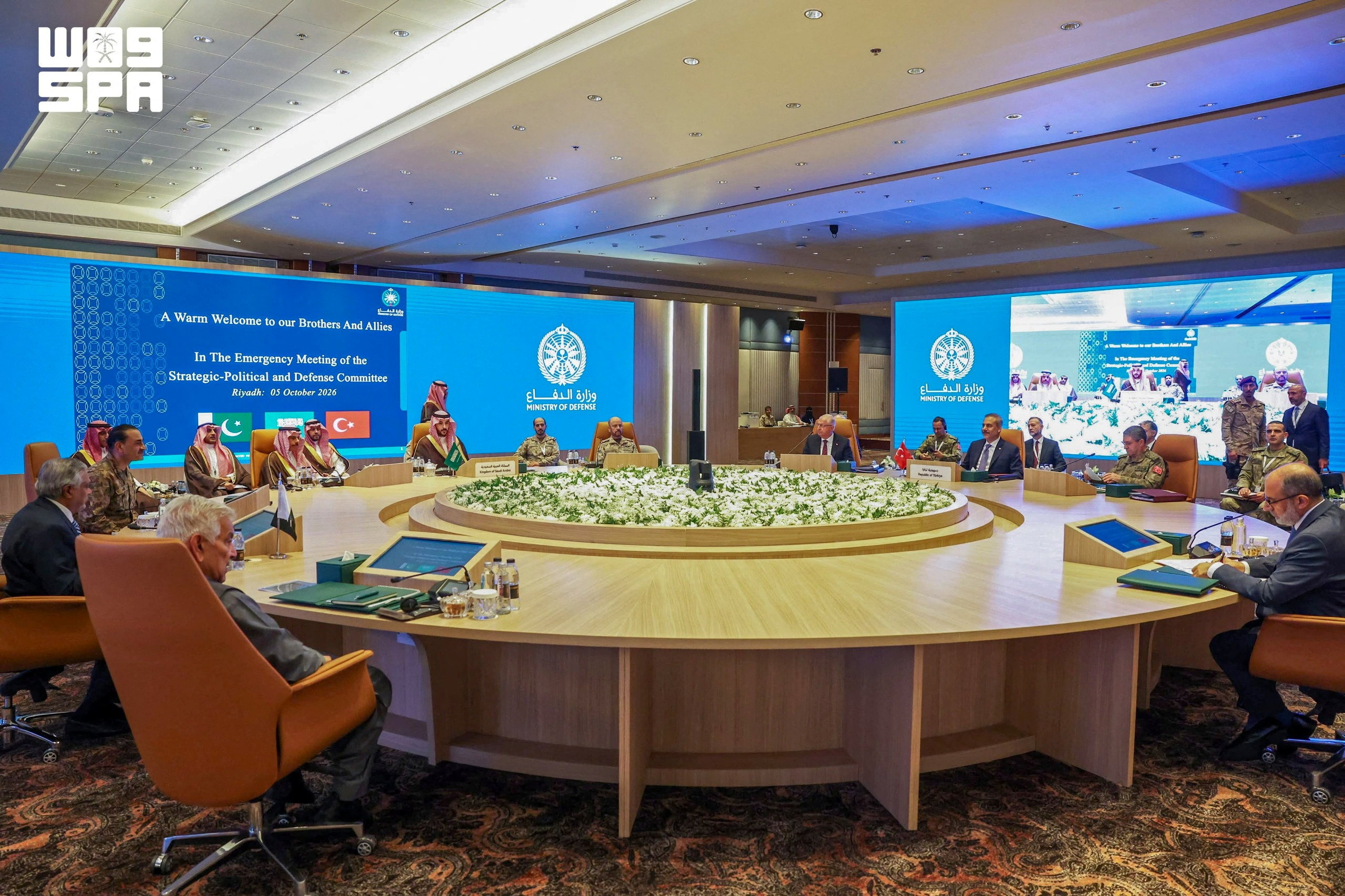
In addition to the bilateral strategic pact with Riyadh, Pakistan has also joined Saudi Arabia and Turkey in the Mecca Joint Defense Agreement. Both accords have been activated to address Saudi Arabia’s security, as Houthi attacks on the kingdom have escalated, but Pakistan’s commitments in both accords remain defensive in nature. Yet, this Pakistani position is coming under considerable strain as Saudi security is getting increasingly linked with the developments on the Yemeni battlefront. Still, Pakistan understands that a direct intervention inside Yemen involving large numbers of combat troops may prove too politically and militarily costly.
Recent reports indicate the involvement of Pakistani air force fighter jets in operations supporting the Saudi-backed Yemeni government offensive against the Houthis in Yemen. Yet, their precise role in the campaign has not been established. It is unclear if these jets were accompanying Saudi fighter jets in a supporting role or if they actually carried out strikes against Houthi targets. The presence of Pakistani military advisors supporting Yemeni government forces has also been reported, but it is not clear if they are actually on the ground in Yemen or still based in Saudi Arabia.
This ambiguity regarding Pakistan’s military presence and nature of its engagement is purposeful and likely to persist as Pakistan works to balance its relations with Saudi Arabia and Iran. With the military escalation in Yemen, the possibility of Pakistani troops becoming a target is increasing. And their involvement in Yemen could threaten Pakistan’s relationship with Iran and end its role as a mediator between the United States and Iran.
The views represented herein are the author's or speaker's own and do not necessarily reflect the views of AGSI, its staff, or its board of directors.
Saudi Arabia’s strategic defense agreement with Pakistan is part of a wider formation of alignments within the broader Muslim world meant to counter Israel’s expanding power and ambitions in the region, as the threat perception has shifted from Iran to Israel.
Saudi Arabia’s strategic defense agreement with Pakistan is part of a wider formation of alignments within the broader Muslim world meant to counter Israel’s expanding power and ambitions in the region, as the threat perception has shifted from Iran to Israel.
Vigorous diplomatic efforts by Gulf stakeholders, particularly Saudi Arabia, helped put an end to an escalating military confrontation between the two South Asian neighbors.
The flare up between Iran and Pakistan may have been snuffed out quickly, but the scars it left on the Pakistani and Iranian security establishments may affect ties going forward.
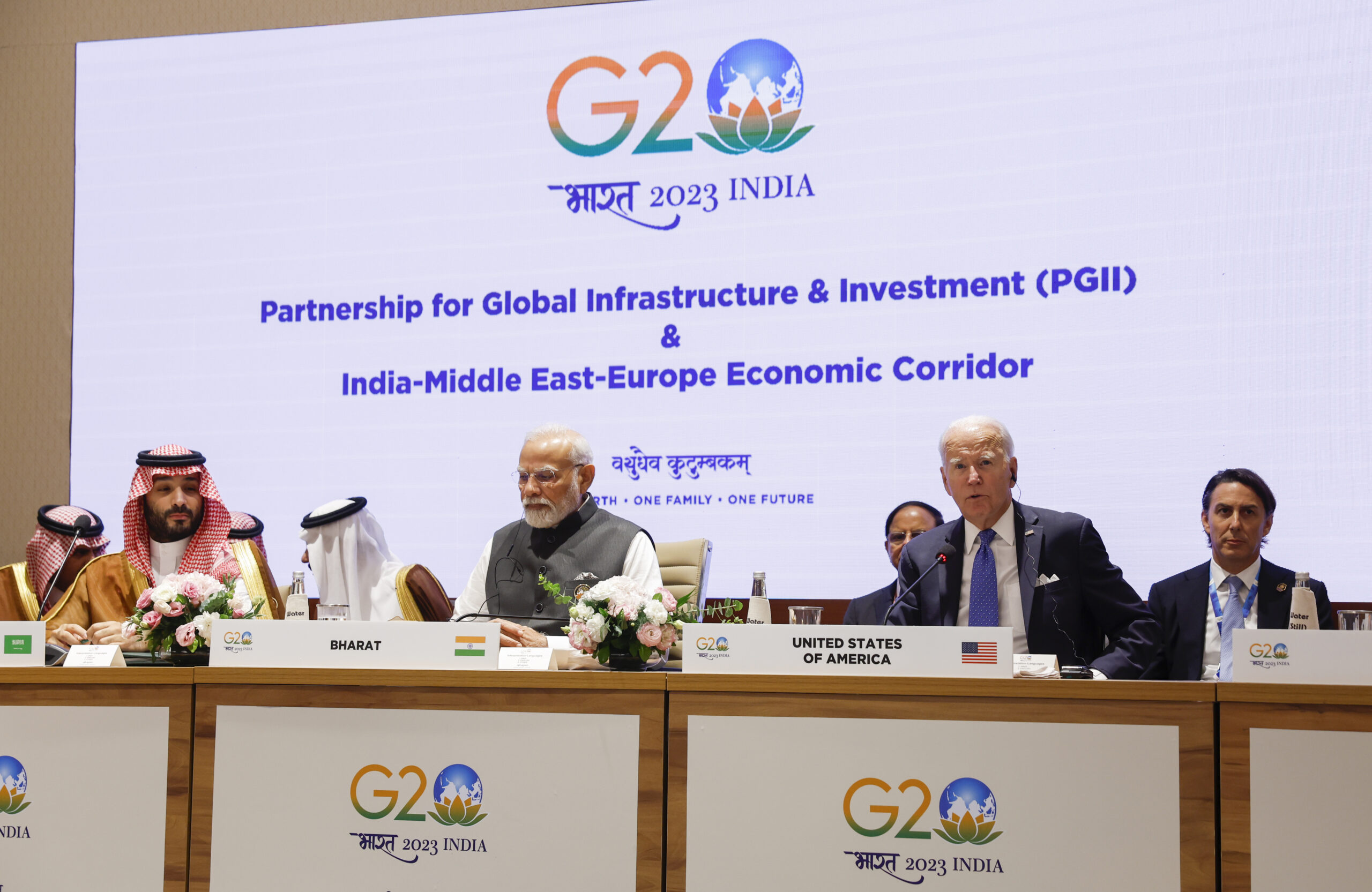
The institutionalization of the Gulf-India partnership through the India-Middle East-Europe Economic Corridor has solidified India’s shift away from Iran and toward the Gulf states.