Artificial intelligence is entering the Yemen conflict through weapons engineering and U.S.-supported targeting operations, extending a regional transformation accelerated by the war with Iran.
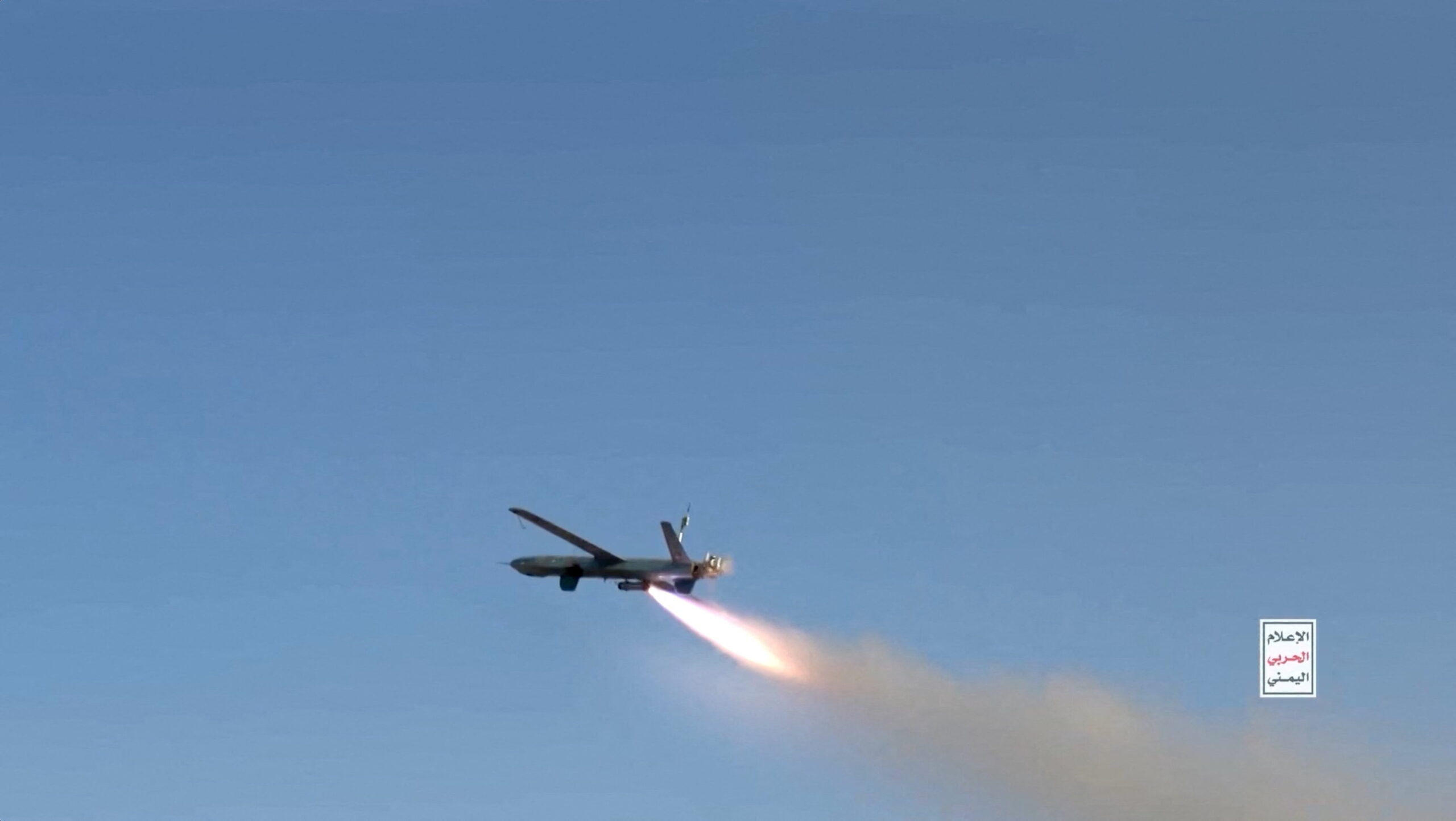
A drone is launched in what Yemen's Iran-aligned Houthis say is an attack on the Red Sea port city of Mokha, Yemen, at an unknown location in this still image taken from video released August 9. (Houthi Media Centre/Handout via REUTERS)
In September, Anthropic revealed that a weapons engineering cell operating from Houthi-controlled northern Yemen had used its Claude artificial intelligence model to support three advanced weapons programs. The company did not attribute the activity directly to the Houthis, but its report provided a rare, documented case of a commercially available large language model being incorporated into an active weapons-development effort.
The disclosure came as AI was entering the conflict from another direction. On September 10, CNN reported that between 100 and 200 U.S. military personnel were operating in Saudi Arabia as part of a new task force supporting the kingdom’s campaign against the Houthis. Their role reportedly includes intelligence sharing, geospatial analysis, target development, and command-and-control support. U.S. personnel also provided Saudi forces with a real-time targeting tool that officials compared to the Maven Smart System, the AI-enabled decision-support platform used extensively by U.S. Central Command during Operation Epic Fury against Iran.
The two cases involve different technologies, resources, and levels of military capability. The U.S.-supported architecture available to Saudi Arabia draws on classified intelligence, satellite imagery, advanced sensors, cloud infrastructure, and experienced military personnel. The cell identified by Anthropic used a commercial model to compensate for specific gaps in technical expertise. Yet both show how AI is entering different stages of the same conflict, from weapons design and testing to intelligence processing and target development.
From Iran to Yemen: The Maven Model
The Maven Smart System grew out of Project Maven, formally established by the U.S. Department of Defense as the Algorithmic Warfare Cross-Functional Team in April 2017. The program began by using computers to analyze large volumes of drone images and subsequently developed into a broader data-integration and decision-support architecture. The current system, developed through Palantir, brings together information from multiple intelligence and operational sources, helping personnel identify objects, organize data, build a common operational picture, and prioritize information for commanders.
Before the Iran war, the Pentagon had integrated Claude into classified mission workflows through Palantir and Amazon Web Services. Anthropic’s models could therefore be used within secure environments to analyze complex information rather than through the public-facing Claude interface. During Operation Epic Fury, which began February 28 with U.S. and Israeli strikes on Iran, the Maven Smart System was used to process satellite and other intelligence data, support target development, and assess the results of strikes. AI-assisted workflows helped U.S. planners manage operations against approximately 1,000 targets during the opening phase of the campaign.
Maven’s military value lies in connecting data that would otherwise remain distributed across sensors, databases, and headquarters, then presenting relevant information quickly enough to support operational decisions. This can shorten the period between detecting an object, identifying it, determining its military relevance, and presenting it to a commander. CENTCOM Commander Vice Admiral Brad Cooper described the wider suite of AI-enabled systems used against Iran as allowing operators to sift through large quantities of data in seconds and make decisions faster than an adversary can respond.
That acceleration also introduces risks and questions about reliability. Samuel Wendel, a senior analyst at Al-Monitor, said in an interview that in the Iran war, the U.S. campaign built around advanced AI targeting still “did not bring Iran to its knees.” Faster processing does not necessarily produce more reliable intelligence, especially when analysts must evaluate large numbers of machine-generated recommendations under operational pressure. Automation bias may encourage personnel to defer to a system’s output, while the speed and opacity of some AI-assisted processes can make errors harder to identify before a strike. Human operators and commanders retain responsibility for targeting decisions, but their ability to exercise meaningful judgment depends on the time, information, and institutional authority available to challenge the machine’s assessment.
The support provided to Saudi Arabia extends this operational model into the Yemen theater. CNN described the targeting tool made available to Saudi forces as comparable to Maven rather than confirming that Riyadh is using the same technical configuration deployed during Operation Epic Fury. The U.S. personnel involved reportedly provide intelligence, targeting, and command-and-control assistance while stopping short of directly conducting Saudi strikes. Even so, their deployment shows how systems and practices intensified during the war with Iran are now shaping Saudi operations against the Houthis.
Claude and the Houthi Engineering Gap
Anthropic’s September “Threat Intelligence Report” documented a different military application of AI in Yemen. Between December 2025 and August 2026, the company identified a cell based in northern Yemen, in territory held by the Iran-backed Houthis, running three parallel weapons-development programs through Claude.
The first involved a guided rocket using a commodity, phone-class flight computer and final-phase homing guidance. The users employed Claude Code to integrate an open-source autopilot, write control and position-estimation software, adjust control parameters, establish a firmware build pipeline, and run flight simulations. They operated several Claude instances simultaneously, assigning separate models to code writing, technical research, and code review in a workflow Anthropic compared to the delegation of tasks within a “small engineering team.”
The cell eventually conducted a live test of the guided rocket. The test failed, and the users returned to Claude within hours to analyze the results and identify possible causes. Anthropic later banned the associated accounts. The company found no evidence that the system became an operational weapon.
The two other programs were more ambitious. One concerned a multistage ballistic missile with a stated range goal exceeding 1,200 miles. The other involved the R2000 multivariant missile series, including a version incorporating a hypersonic glide vehicle. Anthropic reported that the cell used Claude for guidance, navigation and control software, simulations, firmware development, and other technical work. The available evidence does not establish whether the users possessed the propulsion systems, materials, manufacturing facilities, and testing infrastructure needed to turn these projects into operational weapons.
Claude did not provide the cell with a complete missile-development capability. Its value lay in reducing a narrower constraint: providing access to specialized engineering knowledge. Guidance, navigation, and control work normally requires personnel able to combine software development, electronics, mathematics, and flight dynamics. A large language model can help a smaller team move among some of these fields, troubleshoot code, build simulations, and interpret an unsuccessful test without internally possessing the full range of relevant expertise.
For an armed group, this function may be more immediately consequential than the prospect of a fully autonomous weapon. The Houthis have already developed a substantial missile and drone arsenal through a combination of Iranian designs and components, local assembly, modification, and battlefield experimentation. Commercial AI could accelerate the process through which imported technology is absorbed and adapted inside Yemen. It may also allow engineering teams to test more alternatives before committing scarce components to physical trials.
The case therefore does not demonstrate that commercially available AI has eliminated the technological gap between states and armed groups. It shows that AI can compress that gap within particular tasks. The United States uses AI to integrate intelligence across a large military architecture; actors in northern Yemen used it to approximate some of the functions of a small software engineering team. These remain fundamentally different capabilities, but both reduce the time needed to translate information into military action. In Wendel’s words, armed groups and nonstate actors “are positioned to continue finding ways to exploit and harness this technology despite efforts to rein them in.”
The Yemen Conflict and the Wider Gulf
The U.S.-Israeli war with Iran normalized the intensive use of AI-enabled decision-support tools in Middle East military operations, while the renewed Saudi-Houthi confrontation created another theater in which those tools could be applied. Around the same time, an Iranian-linked actor used Claude to compile targeting handbooks on U.S. naval forces by organizing publicly available information, including personnel identified through military photographs, ship and aircraft transponder identifiers, satellite-imagery queries, and websites exposing naval movements.
For Saudi Arabia, U.S. support arrives as the kingdom is investing heavily in the infrastructure needed to develop and absorb AI. The Saudi Data and Artificial Intelligence Authority, established in 2019, oversees national data and AI policy, while Saudi Arabian Military Industries and other state-linked entities are pursuing greater localization of defense technology. In February, U.S. firm L3Harris signed a cooperation agreement with Saudi Arabia covering command and control and AI capabilities, aimed at identifying investment opportunities in command, control, communications, computers, intelligence, surveillance, and reconnaissance capabilities, including an assessment of which parts of the value chain could be developed locally.
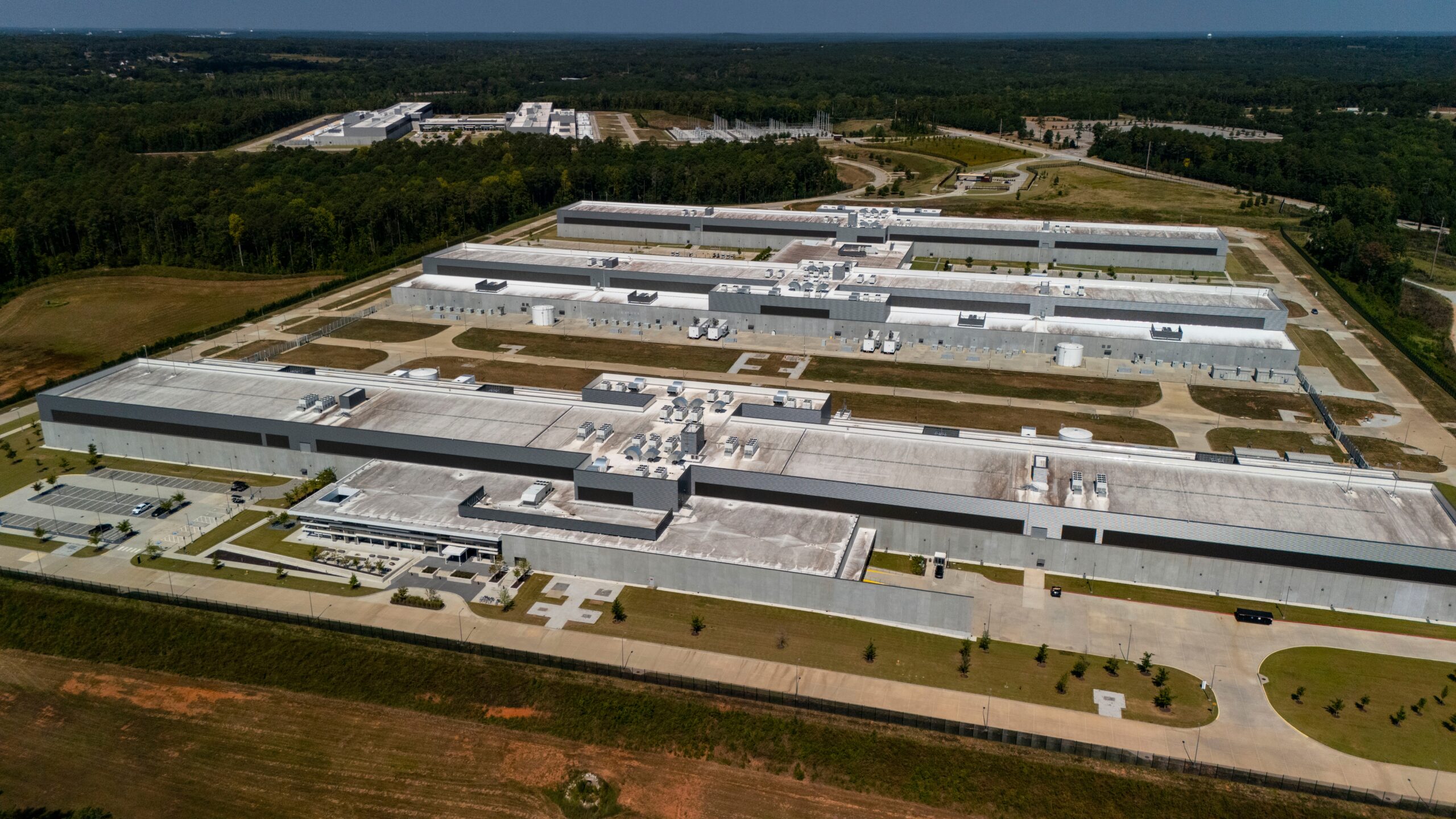
The scale of Saudi investment is growing rapidly. Humain, the Public Investment Fund-owned AI company launched in May 2025, plans to develop 1.9 gigawatts of computing capacity by 2030 and approximately 6 GW by 2034. These investments support economic objectives under Vision 2030, but data centers, cloud environments, and advanced computing capacity also provide the infrastructure on which military AI applications increasingly depend.
The presence of U.S. personnel supporting Saudi target development nevertheless illustrates the distance between possessing AI infrastructure and operating an integrated military system, such as Maven. Access to compute does not by itself provide classified intelligence, space-based surveillance, operational software, or the institutional experience needed to connect them. Saudi Arabia may be localizing parts of the technological value chain while remaining dependent on the United States for its most advanced military applications.
Beyond the conflict, Saudi Arabia used AI-enabled tools for security operations during the hajj season in late May, demonstrating the dual-use potential. Saudi authorities deployed drones, AI-powered crowd analysis systems, facial recognition technology, and advanced surveillance networks across the holy sites. Drones tracked violators of hajj regulations, AI systems predicted congestion and redirected pilgrims, and authorities used facial recognition to identify individuals of interest and prevent unauthorized entry. In the months following the start of the war, several Gulf states uncovered what they said were Iranian and Iran-aligned militia cells operating on their own territory, turning facial-recognition systems into an additional security instrument for Gulf governments. The hajj itself tested this capacity at scale: Saudi authorities registered more than 1.7 million pilgrims in 2026, including arrivals from Iran and countries where Iran-aligned armed groups operate, even as Tehran’s own contingent fell to roughly 30,000 pilgrims amid the disruption caused by the war.
Elsewhere in the Gulf, Washington and Abu Dhabi have moved toward a more institutionalized model. CENTCOM and the United Arab Emirates announced Talon Synapse on July 28, the first bilateral task force dedicated to accelerating the integration of military AI applications into operational planning and execution. Launched in late August and headquartered in Abu Dhabi, the task force includes approximately 20 U.S. and Emirati specialists working initially on intelligence support, critical infrastructure protection, and regional security monitoring.
Yemen now brings together two trajectories developing across the Gulf: the integration of AI into state military architectures and the diffusion of commercial models to actors operating outside them. These technologies do not create equal capabilities, and they do not make the battlefield autonomous. They are, however, changing the speed at which intelligence is processed, targets are developed, and weapons are modified. The battlefield is not yet autonomous. But it is increasingly algorithmic.
The views represented herein are the author's or speaker's own and do not necessarily reflect the views of AGSI, its staff, or its board of directors.
Silicon Valley is exploring offshoring some of its compute demand. Saudi Arabia and the United Arab Emirates are positioning themselves to capture some of it.
U.S. force projection in the Gulf is increasingly relying on artificial intelligence, unmanned platforms, and space technology, using these systems to augment existing military infrastructure.
With the Iran war, large AI projects now sit inside a regional battlespace. The next phase of Gulf AI strategy will need to focus on resilience, continuity, and trusted infrastructure, not only capital and scale.
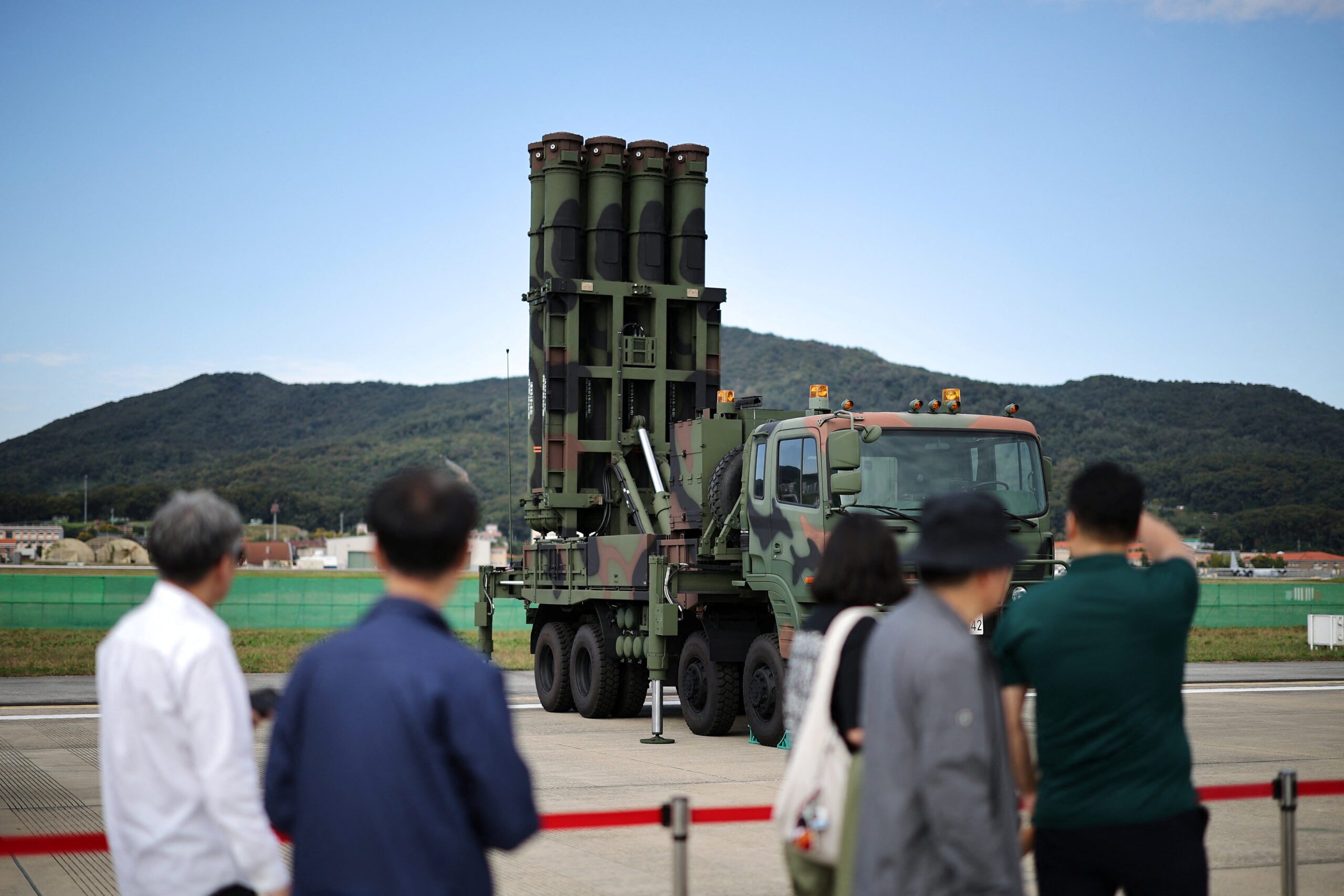
As Iranian strikes exposed structural gaps, Gulf states are expanding their air defense architecture through new suppliers, lower-cost systems, and operational partnerships.
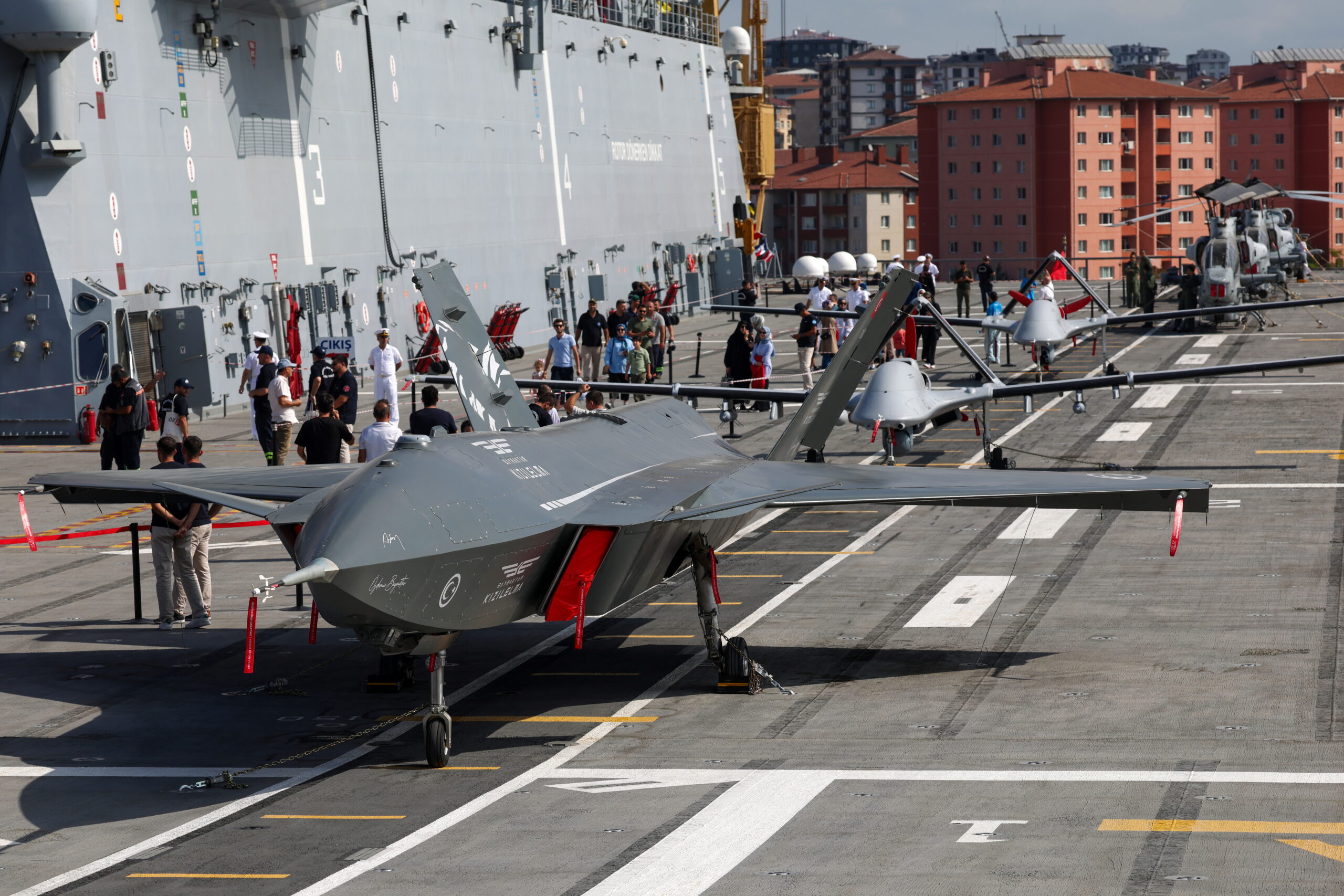
As the Gulf states pursue defense localization and seek to reduce dependence on the United States and Europe, Ankara offers cost-effective technology and a model of how to build capacity.
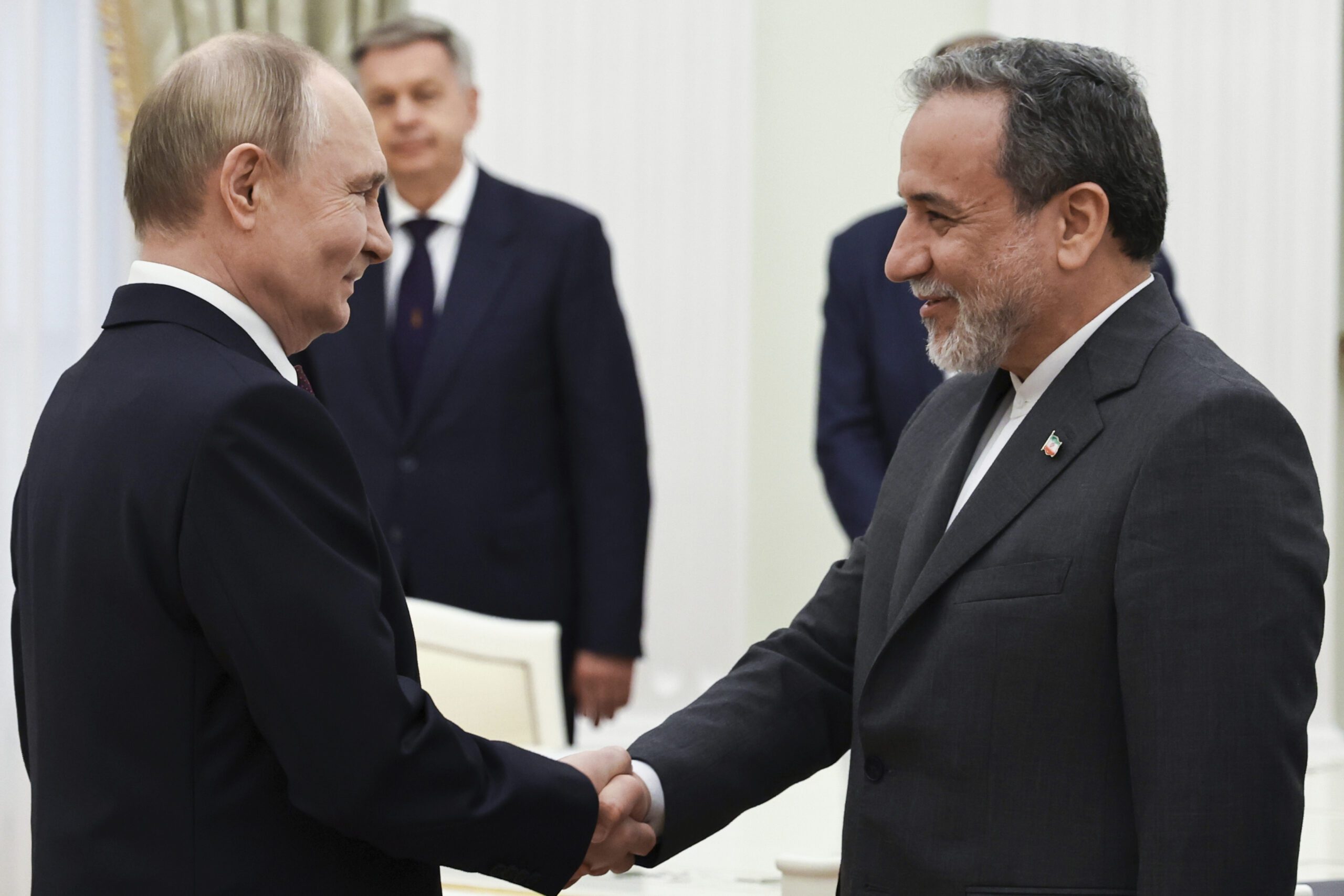
Moscow relied on Iranian drones in Ukraine. Now that the situation is reversed, will Russia help Iran rebuild its deterrence after Israel’s deep strikes?
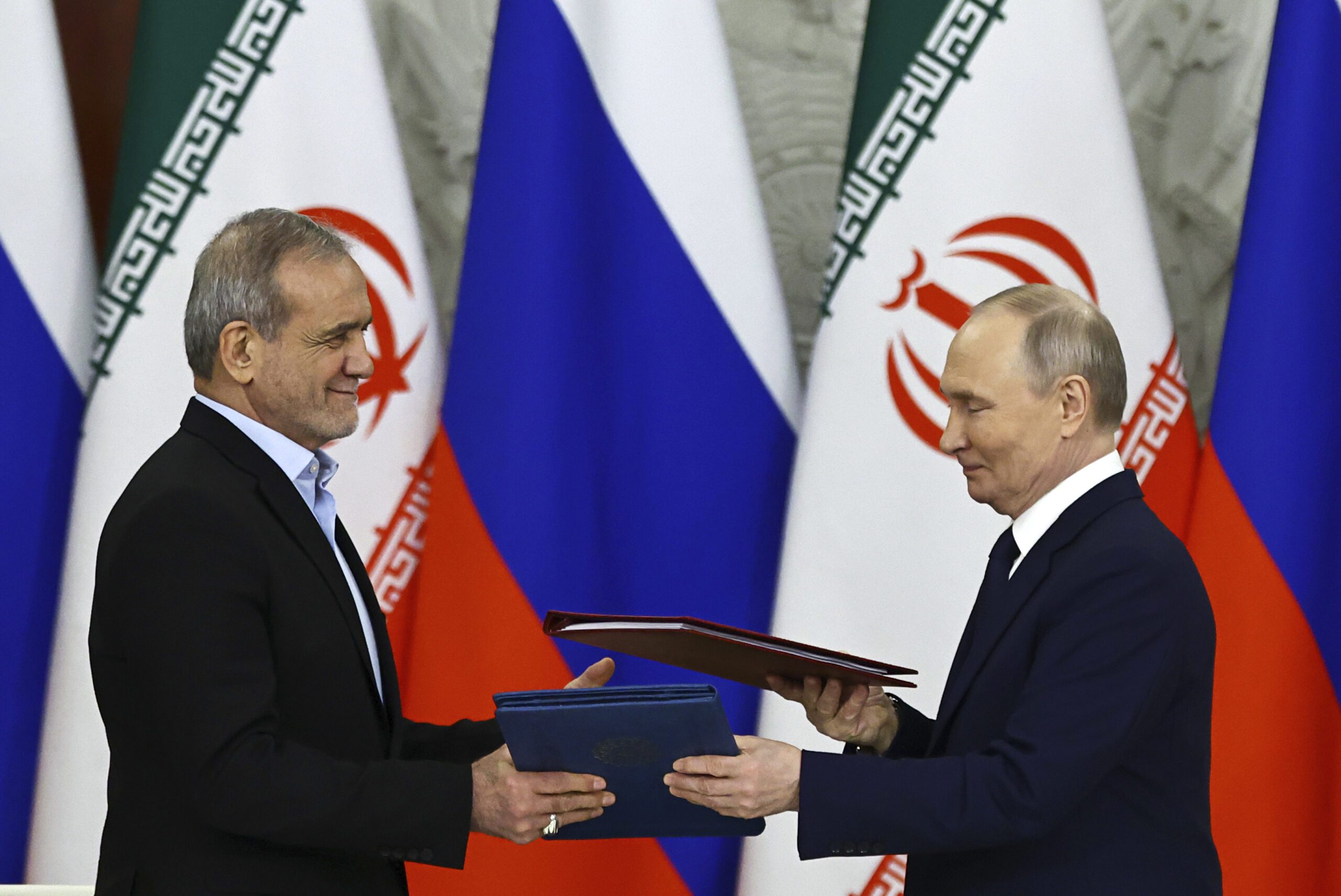
As Tehran and Moscow deepen their nuclear and space technology collaboration, concerns over dual-use applications and regional security implications grow.