Saudi Arabia’s Grim Options as the Houthis Storm Mokha
In tandem with President Trump’s refusal to offer help with the Houthis, the Saudis are facing grim options to reverse Houthi military successes and a chokehold over their oil exports.
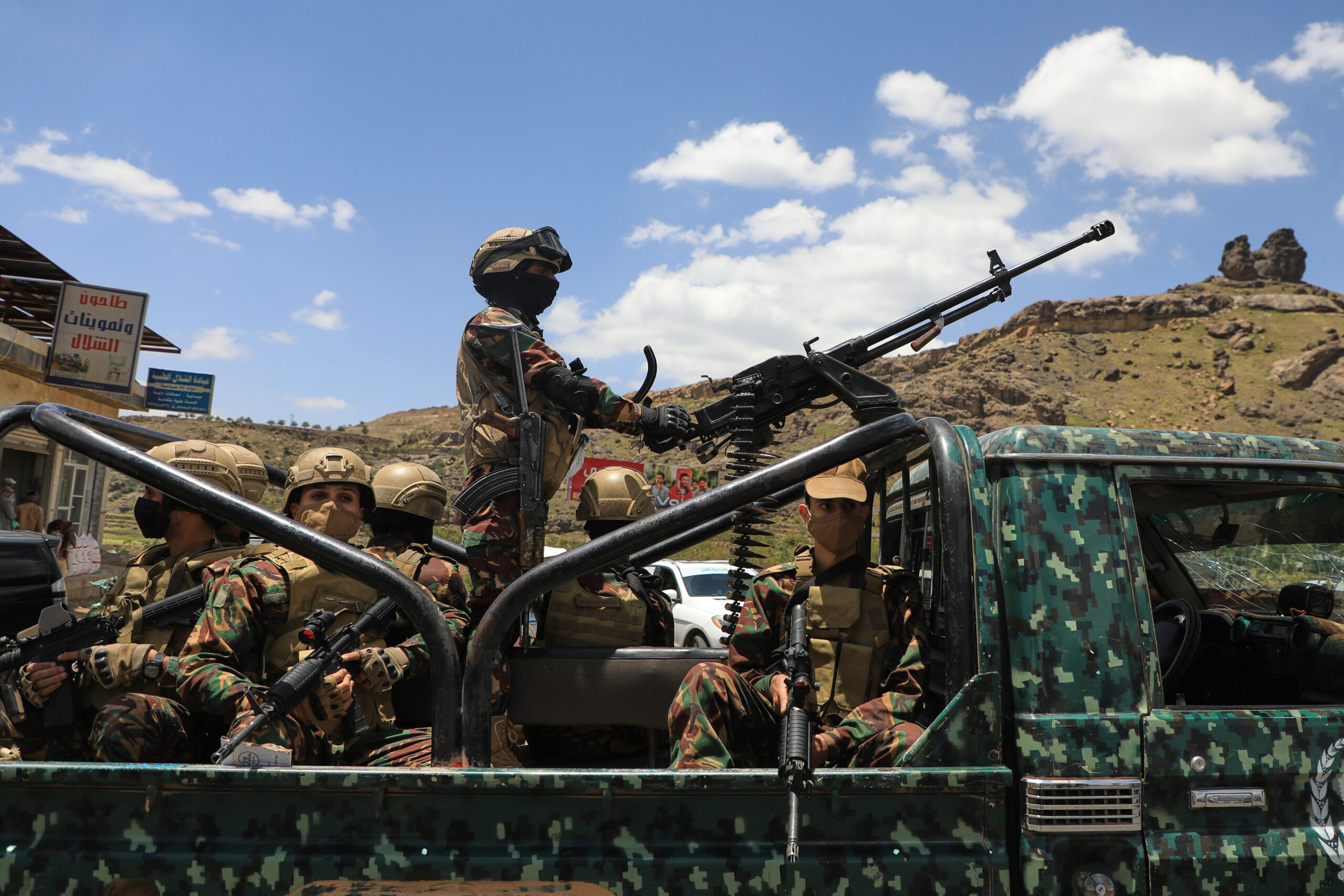
Houthi fighters escort a convoy carrying prisoners freed in Mokha through the Bani Matar district on its way to Sanaa, Yemen, September 12. (AP Photo/STR)
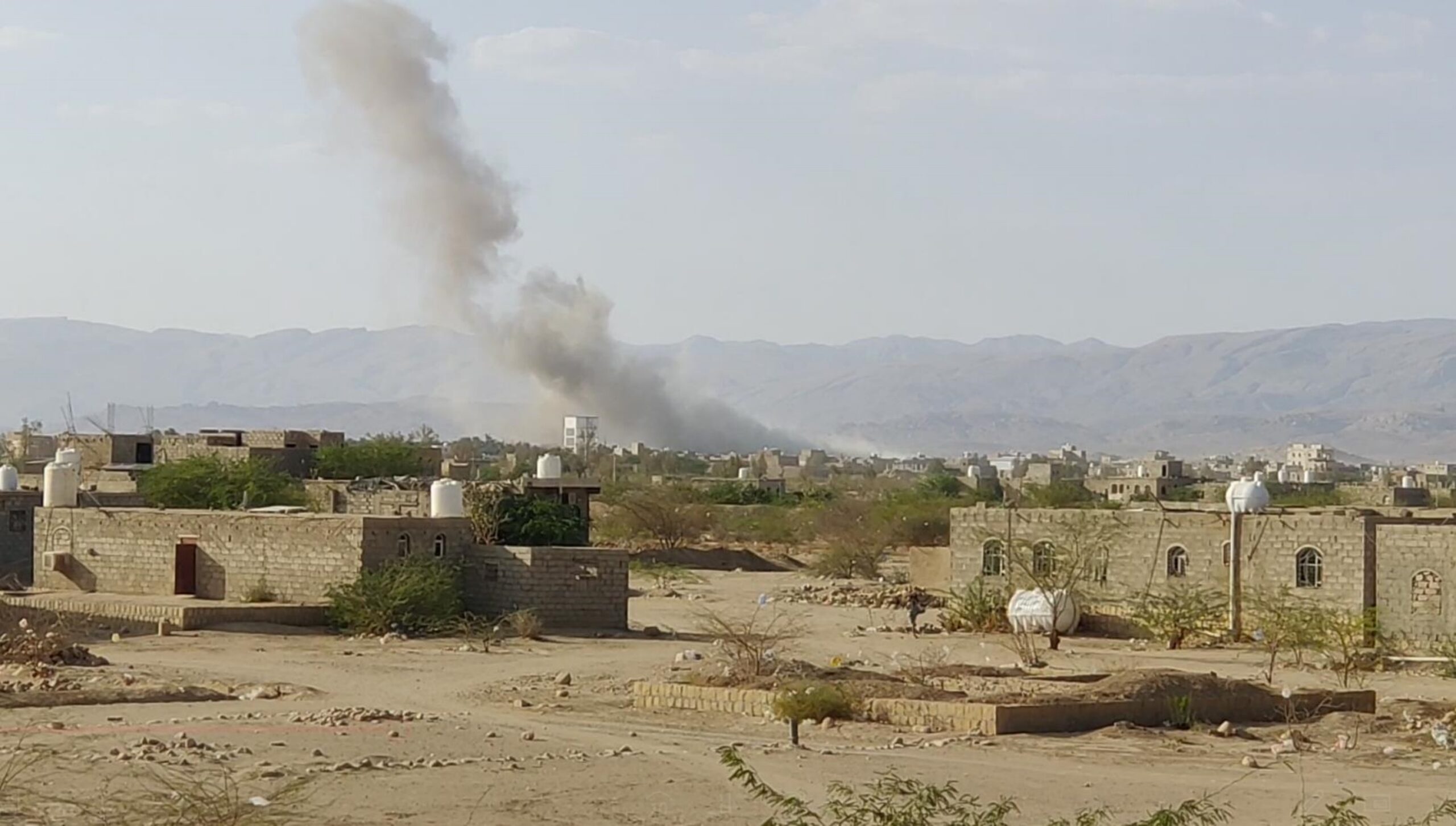
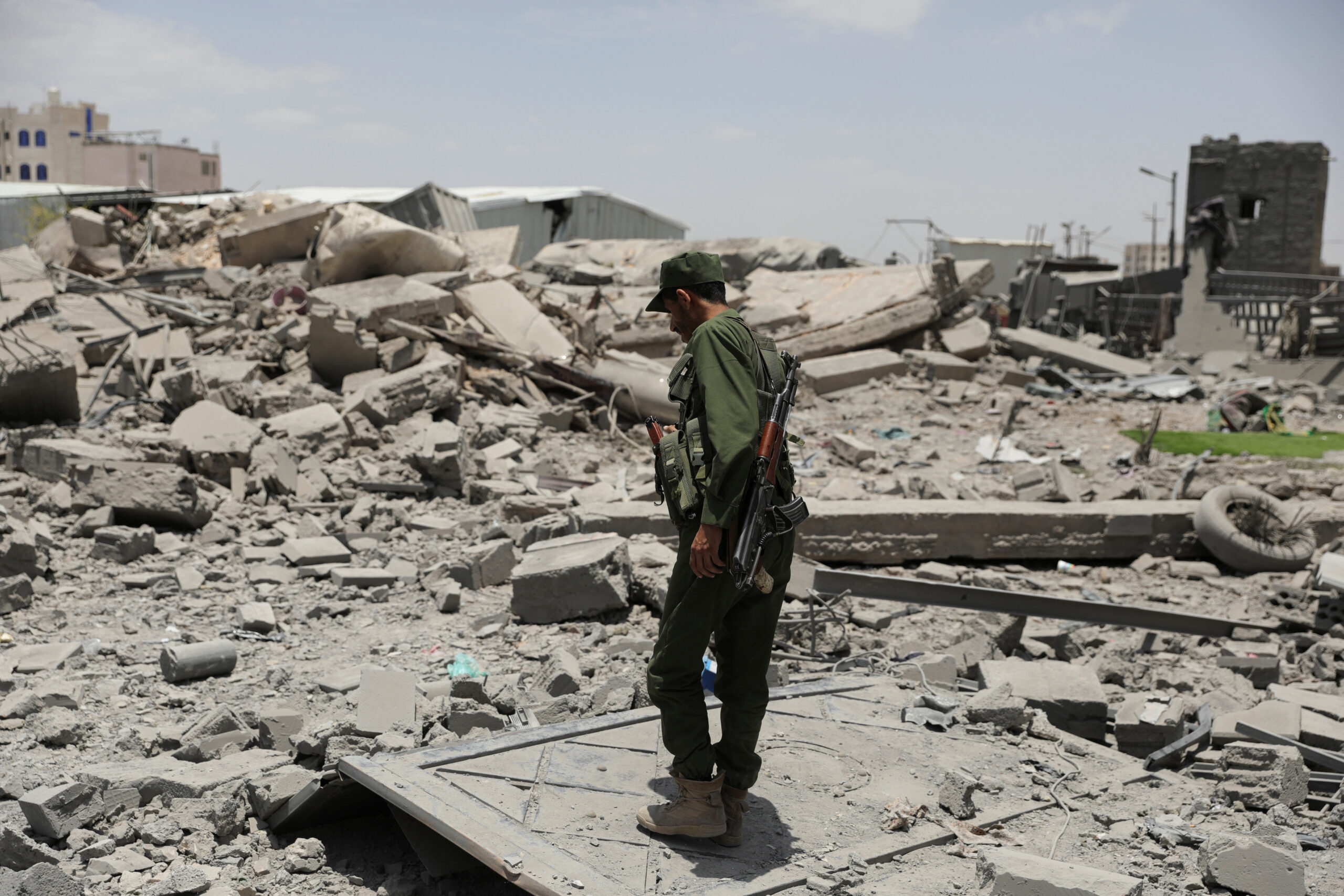
On September 10, Houthi forces swept south along the Red Sea coast, capturing the port city of Mokha. The next day, they took control of Perim island, which sits three miles off international shipping lanes that pass through the narrow Bab el-Mandeb chokepoint that leads in and out of the Red Sea. The Houthis’ rapid advance along the coast caused oil prices to jump to over $105 per barrel and put Saudi Arabia in a difficult position with no good options.
Saudi Arabia has three basic routes to get its oil to market: eastern, southern, and northern. The best, quickest, and cheapest is the eastern route that runs through the Gulf and Strait of Hormuz. Saudi Arabia’s second option is the southern route through the Red Sea and then down through the Bab el-Mandeb. The third, and by far the least palatable, of the three options is the northern route, which forces tankers to go through the Suez Canal and then back around Africa to get to Asian markets.
In a normal year, Saudi Arabia would typically export around 6.5 million barrels of oil per day, the vast majority of which is shipped through the Strait of Hormuz. However, following the February 28 start of the U.S. and Israeli war with Iran, Iran effectively closed the Strait of Hormuz. Saudi Arabia reacted by shifting much of its oil exports from the Strait of Hormuz to the Red Sea via its East-West pipeline, which was itself attacked September 10 and, at least temporarily, shut down. This was an initial workaround, but it came with a price. Saudi exports fell to roughly 4.6 million barrels per day, about 4 million of which was shipped to market through the Bab el-Mandeb and southern route.
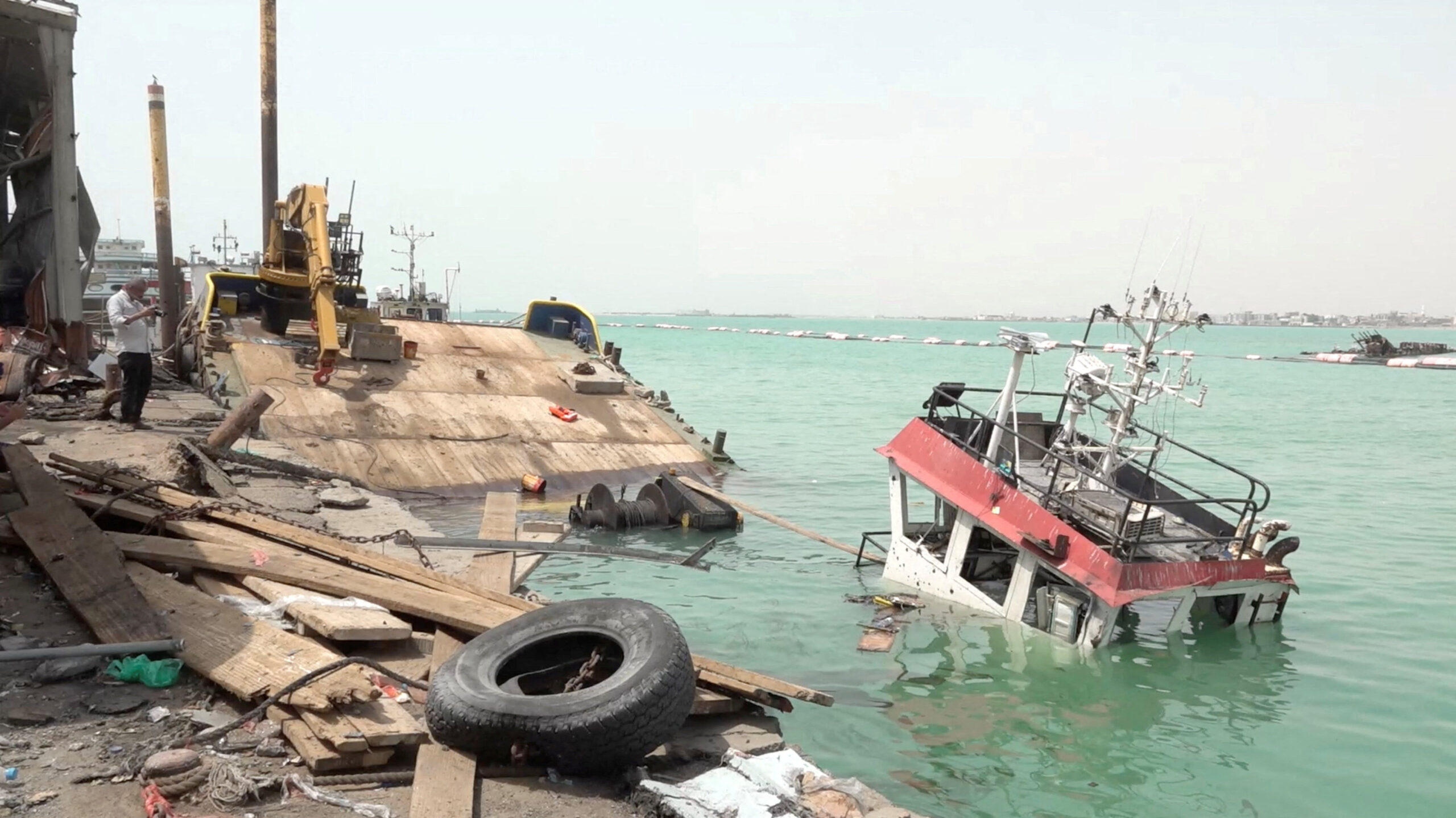
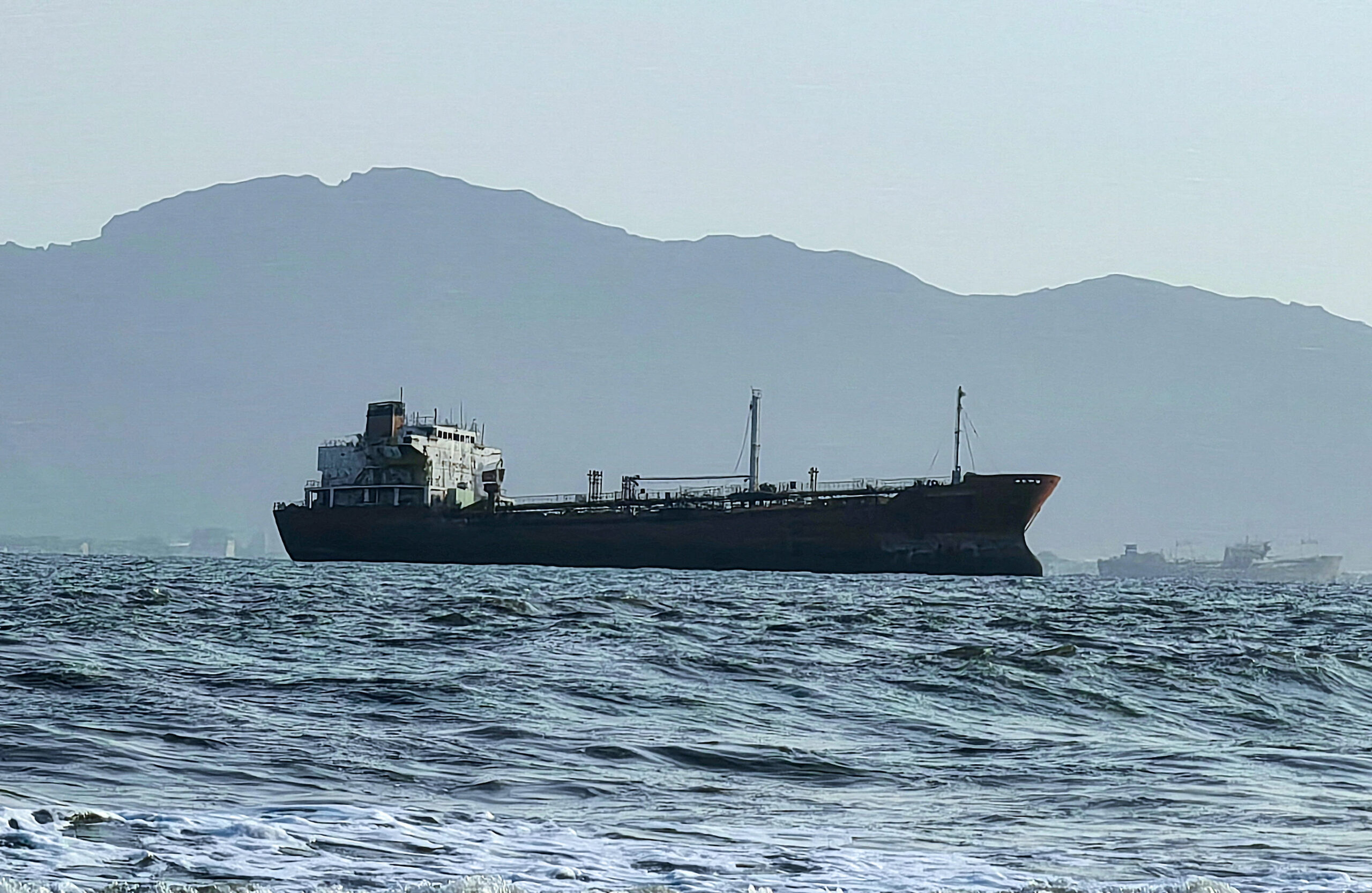
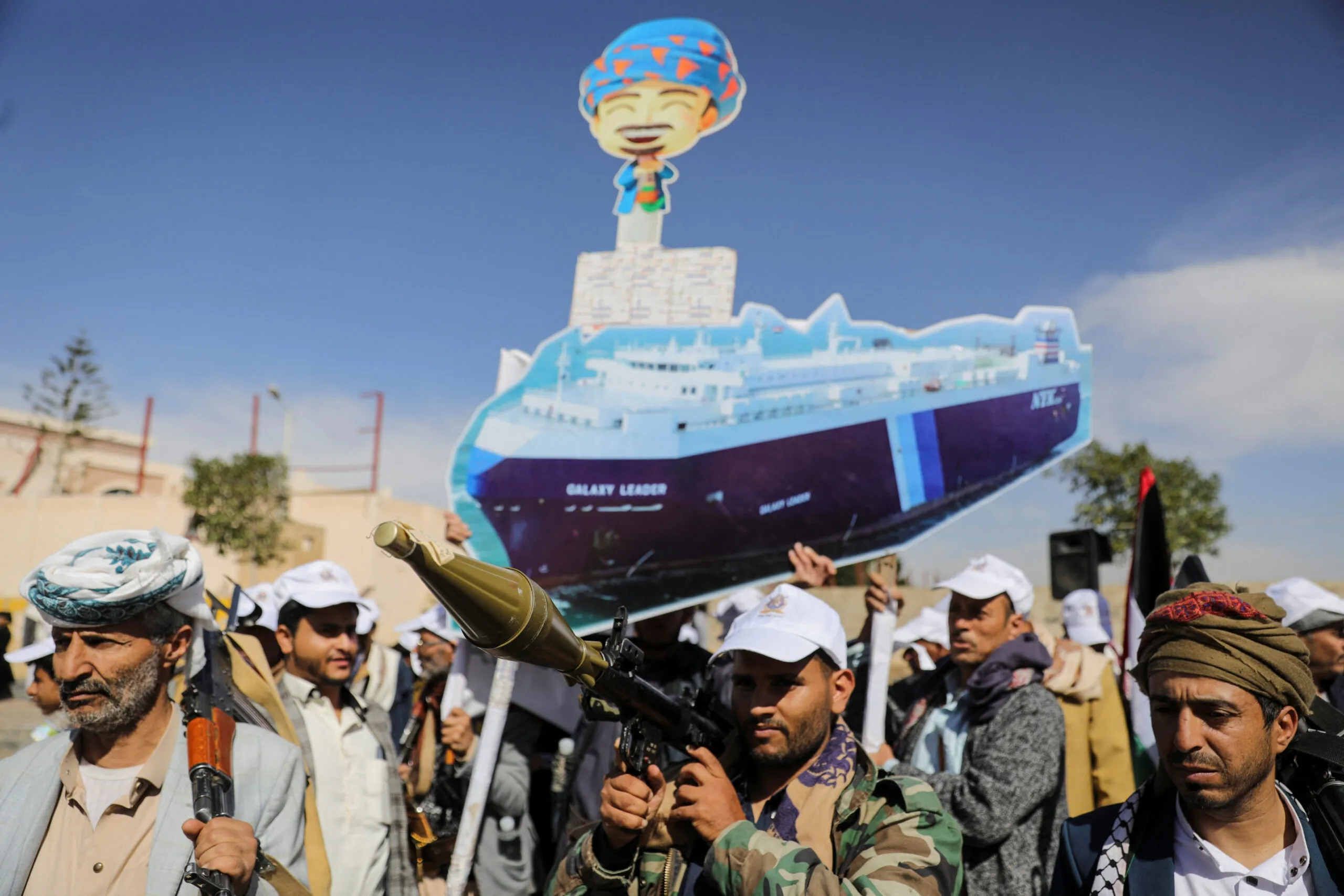
In July, following Saudi airstrikes in Yemen, the Houthis announced that they were closing this southern route through the Red Sea to Saudi oil tankers. The Houthis followed up their announcement by striking a handful of Saudi oil tankers, forcing the kingdom to divert much of its oil exports to the more expensive and longer northern route. In August, the first full month after the Houthi blockade of the Bab el-Mandeb, Saudi exports fell to roughly 3.2 million barrels per day, the lowest level in more than a decade. Exports are likely to fall again in September, given the closure of the East-West pipeline along with the blockade of the Strait of Hormuz and the Houthis’ closure of the Bab al-Mandeb.
The Houthis’ recent advance south puts them in the position in which, much like Iran, they could completely shut down one of Saudi Arabia’s routes to market. In recent years, the Houthis have been able to threaten Red Sea shipping from their positions along Yemen’s northern coastline. But by taking Mokha and the island of Perim, the group now has three distinct advantages. First, it allows the Houthis to distribute their military assets, such as mobile missile launchers and drone attack points, across more territory, which makes it harder for their adversaries to find and destroy them. Second, it brings the Houthis closer to their targets. The Red Sea shipping lanes narrow as they move south toward the Bab el-Mandeb’s roughly 19-mile chokepoint. Third, and perhaps most important, by controlling the coastline near the Bab el-Mandeb, the Houthis don’t need to rely on advanced missiles or longer-range drones to carry out strikes. Now, they can take up positions on shore and fire at passing ships.
For their part, the Houthis have made clear that they are not closing the Red Sea and Bab el-Mandeb to all international shipping, only to Saudi Arabia. This is a rather transparent attempt to keep the United States on the sidelines. The Houthis like their chances fighting Saudi Arabia, but they are not eager for another round of conflict with the United States. To date, the Houthi stratagem appears to be working. Saudi Crown Prince Mohammed bin Salman reportedly called President Donald J. Trump twice on September 10 asking for the United States to intervene and attack the Houthis. Trump declined both times.
Saudi Arabia now finds itself in a difficult position with five broad options, none of which are good. First, is the do-nothing approach. Saudi Arabia could say “enough is enough” and attempt to extricate itself from Yemen. But this would basically be surrender and allow the Houthis to consolidate their gains along the Red Sea coast, resulting in the possibility of the long-term closing of the southern oil route. Option number two, which is basically what Saudi Arabia has been doing for the past decade, would utilize Saudi airstrikes from above and Yemeni troops on the ground to keep the Houthis in check. There are, however, numerous problems with this approach as the last week has illustrated. First, for reasons that still aren’t clear, Saudi Arabia failed to carry out any airstrikes as the Houthis advanced toward Mokha. Just as troubling was the performance of the Yemeni troops on the ground, known as the National Resistance Forces, which melted away without Saudi air cover. The failure is, at least in part, a result of Saudi Arabia’s past decisions. In late 2025, Saudi Arabia responded to an armed attempt by the United Arab Emirates-backed Southern Transition Council to take over all of Southern Yemen by forcing the UAE out of the country. As a result, Saudi Arabia found itself backing a whole host of anti-Houthi militias, some of which, including the National Resistance Forces, had been receiving Emirati aid. That transition from UAE sponsorship to Saudi backing, along with all of the subsequent bad blood, has obviously created battlefield issues that the Houthis were able to exploit.
The kingdom’s third option is to go big in Yemen and insert Saudi ground troops in an attempt to finally and decisively defeat the Houthis. This would likely be a long and bloody guerilla war in mountainous terrain with no guarantee of success. The fourth option, a political settlement, is similarly unpalatable, since it would effectively create and legitimize a Houthi state in North Yemen. Plus, there is nothing in the Houthis’ history to suggest that the group would feel constrained territorially by any political deal it signs.
Saudi Arabia’s final option, if the United States continues to decline to become involved, would be to look for another outside power, such as China, to exert enough pressure on the Houthis that they are forced to back down, although there is little indication the Chinese have the inclination or the influence to play such a role.
Saudi Arabia is stuck, much like it was in March 2015, when it initially elected to intervene in Yemen. Over the past decade, Saudi Arabia’s options haven’t changed. It is still faced with a situation in which it wants to achieve a particular outcome – the end of Houthi rule in Yemen – but is unwilling or unable to pay the price – injecting ground troops, either its own or willing ally’s – necessary to bring about that result.
The views represented herein are the author's or speaker's own and do not necessarily reflect the views of AGSI, its staff, or its board of directors.
The Houthi escalation against the port city of Mokha is rooted in intra-Yemeni power balances but, at the same time, it has broader implications for Saudi and regional security, testing new defensive coalitions and alliances.
The Houthis’ decision to dip their toes into the conflict is a calculated choice based on military capacity, a blueprint, and the need for retaliatory pressure.
The Houthis’ decision to dip their toes into the conflict is a calculated choice based on military capacity, a blueprint, and the need for retaliatory pressure.