The significance of Kuwait’s defense pact with Pakistan lies less in any immediate military transformation than in what it reveals about the evolving security landscape of the Gulf.
The ratification of the Pakistan-Kuwait Defense Cooperation Agreement in late July is the latest step in a bilateral defense relationship that goes back to the 1980s. Amid an on-and-off again cease-fire between the United States and Iran as well as Tehran’s attacks on Kuwait and other Gulf Cooperation Council states, the timing of this development is critical. The pact’s formal ratification fits within Kuwait’s efforts to diversify its security alliances and partnerships beyond the United States at a time when the foreign policy of President Donald J. Trump’s administration has left Washington’s Arab allies feeling increasingly vulnerable to the chaotic fallout from its actions in the region.
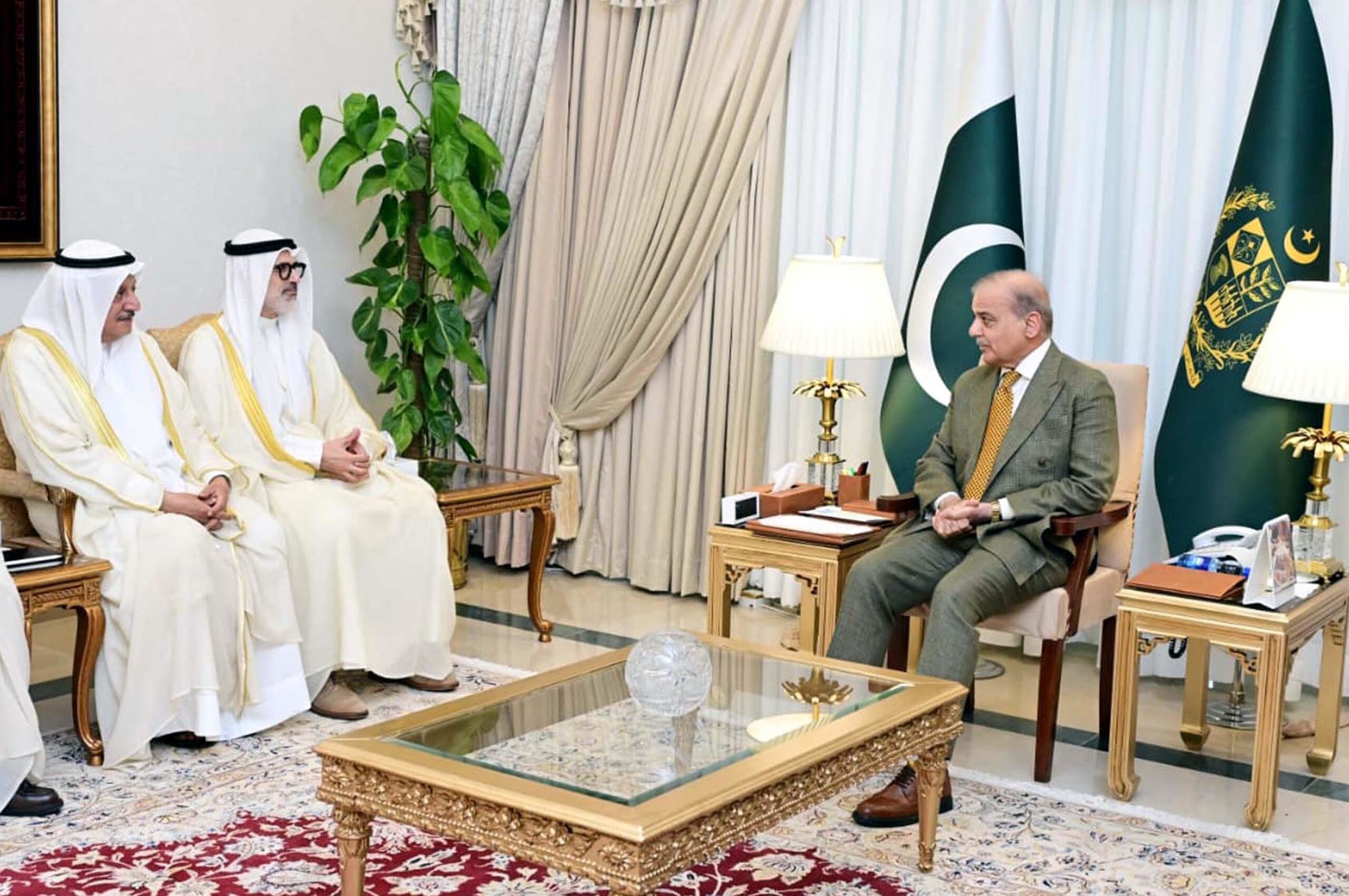
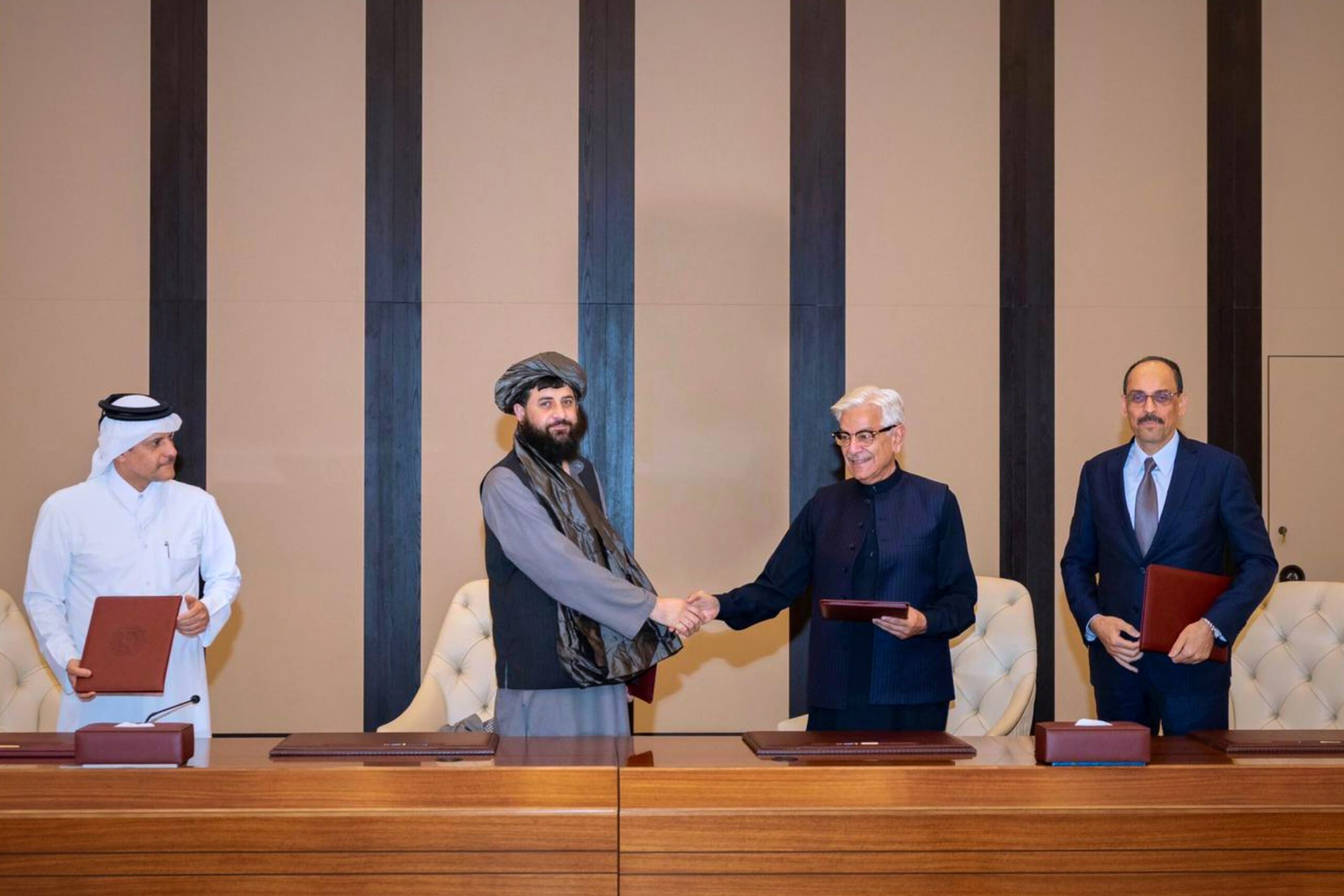
Signed in Kuwait on June 11, 2023, the agreement establishes a broad framework for enhancing bilateral defense cooperation across areas including military training and education, joint exercises, personnel and expert exchanges, scientific and technological collaboration, logistics, and intelligence. It is designed to strengthen institutional cooperation between the two militaries rather than provide for troop deployments or arms procurement. Implementation will be governed through annual executive protocols and overseen by a joint military committee, with provisions for official exchanges, the protection of classified information, and the resolution of disputes through bilateral consultations.
Rather than creating a new strategic partnership, the pact formalizes a long-standing bilateral defense relationship built over decades, establishing structured mechanisms, including joint committees, coordinated plans, and regularized cooperation, to deepen bilateral security ties. This agreement is distinct from the landmark Strategic Mutual Defense Agreement signed by Saudi Arabia and Pakistan in September 2025 and the Mecca Joint Defense Agreement that Saudi Arabia, Pakistan, and Turkey entered into in August. Kuwait’s pact with Pakistan is primarily a framework for defense cooperation and does not obligate Islamabad to automatically defend Kuwait or deploy forces in response to any attack.
Pakistan’s Role in Kuwait’s Defense Diversification Strategy
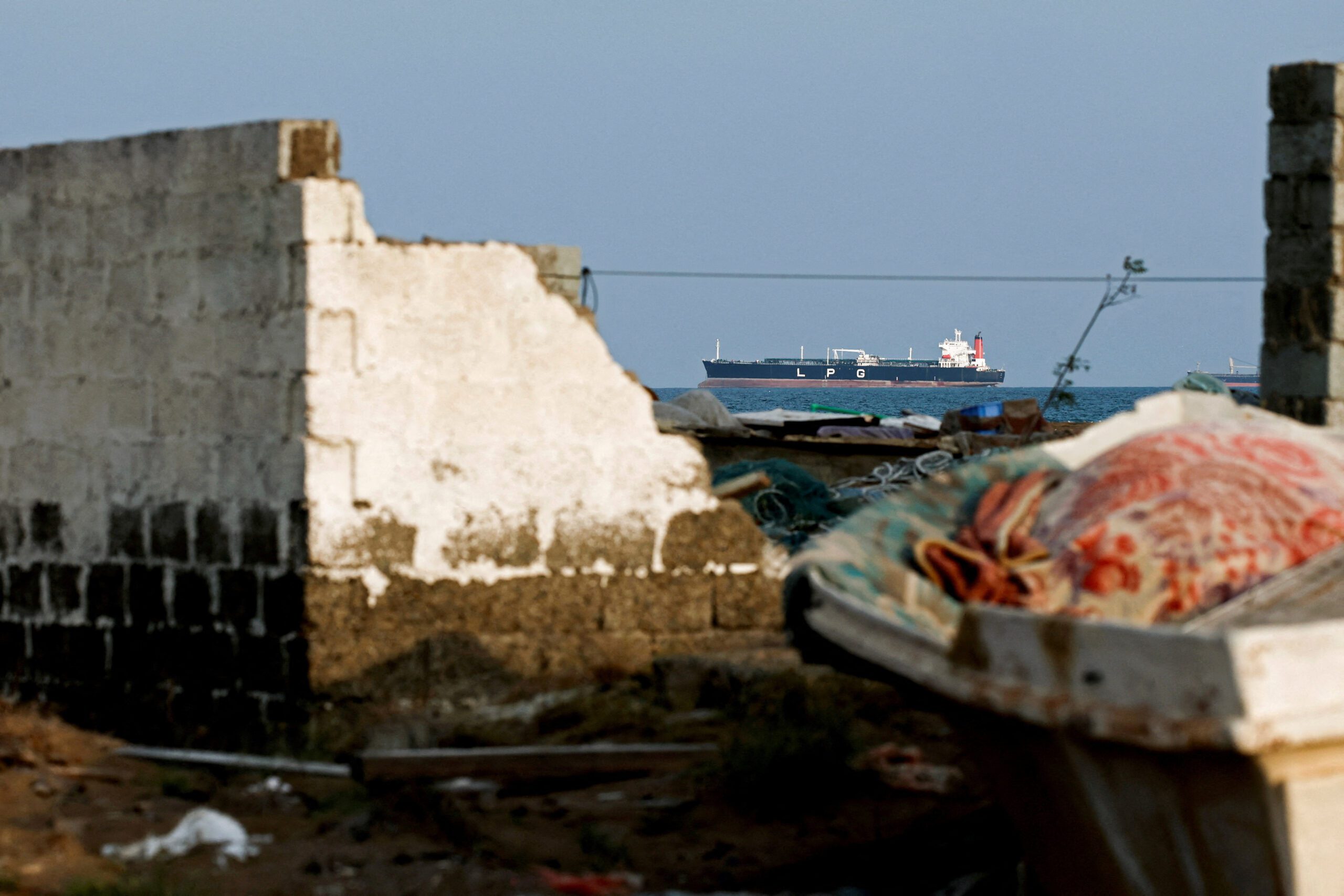
Kuwait’s deteriorating security environment following Iranian strikes on its territory drove the decision to ratify the agreement with Pakistan. Despite Iran’s initial strikes during the war concentrating primarily on the United Arab Emirates, the focus of its Gulf targets shifted toward Kuwait and Bahrain beginning in June. Since February 28, Iran has launched hundreds of missiles and drones at Kuwait, targeting critical infrastructure, including the Mina al-Ahmadi refinery, power and desalination facilities, Kuwait International Airport, and the Shuwaikh and Mubarak Al-Kabeer ports along with U.S. military installations. Amid these growing threats, Kuwait has been strongly incentivized to formalize and institutionalize its defense partnership with Pakistan.
Kuwait is looking to reassess its defense strategy and accelerate efforts to diversify its security partnerships without diminishing the central role of the United States. Although Iranian attacks have significantly heightened concerns in Kuwait over excessive reliance on Washington’s security umbrella, Kuwaiti officials, like their counterparts elsewhere in the Gulf, recognize that no other power currently has the capacity or willingness to replace the United States as the country’s primary security guarantor. Nevertheless, although Pakistan cannot come close to rivaling Washington’s role as Kuwait’s principal defense partner, the pact provides an additional layer of security diversification for Kuwait.
Having signed the defense agreements with Kuwait and Saudi Arabia as well as signing onto the Mecca agreement, Pakistan faces important strategic considerations in managing its relationships with both GCC states and Iran. The central challenge is to preserve a delicate balance that allows Pakistan to deepen security ties with Gulf Arab partners threatened by Iran while avoiding alignment with explicitly anti-Tehran blocs or coalitions.
Historically, Pakistan’s foreign policy has emphasized pan-Islamic causes and solidarity among Muslim-majority states. Its principal strategic rivalries have largely involved non-Muslim actors, including Armenia, India, Israel, and, previously, the Soviet Union. Islamabad has generally sought neutrality in conflicts between Muslim states, as demonstrated by its stance during the 1980-88 Iran-Iraq War, its refusal to join the Saudi-led coalition against the Iranian-backed Houthis in Yemen in 2015, and its cautious position during the 2017-21 boycott of Qatar. Today, although Pakistan has been quick to condemn Iranian attacks on GCC states, Islamabad has many reasons to avoid alienating Tehran.
After Pakistan and Iran exchanged missile and drone strikes in January 2024, Islamabad has worked to preserve stable and cooperative relations with Tehran. Amid concerns over an Israel-India nexus forming, Islamabad has also sought to avoid an outcome from the Iran war that could further empower Israel while heightening Pakistan’s sense of strategic encirclement. Meanwhile, as the Pakistani military confronts armed groups in Balochistan, particularly the Balochistan Liberation Army and Pakistani Taliban, Islamabad doesn’t want power vacuums to emerge across the Iranian border that could further aggravate security challenges in the historically restive province. Domestic considerations also weigh heavily, given pro-Tehran elements within Pakistan’s Shia minority.
These factors, combined with Pakistan’s increasingly positive ties with the Trump administration, help explain Islamabad’s interest in preserving its mediator role in the U.S.-Iran crisis. Maintaining this position, however, requires Pakistan to avoid adopting any posture that Tehran could interpret as anti-Iran. Thus far, the Saudi-Pakistani defense agreement, Kuwait defense pact, and Mecca Joint Defense Agreement remain consistent with Islamabad’s broader approach toward Iran. This balance could be tested if security partnerships with Kuwait or other Iran-targeted states evolve into commitments involving Pakistani combat deployments. For now, cooperation with Kuwait is likely to focus on training, military education, exchanges, advisors, and institutional mechanisms while avoiding entry into any explicitly anti-Iranian bloc. Nevertheless, given Pakistan’s severe economic problems, expanded Kuwaiti investment, energy cooperation, or financial support could eventually incentivize deeper defense ties, raising difficult questions about the future of Islamabad’s relationship with Tehran.
From Kuwait’s perspective, the key question is what security challenges Pakistan can meaningfully address that its existing partners in NATO, Ukraine, and the Arab world cannot. Pakistan’s comparative advantages may lie in intelligence cooperation, defense-industrial collaboration, and military training, although its limitations relative to partners such as Turkey are also a consideration. Ultimately, Pakistan is likely to serve as a cost-effective source of military expertise and capacity building that complements, rather than replaces, Kuwait’s broader network of allies and partners.
Pakistan’s Value Beyond Defense Cooperation
A deeper partnership with Pakistan may offer Kuwait and its fellow GCC states greater diplomatic rather than military value. Pakistan’s demonstrated ability to facilitate dialogue among the West, Arab states, and Iran gives it a valuable bridging role amid regional crises.
Ultimately, the significance of Kuwait’s defense pact with Pakistan lies less in any immediate military transformation than in what it reveals about the evolving security landscape of the Gulf six months after the United States and Israel launched the current war with Iran. For Kuwait, the agreement reflects a prudent effort to diversify strategic partnerships while preserving Washington as its principal security guarantor. For Pakistan, it represents an opportunity to deepen ties with a key GCC state, an effort that nests well with Islamabad’s Saudi-focused security efforts, while testing the limits of its long-standing balancing strategy toward Iran. Whether this Kuwait framework remains a vehicle for institutional cooperation or evolves into something more consequential will depend largely on unpredictable developments in the region’s security architecture.
The views represented herein are the author's or speaker's own and do not necessarily reflect the views of AGSI, its staff, or its board of directors.
After Oman-facilitated negotiations between the United States and Iran ended in a major regional conflict, Pakistan has picked up the mantle of mediator and helped broker a cease-fire, but can the country succeed at mediating a lasting peace deal?
The revived Hejaz Railway could become one of the region’s most significant transportation and integration projects as a land route connecting Europe to the Gulf.
Iranian attacks on Omani ports and oil tankers are straining Oman’s long-standing “friend to all” regional foreign policy, but Muscat still has a part to play in achieving peace.
Through its increasing ties with Serbia, the UAE has secured a lasting strategic foothold in the Western Balkans, and Serbia has gained an influential Arab partner that is likely to remain central to Belgrade’s multipolar foreign policy calculus.