Aug 4, 2026
The IRGC Warns of the “End of Calm at Aramco”
The August 4 edition of the Iran Media Review highlights Iranian media responses to Saudi strikes in Iraq and Houthi attacks on Saudi Arabia.

Iran appears to be signaling its response to Saudi involvement in strikes in Iraq. Islamic Revolutionary Guard Corps-affiliated Mashregh News Agency’s warning that “calm at Aramco” may end, followed by a Houthi strike on Najran Airport in Saudi Arabia, suggests Tehran is reminding Riyadh that further intervention could expose Saudi oil infrastructure to renewed attacks.
- August 3: In a short “analysis,” Islamic Revolutionary Guard Corps-affiliated Mashregh News Agency explained Iran’s likely reaction to the Saudi air force’s involvement in strikes against militias in Iraq:
- “Riyadh, invoking Article 51 of the U.N. Charter – the right to self-defense – has characterized these strikes as a response to drone attacks against its oil facilities. This Washington-Riyadh military synergy signals the emergence of a new operational axis in the region, in which Saudi Arabia is playing a more active role in the military confrontation with the ‘axis of resistance.’ This action, aimed at undermining Iraq’s national sovereignty and projecting the government’s inability to provide security, may be seen as a prelude to intensified pressure on Baghdad to reduce its ties with Tehran and retreat from security cooperation with the ‘axis of resistance.’ How will Iran respond to the attack in Iraq? The end of calm at Aramco!”
- August 4: Reformist Entekhab, quoting a Houthi public statement, reported:
- “Yemen’s Ansar Allah forces have struck a target at Najran Airport in Saudi Arabia … a drone struck a ‘sensitive target belonging to the Saudi enemy at Najran Airport’ in southern Saudi Arabia, achieving a ‘precise hit.’ The statement added: ‘This attack was carried out in response to the Saudi enemy’s violation of Yemeni airspace over the provinces of Saada and Hajjah using drones.’”
The views represented herein are the author's or speaker's own and do not necessarily reflect the views of AGSI, its staff, or its board of directors.
Related
Iran Media Review
Jul 31, 2026
Javan Daily: “Iran’s War and Negotiation Plan”
The July 31 edition of the Iran Media Review analyzes an Iranian article arguing that Iran is following its own timetable and agenda on negotiations and escalation.
Iran Media Review
Jul 28, 2026
A Weakened Hezbollah Remains Central to Iran’s Security Strategy
The July 28 edition of the Iran Media Review considers an open letter from Iran’s supreme leader to Hezbollah in Lebanon pledging continued support.
Iran Media Review
Jul 24, 2026
Iran Vows Retaliatory Attacks Across the Region and Beyond
The July 24 edition of the Iran Media Review highlights messages from Iran’s armed forces threatening to attack regional infrastructure and U.K. military bases.
Jul 31, 2026
Javan Daily: “Iran’s War and Negotiation Plan”
The July 31 edition of the Iran Media Review analyzes an Iranian article arguing that Iran is following its own timetable and agenda on negotiations and escalation.
Jul 28, 2026
A Weakened Hezbollah Remains Central to Iran’s Security Strategy
The July 28 edition of the Iran Media Review considers an open letter from Iran’s supreme leader to Hezbollah in Lebanon pledging continued support.
Jul 24, 2026
Iran Vows Retaliatory Attacks Across the Region and Beyond
The July 24 edition of the Iran Media Review highlights messages from Iran’s armed forces threatening to attack regional infrastructure and U.K. military bases.
Analysis
The Islamic Republic Returns to Offense
After U.S.-Israeli strikes killed Supreme Leader Ayatollah Ali Khamenei on February 28, Iran’s collective leadership has concluded that the best defense is a good offense.
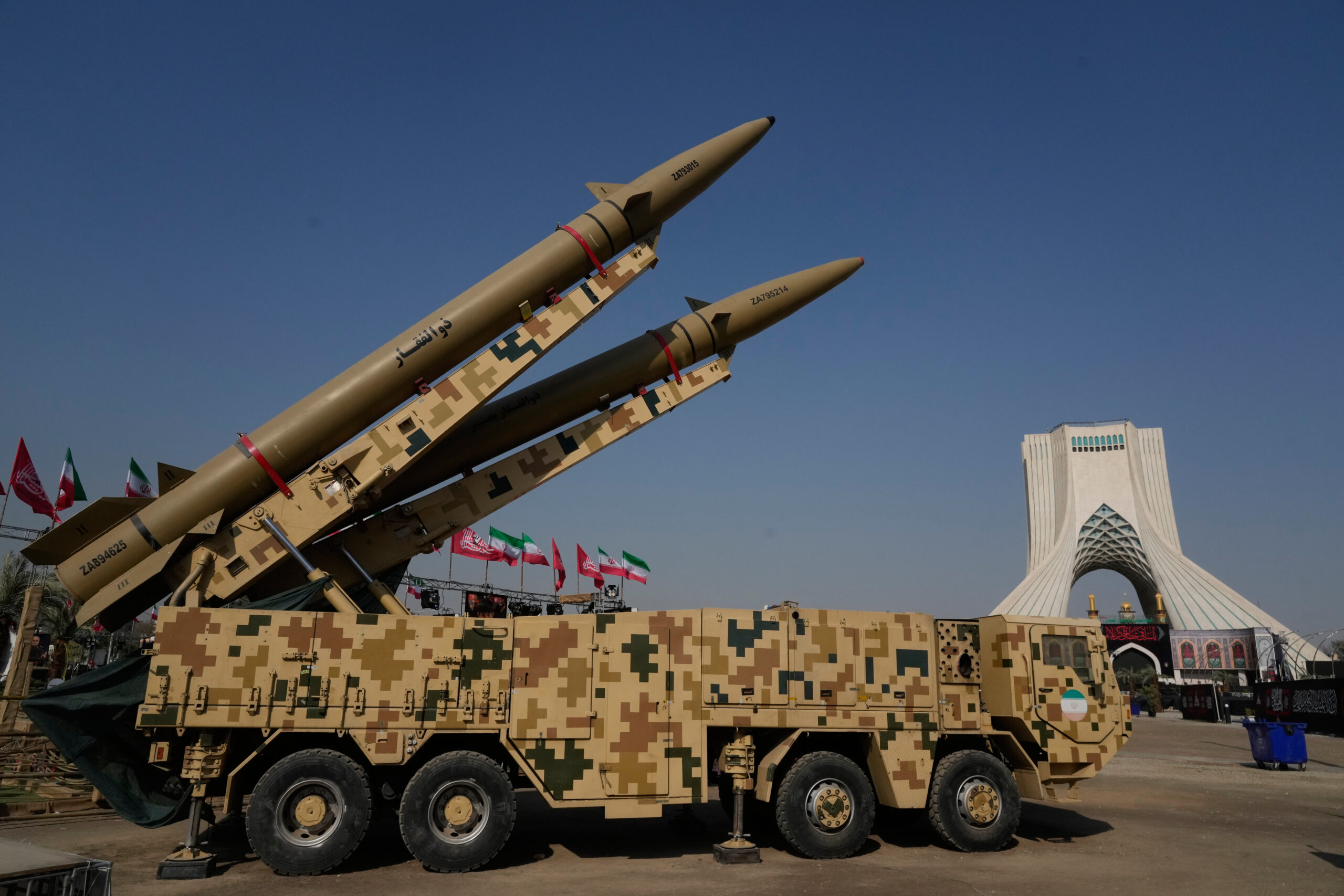
Iran’s Collective Strategic Decision Making
Wartime pressure has temporarily aligned the leadership’s overriding interest in regime survival, even as its members continue to differ over the costs, methods, and ultimate objectives of the war.
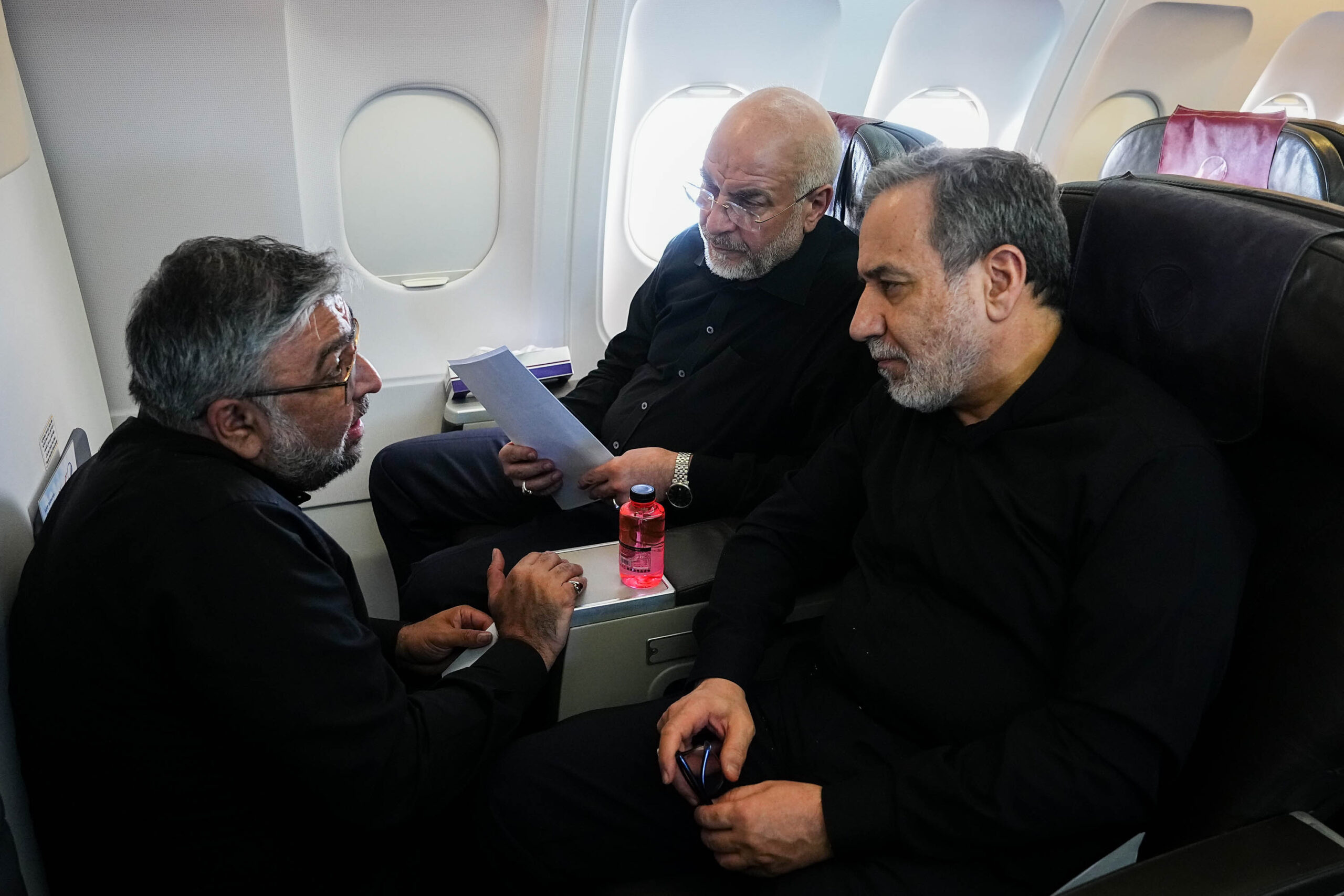
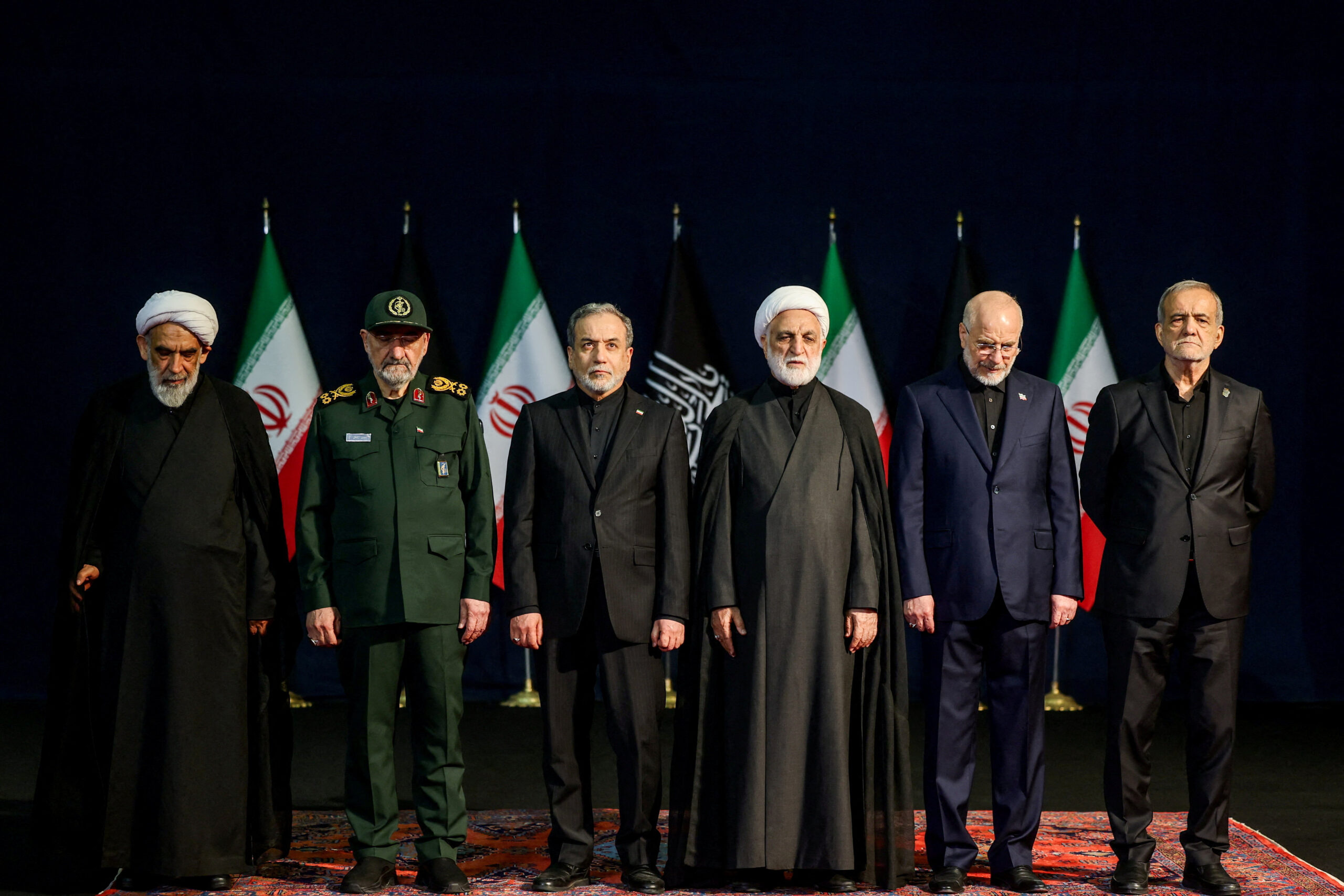
The Islamic Republic’s Collective Leadership
While there is historical precedent for collective leadership in Iran, today’s leadership includes representatives of the IRGC and regular military – a reflection of the IRGC’s expanding role and the necessities of governing under wartime conditions.
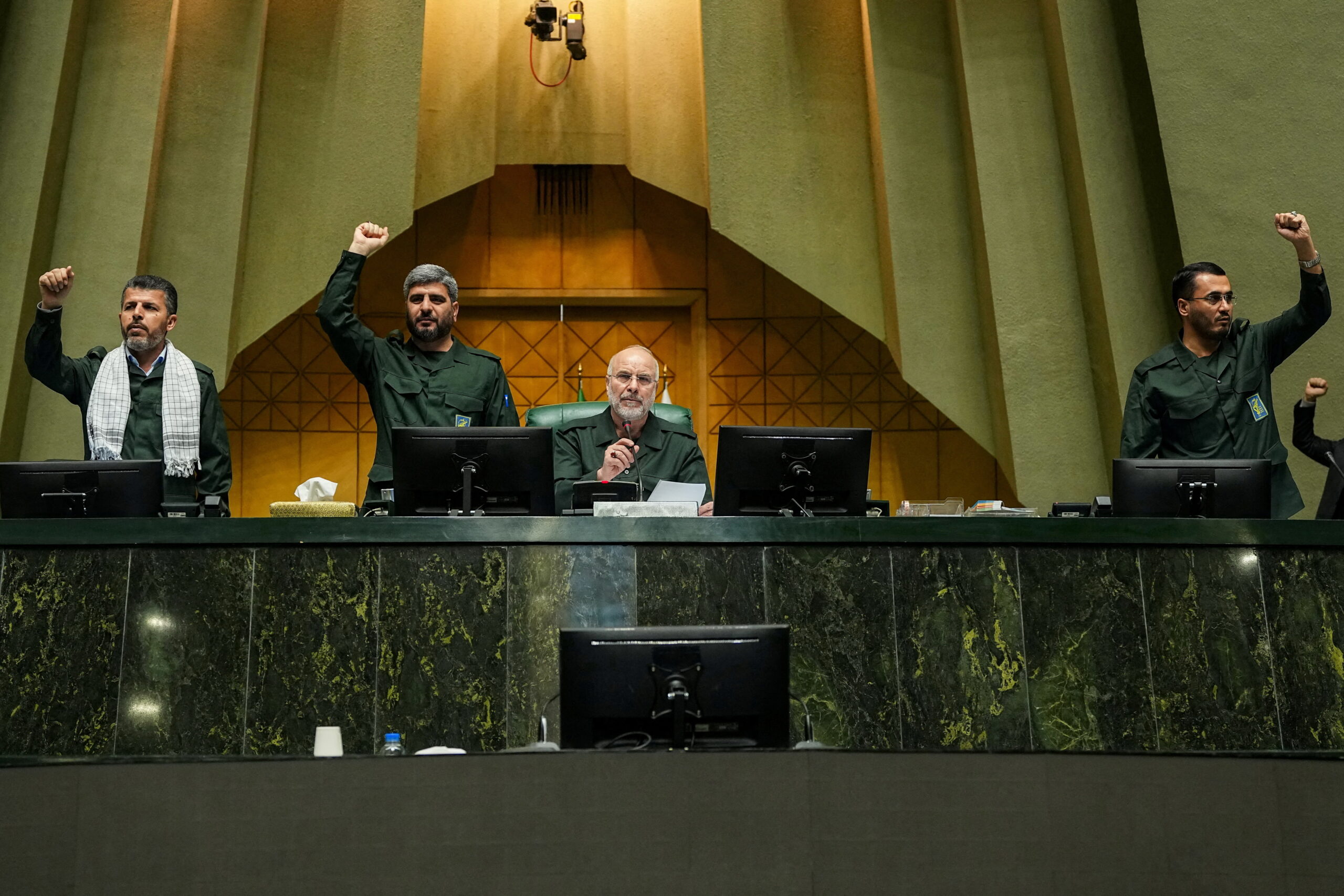
How Did the IRGC Seize Power in Iran?
The IRGC did not seize power in a single stroke. It accumulated it – patiently, methodically – until no counterweight remained.
Events
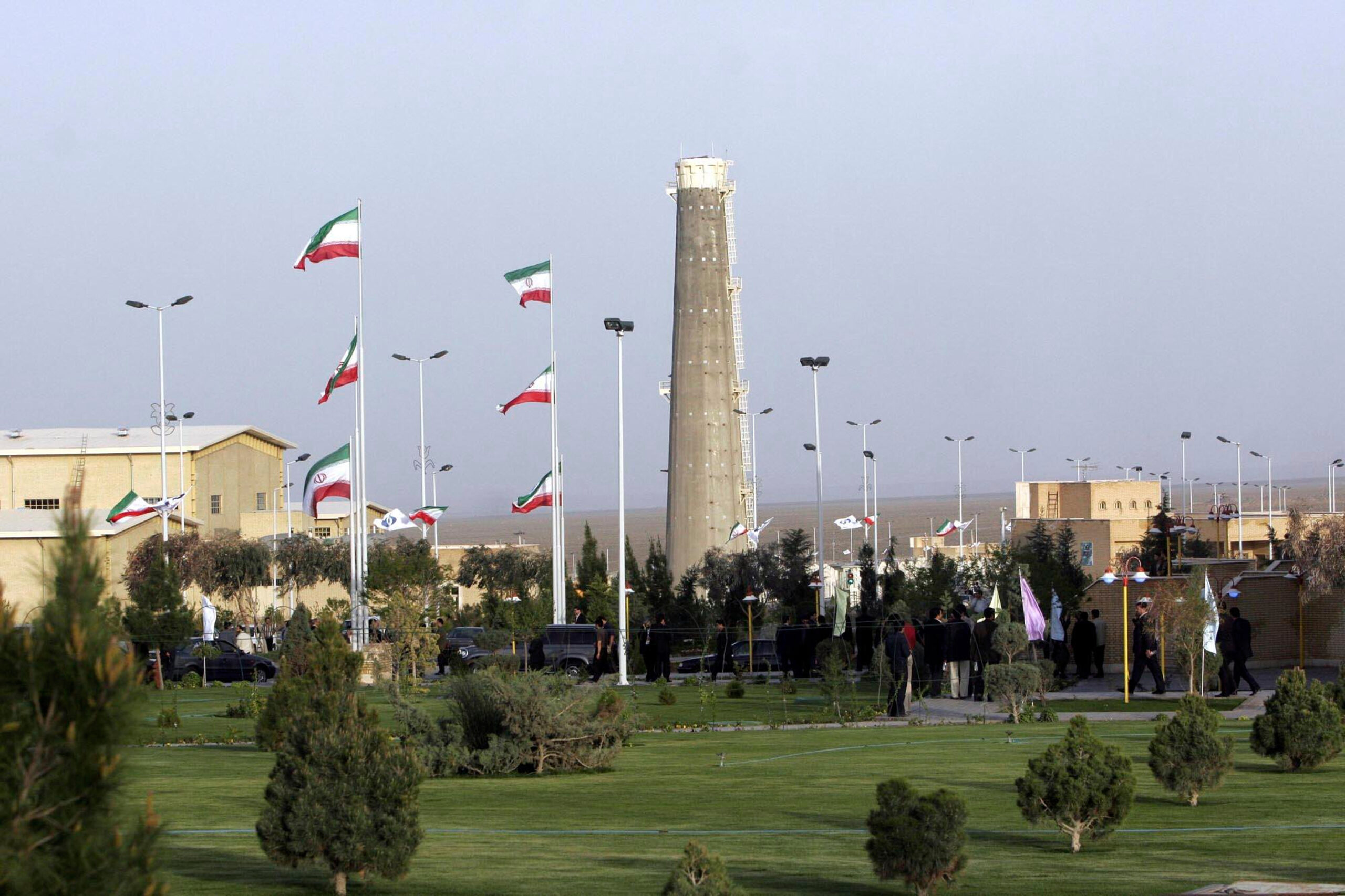
Book Talk: Iran and the Bomb: The United States, Iran and the Nuclear Question
On June 16, AGSI hosted a discussion on the evolution of Iran's nuclear program.
Speakers


Apr 21, 2026
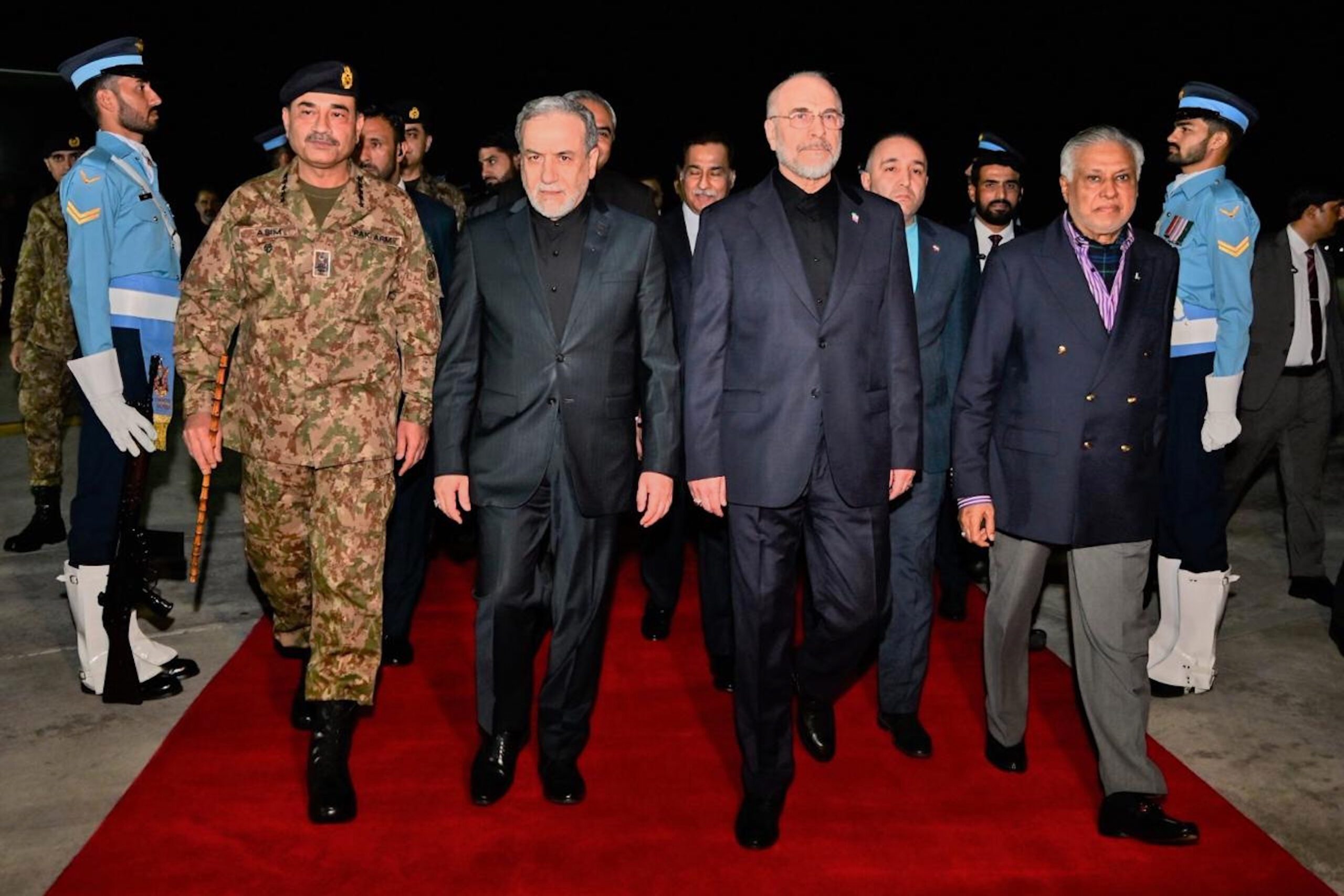
Inside Iran’s Wartime Leadership: Power, Succession, and Regime Stability
On April 21, AGSI hosted a discussion on the evolution of Iran's leadership during the war.
Speakers

Mar 18, 2026
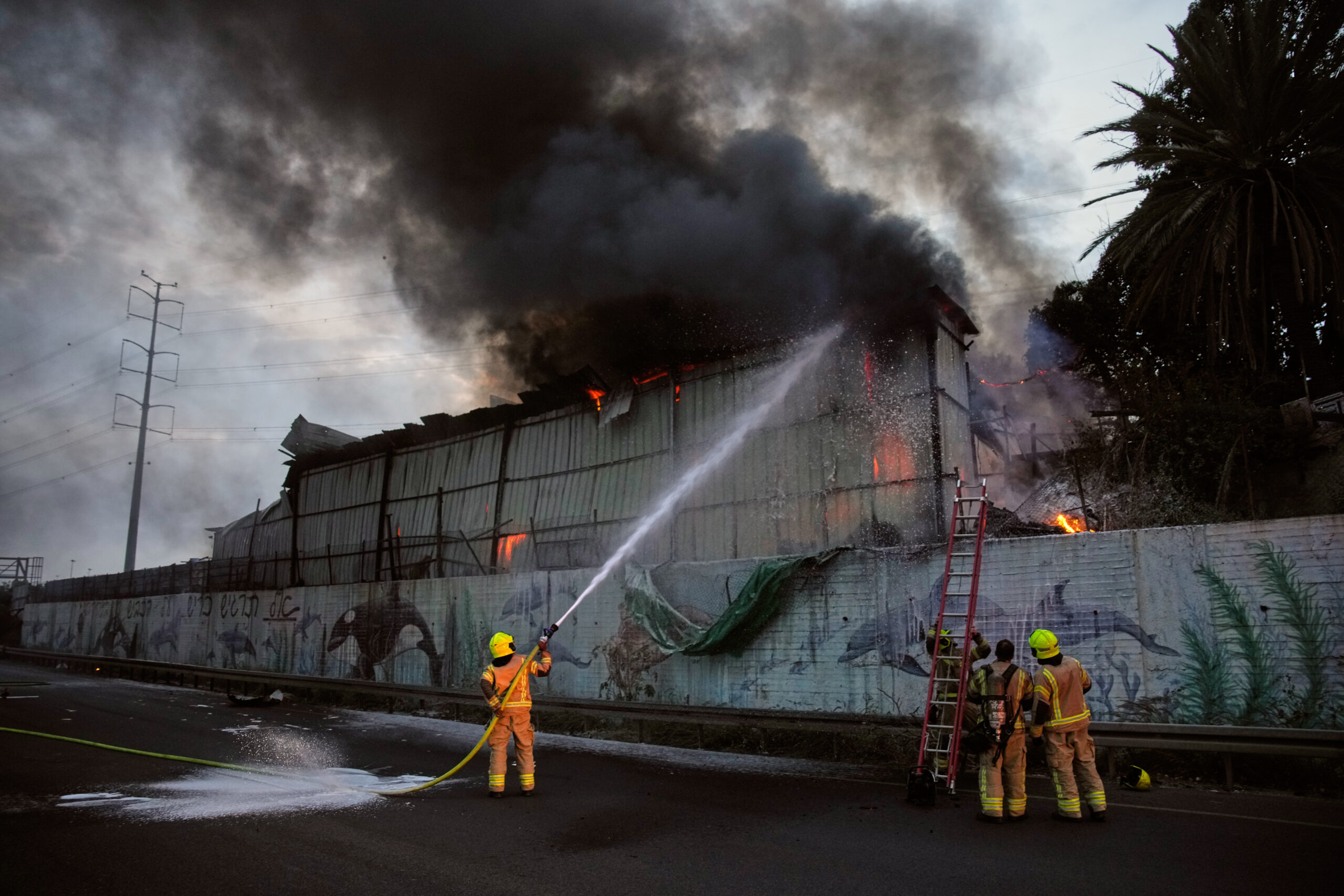
In Its Conflict With the United States and Israel, Does Escalation Favor Iran?
On March 18, AGSI hosted a discussion on the escalation of the Iran war.
Speakers



Mar 2, 2026
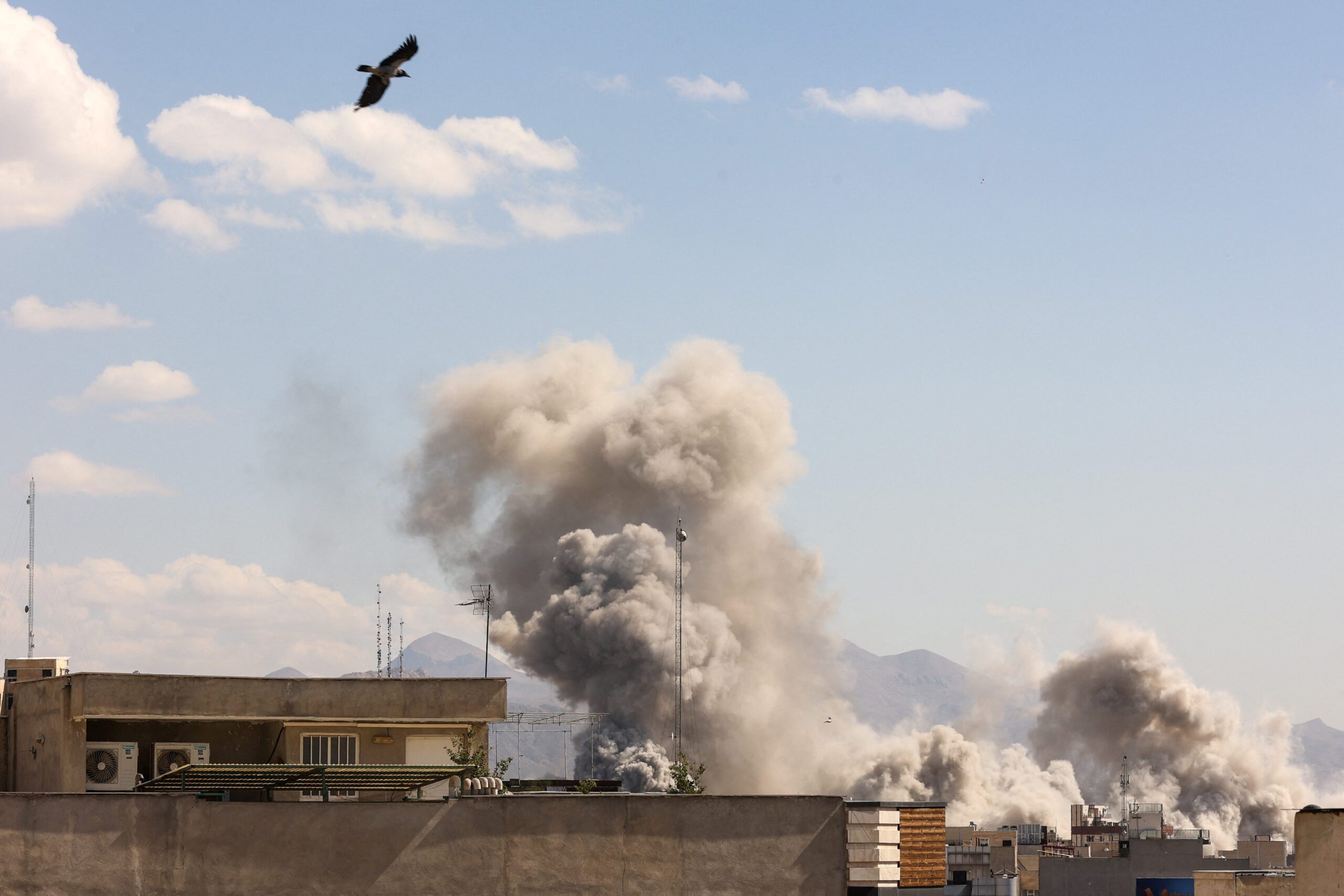
After the Shock: Implications of the U.S.–Israeli Strikes and Iran’s Leadership Transition
On March 2, AGSI hosted a discussion on the U.S.-Israeli strikes on Iran.
Speakers