Jun 26, 2026
IRGC Seeks to Institutionalize Control Over the Strait of Hormuz
The June 26 edition of the Iran Media Review examines IRGC messaging about travel through the Strait of Hormuz.

On May 5, The Wall Street Journal reported on Iran’s introduction of a “new mechanism” to regulate shipping through the Strait of Hormuz. The Maritime Executive later reported that, after Iran announced plans in March to charge for safe passage, fraudulent operators emerged offering fake transit documents in exchange for cryptocurrency. According to Islamic Republic of Iran Broadcasting, vessels seeking passage would instead receive authorization through the official email address [email protected]. By May 7, Iranian media reported the establishment of a “Persian Gulf Strait Authority” to facilitate shipping through the strait in exchange for Bitcoin payments.
Little is publicly known about the Persian Gulf Strait Authority’s structure or personnel, but it appears to function as an Islamic Revolutionary Guard Corps front rather than an independent authority – a conclusion reinforced by the IRGC navy’s latest statement and attempt to institutionalize IRGC control over transit through the Strait of Hormuz.
- May 7: Center-right Farhikhtegan Daily, citing a CNN report, discussed the establishment of the Persian Gulf Strait Authority.
- May 16: Supreme National Security Council mouthpiece Nour News Agency reported that the Iranian Ministry of Economic Affairs and Finance had established a “Hormuz Safe” website to facilitate secure shipping through the strait, in exchange for payment in Bitcoin.
- May 18: The Persian Gulf Strait Authority opened an X account and, on May 20, posted a map delineating the “regulatory jurisdiction for the management” of the Strait of Hormuz. The authority further outlined that jurisdiction as “the line connecting Kuh-e Mubarak in Iran to the south of Fujairah in the UAE and the eastern entrance of the strait, to the line connecting the tip of Qeshm Island in Iran to Umm al-Quwain in the UAE at the western entrance.” The authority demanded: “Transit through this area for the purpose of passing through the Hormuz strait requires coordination with, and authorization from, the Persian Gulf Strait Authority.”
- June 25: In a public statement quoted by Islamic Revolutionary Guard Corps-affiliated Mashregh News, the IRGC navy declared:
- “A few hours ago, without prior notification to or coordination with the Islamic Republic of Iran, certain authorities announced a new shipping route through the Strait of Hormuz. This route is unacceptable and extremely dangerous. All concerned are hereby informed that the only authorized routes for transit through the Strait of Hormuz are those announced by the Islamic Republic of Iran. Navigation outside these designated routes is strictly prohibited and highly dangerous. We warn all vessels to refrain from any transit outside the officially designated shipping lanes. Coordination with the Islamic Revolutionary Guard Corps navy for passage through the Strait of Hormuz via VHF Channel 16 is mandatory. Vessels that fail to comply will be subject to enforcement measures.”
The views represented herein are the author's or speaker's own and do not necessarily reflect the views of AGSI, its staff, or its board of directors.
Related
Iran Media Review
Jun 24, 2026
A Consensus Emerges in Tehran on U.S.-Iran Negotiations
The June 24 edition of the Iran Media Review considers Iranian media responses to ongoing U.S.-Iranian negotiations.
Iran Media Review
Jun 18, 2026
Regime Surveys Show Erosion of Social Capital
The June 18 edition of the Iran Media Review highlights Iranian messaging about Iran’s military strength and societal polarization.
Iran Media Review
Jun 16, 2026
Tehran’s Limited Expectations for U.S.-Iran Agreement
The June 16 edition of the Iran Media Review analyzes Iranian views on a prospective U.S.-Iranian memorandum of understanding to end the war.
Jun 24, 2026
A Consensus Emerges in Tehran on U.S.-Iran Negotiations
The June 24 edition of the Iran Media Review considers Iranian media responses to ongoing U.S.-Iranian negotiations.
Jun 18, 2026
Regime Surveys Show Erosion of Social Capital
The June 18 edition of the Iran Media Review highlights Iranian messaging about Iran’s military strength and societal polarization.
Jun 16, 2026
Tehran’s Limited Expectations for U.S.-Iran Agreement
The June 16 edition of the Iran Media Review analyzes Iranian views on a prospective U.S.-Iranian memorandum of understanding to end the war.
Analysis
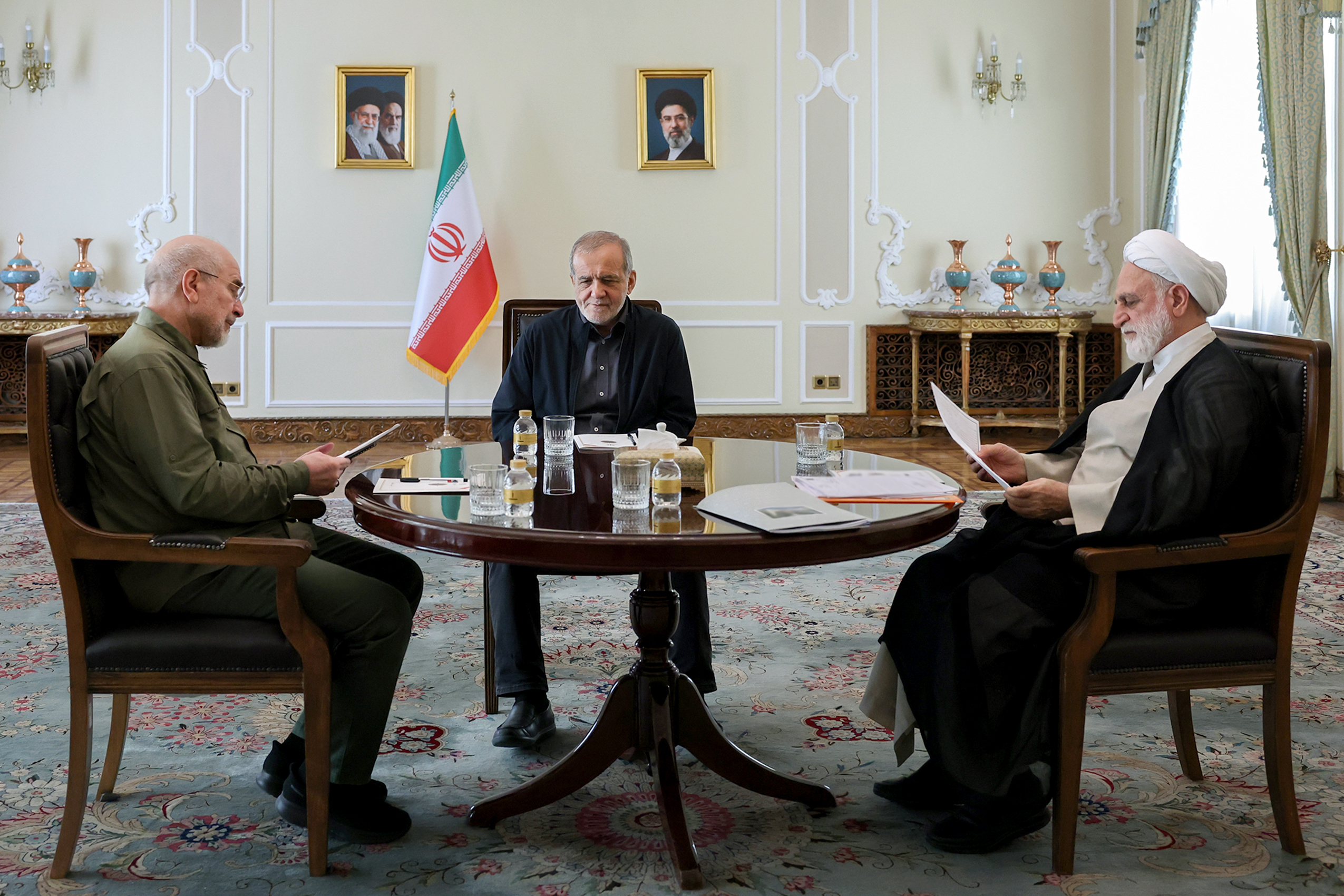
The Committee of Six and Strategic Decision Making in Iran
Remarks by Iran’s president offer a rare glimpse of how the Islamic Republic has adapted its decision making to the absence of its supreme leader.
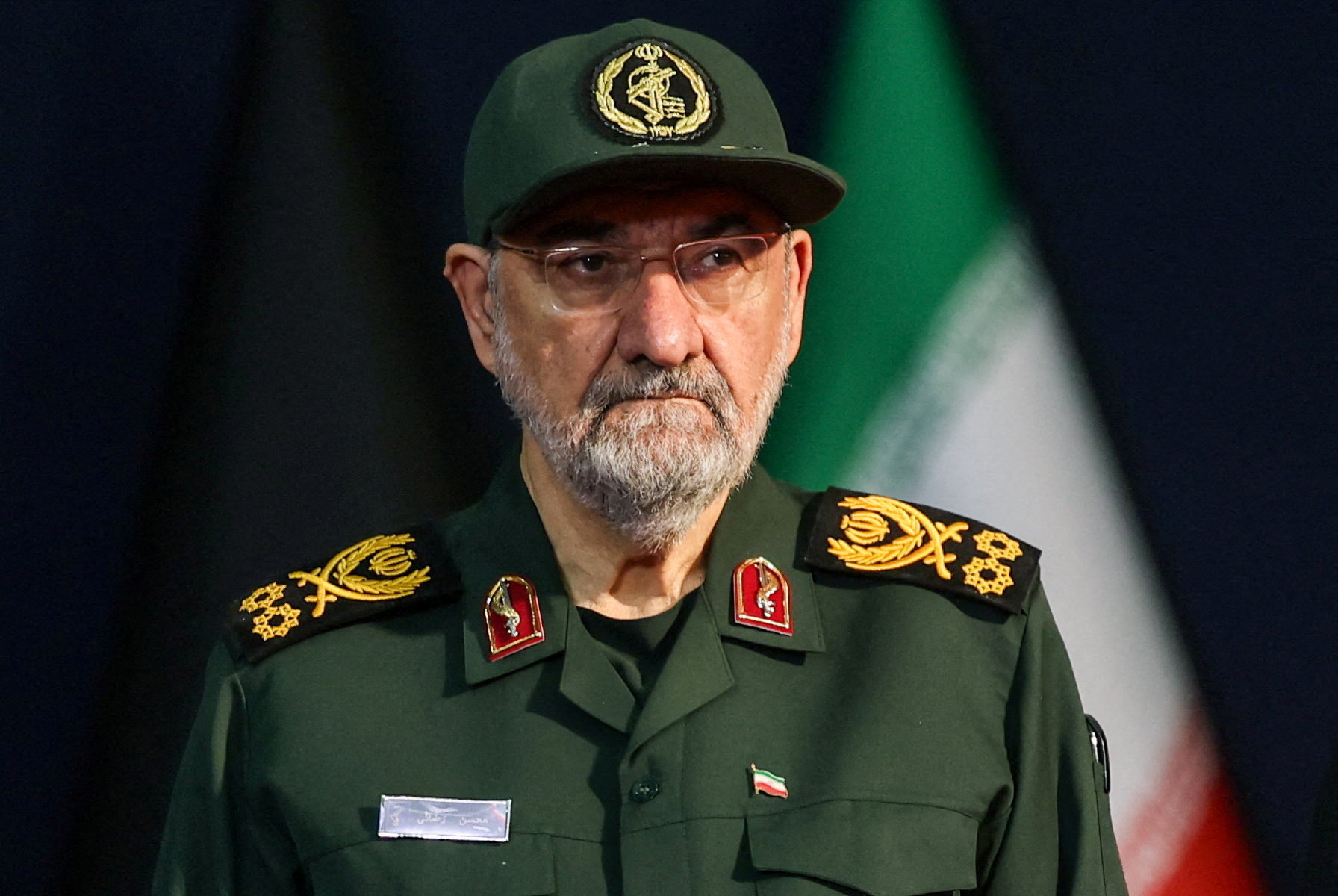
Mohsen Rezaei at the Helm of Iran’s Supreme National Security Council
Under Rezaei, the SNSC could prove constructive or paralyze strategic decision making.
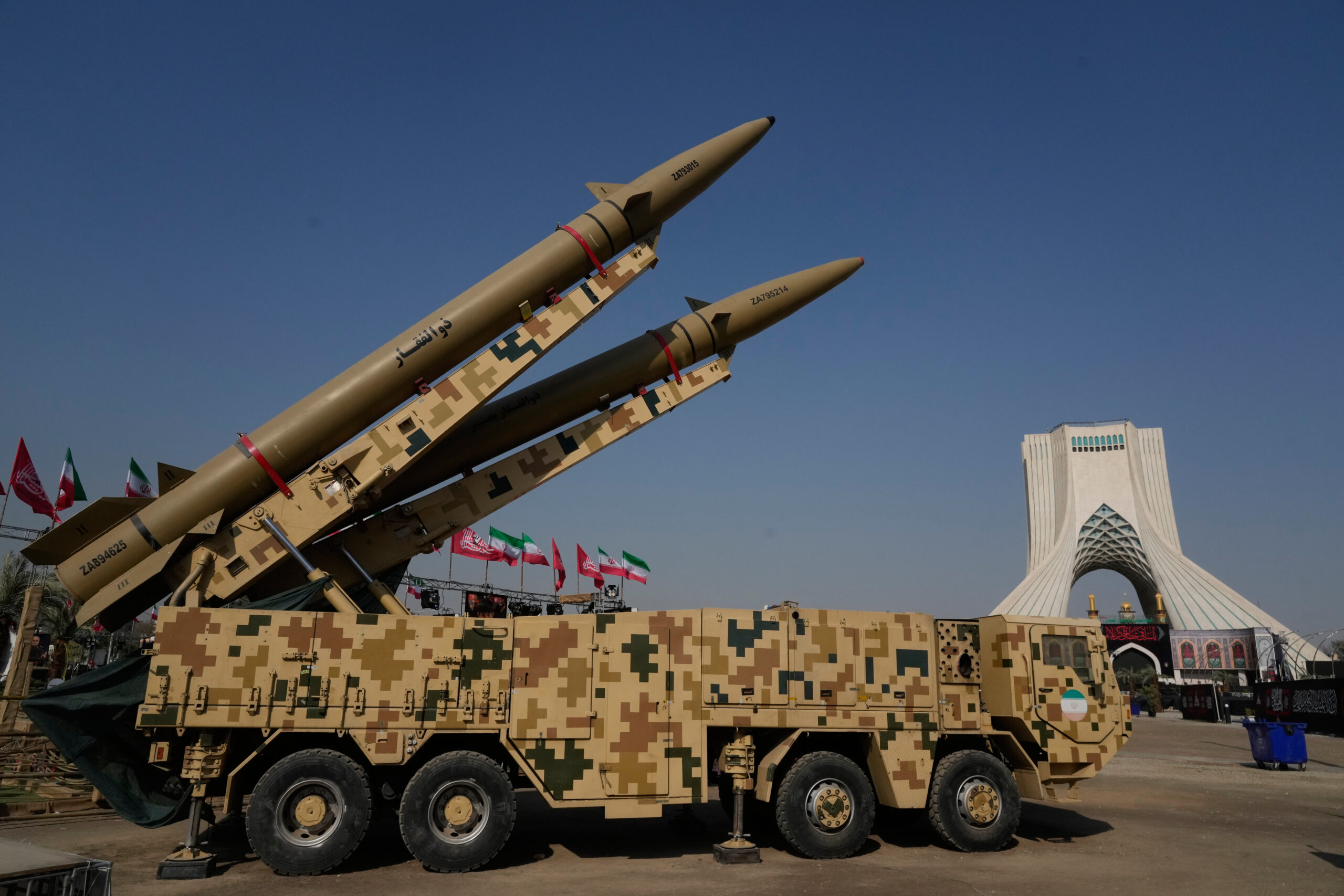
The Islamic Republic Returns to Offense
After U.S.-Israeli strikes killed Supreme Leader Ayatollah Ali Khamenei on February 28, Iran’s collective leadership has concluded that the best defense is a good offense.
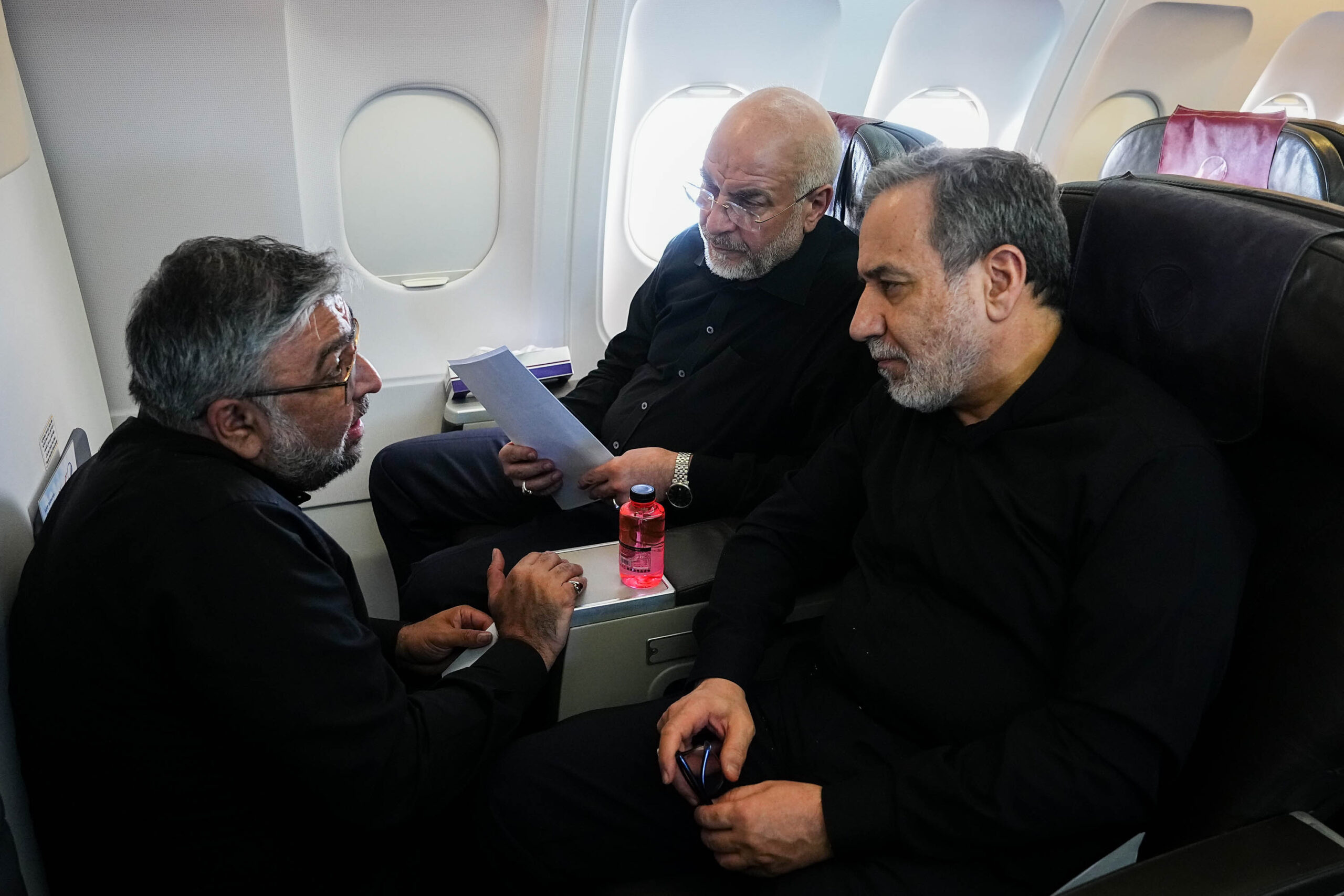
Iran’s Collective Strategic Decision Making
Wartime pressure has temporarily aligned the leadership’s overriding interest in regime survival, even as its members continue to differ over the costs, methods, and ultimate objectives of the war.
Events
Oct 6, 2026
Is the U.S.-Iran Stalemate a “New Normal” or the Prelude to Another Explosion?
On October 6, AGSI hosted a discussion on the U.S.-Iran stalemate and the prospects for a cease-fire.
Speakers



Book Talk: Iran and the Bomb: The United States, Iran and the Nuclear Question
On June 16, AGSI hosted a discussion on the evolution of Iran's nuclear program.
Speakers

Apr 21, 2026
Inside Iran’s Wartime Leadership: Power, Succession, and Regime Stability
On April 21, AGSI hosted a discussion on the evolution of Iran's leadership during the war.
Speakers

Mar 18, 2026
In Its Conflict With the United States and Israel, Does Escalation Favor Iran?
On March 18, AGSI hosted a discussion on the escalation of the Iran war.

Speakers