Iran may still call itself an Islamic Republic. In practice, however, it increasingly resembles a state in which the military governs from behind clerical robes.
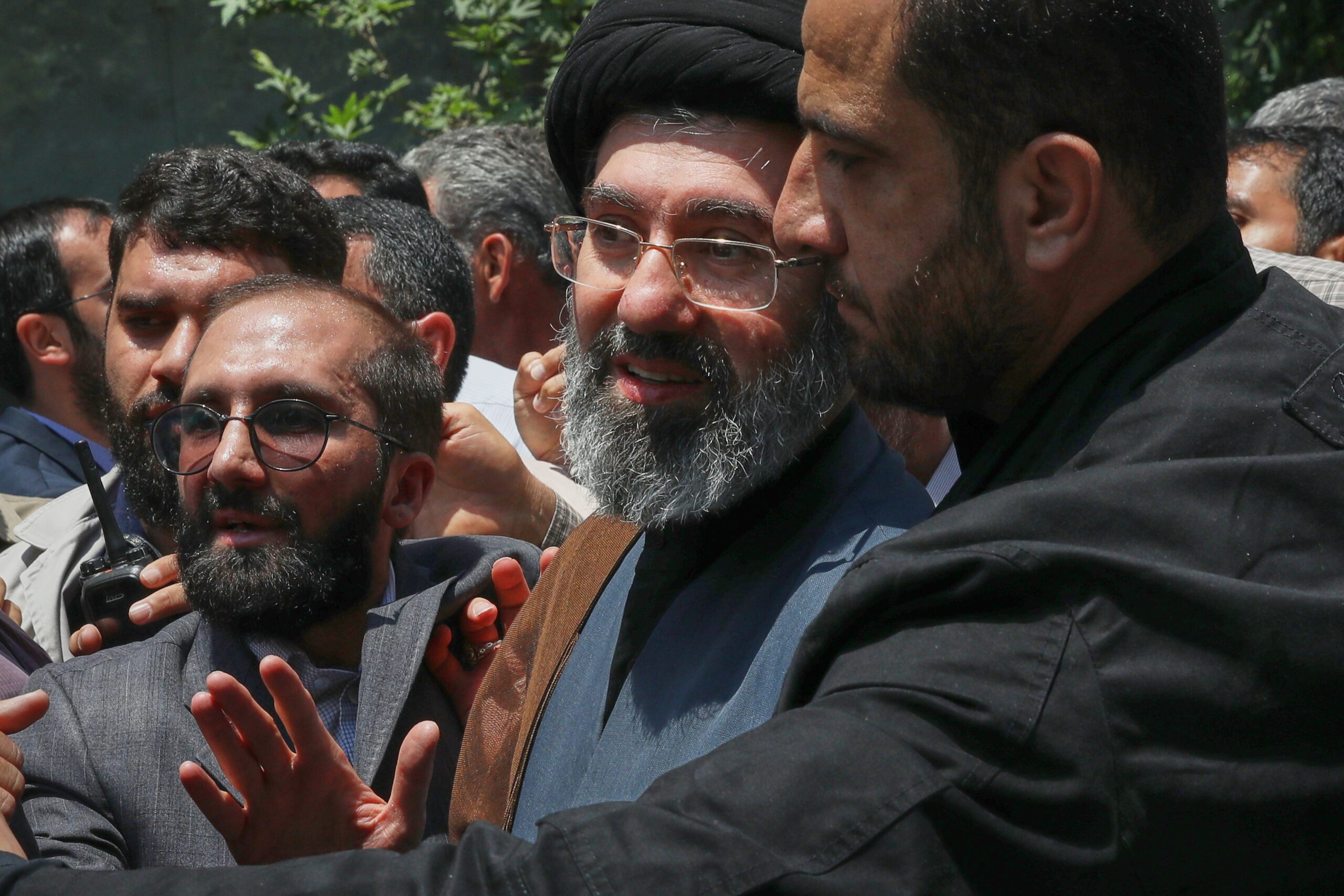
Mojtaba Khamenei, the son of Iran's late Supreme Leader Ayatollah Ali Khamenei, center, attends the annual Quds Day rally in Tehran, Iran, May 31, 2019. (AP Photo/Vahid Salemi)
On March 9, Iran’s 88-member Assembly of Experts elected a new supreme leader: Mojtaba Khamenei, son of the late Ayatollah Ali Khamenei, who had served as Iran’s “leader of the revolution” and “guardian jurist” since 1989. Yet the real ruler of Iran is likely to be the Islamic Revolutionary Guard Corps, which reportedly lobbied heavily for Mojtaba’s elevation. In practical terms, the transition may mark the culmination of a long evolution: the transformation of the Islamic Republic from a theocratic system into a military dictatorship, albeit one fronted by a clerical figurehead.
On March 3, the IRGC-affiliated Saberin News disclosed the names of other possible candidates. They included the gray eminence Ayatollah Alireza Arafi; clerical scholar Hashem Hosseini Bushehri; grandson of Grand Ayatollah Ruhollah Khomeini, Hassan Khomeini; former President Hassan Rouhani; and 92-year-old theologian Ayatollah Abdollah Javadi Amoli. The assembly’s official statement announcing Mojtaba Khamenei’s election, however, offered no insight into the deliberations or the vote count. A few hours prior to the announcement, Hossein Derakhshan, known as the “father of blogging” in Iran, claimed Khamenei’s “written will,” which has yet to be released to the public, had outlined criteria for leadership that would have barred Mojtaba. The same claim has since been made by the London-based Amwaj Media, citing anonymous regime insiders.
Regardless, as with his father, Mojtaba’s theological qualifications are open to question. Ali Khamenei himself did not meet the constitutional requirement of being a recognized marja-e taqlid – a “source of emulation” – as stipulated in Article 109 of Iran’s Constitution. To accommodate his leadership, the regime retroactively amended the constitutional criteria through a referendum. Mojtaba’s religious standing may invite similar scrutiny. Hereditary leadership is also inherently problematic for a regime that justified the overthrow of the monarchy partly on the grounds of hereditary rule. Yet leadership selection in Iran has never been purely a matter of theology, constitutionalism, or principle. It reflects instead the regime’s imperatives: signaling continuity to its loyalists, projecting defiance toward foreign adversaries, and reflecting the internal balance of power.
Mojtaba’s personal circumstances may have strengthened his candidacy. Reportedly wounded in a failed assassination attempt February 28*, and having lost his parents and wife in an Israeli attack, he now occupies a powerful symbolic position as a “living martyr.” Such symbolism carries weight among the regime’s roughly 10-million-strong support base, which demonstrated its loyalty during the 2023 presidential election by backing hard-line candidate Saeed Jalili. Mojtaba’s election therefore reassures the regime’s core constituency of continuity while simultaneously sending a message of defiance to Israel and the United States. Most important, it has the decisive support of the IRGC.
Little is known about the 56-year-old Mojtaba Khamenei. He has never given a public interview, and so his voice is unfamiliar to most Iranians. His public appearances have been rare – typically limited to two annual events: the February 11 Revolution Day parade and the Quds Day rally on the final Friday of Ramadan.
The fragments that do exist, however, offer glimpses into his political formation. In 1986, toward the end of the Iran-Iraq War, Mojtaba reportedly spent several weeks at the front alongside Hossein Taeb, who would later head the IRGC Intelligence Organization. Nearly two decades later, Mojtaba appeared at Mahmoud Ahmadinejad’s campaign headquarters during the 2005 presidential election. Mehdi Karroubi, a rival candidate, publicly protested the visit, arguing that it signaled Khamenei’s preference for Ahmadinejad. During the upheaval following the disputed 2009 presidential election, Mojtaba served as his father’s emissary to opposition leaders Mir-Hossein Mousavi and Karroubi. This role raised speculation about Mojtaba running his father’s office (as Ahmad Khomeini performed the role of gate keeper at his father’s office in the 1980s), but this cannot be corroborated. Beyond these episodes, reliable information about him remains scarce, though rumors persist that he and his wife sought medical treatment in London in the early 2000s.
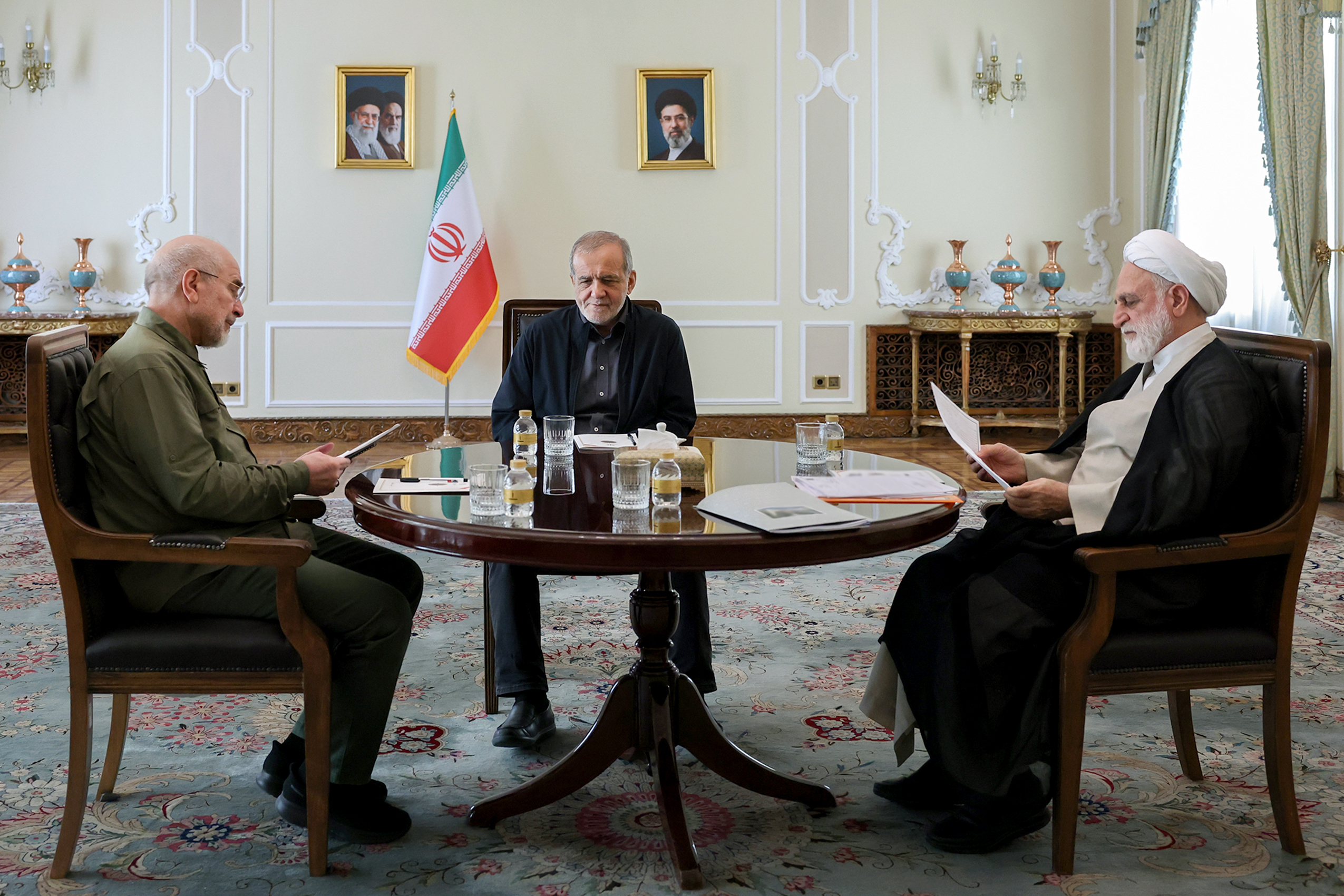
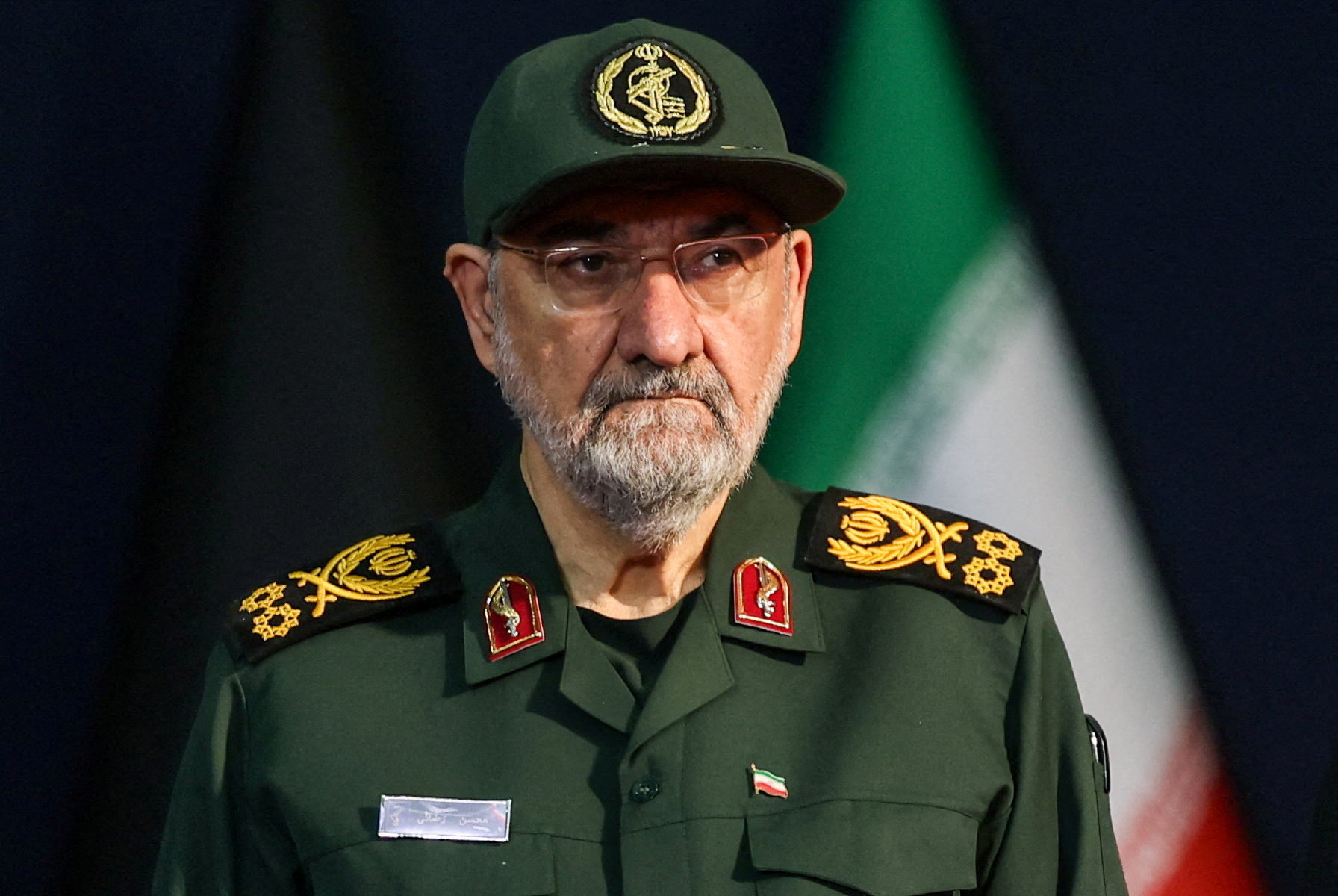
Much like his father before him, Mojtaba will require years to consolidate real authority, and he may never achieve it. For the time being, Iran will likely continue to be governed by an informal collective leadership: President Masoud Pezeshkian, Parliamentary Speaker Mohammad-Bagher Qalibaf, Judiciary Chief Gholam-Hossein Mohseni Ejei, IRGC Chief Commander Brigadier General Ahmad Vahidi, and a representative from the regular military, with the IRGC having the upper hand in national security decision making.
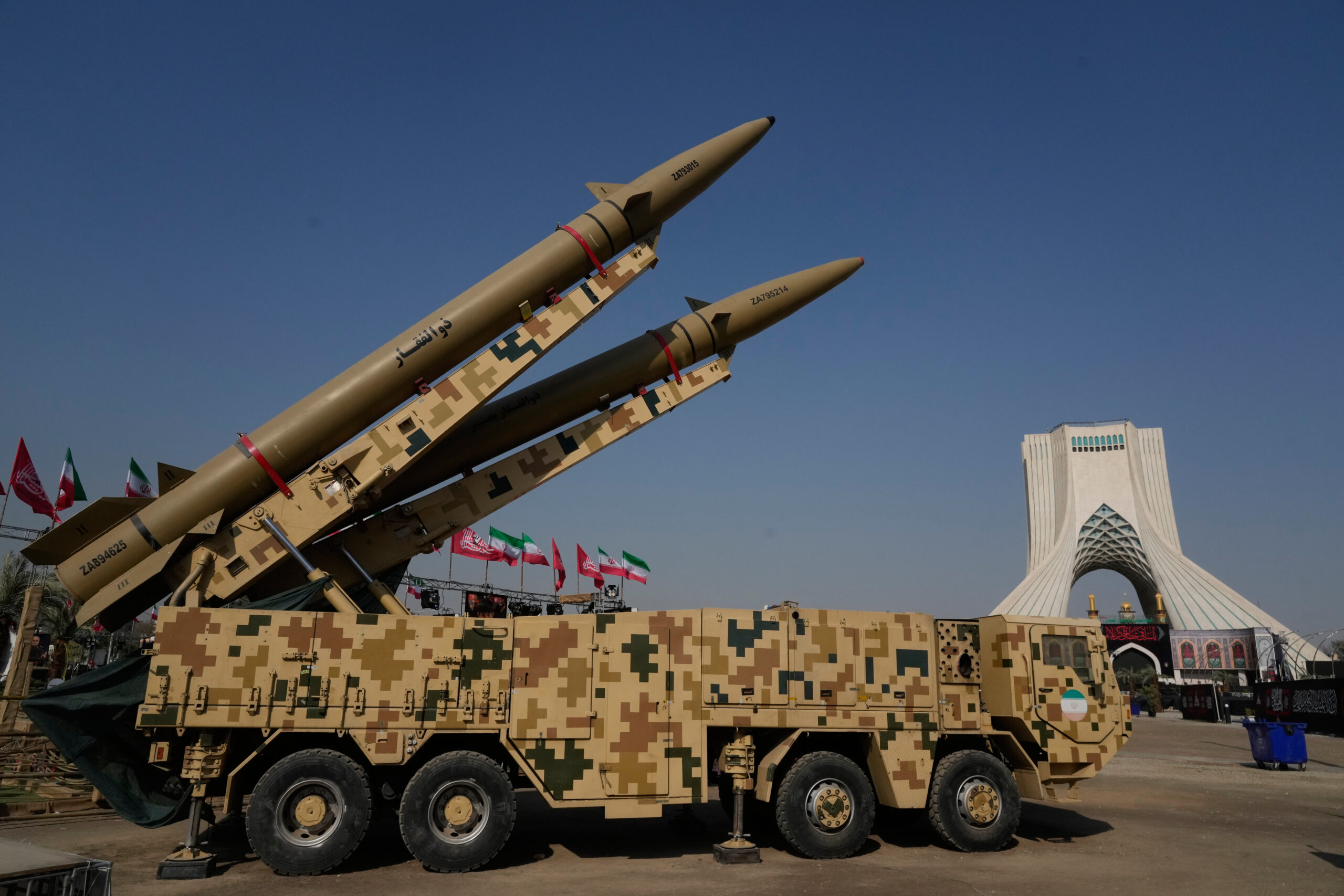
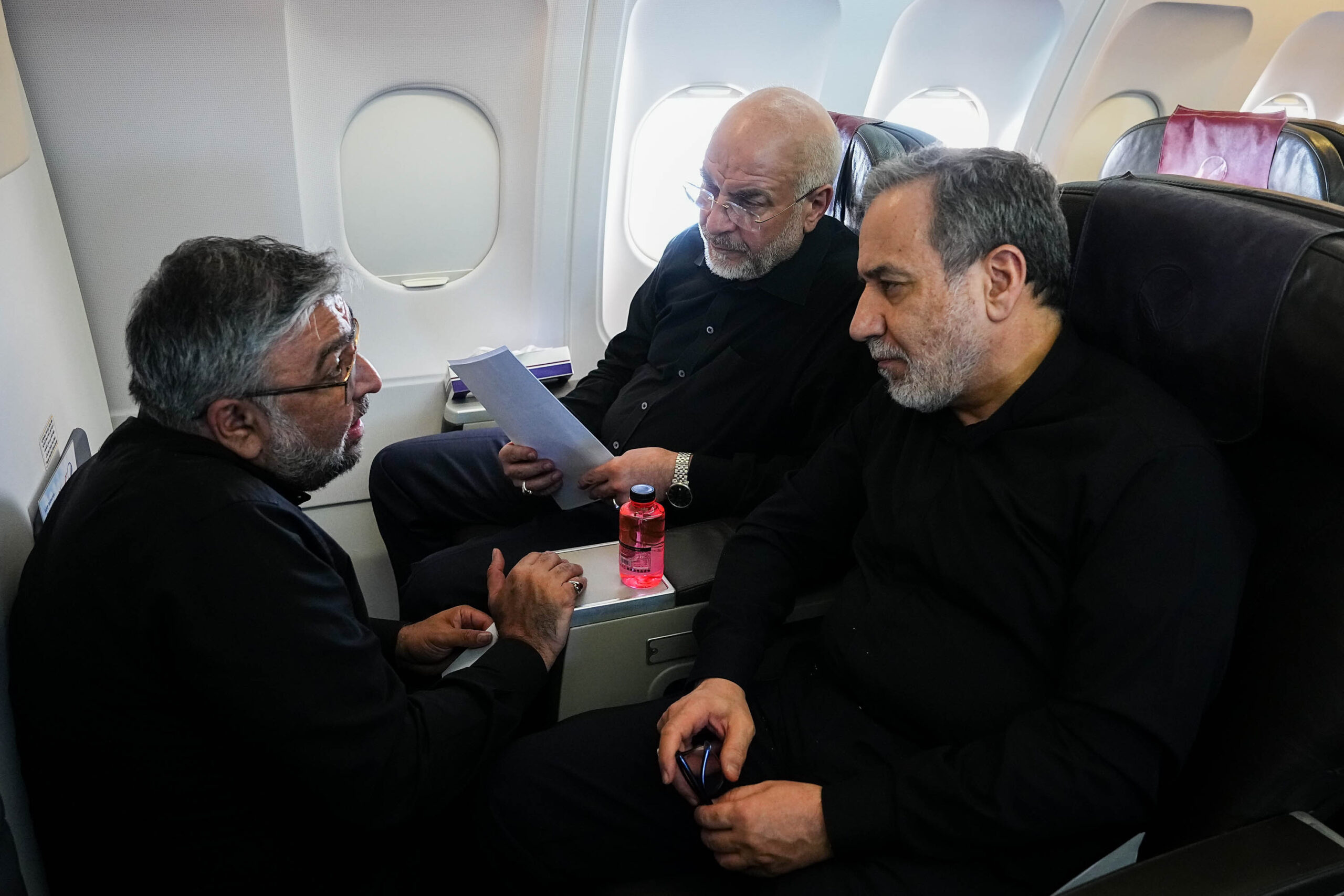
Members of this governing circle have already signaled their approach to the ongoing confrontation with Israel and the United States. They have stated that Iran will continue striking neighboring countries hosting U.S. military bases. In a particularly forceful 45-minute interview delivered without a teleprompter, Ali Larijani argued that even if Washington offers a cease-fire, Iran should reject it; there is no guarantee the United States would not attack again within months. His prescription was blunt: Punish the United States – and punish President Donald J. Trump in particular. Shortly thereafter, Foreign Minister Abbas Araghchi insisted that Washington had already floated the idea of a cease-fire, an offer Tehran has refused to consider. No administration sources or U.S. media outlets have confirmed that such an offer has been made. This war strategy had previously been presented by the IRGC.
For decades, Iran has steadily drifted toward militarization. As Ayatollah Ali Khamenei aged, he relied increasingly on the IRGC to safeguard the regime against both internal dissent and external pressure. In return, the IRGC expanded its influence across Iran’s political, economic, and security institutions. Mojtaba’s elevation therefore represents less a rupture than the logical culmination of that long trend. The clerical establishment retains the formal trappings of authority, but the decisive power now resides elsewhere. The IRGC has emerged as the regime’s ultimate arbiter.
Iran may still call itself an Islamic Republic. In practice, however, it increasingly resembles a state in which the military governs from behind clerical robes. If the current trajectory continues, Iran’s political system may come to resemble that of neighboring Pakistan – where the army dominates the state, while civilian institutions provide a facade of constitutional order. In a darker scenario, the concentration of power around the security apparatus could push the country toward something closer to North Korea: a militarized state sustained by nationalism, repression, and permanent confrontation with the outside world.
*Correction: This piece originally stated that Mojtaba Khamenei was wounded March 6. He was wounded February 28.
The views represented herein are the author's or speaker's own and do not necessarily reflect the views of AGSI, its staff, or its board of directors.
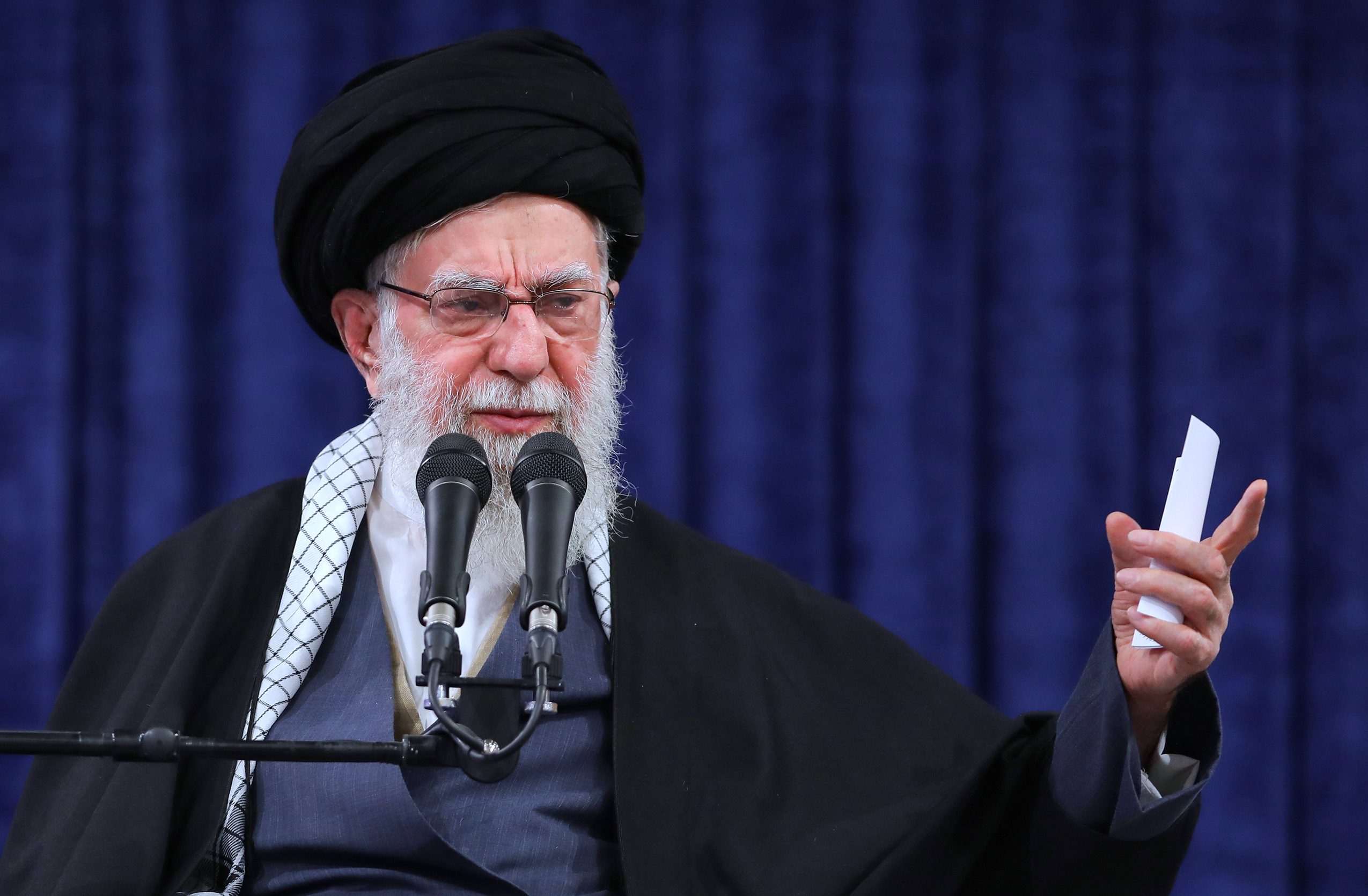
Ayatollah Ali Khamenei was killed in his office in Tehran at age 86, leaving behind a country in ruins and on the verge of civil war and potential disintegration.
Iran is signaling that it will not absorb attacks passively. But whether this strategy ensures the regime’s survival, seals its fate, or accelerates a broader catastrophe will shape the region for years to come.
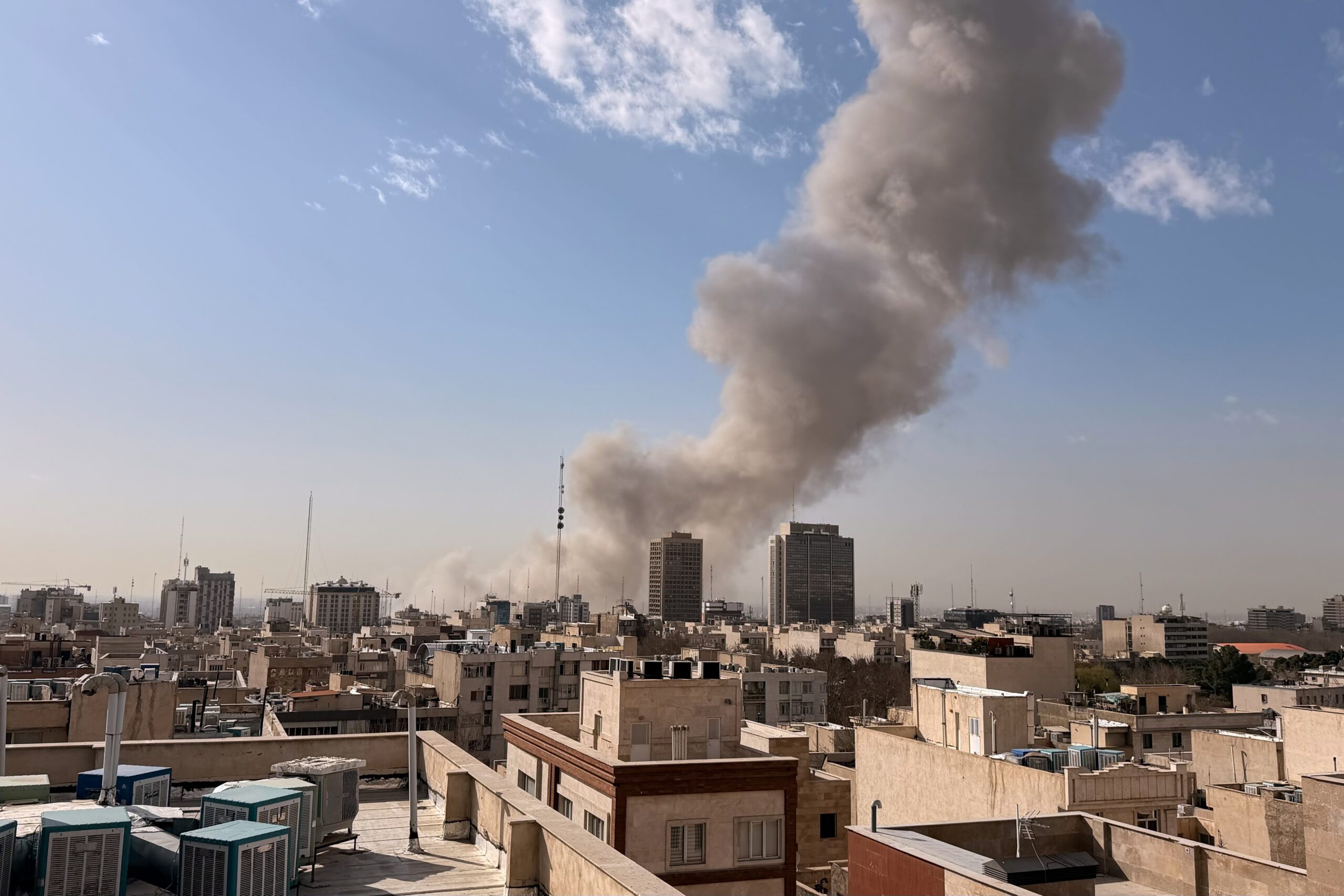
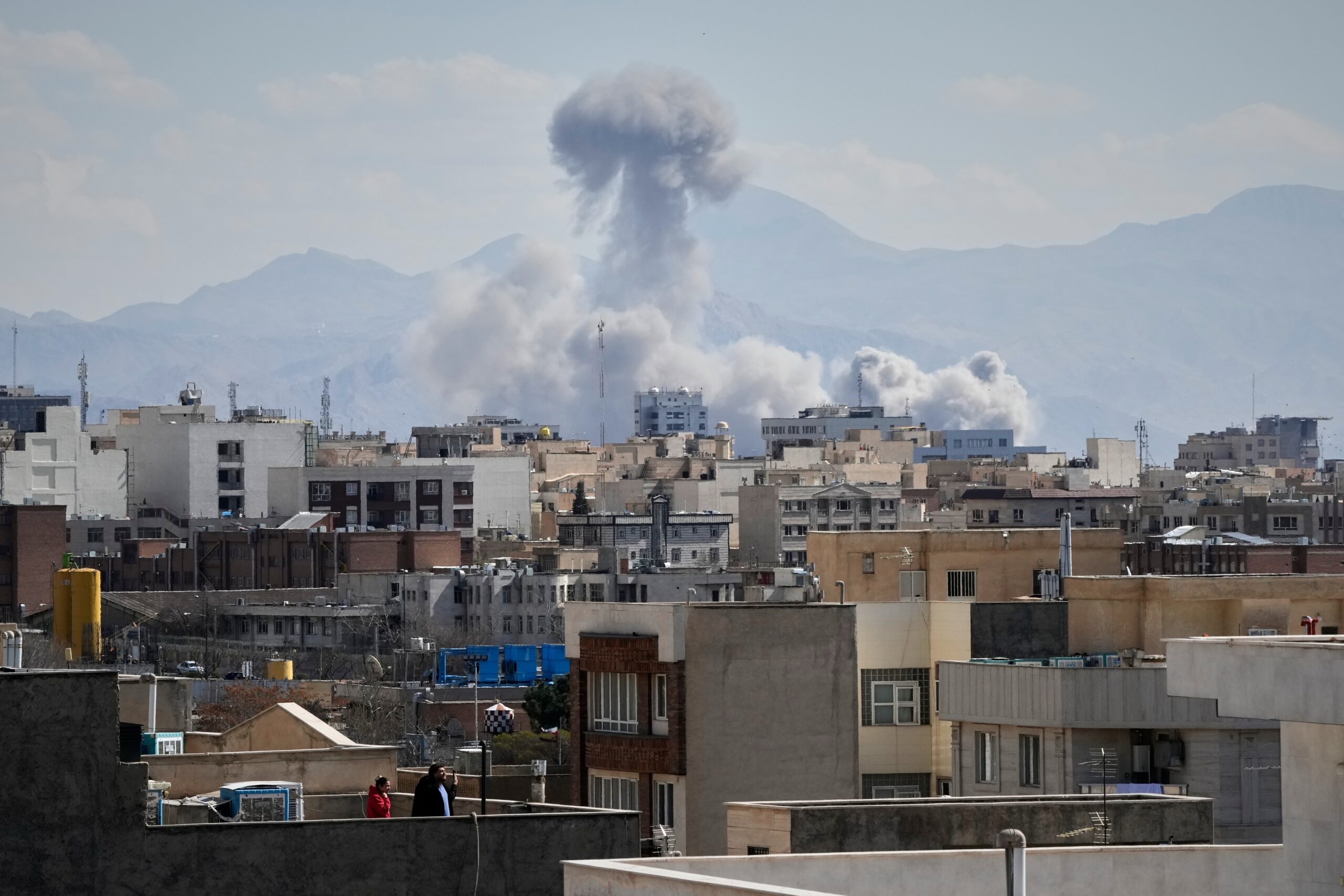
After U.S.-Israeli strikes killed Supreme Leader Ayatollah Ali Khamenei on February 28, Iran’s collective leadership has concluded that the best defense is a good offense.
Wartime pressure has temporarily aligned the leadership’s overriding interest in regime survival, even as its members continue to differ over the costs, methods, and ultimate objectives of the war.