Caught in the Crosshairs, Gulf Arab Countries Remain Crucial to Peace
Though they were unsuccessful in preventing the current conflict, and, as expected, have been dragged into the U.S.-Israeli confrontation with Iran, Gulf Arab countries remain crucial to hopes for limiting the war and bringing it to a quick resolution.
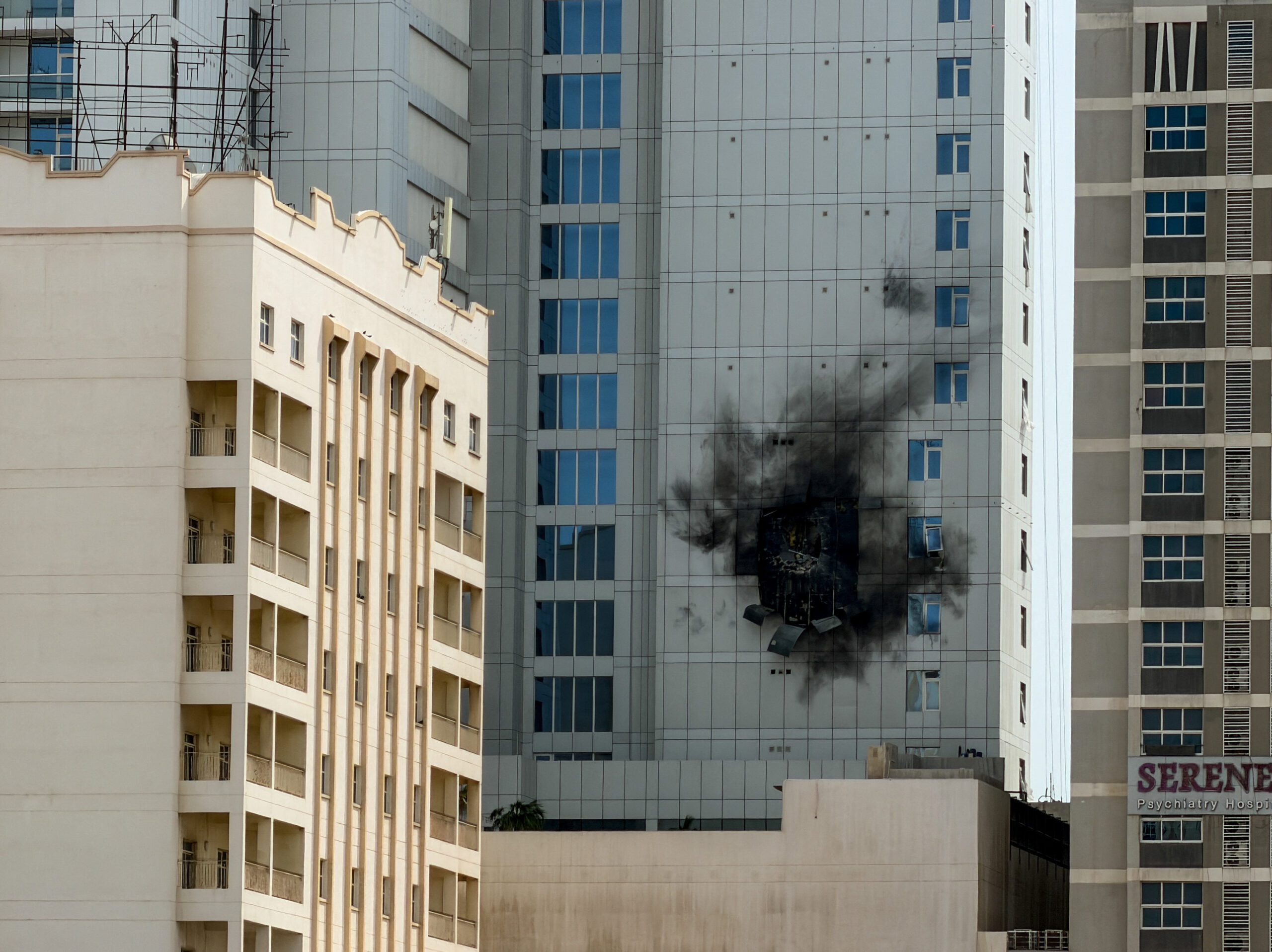
A building damaged by an Iranian drone attack in Juffair, Manama, Bahrain, March 1. (REUTERS/Hamad I Mohammed)
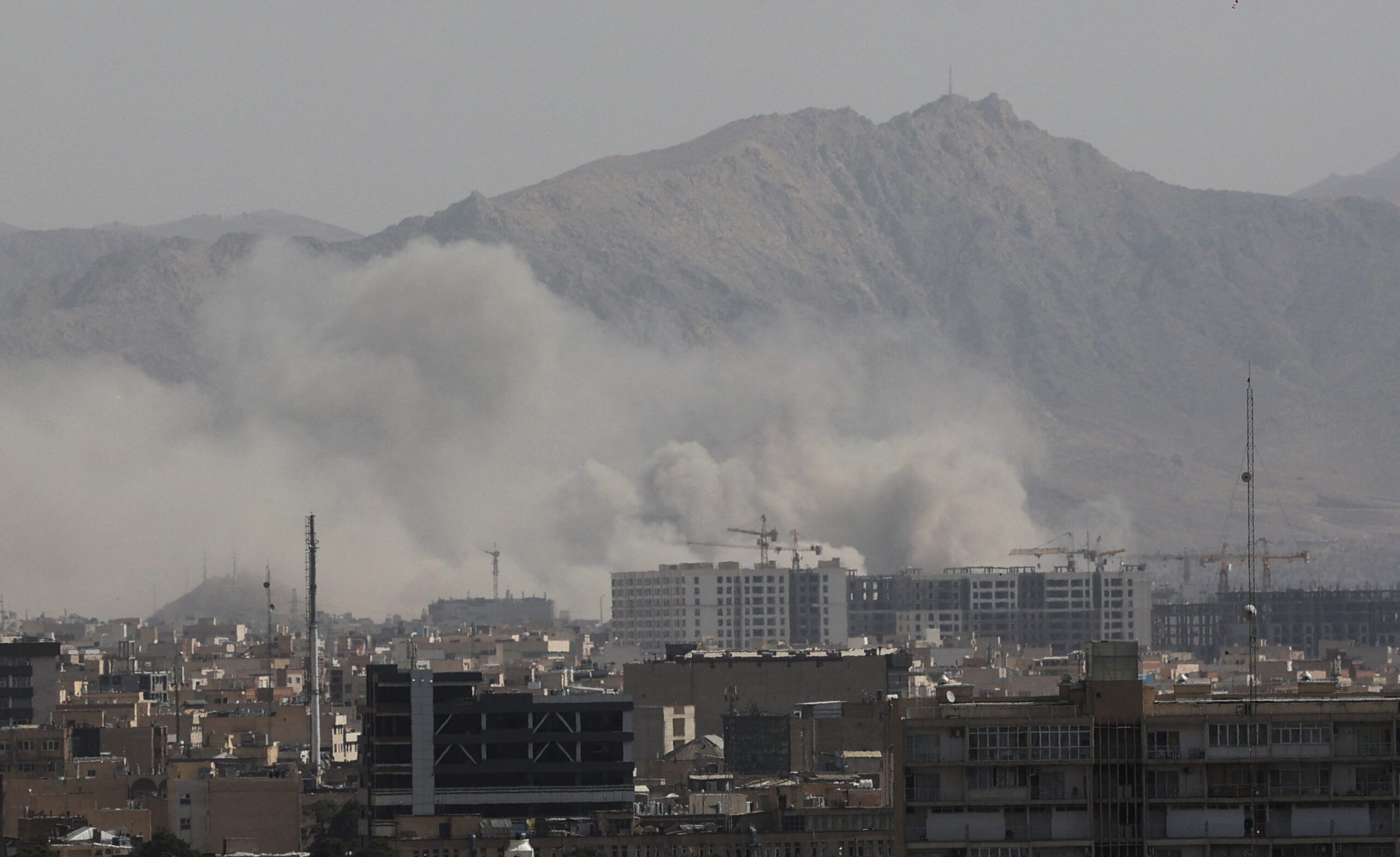
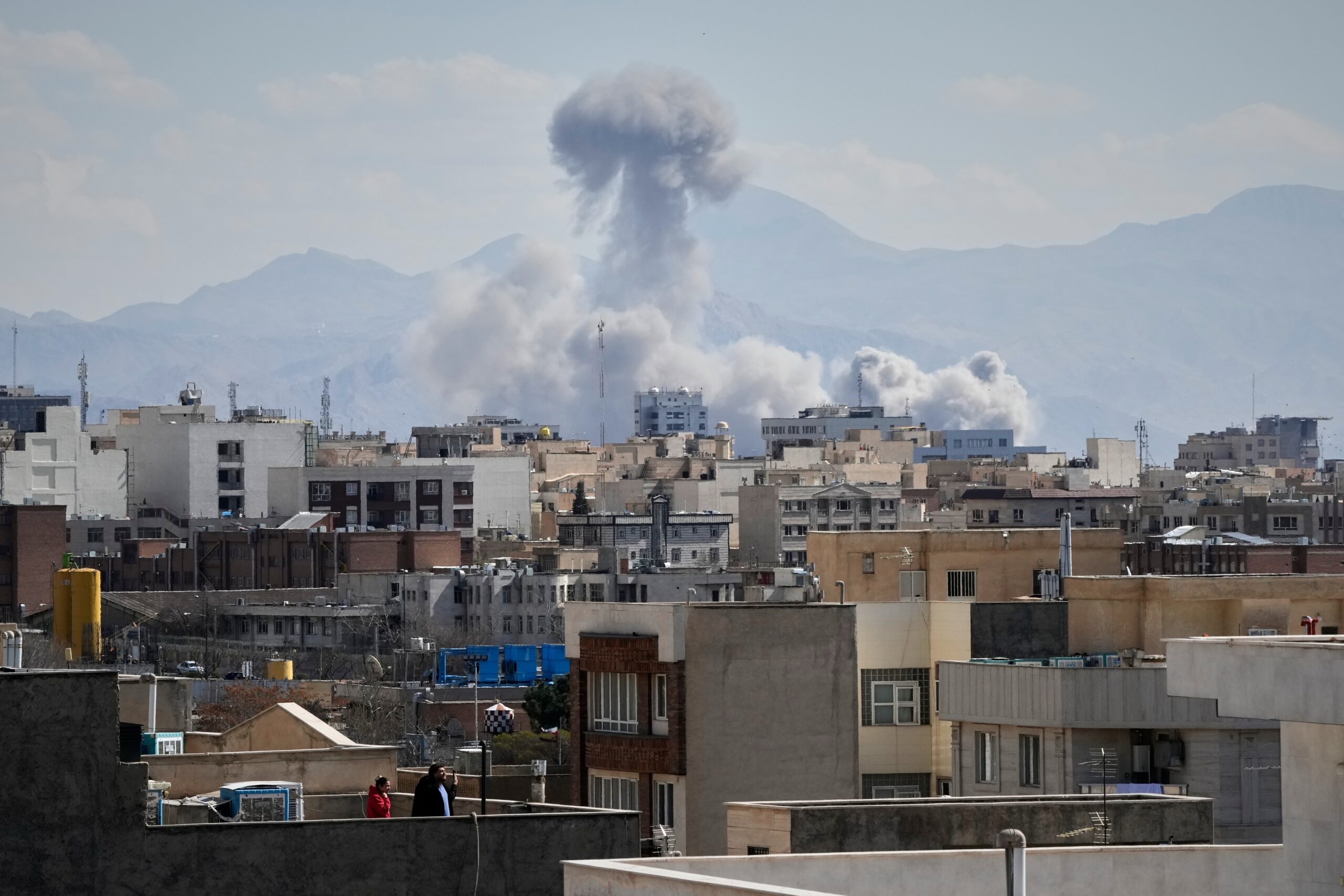
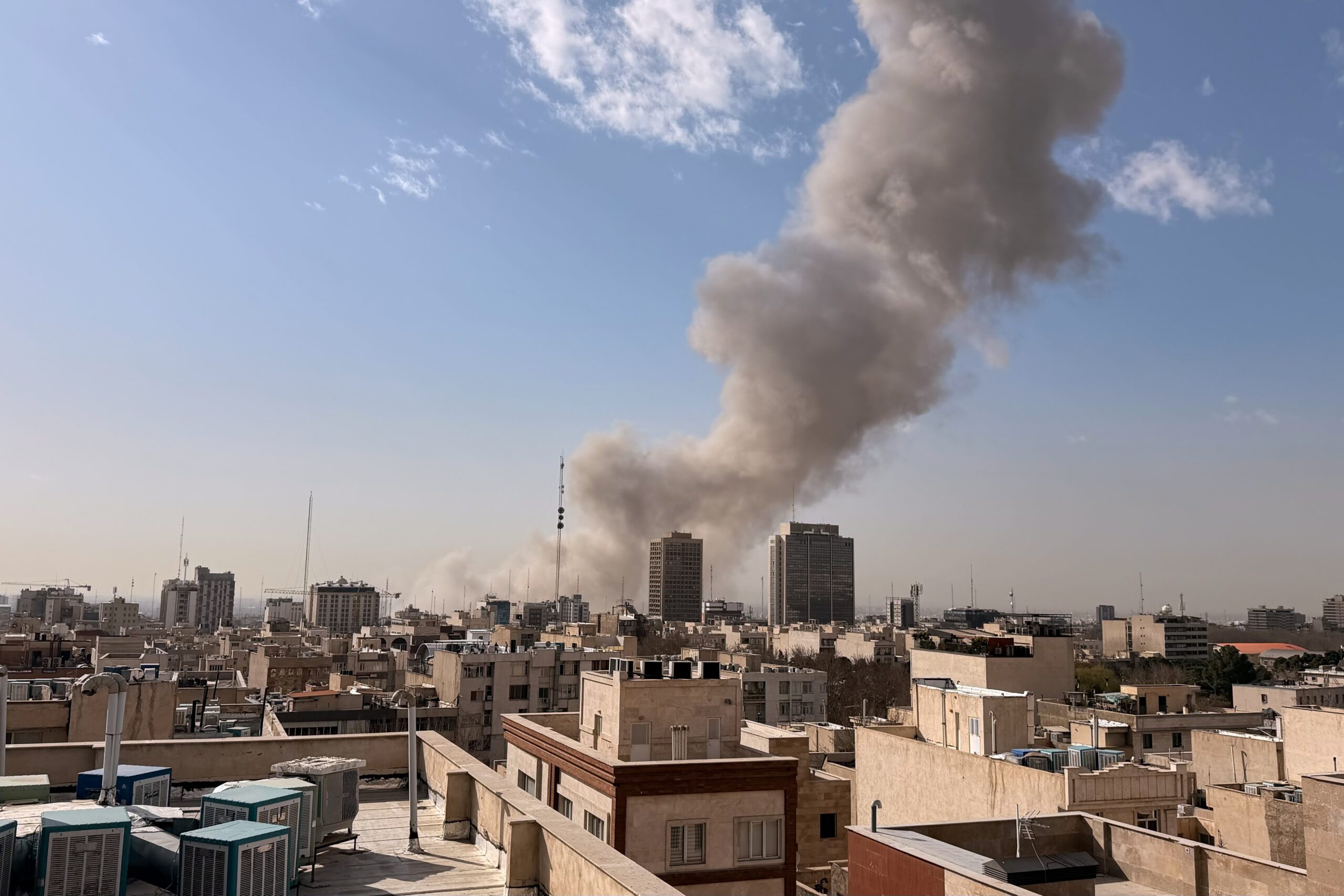
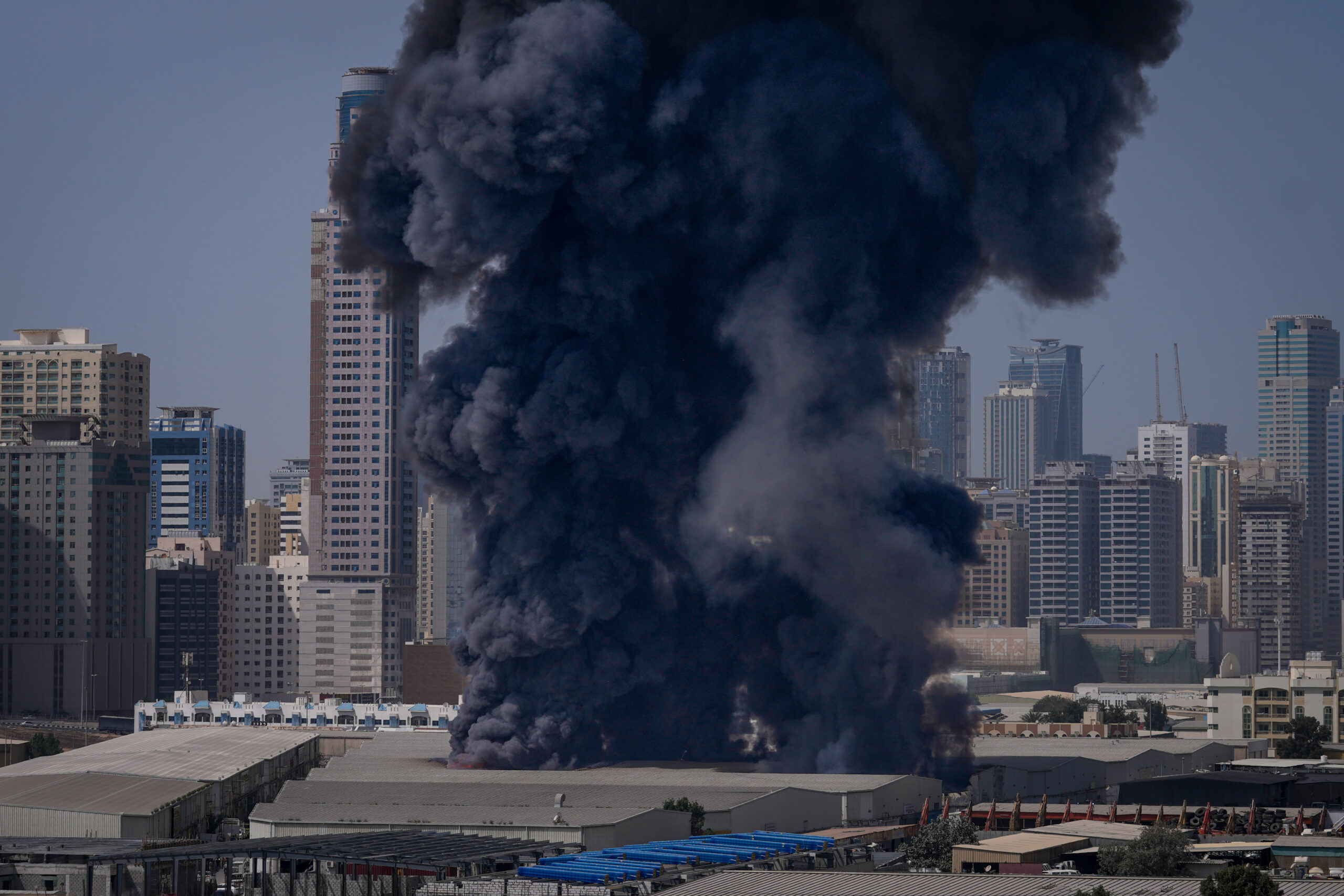
For the Gulf countries, the U.S.-Israeli bombardment of Iran is a long-dreaded development that they had all, in their various ways, sought to prevent but, individually and collectively, could not. Opposition to the attack against Iran does not reflect any softening of attitudes toward the Iranian regime, especially in those Gulf countries – the United Arab Emirates, Saudi Arabia, and Bahrain – most at odds with Iran’s policies. Rather this opposition was rooted in a profound sense of vulnerability, a belief that Iran was being successfully contained and posed less of a threat in recent years than it had for most of the past two decades plus an abiding belief that they would be targeted no matter what they did to stay out of the conflict. They were not wrong – the overwhelming bulk of Iran’s retaliatory strikes have been aimed at Gulf Arab countries, especially the UAE and Qatar. At least three people are reported to have been killed in the UAE, and major damage has been done around the region. And while the antimissile and aerial defense systems in which the Gulf countries have invested heavily have performed relatively well, they have not prevented death and destruction from raining down. And now, just a few days into the conflict that President Donald J. Trump says might last up to four or five weeks, there are growing concerns that the inventories of antimissile warheads in Gulf countries may run out before Iran’s missiles and drones do, leaving these countries even more vulnerable to continued attacks.
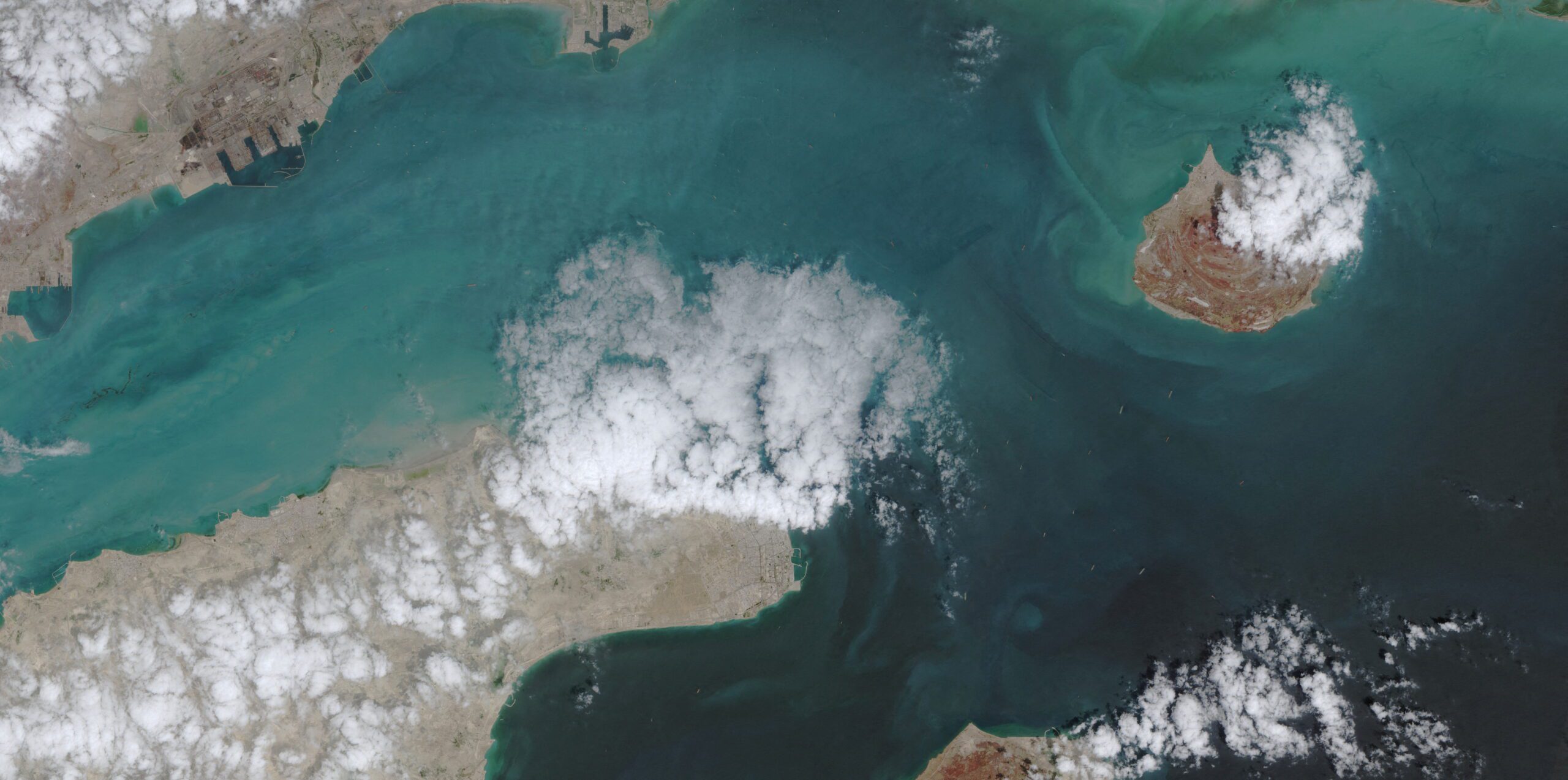
The current conflict marks an inflection point in a number of important relationships involving the Gulf Cooperation Council states and within the organization itself. The GCC was founded in May 1981, following alarm at the revolutionary extremism taking root in the post-monarchy regime of the Islamic Republic of Iran. It was, in effect, founded as an anti-Iranian alliance or, at least, an alliance designed to offset the threat posed to the region’s Arab countries by the new, radicalized regime that was openly calling for the spread of its “revolution” to its neighbors. The threat was greatest to Bahrain, because the shah had asserted a total territorial claim on the island country when it gained independence from Britain in 1971, only to be compelled by the United States, United Kingdom, and United Nations to pull back its naval forces and formally renounce its territorial ambitions. However, in Bahrain and elsewhere among Gulf Arab societies, the abiding sense has been that Iran was never convinced, and, given that the territorial claims regarding Bahrain have been reasserted in recent years by Iranian hard-liners, this anxiety is stronger than ever. The UAE also has a major territorial dispute with Iran over three strategic islands in the waters of the Gulf, the Greater and Lesser Tunbs and Abu Musa, which were seized by Iran in 1971 as the UAE also gained independence from Britain.
On top of these territorial disputes, the prospect of an effort by the new revolutionary regime in Iran to inspire analogous anti-monarchical uprisings in neighboring Arab states was highly alarming. And, to some extent, these aggressive designs have remained part of the core agenda for the network of militia and armed groups run by the Islamic Revolutionary Guard Corps Quds Force in Arab countries with significant populations receptive to Iranian entreaties. The original project – Hezbollah in Lebanon, formed in 1982 after Israel’s invasion – has grown to include younger but also potent armed groups in Iraq and Yemen. Iran, therefore, has continued to be perceived as a hegemonic, subversive, and ideological threat to Gulf monarchies, with alarm ebbing and flowing but never receding that much.
However, Gulf countries with a more confrontational attitude toward Iran decisively turned away from support for conflict with Tehran in recent years for three primary reasons.
First, the Gulf countries decided that the near-decade of ideological conflict and confrontation kicked off by the Arab Spring uprisings at the end of 2010 had been counterproductive. They became determined to focus their energies inward and their resources on economic transformation, trying to build viable post-hydrocarbon economies. They therefore prefer stability and security over pyrrhic victories and fear conflict, if at all avoidable.
Second, Iran was widely perceived as posing a greatly reduced threat to the region following the October 7, 2023 Hamas-led attacks on southern Israel, after the subsequent decimation of Hezbollah in Lebanon and severe blows to Iran’s nuclear program by Israel and the United States. Moreover, the Turkish-engineered downfall of the long-standing Assad dictatorship in Syria, which was beholden to Iran and Hezbollah, marked a decisive downturn in Iran’s ability to project power into the western part of the northern Middle East. The eastern half of this area – Iran and Iraq – meets the western half – Syria, Lebanon, Israel, Palestine, and Jordan – at the crucial M2 highway crossing between Iraq and Syria near the strategically important Al Tanf outpost in eastern Syria. With Bashar al-Assad in power in Syria and many friendly forces dominating key areas of Iraq, Iran for many years had virtually unrestricted access to this major highway crossing and, therefore, a straight path to Lebanon, the border with Israel, and the Mediterranean Sea. However, the rise of a distinctly unfriendly regime in Damascus that is closely aligned with Turkey and Saudi Arabia effectively cuts Iran off from its traditional means of access on the ground to the western part of the northern Middle East, tremendously restricting its ability to project power and influence into those crucial areas and greatly diminishing Iran’s ability to serve as a regional hegemon. It also greatly undercuts the power of Hezbollah, which, in addition to having been severely battered by Israel, is now far more cut off from Iran than it has been in decades. So, the sense that Iran was a major, imminent regional threat had diminished considerably in recent years.
Third, there is great reticence in the Gulf to get involved in another U.S.-led campaign against Iran given the experiences during the first Trump administration. Saudi Arabia particularly believed that it was left unprotected after cooperating with the greatly intensified U.S.-led regime of containment against Iran following Trump’s 2018 withdrawal of the United States from the Joint Comprehensive Plan of Action nuclear deal. After a year of “maximum pressure” sanctions against Iran, in 2019 Iran began a retaliatory campaign of “maximum resistance.” This mainly took the form of deniable, “gray zone” attacks on soft targets, such as maritime shipping in the Gulf waters, largely associated with Gulf Arab interests. However, it culminated in September 2019, with a massive drone and missile attack against Saudi Aramco facilities that briefly knocked Saudi oil production offline and caused tremendous disruption to oil markets. Saudi Arabia was astonished that the United States did nothing in response, with Trump saying, in effect, this was not an attack on the United States, and he did not feel any need to retaliate. At the end of the first Trump term in January 2020, the head of the Quds Force, Qassim Suleimani, was killed by a U.S. drone attack at the Baghdad airport, but this was in response to repeated and forthcoming planned attacks on U.S. forces in Iraq, not the attack on Saudi Arabia. Shortly thereafter, but following the inauguration of President Joseph R. Biden Jr., there was an analogous Houthi drone and missile attack on oil tanker trucks in Abu Dhabi that killed three civilian workers and injured six more. Once again, the United States did nothing to respond, although the Biden administration later apologized to the UAE for an insufficient and late reaction. Both the Saudis and Emiratis concluded that they had stuck their necks out in support of the United States in a regime of aggressive containment against Iran, been punched in the face, and were left unprotected and undefended, even in the form of a retaliation or any other effort to restore lost deterrence. Therefore, the prospect of once again joining such a campaign, only likely to be struck without meaningful U.S. military response, is predictably unappealing.
For all these reasons, even the Gulf countries with the most antagonistic relationship with Iran were distinctly opposed to a new war. Their entreaties, however, went unanswered in Washington, and, of course, by Israel. This does not mean, however, that the Gulf Arab perspective that the war was a mistake and should be brought to a rapid conclusion is now irrelevant. Oman was playing a key mediating role, as usual, between Washington and Tehran, and could resume that if talks restart. Kuwait, too, apparently stands ready to try to mediate. Moreover, Saudi Arabia, Qatar, and the UAE all remain influential voices in Washington. Saudi Arabia, particularly, scored a rare (if not unique) diplomatic victory in 2025 when it essentially won an argument over Israel regarding U.S. policy toward the new regime in Syria. The Saudis advised that the United States embrace Syria’s new regime and president, try to eliminate or reduce sanctions, and do whatever it could to give the new government in Damascus a fighting chance to restore integrated, stable governance in the country and begin to reintegrate and reconstruct Syria. Israel was much more hesitant about the new regime, counseling caution in dealing with it, including maintaining sanctions and keeping the new political leadership at arm’s length. The Saudi perspective was almost completely embraced by the Trump administration, in a rare Arab diplomatic victory over Israel in Washington (especially regarding a third country). So, these perspectives do carry weight, and, if the administration begins looking for an off-ramp from the current conflict, Gulf Arab voices could certainly be helpful and encouraging.
But the current conflict is not simply an inflection point between Gulf countries and Washington. It’s also another inflection point with each other. It is another in the series of events, dating back to at least Iran’s 1979 revolution and the subsequent formation of the GCC itself, that reinforce the extent to which these countries face similar threats at the same time and would be well advised to integrate defenses and cooperate strategically as much as possible. However, beyond the formation of the GCC and the creation of relatively modest forms of military, strategic, and intelligence cooperation – most advanced in the maritime field – defense and national security coordination among Gulf countries remains largely aspirational. That’s despite decades of heavy pressure from Washington to integrate regional missile defense systems, in particular – especially since missiles originating from Iran provide very little reaction time from detection to impact.
As with other key inflection points, from the 1990 Iraqi invasion of Kuwait to the 2025 Israeli bombing of Qatar, Gulf countries are again reminded of their shared vulnerability and mutual interest in greater coordination and defense integration. To date, this has not happened much, with most meaningful efforts being either more multilateral, involving larger coalitions with countries outside the Gulf region, or bilateral, particularly with the United States, which is still the primary national security partner for each of the Gulf Arab states. Hopes that the current conflict will, therefore, prove the decisive moment to finally transform systems and attitudes that have stymied greater national defense integration and cooperation among Gulf Arab countries would probably be naive. However, it certainly reinforces a conventional wisdom that such moves would be prudent no matter how difficult to effectuate in practice.
The worst may be yet to come for Gulf countries as an increasingly desperate Iran may seek to target their energy and critical national infrastructure (such as desalination plants), which, if successful, could be highly disruptive to daily life and social stability in these countries. Therefore, it’s likely that the Gulf countries will both individually and collectively continue to work hard to contain the conflict and press for its early resolution. With Iran scouring the landscape for sensitive and soft targets, they provide tempting and, in many cases, vulnerable ones. Even if they retain large stocks of antimissile systems as most of their governments profess, Gulf countries remain caught in the crosshairs of a battle they tried to prevent but which, ultimately, they could not avoid. Yet they remain among the most important countries with some ability for attenuating and containing the fighting and finding a way out as soon as possible.
The views represented herein are the author's or speaker's own and do not necessarily reflect the views of AGSI, its staff, or its board of directors.
Gulf Arab countries urged the United States not to strike Iran, but now that is happening, they are in danger of being sucked into a conflict they cannot control but that will likely reshape their present and future realities.
Iran is signaling that it will not absorb attacks passively. But whether this strategy ensures the regime’s survival, seals its fate, or accelerates a broader catastrophe will shape the region for years to come.
President Trump has led the United States into an impossible dilemma in which resuming and intensifying the war presents one set of alarming consequences while ending it under current circumstances offers at least as many disasters for Washington.
The Trump administration has positioned the United States at a crossroads between a new regime of containment against Iran or a historic drawdown of U.S. influence in the Gulf and broader Middle East.
Riyadh and Abu Dhabi urged President Trump not to attack Iran, but now that the war is into its second month, leaving the current situation in place would be an unthinkable fiasco for them.
After decades of tolerating Hezbollah’s warmaking independence, the current crisis has compelled Lebanese leaders to ban its military activities; this project will do much to determine the reach Iran can maintain in the Arab world.