Jan 30, 2026
The Specter of War Over Iran
The January 30 edition of the Iran Media Review examines Iranian responses to an expanded U.S. military presence in the Gulf.

As the United States expands its military presence in the Gulf, Iranian officials and media outlets aligned with the Islamic Revolutionary Guard Corps have warned that Iran would retaliate forcefully in the event of a U.S. attack.
- January 29: Economic newspaper Donya-ye Eqtesad reported on the latest round of diplomacy between Iran and the United States, concluding that it remains to be seen if another conflict can be averted:
- “As the specter of war has spread over the region and U.S. threats continue alongside Tehran’s declared readiness to deliver a decisive response to any act of aggression, the volume of calls with Iranian political and diplomatic officials has intensified. From Turkey and Egypt to Qatar and Saudi Arabia, all are trying to steer Tehran and Washington away from the current path and bring them back to the negotiating table … Nevertheless, it remains to be seen whether diplomacy can overcome the high wall of war.”
- January 29: Admiral Ali Shamkhani, former Supreme National Security Council member, posted on X:
- “A ‘limited strike’ is an illusion. Any military action by #us—from any origin and at any level—will be considered the #start_of_war, and its response will be immediate, #all_out, and unprecedented, targeting heart of #TelAviv and all those supporting the aggressor.”
- January 29: Islamic Revolutionary Guard Corps-affiliated Javan sought to prepare the Iranian public for a potential U.S. naval blockade of Iran and warned Washington of countermeasures:
- “Since the cost of direct confrontation with Iran is very high, it appears that alternative options have been put on the agenda. Accordingly, with the deployment of American naval vessels in the Indian Ocean and the Persian Gulf, some unofficial sources have stated that Washington is seeking to implement a naval blockade of Iran to use economic pressure to force the Islamic Republic to make concessions.”
- “Although officials in Washington rely on the power of their naval vessels in the Persian Gulf and believe they can force Iran to back down, Iran’s armed forces are not defenseless and have issued preliminary warnings ahead of any provocative action by U.S. ships to demonstrate their level of readiness. Some field sources revealed yesterday that between 300 and 400 Iranian fast boats approached the aircraft carrier Abraham Lincoln. Analysts say that something called a ‘limited’ or ‘low-intensity’ war has no meaning for Iran, and any aggression against Iranian territory – or even its interests in the region – would receive a ‘full-scale’ response.”
- January 29: Hard-line Kayhan threatened Iran will close the Strait of Hormuz in the case of military aggression:
- “Washington must understand: If it strikes once, it will be hit 10 times in return. The era of passivity is over, and today is the age of ‘active resistance.’ The hands of Ruhollah’s sons are on the trigger. If any act of aggression occurs, the Strait of Hormuz will become the graveyard of the U.S. Fifth Fleet, and the fire of this game will reduce the White House to ashes.”
- January 29: Aref Dehghandar, an analyst writing in reformist Etemad, concluded:
- “Relations between Iran and the United States are at a stage when uncertainty is the dominant feature. There is neither a clear sign of a decision to go to war nor a stable mechanism for moving past the tensions. What makes this situation dangerous is not the level of hostility but the fragility of the existing balance. Both sides are trying to pursue two conflicting objectives at the same time: increasing pressure on the other party while preventing the crisis from spiraling out of control. This very duality has made the decision-making environment highly complex.”
The views represented herein are the author's or speaker's own and do not necessarily reflect the views of AGSI, its staff, or its board of directors.
Related
Iran Media Review
Jan 27, 2026
Iran’s State-Censored Media Reacts to Maliki’s Return to Power in Iraq
The January 27 edition of the Iran Media Review analyzes Iranian media reactions to an announcement that Nuri al-Maliki is likely to return as Iraq’s prime minister.
Iran Media Review
Jan 23, 2026
Government Claims 3,117 Dead in Iran Protests
The January 23 edition of the Iran Media Review examines a government statement on the death toll for the protests in Iran.
Iran Media Review
Jan 20, 2026
Defiant Khamenei Blames Trump for the Protests
The January 20 edition of the Iran Media Review examines a speech by Ayatollah Ali Khamenei blaming the United States for recent protests in Iran.
Jan 27, 2026
Iran’s State-Censored Media Reacts to Maliki’s Return to Power in Iraq
The January 27 edition of the Iran Media Review analyzes Iranian media reactions to an announcement that Nuri al-Maliki is likely to return as Iraq’s prime minister.
Jan 23, 2026
Government Claims 3,117 Dead in Iran Protests
The January 23 edition of the Iran Media Review examines a government statement on the death toll for the protests in Iran.
Jan 20, 2026
Defiant Khamenei Blames Trump for the Protests
The January 20 edition of the Iran Media Review examines a speech by Ayatollah Ali Khamenei blaming the United States for recent protests in Iran.
Analysis
The Islamic Republic Returns to Offense
After U.S.-Israeli strikes killed Supreme Leader Ayatollah Ali Khamenei on February 28, Iran’s collective leadership has concluded that the best defense is a good offense.
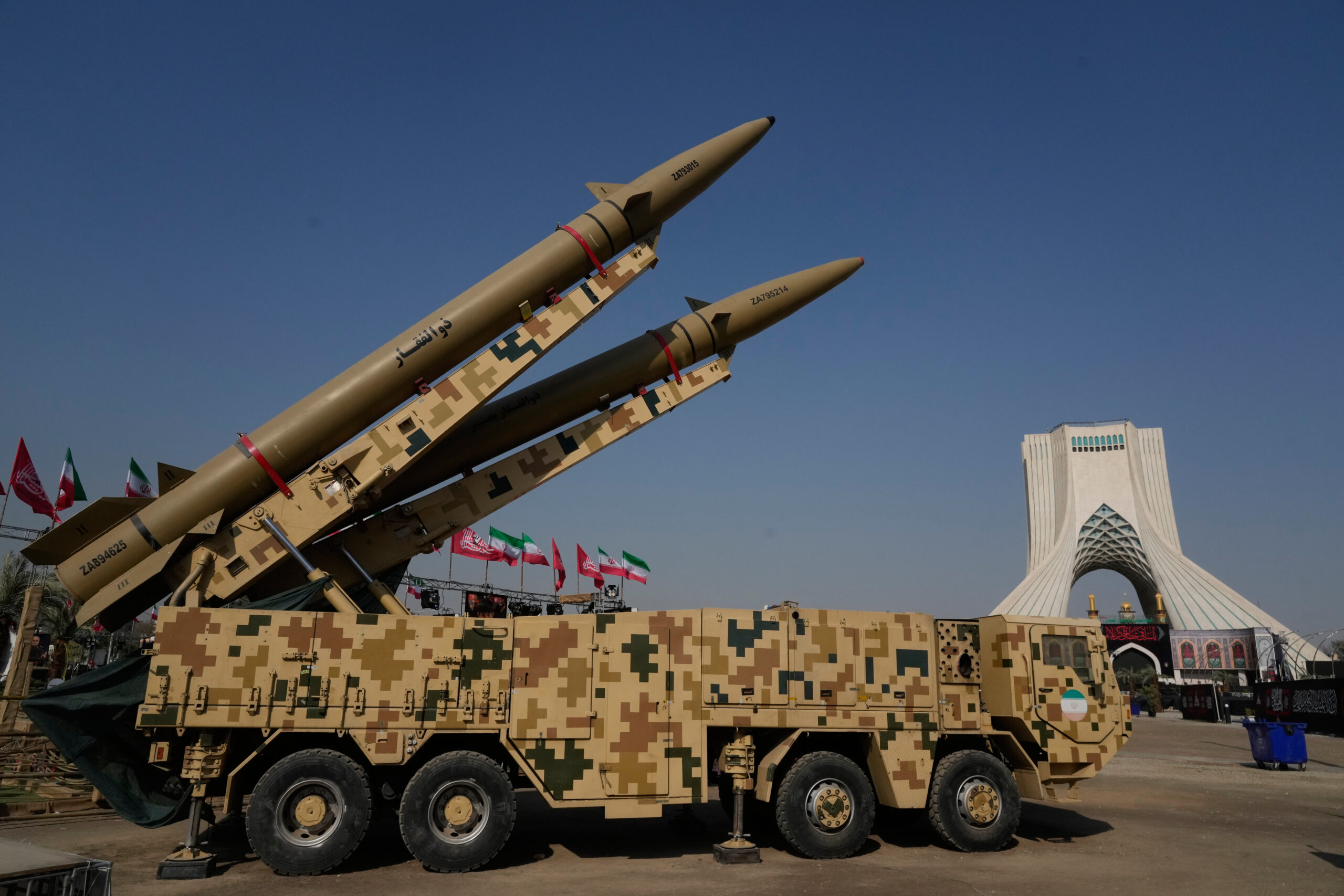
Iran’s Collective Strategic Decision Making
Wartime pressure has temporarily aligned the leadership’s overriding interest in regime survival, even as its members continue to differ over the costs, methods, and ultimate objectives of the war.
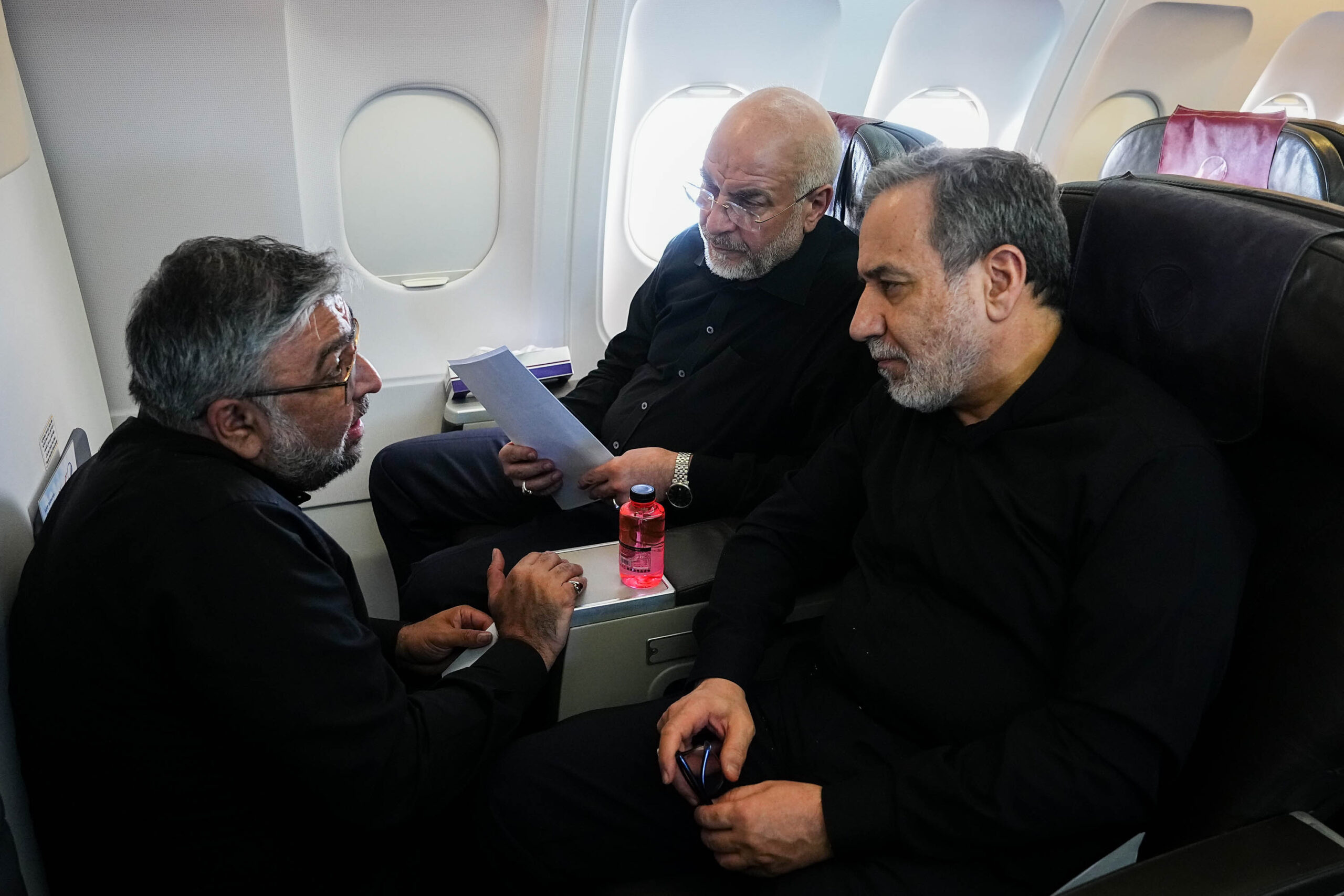
The Islamic Republic’s Collective Leadership
While there is historical precedent for collective leadership in Iran, today’s leadership includes representatives of the IRGC and regular military – a reflection of the IRGC’s expanding role and the necessities of governing under wartime conditions.
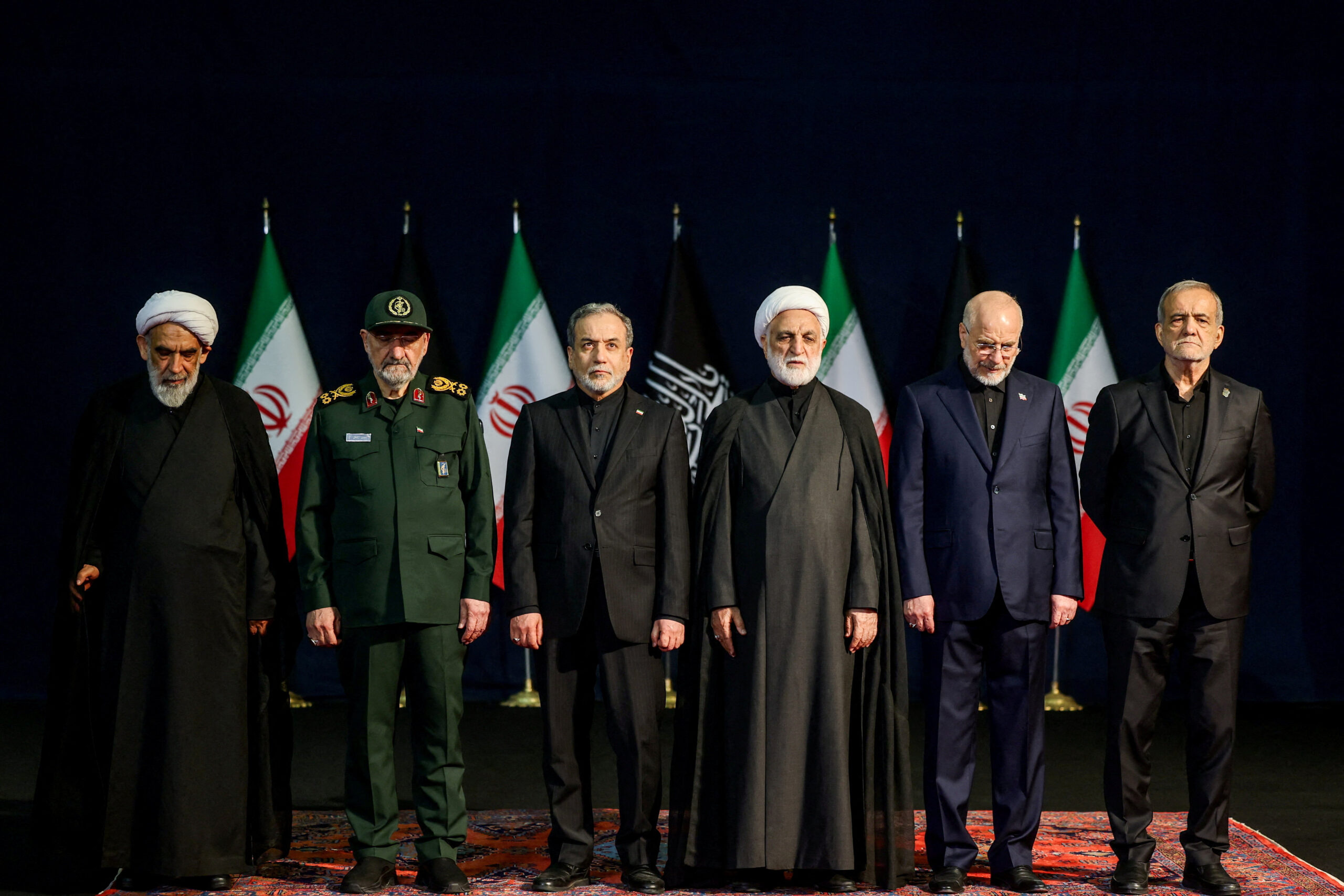
How Did the IRGC Seize Power in Iran?
The IRGC did not seize power in a single stroke. It accumulated it – patiently, methodically – until no counterweight remained.
Events
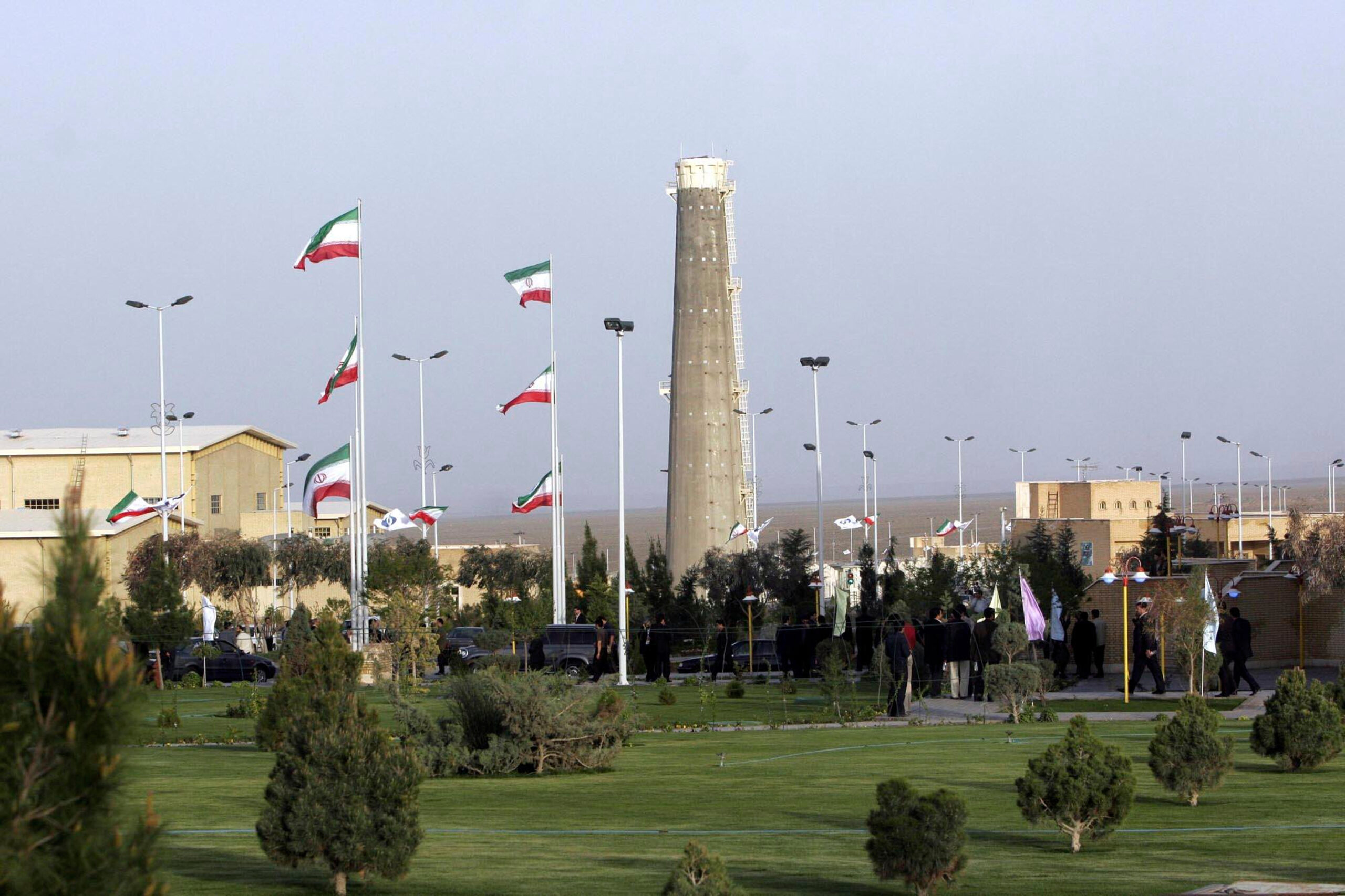
Book Talk: Iran and the Bomb: The United States, Iran and the Nuclear Question
On June 16, AGSI hosted a discussion on the evolution of Iran's nuclear program.
Speakers


Apr 21, 2026
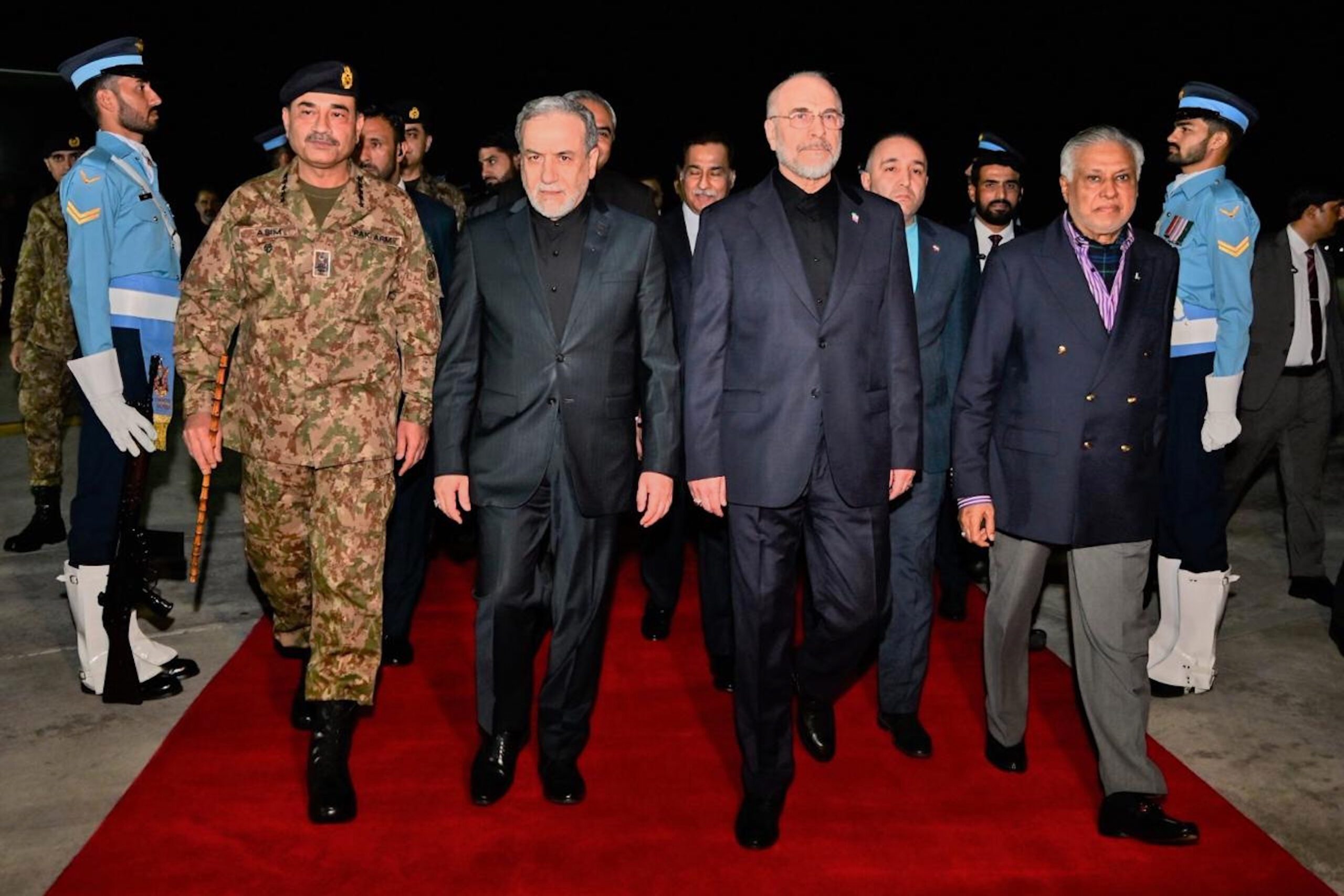
Inside Iran’s Wartime Leadership: Power, Succession, and Regime Stability
On April 21, AGSI hosted a discussion on the evolution of Iran's leadership during the war.
Speakers

Mar 18, 2026
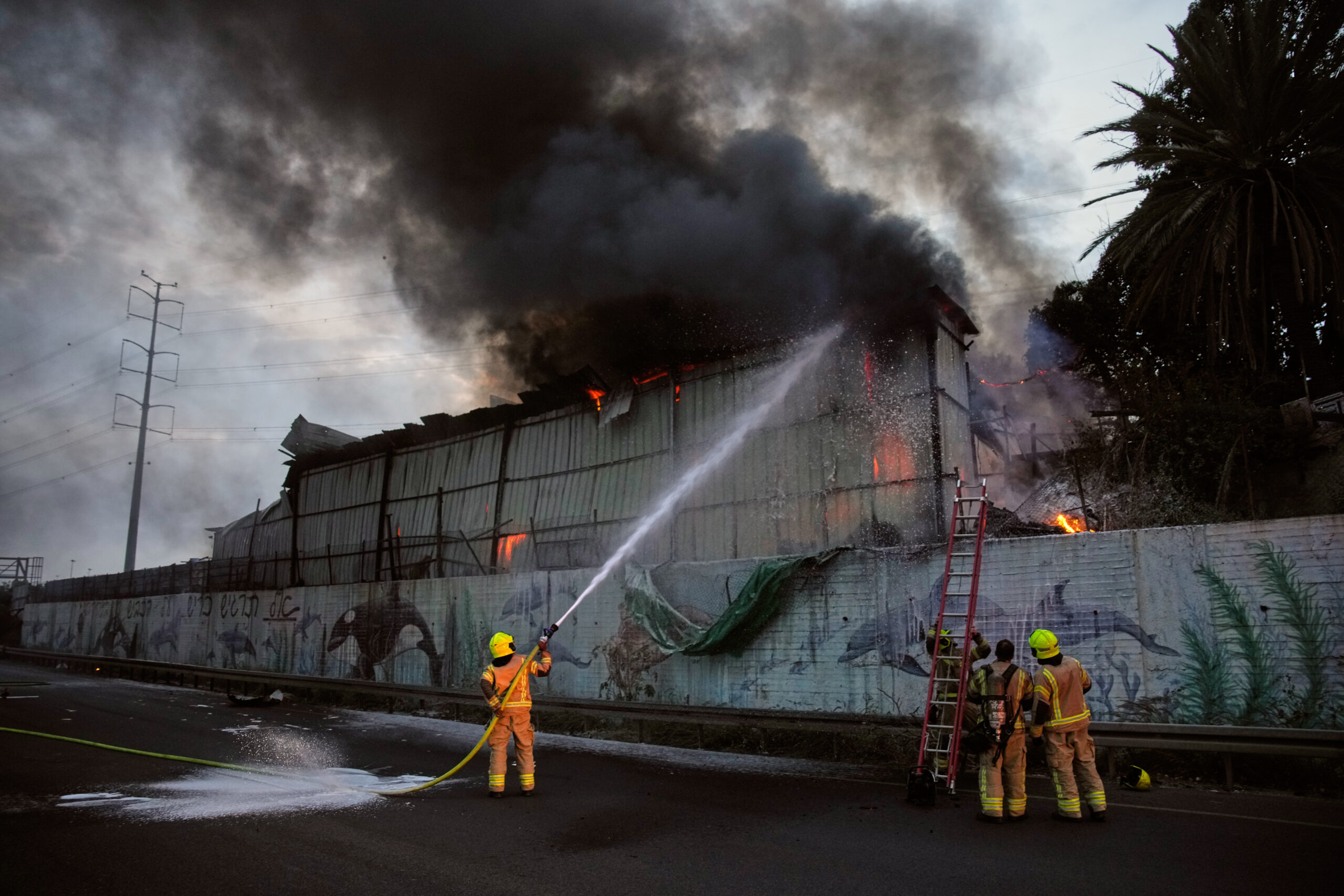
In Its Conflict With the United States and Israel, Does Escalation Favor Iran?
On March 18, AGSI hosted a discussion on the escalation of the Iran war.
Speakers



Mar 2, 2026
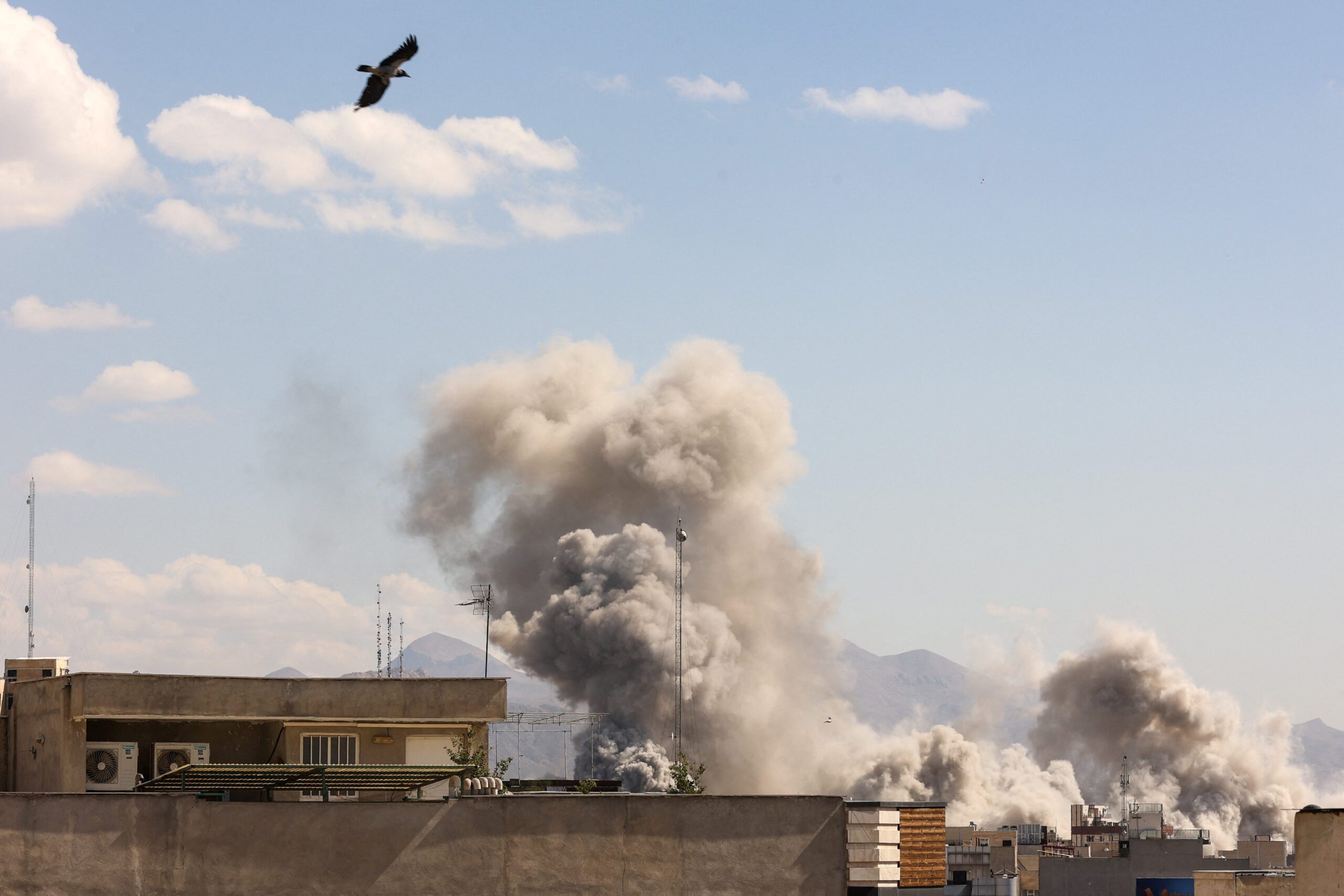
After the Shock: Implications of the U.S.–Israeli Strikes and Iran’s Leadership Transition
On March 2, AGSI hosted a discussion on the U.S.-Israeli strikes on Iran.
Speakers