Jan 6, 2026
Khamenei Comments on the Protests in Iran
The January 6 edition of the Iran Media Review examines Supreme Leader Ayatollah Ali Khamenei’s response to a new wave of protests.
A fresh round of protests in Iran, beginning December 31, 2025, was sparked by merchants in Tehran’s Grand Bazaar reacting to the collapse of the rial against the U.S. dollar. As in previous protest cycles, the demonstrations quickly spread to merchants in other cities and mobilized additional social groups, notably university students. And they evolved into overtly anti-regime protests, with participants chanting slogans such as “death to the dictator.” In his first public comments on the protests, Supreme Leader Ayatollah Ali Khamenei admitted the merchants are right to protest the current state of the economy, but he blamed the country’s economic problems on “the enemy” and demanded a firm stance against “rioters” who chant slogans against the regime.
- January 3: Addressing the public on the anniversary of the assassination of the Islamic Revolutionary Guard Corps Quds Force commander, Qassim Suleimani, Supreme Leader Ayatollah Ali Khamenei discussed the protests in comments transcribed on his official website:
- “Yes, these gatherings were mostly organized by the bazaar merchants, and what they were saying was correct … When a merchant looks at the country’s monetary situation – the decline in the value of the national currency … it causes instability in the business environment … The officials of the country recognize this, and I know that the honorable president and other senior officials are trying to resolve this problem.”
- He noted, though, that the current state of Iran’s economy “is not natural; this is the enemy’s doing.”
- Turning to protesters who chant slogans against the regime, Khamenei said: “When a group of incited, hired agents of the enemy stand behind the merchants and chant slogans against Islam, Iran, and the Islamic Republic – that is what matters. Protest is justified, but protest is different from rioting. We speak with protesters; officials must speak with protesters. But speaking with rioters is useless – rioters must be dealt with accordingly.”
The views represented herein are the author's or speaker's own and do not necessarily reflect the views of AGSI, its staff, or its board of directors.
Related
Iran Media Review
Dec 19, 2025
Iran: Searching For a Way Out of the Impasse
The December 19 edition of the Iran Media Review examines an article by the son of a late Iranian president suggesting a way out of Iran’s current foreign and domestic crises.
Iran Media Review
Dec 16, 2025
Popular Resistance Front: New Umbrella Organization for Anti-Regime Militants
The December 16 edition of the Iran Media Review considers Iranian media responses to the newly announced merger of militant anti-regime groups in Sistan and Baluchistan province.
Iran Media Review
Dec 12, 2025
Iranian Media Reacts to the U.S. National Security Strategy
The December 12 edition of the Iran Media Review highlights Iranian media responses to the release of the latest U.S. National Security Strategy.
Dec 19, 2025
Iran: Searching For a Way Out of the Impasse
The December 19 edition of the Iran Media Review examines an article by the son of a late Iranian president suggesting a way out of Iran’s current foreign and domestic crises.
Dec 16, 2025
Popular Resistance Front: New Umbrella Organization for Anti-Regime Militants
The December 16 edition of the Iran Media Review considers Iranian media responses to the newly announced merger of militant anti-regime groups in Sistan and Baluchistan province.
Dec 12, 2025
Iranian Media Reacts to the U.S. National Security Strategy
The December 12 edition of the Iran Media Review highlights Iranian media responses to the release of the latest U.S. National Security Strategy.
Analysis
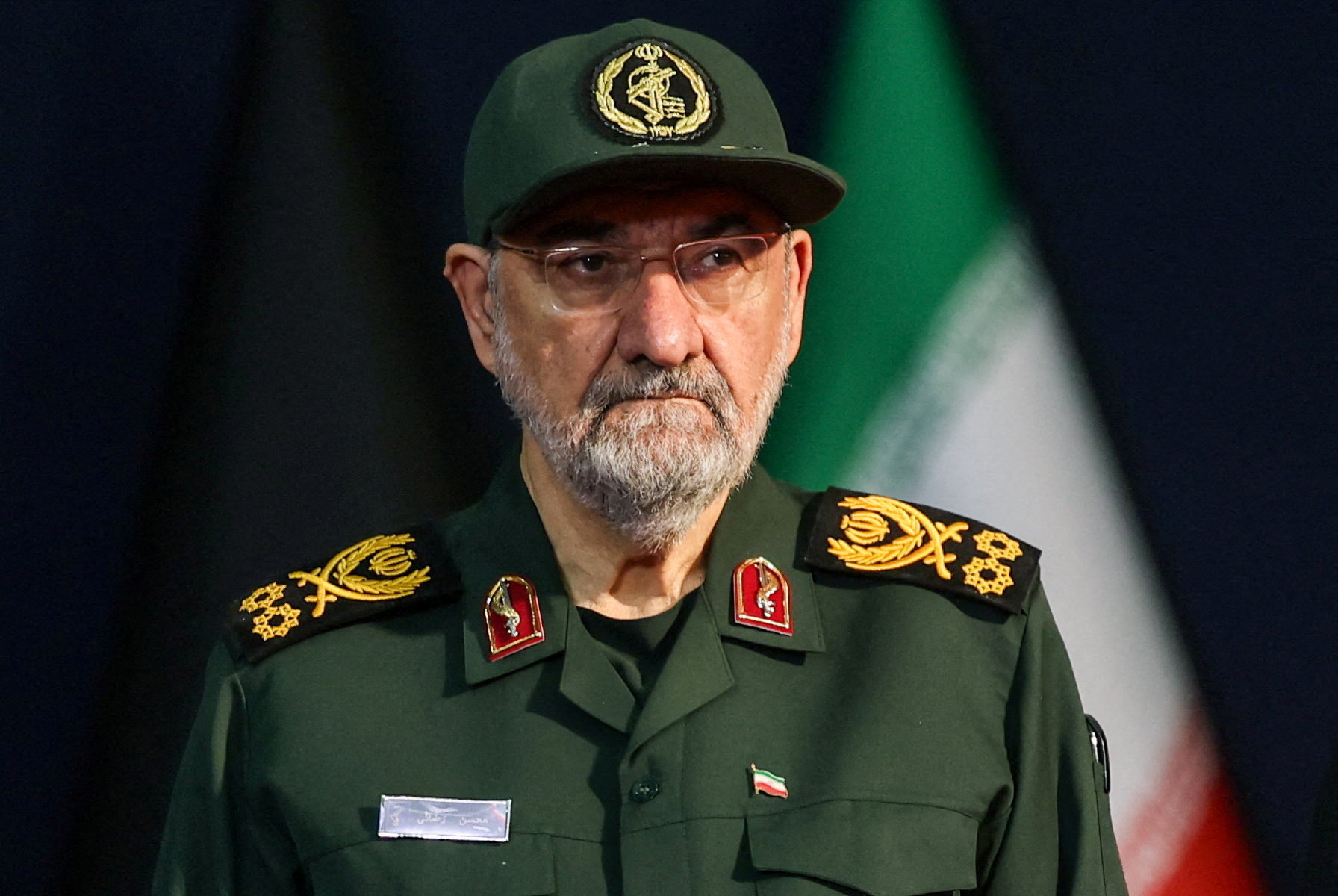
Mohsen Rezaei at the Helm of Iran’s Supreme National Security Council
Under Rezaei, the SNSC could prove constructive or paralyze strategic decision making.
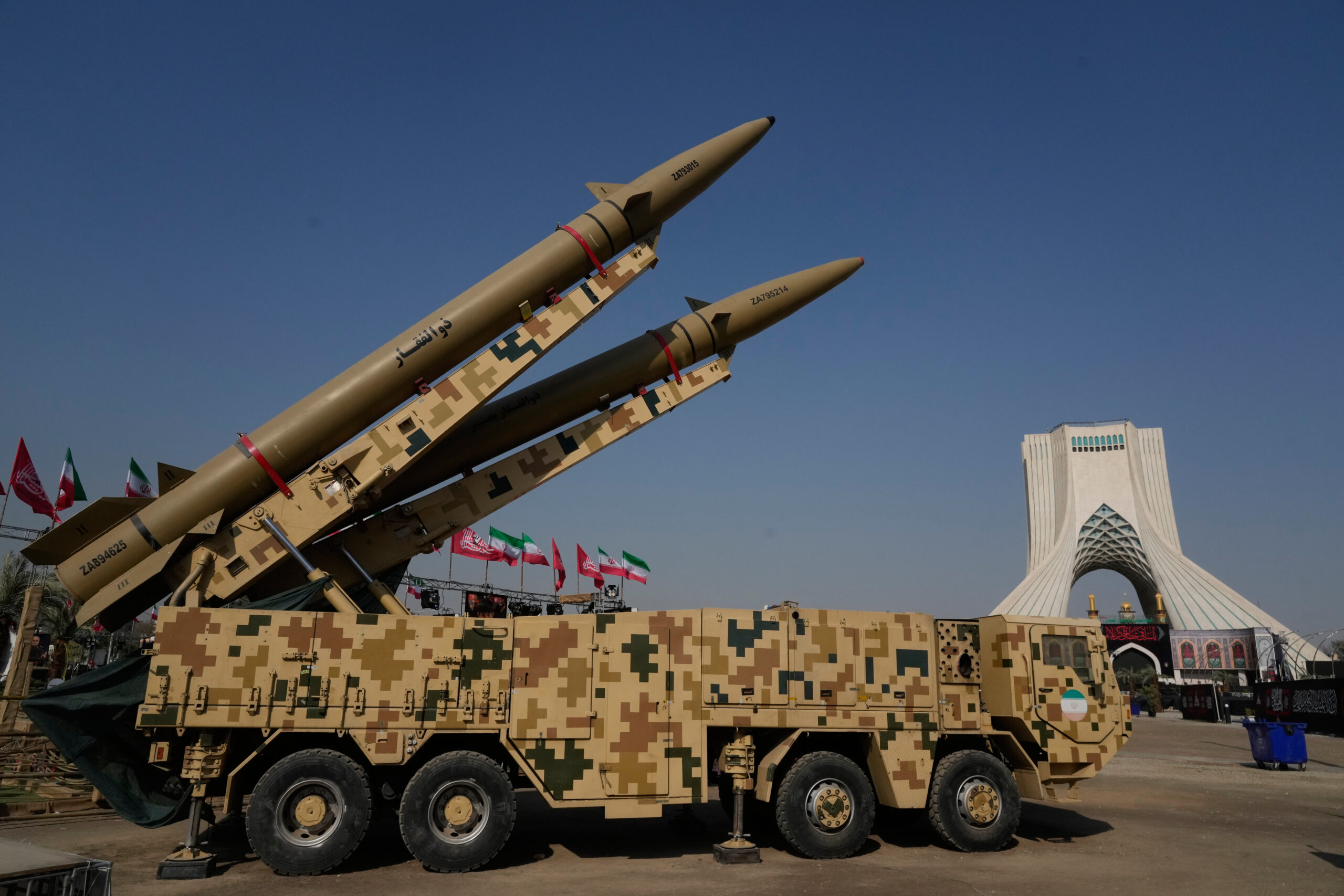
The Islamic Republic Returns to Offense
After U.S.-Israeli strikes killed Supreme Leader Ayatollah Ali Khamenei on February 28, Iran’s collective leadership has concluded that the best defense is a good offense.
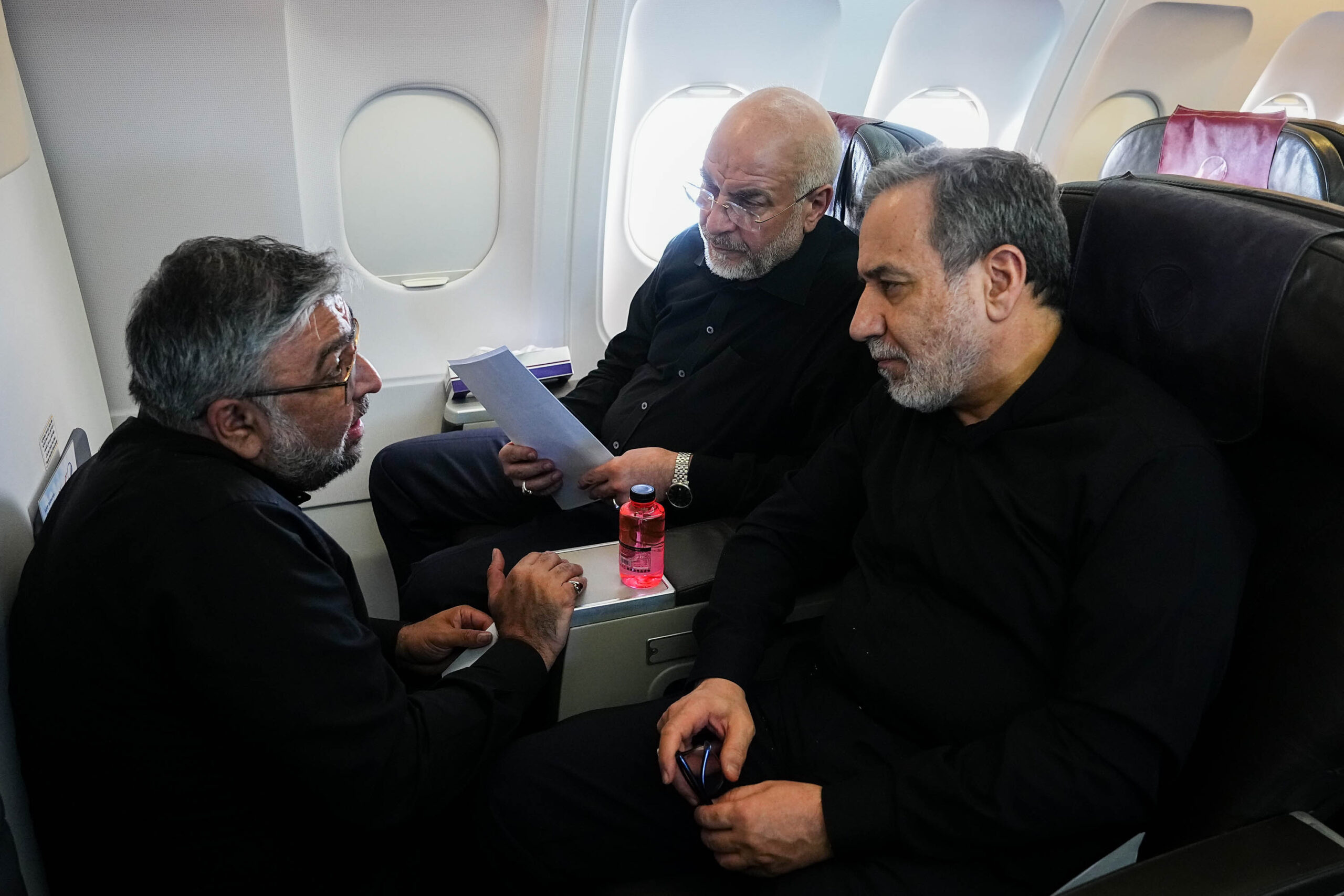
Iran’s Collective Strategic Decision Making
Wartime pressure has temporarily aligned the leadership’s overriding interest in regime survival, even as its members continue to differ over the costs, methods, and ultimate objectives of the war.
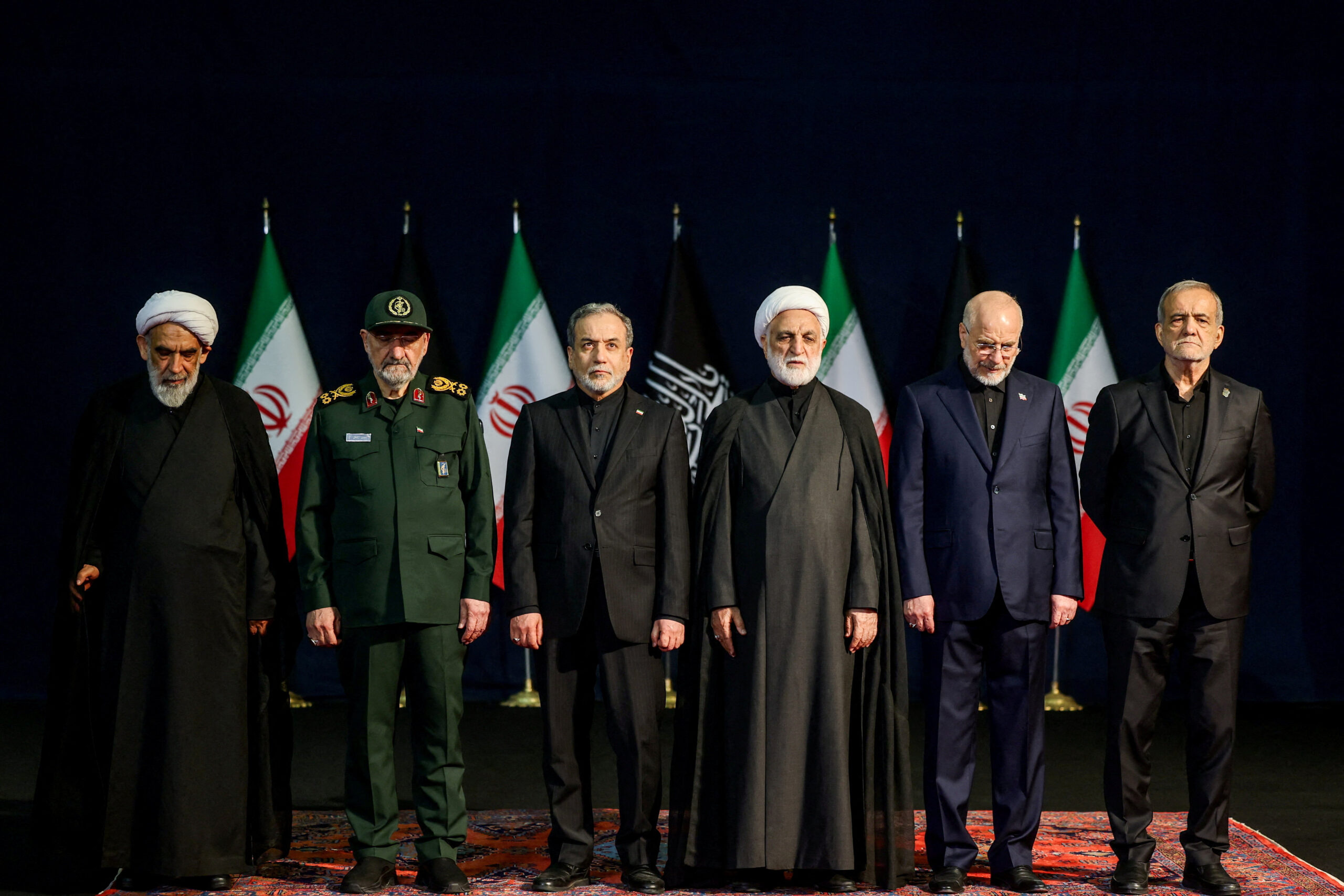
The Islamic Republic’s Collective Leadership
While there is historical precedent for collective leadership in Iran, today’s leadership includes representatives of the IRGC and regular military – a reflection of the IRGC’s expanding role and the necessities of governing under wartime conditions.
Events
Oct 6, 2026
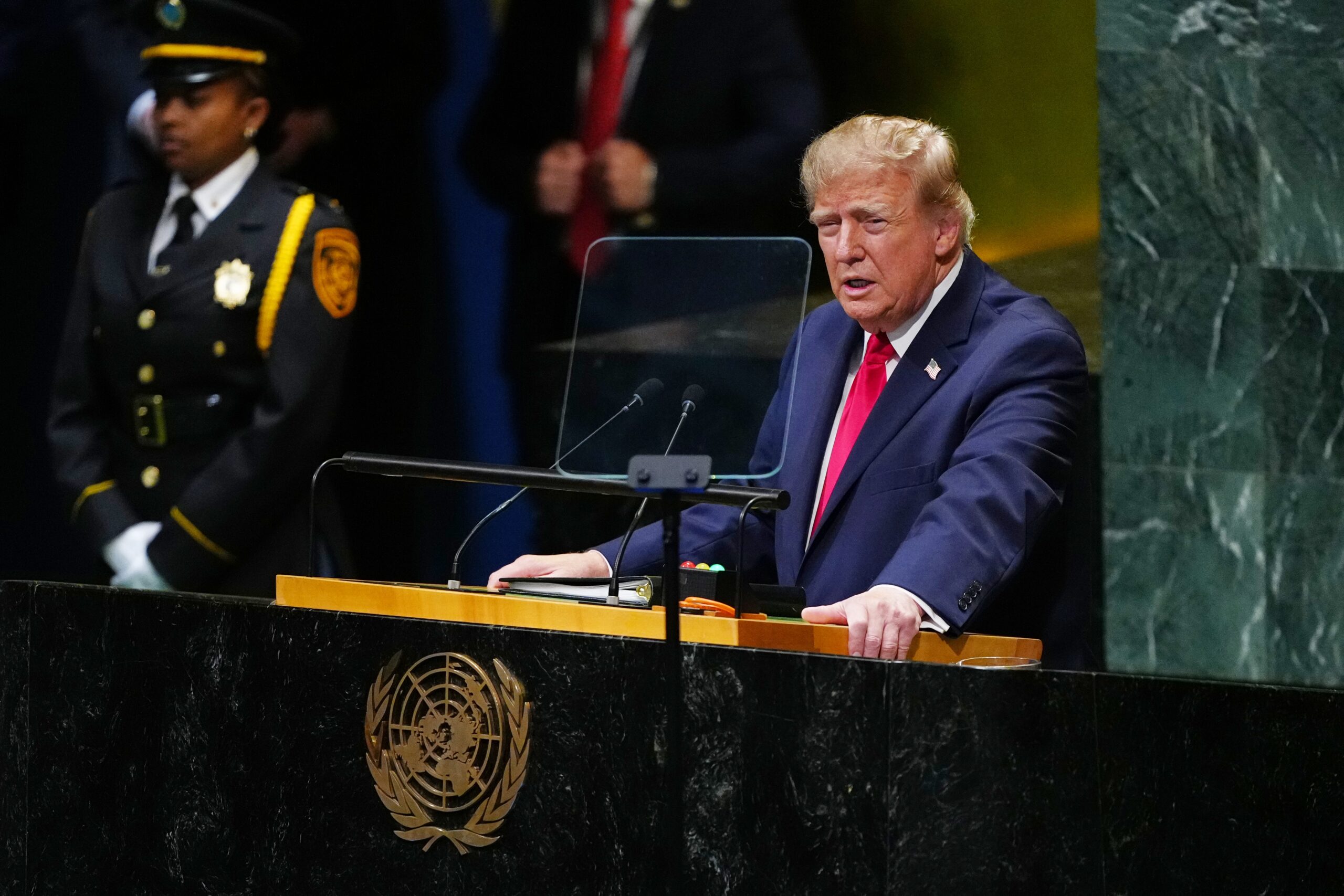
Is the U.S.-Iran Stalemate a “New Normal” or the Prelude to Another Explosion?
On October 6, AGSI hosted a discussion on the U.S.-Iran stalemate and the prospects for a cease-fire.
Speakers


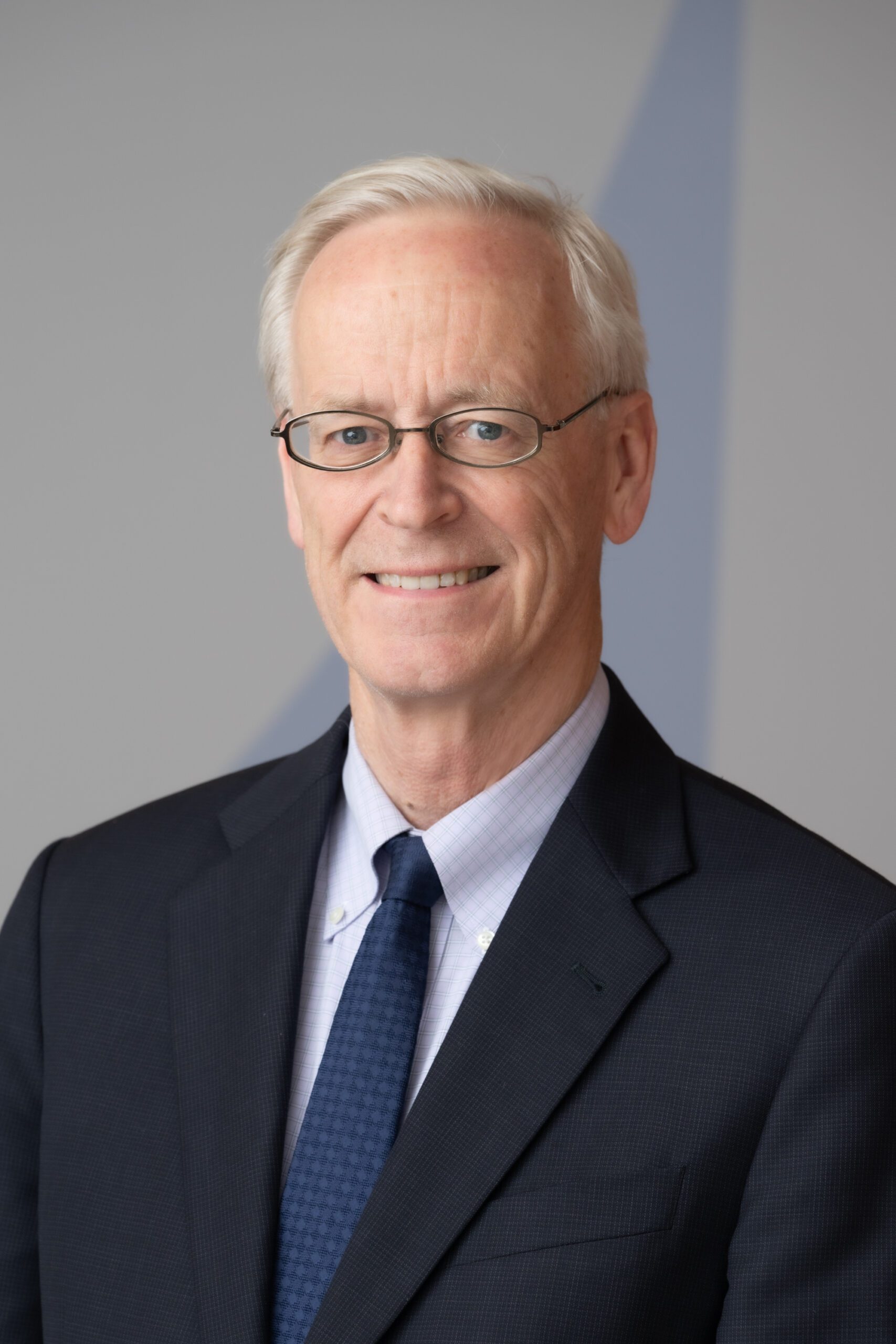
Book Talk: Iran and the Bomb: The United States, Iran and the Nuclear Question
On June 16, AGSI hosted a discussion on the evolution of Iran's nuclear program.
Speakers
Apr 21, 2026
Inside Iran’s Wartime Leadership: Power, Succession, and Regime Stability
On April 21, AGSI hosted a discussion on the evolution of Iran's leadership during the war.
Speakers

Mar 18, 2026
In Its Conflict With the United States and Israel, Does Escalation Favor Iran?
On March 18, AGSI hosted a discussion on the escalation of the Iran war.
Speakers