Nov 4, 2025
Foreign Minister Araghchi on Future Negotiations With the United States
The November 4 edition of the Iran Media Review examines comments by Iran’s foreign minister about the United States’ “unreasonable demands” on Iran.

In an interview with Al Jazeera Television, Iranian Foreign Minister Abbas Araghchi dismissed rumored U.S. demands as excessive, and reiterated Iran’s desire to revive a “formula” similar to the Joint Comprehensive Plan of Action as the basis for future negotiations with Washington. However, today’s Iran is not the Iran of 2015, and there is little indication that the United States either prioritizes negotiations with Iran or is willing to accept an agreement resembling the JCPOA.
- November 3: The centrist outlet Asr-e Iran published a summary of Iranian Foreign Minister Abbas Araghchi’s comments to Al Jazeera Television:
- “Zero enrichment is impossible. Enrichment is the achievement of Iranian scientists, and we worked for years to attain it – our scientists were even assassinated in the past. Now that we have already fought a war over this enrichment – 12 days of war imposed on us, with more than 1,000 martyrs – what reason would we have to accept zero enrichment? What they could not achieve through war, they cannot achieve through negotiation.”
- “As for the missile issue, if you ask anyone rational, they will tell you that no sane people would disarm themselves. Why should we negotiate over our missiles when this very 12-day war proved that the defense of Iran depends on them, and our missiles played a vital role in defending the country?”
- “Therefore, these unreasonable demands will lead nowhere. Regarding direct or indirect negotiations, as has been mentioned, in international relations there is no difference between the two. The United States itself has, under various circumstances, acted as a mediator in talks between other countries. So, this argument over whether negotiations should be direct or indirect is merely an excuse on America’s part.”
- “I repeat once again: Based on the formula we agreed upon in 2015, mutual confidence building regarding the peaceful nature of Iran’s nuclear program in exchange for the lifting of sanctions remains entirely feasible.”
The views represented herein are the author's or speaker's own and do not necessarily reflect the views of AGSI, its staff, or its board of directors.
Related
Iran Media Review
Oct 31, 2025
Iran: Bleak Economic “Future” Prospects
The October 31 edition of the Iran Media Review considers a report addressing the fragility of Iran’s state-linked financial sector.
Iran Media Review
Oct 28, 2025
Former IRGC Chief Weighs In on Potential for Renewed Conflict With Israel
The October 28 edition of the Iran Media Review highlights an interview with former IRGC Commander Major General Mohammad Ali Jafari about the possibility of a new war with Israel.
Iran Media Review
Oct 24, 2025
Iranian “Businessman” Reports Record-High Oil Exports Despite Sanctions
The October 24 edition of the Iran Media Review examines a report by an Iranian “businessman” claiming that Iran’s oil exports are at a record high and rising.
Oct 31, 2025
Iran: Bleak Economic “Future” Prospects
The October 31 edition of the Iran Media Review considers a report addressing the fragility of Iran’s state-linked financial sector.
Oct 28, 2025
Former IRGC Chief Weighs In on Potential for Renewed Conflict With Israel
The October 28 edition of the Iran Media Review highlights an interview with former IRGC Commander Major General Mohammad Ali Jafari about the possibility of a new war with Israel.
Oct 24, 2025
Iranian “Businessman” Reports Record-High Oil Exports Despite Sanctions
The October 24 edition of the Iran Media Review examines a report by an Iranian “businessman” claiming that Iran’s oil exports are at a record high and rising.
Analysis
The Islamic Republic Returns to Offense
After U.S.-Israeli strikes killed Supreme Leader Ayatollah Ali Khamenei on February 28, Iran’s collective leadership has concluded that the best defense is a good offense.
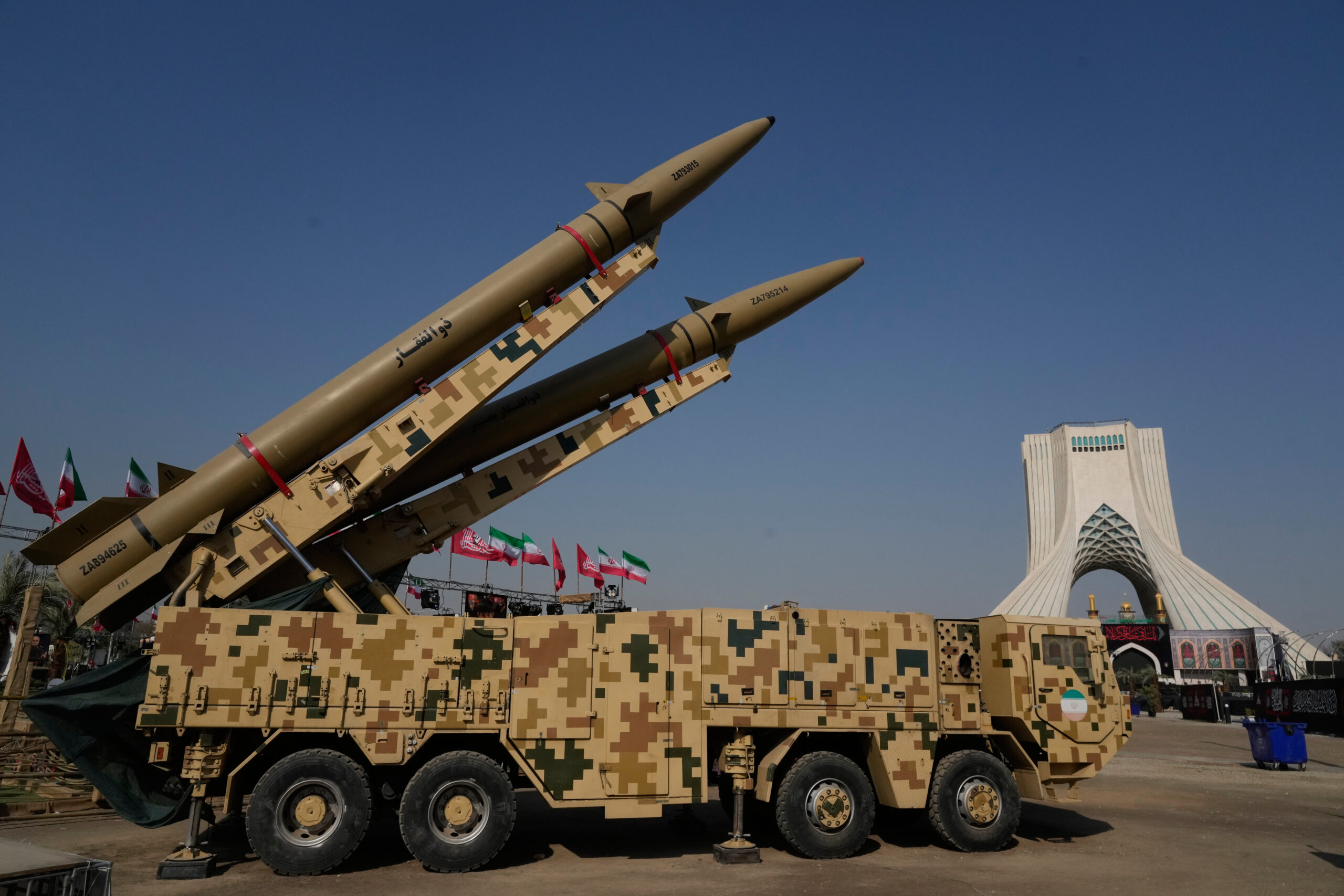
Iran’s Collective Strategic Decision Making
Wartime pressure has temporarily aligned the leadership’s overriding interest in regime survival, even as its members continue to differ over the costs, methods, and ultimate objectives of the war.
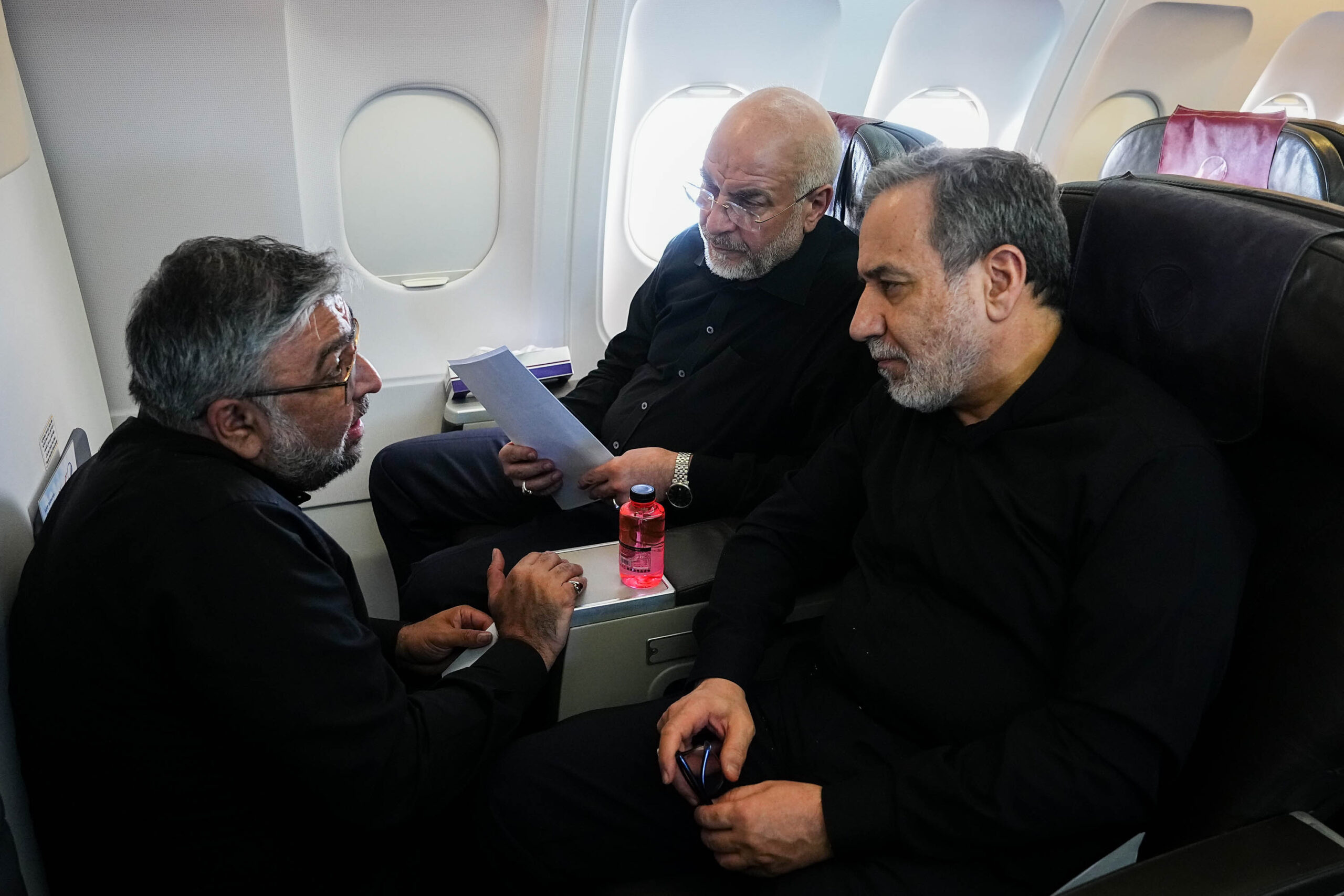
The Islamic Republic’s Collective Leadership
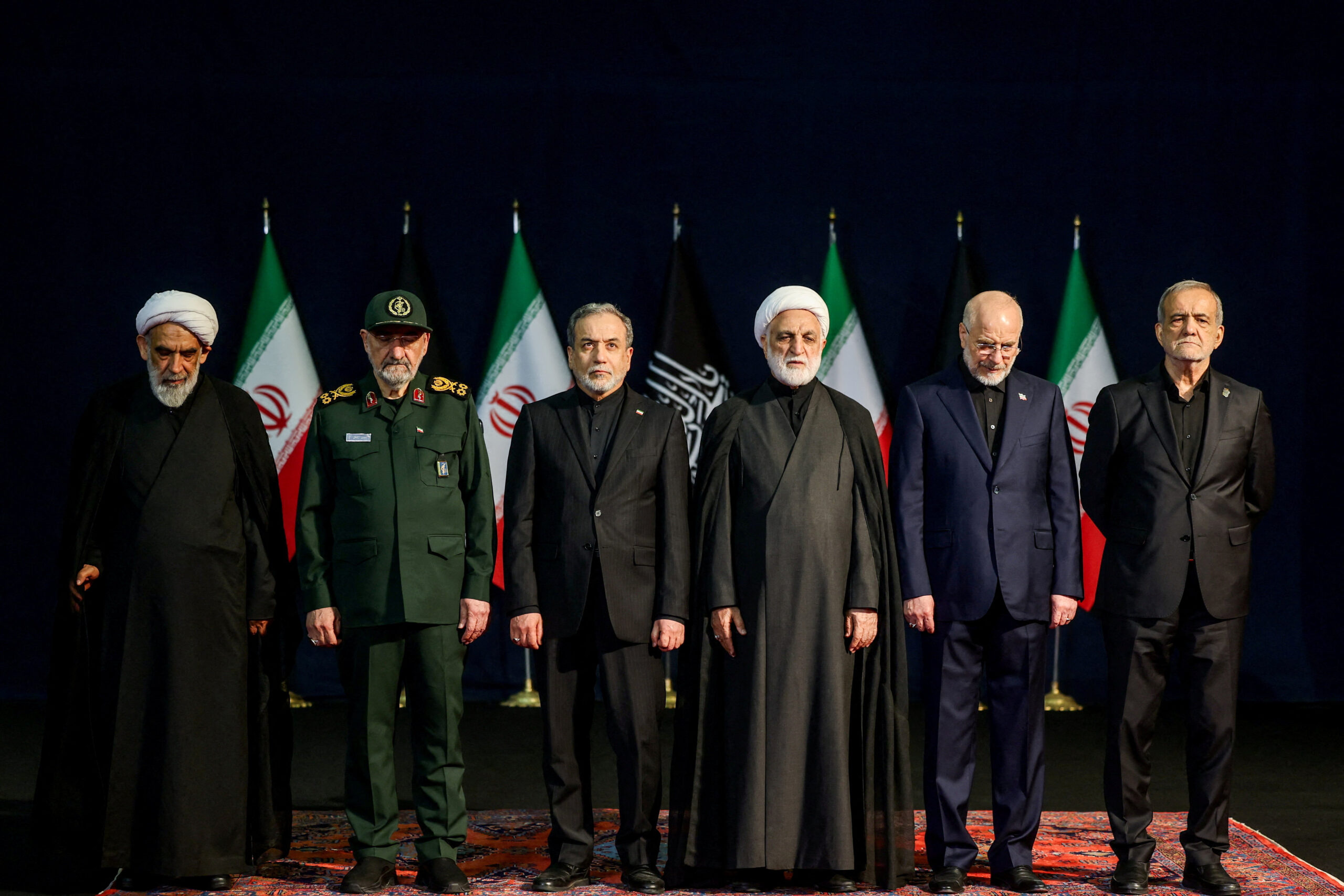
While there is historical precedent for collective leadership in Iran, today’s leadership includes representatives of the IRGC and regular military – a reflection of the IRGC’s expanding role and the necessities of governing under wartime conditions.
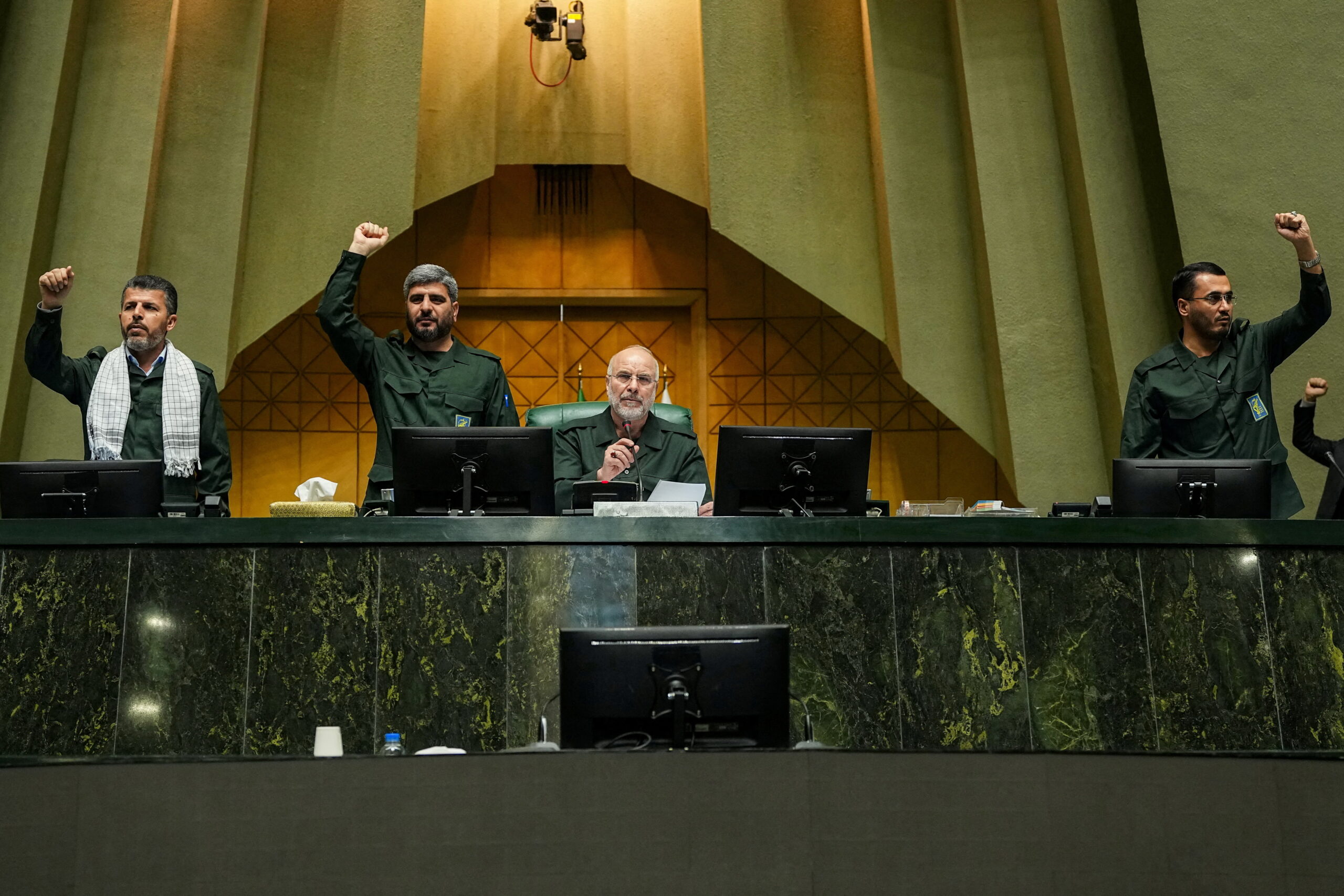
How Did the IRGC Seize Power in Iran?
The IRGC did not seize power in a single stroke. It accumulated it – patiently, methodically – until no counterweight remained.
Events
Book Talk: Iran and the Bomb: The United States, Iran and the Nuclear Question
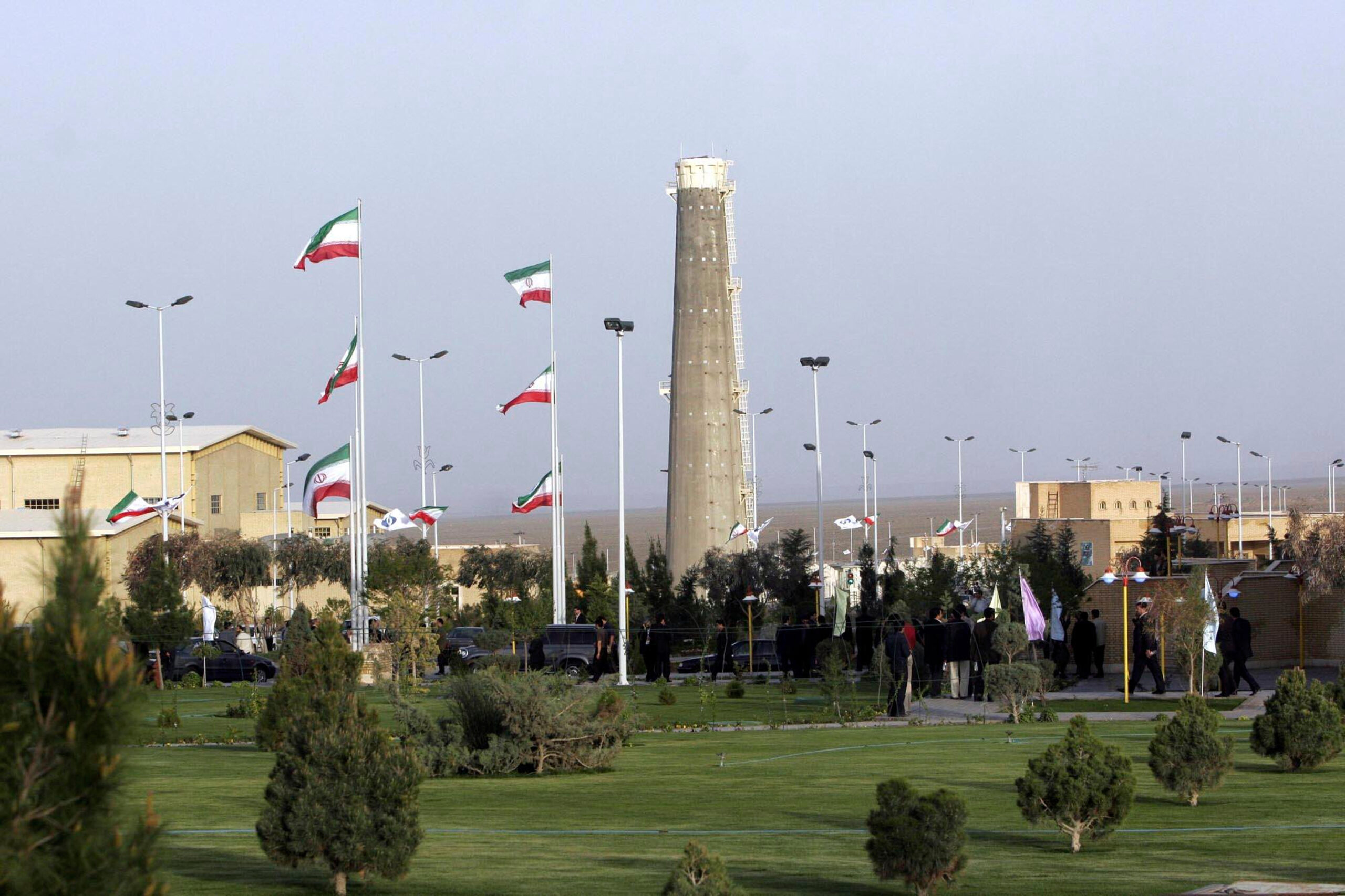
On June 16, AGSI hosted a discussion on the evolution of Iran's nuclear program.
Speakers

Apr 21, 2026
Inside Iran’s Wartime Leadership: Power, Succession, and Regime Stability
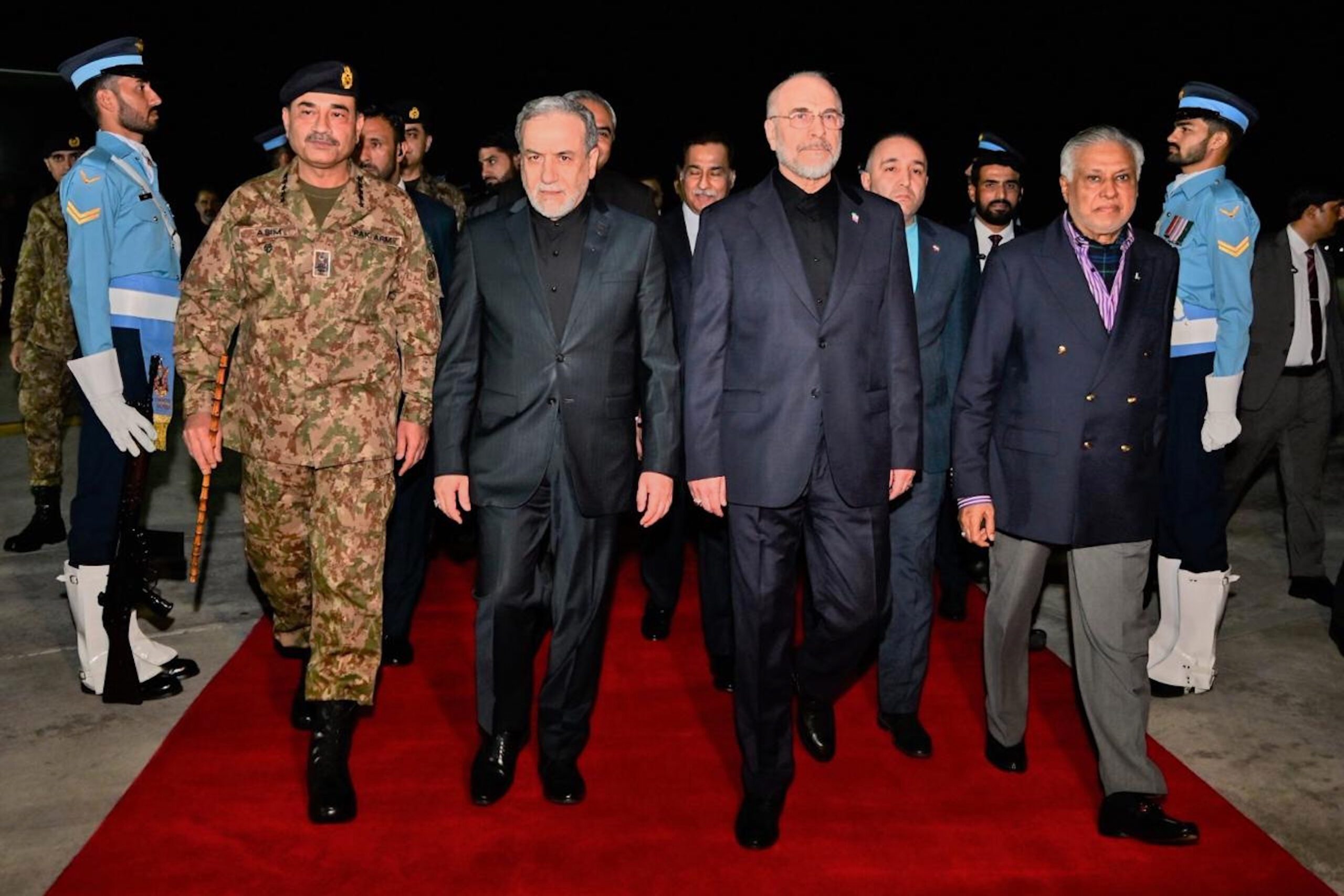
On April 21, AGSI hosted a discussion on the evolution of Iran's leadership during the war.
Speakers

Mar 18, 2026
In Its Conflict With the United States and Israel, Does Escalation Favor Iran?
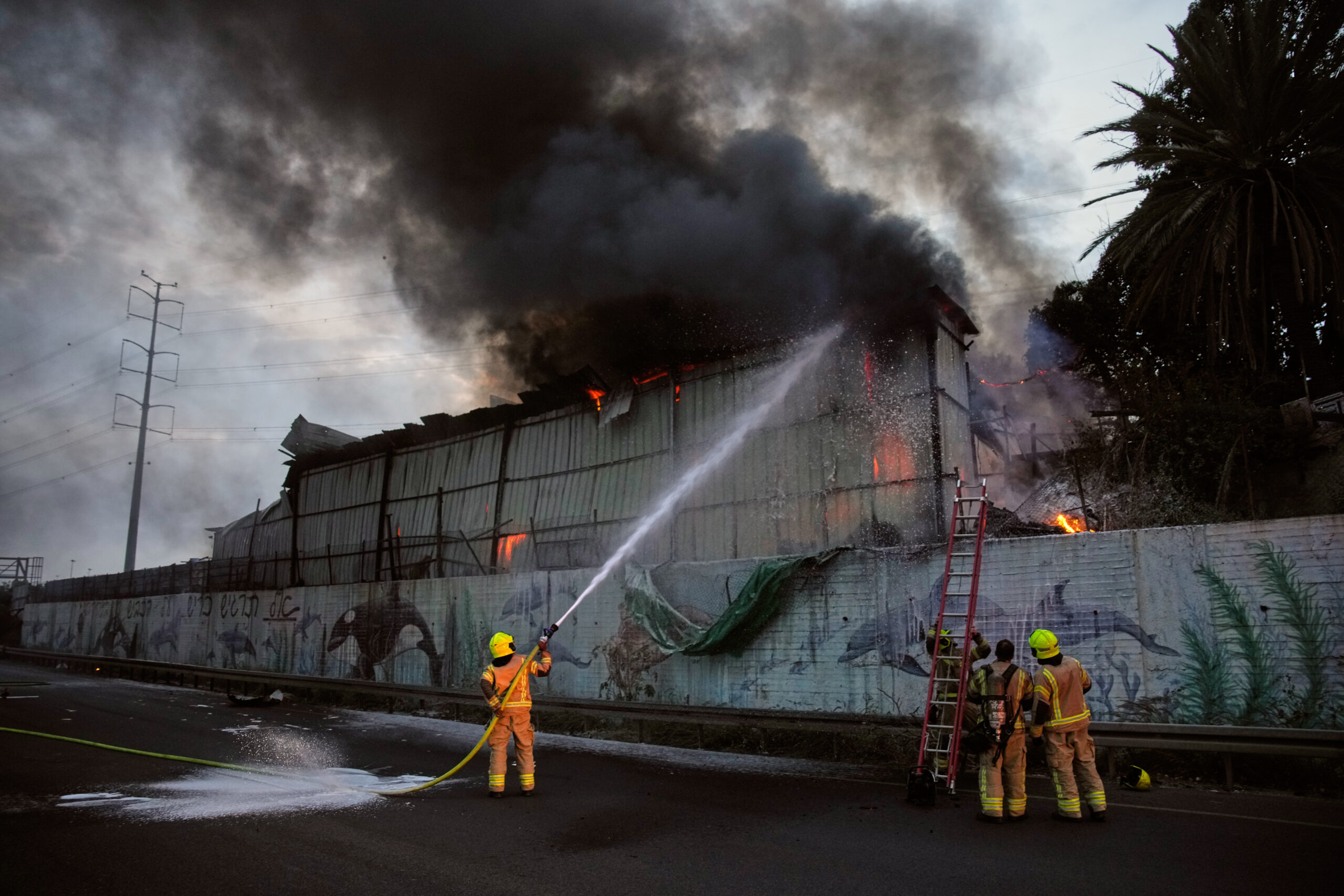
On March 18, AGSI hosted a discussion on the escalation of the Iran war.
Speakers


Mar 2, 2026
After the Shock: Implications of the U.S.–Israeli Strikes and Iran’s Leadership Transition
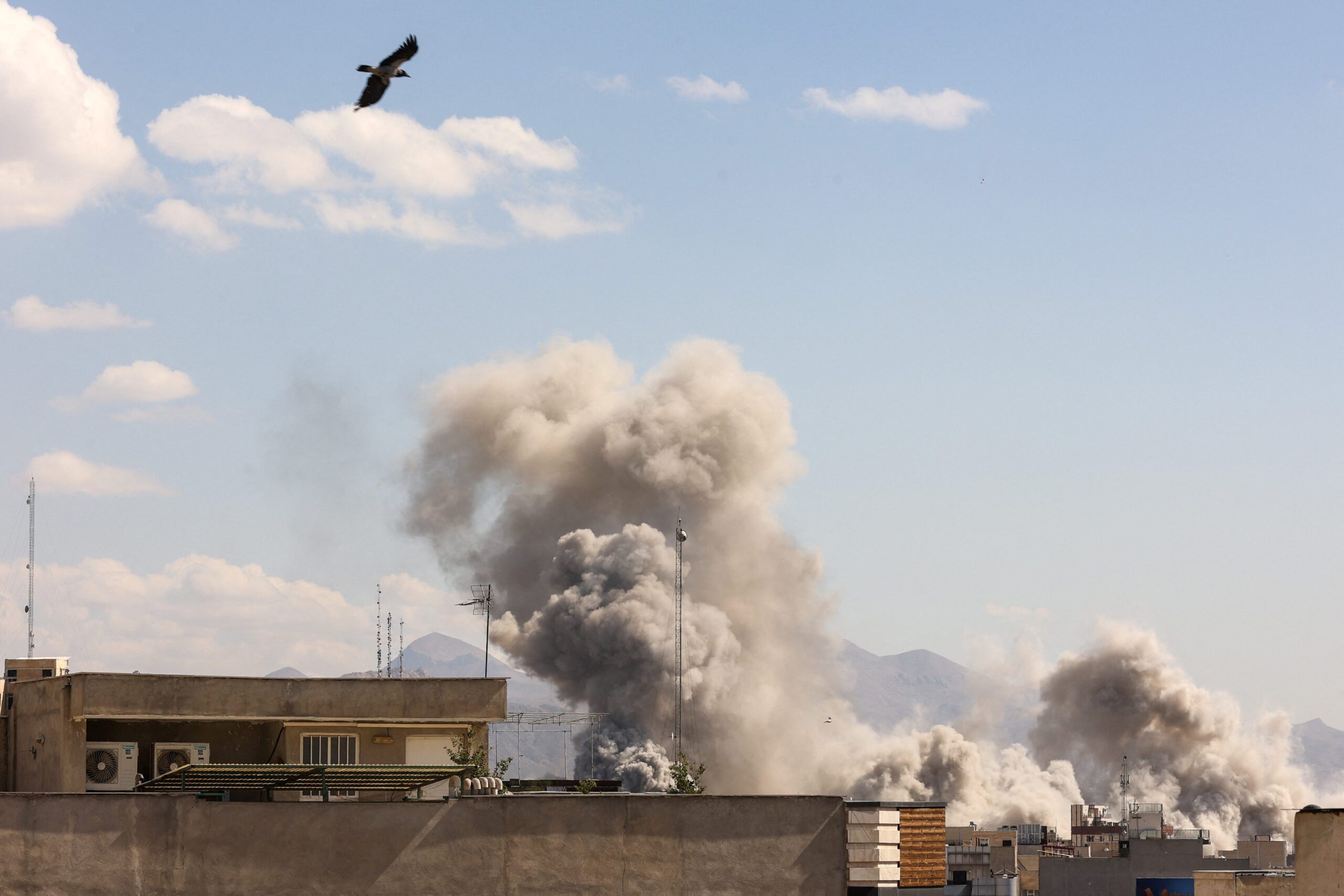
On March 2, AGSI hosted a discussion on the U.S.-Israeli strikes on Iran.
Speakers