Aug 26, 2025
Ali Larijani’s Prescription for Stability Hard to Realize
The August 26 edition of the Iran Media Review examines an interview with the new Supreme National Security Council secretary.

In an interview with Supreme Leader Ayatollah Ali Khamenei’s official website, newly appointed Supreme National Security Council Secretary Ali Larijani stressed that national cohesion, adequate living standards, military strength, and balanced diplomacy are essential to address the multiple crises confronting the regime. Yet, as he implicitly acknowledged, these goals are far more difficult to realize than to articulate.
- July 23: The Office for the Preservation and Propagation of the Works of His Holiness Grand Ayatollah Khamenei posted a comprehensive interview with Ali Larijani:
-
- Question: “What is the most important duty of the Supreme National Security Council?”
-
- Larijani: “To manage challenges in such a way that the outcome is a calm environment for the country’s national development so that people can have a predictable life … Ultimately, the art of the matter in diplomacy, resistance, and military conditions is to combine these in a way that secures the national interests of the country and, in practice, creates a balanced path of development and progress for the nation and state. Naturally, since we are currently involved in a war, and there is at present only a cease-fire, this is an important issue to which we must pay attention. We need to create capacities so that the enemy does not dare to attempt aggression again. At the same time, this matter has other dimensions, including the nuclear issue, regional questions, and other matters.”
-
- Question: “What measures is the council taking to ensure this preparedness? Will there be another war?”
-
- Larijani: “Answering this question is partly up to us and partly up to the enemy, because not everything is in our hands. But the most important issue is to determine, through the actions we can take, how to repel the prospect of war … Several factors can play an effective role in this matter.”
-
- “National cohesion … people must enjoy a minimum standard of living … military capabilities must be maintained and enhanced … and then there is the issue of international and regional interactions and balances.”
-
- Question: “We also had some tactical and practical shortcomings in military affairs and other areas. Since the system’s planning in this respect is concentrated in the SNSC, the public may now wish to know, at least in broad terms, what steps are being taken to fill these military, security, defense, and media gaps before a possible next round of conflict.”
-
- Larijani: “On the defense front, an important decision was made by the SNSC: the creation of a Defense Council. This body is an affiliated organ of the SNSC, tasked solely with defense, correcting deficiencies in the armed forces, and providing guidance in these matters. Its mechanisms are in place, work has begun, and it has already held a meeting. Tasks have been distributed: The general staff of the armed forces has responsibilities, the Ministry of Defense is active in supplying needs, and everyone is working – especially the Islamic Revolutionary Guard Corps commander and the aerospace commander. They are all striving to fix shortcomings we identified during the war, drawing on experts and talented young specialists. In the Secretariat, we also established a Defense Technology Department, because we have truly entered the era of modern warfare. This unit is focused on the issue and is working. Therefore, steps have been taken, and I personally am hopeful, as many skilled university specialists are now linked to this process.”
-
- Question: “Could you explain this more specifically?”
-
- Larijani: “In the field of air defense and radar, we had certain deficiencies; work is now concentrated on these. Of course, there is no need for me to reveal every detail.”
-
- Question: “In this regard, has the purchase of new equipment also been discussed?”
-
- Larijani: “Yes, that has also been considered. Our main reliance is on domestic capabilities, but we also make use of outside assistance.”
-
- Question: “Did you also have contact with” Supreme Leader Ayatollah Ali Khamenei during the war?
-
- Larijani: “Yes, certainly. His guidance consistently reached us. We held meetings, submitted our views to him regularly, received his feedback, and it was very evident. Now, after the war, our contacts are even more frequent.”
-
- Question: Is diplomacy with the United States “still viable under these conditions? And if so, under what terms?”
-
- Larijani: “My consistent recommendation is that Iran should never abandon diplomacy, because diplomacy itself is a tool … The real question is when and how to use it.”
-
- Commenting on Israeli Prime Minister Benjamin Netanyahu’s slogan “peace through strength,” Larijani said: “Which person of honor would accept surrender? And then Netanyahu, more foolish than the others, repeats the same, saying he too believes in ‘peace through strength.’ That means he is telling all regional countries, Saudi Arabia, Egypt, Jordan, Kuwait, that they must either surrender to him or fight! This provokes everyone’s sensitivity. The region is now such that everyone holds a defensive posture toward Israel. They may disagree with us, I don’t claim they think like us, but they oppose Israel’s behavior, and they recognize that Iran is a barrier against it. In short, the resistance is alive and moving forward.”
The views represented herein are the author's or speaker's own and do not necessarily reflect the views of AGSI, its staff, or its board of directors.
Related
Iran Media Review
Aug 22, 2025
Tasnim News Warns Against Iran’s “Gorbachev Moment”
The August 22 edition of the Iran Media Review highlights an IRGC-linked newspaper’s criticism of Iran’s new Supreme National Security Council secretary.
Iran Media Review
Aug 19, 2025
Stuck in Limbo: U.S. Negotiations and Iran’s Economy
The August 19 edition of the Iran Media Review analyzes Iranian commentary warning against continuing negotiations with the United States and the worsening state of the Iranian economy.
Iran Media Review
Aug 15, 2025
U.S.-Iran Negotiations: Dead End
The August 15 edition of the Iran Media Review considers Iranian commentary suggesting an impasse in U.S.-Iran talks.
Aug 22, 2025
Tasnim News Warns Against Iran’s “Gorbachev Moment”
The August 22 edition of the Iran Media Review highlights an IRGC-linked newspaper’s criticism of Iran’s new Supreme National Security Council secretary.
Aug 19, 2025
Stuck in Limbo: U.S. Negotiations and Iran’s Economy
The August 19 edition of the Iran Media Review analyzes Iranian commentary warning against continuing negotiations with the United States and the worsening state of the Iranian economy.
Aug 15, 2025
U.S.-Iran Negotiations: Dead End
The August 15 edition of the Iran Media Review considers Iranian commentary suggesting an impasse in U.S.-Iran talks.
Analysis
The Islamic Republic Returns to Offense
After U.S.-Israeli strikes killed Supreme Leader Ayatollah Ali Khamenei on February 28, Iran’s collective leadership has concluded that the best defense is a good offense.
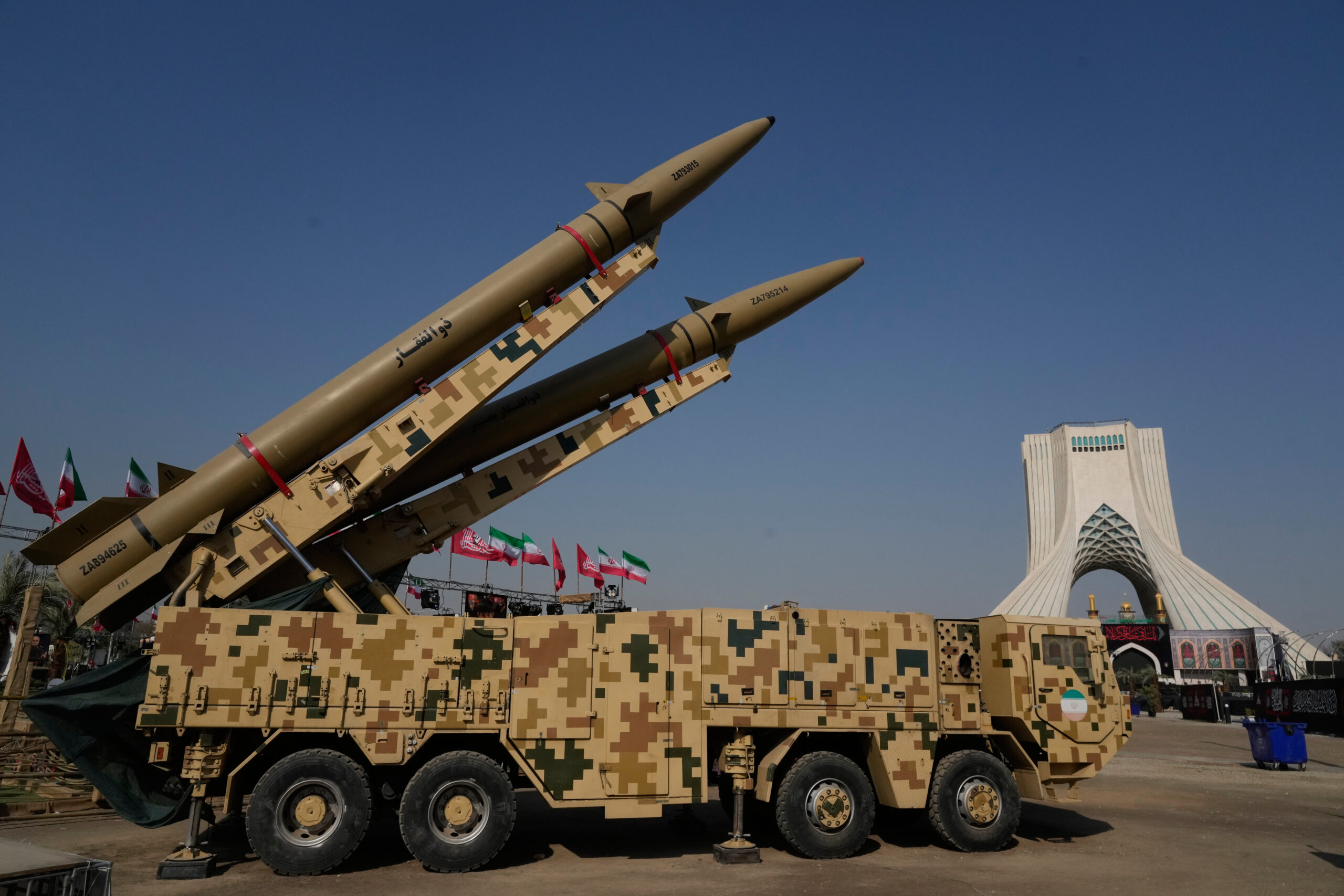
Iran’s Collective Strategic Decision Making
Wartime pressure has temporarily aligned the leadership’s overriding interest in regime survival, even as its members continue to differ over the costs, methods, and ultimate objectives of the war.
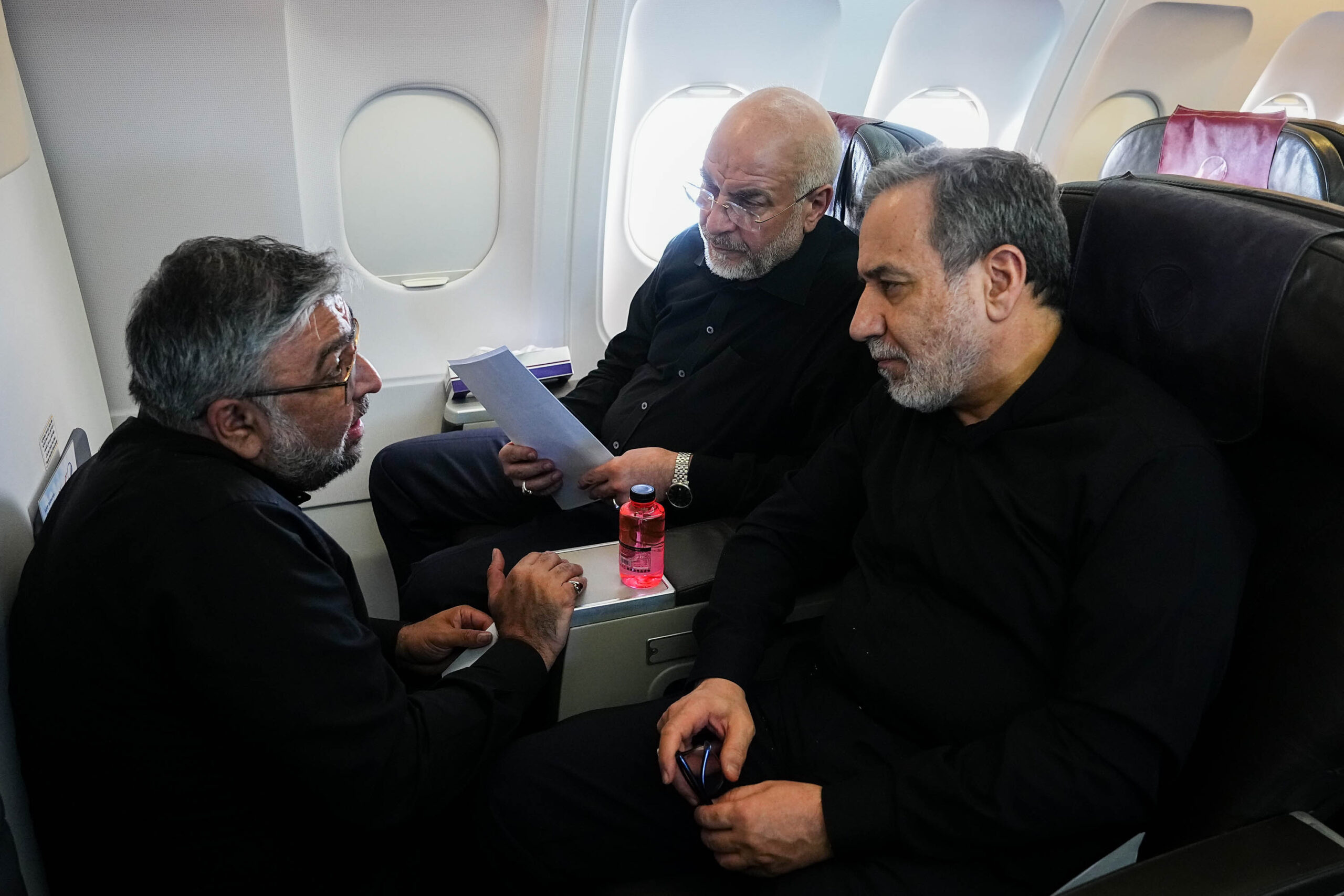
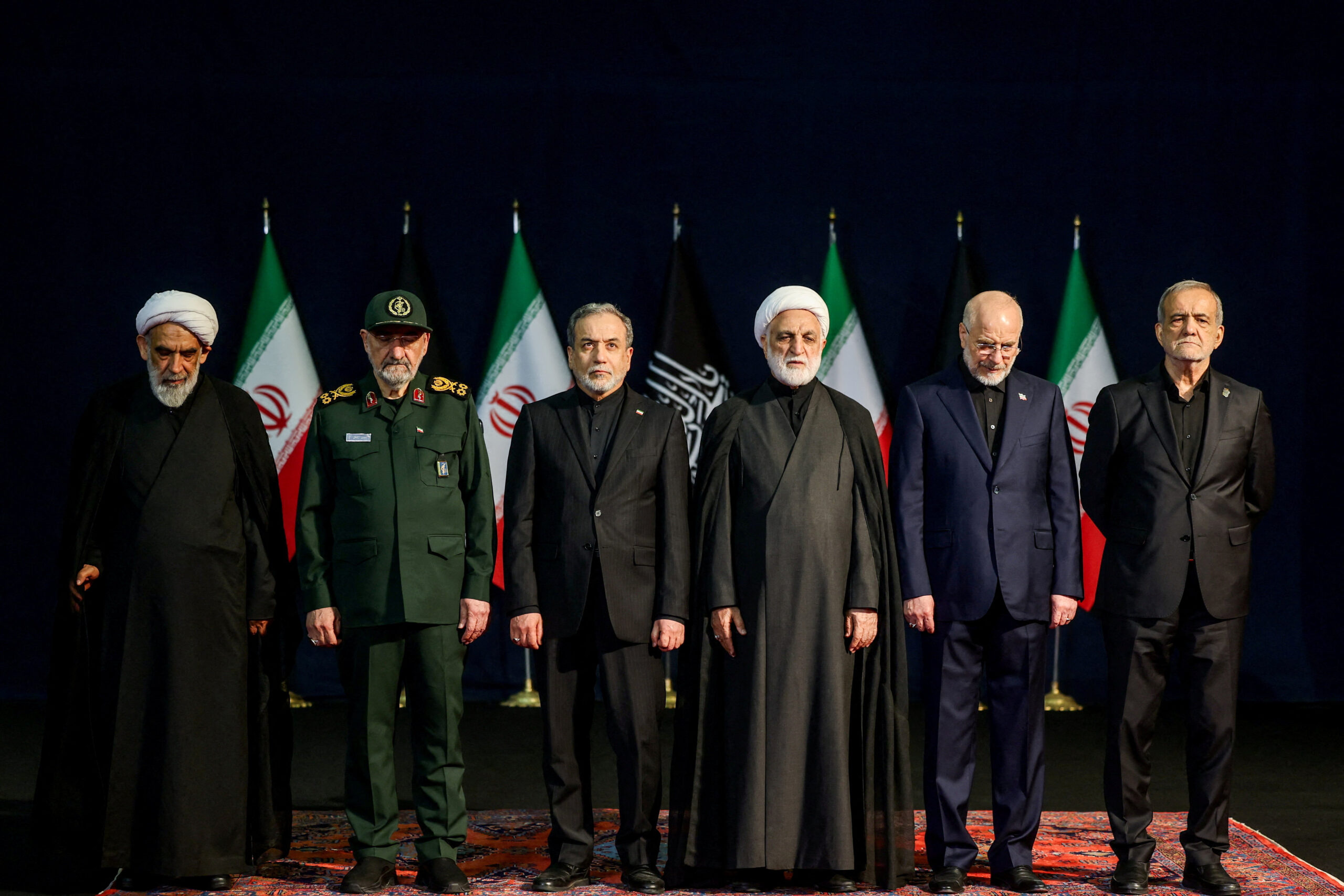
The Islamic Republic’s Collective Leadership
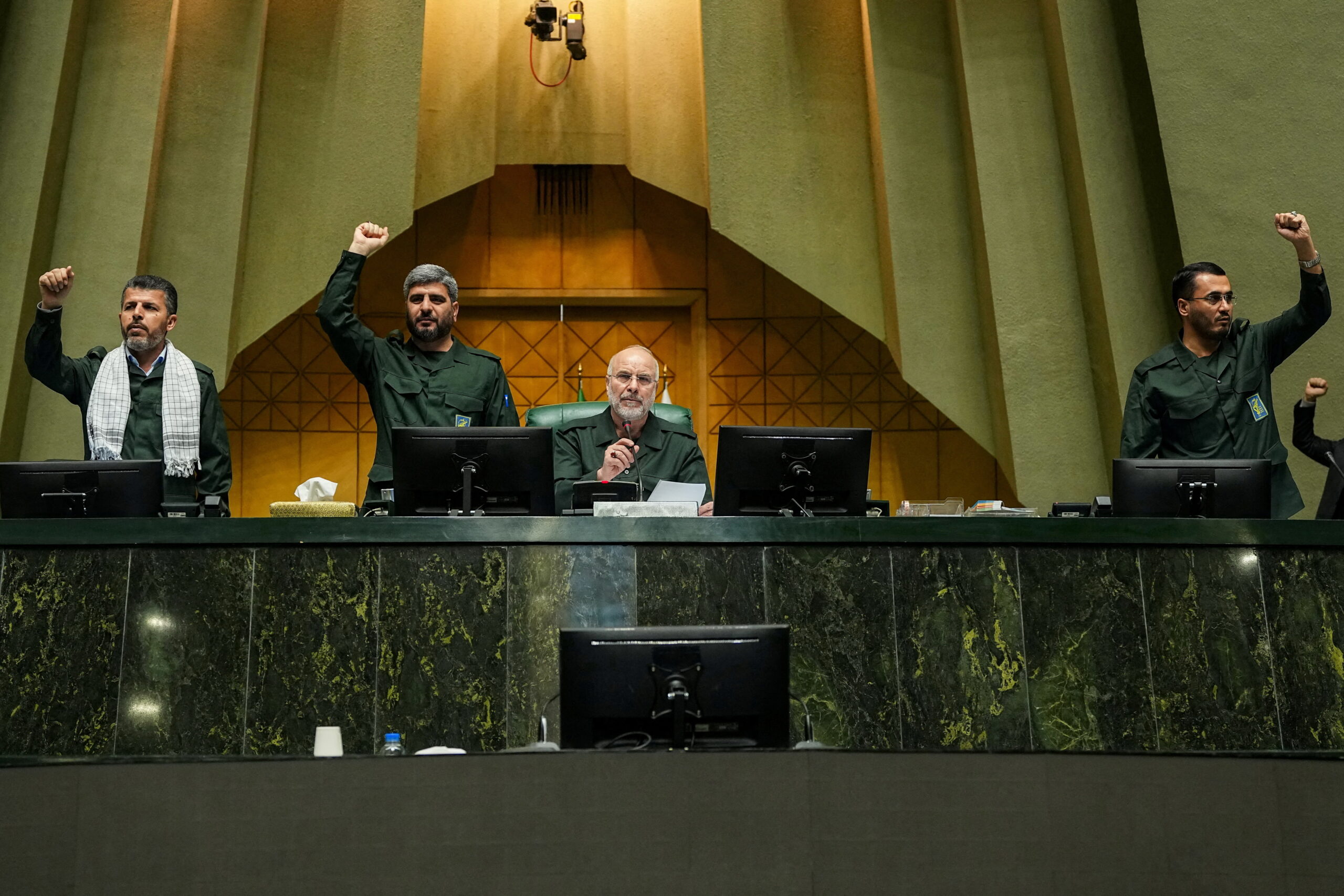
While there is historical precedent for collective leadership in Iran, today’s leadership includes representatives of the IRGC and regular military – a reflection of the IRGC’s expanding role and the necessities of governing under wartime conditions.
How Did the IRGC Seize Power in Iran?
The IRGC did not seize power in a single stroke. It accumulated it – patiently, methodically – until no counterweight remained.
Events
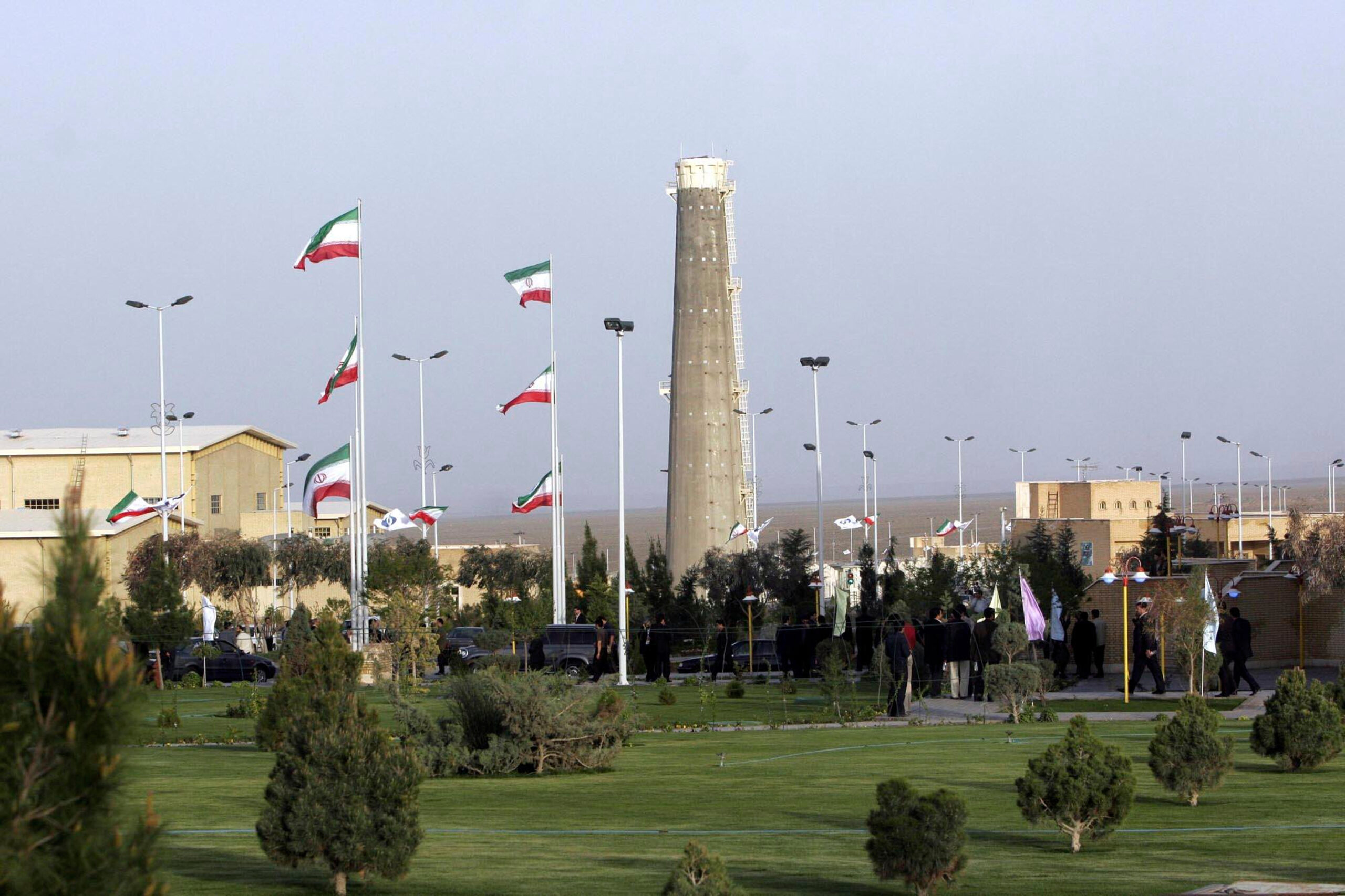
Book Talk: Iran and the Bomb: The United States, Iran and the Nuclear Question
On June 16, AGSI hosted a discussion on the evolution of Iran's nuclear program.
Speakers

Apr 21, 2026
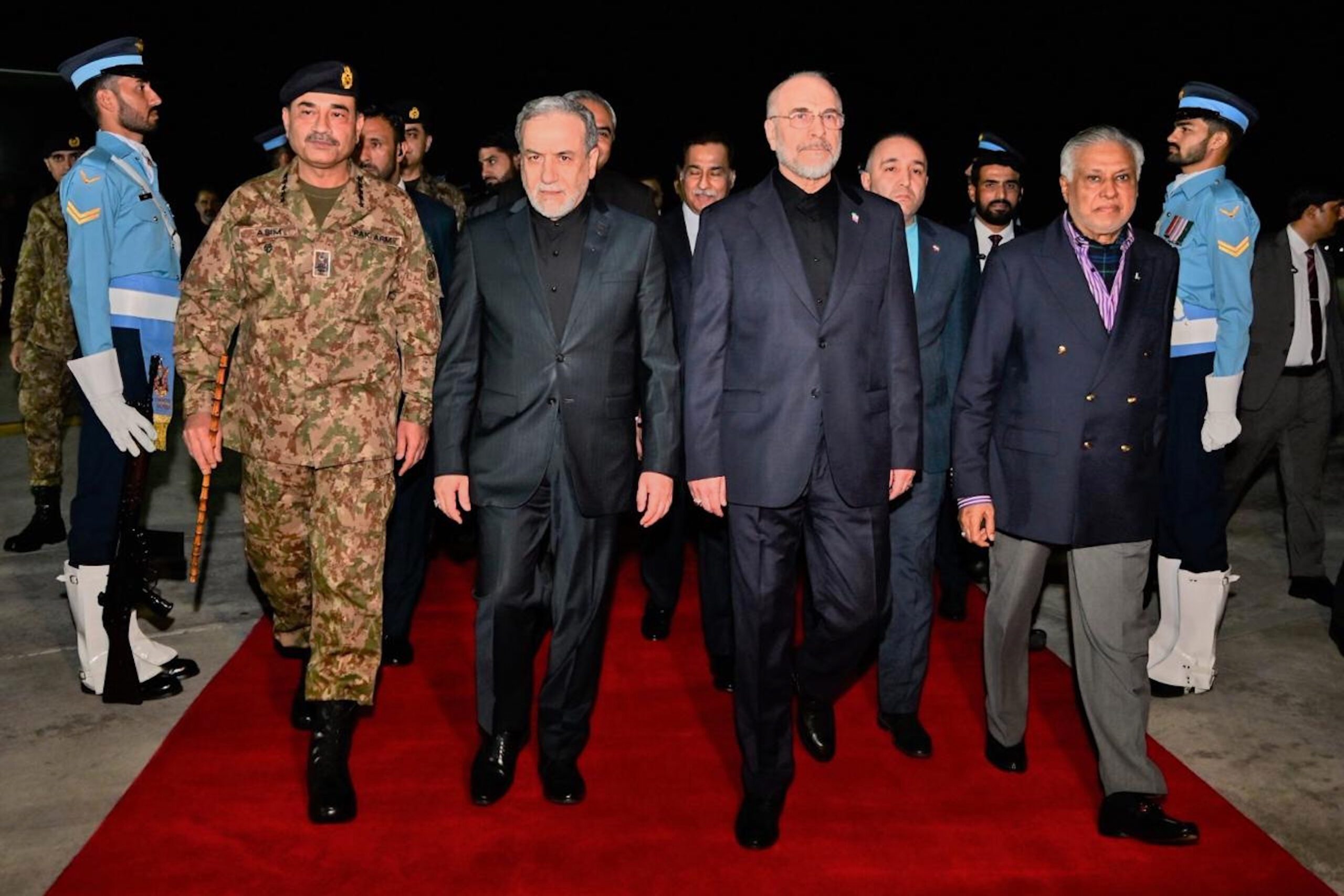
Inside Iran’s Wartime Leadership: Power, Succession, and Regime Stability
On April 21, AGSI hosted a discussion on the evolution of Iran's leadership during the war.
Speakers

Mar 18, 2026
In Its Conflict With the United States and Israel, Does Escalation Favor Iran?
On March 18, AGSI hosted a discussion on the escalation of the Iran war.
Speakers

Mar 2, 2026
After the Shock: Implications of the U.S.–Israeli Strikes and Iran’s Leadership Transition
On March 2, AGSI hosted a discussion on the U.S.-Israeli strikes on Iran.
Speakers