Aug 22, 2025
Tasnim News Warns Against Iran’s “Gorbachev Moment”
The August 22 edition of the Iran Media Review highlights an IRGC-linked newspaper’s criticism of Iran’s new Supreme National Security Council secretary.

While Islamic Revolutionary Guard Corps-linked outlets, such as Javan, have welcomed the return of the pragmatic Ali Larijani – an advocate of the Joint Comprehensive Plan of Action and a proponent of negotiations with the United States – to the Supreme National Security Council, IRGC-affiliated Tasnim News Agency cautioned against tying the resolution of Iran’s problems to talks with Washington, warning of a potential “Gorbachev moment” for Iran – a reference to Mikhail Gorbachev’s dissolution of the Soviet Union.
- August 19: Jafar Hassankhani, deputy director of the Islamic Revolutionary Guard Corps mouthpiece Tasnim News Agency’s Strategic Studies Center, wrote:
-
- “After the cessation of the war between Iran and the Zionist regime and the United States, the reformists, who for a long time have not been the driving force of political developments in Iran and, having fallen behind the course of events, have turned into a following sociopolitical force, have begun serious activity … demanding fundamental changes … However, calling for fundamental and structural changes amid crisis and war is neither prudent nor rational.”
-
- “One of the most prominent examples of Iranian politicians who seem to have fallen into a ‘Gorbachev moment’ trap is former President Hassan Rouhani. At the height of the nuclear negotiations, in a speech delivered on June 7, 2015,” Rouhani presented an agreement with the United States as the solution to Iran’s problems.
-
- “Another example was Vice President Eshaq Jahangiri, who, along with some cabinet members, at the height of the economic pressures in 2018, explicitly stated: ‘The solution to all problems is negotiations with the United States.’ Although this view faced strong opposition from the revolutionary camp at home, the very emergence of such an idea among senior officials revealed the extent to which a self-demeaning and foreign-oriented mindset had penetrated.”
-
- “It must be emphasized that today’s Iran is not yesterday’s Soviet Union … it is now our duty, with open eyes and lessons drawn from history, to ensure that the ‘Gorbachev moment’ is not repeated in our land. Any politician today who ties the solution of the country’s problems to the White House, or to any foreign power, is in fact treading the same path once taken by Gorbachev.”
The views represented herein are the author's or speaker's own and do not necessarily reflect the views of AGSI, its staff, or its board of directors.
Related
Iran Media Review
Aug 19, 2025
Stuck in Limbo: U.S. Negotiations and Iran’s Economy
The August 19 edition of the Iran Media Review analyzes Iranian commentary warning against continuing negotiations with the United States and the worsening state of the Iranian economy.
Iran Media Review
Aug 15, 2025
U.S.-Iran Negotiations: Dead End
The August 15 edition of the Iran Media Review considers Iranian commentary suggesting an impasse in U.S.-Iran talks.
Iran Media Review
Aug 12, 2025
In Iran, YouTube Emerges as a Security Valve to Vent Anger Over Intelligence Failure
The August 12 edition of the Iran Media Review examines an Iranian security official’s video criticizing Iran’s security establishment.
Aug 19, 2025
Stuck in Limbo: U.S. Negotiations and Iran’s Economy
The August 19 edition of the Iran Media Review analyzes Iranian commentary warning against continuing negotiations with the United States and the worsening state of the Iranian economy.
Aug 15, 2025
U.S.-Iran Negotiations: Dead End
The August 15 edition of the Iran Media Review considers Iranian commentary suggesting an impasse in U.S.-Iran talks.
Aug 12, 2025
In Iran, YouTube Emerges as a Security Valve to Vent Anger Over Intelligence Failure
The August 12 edition of the Iran Media Review examines an Iranian security official’s video criticizing Iran’s security establishment.
Analysis
The Islamic Republic Returns to Offense
After U.S.-Israeli strikes killed Supreme Leader Ayatollah Ali Khamenei on February 28, Iran’s collective leadership has concluded that the best defense is a good offense.
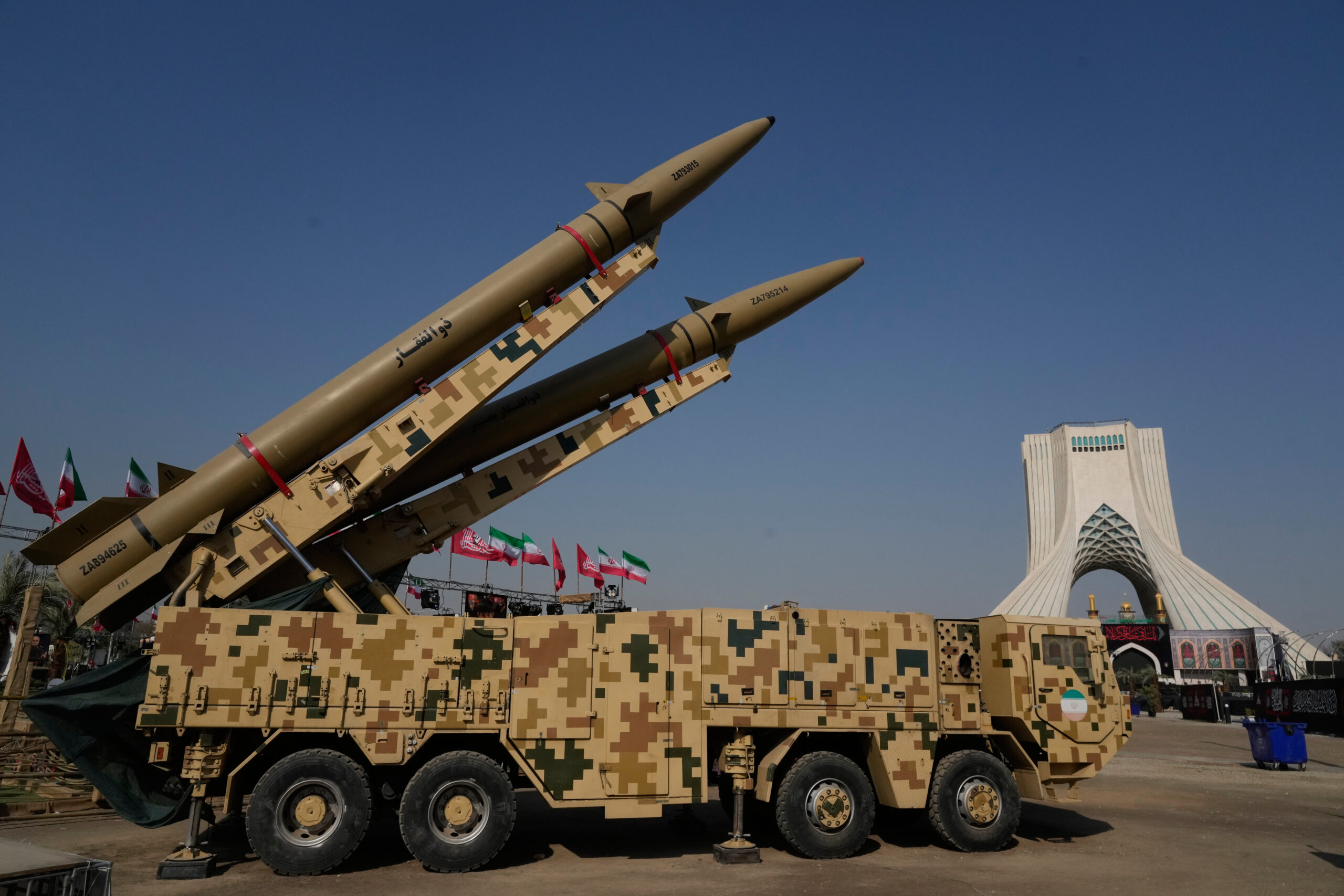
Iran’s Collective Strategic Decision Making
Wartime pressure has temporarily aligned the leadership’s overriding interest in regime survival, even as its members continue to differ over the costs, methods, and ultimate objectives of the war.
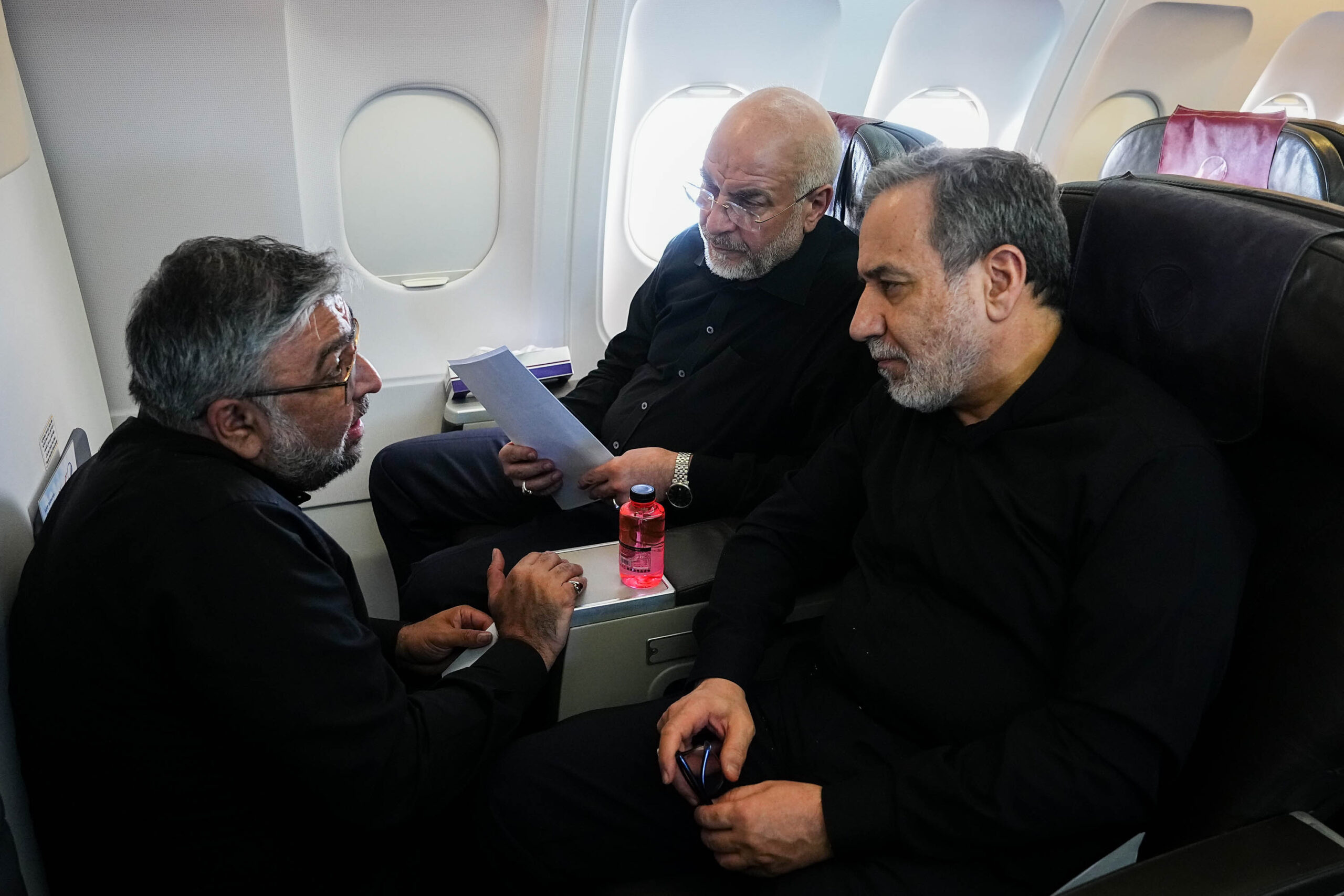
The Islamic Republic’s Collective Leadership
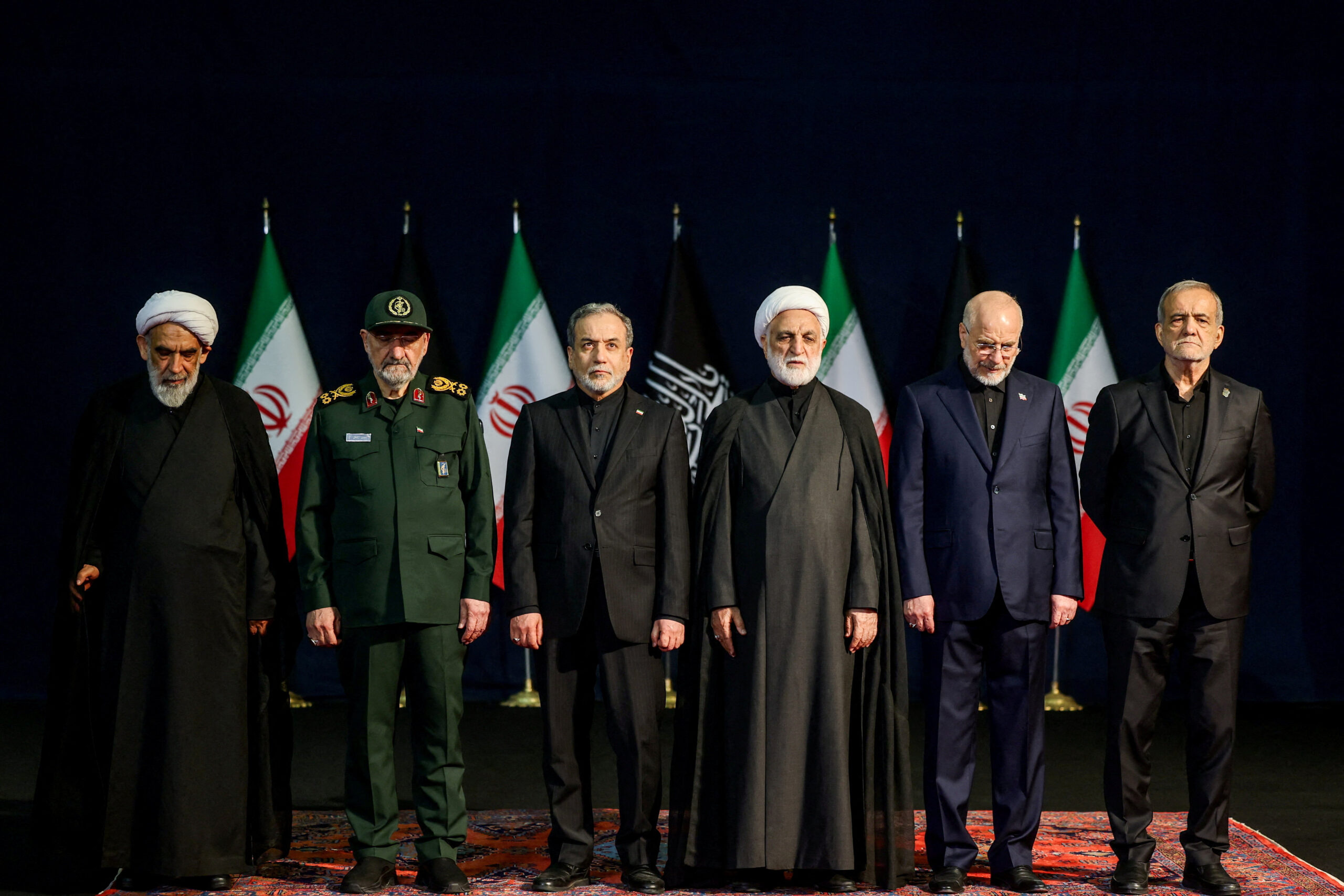
While there is historical precedent for collective leadership in Iran, today’s leadership includes representatives of the IRGC and regular military – a reflection of the IRGC’s expanding role and the necessities of governing under wartime conditions.
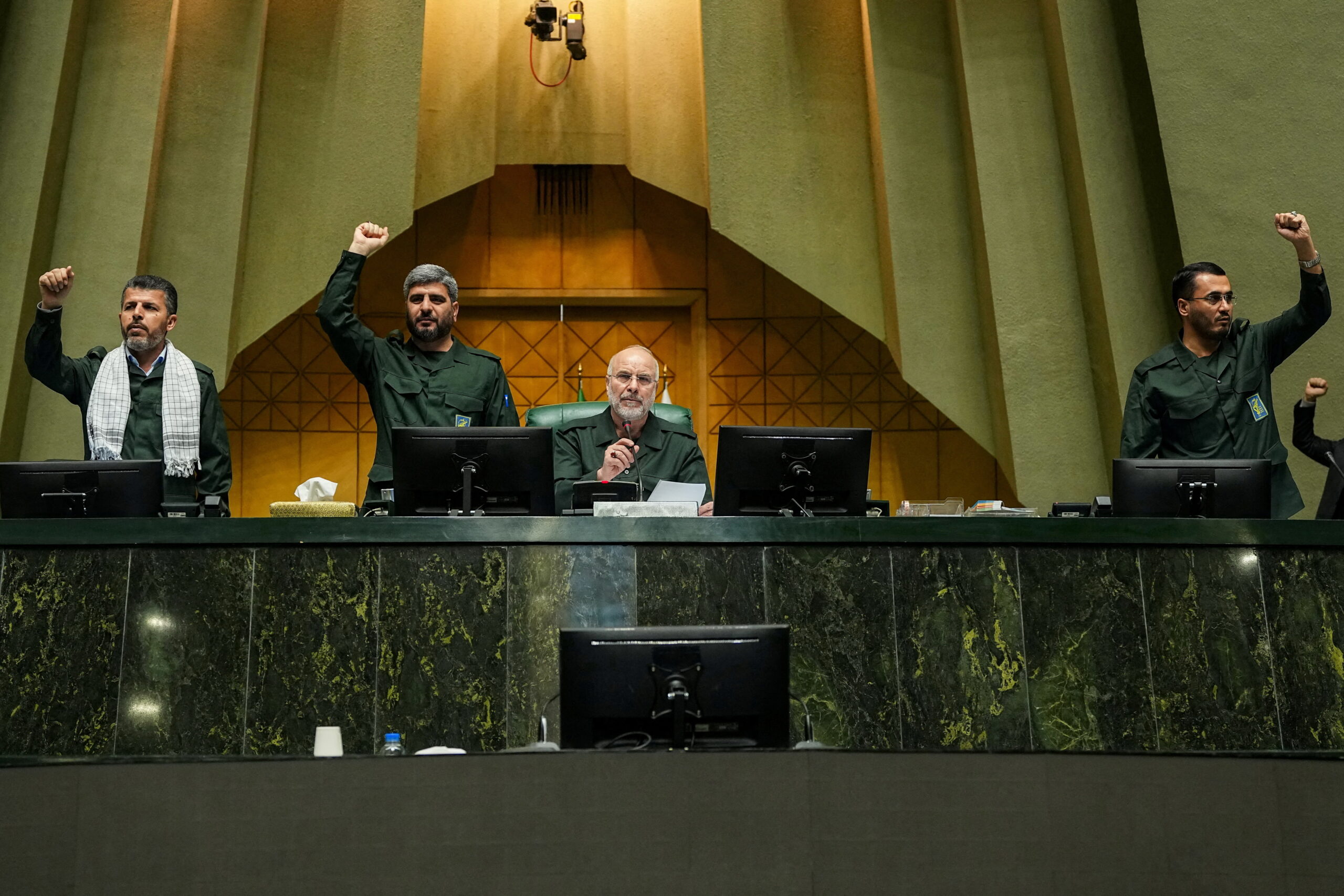
How Did the IRGC Seize Power in Iran?
The IRGC did not seize power in a single stroke. It accumulated it – patiently, methodically – until no counterweight remained.
Events
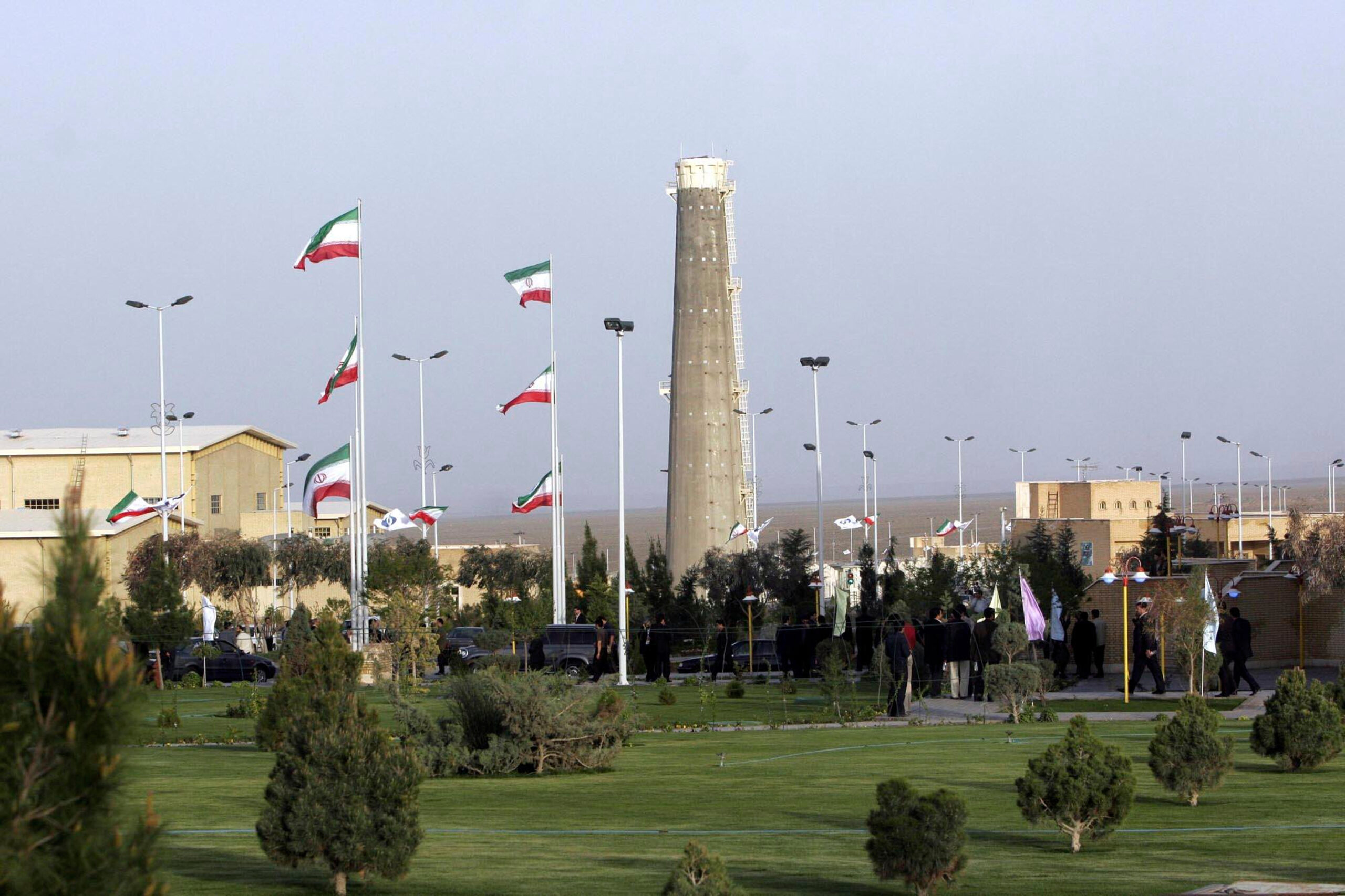
Book Talk: Iran and the Bomb: The United States, Iran and the Nuclear Question
On June 16, AGSI hosted a discussion on the evolution of Iran's nuclear program.
Speakers

Apr 21, 2026
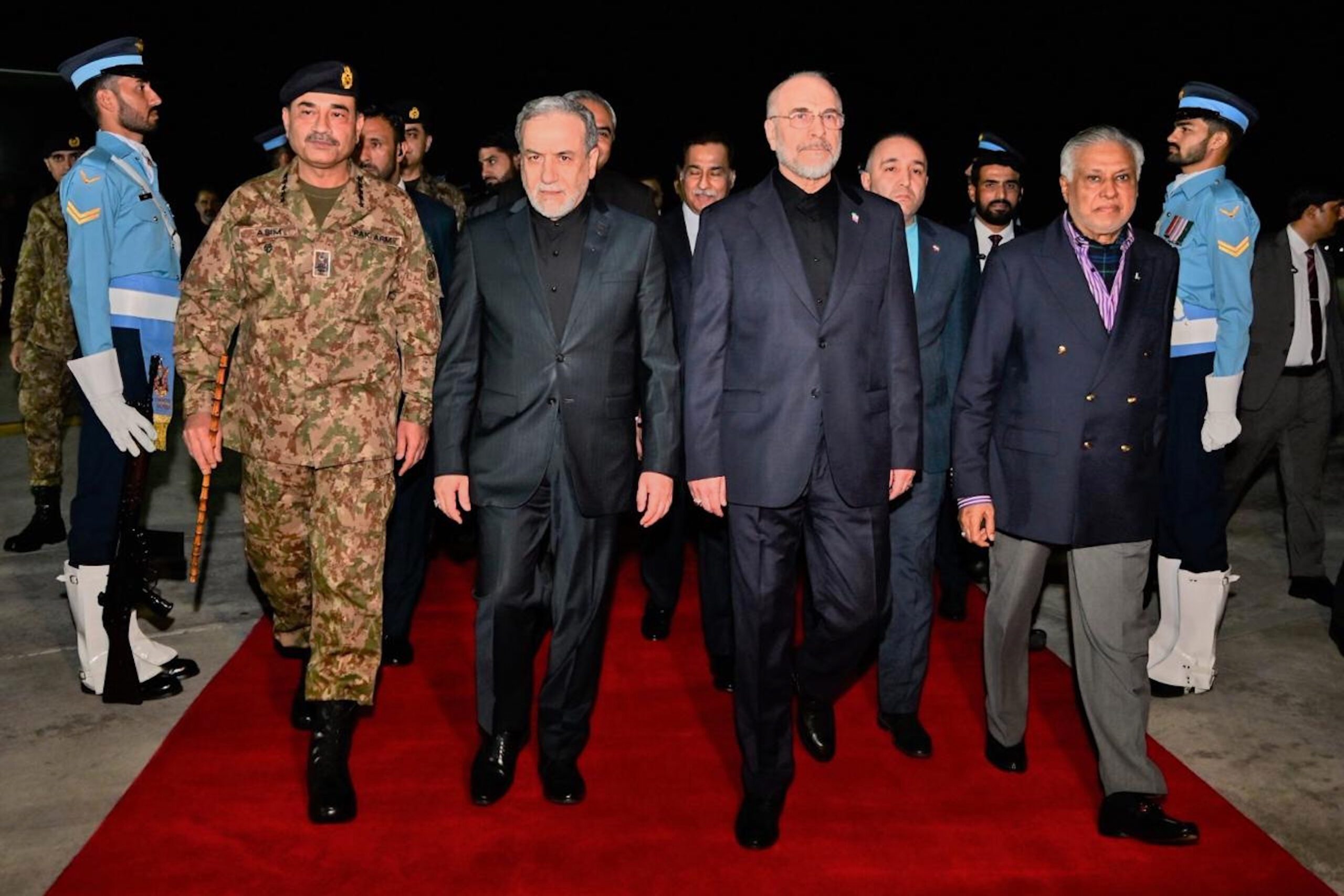
Inside Iran’s Wartime Leadership: Power, Succession, and Regime Stability
On April 21, AGSI hosted a discussion on the evolution of Iran's leadership during the war.
Speakers

Mar 18, 2026
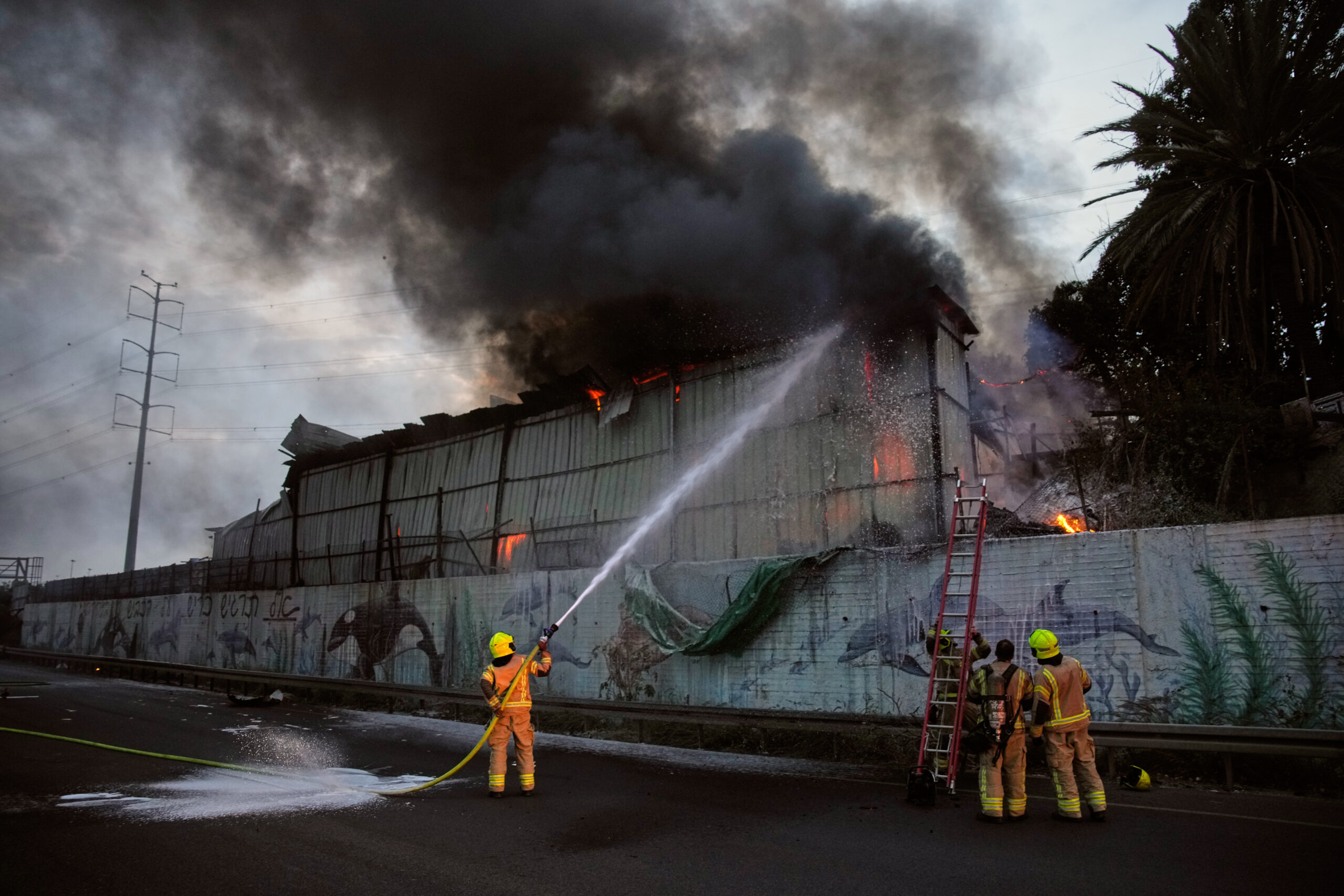
In Its Conflict With the United States and Israel, Does Escalation Favor Iran?
On March 18, AGSI hosted a discussion on the escalation of the Iran war.
Speakers



Mar 2, 2026
After the Shock: Implications of the U.S.–Israeli Strikes and Iran’s Leadership Transition
On March 2, AGSI hosted a discussion on the U.S.-Israeli strikes on Iran.
Speakers