Aug 19, 2025
Stuck in Limbo: U.S. Negotiations and Iran’s Economy
The August 19 edition of the Iran Media Review analyzes Iranian commentary warning against continuing negotiations with the United States and the worsening state of the Iranian economy.

In a remarkable turn of events, both Islamic Revolutionary Guard Corps-affiliated and reformist media concur on the futility of continued negotiations with the United States, yet neither offers Iran’s leadership a pathway out of Iran’s political and economic limbo.
- August 17: An article on Islamic Revolutionary Guard Corps-affiliated Javan’s frontpage urged the Cabinet to abandon nuclear negotiations with the United States:
-
- Former Foreign Minister Mohammad Javad Zarif “urged Tehran and Washington to sign a ‘nonaggression pact’ and Jafar Qaempanah said we should negotiate with the United States to avert another war. The problem is that these gentlemen do not comprehend that the United States, for the time being, does not want to negotiate with us.”
- August 17: In a frontpage opinion piece in reformist Sharq, columnist Kiyoumars Ashtarian wrote:
-
- “We have never been, nor are we, opponents of negotiations and have always emphasized the need for it. However, when the enemy perceives itself as victorious and in no need of engaging in diplomacy, insisting on negotiations through intermediaries will have the opposite effect … Asking for negotiations is not just humiliating … but may tempt the counterpart to start a new war, this time assassinating the political leadership to negotiate with second-tier representatives.”
- August 17: Donya-ye Eqtesad columnist Ali-Reza Soltani wrote about the state of Iran’s economy:
-
- “About a month and a half after the end of the 12-day war between Iran and Israel, Iran’s economy remains in a state of waiting – or, more precisely, limbo.”
-
- “No clear strategy has been presented for economic management. Decision-making processes in key areas, such as budgeting, public investment, and currency and fiscal policy, have been suspended.”
-
- “At the level of executive agencies and state-owned companies, many construction and infrastructure projects have been halted or suspended … due to the risk of renewed sanctions … Private and semistate companies have also practically stopped development investments.”
-
- “One of the most worrying areas is the suspension of major strategic projects, such as oil and gas development. Despite contracts valued around $18 billion for development and gas-pressure boosting in the South Pars field, the necessary financing for operations has not yet been secured. While these projects are crucial for the country’s future energy and exports, their funding has become secondary, with resources seemingly redirected toward security, defense, and essential goods.”
-
- “At the social level … Effects include rising inflationary expectations, frozen capital, declining purchasing power, and eroding public trust in economic stability.”
-
- “The financial markets are also paralyzed. The stock exchange has stalled, the currency market is marked by unpredictable fluctuations, and the credit market suffers from reduced demand for development loans.”
The views represented herein are the author's or speaker's own and do not necessarily reflect the views of AGSI, its staff, or its board of directors.
Related
Iran Media Review
Aug 15, 2025
U.S.-Iran Negotiations: Dead End
The August 15 edition of the Iran Media Review considers Iranian commentary suggesting an impasse in U.S.-Iran talks.
Iran Media Review
Aug 12, 2025
In Iran, YouTube Emerges as a Security Valve to Vent Anger Over Intelligence Failure
The August 12 edition of the Iran Media Review examines an Iranian security official’s video criticizing Iran’s security establishment.
Iran Media Review
Aug 8, 2025
The IRGC Backs Ali Larijani the Pragmatist
The August 8 edition of the Iran Media Review analyzes an IRGC-affiliated newspaper’s reaction to Ali Larijani’s appointment to the SNSC.
Aug 15, 2025
U.S.-Iran Negotiations: Dead End
The August 15 edition of the Iran Media Review considers Iranian commentary suggesting an impasse in U.S.-Iran talks.
Aug 12, 2025
In Iran, YouTube Emerges as a Security Valve to Vent Anger Over Intelligence Failure
The August 12 edition of the Iran Media Review examines an Iranian security official’s video criticizing Iran’s security establishment.
Aug 8, 2025
The IRGC Backs Ali Larijani the Pragmatist
The August 8 edition of the Iran Media Review analyzes an IRGC-affiliated newspaper’s reaction to Ali Larijani’s appointment to the SNSC.
Analysis
The Islamic Republic Returns to Offense
After U.S.-Israeli strikes killed Supreme Leader Ayatollah Ali Khamenei on February 28, Iran’s collective leadership has concluded that the best defense is a good offense.
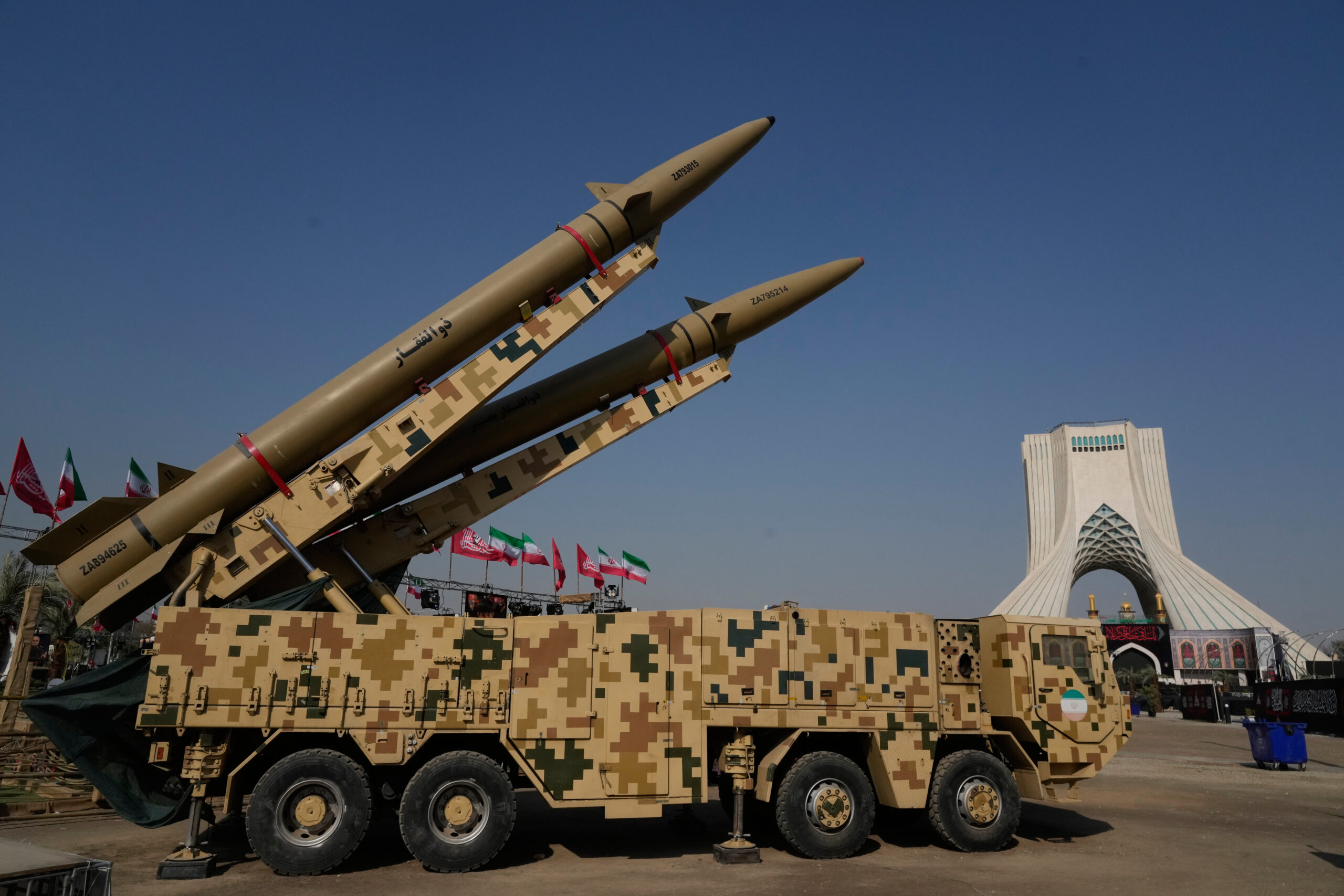
Iran’s Collective Strategic Decision Making
Wartime pressure has temporarily aligned the leadership’s overriding interest in regime survival, even as its members continue to differ over the costs, methods, and ultimate objectives of the war.
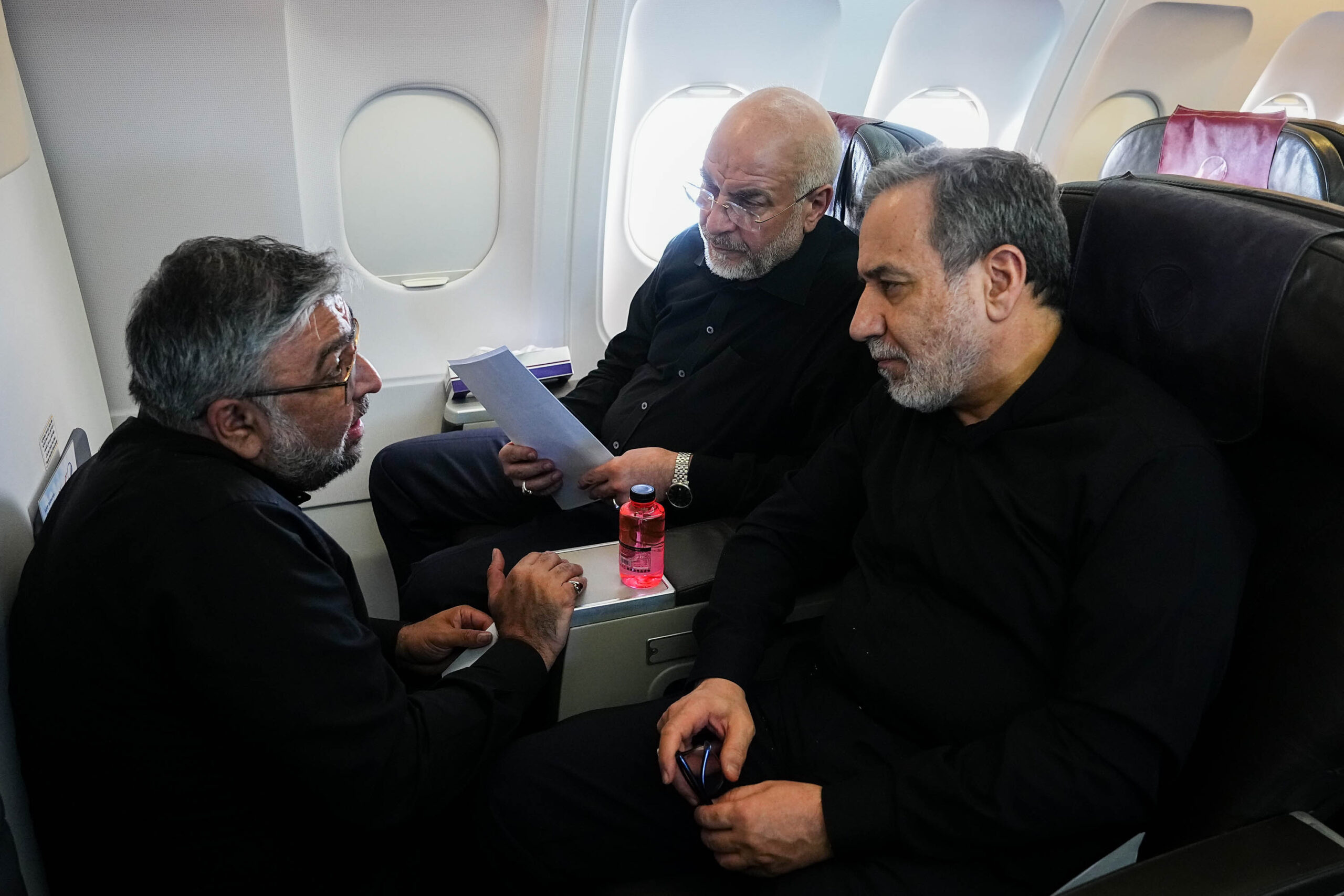
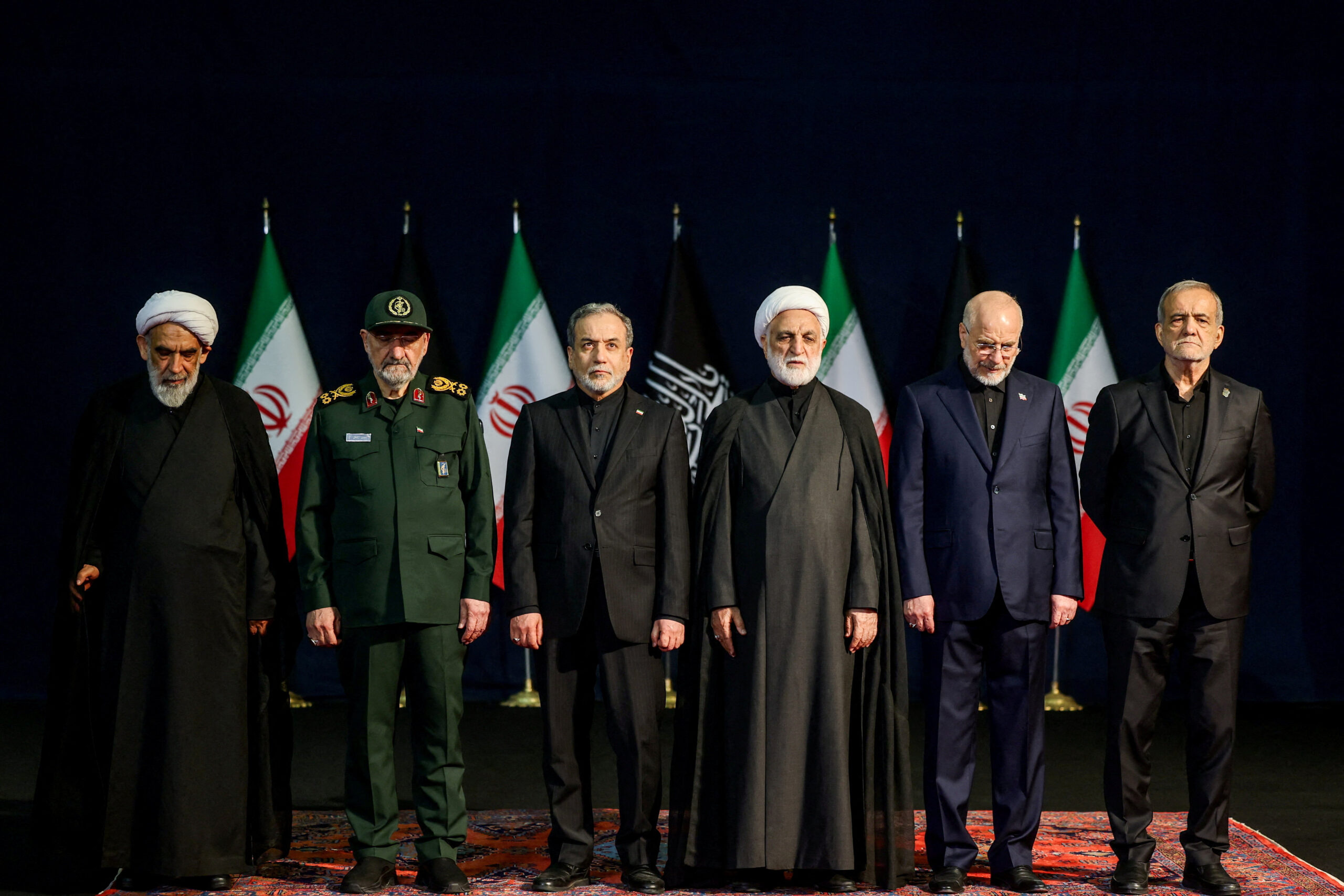
The Islamic Republic’s Collective Leadership
While there is historical precedent for collective leadership in Iran, today’s leadership includes representatives of the IRGC and regular military – a reflection of the IRGC’s expanding role and the necessities of governing under wartime conditions.
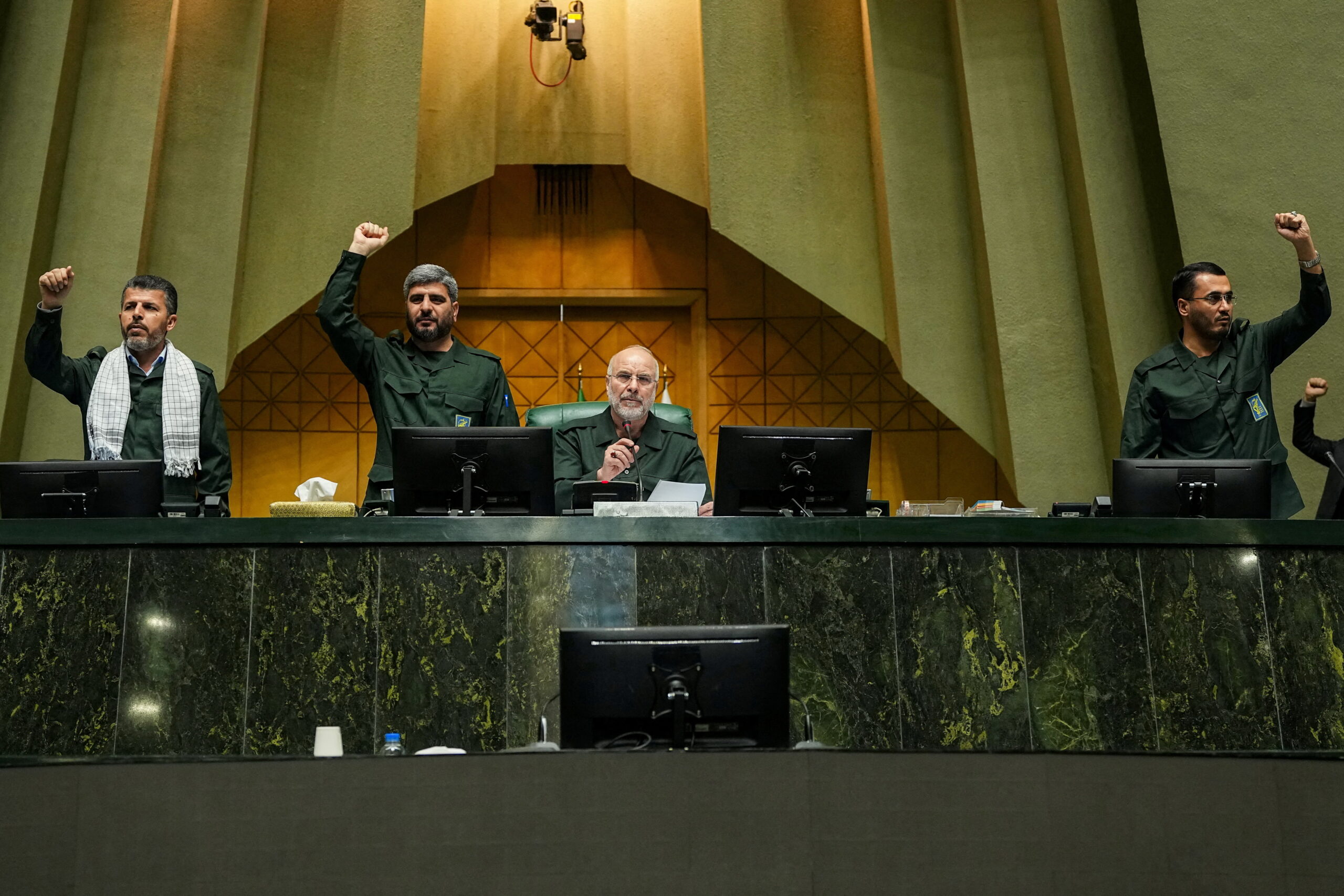
How Did the IRGC Seize Power in Iran?
The IRGC did not seize power in a single stroke. It accumulated it – patiently, methodically – until no counterweight remained.
Events
Book Talk: Iran and the Bomb: The United States, Iran and the Nuclear Question
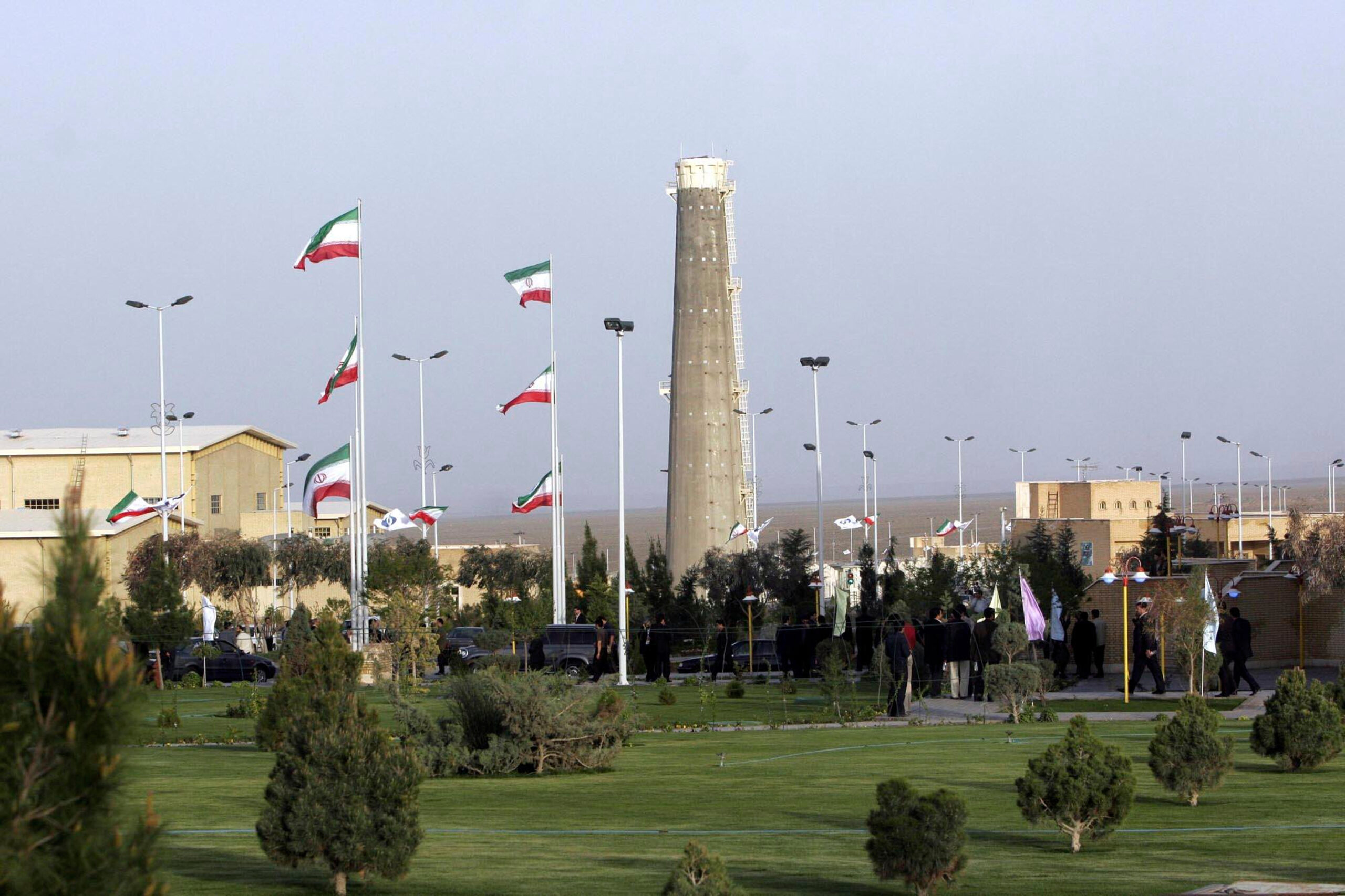
On June 16, AGSI hosted a discussion on the evolution of Iran's nuclear program.
Speakers

Apr 21, 2026
Inside Iran’s Wartime Leadership: Power, Succession, and Regime Stability
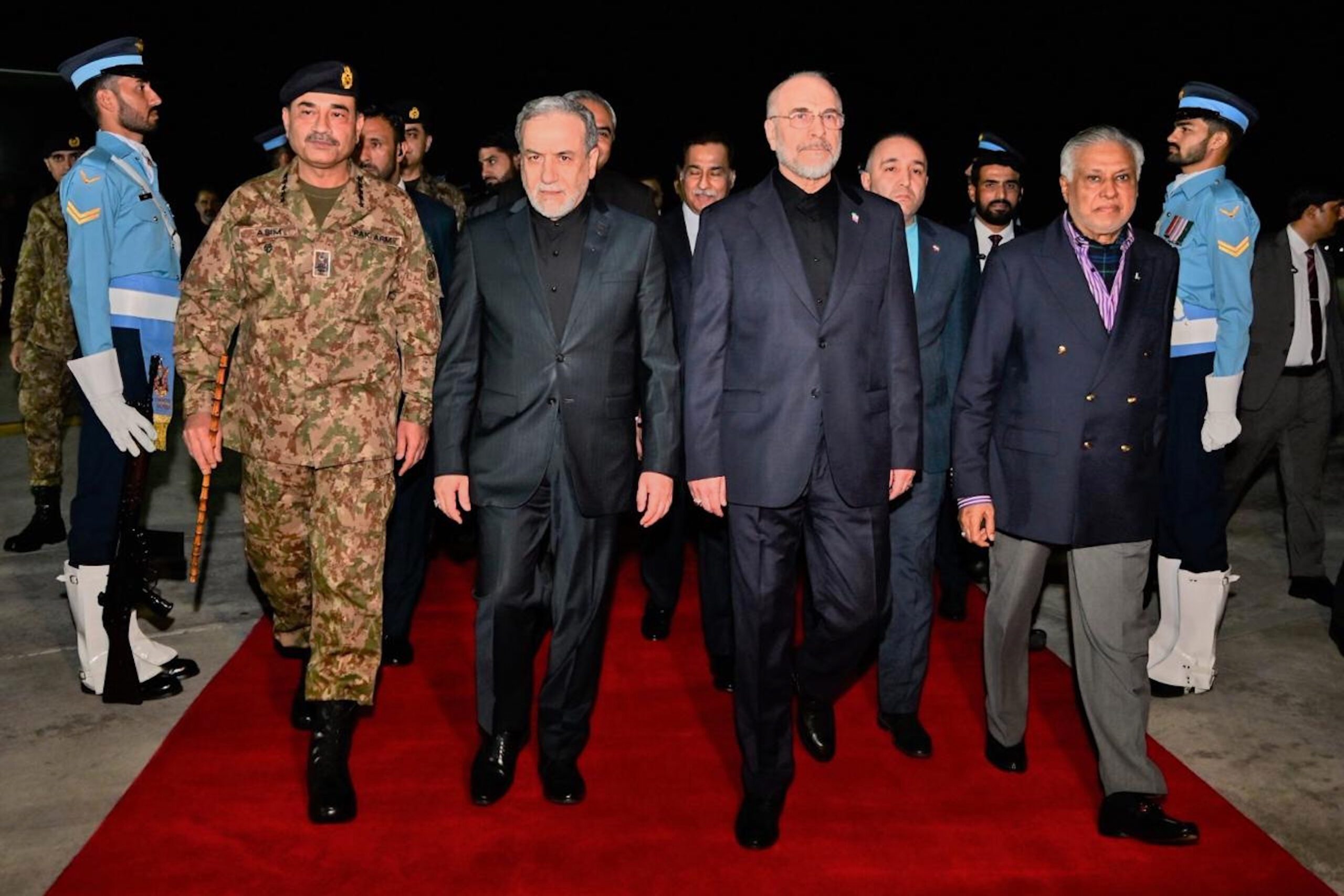
On April 21, AGSI hosted a discussion on the evolution of Iran's leadership during the war.
Speakers

Mar 18, 2026
In Its Conflict With the United States and Israel, Does Escalation Favor Iran?
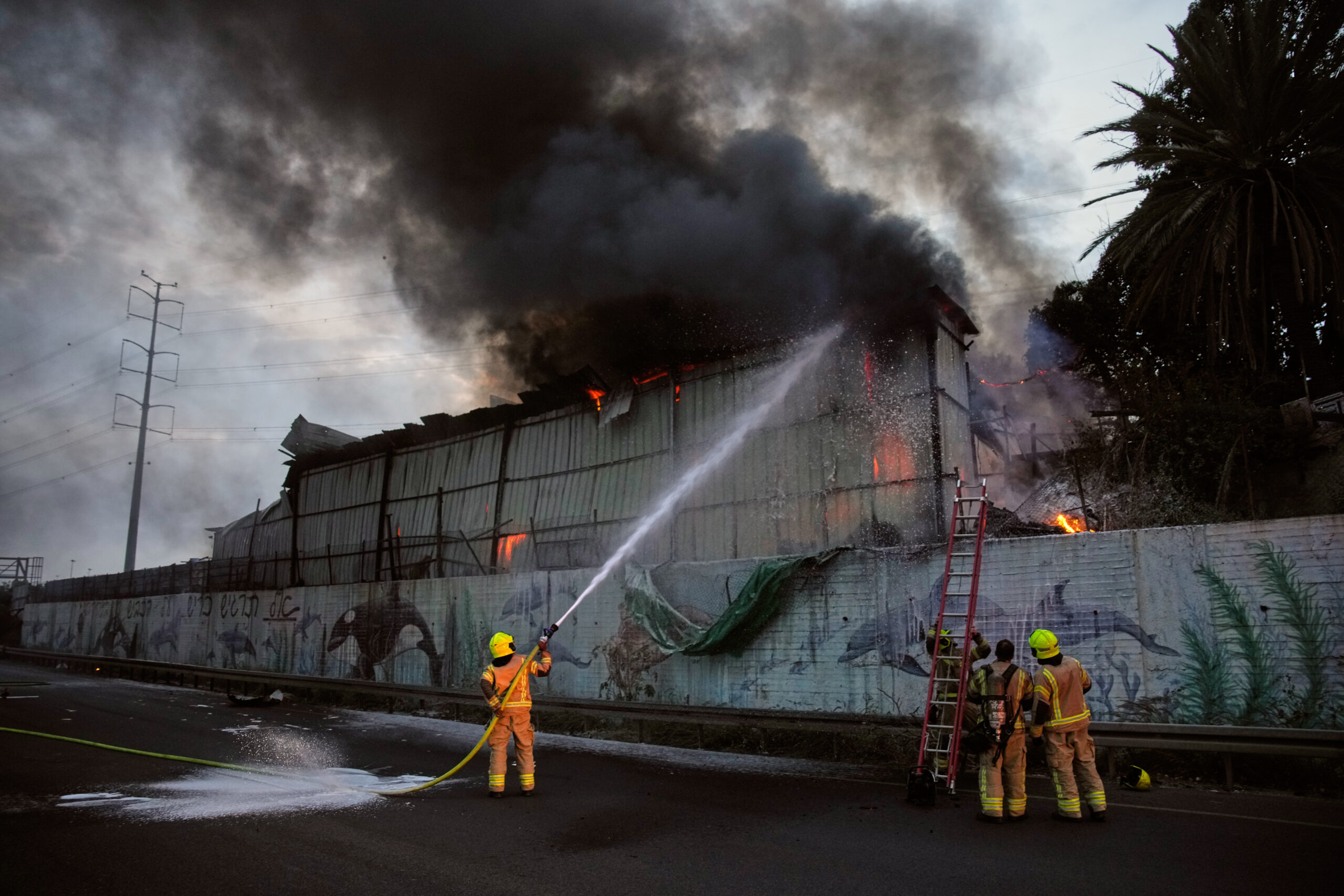
On March 18, AGSI hosted a discussion on the escalation of the Iran war.
Speakers


Mar 2, 2026
After the Shock: Implications of the U.S.–Israeli Strikes and Iran’s Leadership Transition
On March 2, AGSI hosted a discussion on the U.S.-Israeli strikes on Iran.
Speakers