May 20, 2025
Defiance in Tehran and Washington
The May 20 edition of the Iran Media Review highlights Iranian and U.S. officials’ rhetorical sparring over the future of Iran’s nuclear program as negotiations continue.

Iranian leadership is showing increasing indications of strategic frustration regarding the trajectory of negotiations with the United States. Supreme Leader Ayatollah Ali Khamenei has intensified his rhetoric against President Donald J. Trump, once again talking of dislodging the U.S. military’s presence in the Middle East. Similar signs are evident in the discourse of Foreign Minister Abbas Araghchi, who, for the first time, publicly rebuked U.S. Special Envoy to the Middle East Steven Witkoff, whose messaging has lacked consistency and most recently declared that Washington would not permit even minimal uranium enrichment within Iranian territory. President Masoud Pezeshkian too is becoming increasingly vocal in his defense of Iran’s nuclear program and so are several of Iran’s state-censored newspapers. These developments reflect a sharpening of negotiating positions and are likely a pre-negotiation tactic as both parties maneuver to consolidate leverage ahead of the forthcoming round of talks. Nevertheless, there are also real conflicts between the two states.
- May 17: Addressing a group of teachers, Supreme Leader Ayatollah Ali Khamenei responded to President Donald J. Trump’s speeches in Riyadh, Abu Dhabi, and Doha in remarks posted on his website:
-
- “Some of the statements made by the American president during this regional tour were so base, so beneath the dignity of political discourse, that they constitute a humiliation not only for the individual who uttered them but also for the American people. They are unworthy of a formal response, and I shall overlook them. However, I must pause to reflect on a few lines: Trump claimed that he seeks power in order to make peace. This is a blatant falsehood. He lies, as do other American officials. They have employed their power not to establish peace but to shed the blood of the oppressed people of Gaza and to spread war and turmoil wherever possible, all in defense of their mercenaries and stooges. This is the reality of how they have wielded power. Tell us – when have they ever used their power in the service of peace?”
-
- Referring to Trump’s praise for the “development model” of Arab states, Khamenei stated: “The model that the American president is advocating for the Arab states is one in which, as he himself admitted, these states cannot stand on their own two feet for more than 10 days without U.S. support. Now, he seeks to institutionalize this model – a model of dependency – among the Arab states, rendering them perpetually reliant on the United States. This model has already failed, and by the grace of the Almighty and through the vigilance and resistance of the peoples of this region, the United States must and shall exit this region.”
- May 18: In a parallel development, Special Envoy to the Middle East Steven Witkoff told ABC News that the United States “cannot allow even 1% of an enrichment capability” on Iranian territory. In response, Foreign Minister Abbas Araghchi, speaking to Islamic Republic of Iran Broadcasting in a statement subsequently disseminated by Supreme National Security Council-affiliated Nour News reaffirmed Iran’s sovereign right to pursue peaceful nuclear enrichment. Araghchi remarked about Witkoff:
-
- “I think he is far from the realities of the negotiations. Enrichment activities will continue in Iran. If they want to ascertain that a nuclear weapon is not produced, we are completely ready to cooperate unless they have unrealistic demands.”
- May 19: Citing President Masoud Pezeshkian’s May 18 address at the Tehran Dialogue Forum reformist Etemad wrote:
-
- “Our right must be recognized. The rights of the states are based on international treaties. According to the Treaty on the Non-Proliferation of Nuclear Weapons, we have the right to engage in peaceful nuclear research and use. We need to master this science for the sake of agriculture, industry, and medicine. Who gives anyone the right to prevent development of other states?”
-
- “They argue that Iran must not have a nuclear weapon. Our dear leader has already decreed that we, from an Islamic point of view, can’t have a nuclear weapon. In Iran, many want to move in that direction, but the leader of the revolution said we can’t due to theological issues, and nobody in Iran can take a step in that direction … They can come and monitor us, since we do not intend to produce a nuclear weapon.”
- May 19: Islamic Revolutionary Guard Corps-affiliated Javan called Witkoff’s statements “shameless” and “unbridled.”
- May 19: Hard-line Kayhan condemned Witkoff’s statement, claiming it was a violation of Iran’s rights under the Treaty on the Non-Proliferation of Nuclear Weapons.
The views represented herein are the author's or speaker's own and do not necessarily reflect the views of AGSI, its staff, or its board of directors.
Related
Iran Media Review
May 16, 2025
Iran Backs Diplomacy With Threats of Disruption
The May 16 edition of the Iran Media Review considers how Iranian officials are adopting strategic ambiguity in their rhetoric about negotiations with the United States.
Iran Media Review
May 13, 2025
Araghchi: U.S. and Iran Agree on Continued Talks
The May 13 edition of the Iran Media Review evaluates remarks by the Iranian foreign minister and state-controlled media endorsing continued U.S.-Iran negotiations.
Iran Media Review
May 9, 2025
The Use of Force and the Trajectory of U.S.-Iran Talks
The May 9 edition of the Iran Media Review examines disagreements among Iranian media outlets about the effect of a Houthi missile strike targeting Israel on U.S.-Iranian negotiations.
May 16, 2025
Iran Backs Diplomacy With Threats of Disruption
The May 16 edition of the Iran Media Review considers how Iranian officials are adopting strategic ambiguity in their rhetoric about negotiations with the United States.
May 13, 2025
Araghchi: U.S. and Iran Agree on Continued Talks
The May 13 edition of the Iran Media Review evaluates remarks by the Iranian foreign minister and state-controlled media endorsing continued U.S.-Iran negotiations.
May 9, 2025
The Use of Force and the Trajectory of U.S.-Iran Talks
The May 9 edition of the Iran Media Review examines disagreements among Iranian media outlets about the effect of a Houthi missile strike targeting Israel on U.S.-Iranian negotiations.
Analysis
The Islamic Republic Returns to Offense
After U.S.-Israeli strikes killed Supreme Leader Ayatollah Ali Khamenei on February 28, Iran’s collective leadership has concluded that the best defense is a good offense.
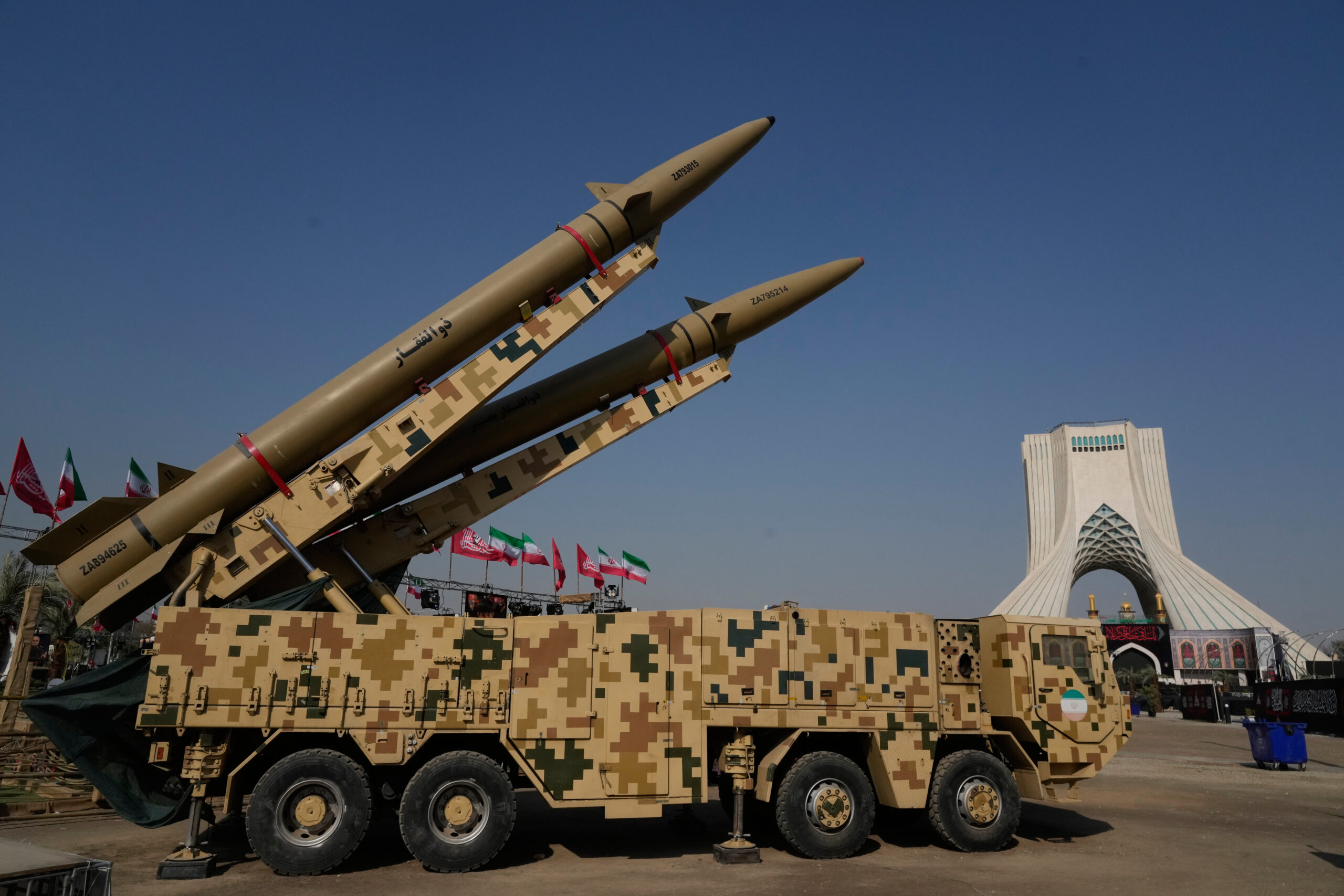
Iran’s Collective Strategic Decision Making
Wartime pressure has temporarily aligned the leadership’s overriding interest in regime survival, even as its members continue to differ over the costs, methods, and ultimate objectives of the war.
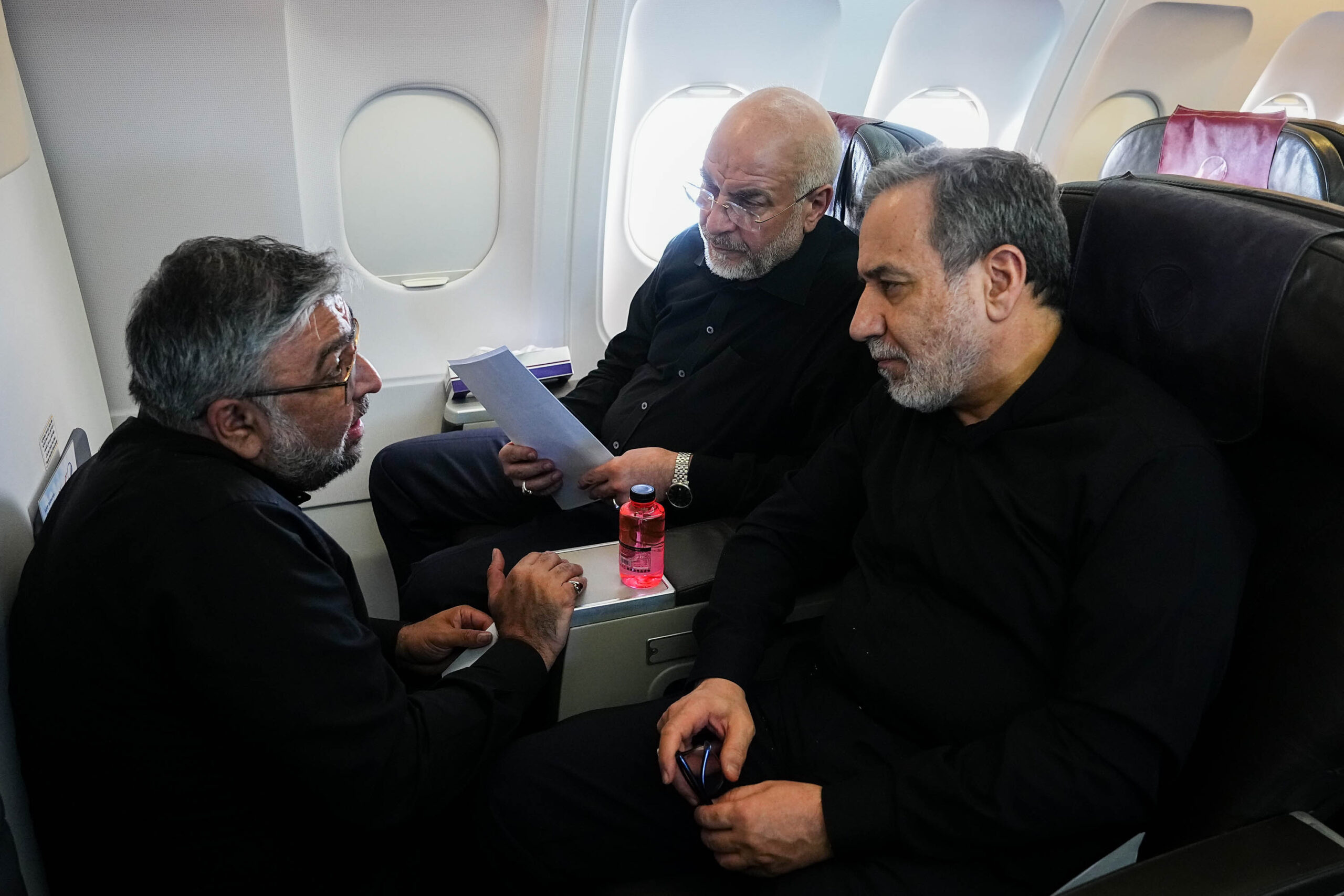
The Islamic Republic’s Collective Leadership
While there is historical precedent for collective leadership in Iran, today’s leadership includes representatives of the IRGC and regular military – a reflection of the IRGC’s expanding role and the necessities of governing under wartime conditions.
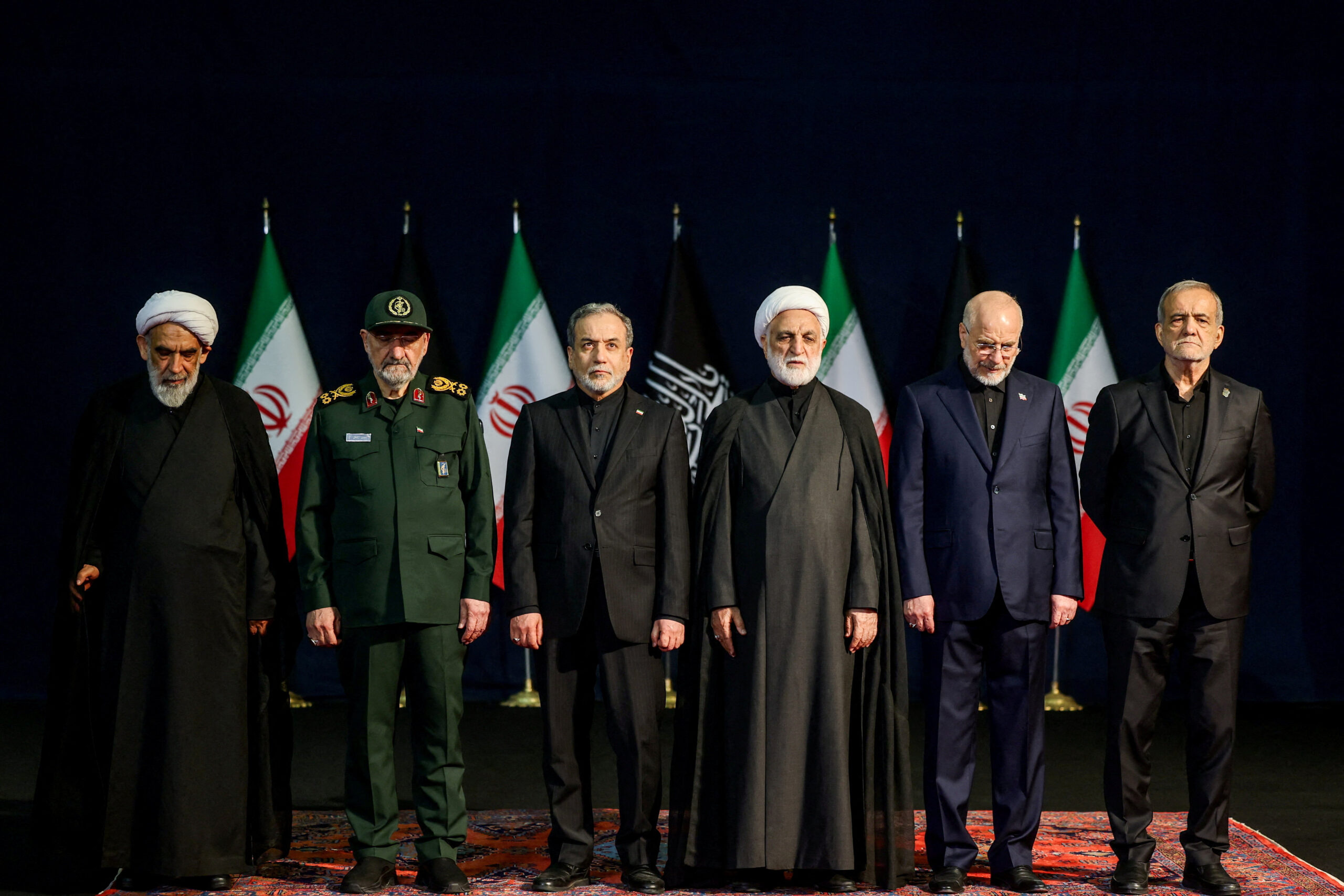
How Did the IRGC Seize Power in Iran?
The IRGC did not seize power in a single stroke. It accumulated it – patiently, methodically – until no counterweight remained.
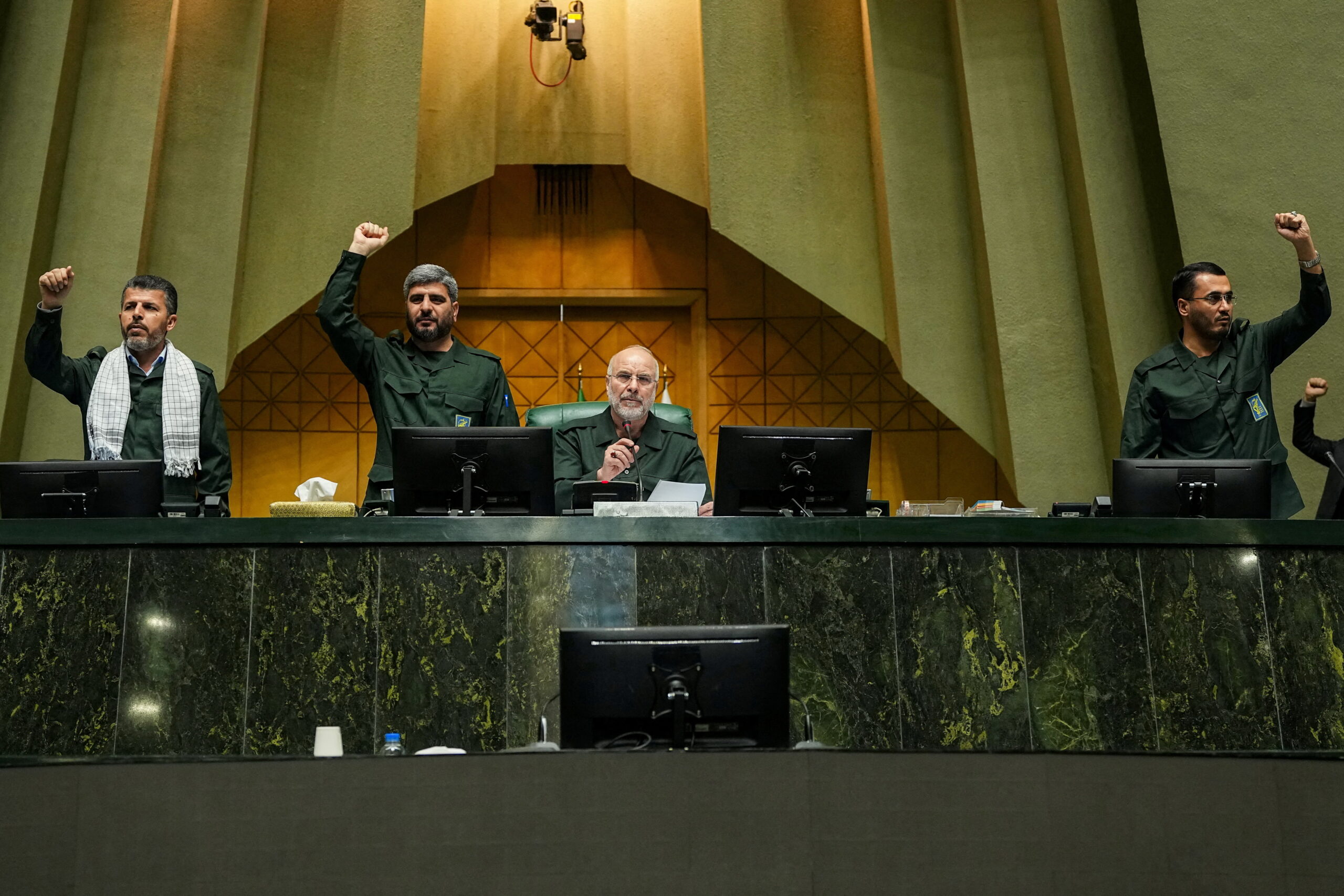
Events
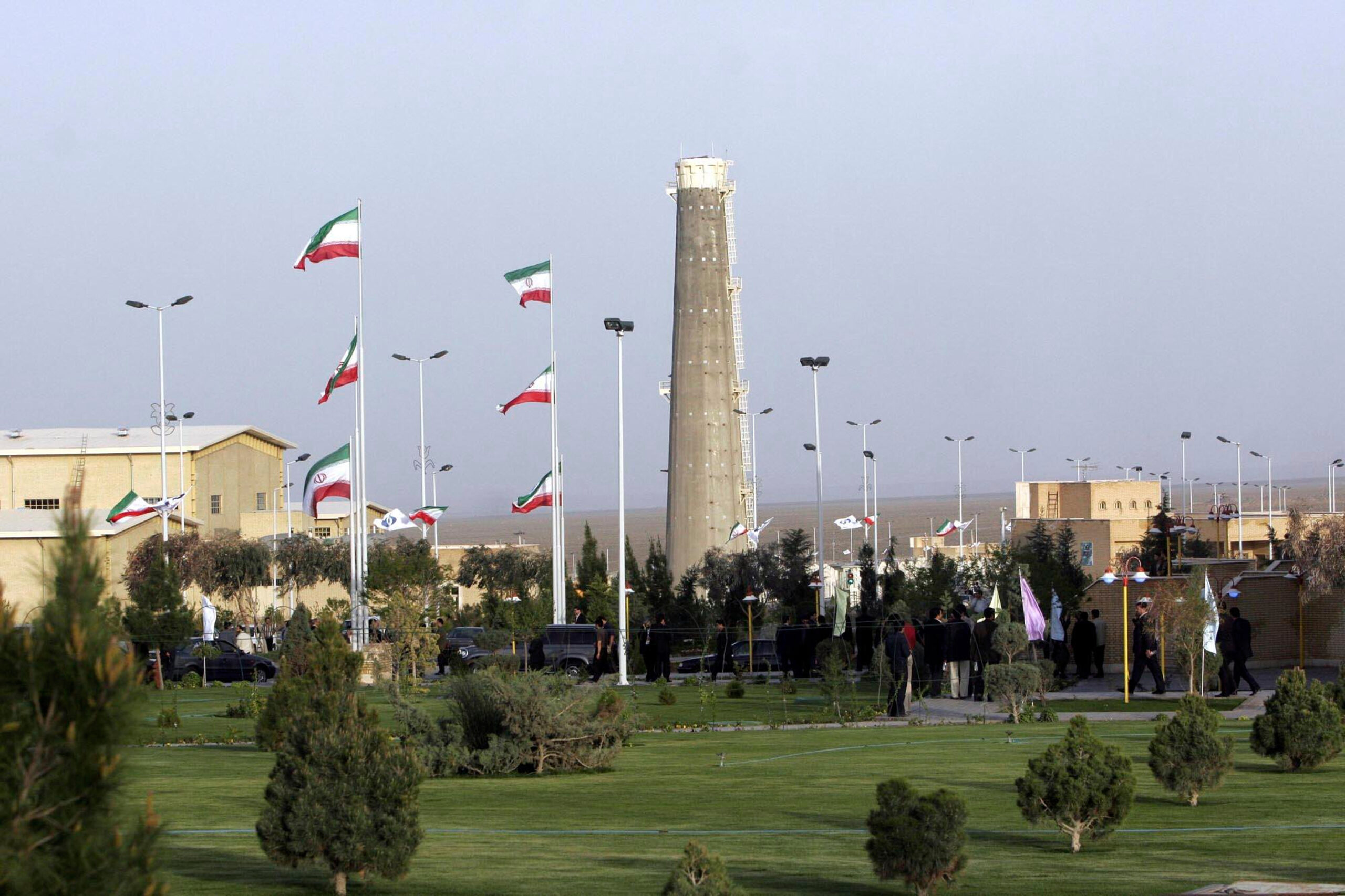
Book Talk: Iran and the Bomb: The United States, Iran and the Nuclear Question
On June 16, AGSI hosted a discussion on the evolution of Iran's nuclear program.
Speakers

Apr 21, 2026
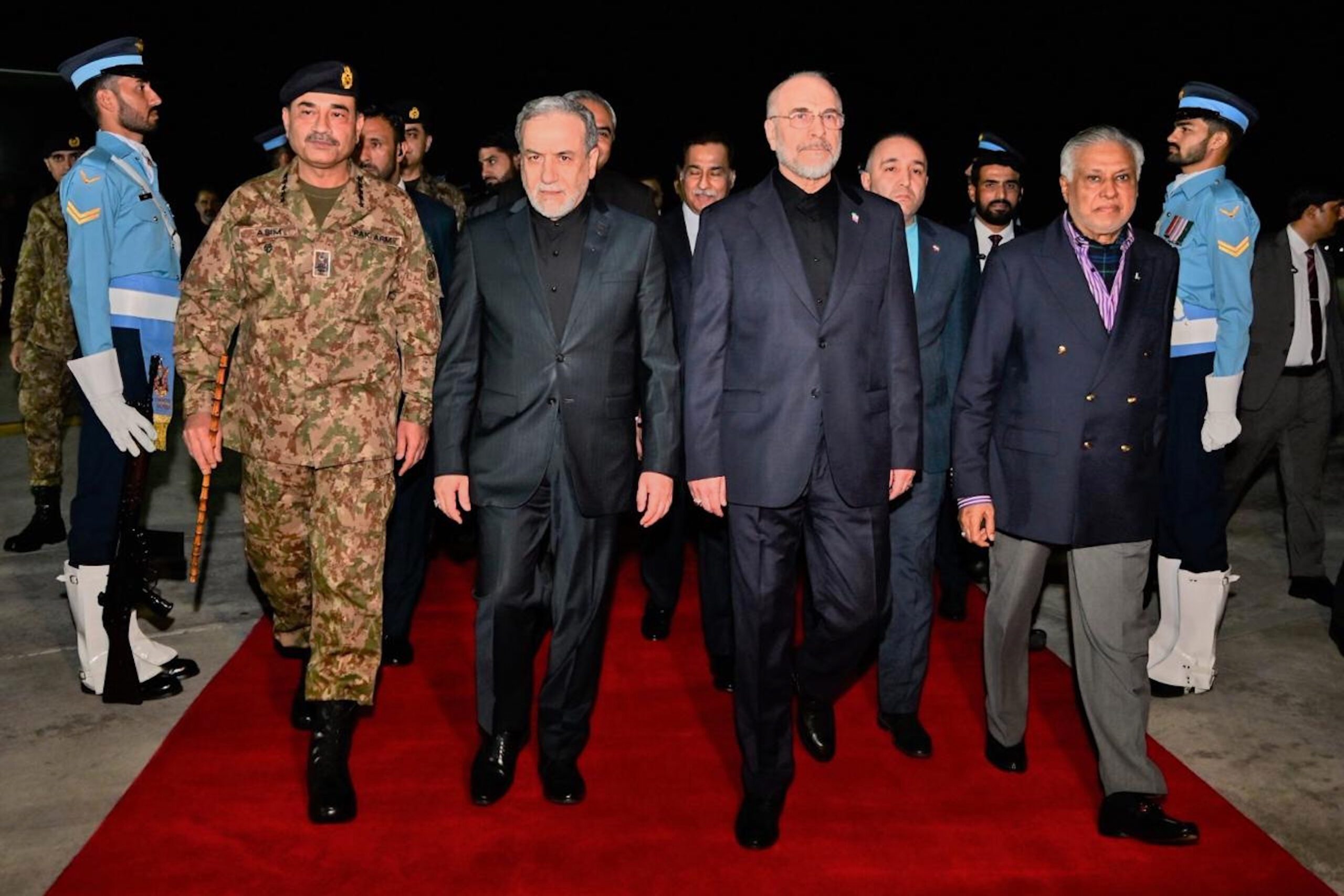
Inside Iran’s Wartime Leadership: Power, Succession, and Regime Stability
On April 21, AGSI hosted a discussion on the evolution of Iran's leadership during the war.
Speakers

Mar 18, 2026
In Its Conflict With the United States and Israel, Does Escalation Favor Iran?
On March 18, AGSI hosted a discussion on the escalation of the Iran war.
Speakers
Mar 2, 2026
After the Shock: Implications of the U.S.–Israeli Strikes and Iran’s Leadership Transition
On March 2, AGSI hosted a discussion on the U.S.-Israeli strikes on Iran.
Speakers