Jan 24, 2023
Neglected, Poor, and Protesting: Iran’s Sistan and Baluchistan Province
The wave of popular protests that has swept over Iran since September 2022 has claimed the lives of 592 protesters and 73 members of different branches of the armed forces. With 131 protesters and 21 government personnel fatalities, the protests have been particularly violent in Sistan and Baluchistan province, which is populated by Iran’s predominantly...

The wave of popular protests that has swept over Iran since September 2022 has claimed the lives of 592 protesters and 73 members of different branches of the armed forces. With 131 protesters and 21 government personnel fatalities, the protests have been particularly violent in Sistan and Baluchistan province, which is populated by Iran’s predominantly Sunni Baluchi minority. While regime officials in Tehran blame unrest in the province on foreign machinations, international terrorism, and even Abdolhamid Ismaeelzahi, Baluchi leader and Sunni Muslim cleric, local officials, including the representative of the supreme leader to the province, and members of Parliament from the province blame the government in Tehran. Political activist and former administrator Mohammad Balouch-Zehi, in an opinion piece in reformist Etemad newspaper, launched a blistering critique of government negligence in the province.
- January 19: Brigadier General Mohammad Karami was appointed governor of Sistan and Baluchistan December 28, 2022, yet his inaugural ceremony went largely unreported in news coverage from the province. Reformist Nameh News, which reportedly gained access to video footage of the ceremony, provided details, illustrating the depth of popular dissatisfaction with the regime in the province.
- According to Nameh News, Ayatollah Mostafa Mahami, representative of the supreme leader to Sistan and Baluchistan province, in his welcome address to the new governor said: “I was not informed of the appointment of Commander Karami as governor and only learned about it from the news. I have neither asked nor do I know who has greater powers to serve in the province: the governor or the commanding officer at the Revolutionary Guard Quds Headquarters in Sistan and Baluchestan?” He reportedly continued, “At any rate, now that the appointment has been made, we hope the governor enjoys the necessary powers. As the honorable president took office, he said that he would give special powers to the governors of two provinces. Mr. Modarres was indeed a decent man, but I never found out what special powers he enjoyed … Whenever there were problems, he would say: ‘Such and such are the regulations, and we can’t do a thing!’ But it is important that a governor has the powers to solve people’s problems.” Turning to the water dispute between Iran and Afghanistan, Mahami thundered against the “incompetence of the Foreign Ministry” in securing the flow of water from Afghanistan to Iran and warned President Ebrahim Raisi against continued efforts at “conversation therapy” and demanded “action” to secure affordable food for the local population.
- Also present at the inauguration ceremony, Habib-Allah Dahmardeh, a parliamentarian representing Zabol and Zahak constituencies, screamed at Interior Minister Ahmad Vahidi, who was standing at the podium: “I don’t know how to say this so nobody takes offense. Your excellency, Mr. Interior Minister, I am your servant, but we are representatives of the people … At the parliamentary National Security Committee, the deputy intelligence minister was talking of insurrection here. Don’t blacklist me. Mr. Vahidi, for God’s sake, don’t register my name on your list of the counterrevolutionaries. I am a devotee of the revolution, and my redline is the leader of the revolution. But how about employment? Where are the jobs? What would you tell people if you were in my position? The government talks of creating jobs in the province.” He continued, addressing the audience assembled, “You people, what did you gain? Nothing!”
- Hossein Ali Shahriari, a parliamentarian representing Zahedan, too engaged in the debate with the interior minister: “If someone, in order to feed his wife and kids, takes a couple of gallons of gas to sell abroad, is it right to set him on fire on the roads of Sistan and Baluchistan? Who is there to listen to the cries of the people for help? People tell us they are in need of $1.50 to purchase medicine for their kids. We are ashamed of looking them in the eyes. This is because of incompetence of high officials.”
- January 19: In an opinion piece in Etemad, Balouch-Zehi argued: “According to the latest statistics on poverty, published by the Ministry of Cooperatives, Labor, and Social Welfare, Sistan and Baluchistan retains its position as the province with the highest portion of its population living in absolute poverty … With the exception of access to drinking water, in which Kerman province ranks lower, Sistan and Baluchistan has the worst position with regard to education, health, housing, financial services, and energy … In the calendar year 2021-22, more than half of the population of this province lived under the absolute poverty line … Among provinces with the highest unemployment rate, extreme poverty, crime, addiction, child labor, banditry, insecurity, begging, and the like, have been imposed on the people … Even educated people are engaged in jobs such as smuggling fuel,” he said, discussing illegally exporting state-subsidized fuel from Iran to neighboring Pakistan. He concluded: “As long as the government suffices in sloganeering, we can’t expect any improvement in welfare indicators or development in this province.”
The views represented herein are the author's or speaker's own and do not necessarily reflect the views of AGSI, its staff, or its board of directors.
Related
Iran Media Review
Sep 30, 2026
U.S.-Iran Impasse
The September 30 edition of the Iran Media Review considers analysis on the underlying impasse between the United States and Iran – that neither side will surrender leverage without reciprocal concessions.
Iran Media Review
Sep 25, 2026
President Pezeshkian at the United Nations
The September 25 edition of the Iran Media Review analyzes Iranian responses to a speech by the Iranian president and a meeting between the Iranian foreign minister and U.S. negotiators on the sidelines of the United Nations.
Iran Media Review
Sep 22, 2026
With Mojtaba in Occultation, Qalibaf and Rezaei Articulate Iran’s Terms
The September 22 edition of the Iran Media Review considers an IRGC-linked newspaper’s suggestion that the supreme leader might remain in hiding and statements by Iranian officials laying out Iran’s terms for negotiations with the United States.
Sep 30, 2026
U.S.-Iran Impasse
The September 30 edition of the Iran Media Review considers analysis on the underlying impasse between the United States and Iran – that neither side will surrender leverage without reciprocal concessions.
Sep 25, 2026
President Pezeshkian at the United Nations
The September 25 edition of the Iran Media Review analyzes Iranian responses to a speech by the Iranian president and a meeting between the Iranian foreign minister and U.S. negotiators on the sidelines of the United Nations.
Sep 22, 2026
With Mojtaba in Occultation, Qalibaf and Rezaei Articulate Iran’s Terms
The September 22 edition of the Iran Media Review considers an IRGC-linked newspaper’s suggestion that the supreme leader might remain in hiding and statements by Iranian officials laying out Iran’s terms for negotiations with the United States.
Analysis
The Islamic Republic Returns to Offense
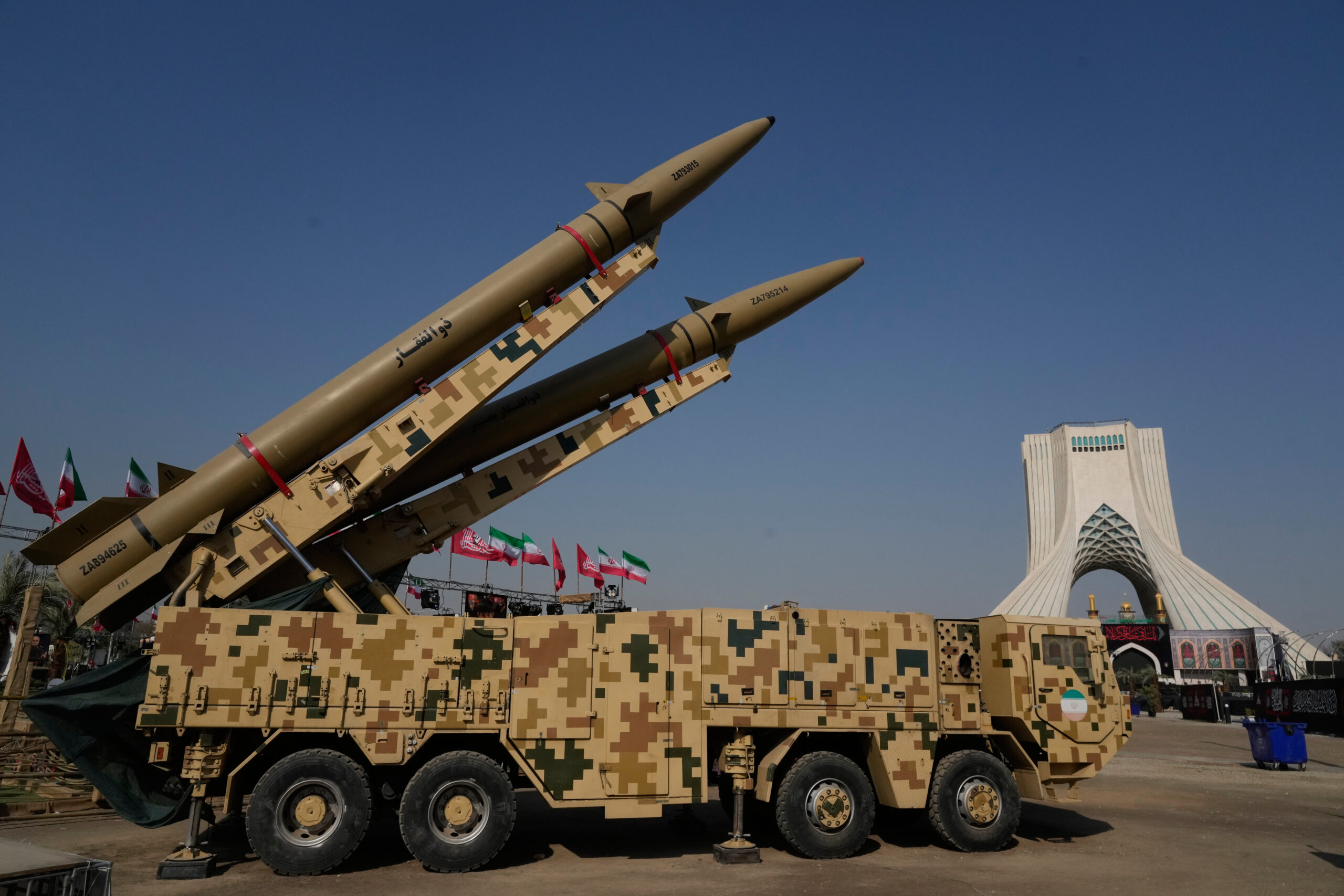
After U.S.-Israeli strikes killed Supreme Leader Ayatollah Ali Khamenei on February 28, Iran’s collective leadership has concluded that the best defense is a good offense.
Iran’s Collective Strategic Decision Making
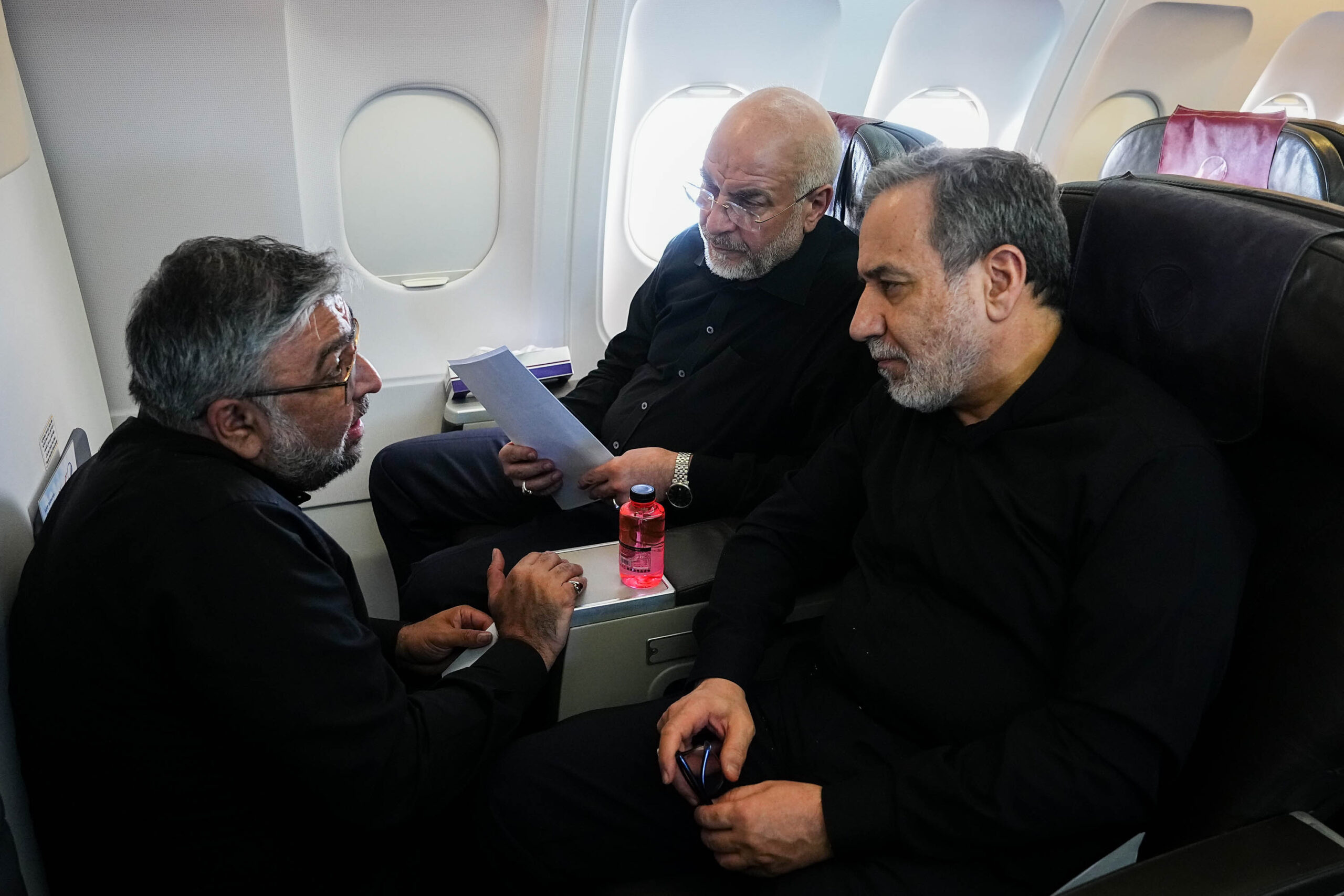
Wartime pressure has temporarily aligned the leadership’s overriding interest in regime survival, even as its members continue to differ over the costs, methods, and ultimate objectives of the war.
The Islamic Republic’s Collective Leadership
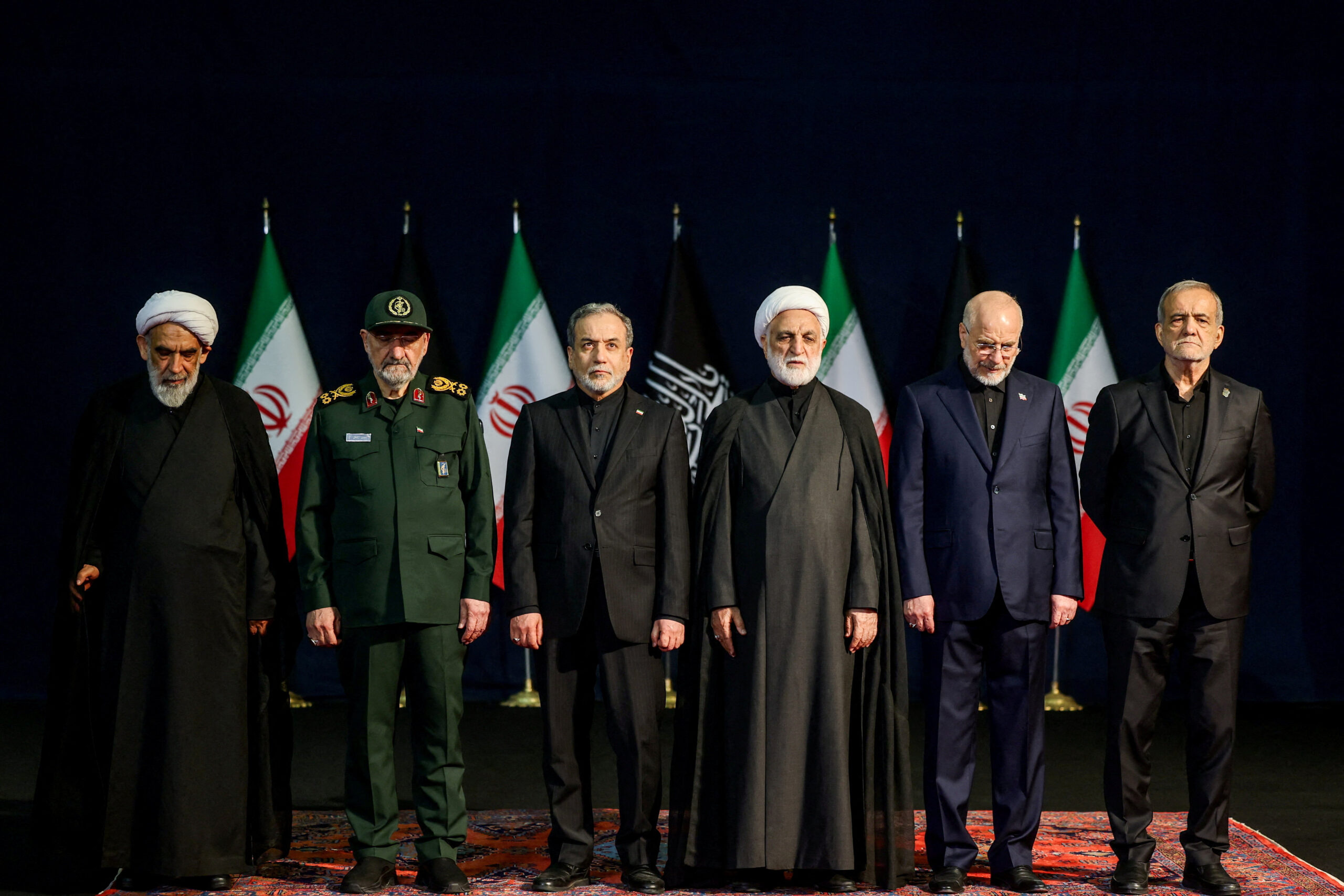
While there is historical precedent for collective leadership in Iran, today’s leadership includes representatives of the IRGC and regular military – a reflection of the IRGC’s expanding role and the necessities of governing under wartime conditions.
How Did the IRGC Seize Power in Iran?
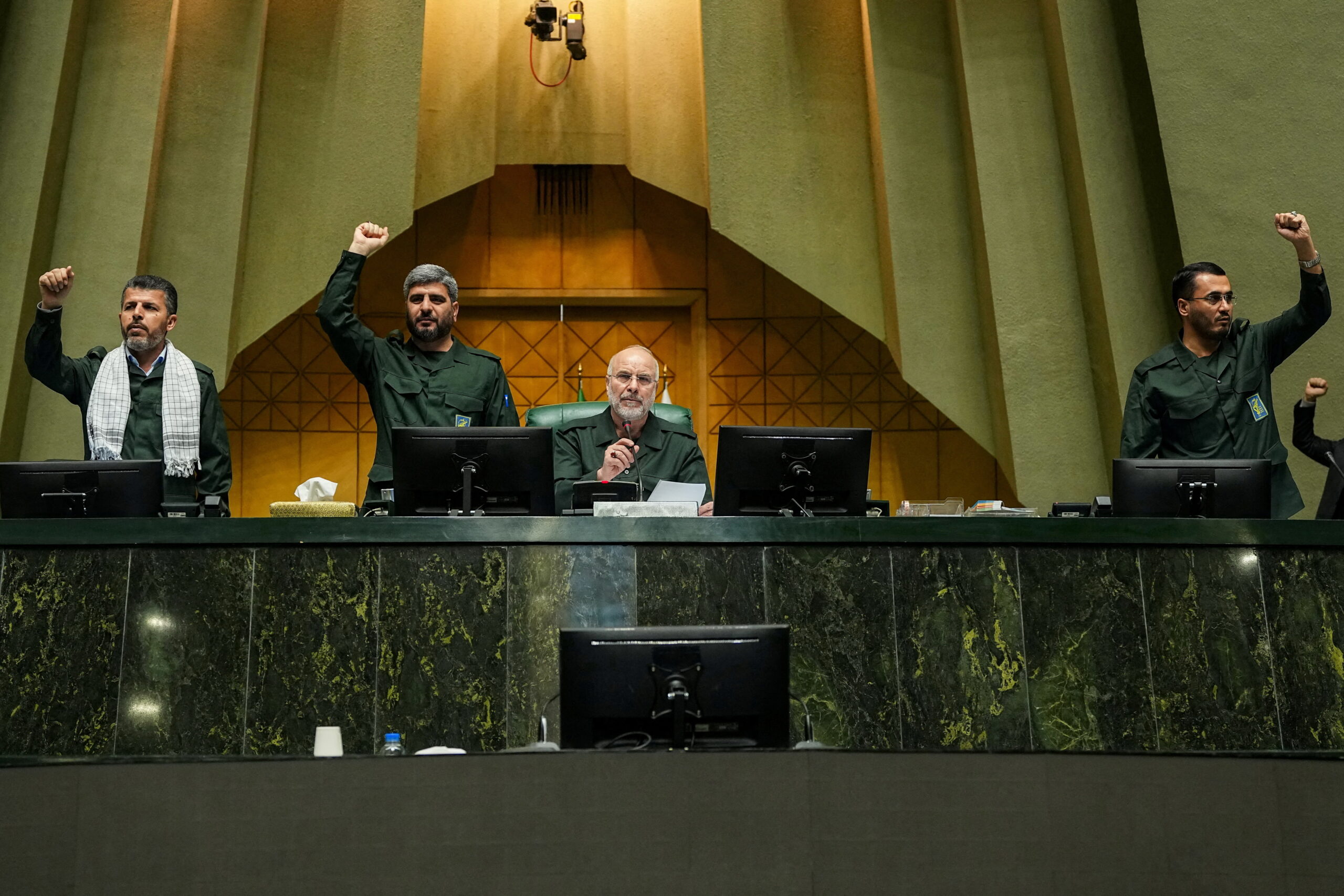
The IRGC did not seize power in a single stroke. It accumulated it – patiently, methodically – until no counterweight remained.
Events
Oct 6, 2026
10:00am - 11:00am
Is the U.S.-Iran Stalemate a “New Normal” or the Prelude to Another Explosion?
On October 6, AGSI will host a discussion on the U.S.-Iran stalemate and the prospects for a cease-fire.
Speakers


Book Talk: Iran and the Bomb: The United States, Iran and the Nuclear Question
On June 16, AGSI hosted a discussion on the evolution of Iran's nuclear program.
Speakers
Apr 21, 2026
Inside Iran’s Wartime Leadership: Power, Succession, and Regime Stability
On April 21, AGSI hosted a discussion on the evolution of Iran's leadership during the war.
Speakers

Mar 18, 2026
In Its Conflict With the United States and Israel, Does Escalation Favor Iran?
On March 18, AGSI hosted a discussion on the escalation of the Iran war.
Speakers