Jul 2, 2024
Presidential Election in Iran: Pezeshkian and Jalili Proceed to Runoff July 5
The July 2 edition of the Iran Media Review examines commentary ahead of the second round of voting in Iran’s presidential election.

Among Iran’s 61.5 million eligible voters, only 24.5 million – roughly 40% – cast their votes in Iran’s presidential election June 28. Masoud Pezeshkian came on top with 10.4 million votes, followed by Saeed Jalili’s 9.5 million votes, Mohammad-Bagher Qalibaf’s 3.4 million votes, and Mostafa Pourmohammadi’s modest 206,000 votes, significantly less than the 1.5 million ballots deemed invalid. Since no candidate received a majority of the vote in the first round, Pezeshkian and Jalili will proceed to a second round of voting July 5. In preparation, Iran’s state-censored media is discussing each candidate’s prospects.
- June 30: Kourosh Ahmadi, a former diplomat and columnist for reformist Shargh Daily, wrote on the “mistakes of the Pezeshkian campaign”: “Although Dr. Pezeshkian appeared on top of the ballot, his vote was significantly lower than the expectations (around 16% of eligible voters) … From the very beginning of the campaign, it was clear that voter turnout was the central issue of elections … The Pezeshkian campaign’s main approach was to stoke fear of the rivals, promise improvement in quotidian issues, and appeal to the feelings of the people to create enthusiasm … But the modern urban middle class was not likely to respond to this approach … This group cannot be motivated” to vote “unless the candidate presents a political program and attends to the substance of the matter. It is not at all enough just to present Pezeshkian as uncorrupt and someone who does not lie … The voters want to know what Pezeshkian’s plans are to solve the problems, and they want to know that he, as president, is committed to his own plans … Today, we are clearly seeing the specter of extremism, and should Pezeshkian continue talking about generalities or well-meant sermons, we cannot expect the voter turnout in the second round to be higher than in the first round.”
- June 30: Kayhan newspaper, a mouthpiece of Supreme Leader Ayatollah Ali Khamenei, dedicated its front page to attacking the Pezeshkian campaign under the headline “The Pezeshkian Campaign’s Only Plan: To Stoke Fear of the Rival.” Kayhan’s anonymous columnist wrote: “One of the characteristics of Masoud Pezeshkian’s campaign is his lack of a program and reliance on media quarrels, which elevate stoking fear of the rival among the voters to his main instrument … The Pezeshkian campaign and former Foreign Minister Mohammad Javad Zarif, fearful of being held accountable for their own shortcomings, blame Jalili for the sanctions. This is bound to be one of the most dishonorable deeds of the campaign … Zarif also blames Jalili for the United Nations Security Council Resolutions against Iran, although most of the resolutions were passed before Jalili was appointed Supreme National Security Council secretary … They accuse Jalili of having a ‘Taliban mentality,’ but these people were themselves among the most radical elements in the 1980s and can only be perceived as the mentors of the Taliban when it comes to radicalism,” referencing the reformist camp.
- June 30: Seyyed Hossein Marashia, a member of the Kargozaran-e Sazandegi technocratic faction and ally of former President Hassan Rouhani, said in an interview with faction mouthpiece Sazandegi: “Now, the choice is crystal clear, and the differences between Mr. Pezeshkian and Mr. Jalili are visible for all to see. Taking into account the trend in the election in the United States and the very real prospect for Trump’s return to power, the people of Iran now have an opportunity to vote for safety,” possibly meaning to opt for the safe bet, which in his opinion is Pezeshkian.
- June 30: Islamic Revolutionary Guard Corps mouthpiece Javan newspaper’s front page asked Pezeshkian, “Who Will Be in Your Cabinet?” writing: “The head of the Pezeshkian campaign recently said, ‘Pezeshkian has no idea about the composition of his Cabinet.’ This is a terrifying statement … Now, there is demand from society to know who will be in the Cabinet so that they don’t just vote for an individual but for a Cabinet. This also provides the candidates with the opportunity to purge radical and illiterate elements around them as well as a good opportunity for the people to know what calamity is about to befall them.”
The views represented herein are the author's or speaker's own and do not necessarily reflect the views of AGSI, its staff, or its board of directors.
Related
Iran Media Review
Jul 1, 2024
Iran’s Presidential Election: The Foreign Policy Debate
The July 1 edition of the Iran Media Review examines a wide-ranging debate on foreign policy among Iran’s presidential candidates.
Iran Media Review
Jun 25, 2024
Presidential Election in Iran: Signals and Significance
The June 25 edition of the Iran Media Review highlights developments in Iran’s upcoming presidential election.
Jul 1, 2024
Iran’s Presidential Election: The Foreign Policy Debate
The July 1 edition of the Iran Media Review examines a wide-ranging debate on foreign policy among Iran’s presidential candidates.
Jun 25, 2024
Presidential Election in Iran: Signals and Significance
The June 25 edition of the Iran Media Review highlights developments in Iran’s upcoming presidential election.
Analysis
The Islamic Republic Returns to Offense
After U.S.-Israeli strikes killed Supreme Leader Ayatollah Ali Khamenei on February 28, Iran’s collective leadership has concluded that the best defense is a good offense.
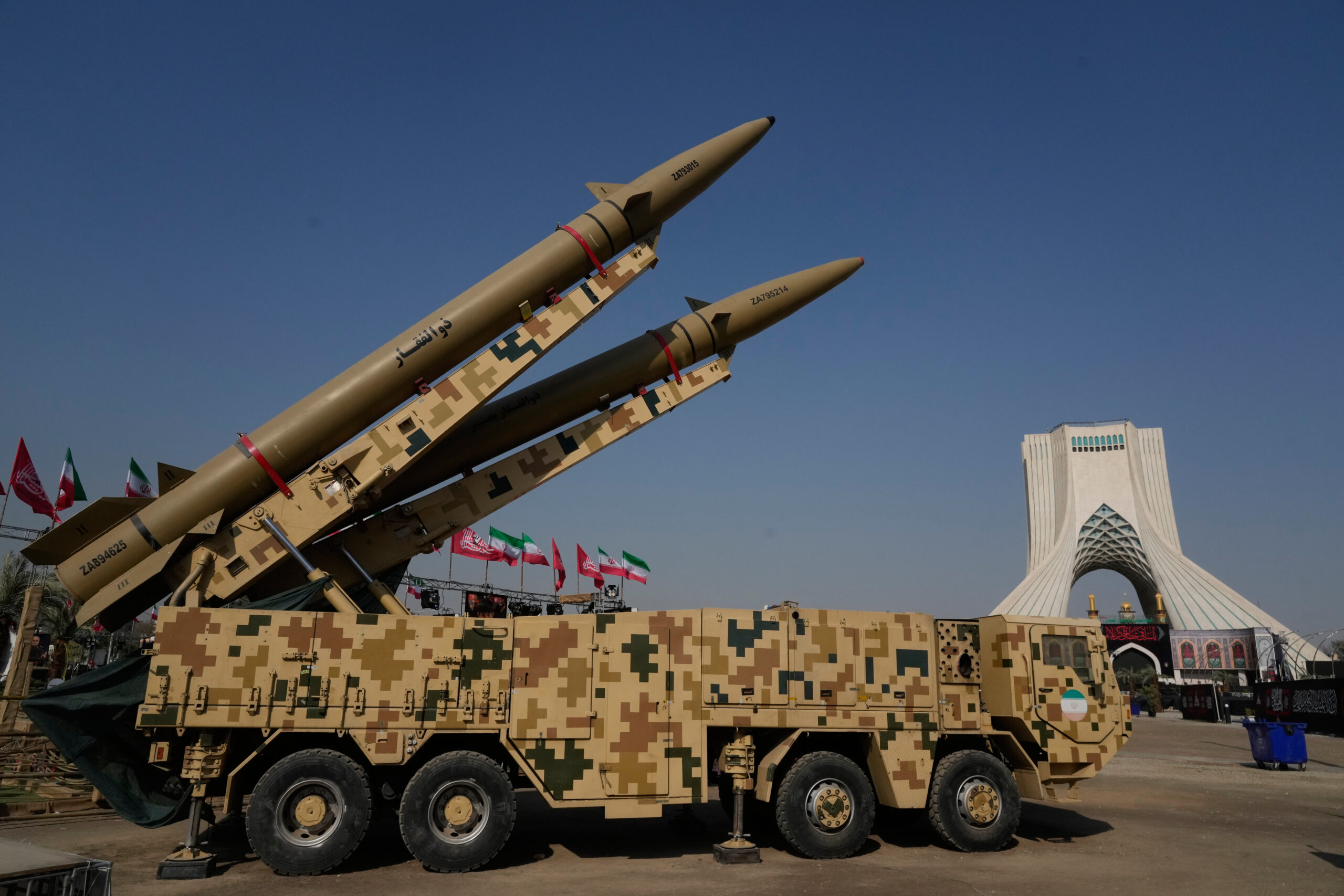
Iran’s Collective Strategic Decision Making
Wartime pressure has temporarily aligned the leadership’s overriding interest in regime survival, even as its members continue to differ over the costs, methods, and ultimate objectives of the war.
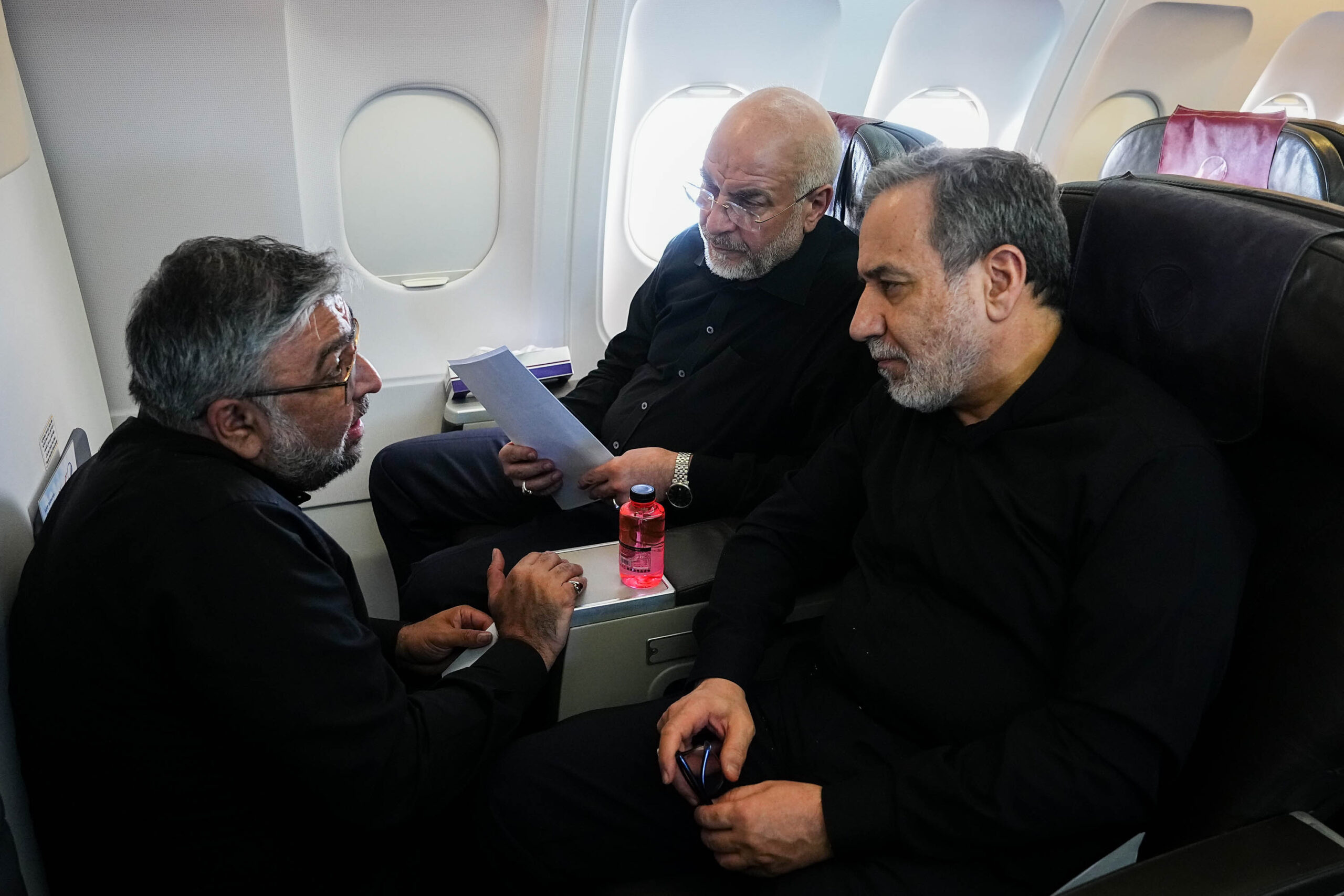
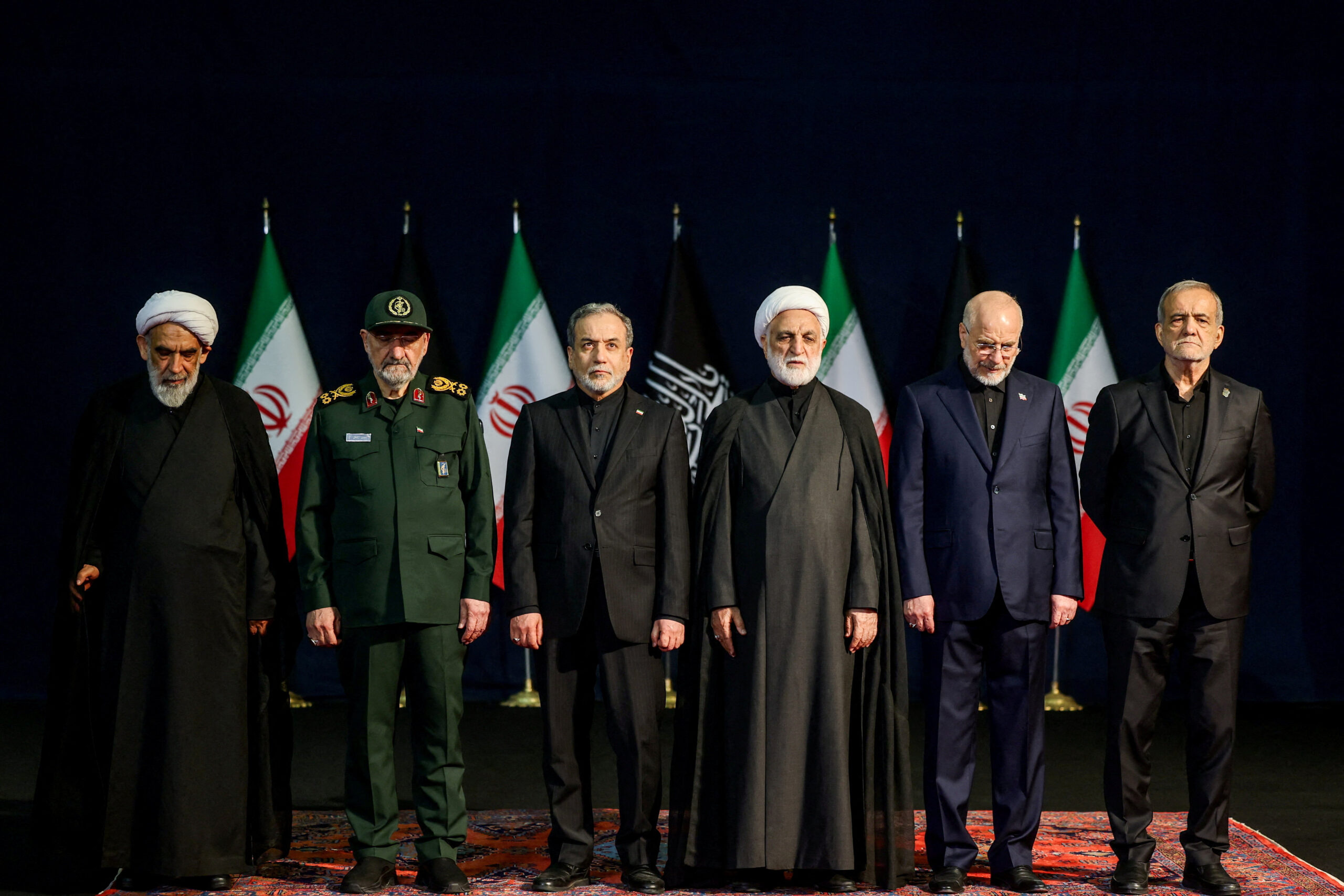
The Islamic Republic’s Collective Leadership
While there is historical precedent for collective leadership in Iran, today’s leadership includes representatives of the IRGC and regular military – a reflection of the IRGC’s expanding role and the necessities of governing under wartime conditions.
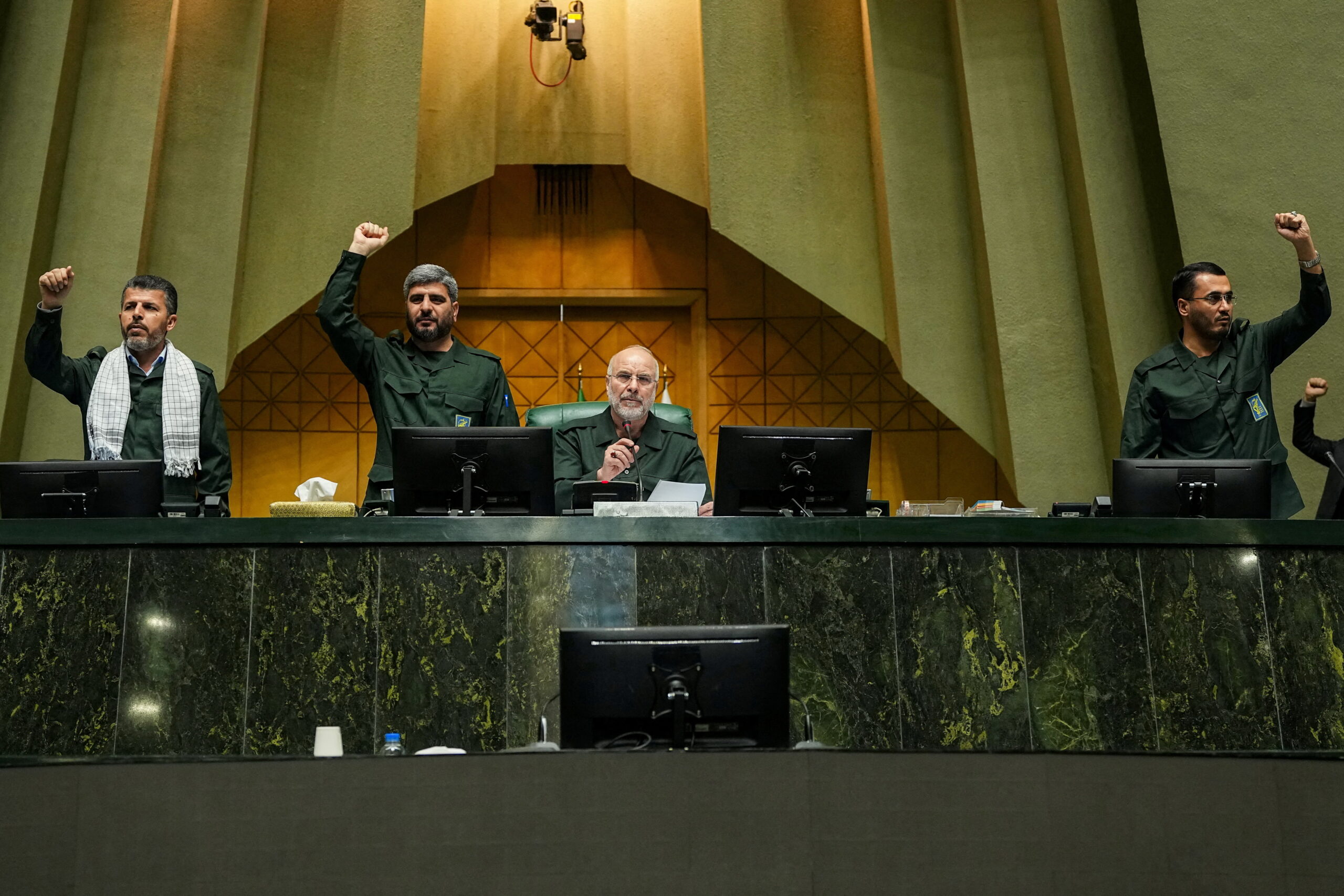
How Did the IRGC Seize Power in Iran?
The IRGC did not seize power in a single stroke. It accumulated it – patiently, methodically – until no counterweight remained.
Events
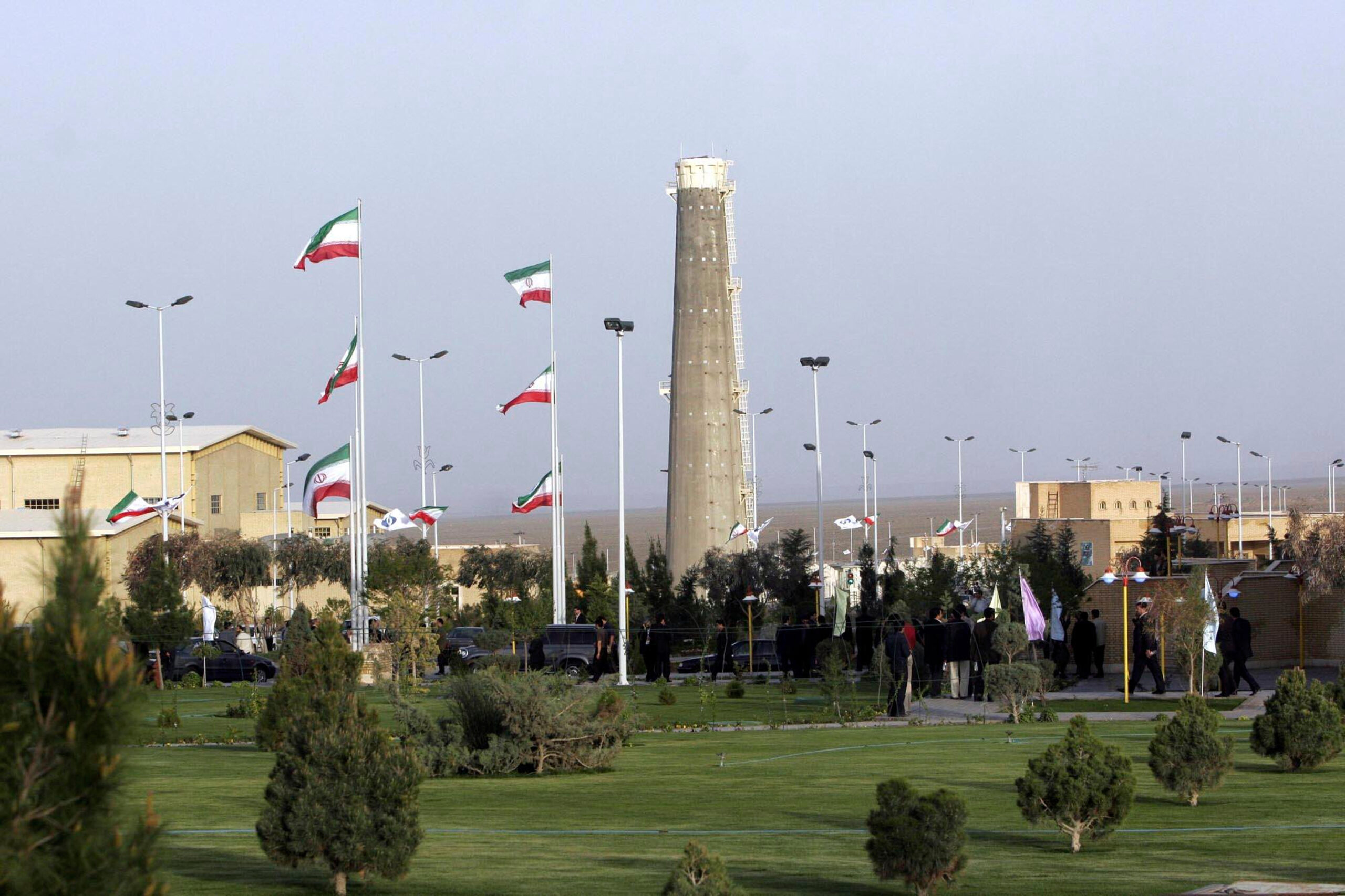
Book Talk: Iran and the Bomb: The United States, Iran and the Nuclear Question
On June 16, AGSI hosted a discussion on the evolution of Iran's nuclear program.
Speakers

Apr 21, 2026
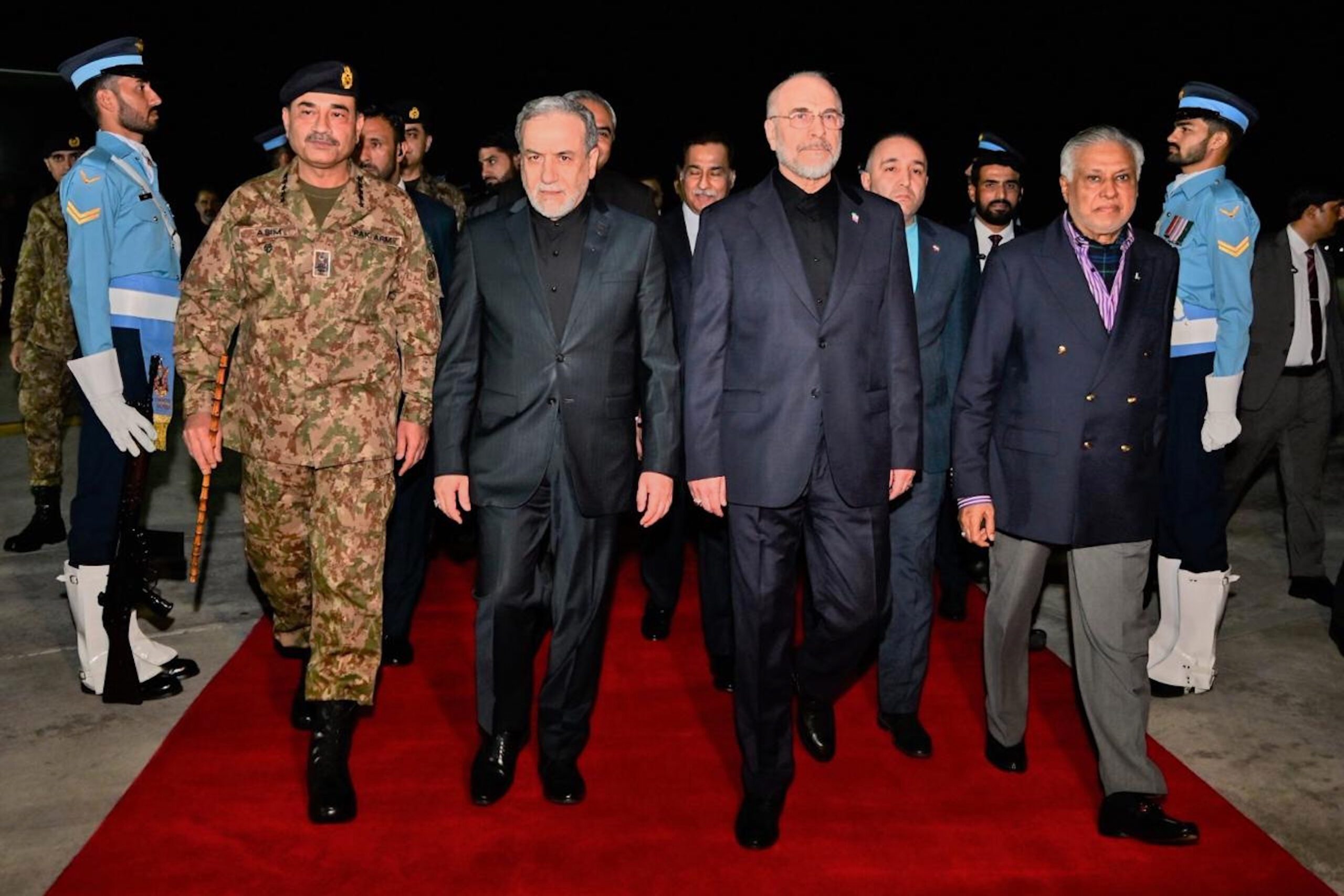
Inside Iran’s Wartime Leadership: Power, Succession, and Regime Stability
On April 21, AGSI hosted a discussion on the evolution of Iran's leadership during the war.
Speakers

Mar 18, 2026
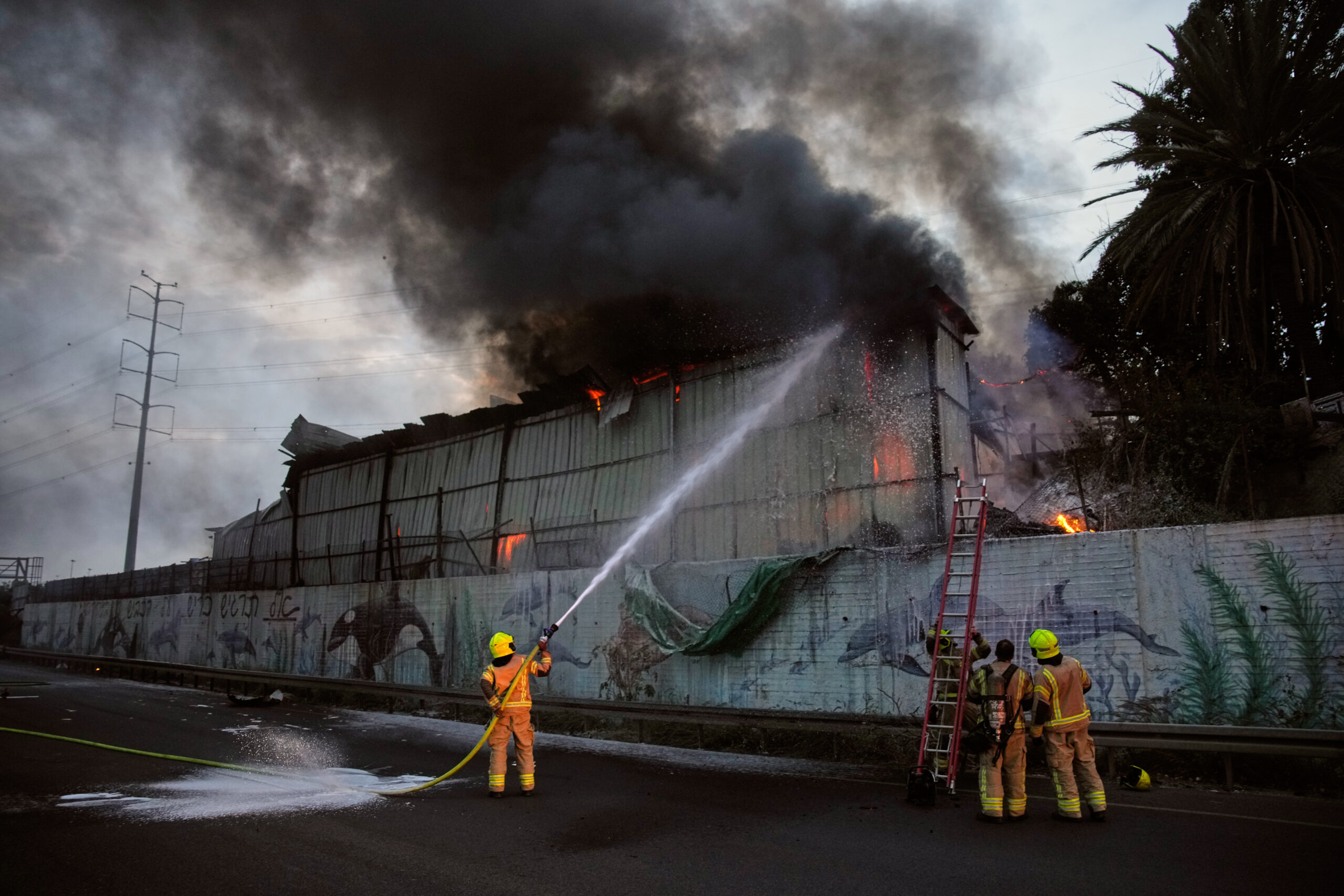
In Its Conflict With the United States and Israel, Does Escalation Favor Iran?
On March 18, AGSI hosted a discussion on the escalation of the Iran war.
Speakers


Mar 2, 2026
After the Shock: Implications of the U.S.–Israeli Strikes and Iran’s Leadership Transition
On March 2, AGSI hosted a discussion on the U.S.-Israeli strikes on Iran.
Speakers