Apr 26, 2024
Talk of the Day in Iran: The Nuclear Bomb
The April 26 edition of the Iran Media Review highlights the debate over the possibility of Iran changing its nuclear policy amid rising tensions with Israel.
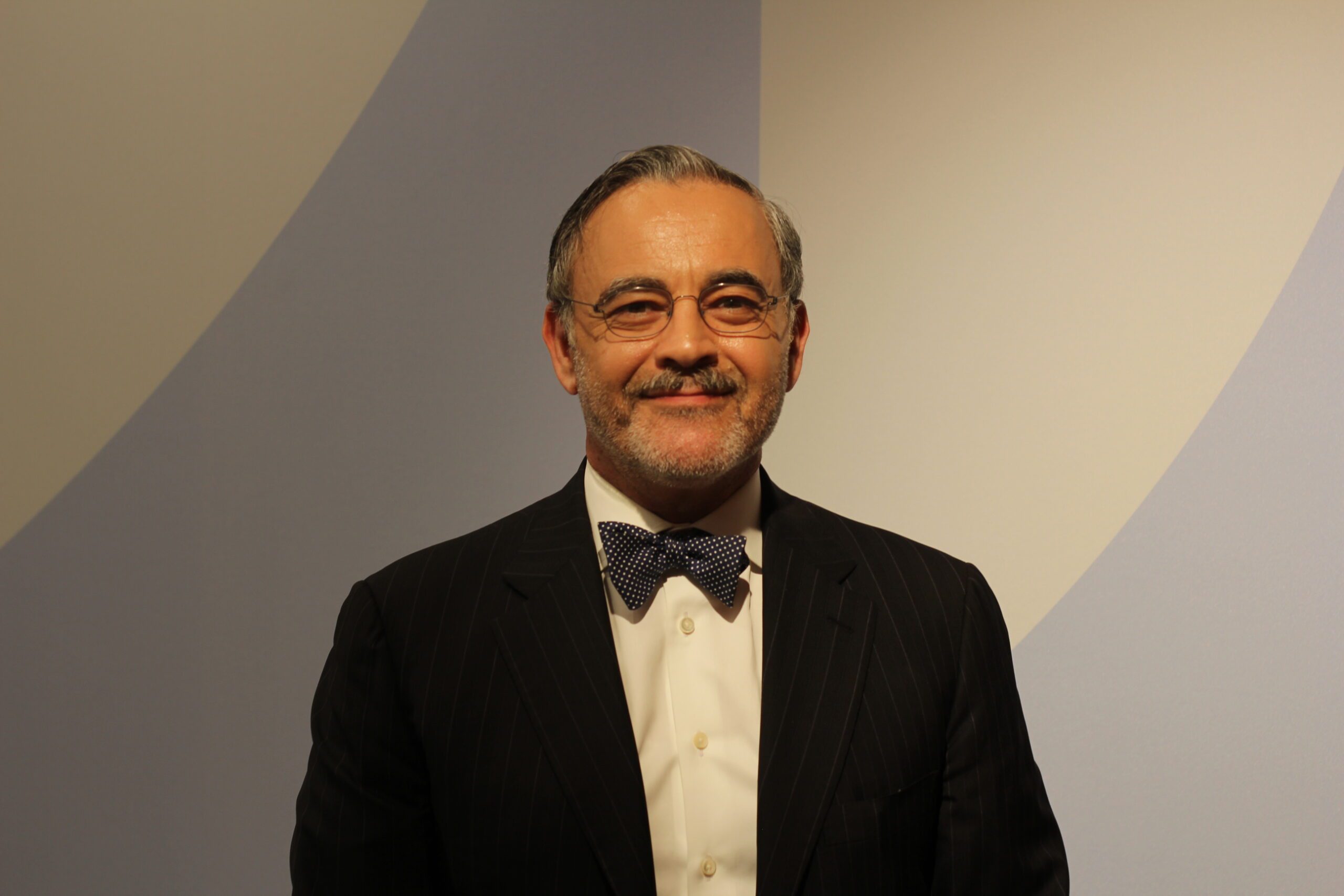
As Israel debated its response to Iran’s April 13 drone and missile attacks, Brigadier General Ahmad Haqtalab, who is responsible for the security of Iran’s nuclear installations, warned Tehran would “reconsider its nuclear doctrine and policies” if Israel targeted its nuclear infrastructure. This warning was followed by similar statements from a member of the Iranian Parliament’s National Security and Foreign Policy Committee. While the former statement was quoted but not debated in Iran’s state-censored media, the latter provoked a national debate on the wisdom of publicly commenting on Iran’s nuclear capabilities.
- April 18: Serat News, an Islamic Revolutionary Guard Corps mouthpiece, quoted Haqtalab as warning that Iran would “reconsider its nuclear doctrine and policies” should Israel attack Iranian nuclear infrastructure. He further suggested that if Iran’s nuclear infrastructure was attacked, it is “likely and conceivable” Iran would “deviate from previously stated positions,” possibly referencing Supreme Leader Ayatollah Ali Khamenei’s highly publicized fatwa, or religious edict, prohibiting the production and use of nuclear weapons.
- April 22: Javad Karimi Qodousi, a member of the Iranian Parliament’s National Security and Foreign Policy Committee, commented on the subject on X, formerly known as Twitter: “It will only take a week from the time permission is given until the first test is conducted,” alluding to the potential for nuclear testing.
- April 24: Centrist Farda News condemned Qodousi’s statements, which, according to the news agency, “undermine” Iran’s national security: “When the West, led by the Zionist regime and the United States, is trying to create an international consensus against Iran, why is a member of the National Security Committee trying to help the enemy with his statements? How can the Foreign Ministry explain to the world that this individual was expressing his personal viewpoints and not the official position of the Islamic Republic of Iran? Zionist media is now constantly reporting that Iran’s missile program is a threat to world security. It is also giving vast coverage to Rafael Grossi, director general of the International Atomic Energy Agency, who has repeated his old claim that Iran is just a few weeks away from the nuclear bomb. Iran, on the other hand, is trying to prove that Israel is disturbing the regional order and security and not the Islamic Republic of Iran. Under such circumstances, Qodousi’s tweet does not help Iran’s national security but causes Iranophobia, the exact goal of the United States and the Zionist regime.”
- April 24: IRGC mouthpiece Mashregh News, in an article that for the most part attacked Grossi’s statement that Iran is “just weeks, rather than months” away from obtaining enough enriched uranium to develop a nuclear bomb, made a vague reference to Qodousi’s public comments: “The truth is that Iran’s nuclear doctrine is completely clear and transparent, but Iran will use all of its capacities in the nuclear field to achieve state-of-the-art technology. Individuals expressing their personal viewpoints do not change the general direction of the regime.”
The views represented herein are the author's or speaker's own and do not necessarily reflect the views of AGSI, its staff, or its board of directors.
Related
Iran Media Review
Apr 23, 2024
Iran: Swiss Ambassador Allegedly Summoned by IRGC Instead of Foreign Ministry
The April 23 edition of the Iran Media Review examines insights into the bureaucratic dimension of Iran’s retaliatory attack against Israel.
Iran Media Review
Apr 19, 2024
Crisis Contained? Iran’s State-Censored Media Reports Limited Israeli Attack, No Damage
The April 19 edition of the Iran Media Review examines immediate reactions to the Israeli strike in Isfahan.
Apr 23, 2024
Iran: Swiss Ambassador Allegedly Summoned by IRGC Instead of Foreign Ministry
The April 23 edition of the Iran Media Review examines insights into the bureaucratic dimension of Iran’s retaliatory attack against Israel.
Apr 19, 2024
Crisis Contained? Iran’s State-Censored Media Reports Limited Israeli Attack, No Damage
The April 19 edition of the Iran Media Review examines immediate reactions to the Israeli strike in Isfahan.
Analysis
The Islamic Republic Returns to Offense
After U.S.-Israeli strikes killed Supreme Leader Ayatollah Ali Khamenei on February 28, Iran’s collective leadership has concluded that the best defense is a good offense.
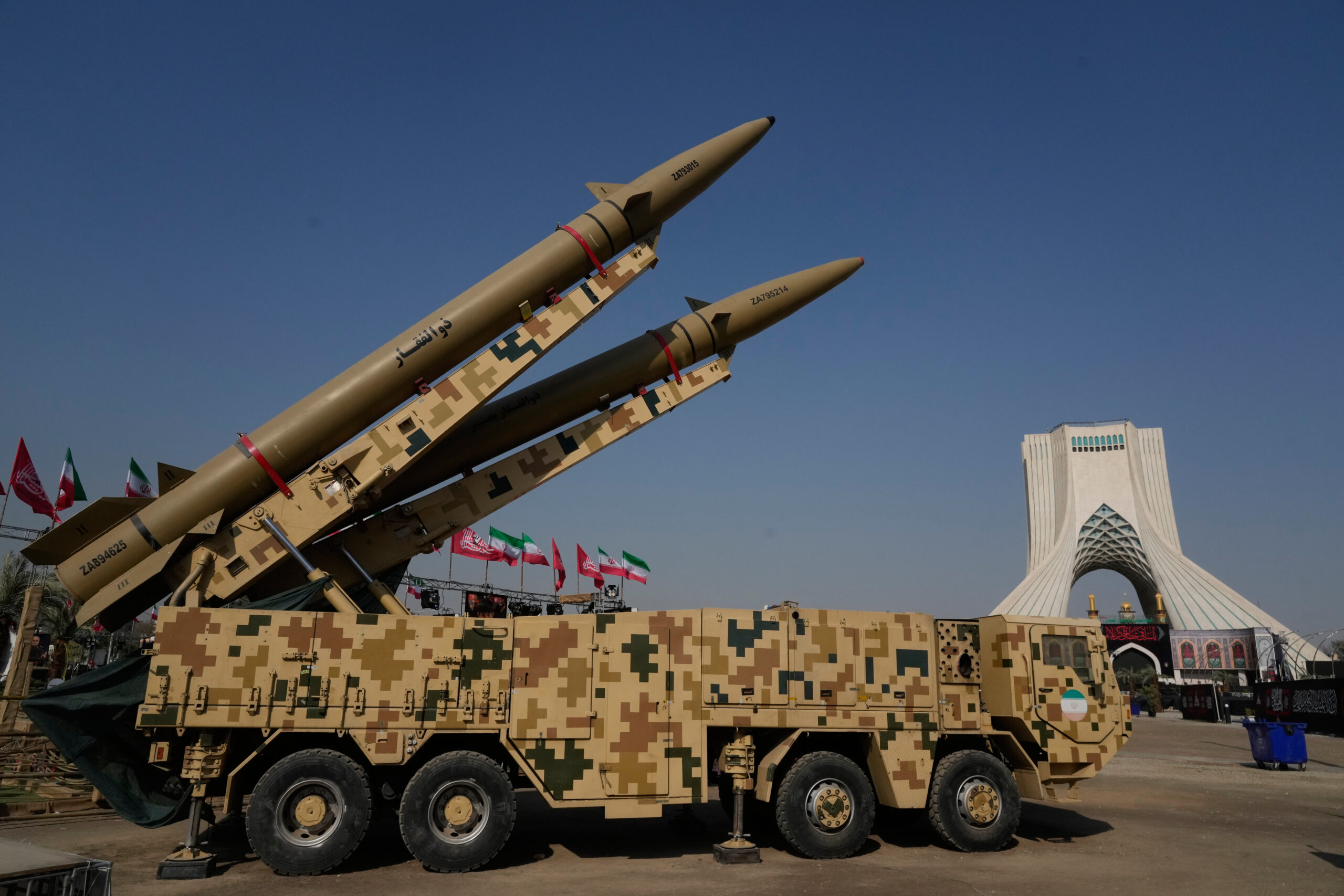
Iran’s Collective Strategic Decision Making
Wartime pressure has temporarily aligned the leadership’s overriding interest in regime survival, even as its members continue to differ over the costs, methods, and ultimate objectives of the war.
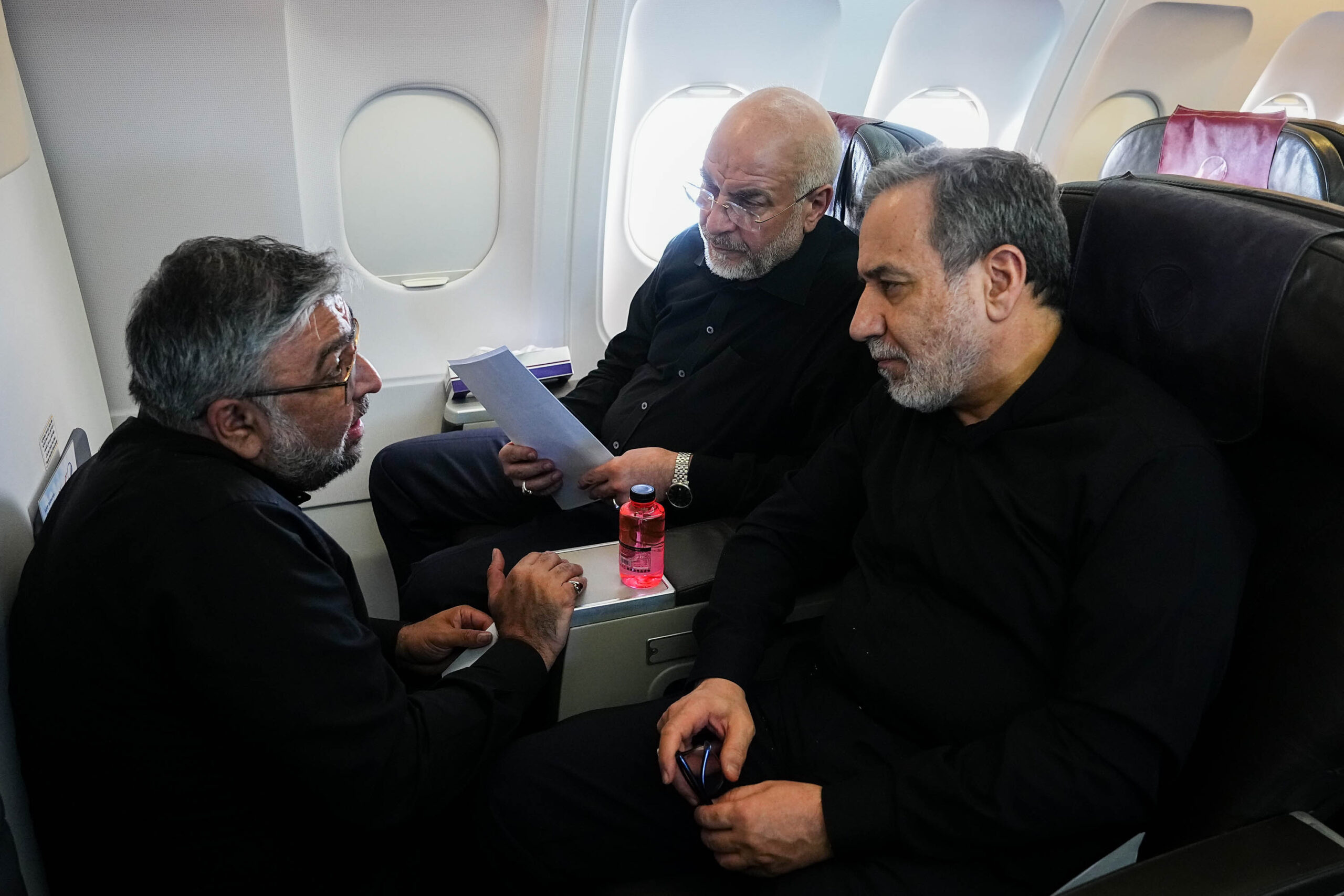
The Islamic Republic’s Collective Leadership
While there is historical precedent for collective leadership in Iran, today’s leadership includes representatives of the IRGC and regular military – a reflection of the IRGC’s expanding role and the necessities of governing under wartime conditions.
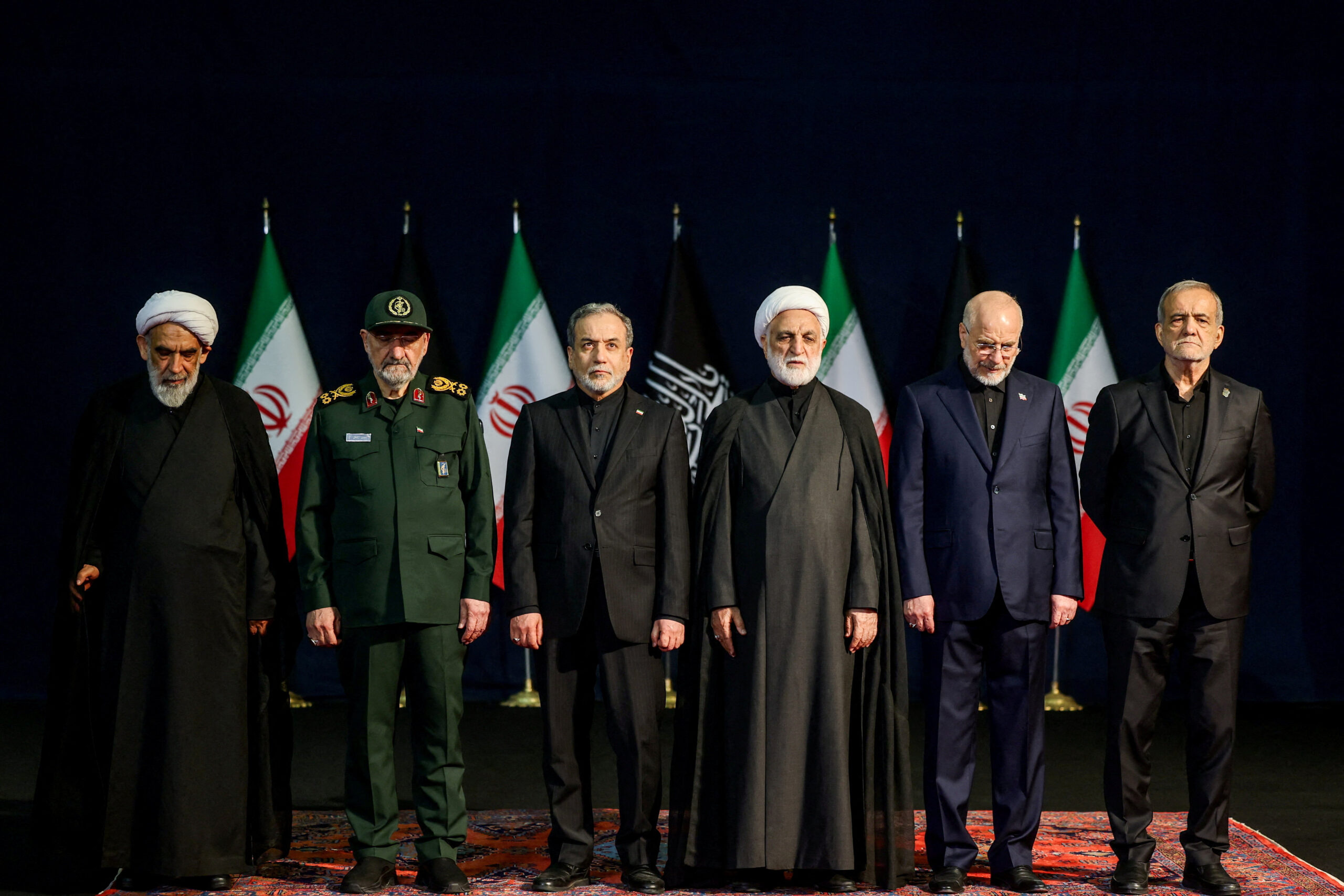
How Did the IRGC Seize Power in Iran?
The IRGC did not seize power in a single stroke. It accumulated it – patiently, methodically – until no counterweight remained.
Events
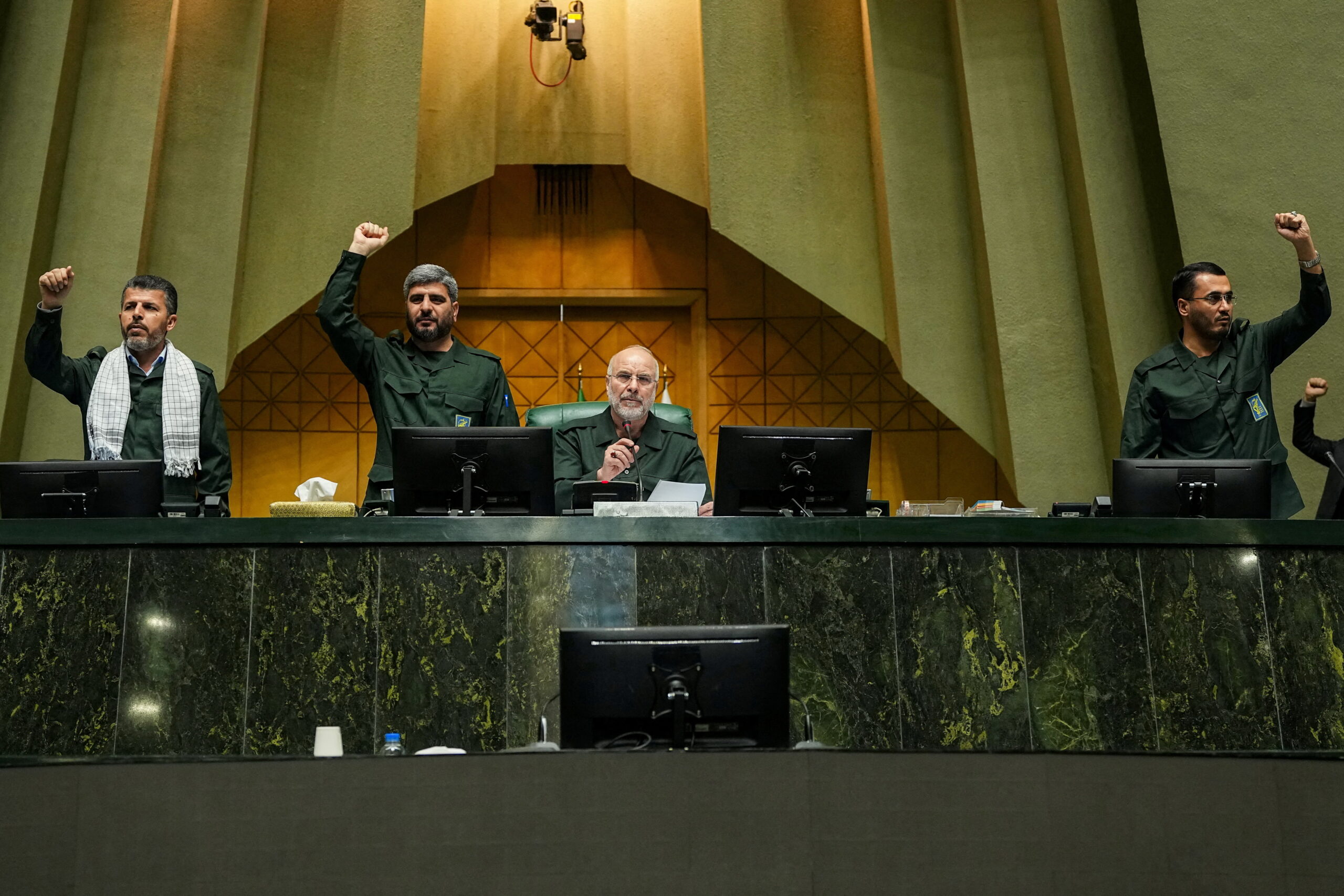
Book Talk: Iran and the Bomb: The United States, Iran and the Nuclear Question
On June 16, AGSI hosted a discussion on the evolution of Iran's nuclear program.
Speakers

Apr 21, 2026
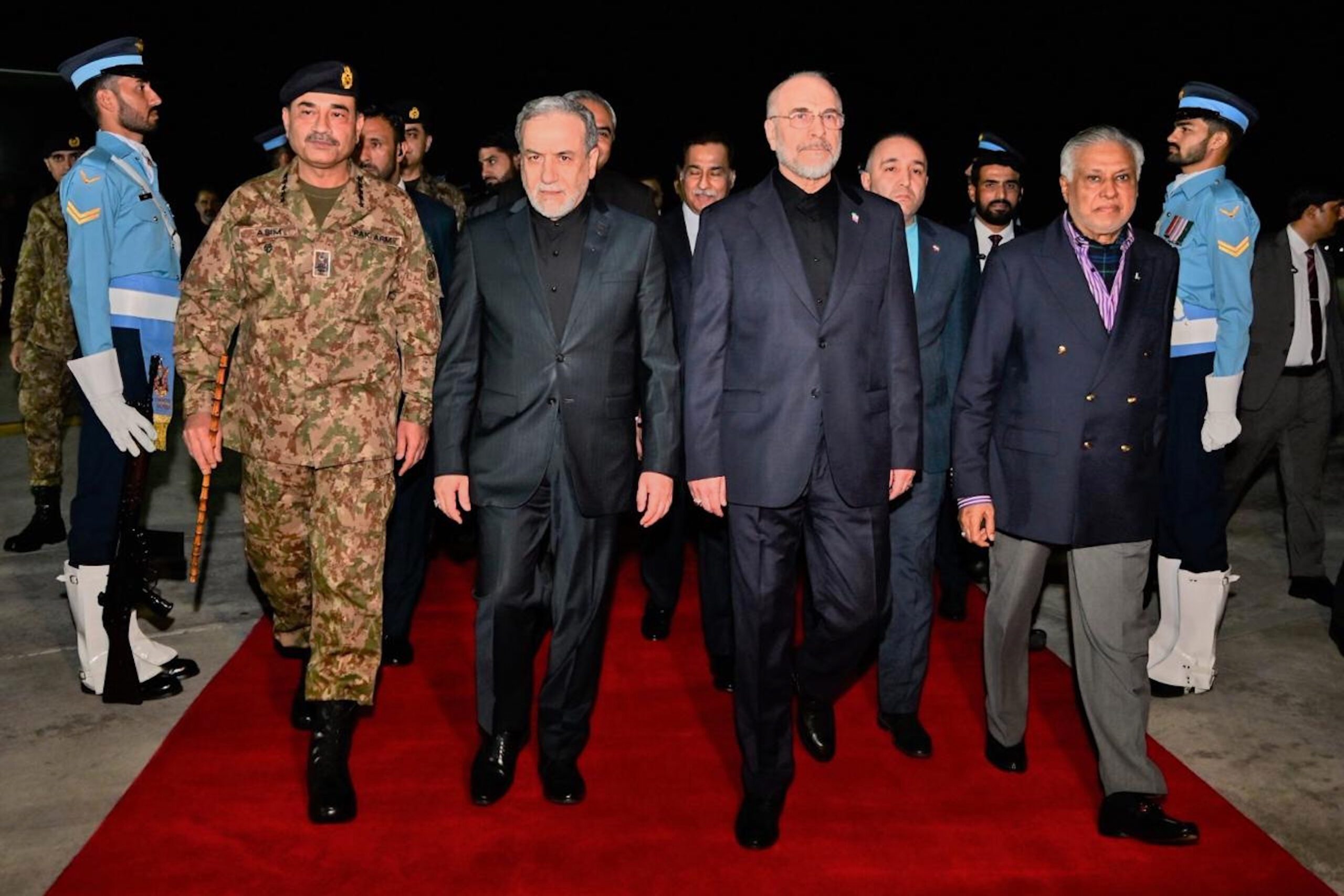
Inside Iran’s Wartime Leadership: Power, Succession, and Regime Stability
On April 21, AGSI hosted a discussion on the evolution of Iran's leadership during the war.
Speakers

Mar 18, 2026
In Its Conflict With the United States and Israel, Does Escalation Favor Iran?
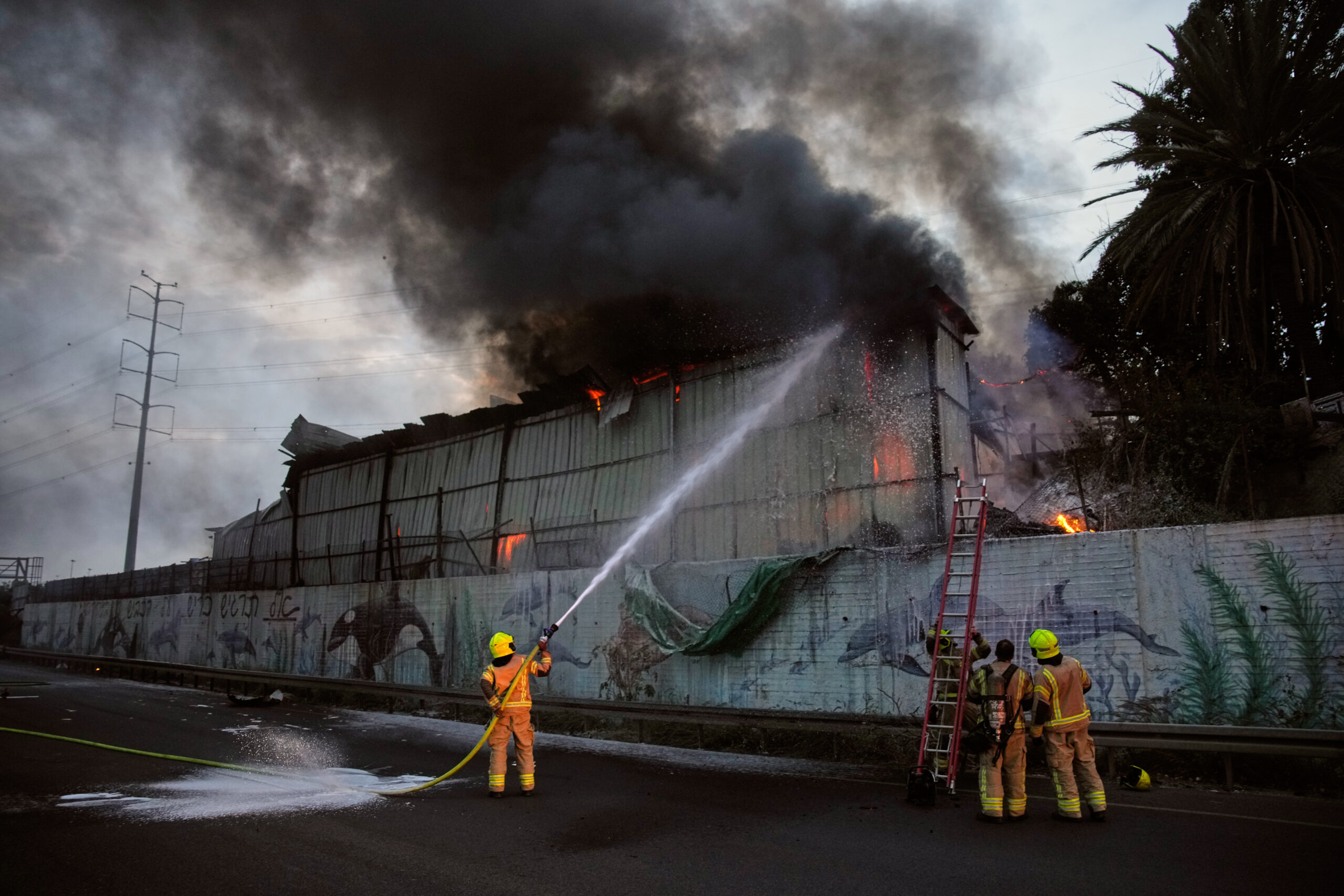
On March 18, AGSI hosted a discussion on the escalation of the Iran war.
Speakers


Mar 2, 2026
After the Shock: Implications of the U.S.–Israeli Strikes and Iran’s Leadership Transition
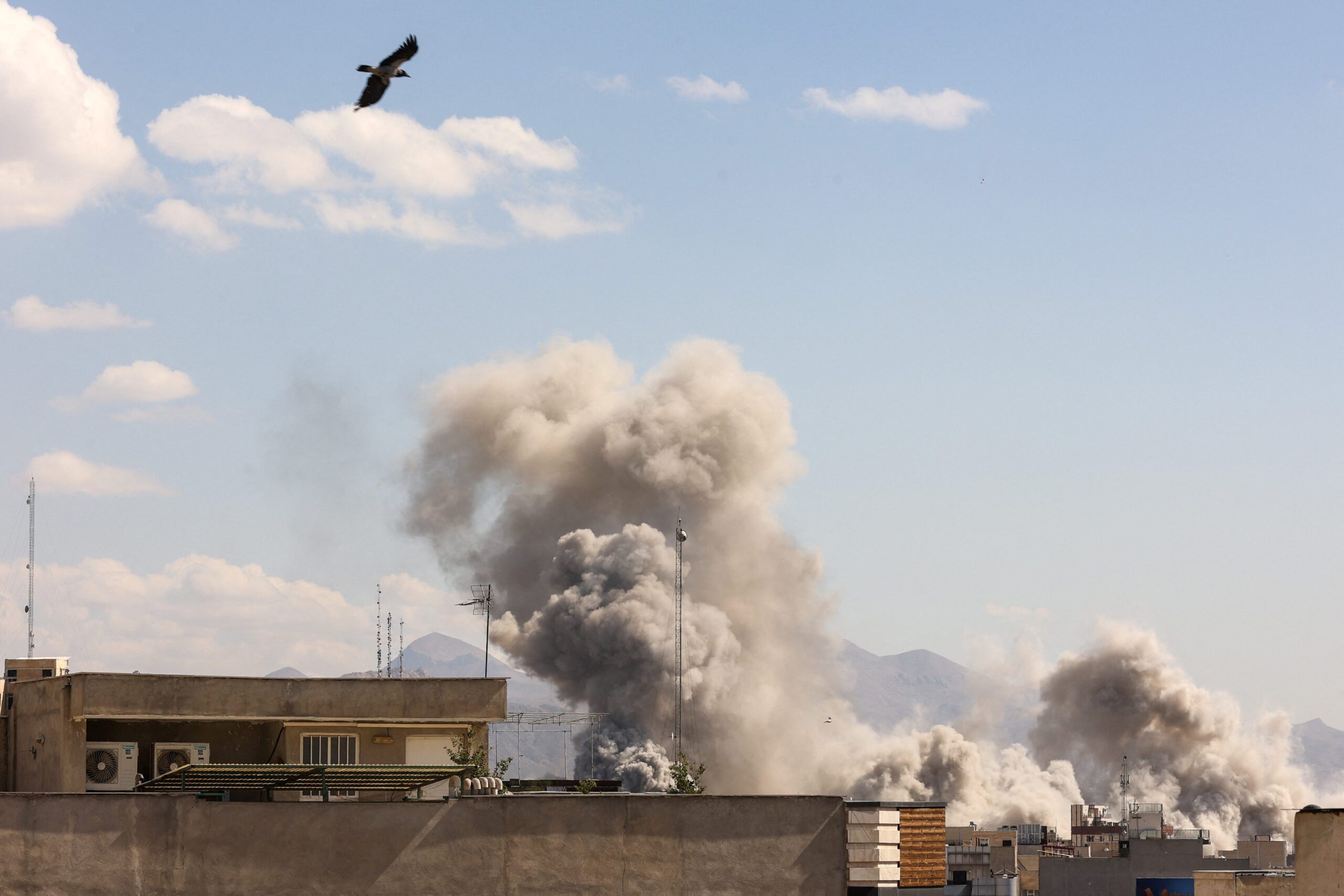
On March 2, AGSI hosted a discussion on the U.S.-Israeli strikes on Iran.
Speakers